Artwork
Portrait of a Man
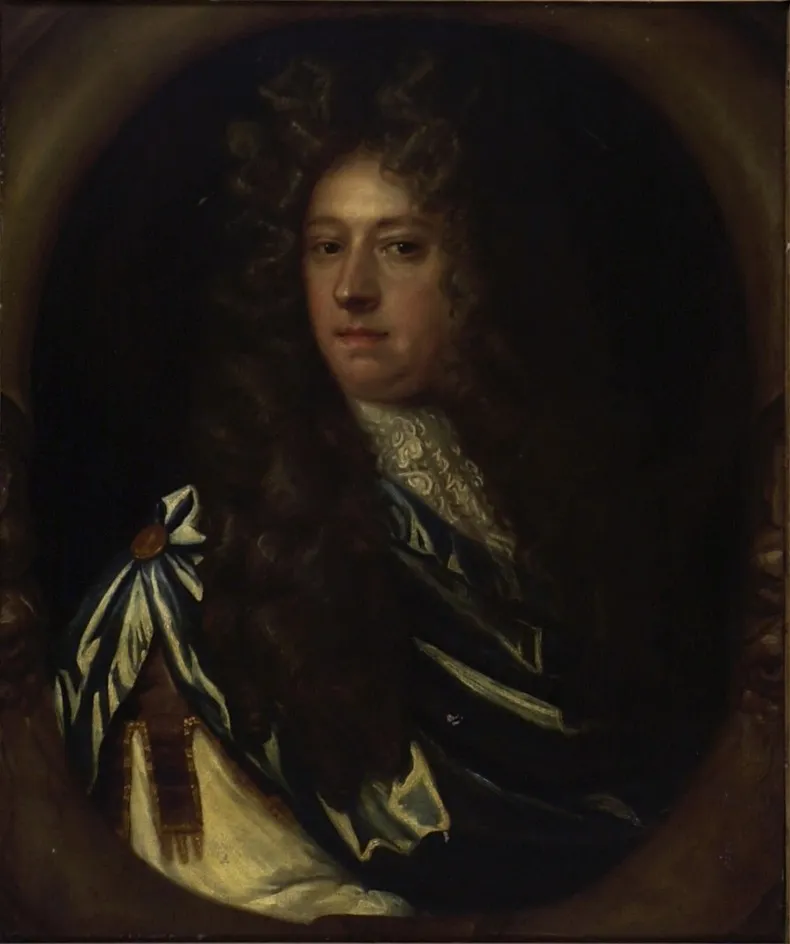
Portrait of a Man is an oil painting by the Dutch Golden Age artist Unknown. It dates from 1660 and is held in the collection of the Ashmolean Museum. The work is an oil painting that presents a single male figure in a formal pose.
About this work
The use of chiaroscuro, a technique that uses strong contrasts between light and dark, adds depth and dimension to the portrait.
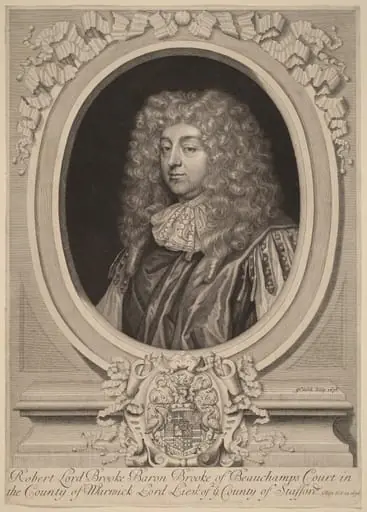
The painting is a portrait of a man, rendered in oil paint. The subject is depicted wearing a dark jacket with a white shirt underneath, and a blue sash is draped over his shoulder. His curly hair is prominent, and he is set against a dark background. The man's attire and hairstyle suggest a sense of elegance and refinement. The use of chiaroscuro, a technique that uses strong contrasts between light and dark, adds depth and dimension to the portrait. This painting is reminiscent of the works of artists who specialized in portraiture during the 17th century.
Overview
The work is an oil painting that presents a single male figure in a formal pose. He is dressed in a dark jacket over a white shirt, with a blue sash draped across his shoulder, and his curly hair is rendered with particular attention. The background is uniformly dark, emphasizing the sitter through contrast.
Subject & Meaning
The portrait captures a gentleman whose attire and grooming convey a status of refinement typical of early modern European society. The blue sash may indicate a decorative element or a hint of affiliation, while the overall composition suggests an intention to highlight personal dignity and presence.
Technique & Style
Executed with chiaroscuro, the painting employs stark light‑dark contrasts to model the figure’s features and clothing, creating a three‑dimensional effect. The handling of oil paint shows careful modulation of tones, especially in the rendering of the curls and the texture of the fabrics, aligning it with portrait traditions of the 17th century.
History & Provenance
While specific documentation of the sitter and the artist is absent, the stylistic affinities place the work within the broader context of 17th‑century portraiture, a period when oil on canvas was the dominant medium for depicting individuals of rank or wealth.
Context
The painting reflects the era’s emphasis on individual representation, where clothing, accessories, and lighting were employed to convey social standing. Its dark background and focused illumination echo the conventions of Baroque portraiture, which sought to dramatize the subject’s character through visual contrast.
Artist & collection

 Domestic Scene
 Giacomo and Cardinal Marco, investing Andrea, Abbot of San Zeno, with his Benefice
 The Nymph of Fontainebleau
 Portrait of a Woman
 Madonna and Child with Saints in the Enclosed Garden
 Venus and Minerva
 Family Group of Four on Sofa
 Wall painting from Room H of the Villa of P. Fannius Synistor at Boscoreale
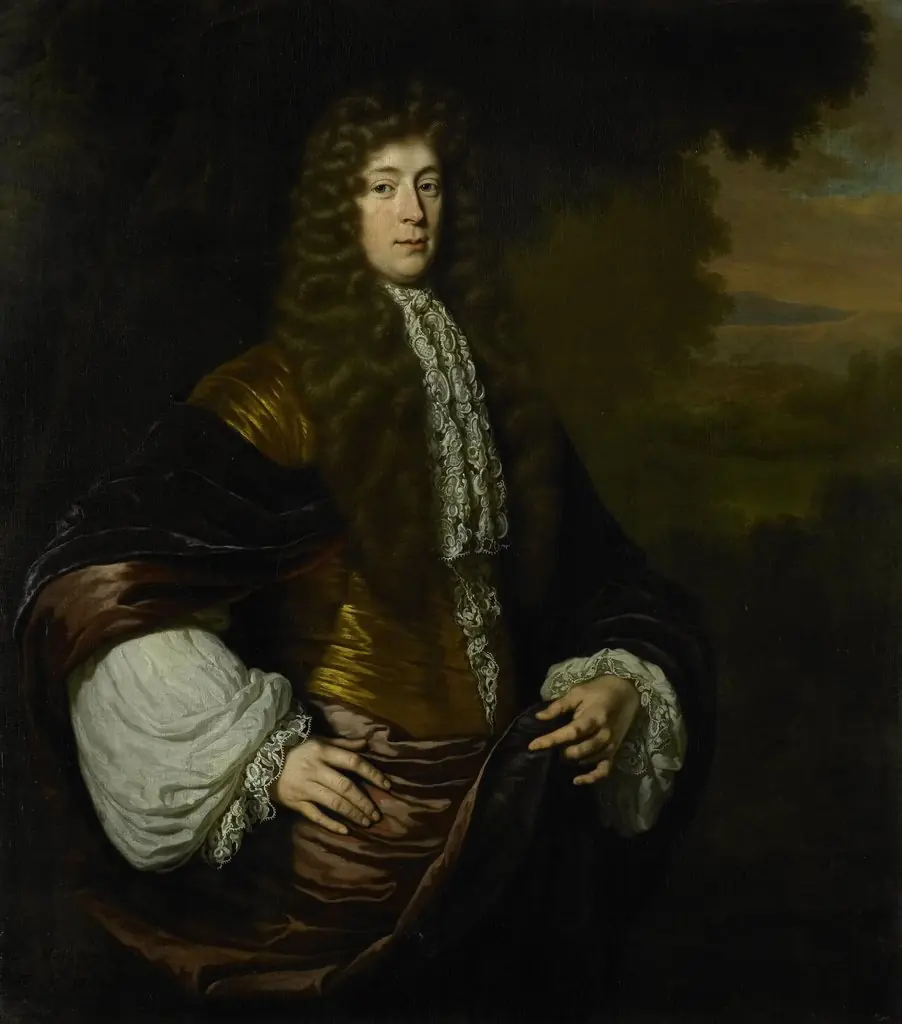 Portrait of Hendrick Bicker (1649 - 1718), burgomaster of Amsterdam
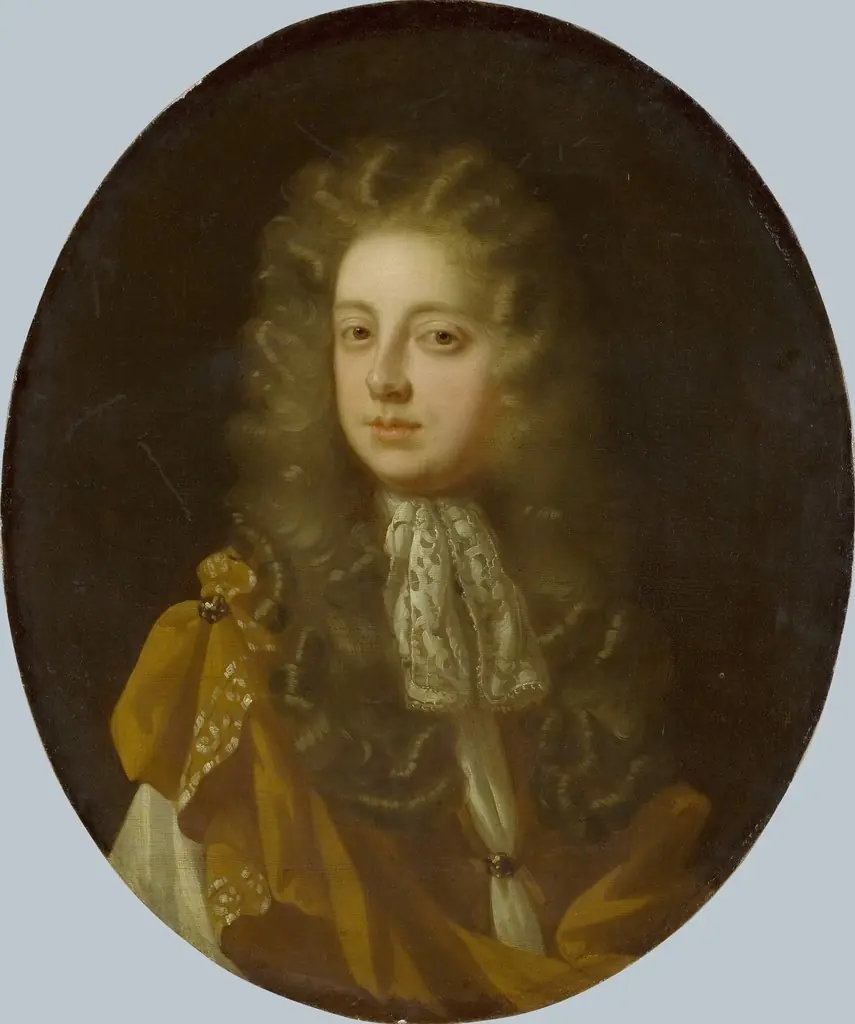 Portrait of Sir Benjamin Bathurst (1638-1704)
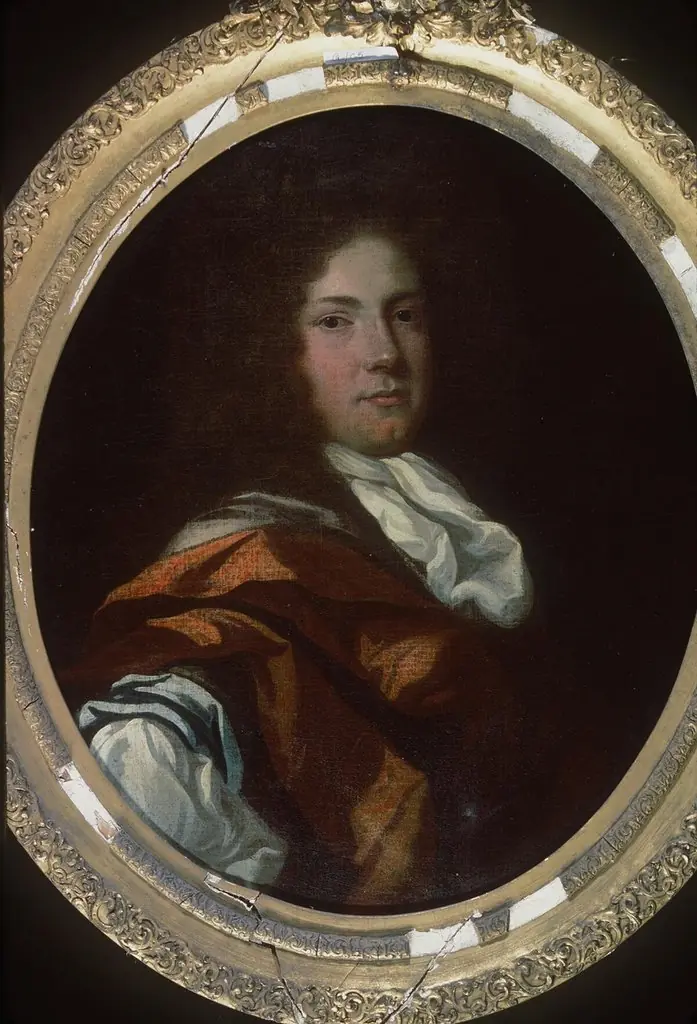 Edward Loveden
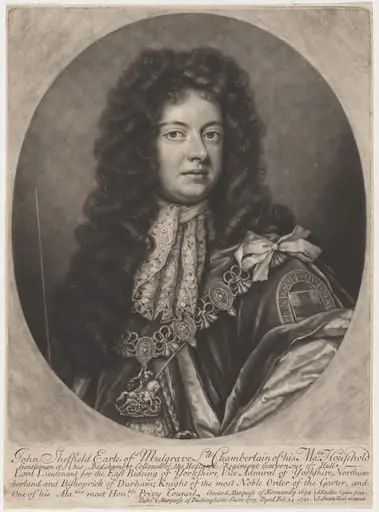 John Sheffield, Third Earl of Mulgrave, FirstDuke of Buckinghamshire
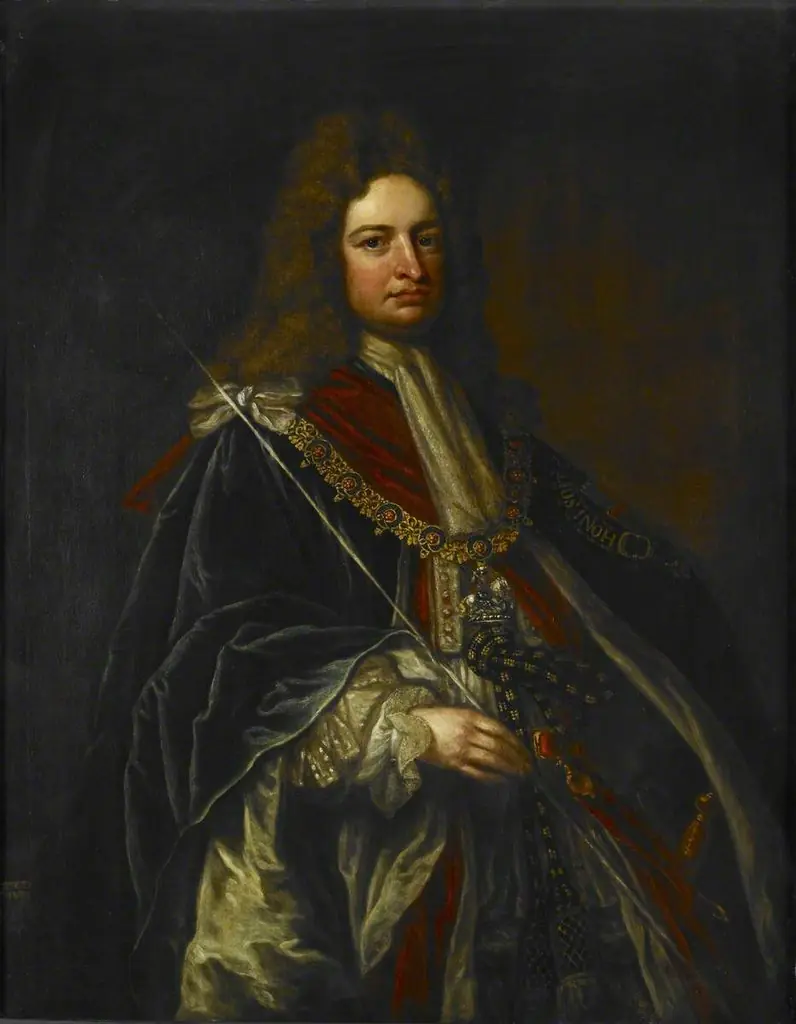 Robert Harley (1661–1724), 1st Earl of Oxford and Mortimer
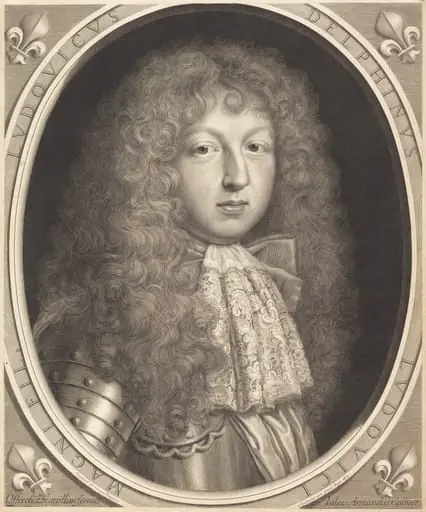 Louis, Dauphin de France
 Thomas, 6th of Earl of Ossory (1634-1680)
 Godfrey Kneller
 Portrait of Jan Boudaen Courten (1635-1716), lord of St. Laurens, Schellach and Popkensburg, Judge and alderman of Middelburg
 Sir Thomas Isham
 Thomas Murray
 Robert Greville, Lord Brooke