Artwork
Louis, Dauphin de France
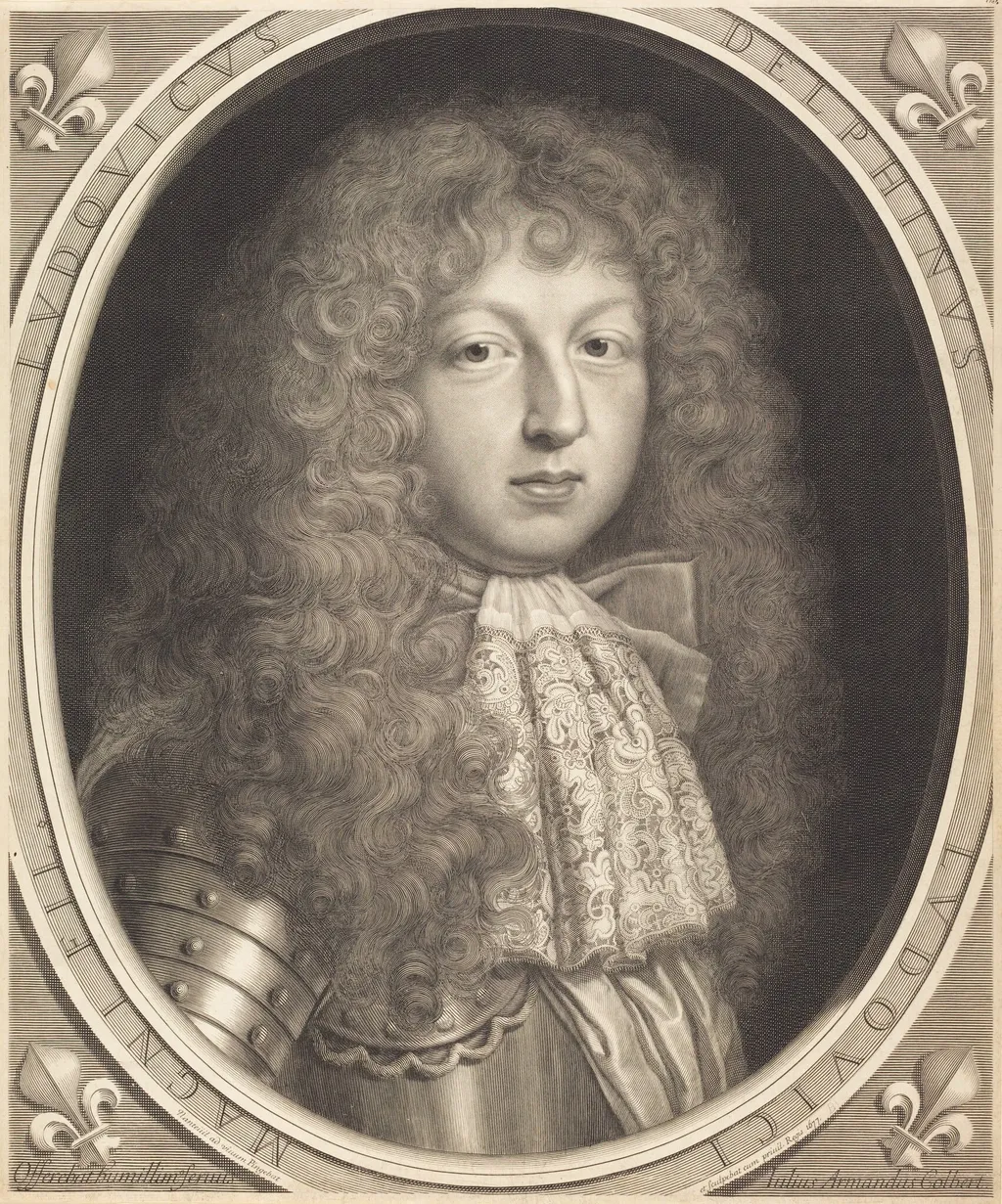
Louis, Dauphin de France is an ink print by the Baroque artist Robert Nanteuil. It dates from 1677 and is held in the collection of the National Gallery of Art. The 1677 print depicts Louis, the heir to the French throne, rendered in a formal, courtly manner.
About this work
Overview
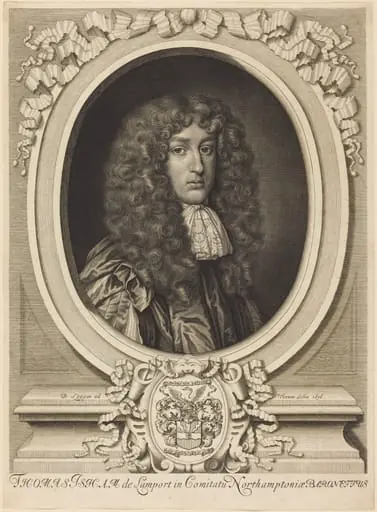
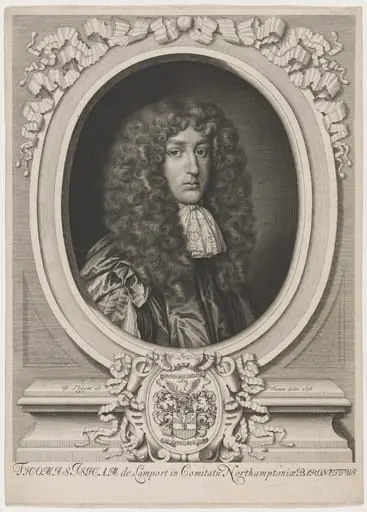
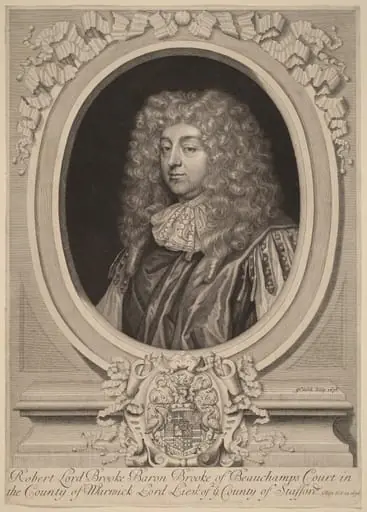
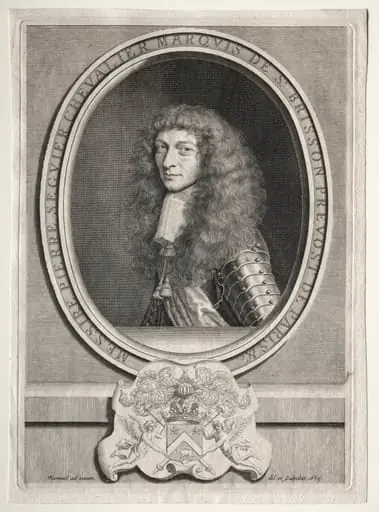
The 1677 print depicts Louis, the heir to the French throne, rendered in a formal, courtly manner. Executed in black-and-white, the portrait shows a young man with tightly curled hair, a high lace collar, and a solemn expression, set against an unadorned background and enclosed within a circular frame edged with ornamental lines.
Subject & Meaning
As the Dauphin, Louis occupied the central role of future monarch, and his representation emphasizes dignity and readiness for rule. The attire and composed demeanor convey the expectations of royal succession and the ceremonial gravitas associated with the French court during the reign of Louis XIV.
Technique & Style
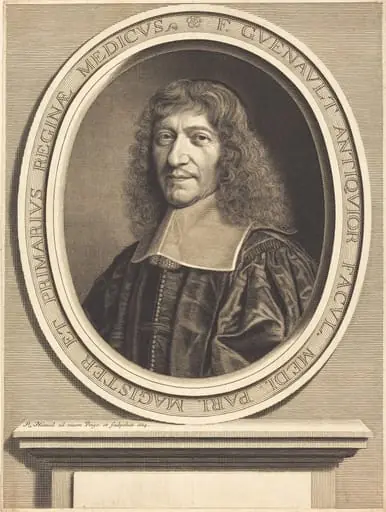
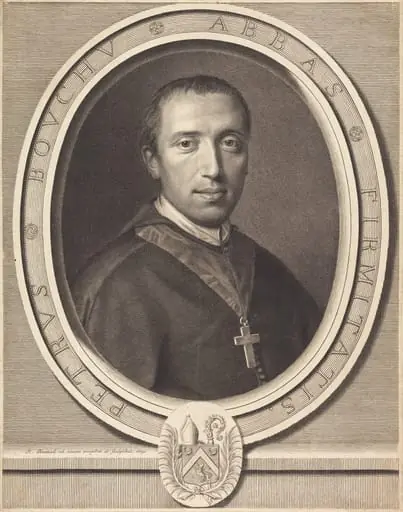
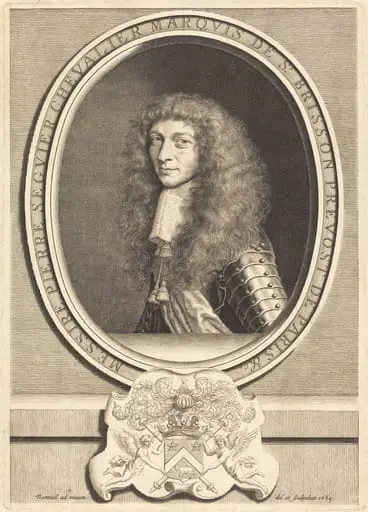
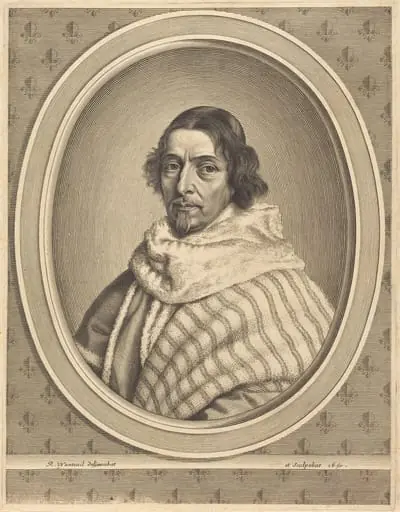
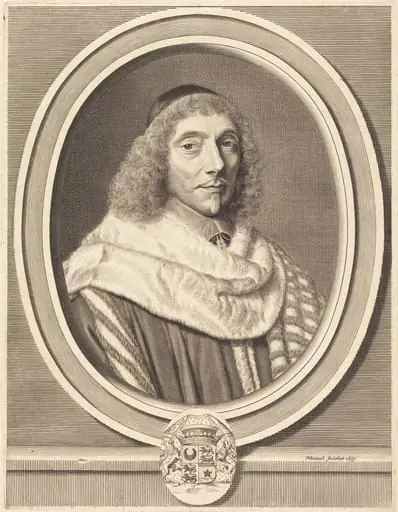
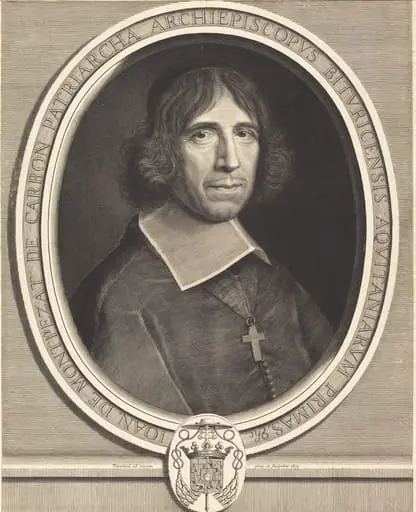
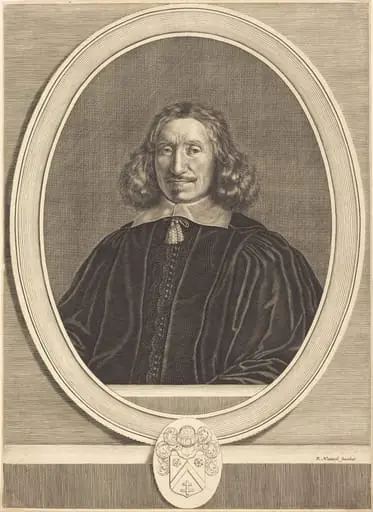
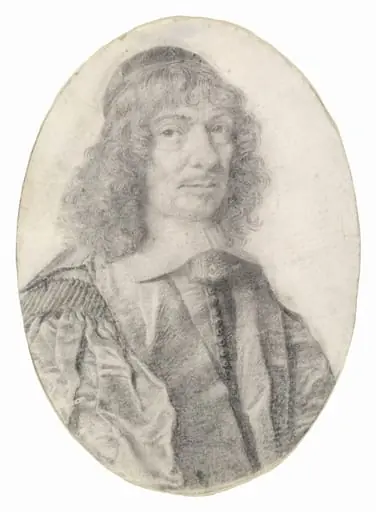
The image is an engraving, a printmaking process that relies on incised lines to build tone and texture. Nanteuil employed fine, closely spaced strokes to model the curls of hair, the delicate pattern of the lace collar, and the subtle shading of the face, achieving a refined, lifelike likeness within the constraints of monochrome.
History & Provenance
Created by Robert Nanteuil, the official portrait engraver for Louis XIV, the work belongs to a series of royal portraits produced in the 1660s and 1670s. Nanteuil’s reputation rested on his ability to capture the likenesses of the king’s family, and this particular print would have circulated among court circles and collectors as a record of the heir apparent.
Artist & collection
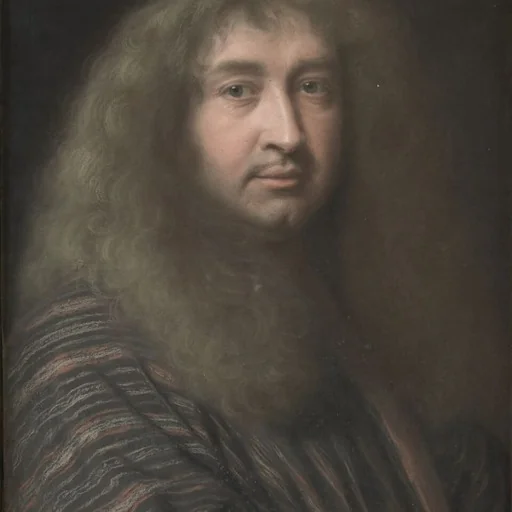
Artist
Robert Nanteuil (French pronunciation: ; 1623 – 9 December 1678) was a French portrait artist: engraver, draughtsman and pastellist to the court of Louis XIV.