Artwork
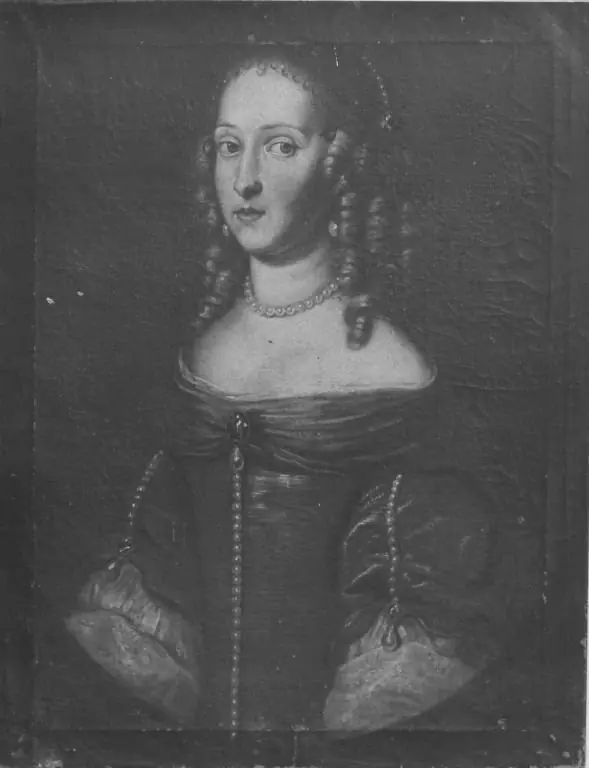
Bildnis der Maria Anna, Gemahlin des Kaisers Ferdinand II.(?)
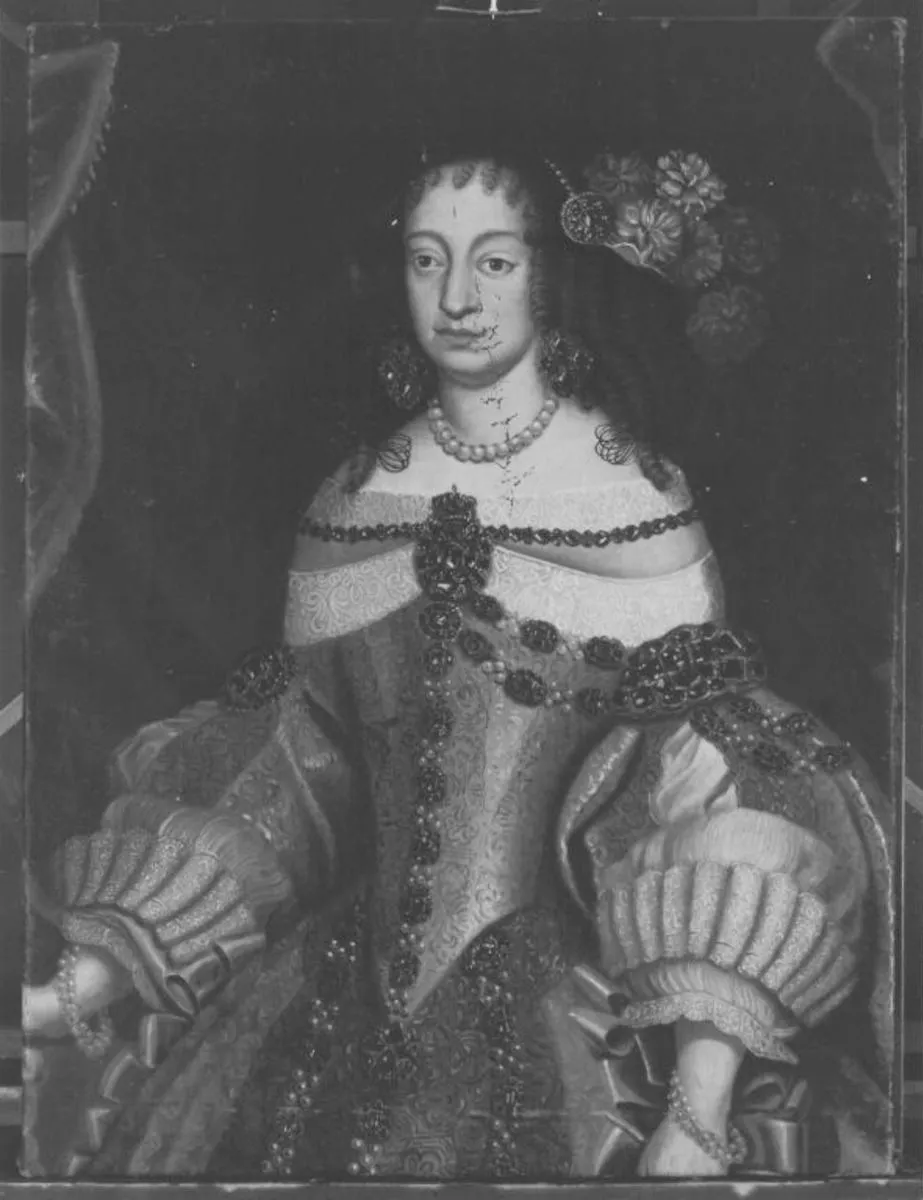
Bildnis der Maria Anna, Gemahlin des Kaisers Ferdinand II.(?) is an unspecified painting by Unknown. It is held in the collection of the Bavarian State Painting Collections. The work is a portrait of a woman identified as Maria Anna, the spouse of Emperor Ferdinand II.
About this work
Overview
The work is a portrait of a woman identified as Maria Anna, the spouse of Emperor Ferdinand II. Rendered in oil on canvas, the composition centers the sitter against a dark backdrop, allowing the luminous details of her attire and jewelry to dominate the visual field.
Subject & Meaning
Maria Anna is depicted with dark, curled hair accented by a sizable flower positioned to the right of her head. She wears a pearl necklace and an elaborate costume featuring an off‑the‑shoulder white bodice, a deep‑hued skirt, and puffed sleeves trimmed with ribbons and bows, underscoring her aristocratic status.
Technique & Style
The painter employs a chiaroscuro approach, using the somber background to heighten contrast and emphasize the texture of fabrics and the sparkle of jewels. Fine brushwork delineates the intricate patterns and metallic embellishments on the dress, while the soft modeling of the face conveys a subtle three‑dimensionality.
History & Provenance
The portrait is attributed to the early seventeenth century, contemporaneous with the reign of Ferdinand II. Its exact origin and subsequent ownership remain uncertain, though the identification of the sitter suggests a connection to the Habsburg court.
Context
Portraiture of royal consorts during this period served both personal commemoration and political display, reinforcing dynastic alliances. The lavish costume and decorative motifs reflect the Baroque taste for opulence prevalent in Central European courts of the time.
Legacy
Although not widely reproduced, the painting contributes to the visual record of Habsburg family members and offers insight into the fashion and artistic conventions of early Baroque portraiture in the Holy Roman Empire.
Artist & collection

 Domestic Scene
 Giacomo and Cardinal Marco, investing Andrea, Abbot of San Zeno, with his Benefice
 The Nymph of Fontainebleau
 Portrait of a Woman
 Madonna and Child with Saints in the Enclosed Garden
 Venus and Minerva
 Family Group of Four on Sofa
 Wall painting from Room H of the Villa of P. Fannius Synistor at Boscoreale
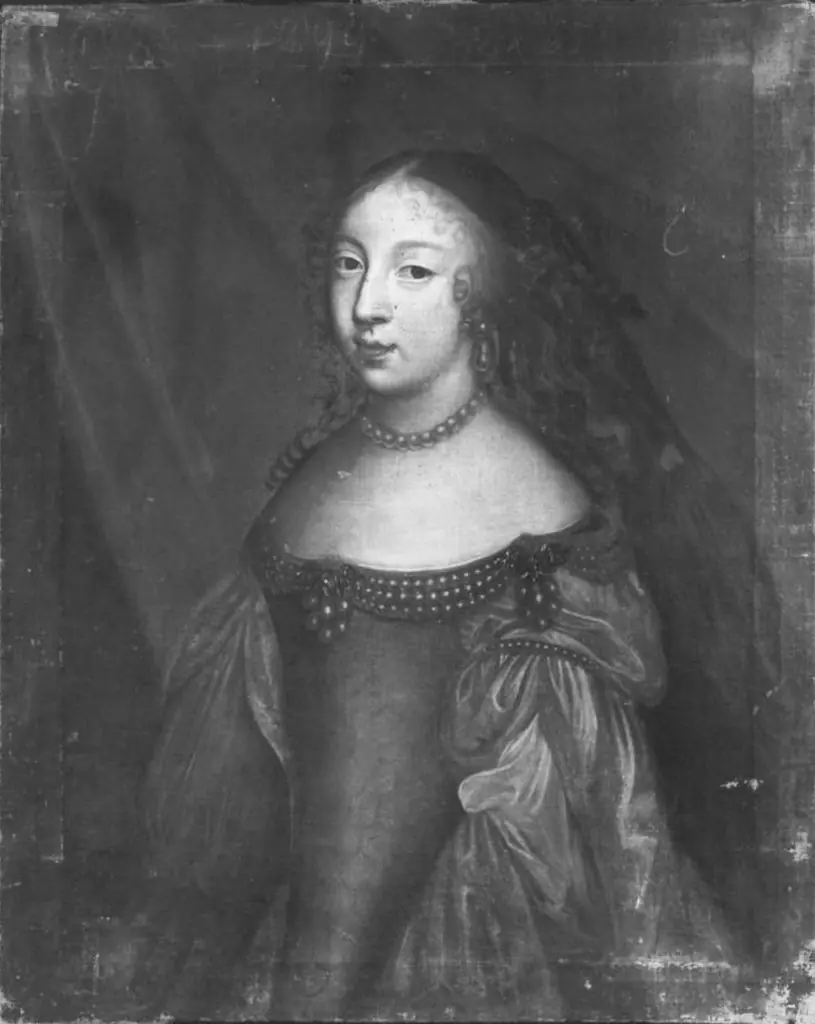 Junge Dame
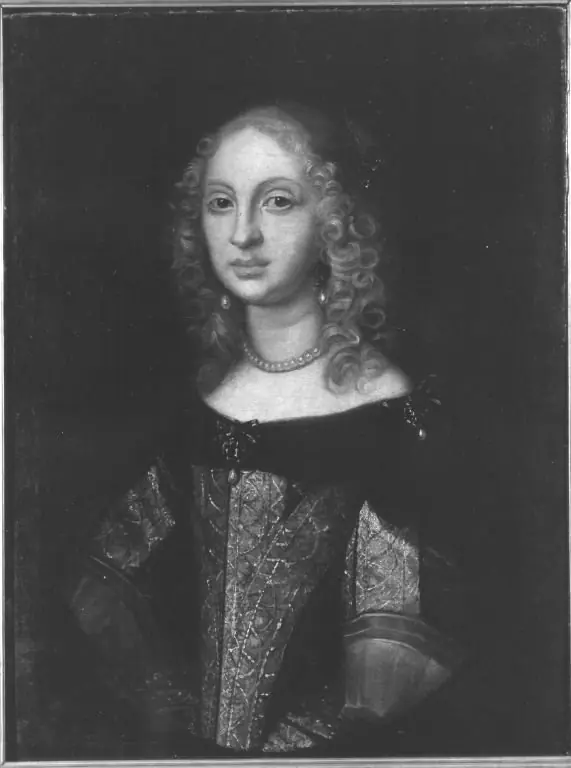 Portrait de Landgrave Elisabeth Amalie de Hesse,
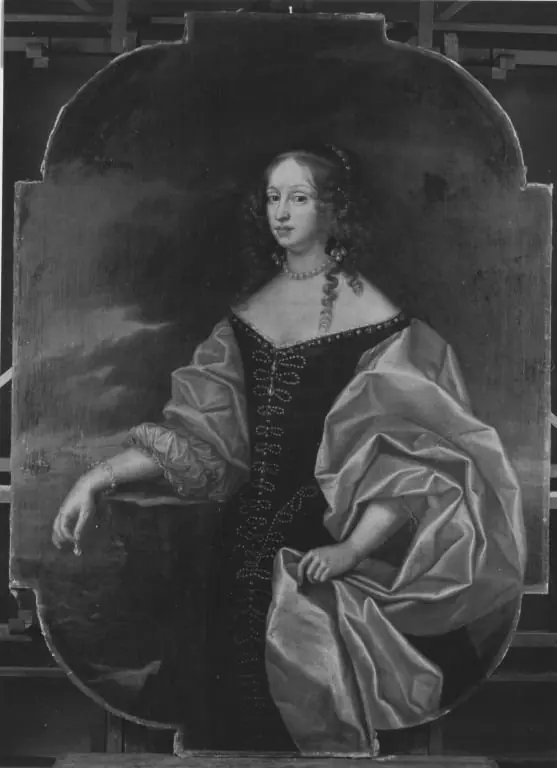 Bildnis einer Hofdame
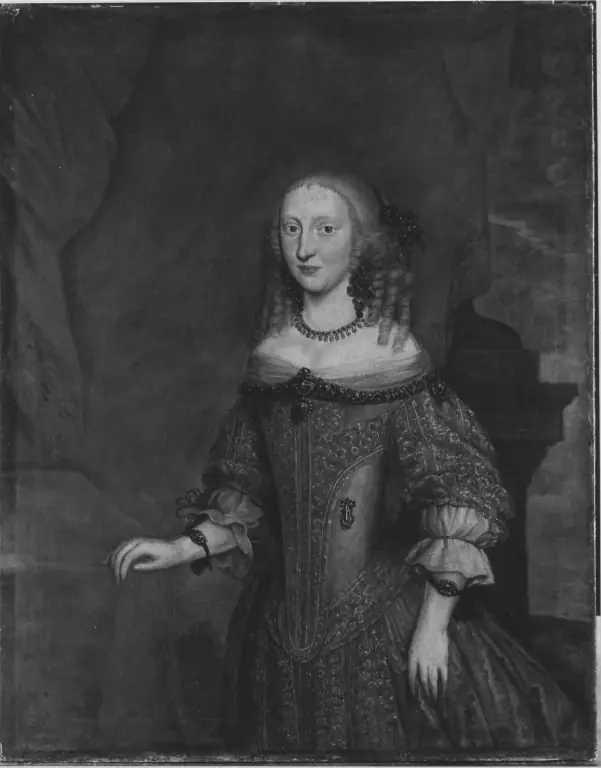 Bildnis der Landgräfin Elisabeth Amalie von Hessen, Gemahlin des Kurfürsten Philipp Wilhelm von Pfalz-Neuburg (1635-1709) (?)
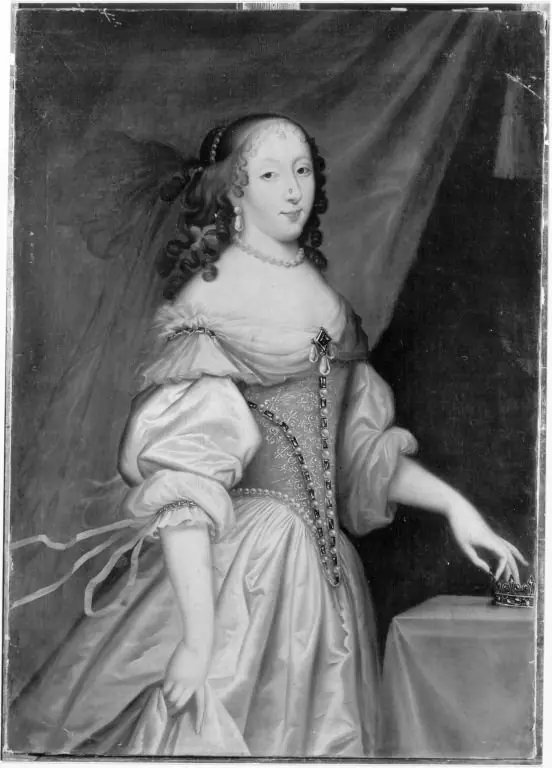 Höfisches Damenbildnis
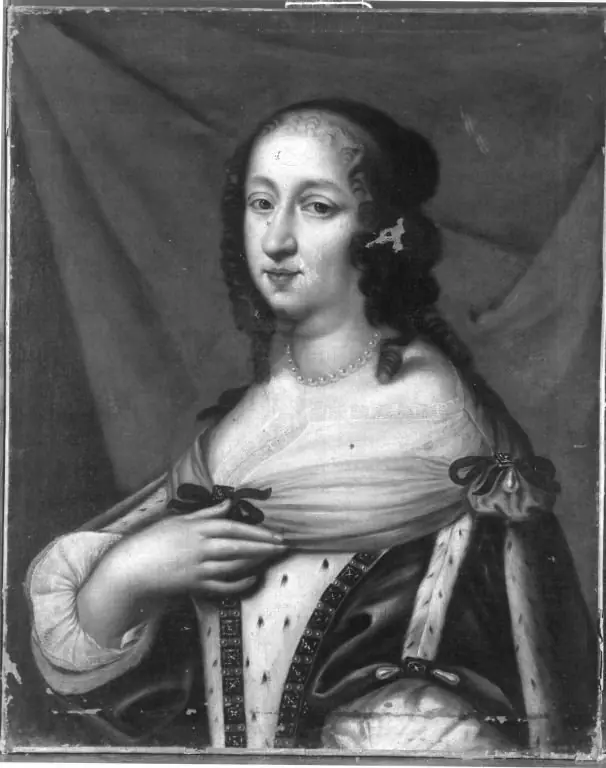 Portrait of a Woman
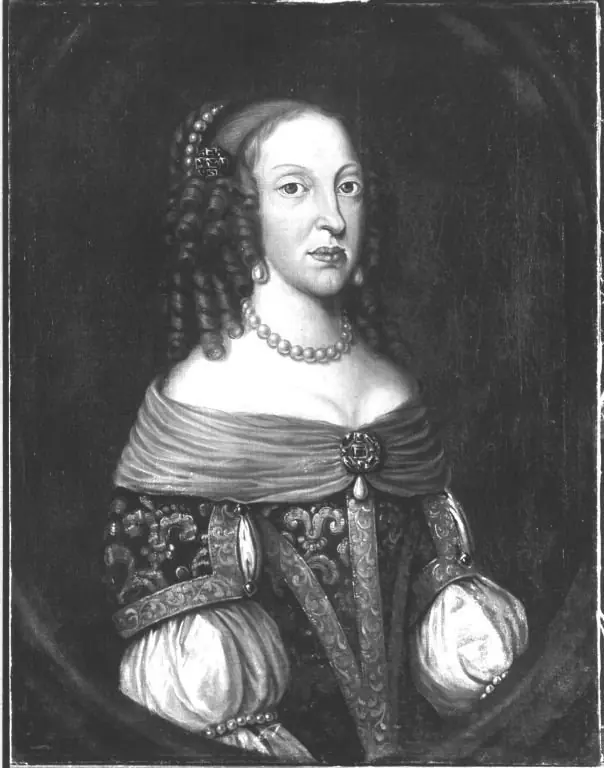 Portrait of Anna Sophie von Hessen-Darmstadt, Abbess of Quedlinburg (?)
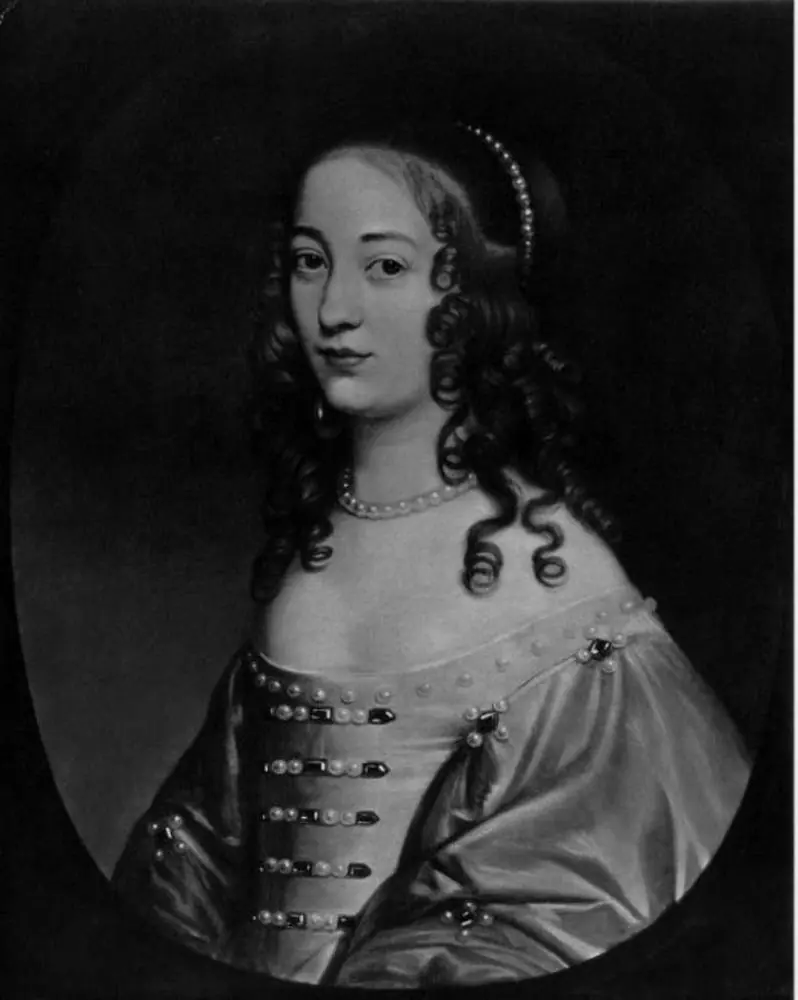 Bildnis einer Dame
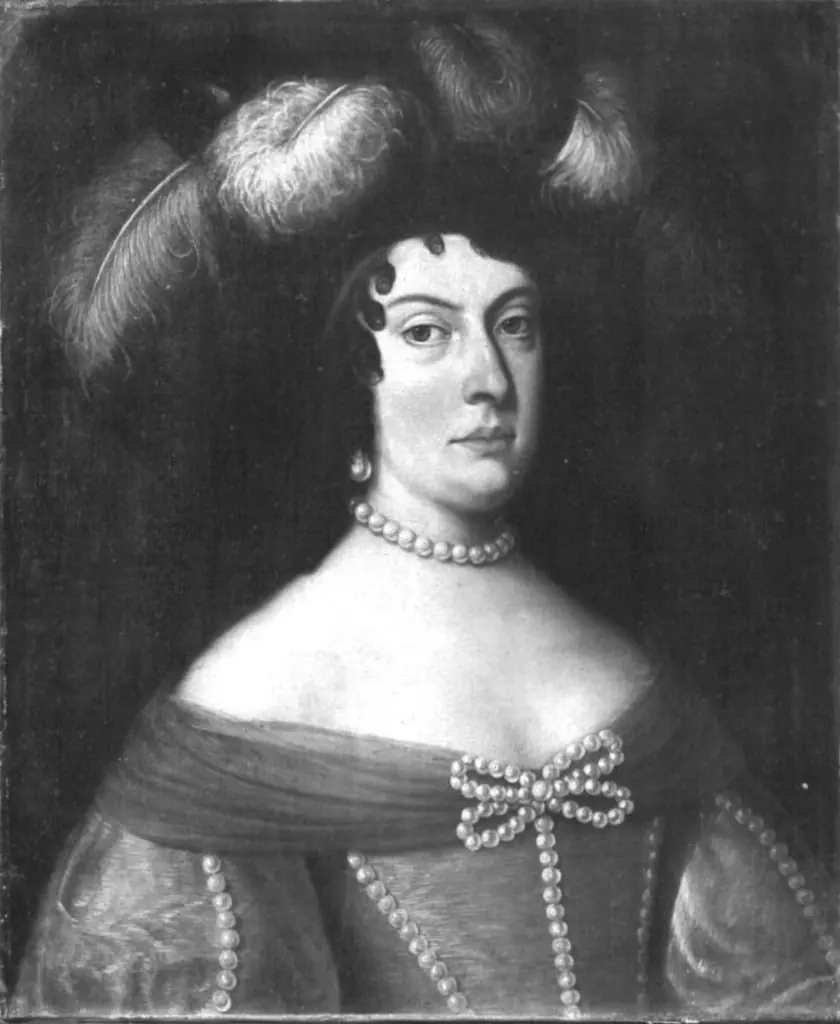 Maria Magdalena, Farnese von Parma
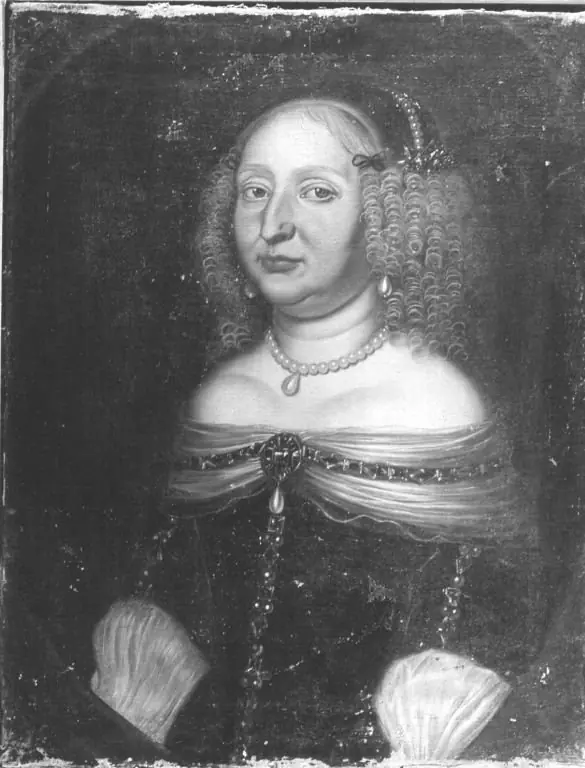 Bildnis der Sophie Eleonore von Sachsen, Landgräfin von Hessen-Darmstadt, Gemahlin des Landgrafen Georg II. (1609-1671) (?)
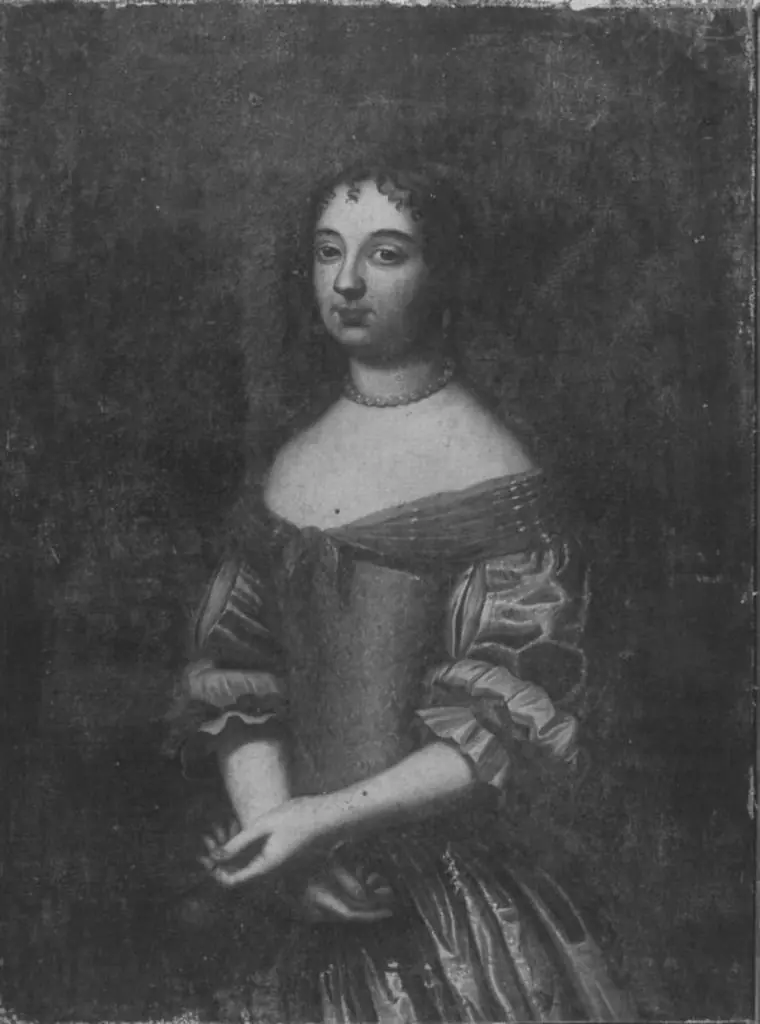 Hedwig Eleonore, Tochter des Herzogs Friedrich von Holstein-Gotdorp (?)
 Bildnis der Landgräfin Marie Hedwig von Hessen-Darmstadt, Tochter des Landgrafen Georg II., Herzogin von Sachsen-Meiningen (1647-1680) (?) (?)