Artwork
Bildnis der Landgräfin Elisabeth Amalie von Hessen, Gemahlin des Kurfürsten Philipp Wilhelm von Pfalz-Neuburg (1635-1709) (?)
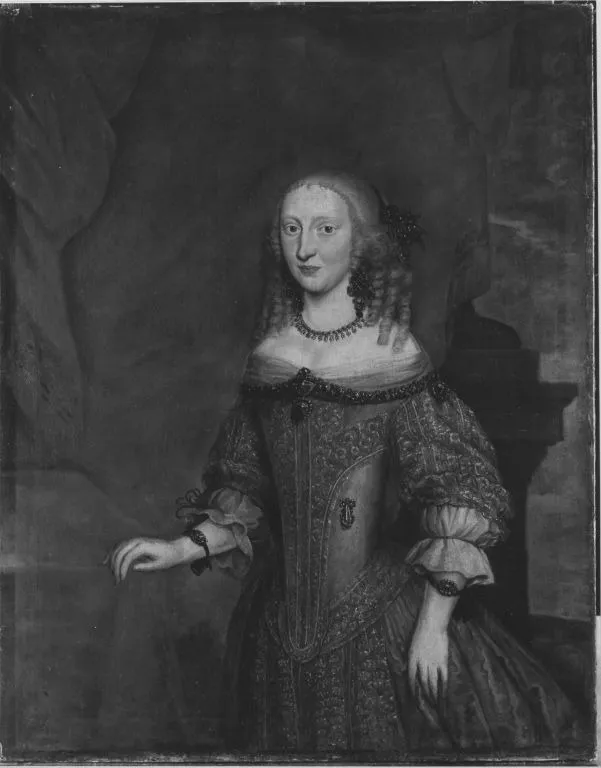
Bildnis der Landgräfin Elisabeth Amalie von Hessen, Gemahlin des Kurfürsten Philipp Wilhelm von Pfalz-Neuburg (1635-1709) (?) is an unspecified painting by the Dutch Golden Age artist Johannes Spilberg. It dates from 1654 and is held in the collection of the Bavarian State Painting Collections.
About this work
Overview
This 1654 portrait by German Baroque painter Johannes Spilberg depicts Landgravine Elisabeth Amalie of Hesse-Darmstadt, wife of Elector Philipp Wilhelm of Palatinate-Neuburg, and is part of the Alte Pinakothek's collection.
Subject & Meaning
The subject, Landgravine Elisabeth Amalie, is portrayed in a formal, calm demeanor, reflecting her noble status. Her attire—a dark, patterned dress with high collar, ruffled cuffs, curled and pinned-up hair, necklace, and bracelet—emphasizes her wealth and rank. The neutral, almost serious expression suggests a representation of dignity rather than personal character.
Technique & Style
Spilberg employs characteristic Dutch Golden Age portraiture techniques, using a plain, shadowy background to focus attention on the sitter. The composition is marked by simplicity and restraint, with meticulous attention to textile details and subtle, naturalistic lighting that enhances the subject's presence.
History & Provenance
Created in 1654 during Spilberg's activity in Amsterdam, the painting is now held in the Alte Pinakothek's collection, though the subject's identification as Elisabeth Amalie is tentative (denoted by the question mark in the title).
Context
This work is situated within the broader artistic landscape of the Dutch Golden Age, a period renowned for its flourishing of portraiture. As a German painter working in Amsterdam, Spilberg's style blends influences from both Dutch and broader European Baroque traditions.
Legacy
While specific impact of this portrait on the broader art historical canon is not notably distinguished, it contributes to the understanding of 17th-century European portraiture and Spilberg's oeuvre, offering insights into the representation of nobility during the Dutch Golden Age.
Artist & collection
Artist
Johannes Spilberg (30 April 1619 – 10 August 1690) was a German Baroque painter, active in Amsterdam during the period known as the Dutch Golden Age.

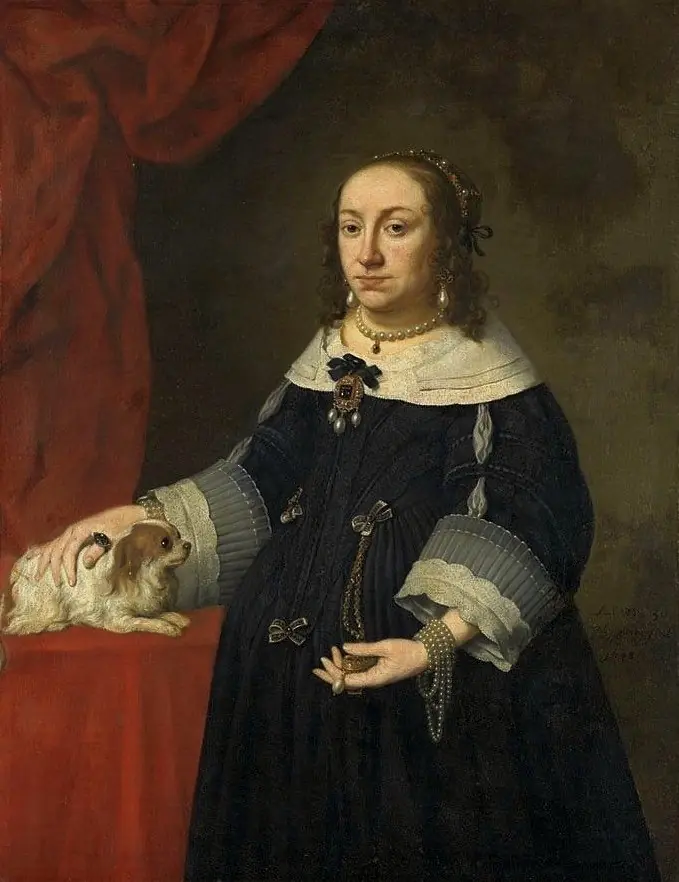
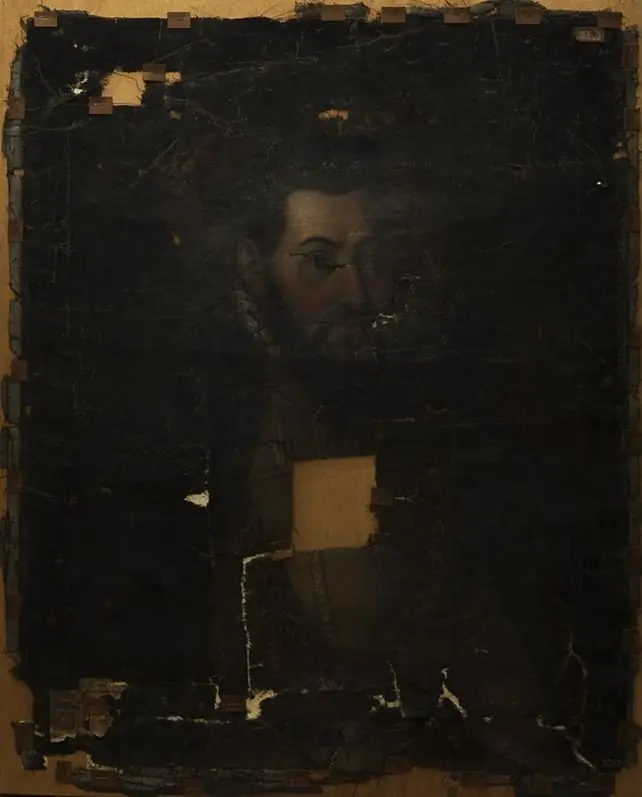
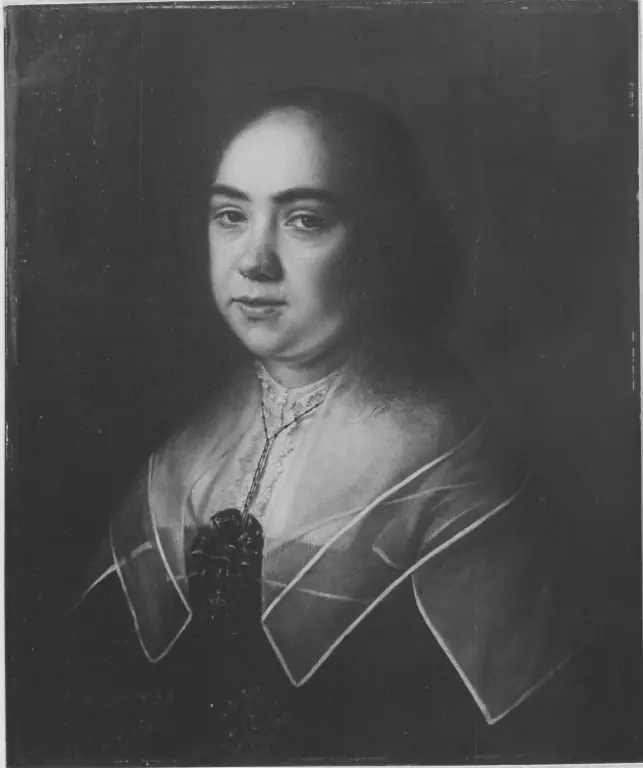
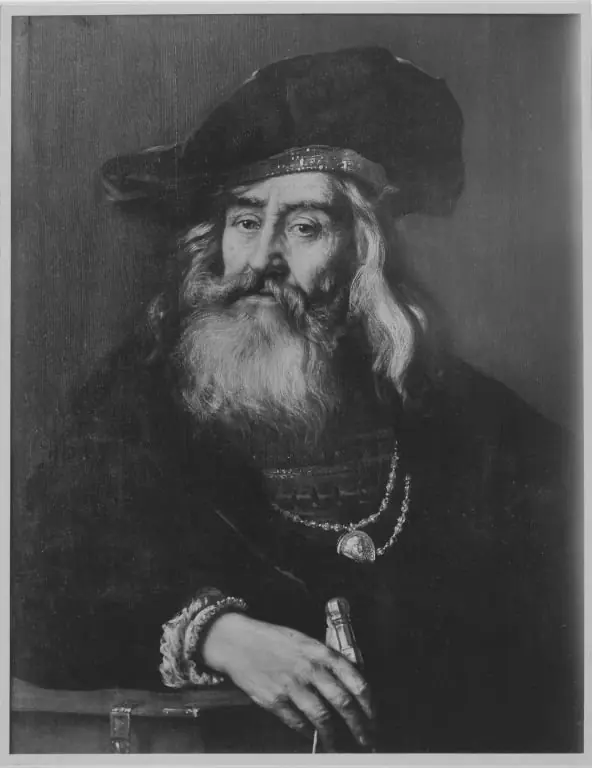
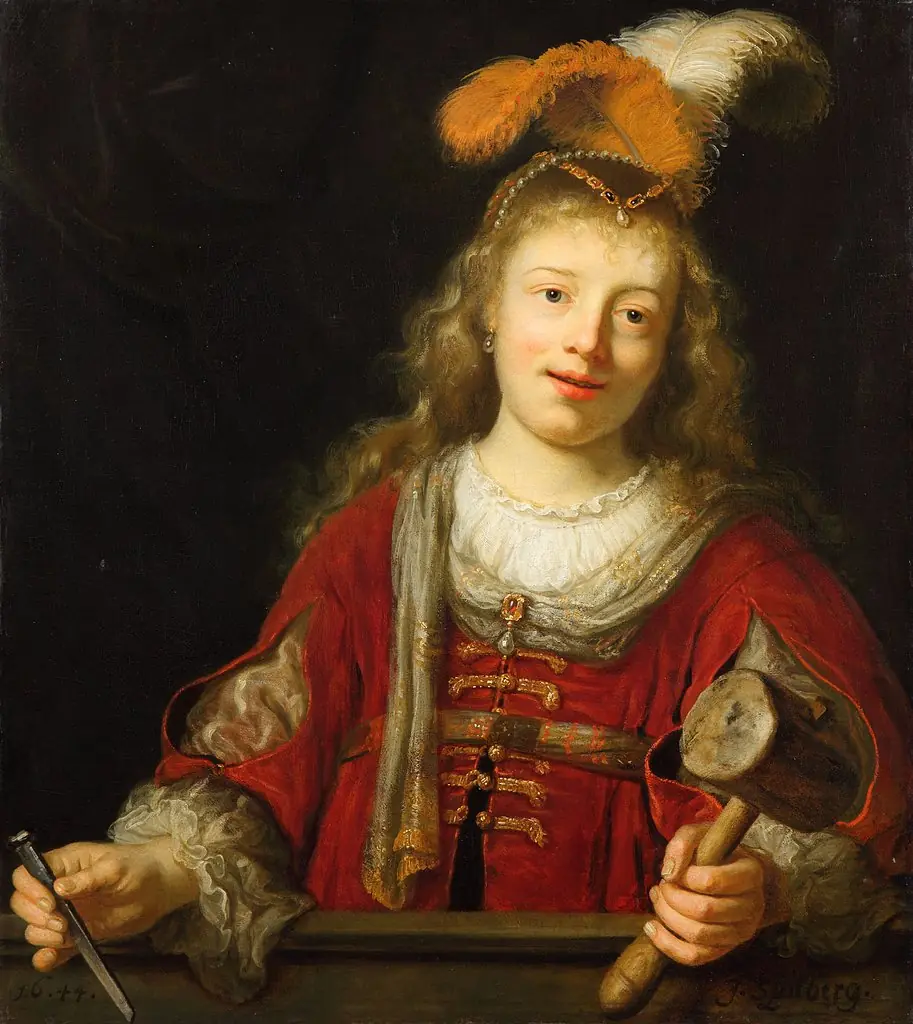
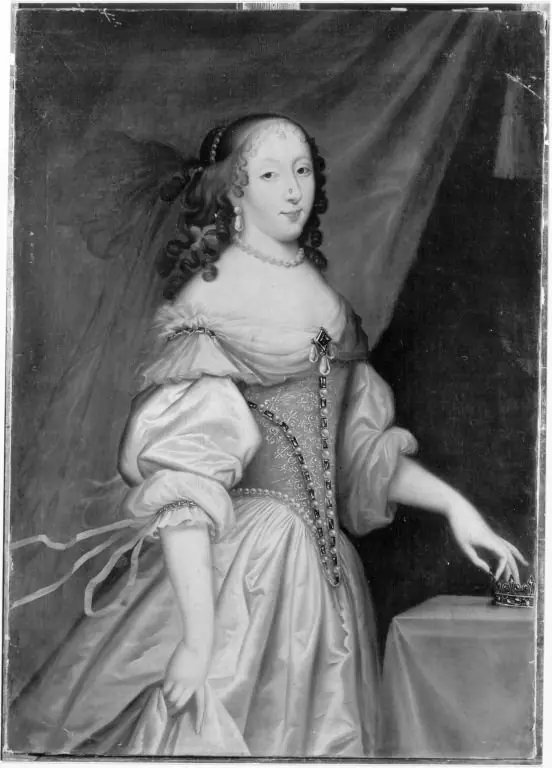 Höfisches Damenbildnis
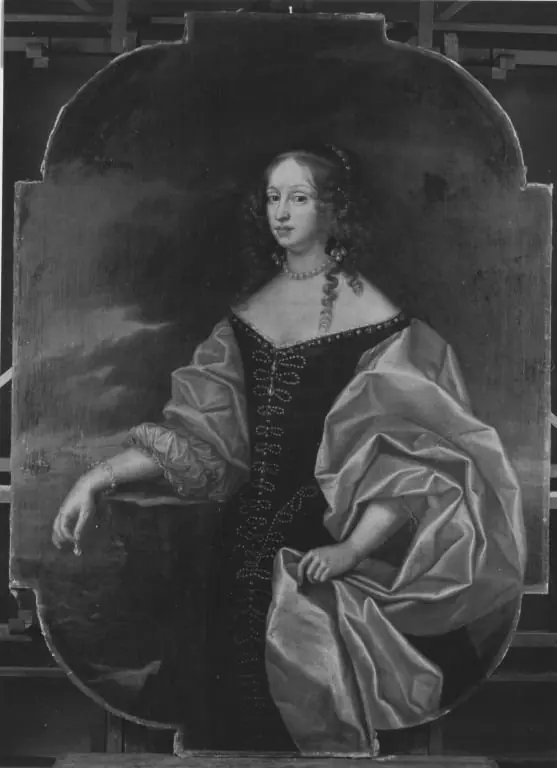 Bildnis einer Hofdame
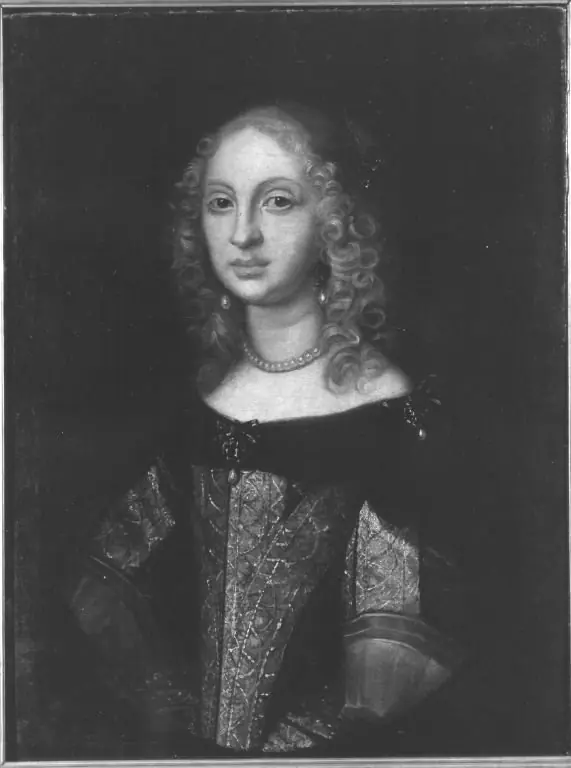 Portrait de Landgrave Elisabeth Amalie de Hesse,
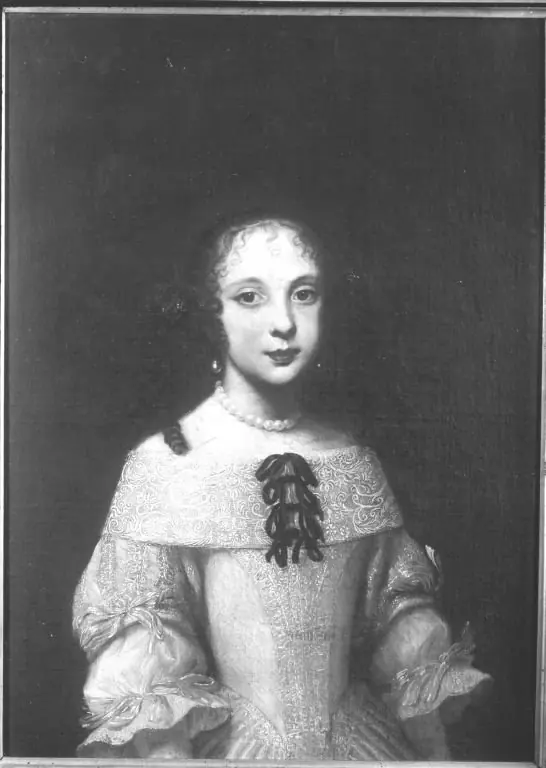 Bildnis einer Prinzessin
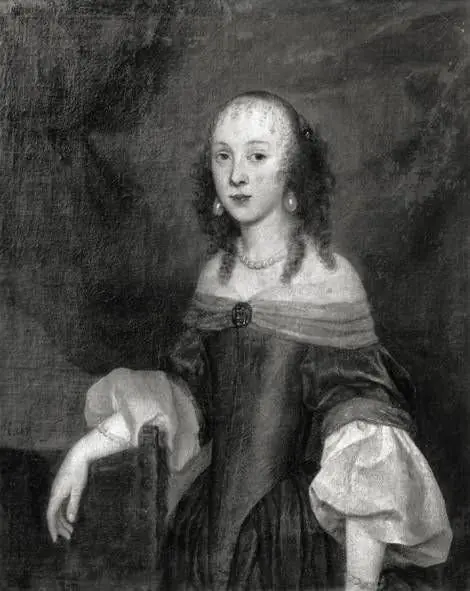 Unbekannte Dame
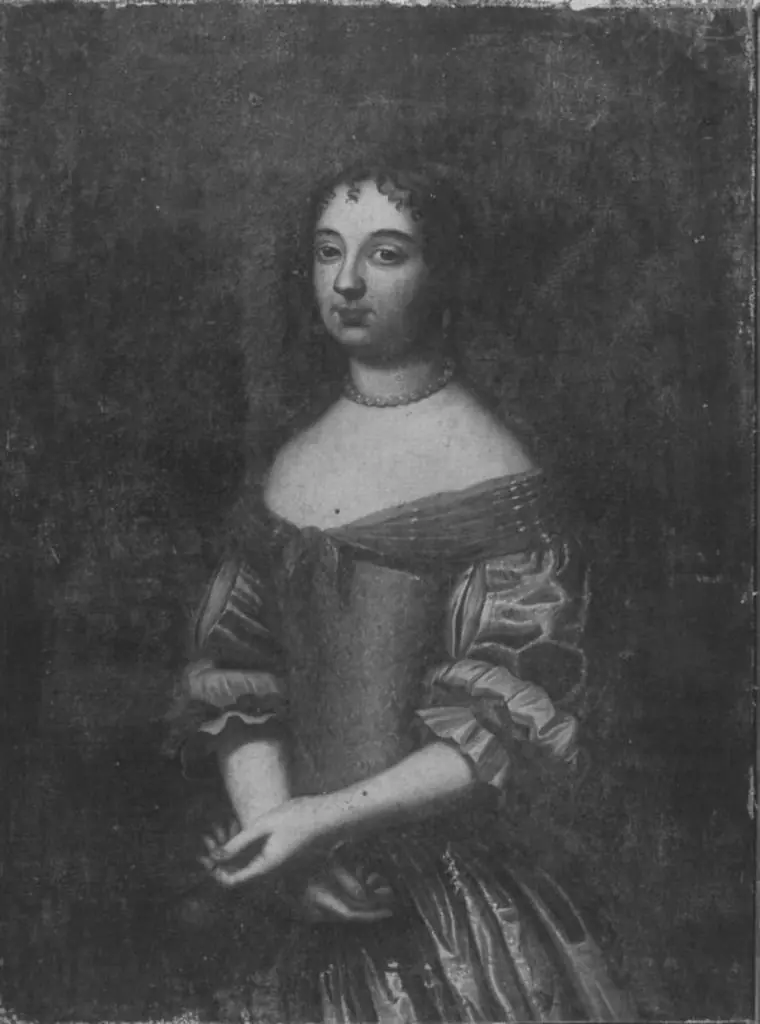 Hedwig Eleonore, Tochter des Herzogs Friedrich von Holstein-Gotdorp (?)
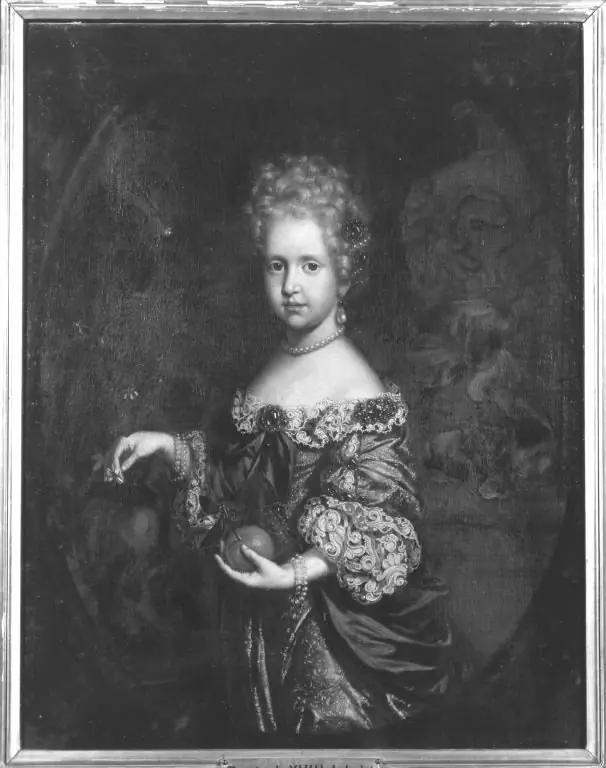 Bildnis Maria Elisabeth
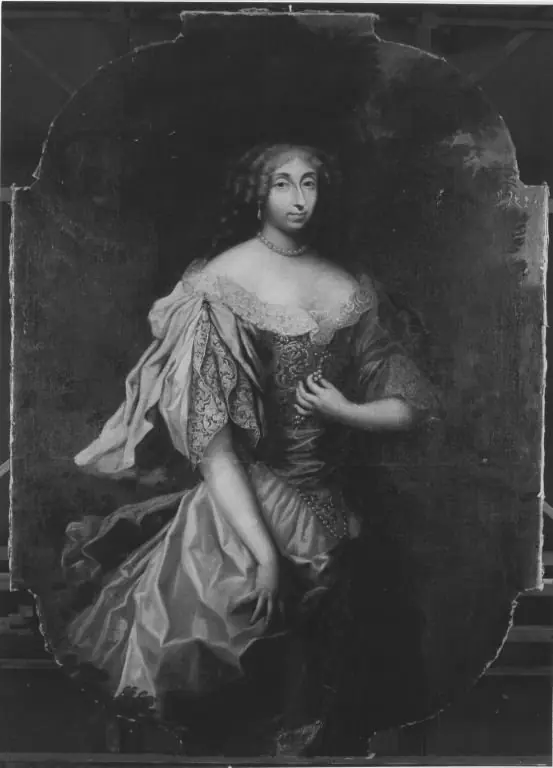 Bildnis einer Hofdame
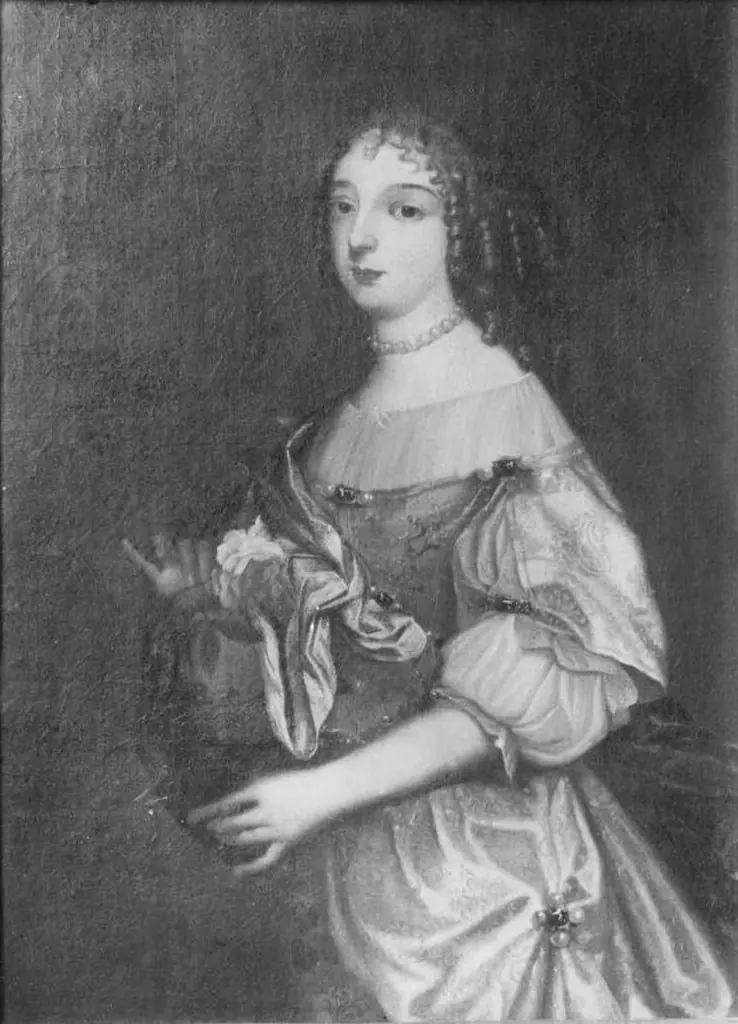 Bildnis der Luise Maria, Tochter des Kurfürsten Friedrich V. von der Pfalz
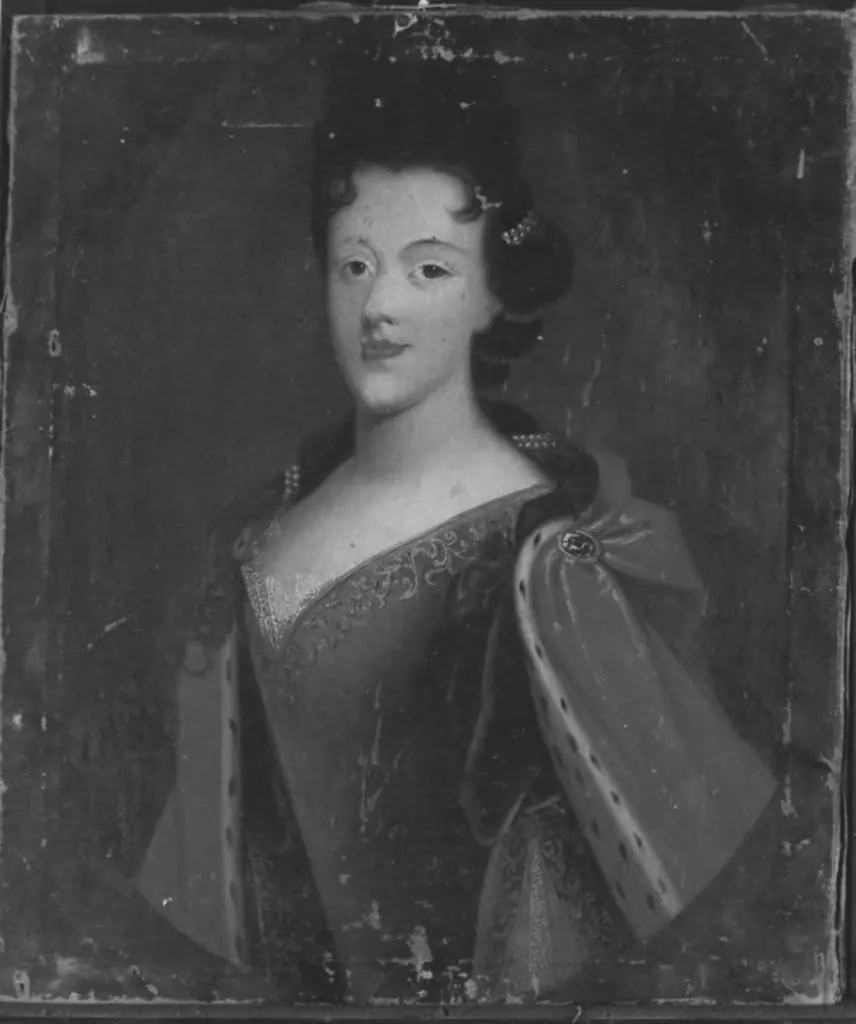 Bildnis einer Fürstin
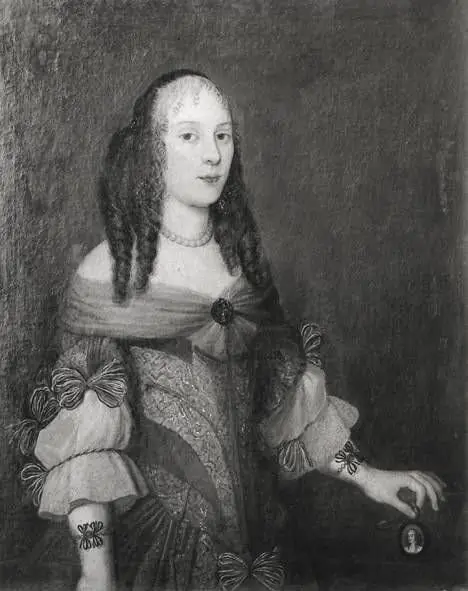 Unbekannte Dame
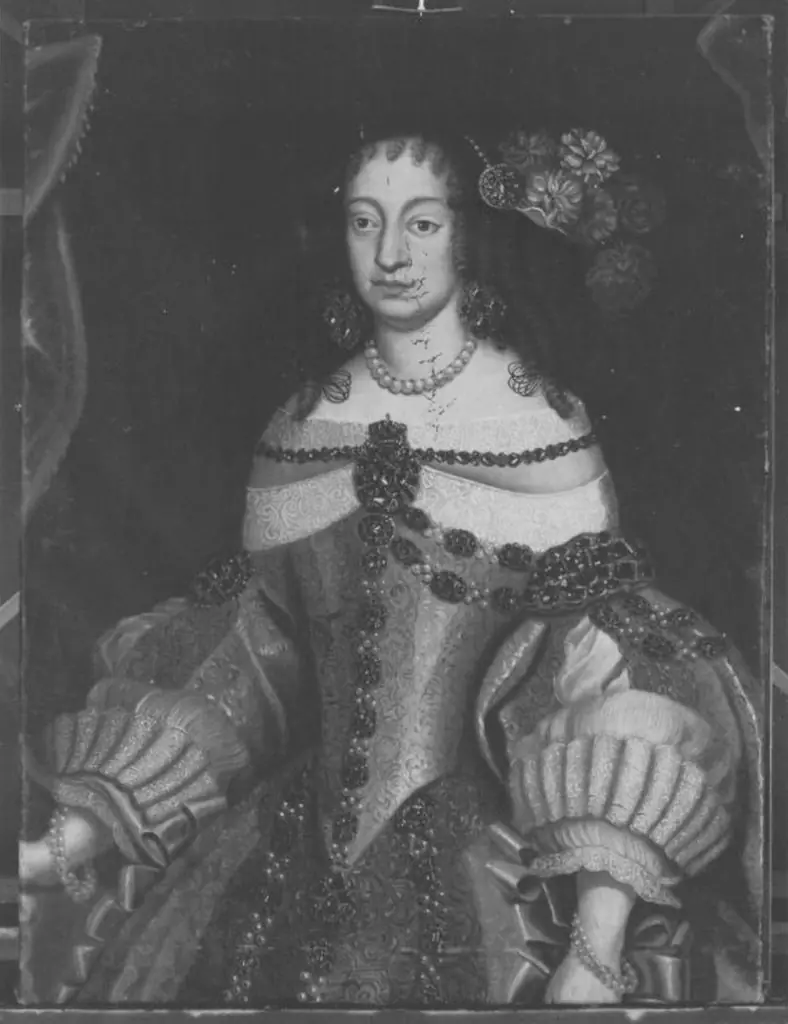 Bildnis der Maria Anna, Gemahlin des Kaisers Ferdinand II.(?)