Artwork
Charles-Jean-Baptiste Fleuriau, Comte de Morville (1686-1732)
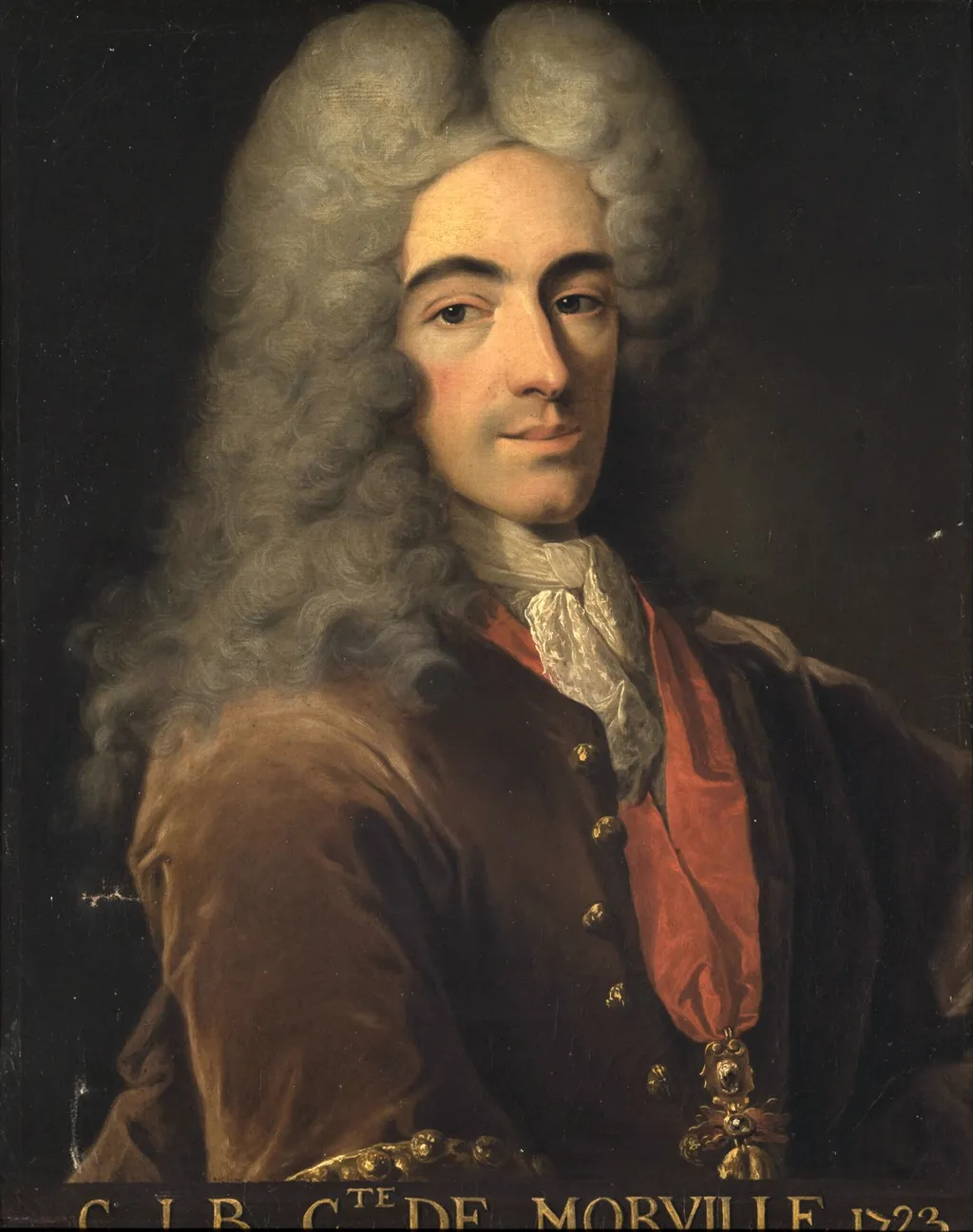
Charles-Jean-Baptiste Fleuriau, Comte de Morville (1686-1732) is an oil painting by the Rococo painting artist Unknown. It dates from 1723 and is held in the collection of the Palace of Versailles. The oil portrait depicts Charles‑Jean‑Baptiste Fleuriau, Comte de Morville (1686‑1733), rendered in a dark interior setting.
About this work
Overview
The oil portrait depicts Charles‑Jean‑Baptiste Fleuriau, Comte de Morville (1686‑1733), rendered in a dark interior setting. He is presented in three‑quarter view, facing the viewer with a composed, solemn expression. The work exemplifies the formal portraiture typical of early‑18th‑century French aristocracy.
Subject & Meaning
The sitter, a French nobleman and statesman, is shown wearing a brown coat trimmed with gold buttons, a vivid red waistcoat, and a white cravat. The inclusion of luxurious fabrics and precise detailing underscores his rank and the decorum expected of a court official during the reign of Louis XV.
Technique & Style
Executed in oil on canvas, the artist employs a restrained palette of deep shadows and muted tones, allowing the bright red vest and gold ornaments to stand out. Fine brushwork renders the texture of the hair and the sheen of the metal buckle, while the dark background isolates the figure, a common compositional device in French portraiture of the period.
History & Provenance
The portrait was likely commissioned during the count’s lifetime, possibly for display in a private salon or at the Palace of Versailles, where similar court portraits were displayed. Its survival in a museum collection suggests it passed through several private hands before entering public ownership, though specific acquisition details are not recorded in the available sources.
Context
Portraits of high‑ranking officials at Versailles served both as personal commemoration and as visual reinforcement of the hierarchical order of the French monarchy. The count’s attire and insignia reflect the standardized dress codes of the royal court, aligning his image with the broader visual language of state authority.
Legacy
While the painting is not widely reproduced, it remains a representative example of early‑18th‑century French aristocratic portraiture, offering insight into the fashion, material culture, and representational conventions of the Ancien Régime.
Artist & collection

 Domestic Scene
 Giacomo and Cardinal Marco, investing Andrea, Abbot of San Zeno, with his Benefice
 The Nymph of Fontainebleau
 Portrait of a Woman
 Madonna and Child with Saints in the Enclosed Garden
 Venus and Minerva
 Family Group of Four on Sofa
 Wall painting from Room H of the Villa of P. Fannius Synistor at Boscoreale
 Portrait du sculpteur Jean Thierry
 Johann Traugott von Seilen din Brașov
 A Gentleman in a Gray Cape over a Gold-Embroidered Coat
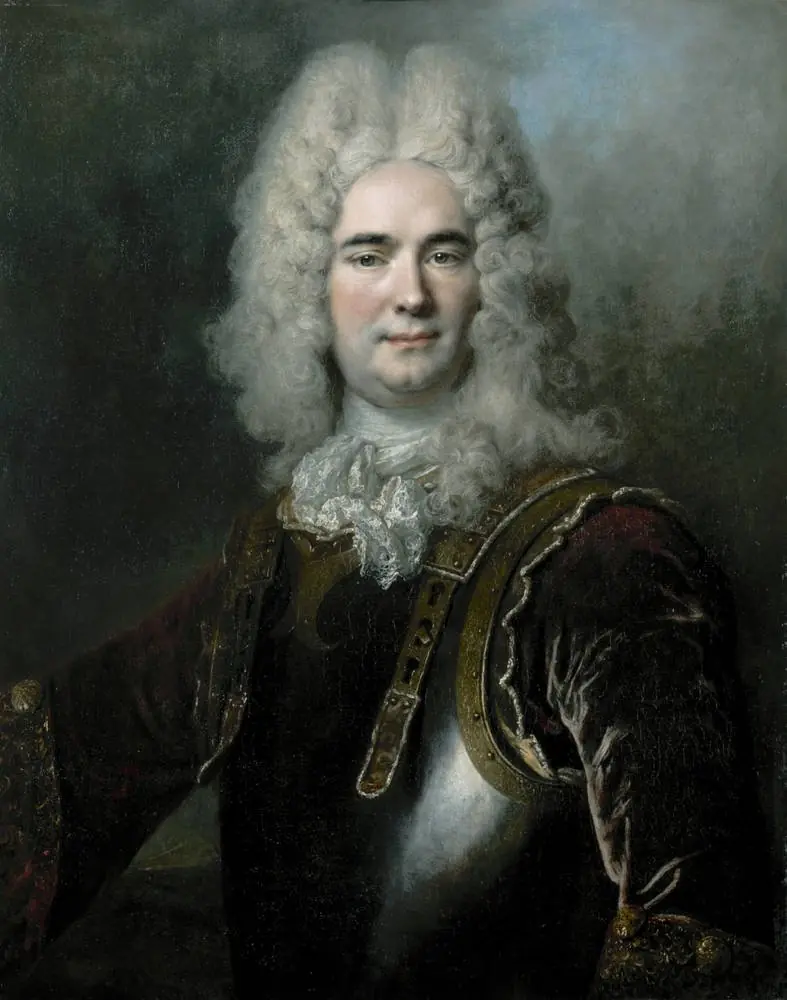 Bildnis eines Herrn, angeblich des Kammerherrn von Montargu
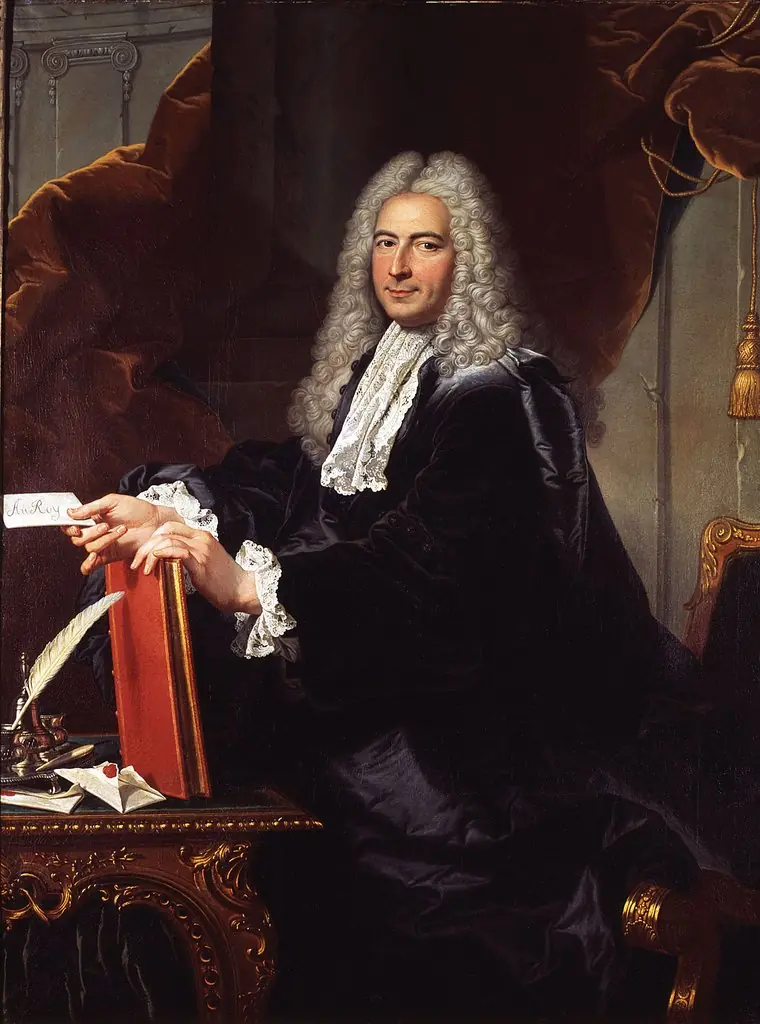 Philibert Orry (1689-1747)
 Bărbat cu mantie albastră. Pandant: Bărbat cu mantie roșie
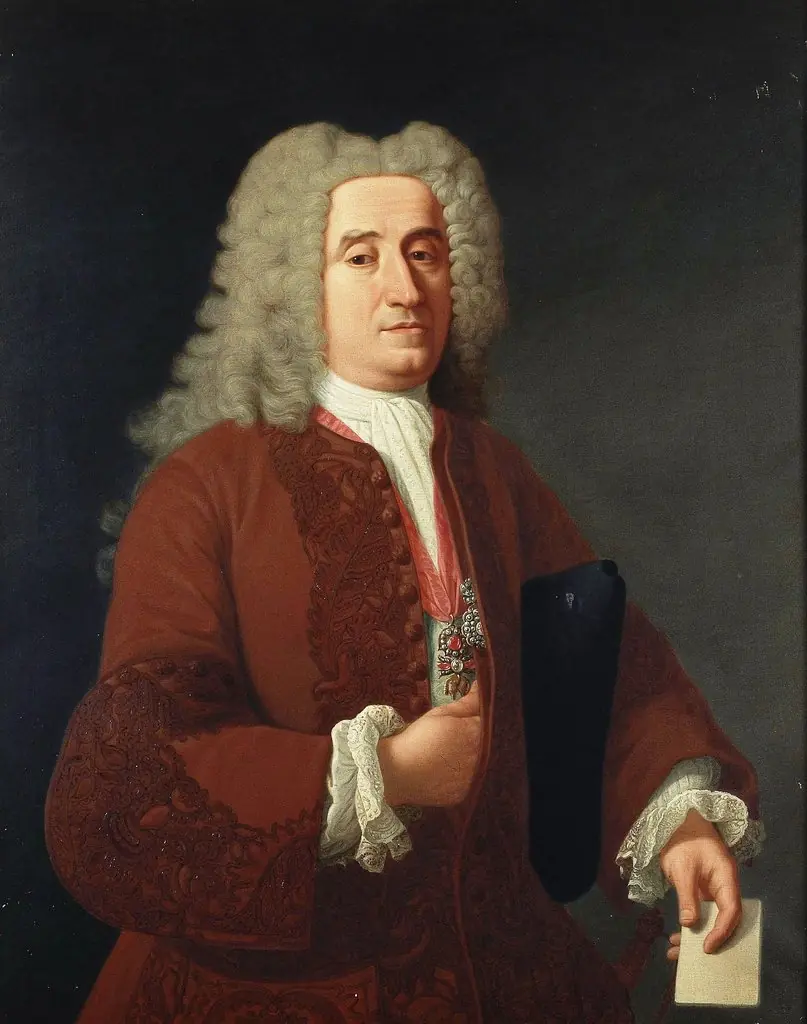 José Patiño Rosales
 Michel Baron
 Portrait de Joseph Fleuriau d'Armenonville (1660-1728)
 François-Marie Arouet known as Voltaire
 H Beard Print Collection
 Conradus Detleu von Dehn