Artwork
Wedding Dance
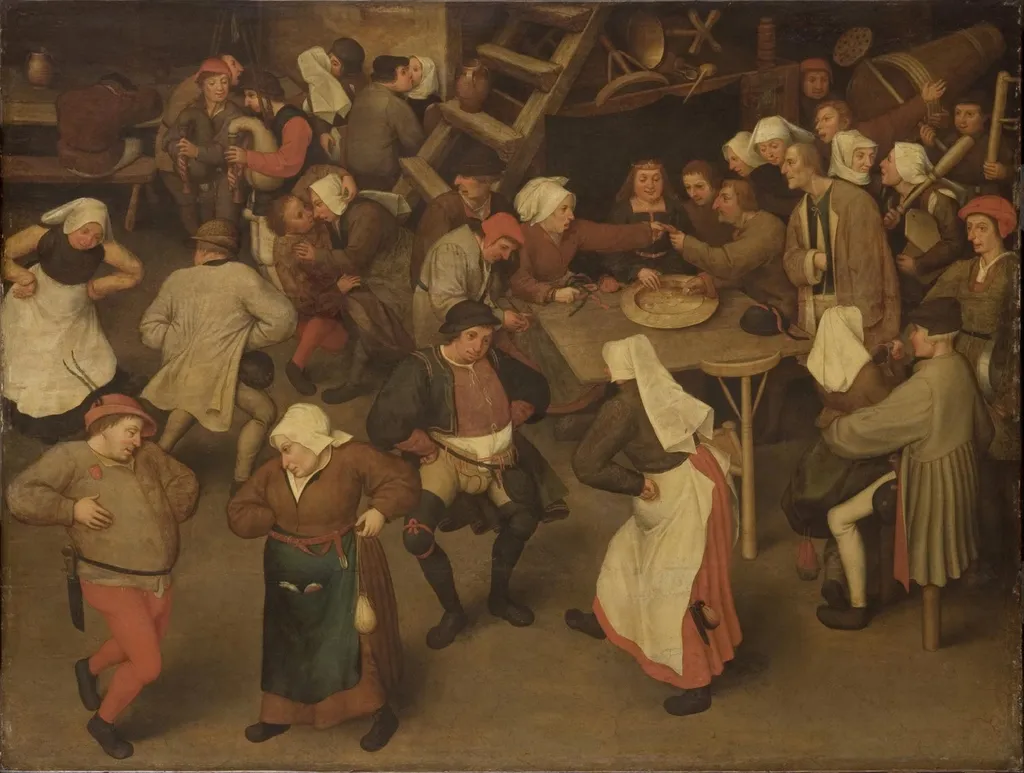
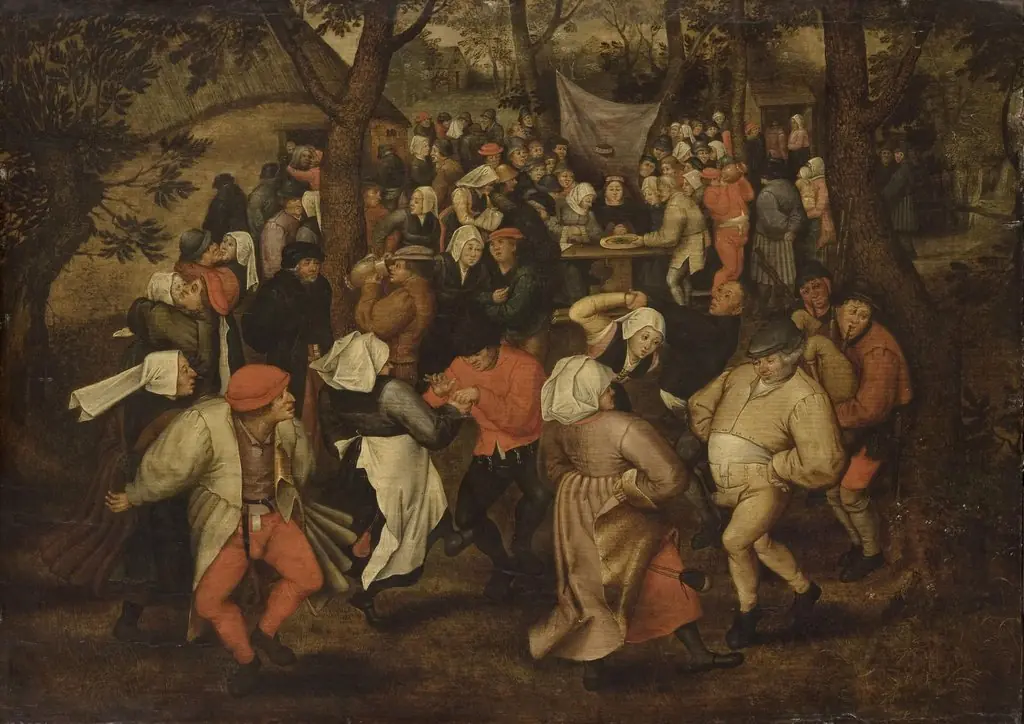
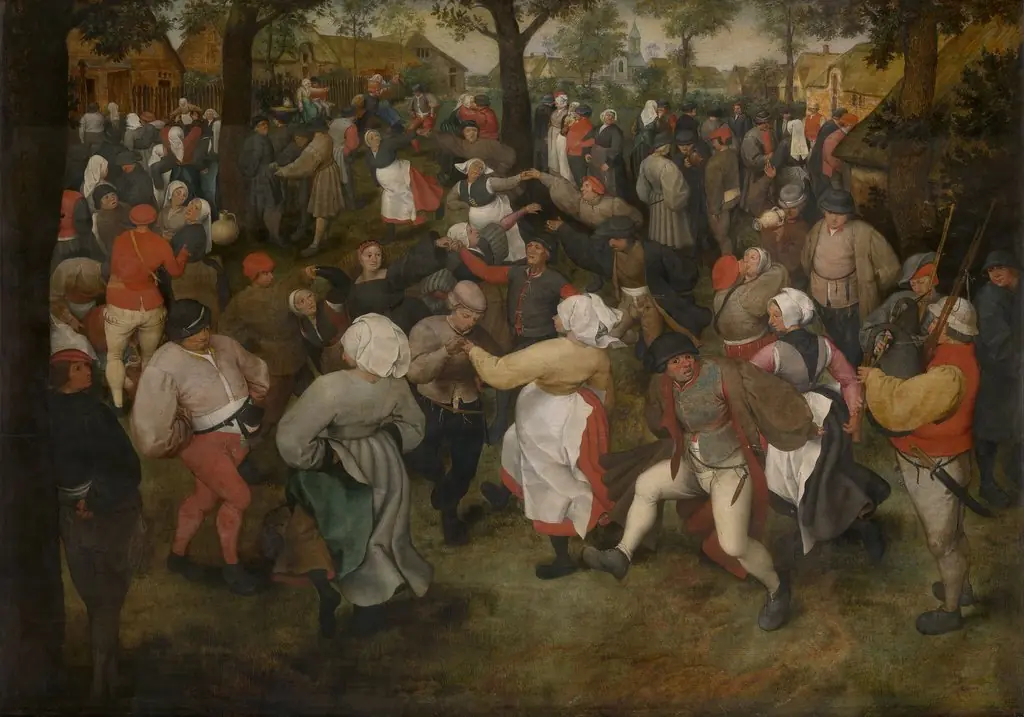
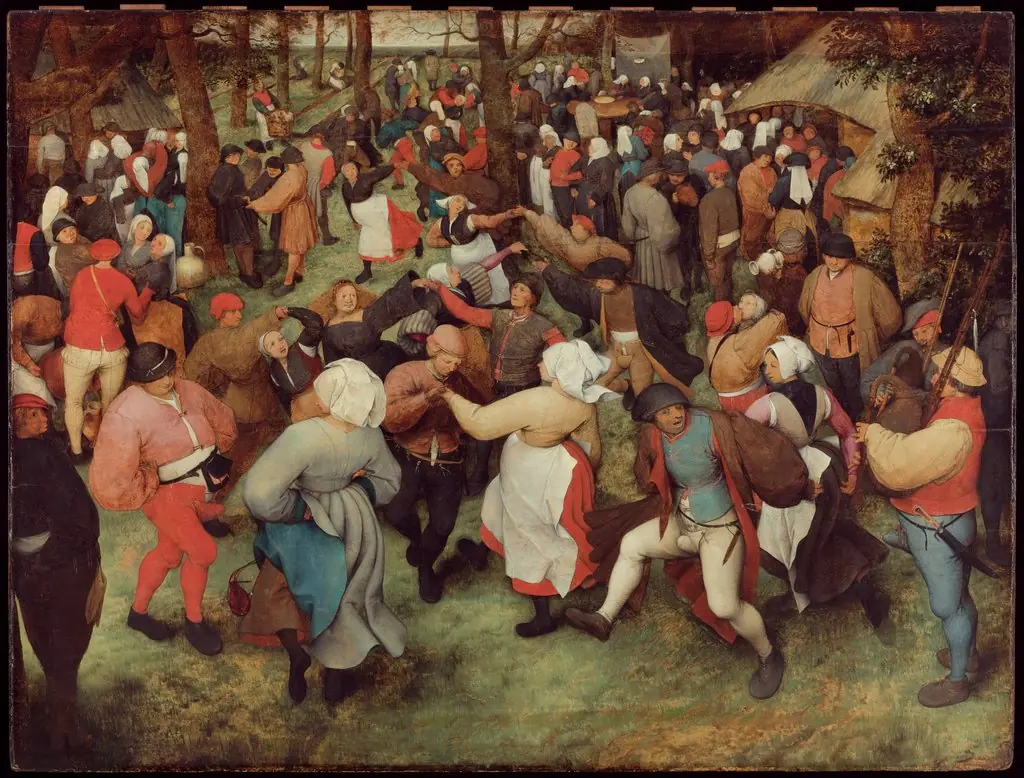
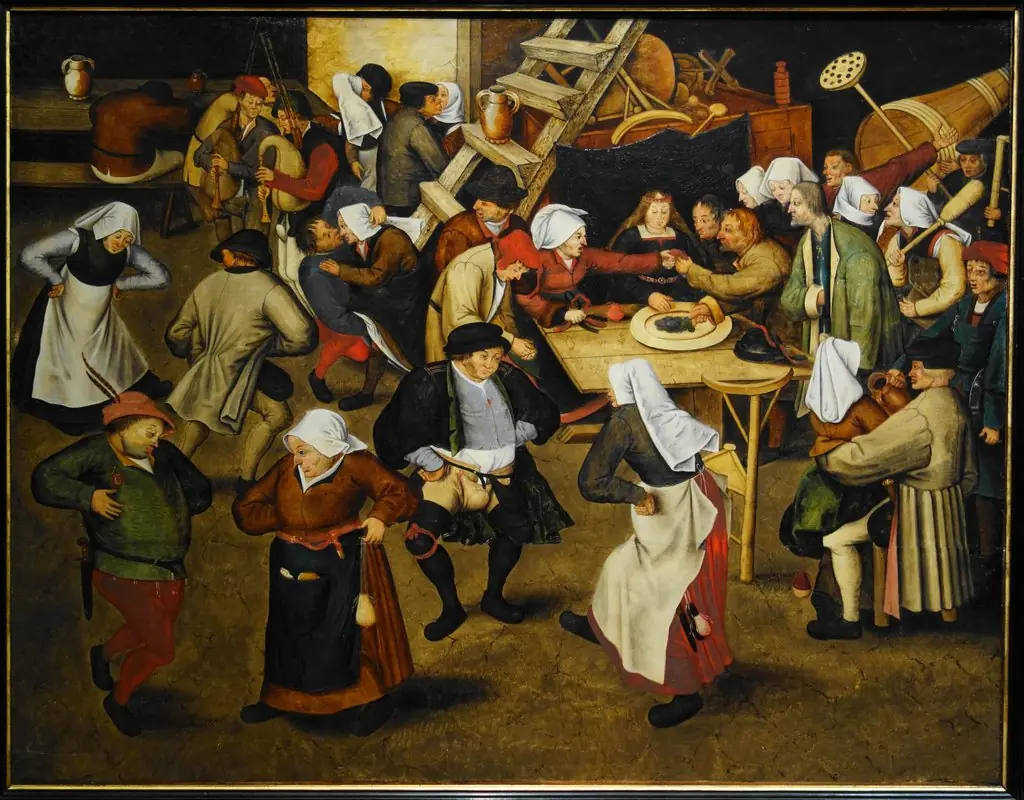
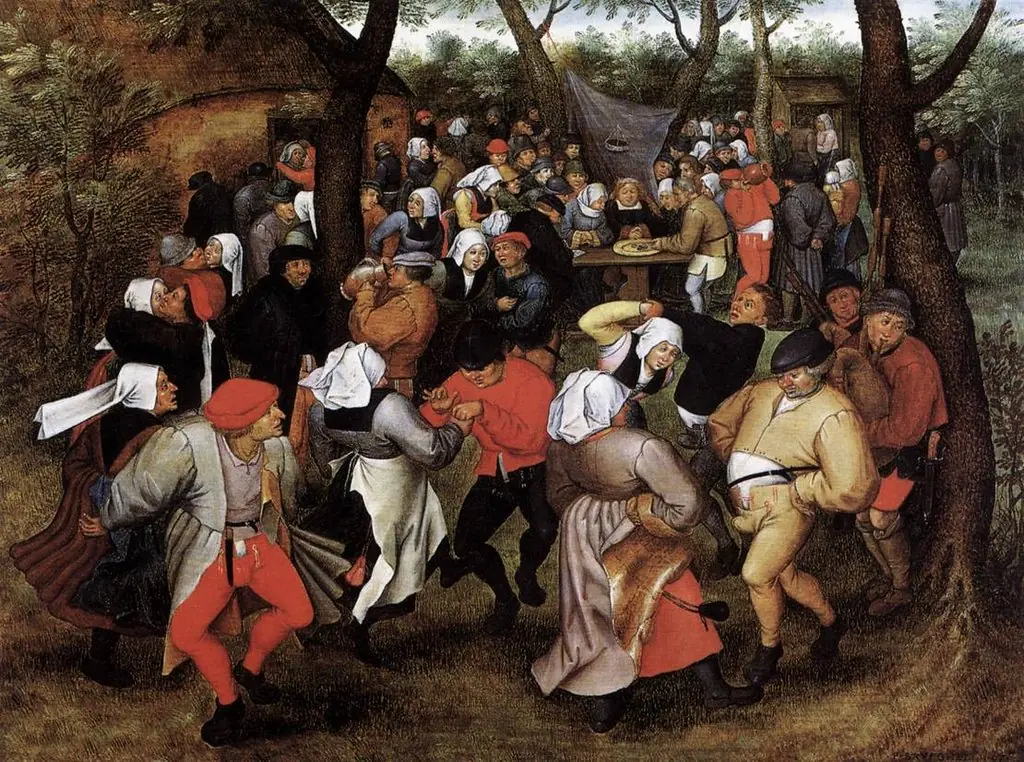
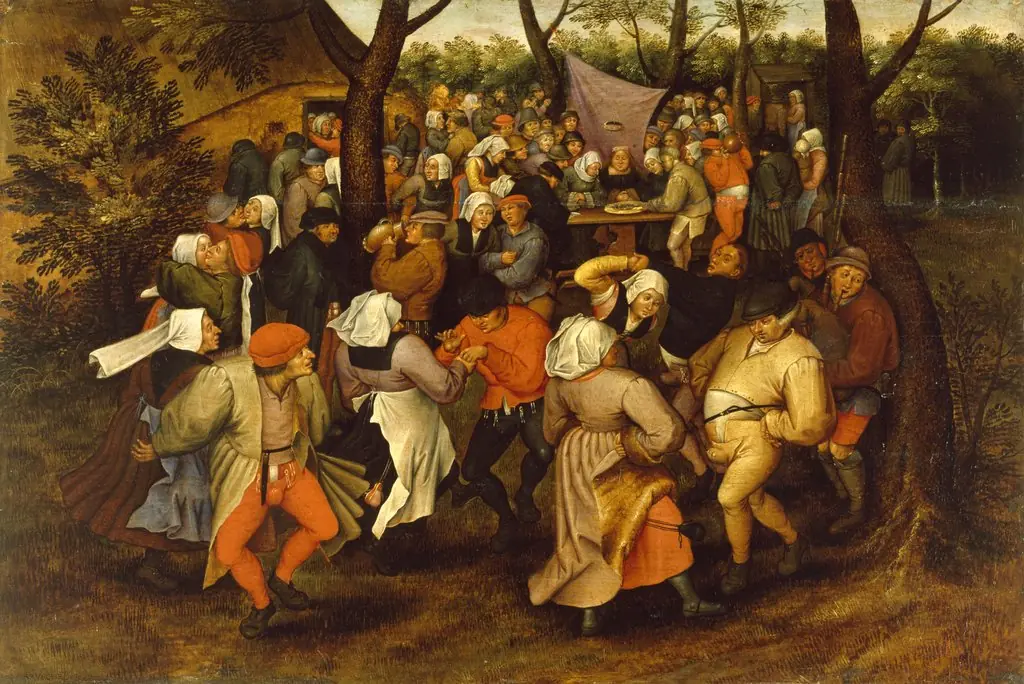
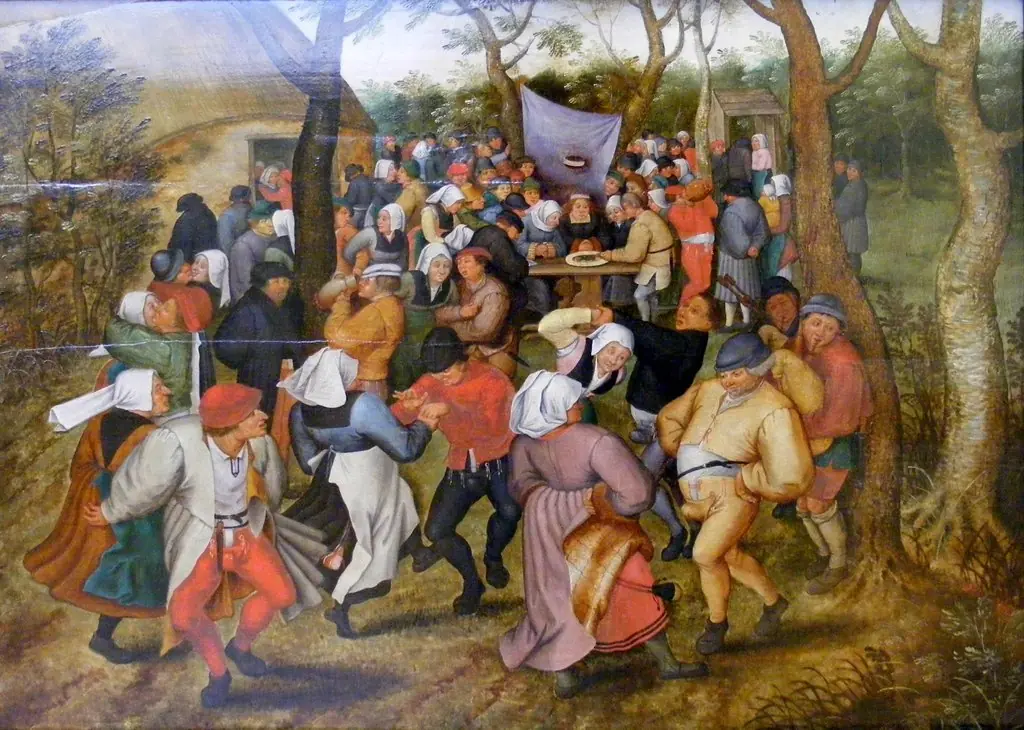
Wedding Dance is an oil painting by the Flemish Baroque painting artist Unknown. It dates from 1594 and is held in the collection of the Philadelphia Museum of Art. The work depicts a bustling wedding celebration rendered in oil on canvas.
About this work
The artist has used a range of colors, from earthy tones to brighter hues, to create a sense of warmth and joy.
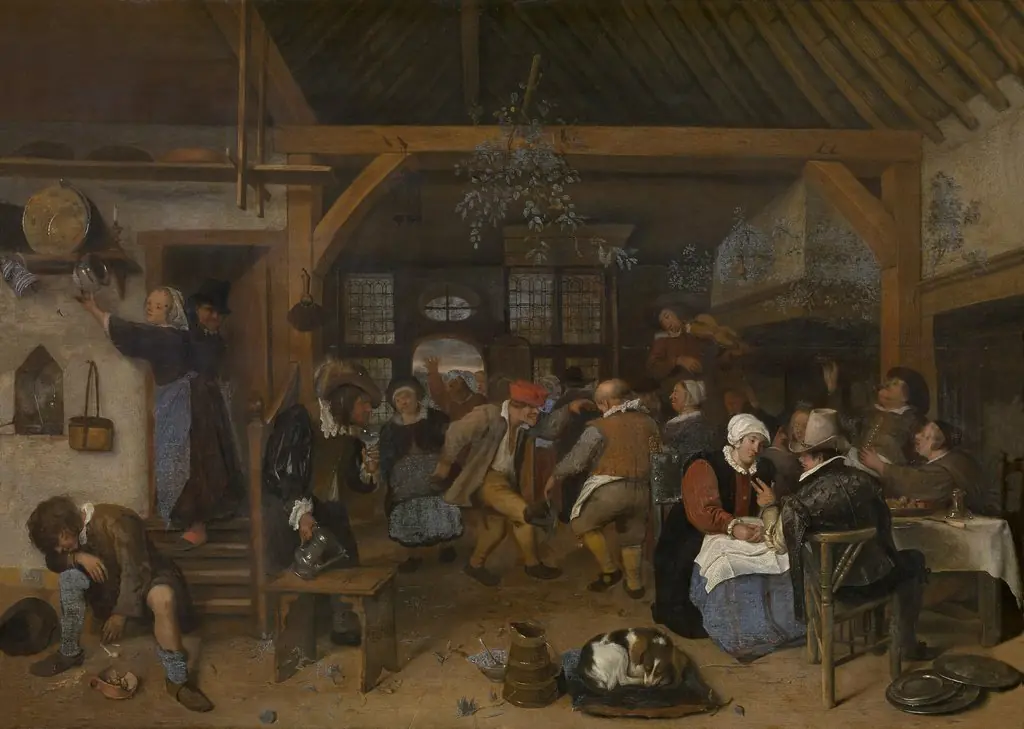
This painting shows a lively scene of people dancing and celebrating at a wedding. The room is crowded with men, women, and children, all dressed in traditional clothing from the 16th century. In the center, a group of people are gathered around a table, while others are dancing or playing instruments.
The painting is full of energy and movement, with the figures overlapping and interacting with each other. The artist has used a range of colors, from earthy tones to brighter hues, to create a sense of warmth and joy. The overall effect is one of lively celebration and community.
The artist's use of chiaroscuro, a technique that uses strong contrasts of light and dark to create a sense of volume and depth, adds to the dynamic feel of the painting. Look up chiaroscuro next.
Overview
The work depicts a bustling wedding celebration rendered in oil on canvas. Figures in period dress fill a crowded interior, engaged in dancing, music-making, and communal dining. The composition centers on a group gathered around a table, while others move rhythmically across the floor, conveying a vivid sense of festivity.
Subject & Meaning
The scene captures a 16th‑century matrimonial feast, emphasizing collective joy and social cohesion. By portraying men, women, and children together, the painting underscores the communal nature of marriage rituals and the shared cultural values of the era.
Technique & Style
The artist employs chiaroscuro, contrasting illuminated areas with deep shadows to model forms and suggest depth. A palette ranging from muted earth tones to brighter accents enhances the warmth of the gathering, while overlapping figures create dynamic movement and spatial interaction.
Context
Set within a period interior, the clothing and furnishings reflect contemporary customs of the 1500s. The inclusion of musical instruments and dance gestures aligns the work with broader Renaissance interests in portraying everyday life and celebratory occasions.
Legacy
The painting serves as a visual document of historical wedding practices, offering scholars insight into dress, social interaction, and festive customs of the time. Its lively composition continues to inform studies of genre painting and the representation of communal rituals.
Artist & collection

 Domestic Scene
 Giacomo and Cardinal Marco, investing Andrea, Abbot of San Zeno, with his Benefice
 The Nymph of Fontainebleau
 Portrait of a Woman
 Madonna and Child with Saints in the Enclosed Garden
 Venus and Minerva
 Family Group of Four on Sofa
 Wall painting from Room H of the Villa of P. Fannius Synistor at Boscoreale