Artwork
Peasant Wedding Dance
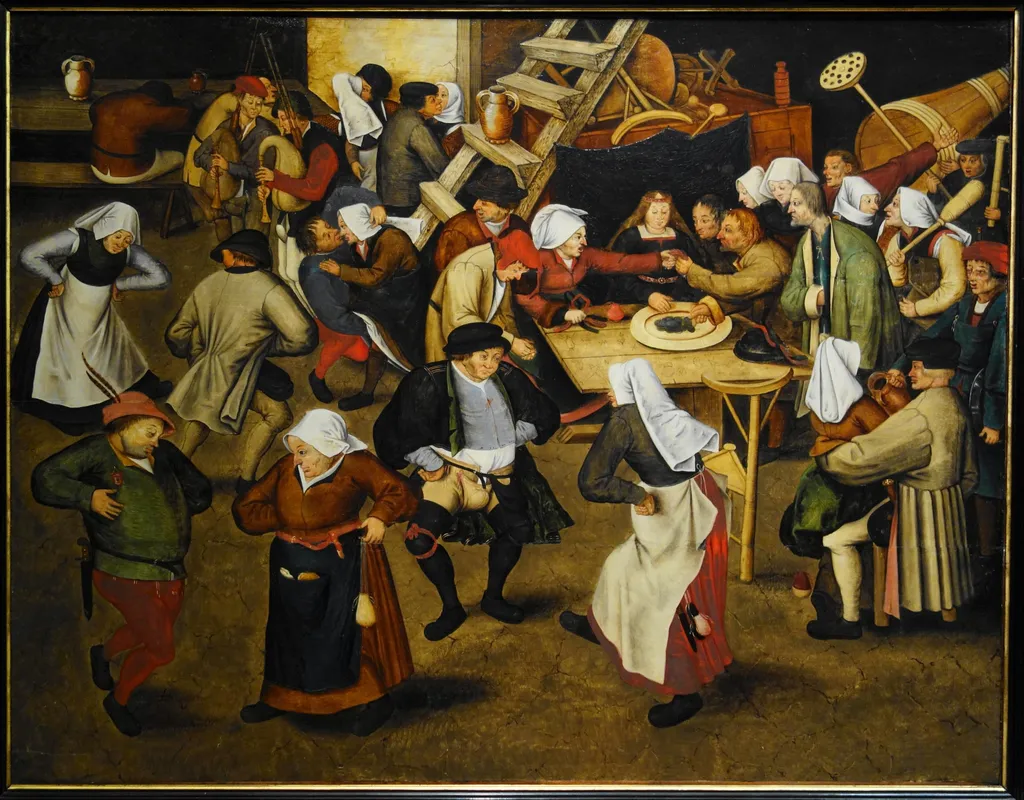
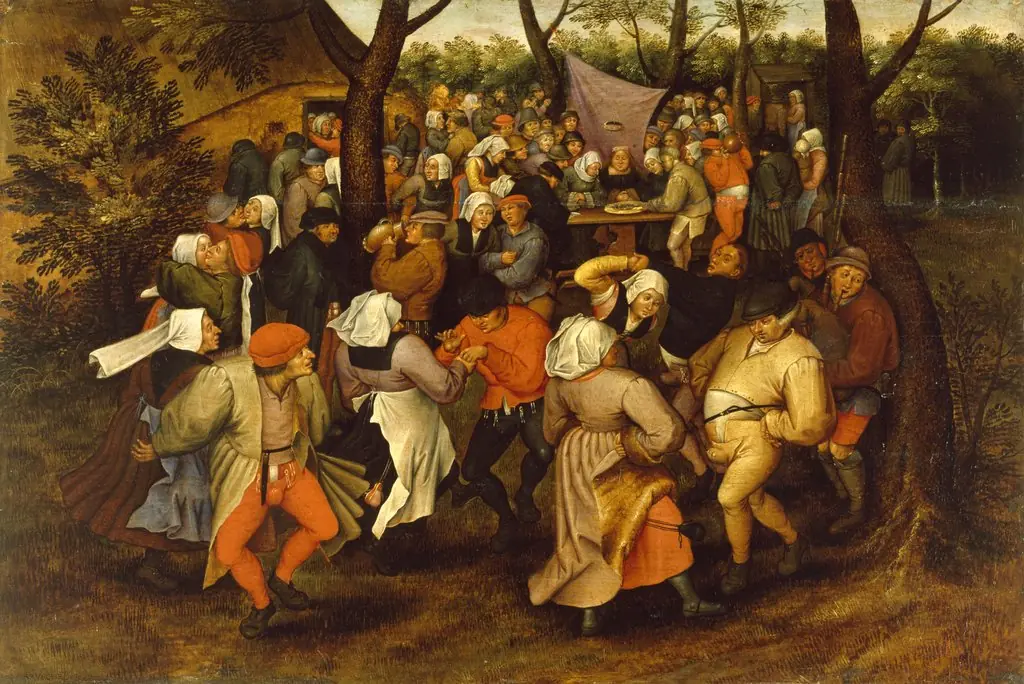
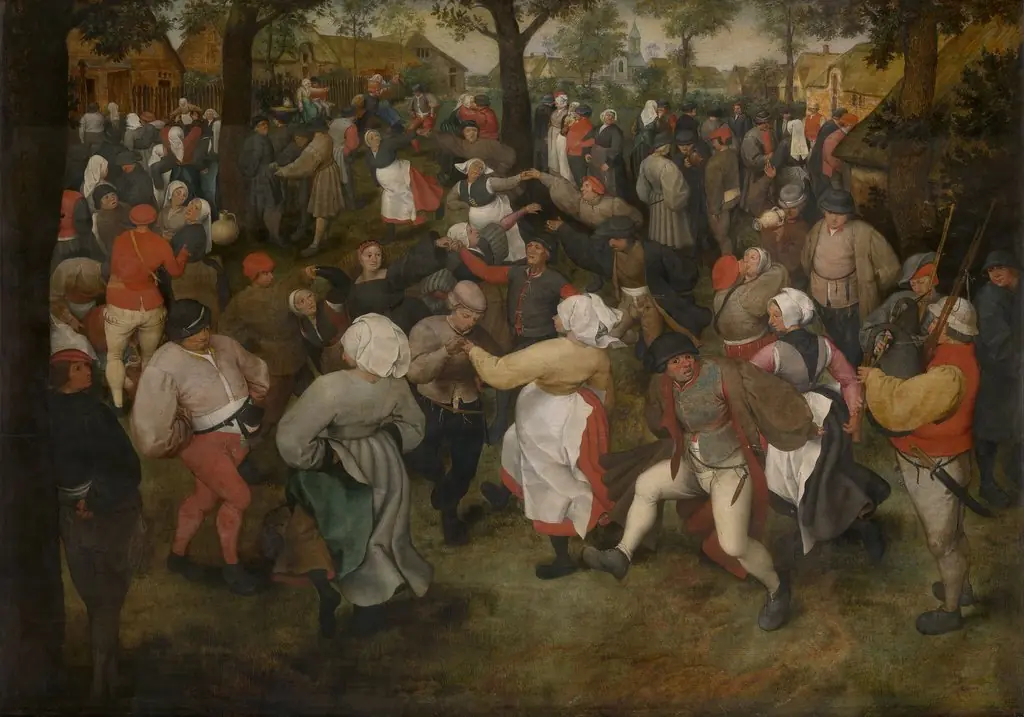
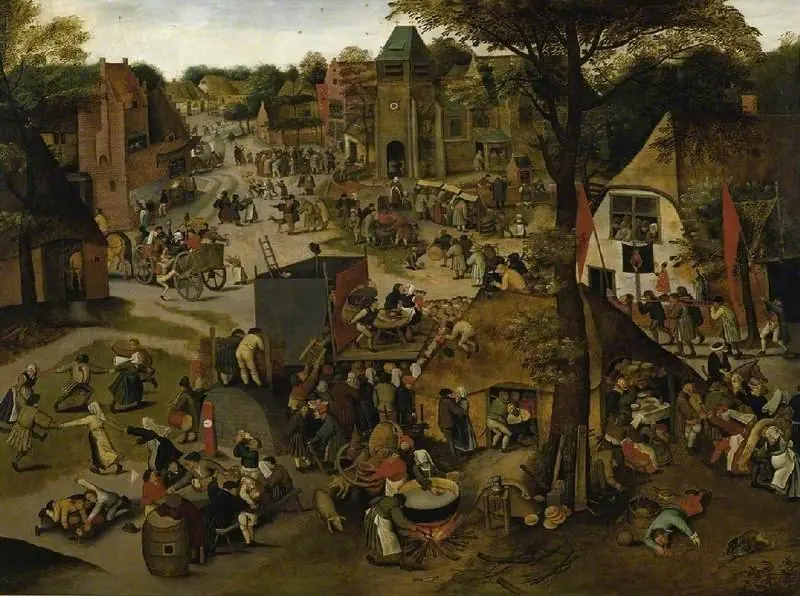
Peasant Wedding Dance is an oil painting by the Flemish Baroque painting artist Pieter Brueghel the Younger. It dates from 1620 and is held in the collection of the National Gallery of Ireland.
About this work
The colors are mostly earthy—browns, reds, and whites—with some bright spots like a woman’s red skirt.
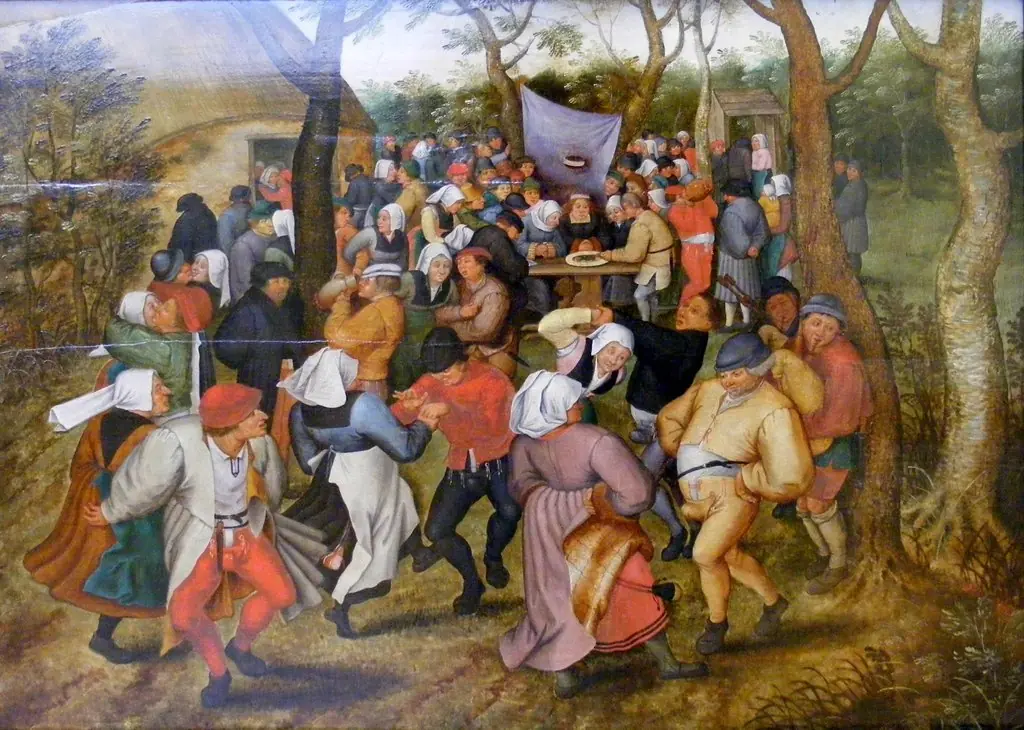
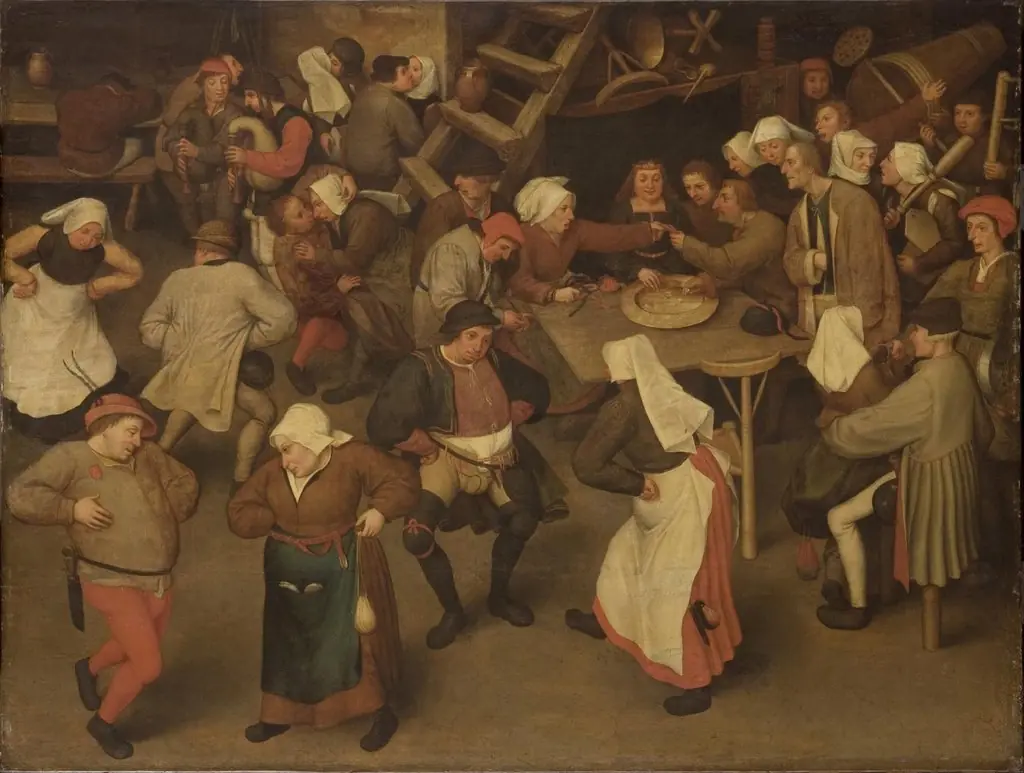
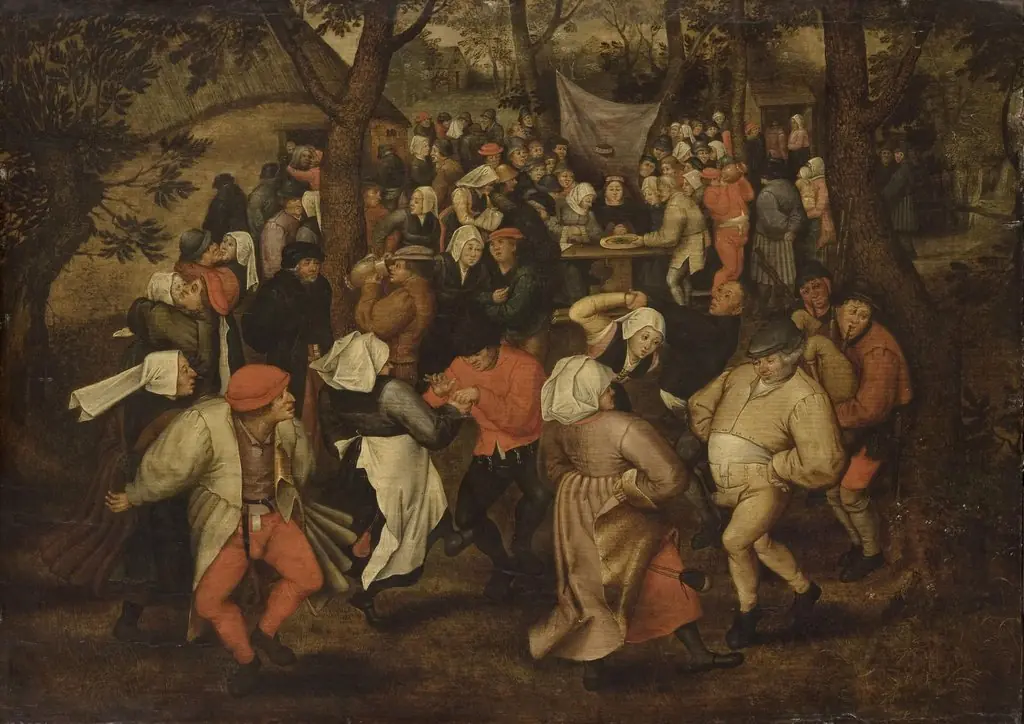
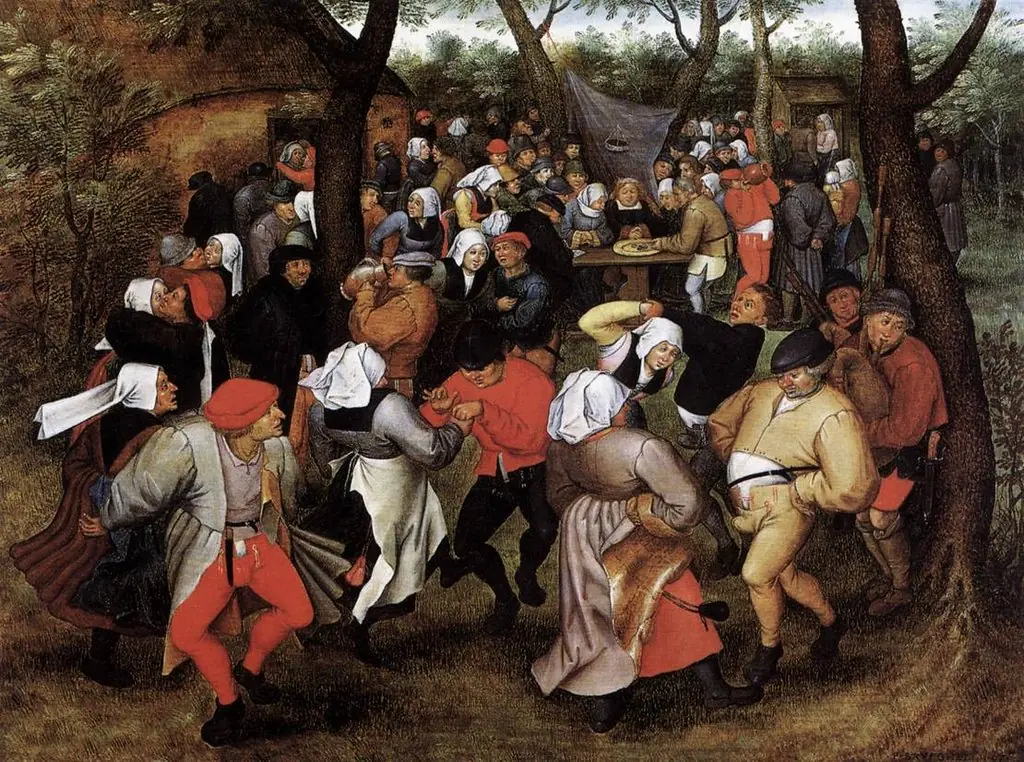
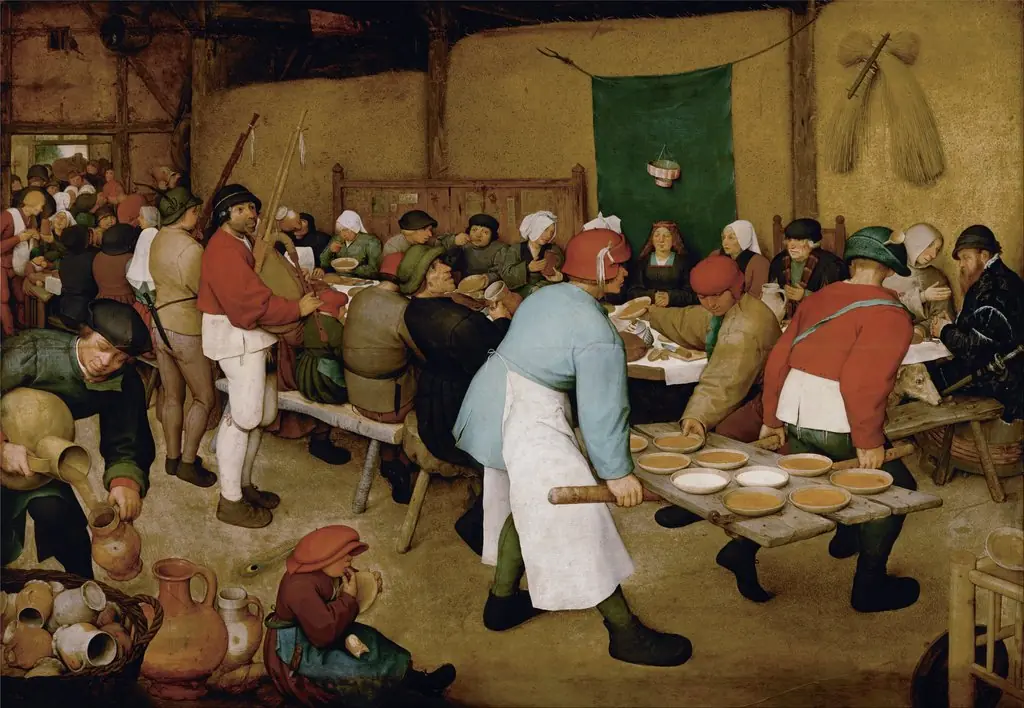
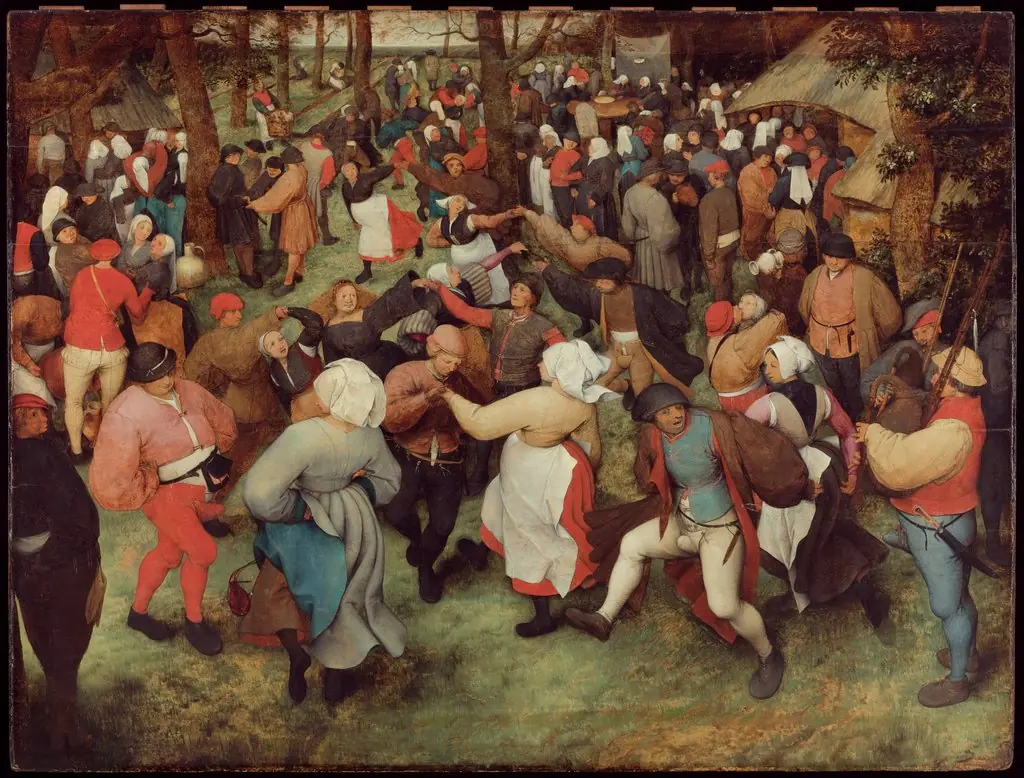
This painting shows a crowded room full of people dressed in old-fashioned clothes. Men and women are dancing, talking, and eating together. The colors are mostly earthy—browns, reds, and whites—with some bright spots like a woman’s red skirt. Tables hold food and drinks, and tools hang in the background.
The artist packed the scene with tiny details, like the way hands and faces all look different. This was made around 1620 by someone who knew how to fill a space with life.
Look up Pieter Brueghel the Younger to see how he built on his father’s style.
Overview
Created in 1620, *Peasant Wedding Dance* is an oil painting by Pieter Brueghel the Younger, a Flemish artist working in the early Baroque period. The work depicts a bustling interior scene of a rural wedding celebration, populated by numerous figures engaged in dancing, eating, and conversation. Its palette is dominated by earthy tones, punctuated by brighter accents such as a red skirt.
Subject & Meaning
The composition presents a communal feast typical of 16th‑century Flemish village life, emphasizing collective joy and ritual. By focusing on ordinary participants rather than a central heroic figure, the painting underscores the social importance of shared festivities and the continuity of folk customs across generations.
Technique & Style
Brueghel the Younger employs a dense, almost theatrical arrangement of figures, each rendered with individualized facial features and gestures. The brushwork balances fine detail in hands and expressions with broader strokes for architectural elements, while the muted earth palette is enlivened by selective color highlights, a hallmark of his workshop’s approach to genre scenes.
History & Provenance
The canvas entered the collection of the National Gallery of Ireland, where it remains on display. As part of the younger Brueghel’s prolific output, the painting reflects his practice of reproducing and adapting motifs inherited from his father, Pieter Bruegel the Elder, while catering to a market for lively depictions of peasant life.
Context
Produced during the flourishing of Flemish Baroque art, the work aligns with contemporary interests in genre painting that celebrated everyday activities. Brueghel the Younger’s studio capitalized on the demand for vivid, narrative scenes that offered both moral instruction and visual entertainment to a broad audience.
Artist & collection
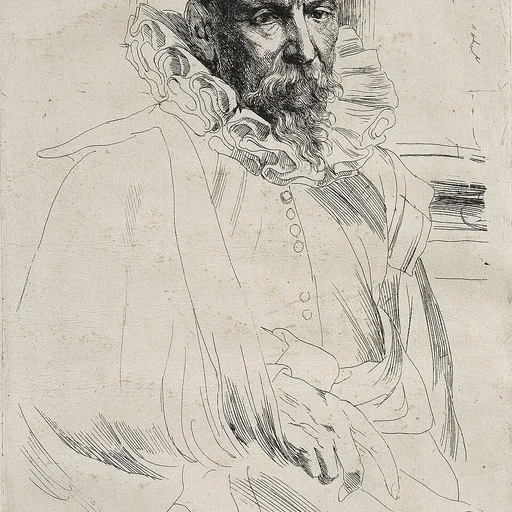
Artist
Pieter Brueghel the Younger ( BROY-gəl, also US: BROO-gəl; Dutch: ; between 23 May and 10 October 1564 – between March and May 1638) was a Flemish painter known for numerous copies after his father Pieter Bruegel the…

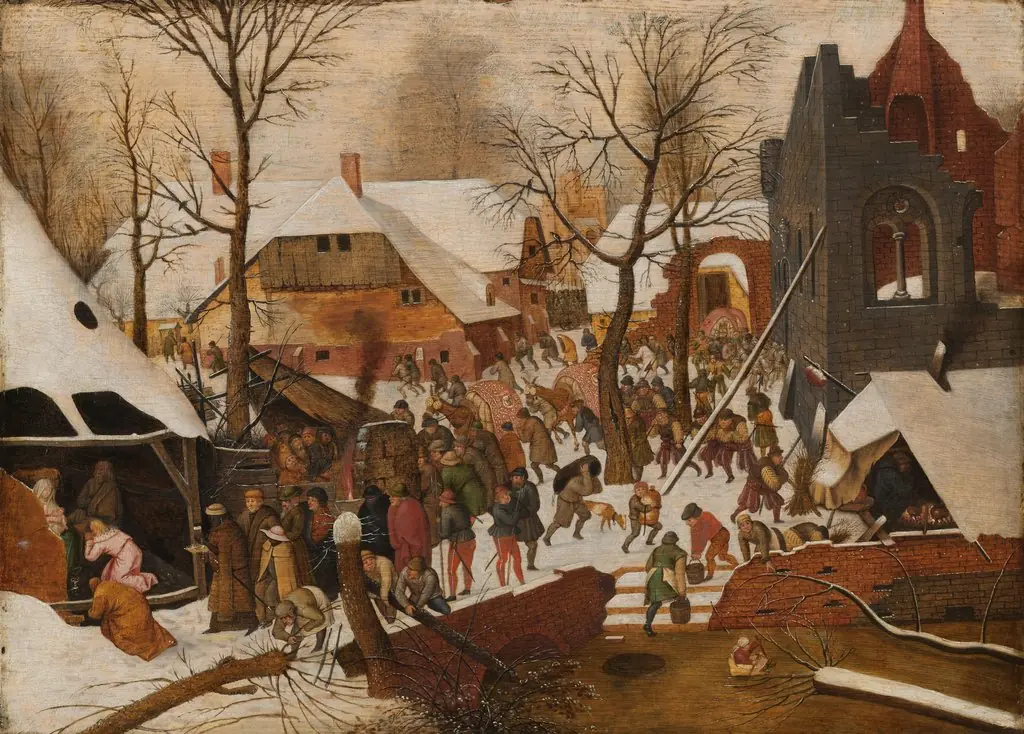 Adoration of the magi
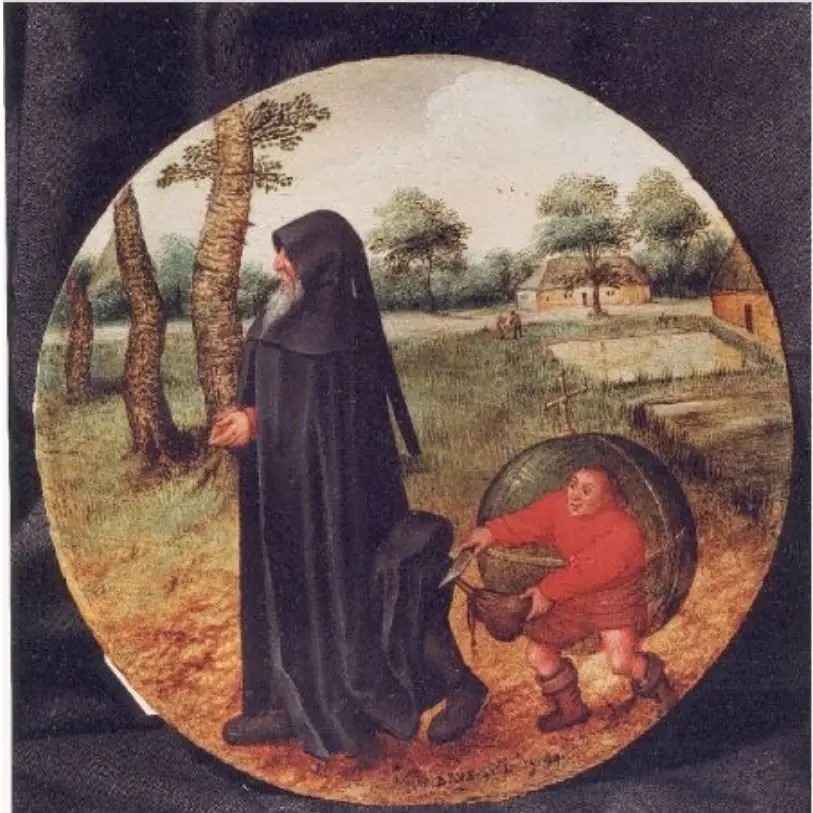 I Mourn because the World is so Untrustworthy
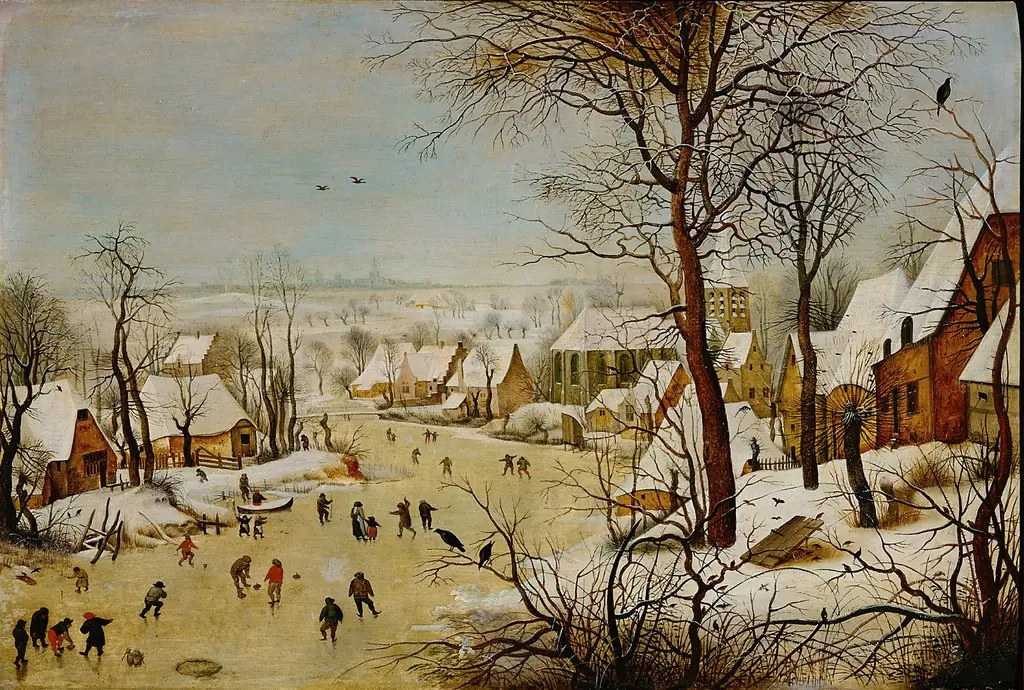 Winter Landscape with a Bird Trap
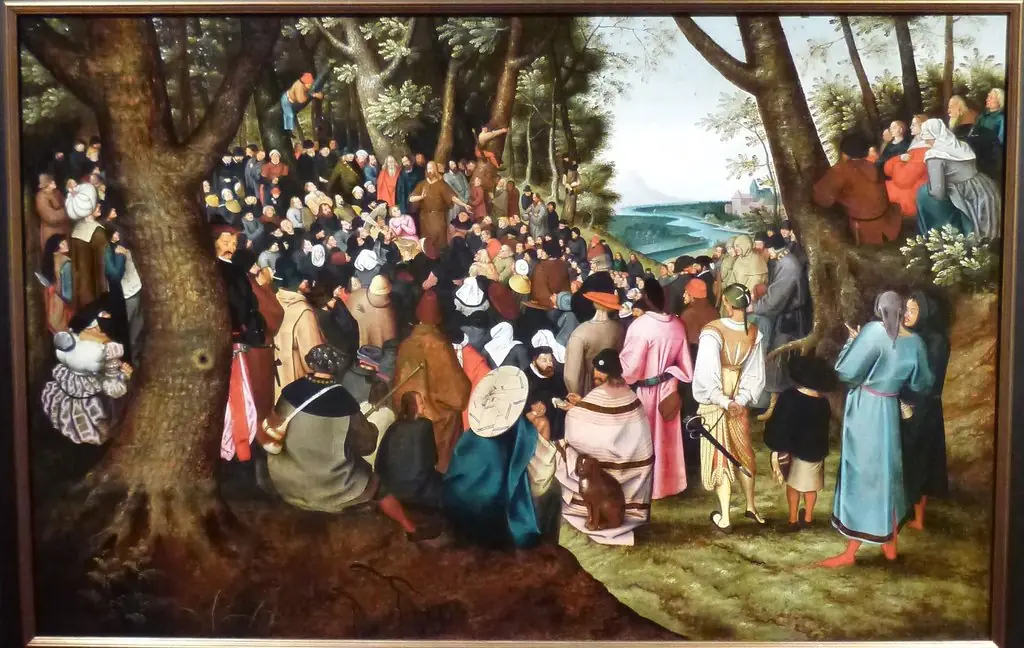 The Sermon of John the Baptist
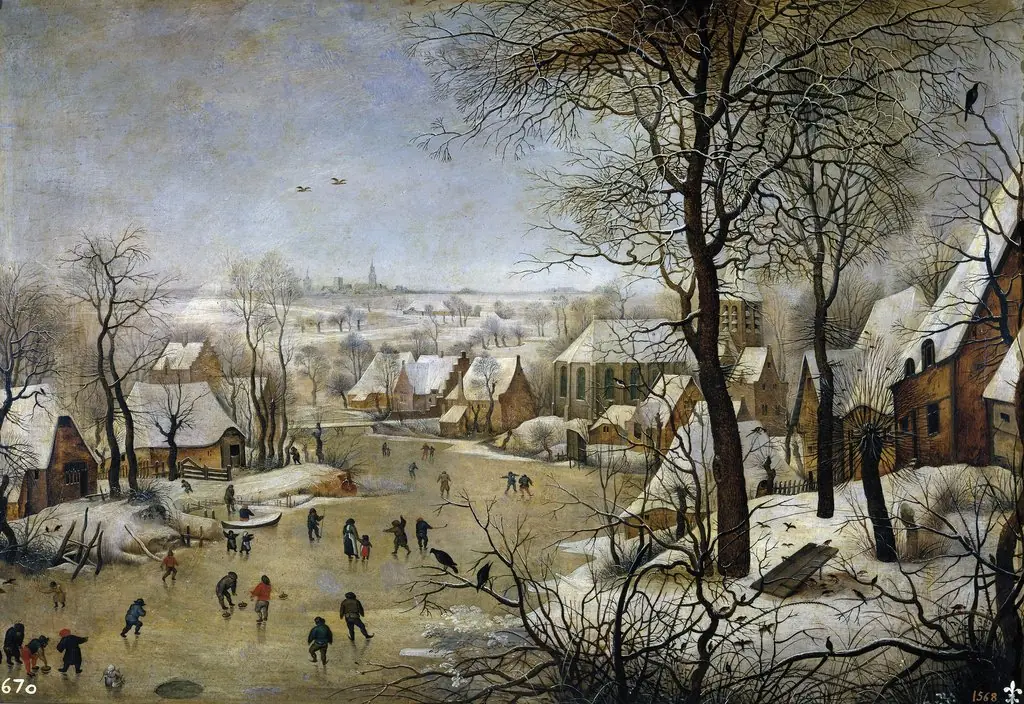 Winter Landscape with a Bird-trap
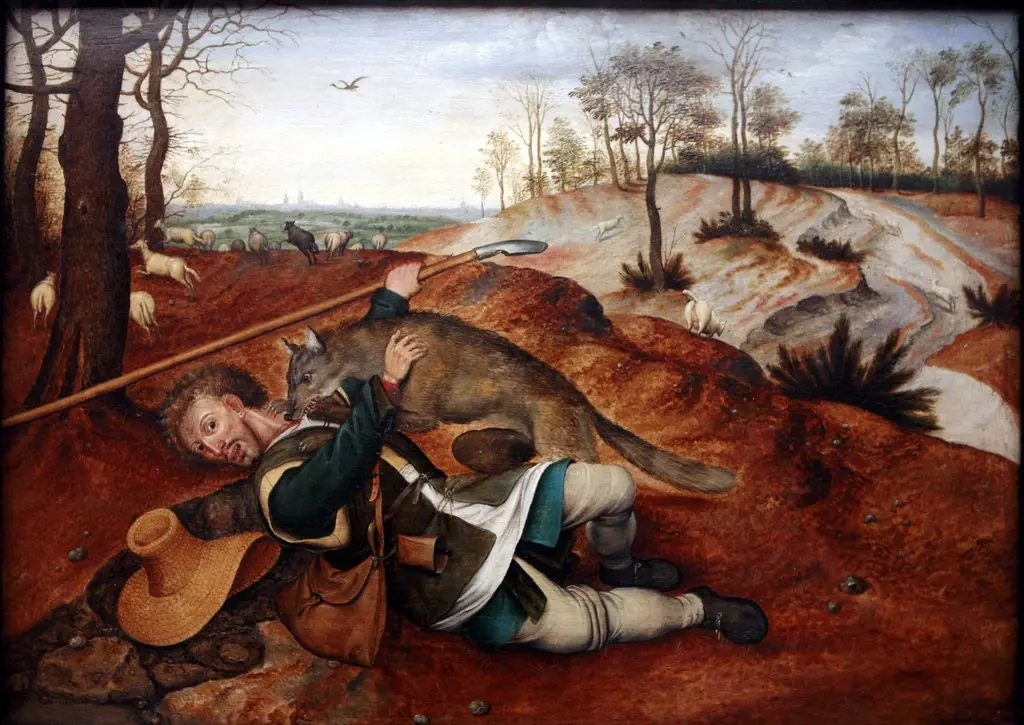 The Good Shepherd
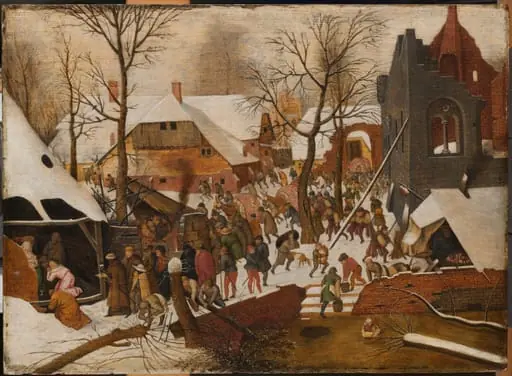 The Adoration of the Magi
 A Village Festival, With a Theatrical Performance and a Procession in Honour of St Hubert and St Anthony