Artwork
The Wedding Dance
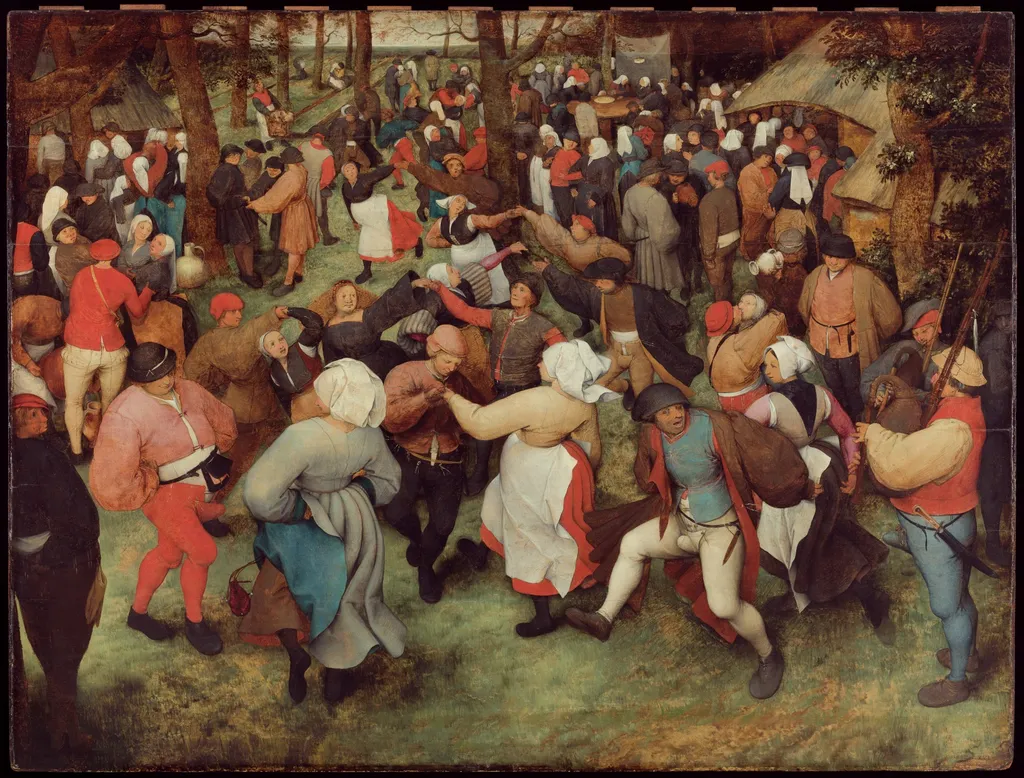
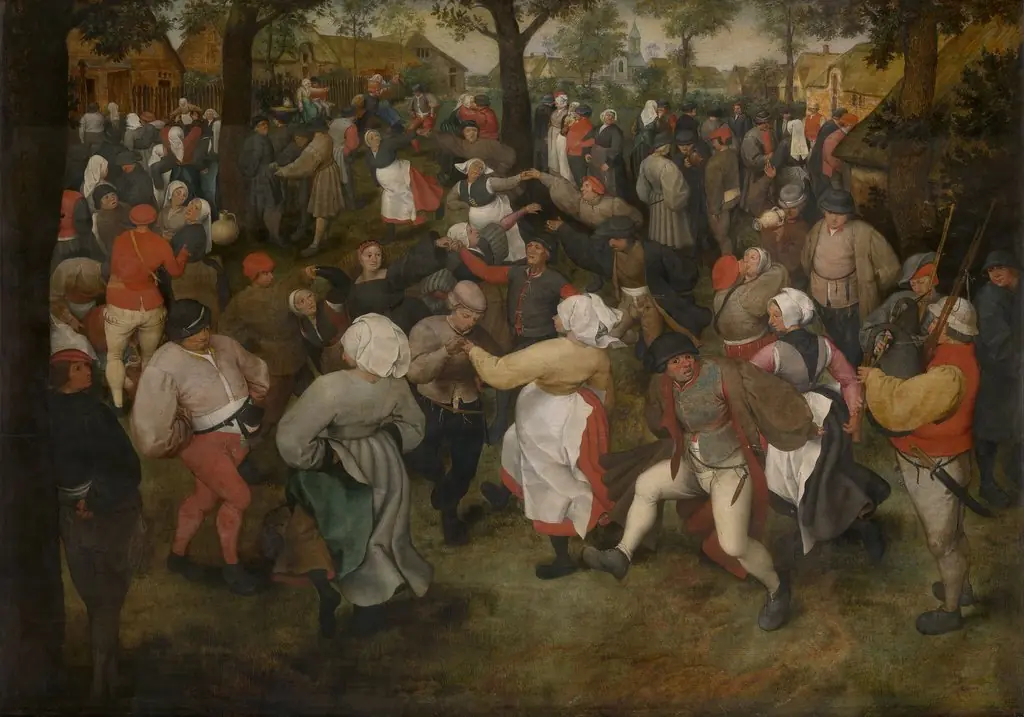
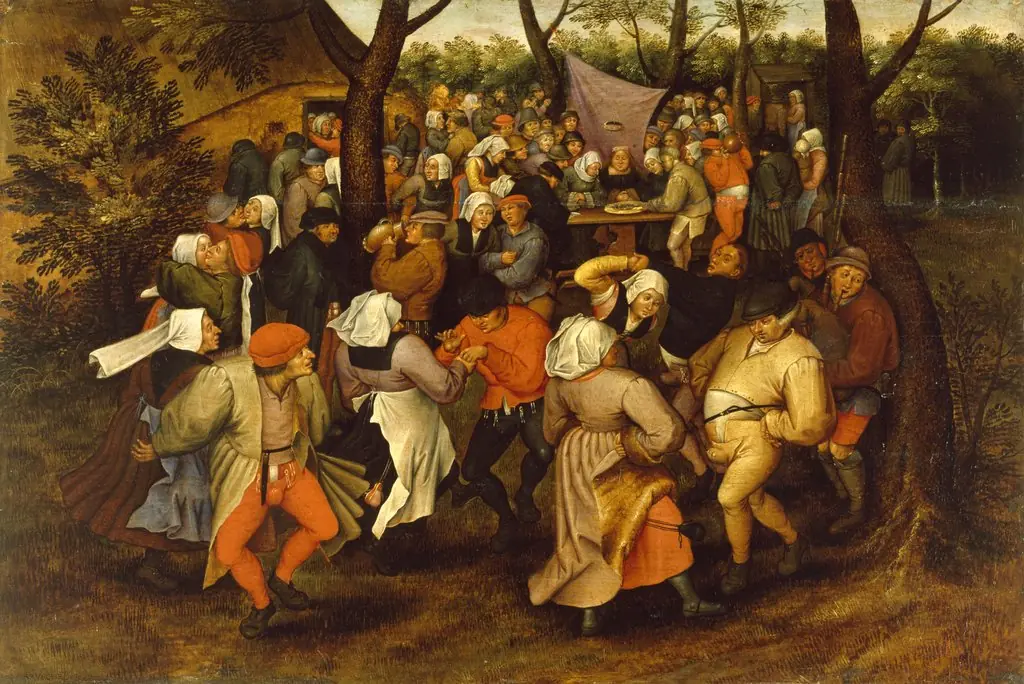
The Wedding Dance is an oil painting by the Northern Renaissance artist Pieter Brueghel the Elder. It dates from 1566 and is held in the collection of the Detroit Institute of Arts. Created in 1566, this oil painting on panel depicts a lively communal celebration.
About this work
These works include The Peasant Wedding and The Peasant Dance, made in 1567 and 1569 respectively.
The Wedding Dance is a painting by Pieter Brueghel the Elder. It was made in 1566 using oil paint.
The painting is believed to be part of a set of three works from around the same time. These works include The Peasant Wedding and The Peasant Dance, made in 1567 and 1569 respectively.
You can learn more about the artist's style and other works at the Detroit Institute of Arts, or look up the subject of dancing to see how it's depicted in other art pieces, but for now, check out the work of artist: Pieter Brueghel the Elder.
Overview
Created in 1566, this oil painting on panel depicts a lively communal celebration. Executed by the Netherlandish Renaissance painter Pieter Bruegel the Elder, the work measures roughly a modest size and is now part of the permanent collection of the Detroit Institute of Arts in Michigan.
Subject & Meaning
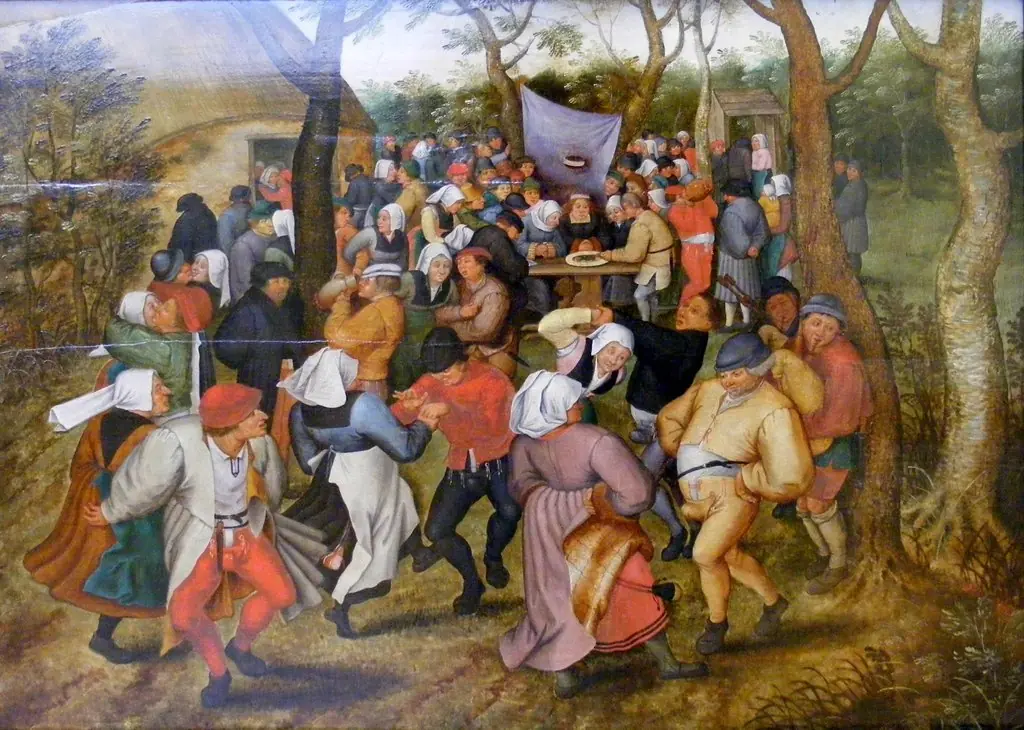
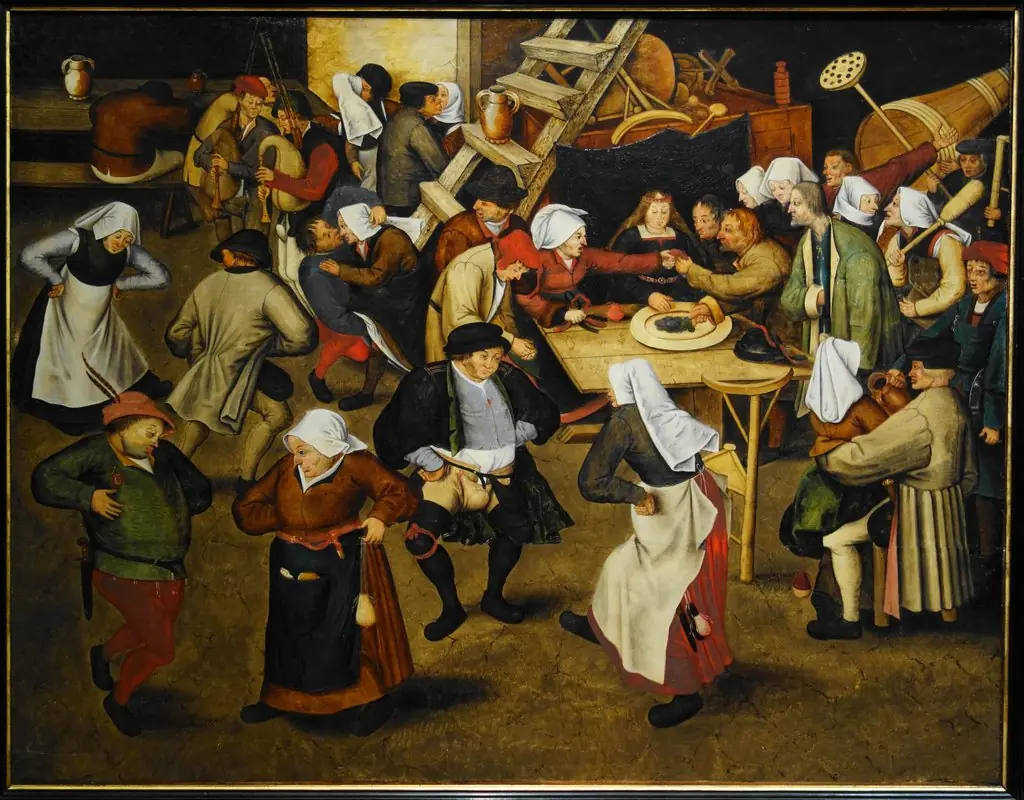
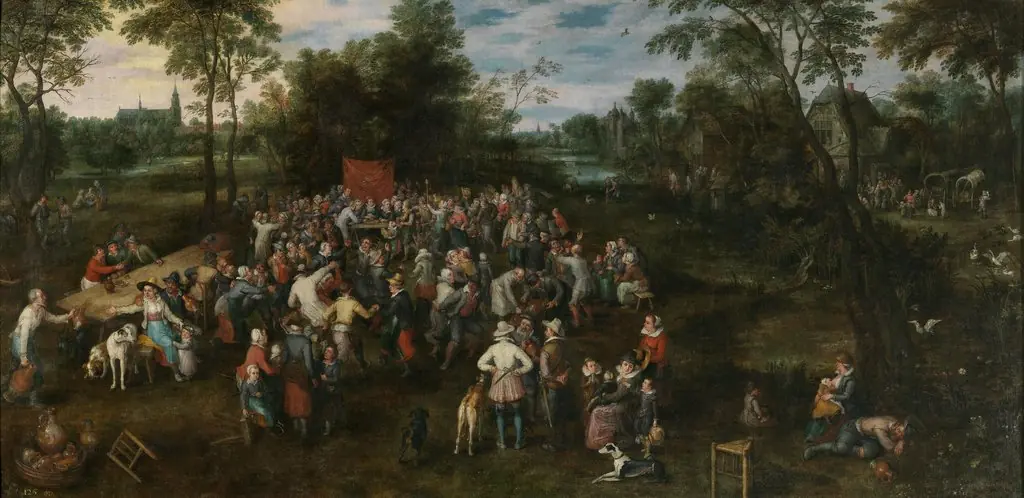
The scene portrays villagers engaged in a festive dance, likely linked to a wedding ceremony, reflecting the social customs of 16th‑century rural Flanders. Bruegel’s focus on collective merriment offers insight into communal rituals and the role of music and movement in peasant life.
Technique & Style
Bruegel employs his characteristic detailed observation, using a muted palette of earth tones punctuated by brighter accents to highlight figures. The oil medium allows for fine modeling of faces and textures, while the composition balances a crowded foreground with a receding landscape, typical of his narrative approach.
History & Provenance
The painting entered the Detroit Institute of Arts after its director uncovered it in England in 1930, arranging its transfer to the United States. Documentation traces its ownership back to private collections before that discovery, though earlier records are scarce.
Context
The work is thought to belong to a trio of related pieces produced by Bruegel in the mid‑1560s, alongside a peasant wedding scene painted a year later and a dance scene completed in 1569. Together they illustrate the artist’s sustained interest in rural festivities and social interaction.
Own this work as a print
Artist & collection
Artist
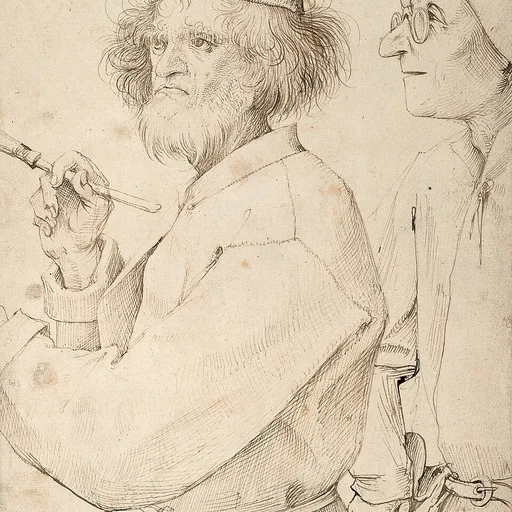
Pieter Bruegel (also Brueghel or Breughel) the Elder ( BROY-gəl, US also BROO-gəl; Dutch: ; c.