Artwork
Otafuku
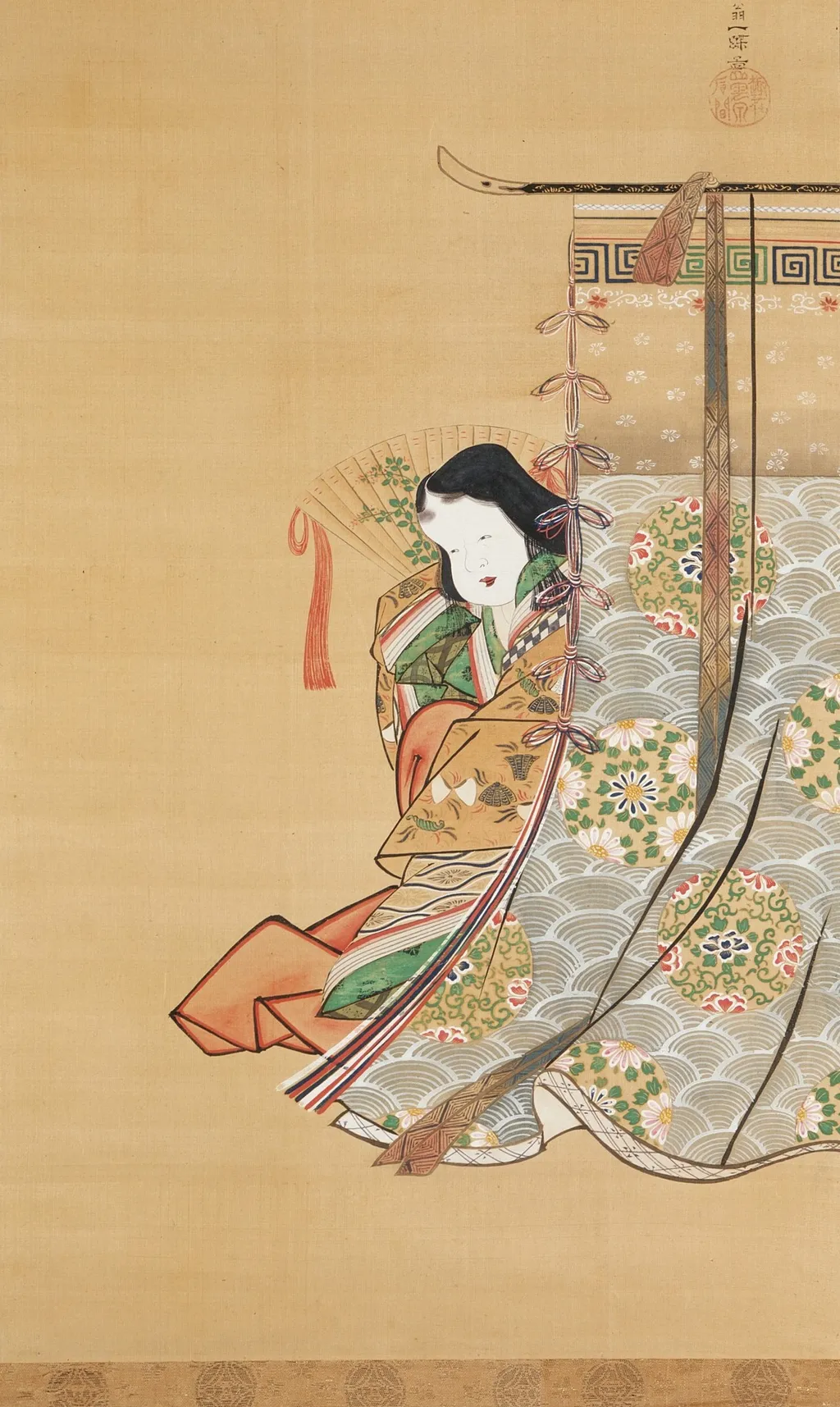
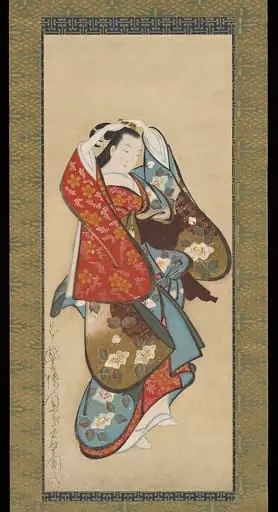
Otafuku is an unspecified painting by Unknown. It is held in the collection of the Los Angeles County Museum of Art.
About this work
Overview
Otafuku is a painted representation of a traditional Japanese folk figure associated with laughter, good fortune, and maternal abundance. The work belongs to a broader visual tradition in which this round-faced, smiling woman appears in decorative arts and theater. This painting captures her exaggerated features with deliberate simplicity, emphasizing joy and accessibility over realism.
Subject & Meaning
Otafuku, also known as Okame, symbolizes unreserved mirth and resilience in Japanese culture. Her broad smile and plump form are not merely aesthetic but carry moral and spiritual weight—representing the virtue of finding joy despite hardship. She often appears alongside more solemn figures, balancing the emotional tone of religious or theatrical scenes.
Technique & Style
The painting employs flat planes of color and minimal shading, consistent with folk and decorative painting traditions. Outlines are bold and deliberate, with ink and mineral pigments applied on paper or silk. Facial features are stylized: wide eyes, a large nose, and a mouth stretched in a fixed grin, reinforcing her archetypal nature rather than individual identity.
History & Provenance
This work likely originated in the Edo period, when depictions of Otafuku became common in merchant-class homes and Noh theater settings. Its exact origin is undocumented, but similar images appear in collections from Kyoto and Osaka workshops. It was probably produced for domestic or ritual use, not elite patronage.
Context
Otafuku’s imagery flourished alongside the rise of urban culture in early modern Japan. As commoners gained economic influence, symbols of luck and humor entered domestic spaces. The figure was also linked to Shinto and Buddhist rituals invoking protection and prosperity, making her presence both cultural and spiritual.
Legacy
The visual language of Otafuku continues in contemporary Japanese art and media, though often stripped of its original ritual context. Modern adaptations retain her form as a symbol of cheerfulness, but the deeper cultural associations with endurance and communal joy have faded in popular usage.
Artist & collection

 Domestic Scene
 Giacomo and Cardinal Marco, investing Andrea, Abbot of San Zeno, with his Benefice
 The Nymph of Fontainebleau
 Portrait of a Woman
 Madonna and Child with Saints in the Enclosed Garden
 Venus and Minerva
 Family Group of Four on Sofa
 Wall painting from Room H of the Villa of P. Fannius Synistor at Boscoreale
 Courtesan
 The Poetess Ono no Komachi
 Untitled
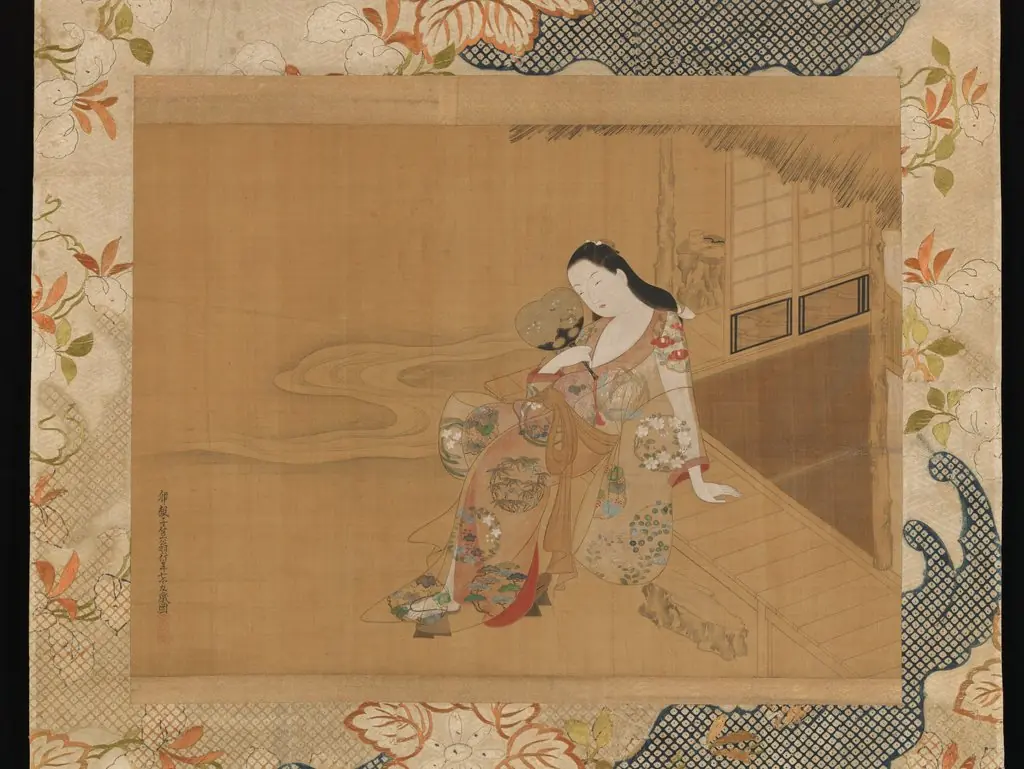 Courtesan Enjoying a Cool Summer Evening
 Untitled
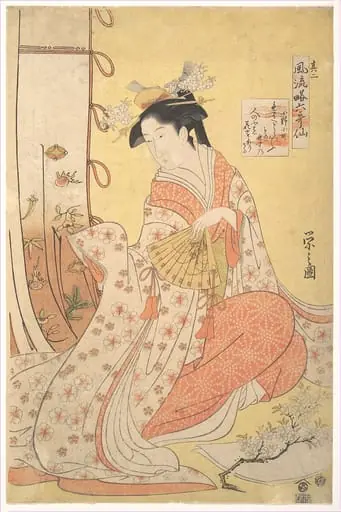 鳥文斎栄之画 「風流略六哥仙 其の二」小野小町|Ono no Komachi: Number Two (Sono ni), from the series Stylish Parodies of the Six Poetic Immortals (Fūryū yatsushi rokkasen)
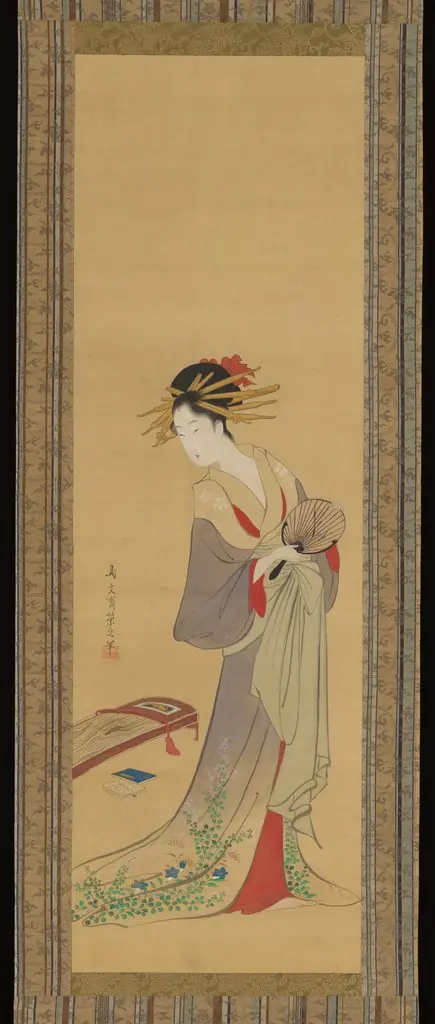 Courtesan with Fan and Koto
 Untitled
 Elegantly Garbed Male Youth
 Beauty Admiring a Warbler on a Plum Tree
 Courtesan Seated on a Bench Enjoying the Evening Cool in Summer
 Untitled