Artwork
Armorial Roundel
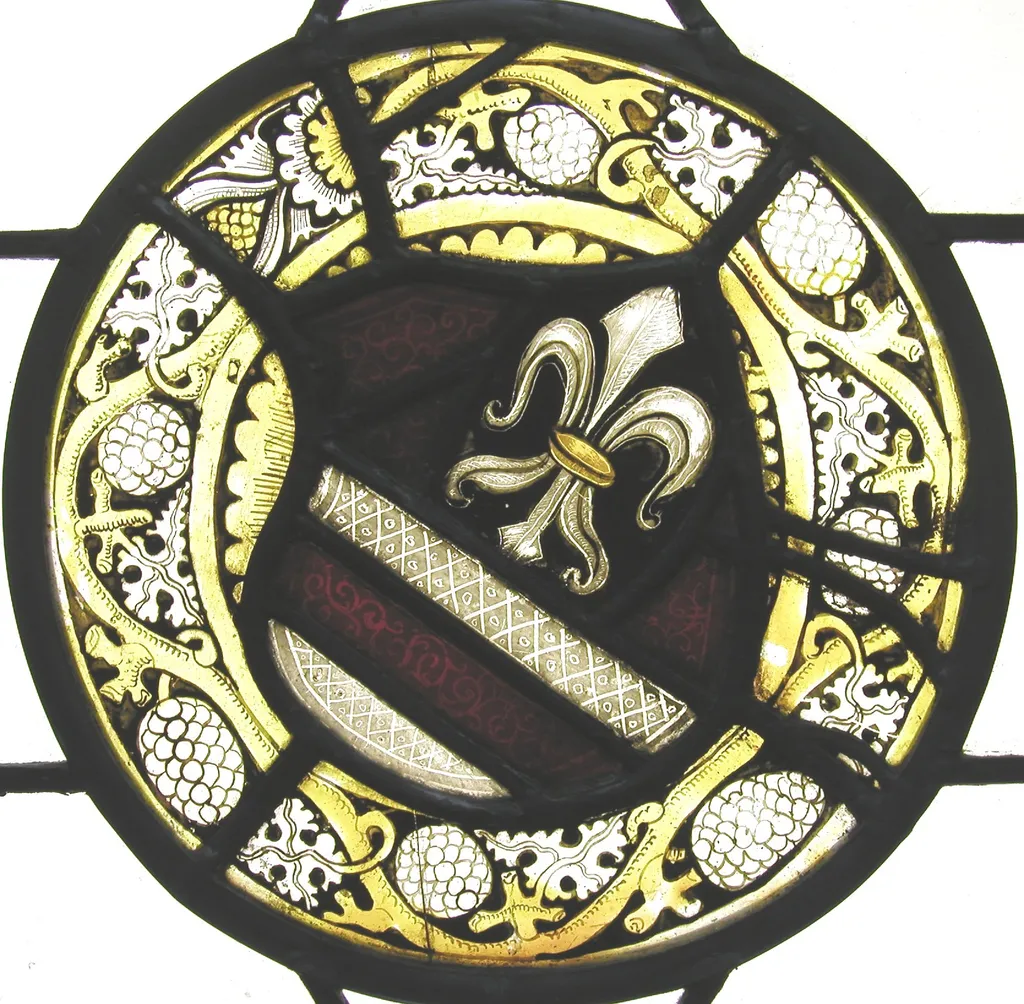
Armorial Roundel is an unspecified painting. It dates from 1500 and is held in the collection of the Metropolitan Museum of Art. The work is a roundel painted as a shield, dominated by a gold-and‑white decorative scheme.
About this work
Overview
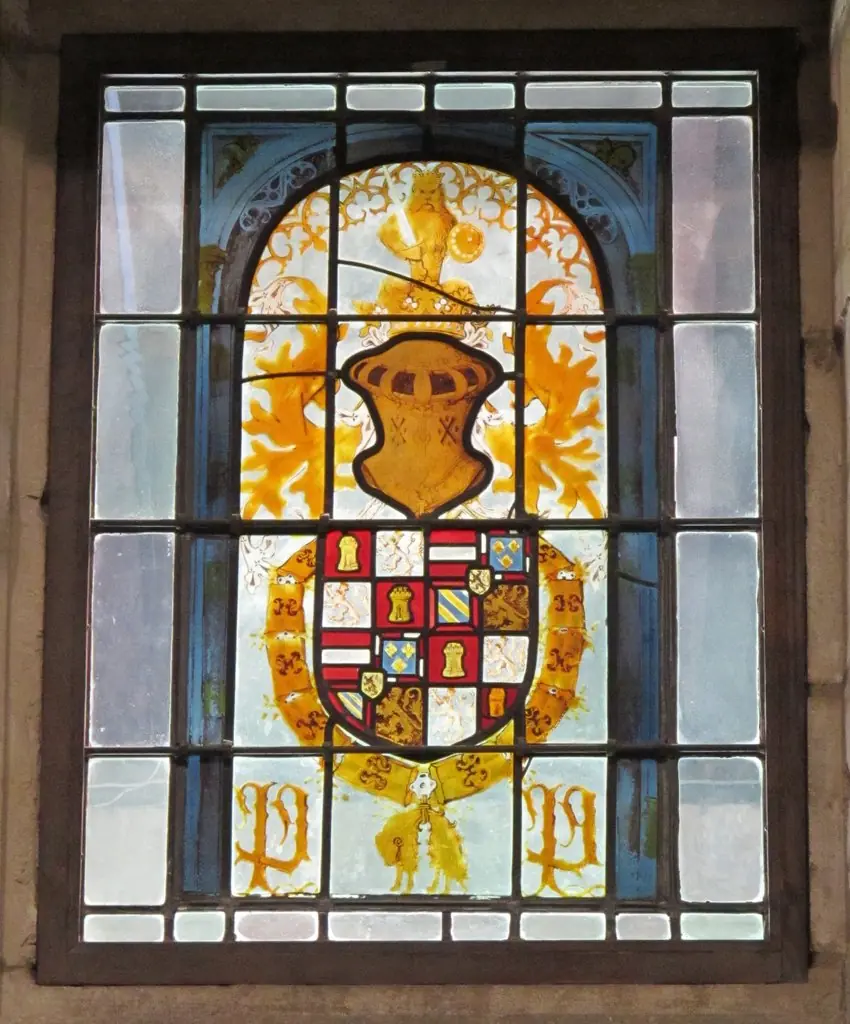
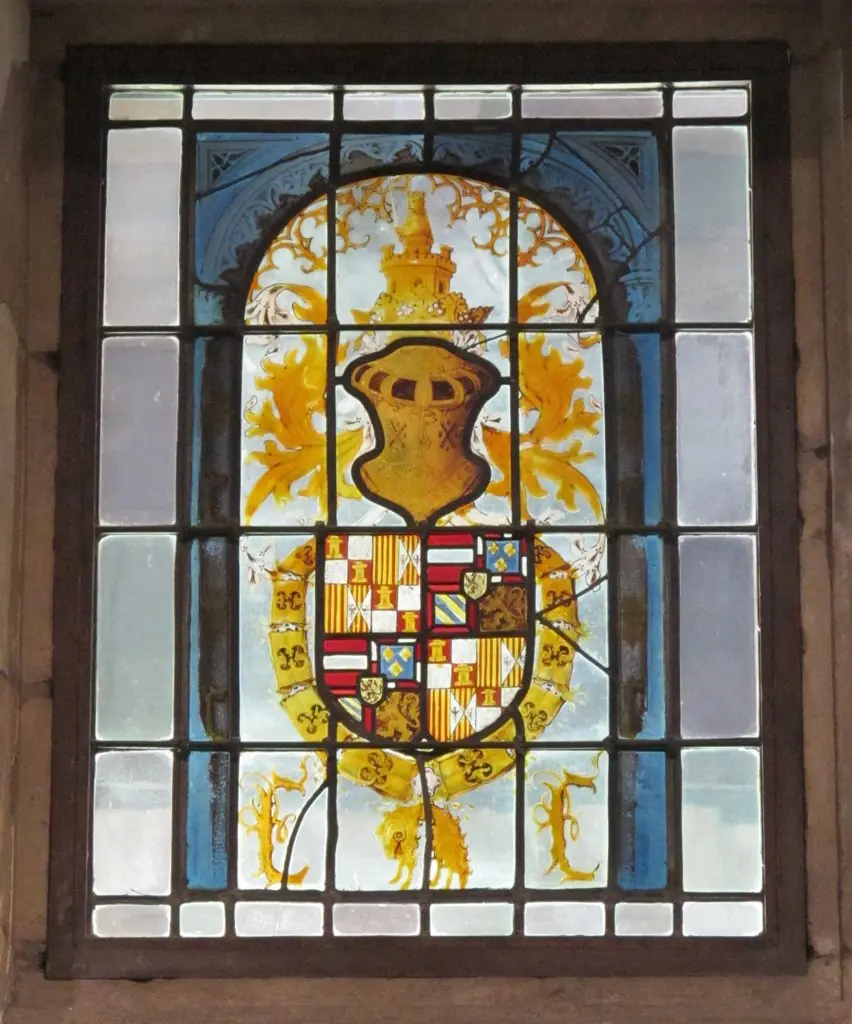
The work is a roundel painted as a shield, dominated by a gold-and‑white decorative scheme. A prominent, stylised “F” occupies the centre, surrounded by floral motifs, foliage and diminutive animal figures placed in the corners. The field is dark, pierced by a red stripe, while the rim is edged with additional gilded ornamentation.
Subject & Meaning
The central “F” functions as a heraldic charge, representing a family’s coat of arms and serving as a visual identifier of lineage or authority. Such emblems were employed in the medieval and early modern periods as portable symbols of status, akin to a personal insignia displayed on banners, seals or armor.
Technique & Style
The roundel employs a combination of gilding and pigment on a dark ground, creating contrast between the luminous gold‑white patterns and the somber background. The decorative elements—floral scrolls, leaves and miniature beasts—are rendered in a manner typical of heraldic art, where clarity of symbol outweighs naturalistic detail.
Context
Heraldic roundels were commonly affixed to armor, banners or documents to denote ownership or allegiance. The composition reflects the conventions of European heraldry, where geometric balance and the repetition of motifs reinforce the recognisability of a family's emblem across various media.
Artist & collection

 Armorial Roundel
 Armorial Roundel
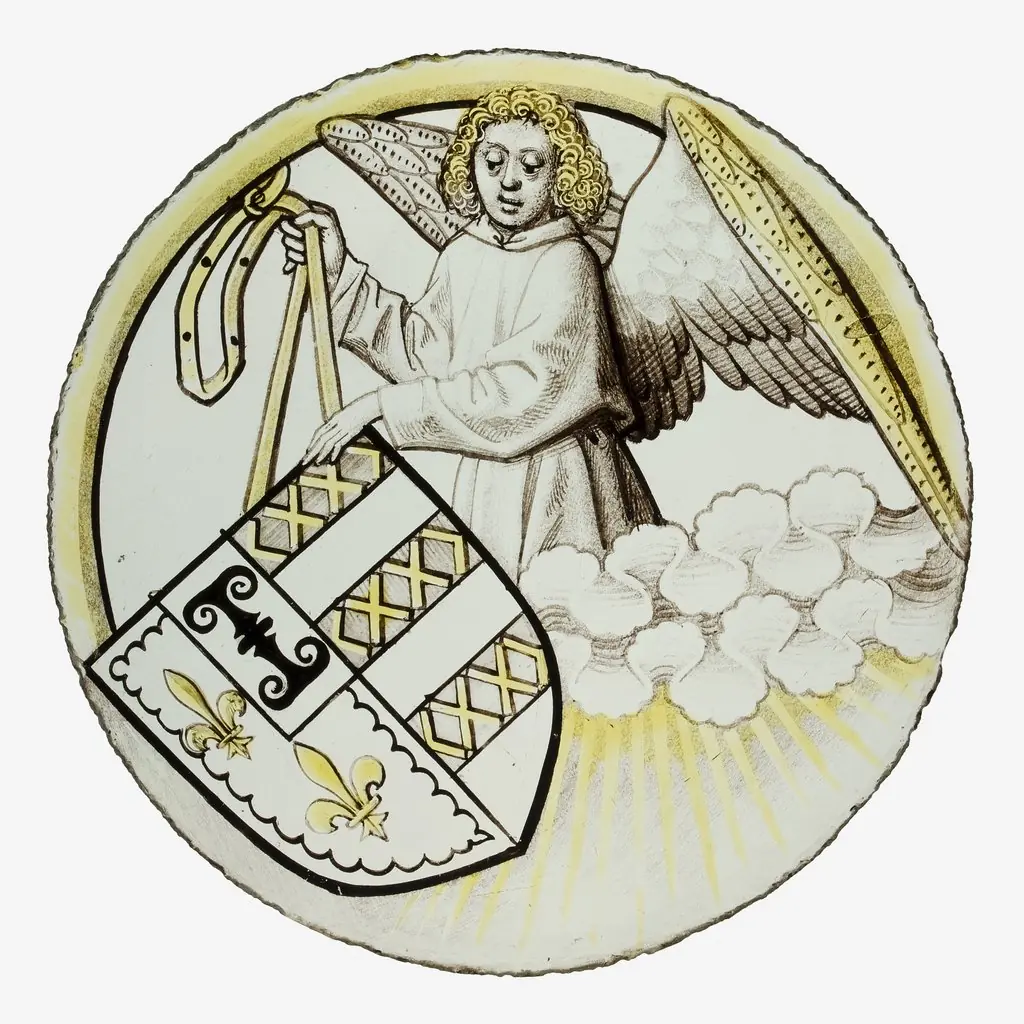 Roundel with Angel Supporting a Heraldic Shield
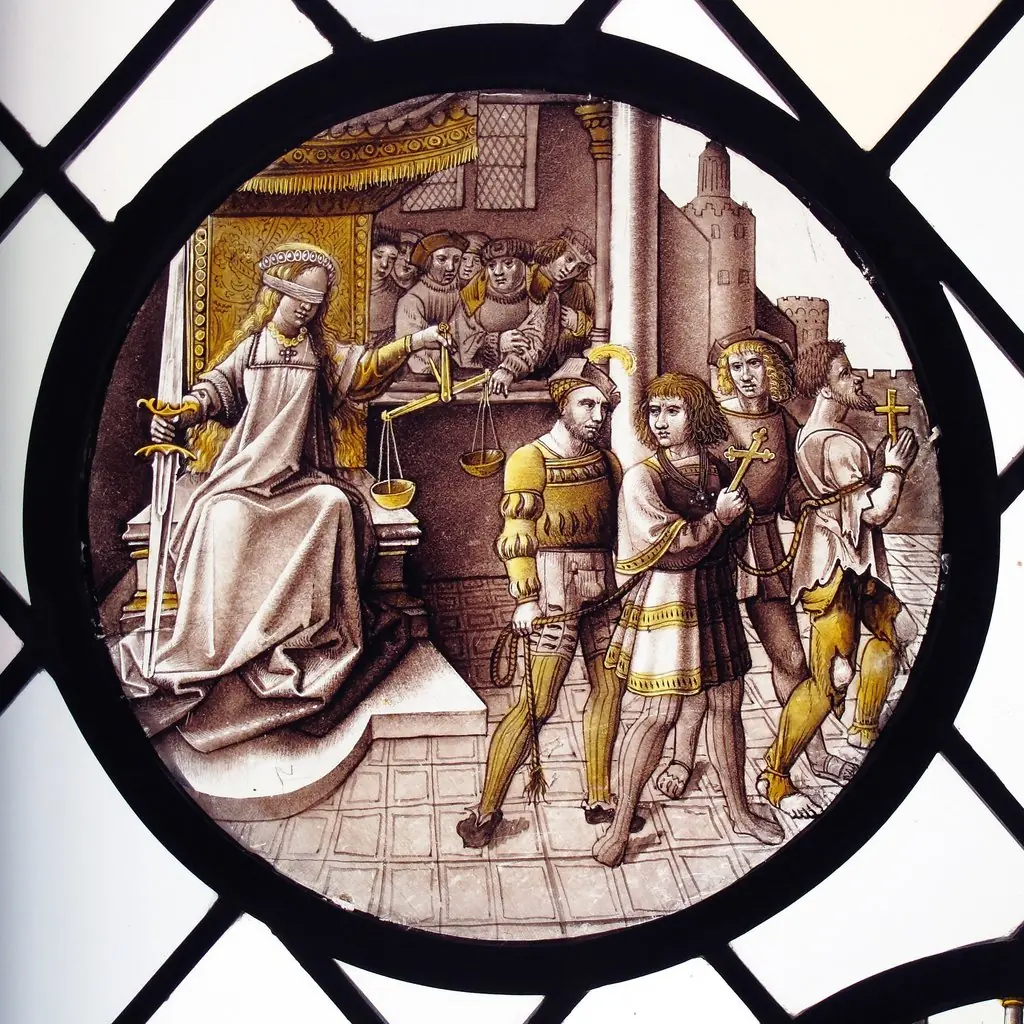 Roundel with Justice
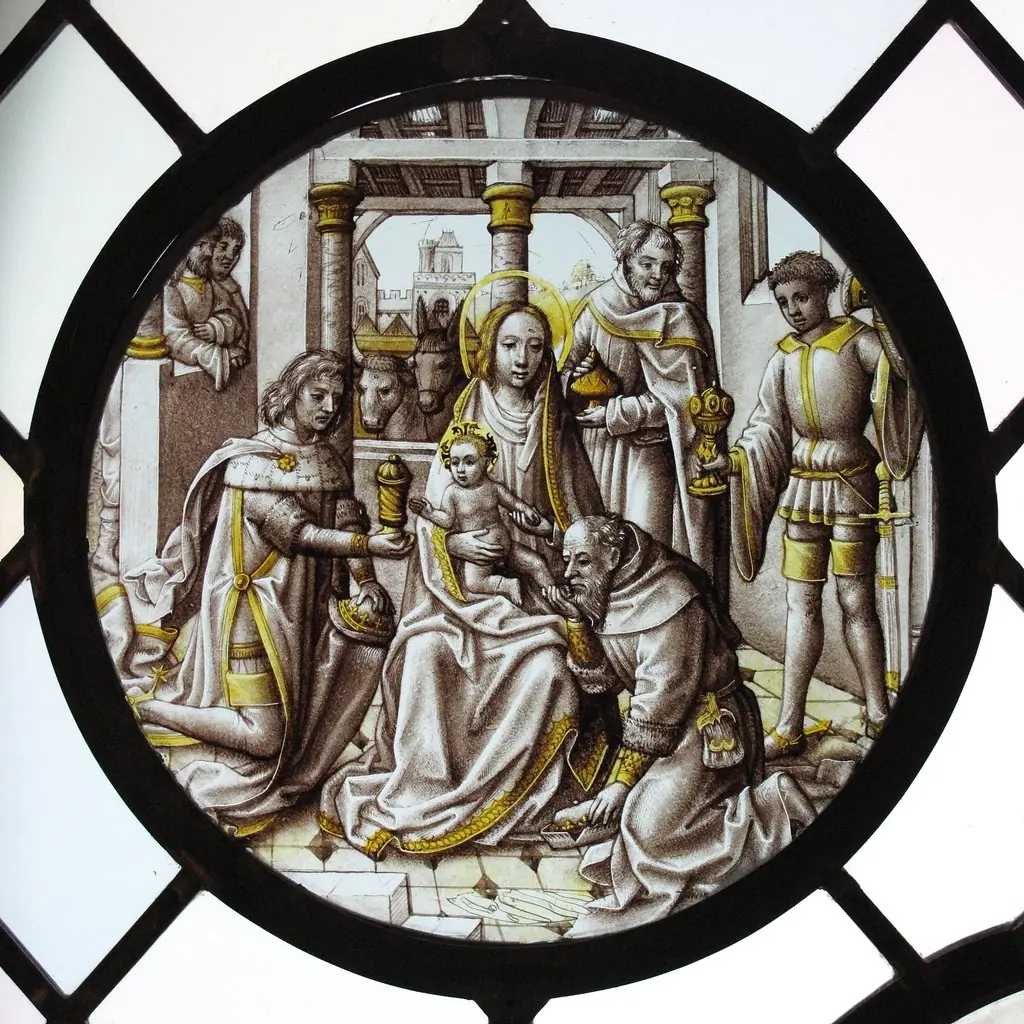 Roundel with the Adoration of the Magi
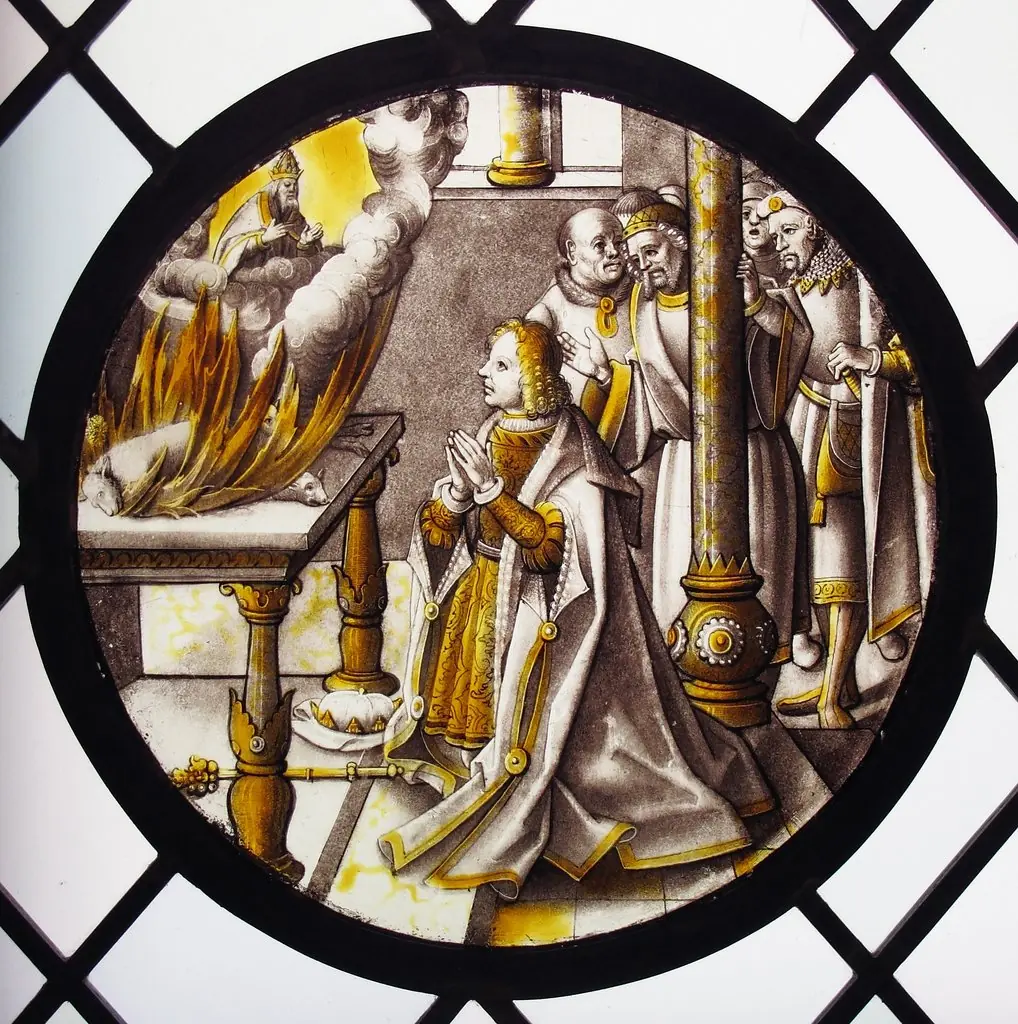 Roundel with Sacrifice in the Temple
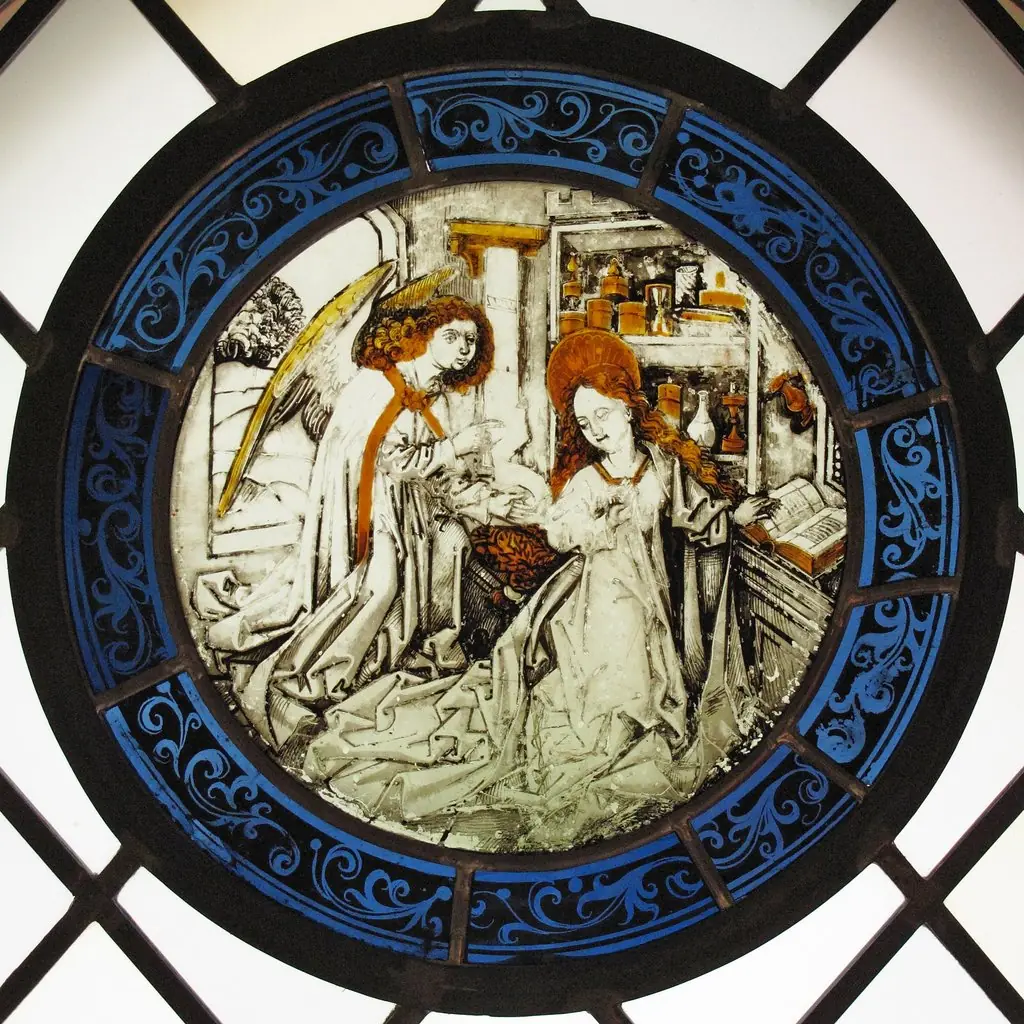 Roundel with the Annunciation
 Roundel with the Baptism of Christ
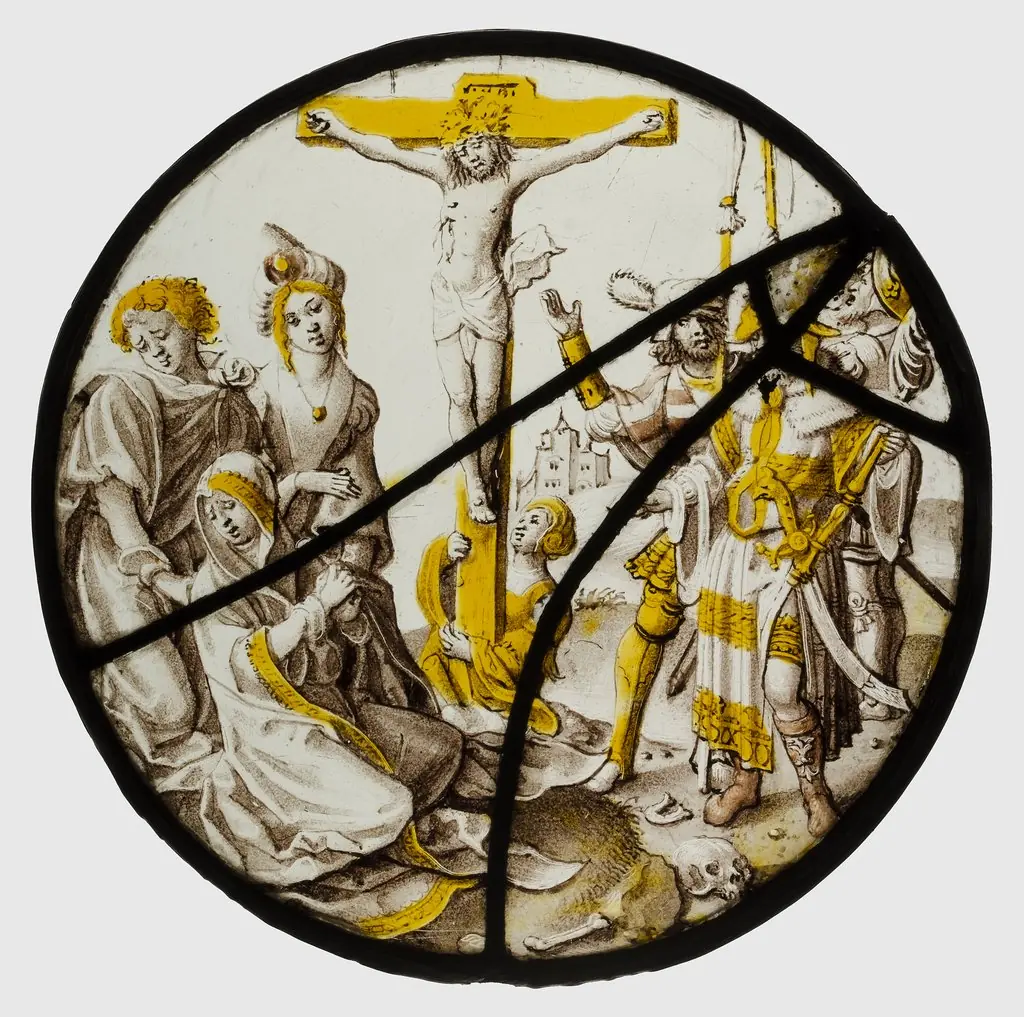 Roundel with the Crucifixion
 Roundel with the Flagellation
 Roundel with Netting Quail
 Roundel with Judgment or Allegorical Scene