Artwork
Armorial Roundel
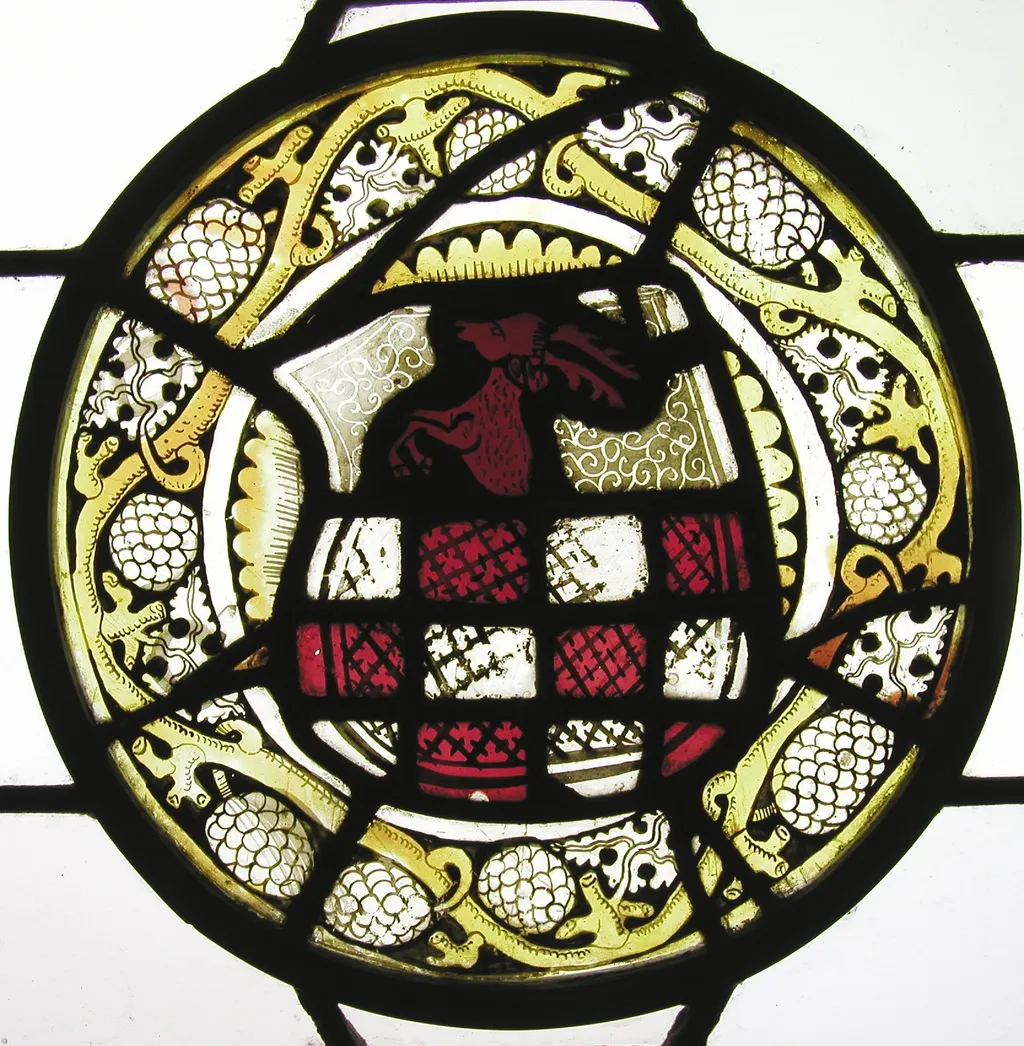
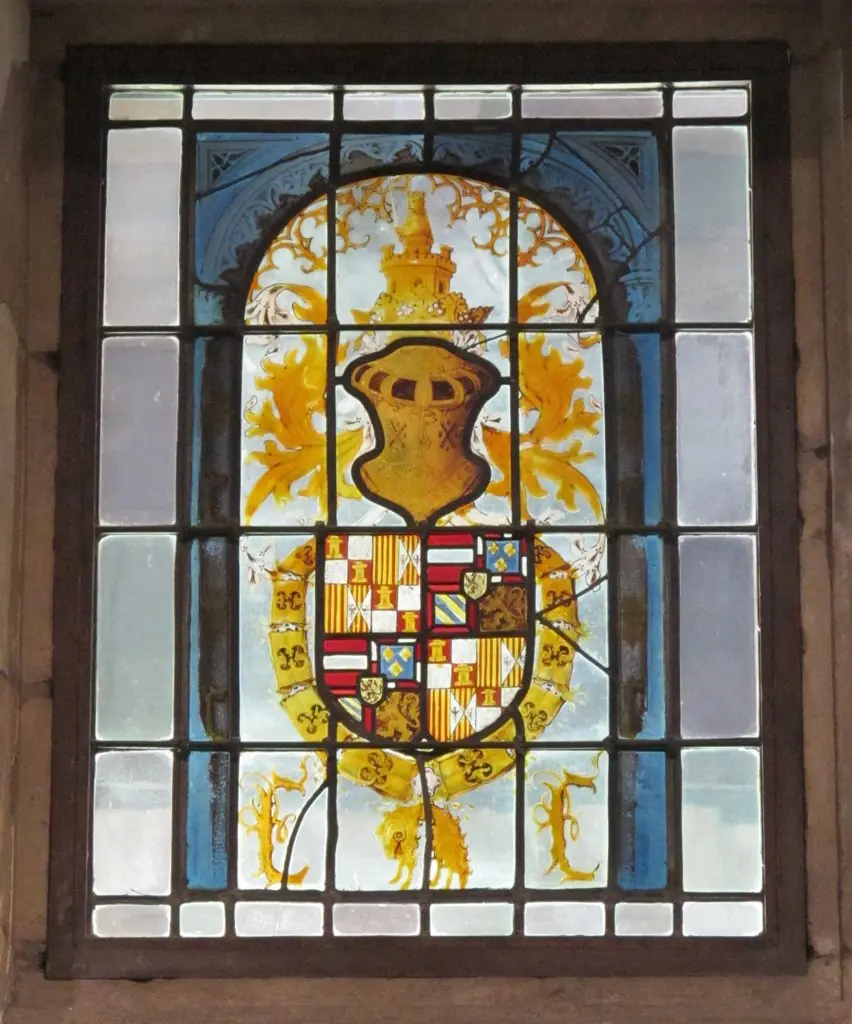
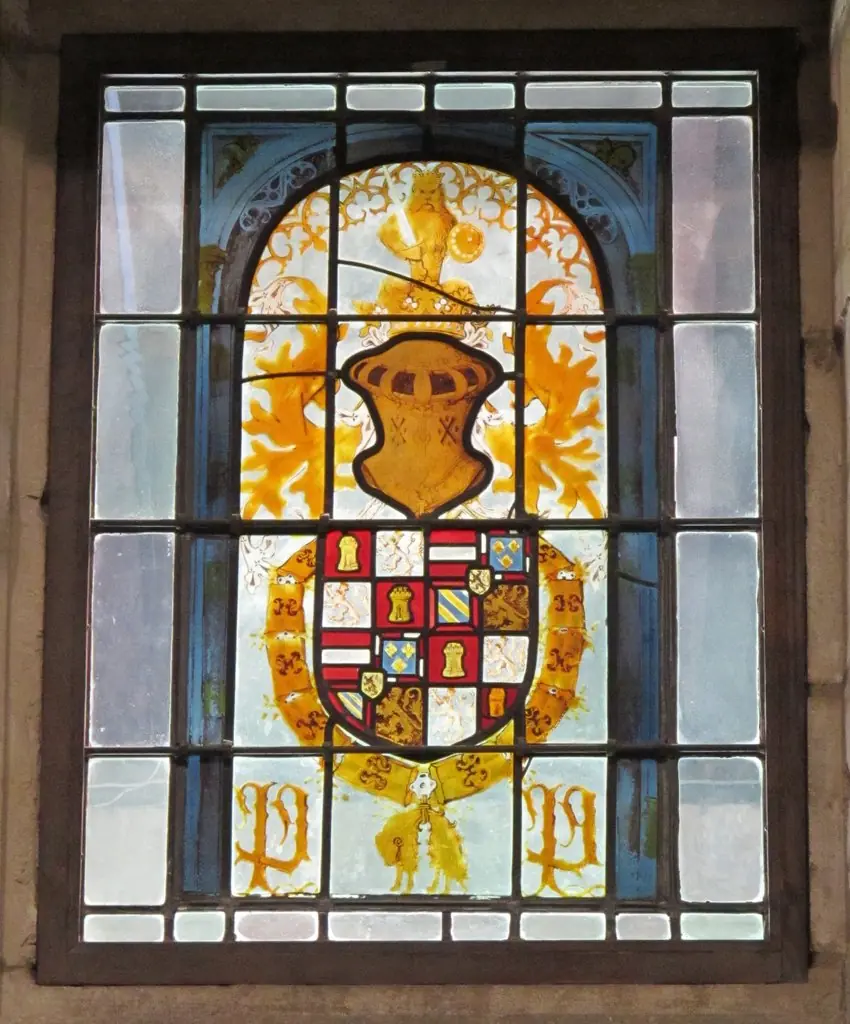
Armorial Roundel is an unspecified painting. It dates from 1500 and is held in the collection of the Metropolitan Museum of Art. The work is a circular painted panel, known as a roundel, whose central motif is a heraldic shield.
About this work
Overview
The work is a circular painted panel, known as a roundel, whose central motif is a heraldic shield. The shield is quartered, with a central field of red and white checkered pattern, while the surrounding quadrants contain elaborate ornamental motifs of foliage and floral forms rendered in a palette of red, white and gold.
Subject & Meaning
The central device is a coat of arms, a visual identifier traditionally used by families or institutions to signify lineage, authority or affiliation. The surrounding decorative elements serve to frame and enhance the heraldic emblem, emphasizing its status as a symbol of prestige.
Technique & Style
Executed in painted media, the roundel displays a balanced composition that integrates geometric heraldic forms with organic vegetal ornamentation. The use of vivid reds, stark whites and luminous gold highlights creates a contrast that accentuates the checkered field and the intricate surrounding motifs.
Context
Roundels of this type were commonly employed in architectural decoration, manuscript illumination or as standalone objects in the decorative arts, particularly in periods when heraldic display was a prominent means of expressing social rank.
Legacy
Such painted heraldic roundels illustrate the intersection of graphic symbolism and decorative artistry, offering insight into the visual language of status and identity that informed European artistic practice across several centuries.
Artist & collection

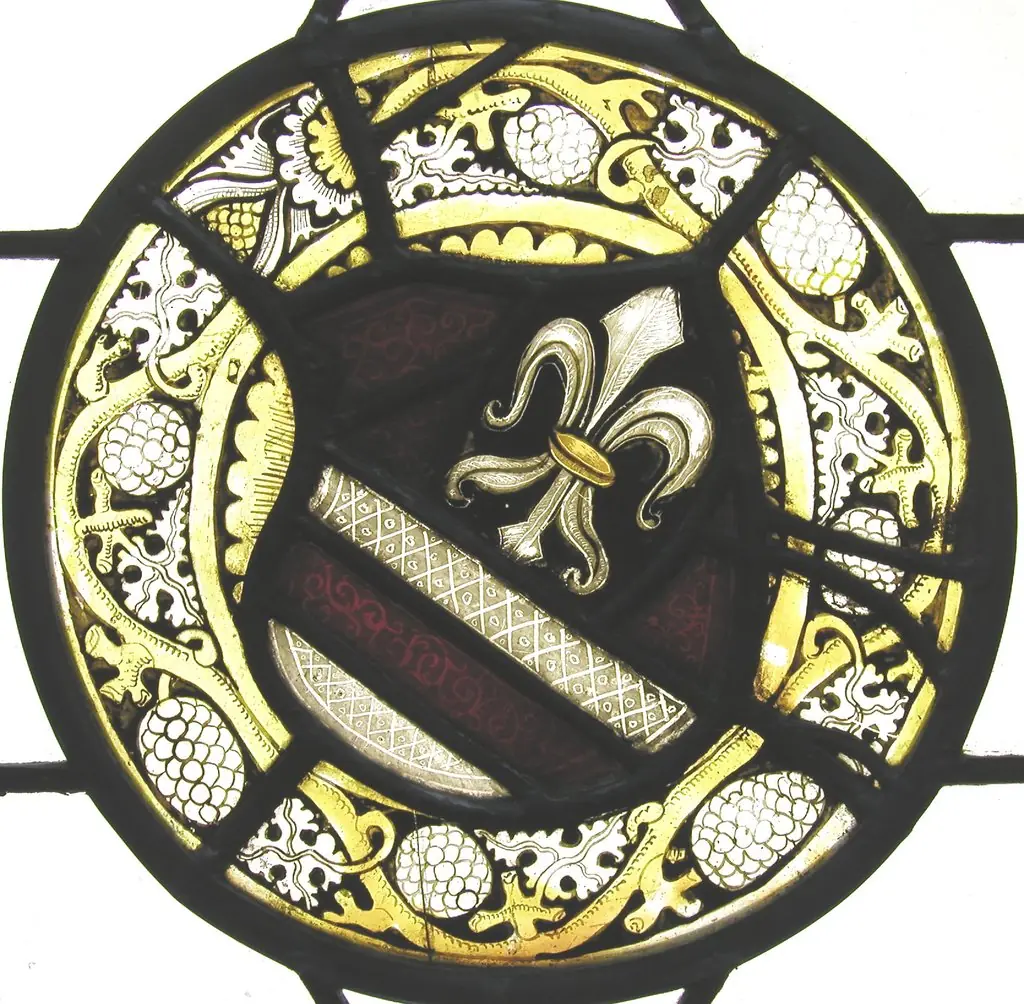 Armorial Roundel
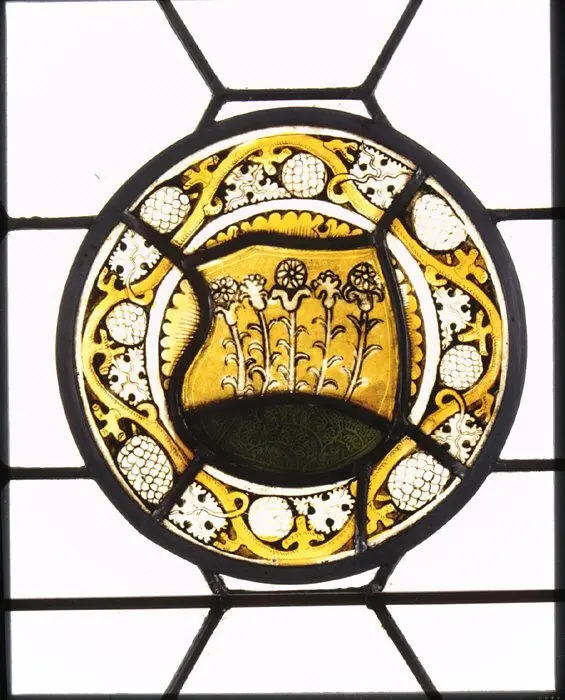 Armorial Roundel
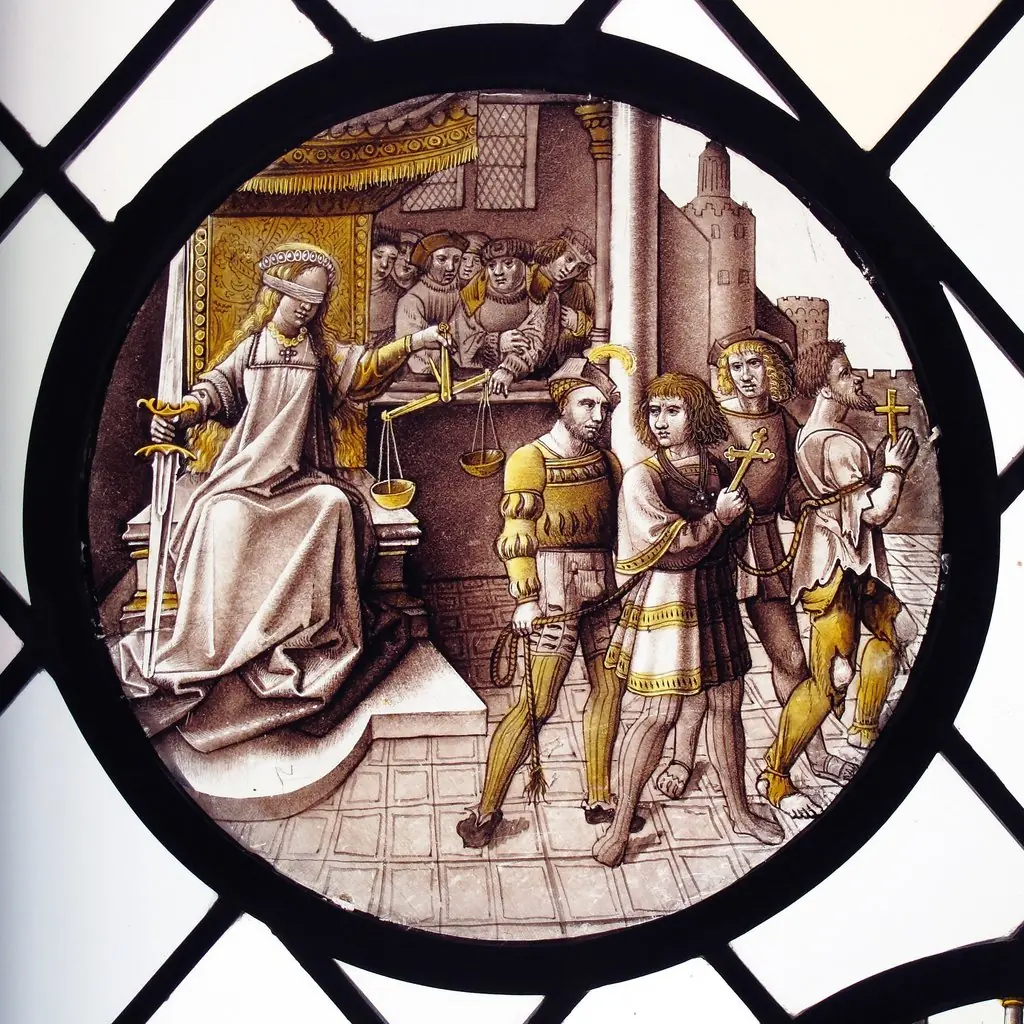 Roundel with Justice
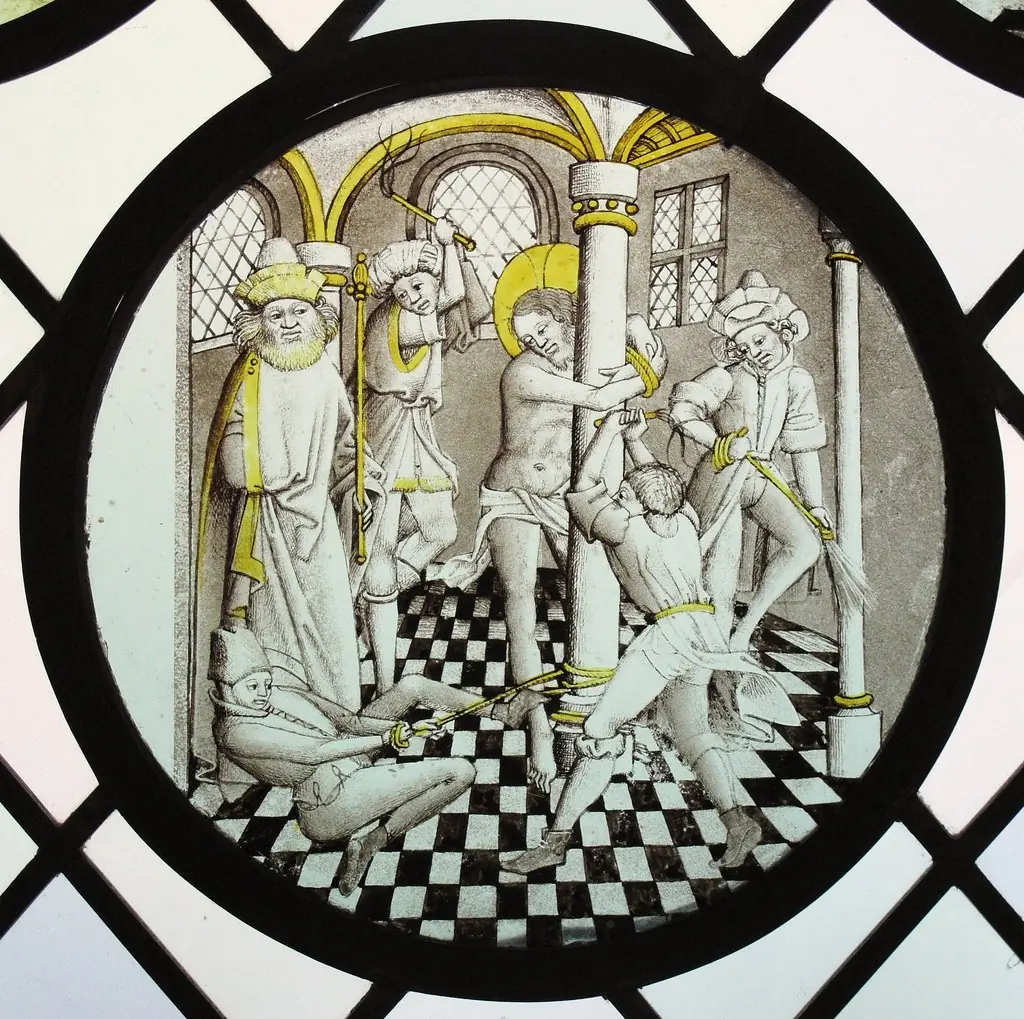 Roundel with the Flagellation
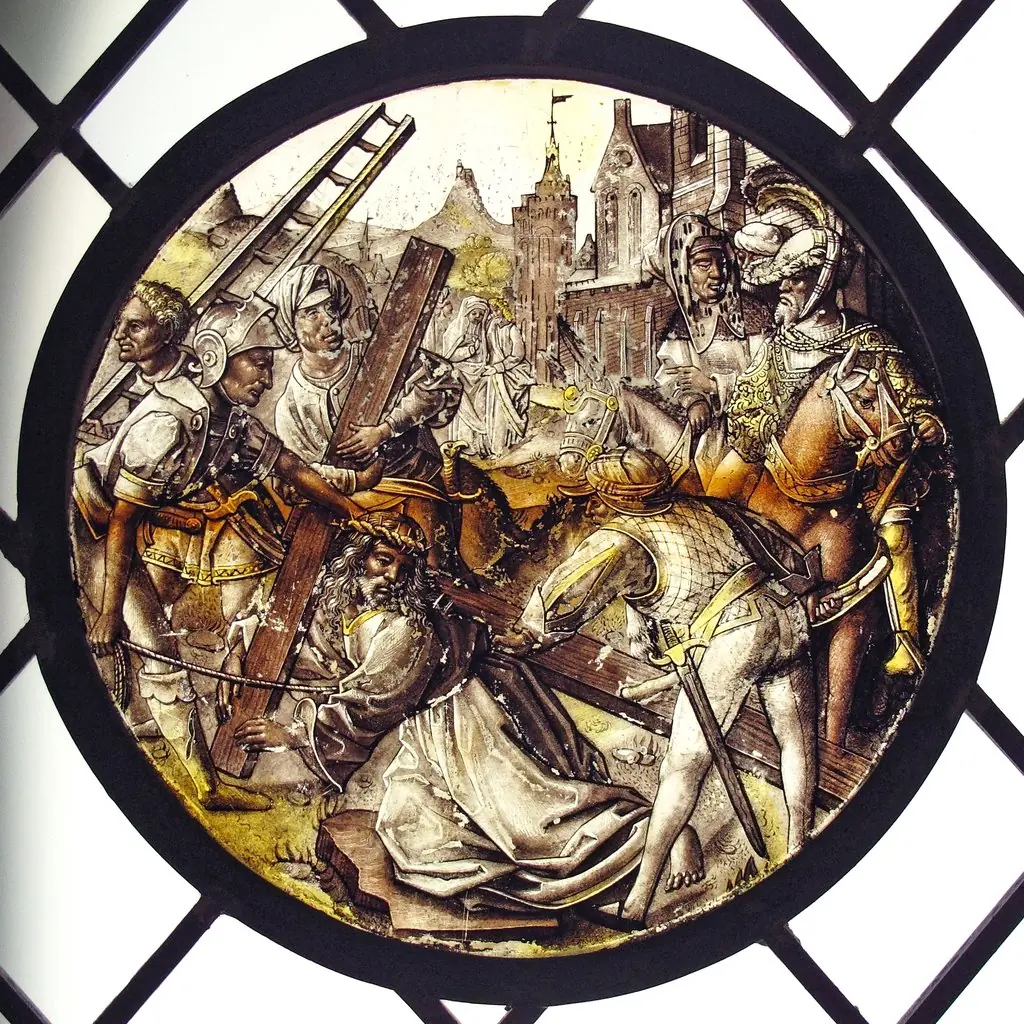 Roundel with Christ Bearing the Cross
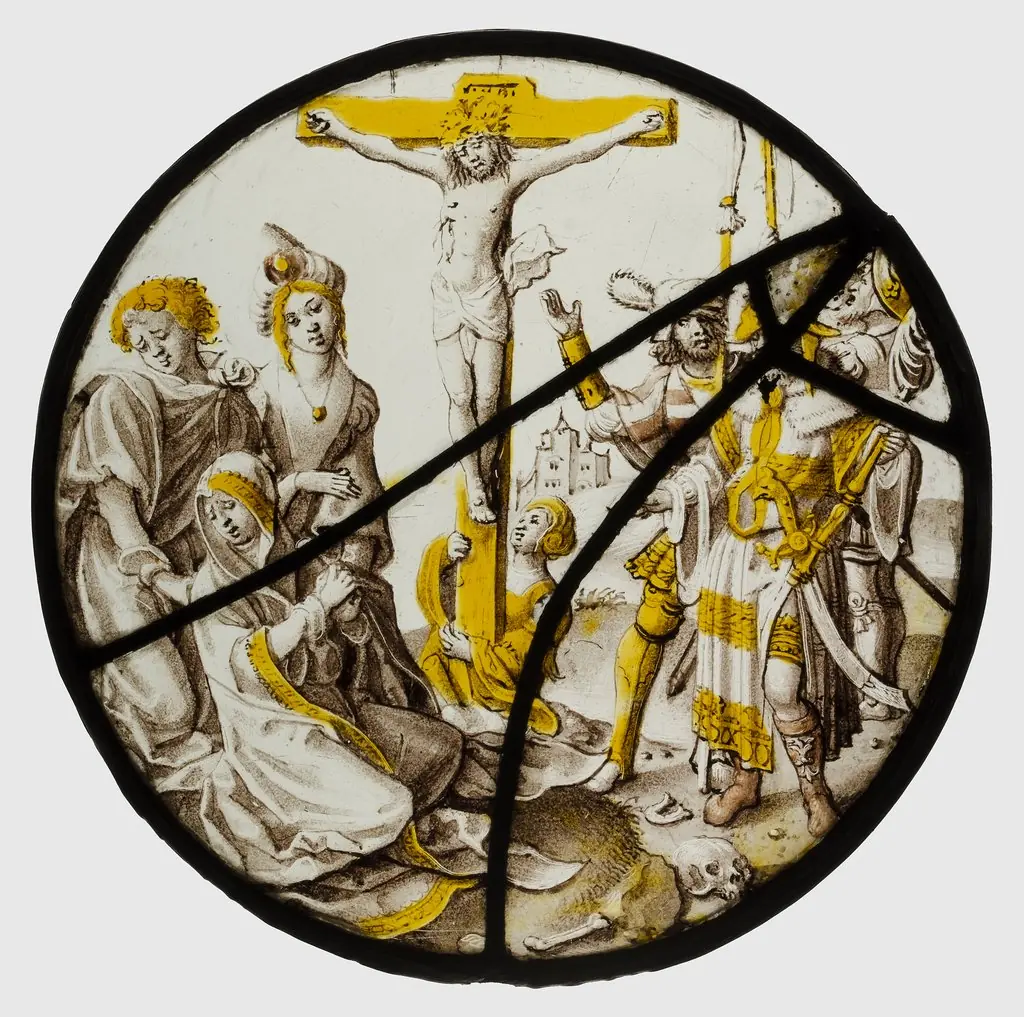 Roundel with the Crucifixion
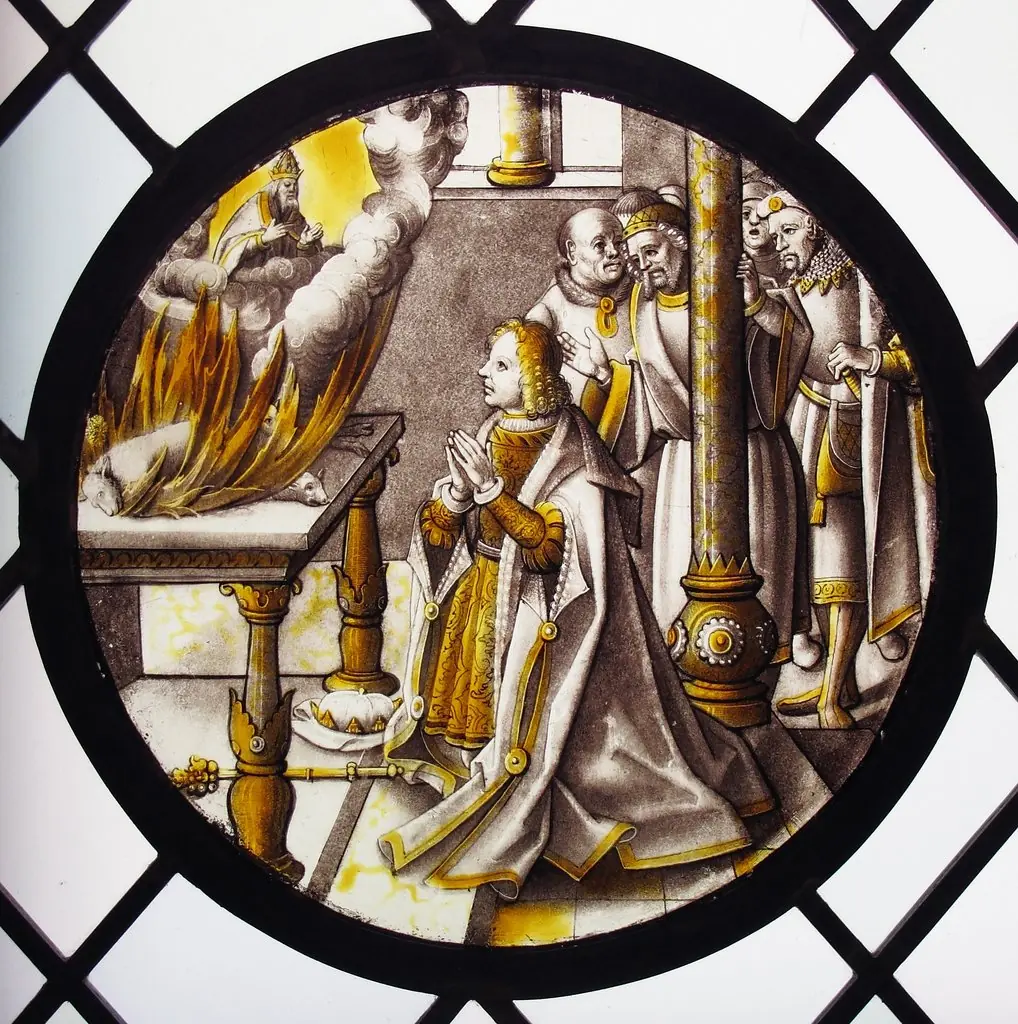 Roundel with Sacrifice in the Temple
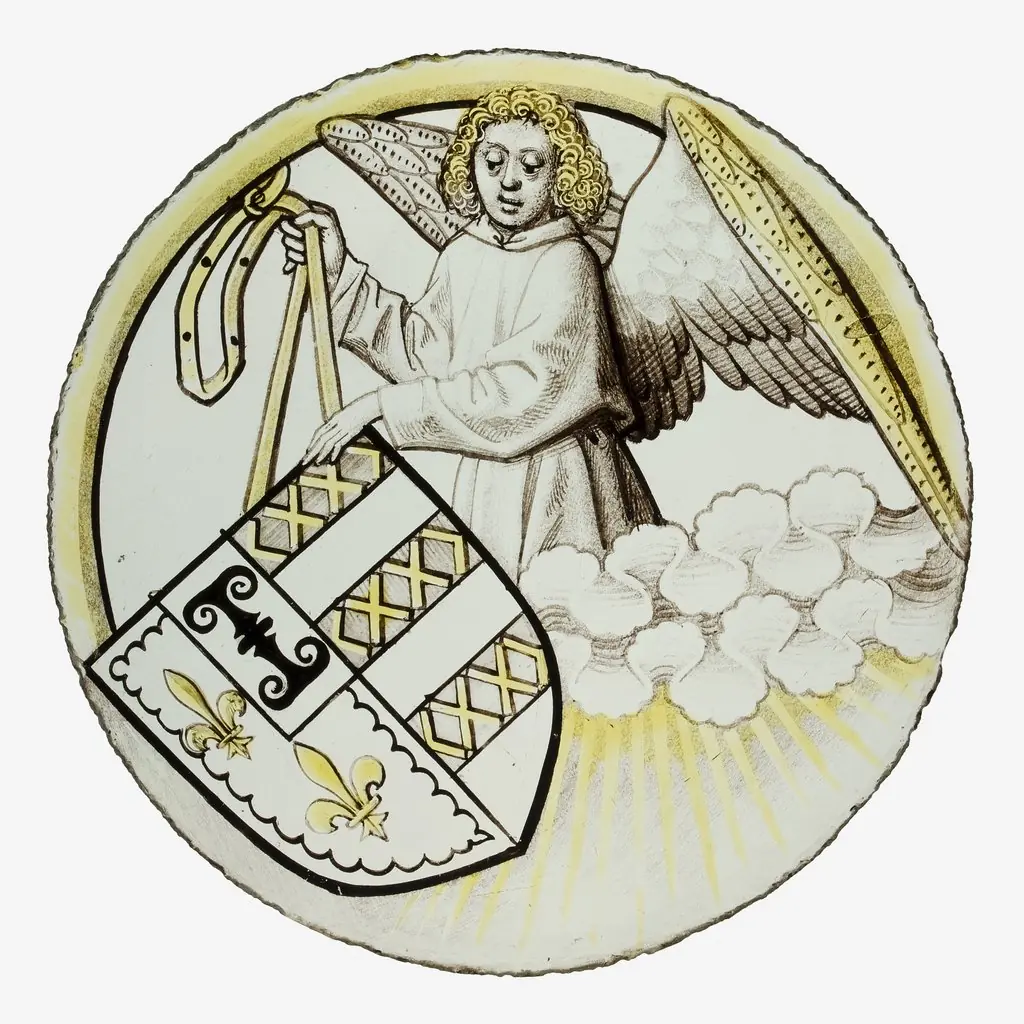 Roundel with Angel Supporting a Heraldic Shield
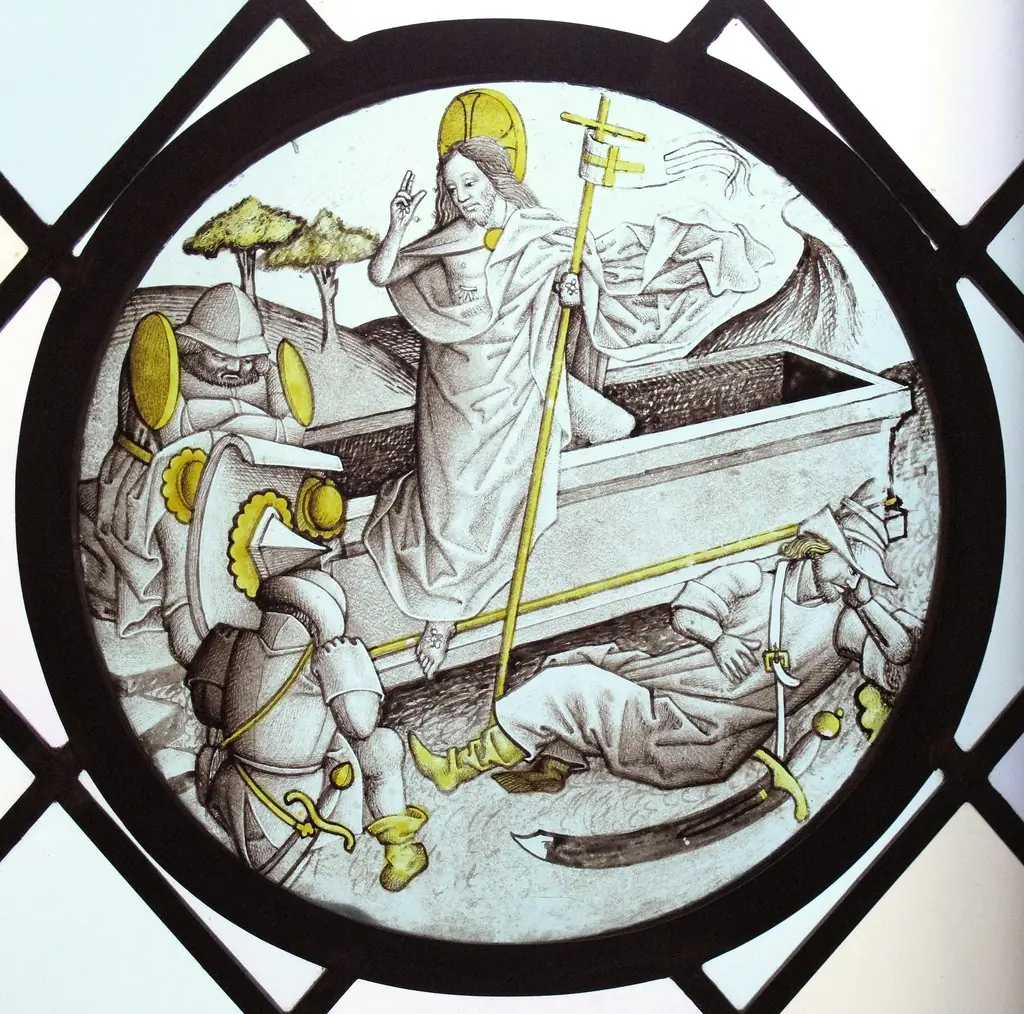 Roundel with the Resurrection
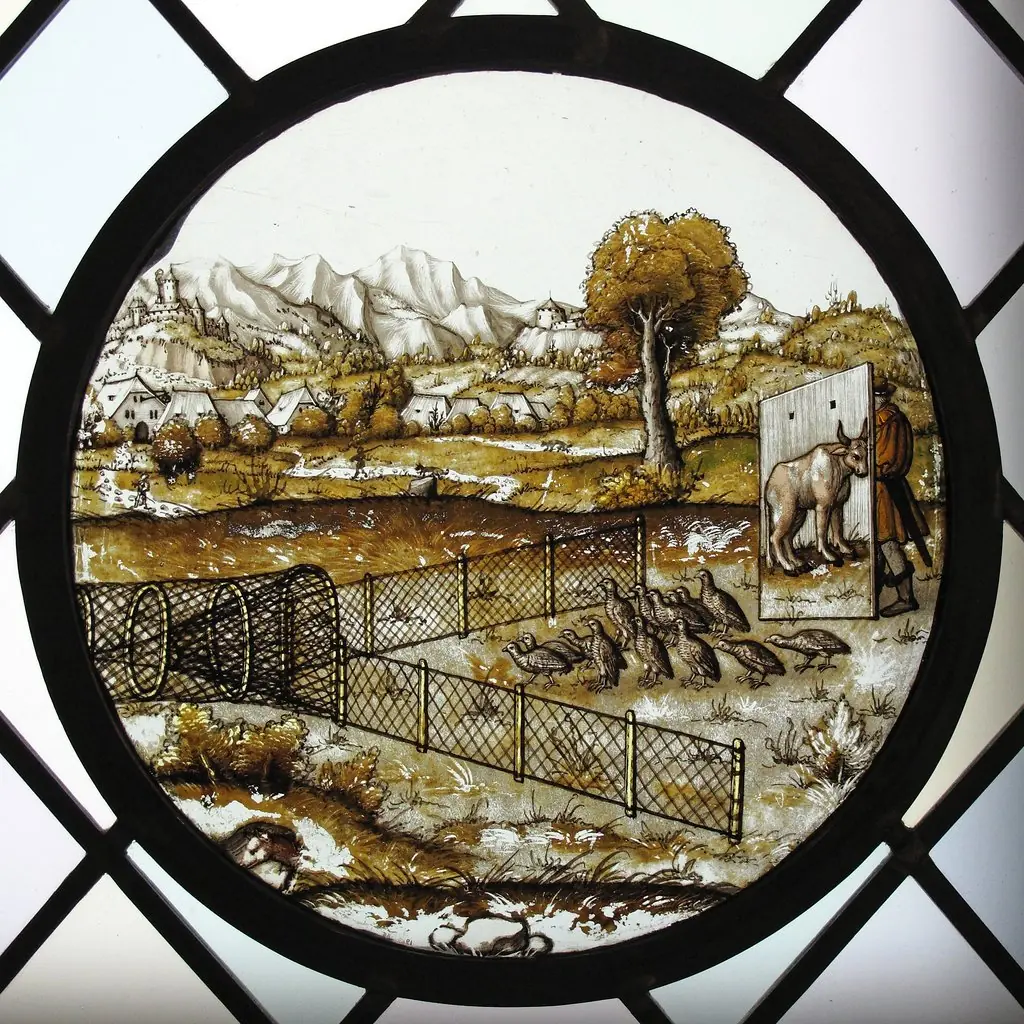 Roundel with Netting Quail
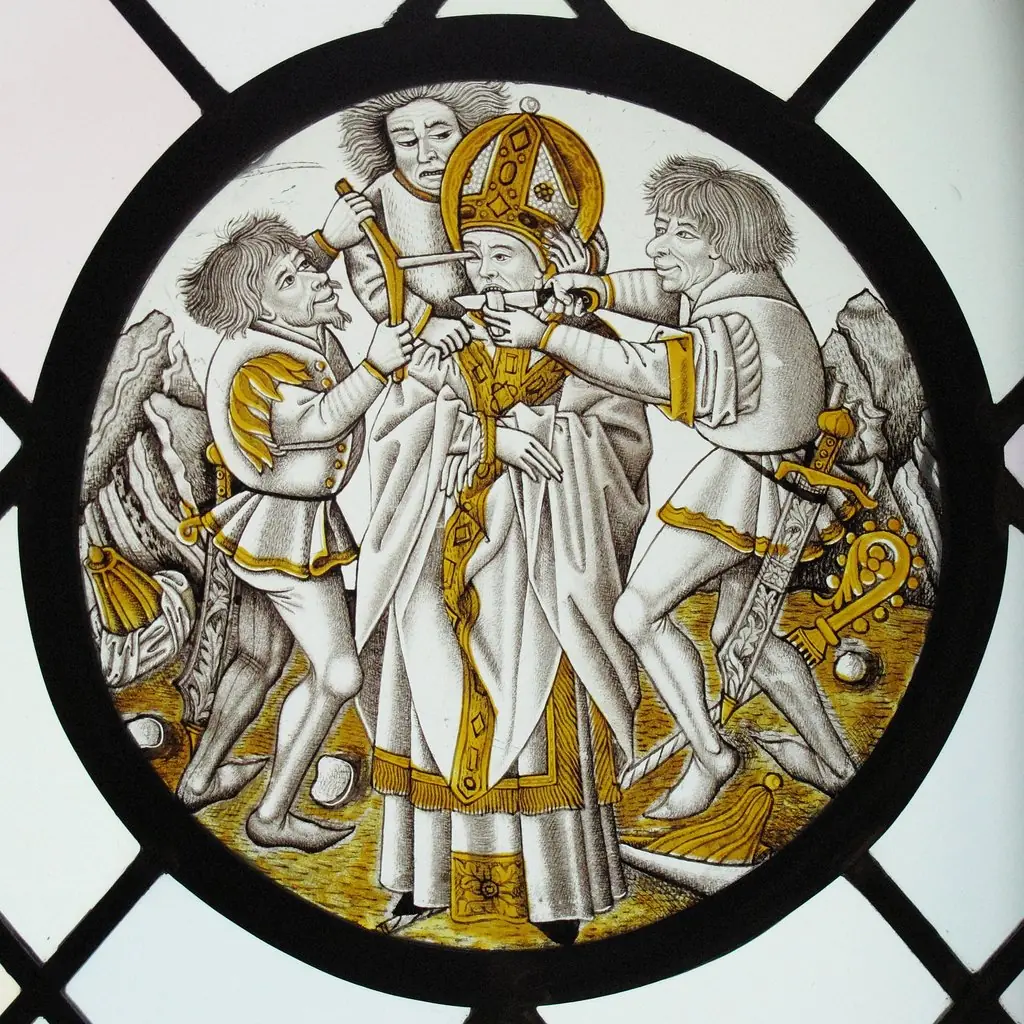 Roundel with Martyrdom of Saint Leger
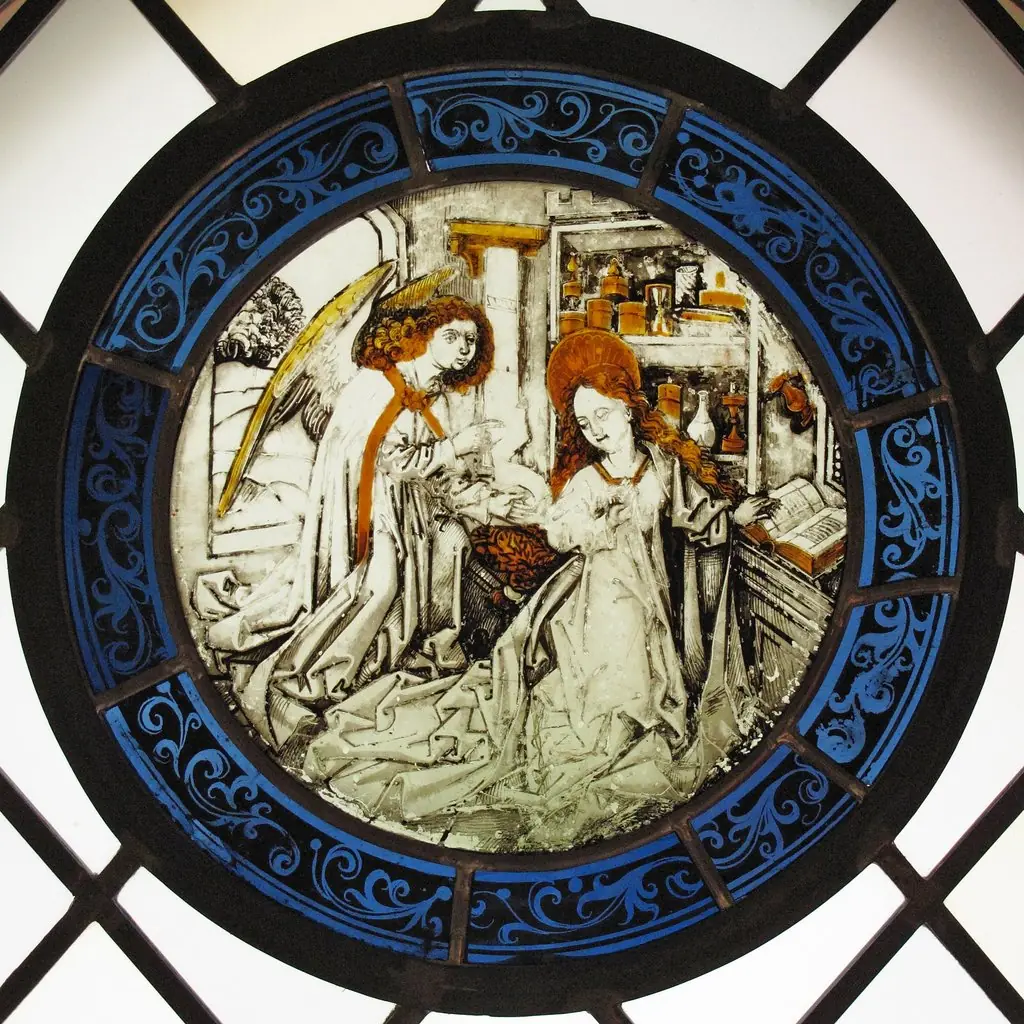 Roundel with the Annunciation