Artwork
Portrait of Marc-Pierre de Voyaer de Paulmy, comte d'Argenson (1696-1764)
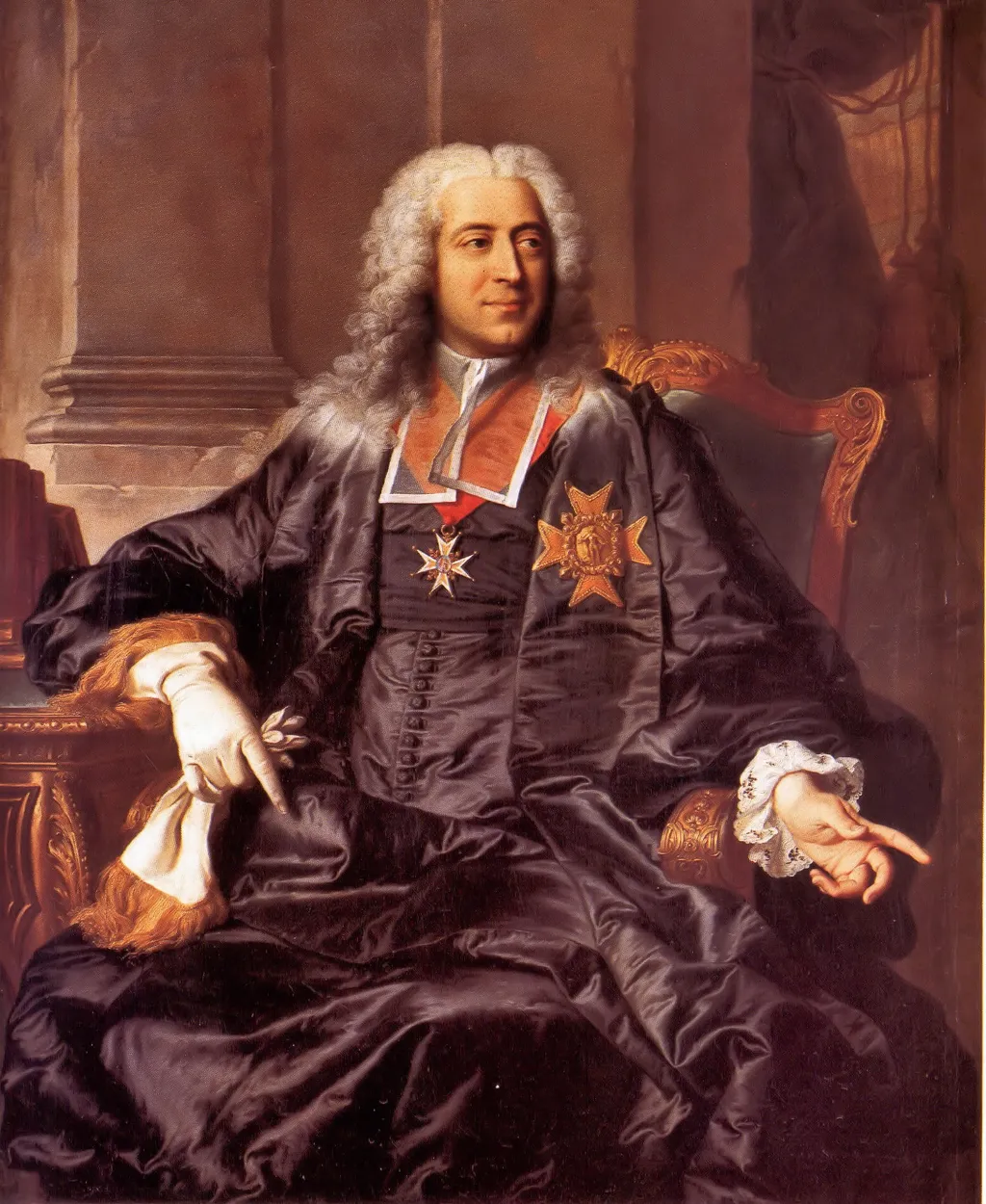
Portrait of Marc-Pierre de Voyaer de Paulmy, comte d'Argenson (1696-1764) is an oil painting by the Rococo painting artist Unknown. It dates from 1737 and is held in the collection of the Museum of the History of France. The oil painting depicts Marc‑Pierre de Voyaer de Paulmy, comte d'Argenson (1696‑1764), seated in a chair and gesturing with his right hand.
About this work
Overview
The oil painting depicts Marc‑Pierre de Voyaer de Paulmy, comte d'Argenson (1696‑1764), seated in a chair and gesturing with his right hand.
The oil painting depicts Marc‑Pierre de Voyaer de Paulmy, comte d'Argenson (1696‑1764), seated in a chair and gesturing with his right hand. He is presented with long, loosely curled white hair, a white glove on the pointing hand, and a serious gaze directed toward the viewer. His attire consists of a black robe trimmed with a red‑and‑white collar, and a prominent gold star is affixed to his chest.
Subject & Meaning
The portrait captures the comte d'Argenson in a dignified pose, emphasizing his status through the elaborate robe and the gold star, likely a symbol of rank or honor. The direct eye contact and the pointing gesture suggest authority and engagement, while the solemn expression conveys a sense of gravitas appropriate to a high‑ranking noble of the early eighteenth century.
Technique & Style
Executed in oil on canvas, the work employs a warm, golden background that subtly incorporates brown and red tones, creating a harmonious contrast with the dark garment. The artist renders the texture of the hair and fabric with careful brushwork, allowing the white curls and the sheen of the gold star to stand out against the muted surroundings. The overall composition reflects a refined handling of light and shadow typical of French portraiture of the period.
Context
Portraits of French aristocracy in the early 1700s often served both as personal commemoration and as visual affirmations of social rank. The inclusion of specific regalia, such as the gold star, aligns with contemporary conventions for indicating military or courtly honors. The painting thus functions as a formal record of the comte d'Argenson’s position within the hierarchical structures of the Ancien Régime.
Artist & collection

 Domestic Scene
 Giacomo and Cardinal Marco, investing Andrea, Abbot of San Zeno, with his Benefice
 The Nymph of Fontainebleau
 Portrait of a Woman
 Madonna and Child with Saints in the Enclosed Garden
 Venus and Minerva
 Family Group of Four on Sofa
 Wall painting from Room H of the Villa of P. Fannius Synistor at Boscoreale
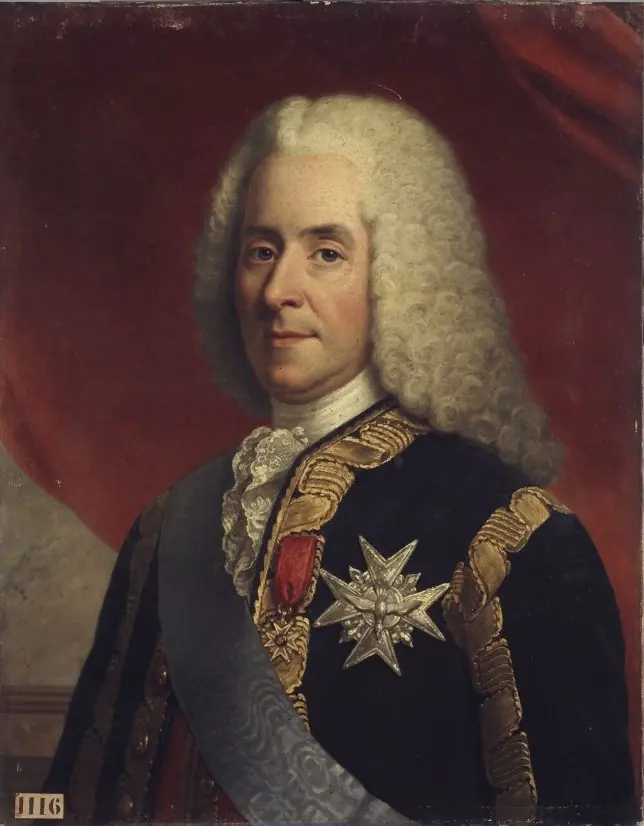 Claude Guillaume Testu de Balincourt, maréchal de France en 1746 (1680-1770)
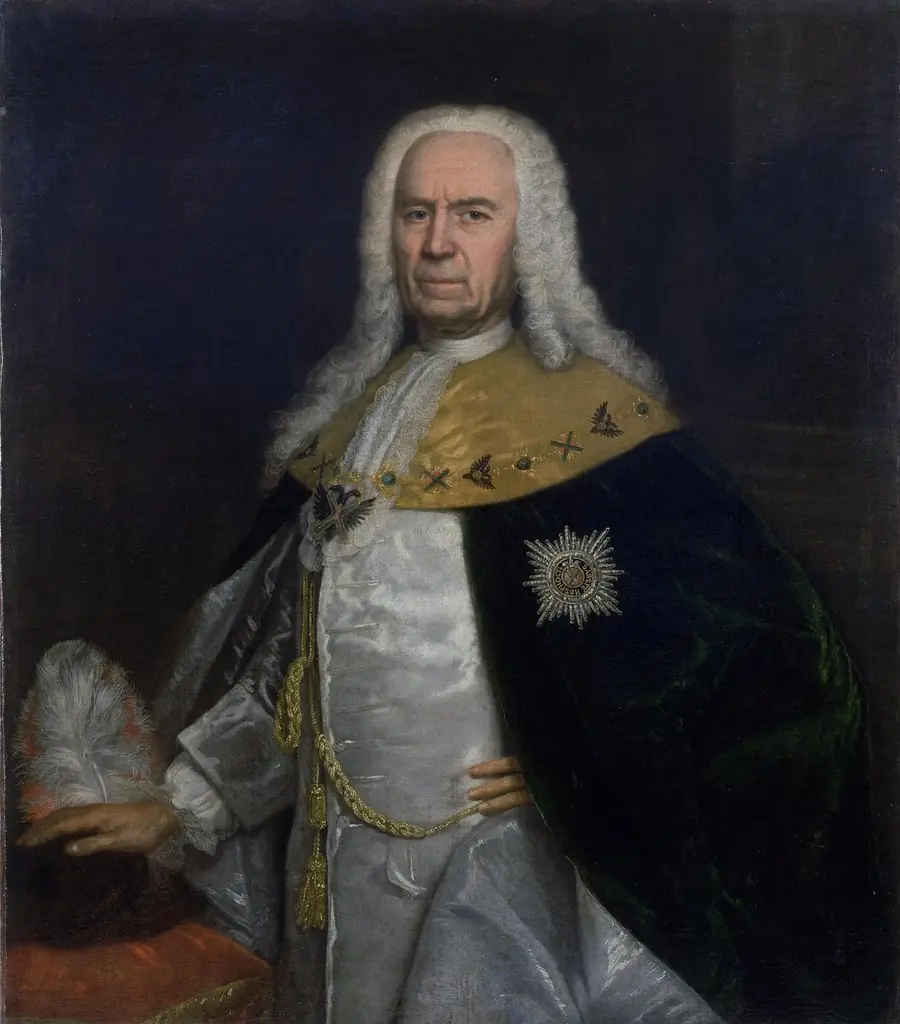 Portrait of A.Ushakov, the Head of the Secret Chancellery
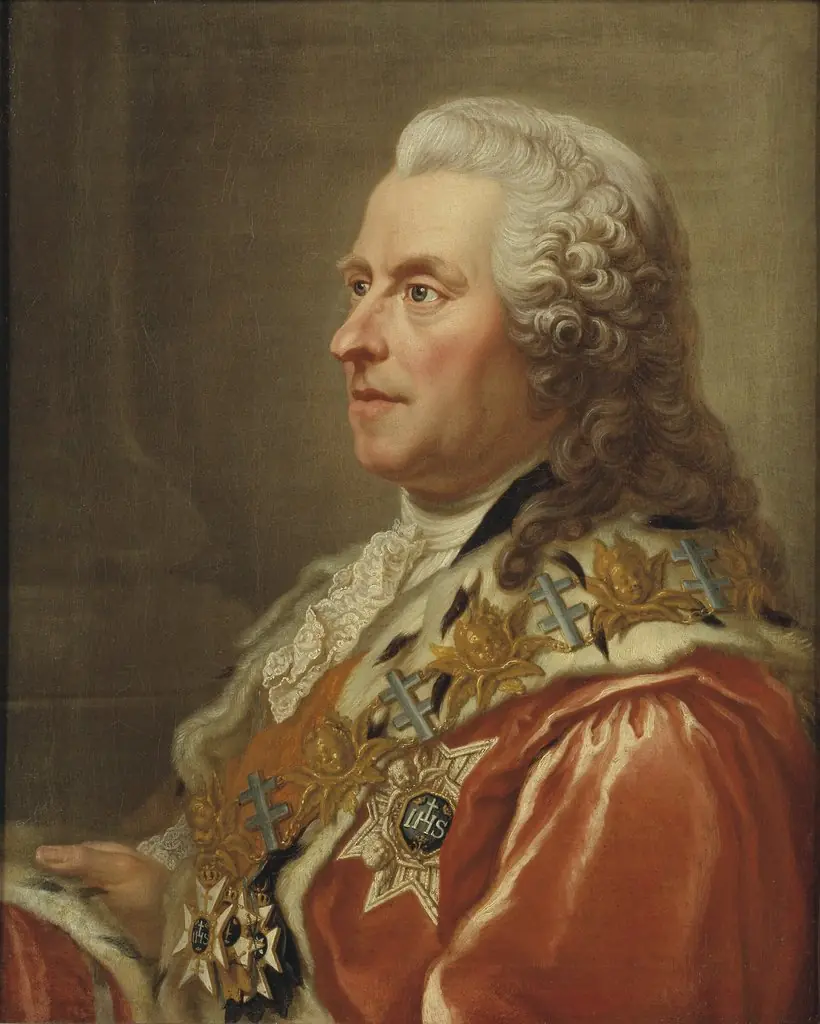 Carl Gustaf Tessin (1695–1770), Count and Senator
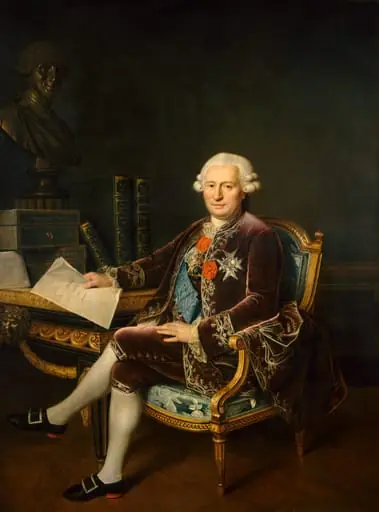 The Marquis d'Ossun
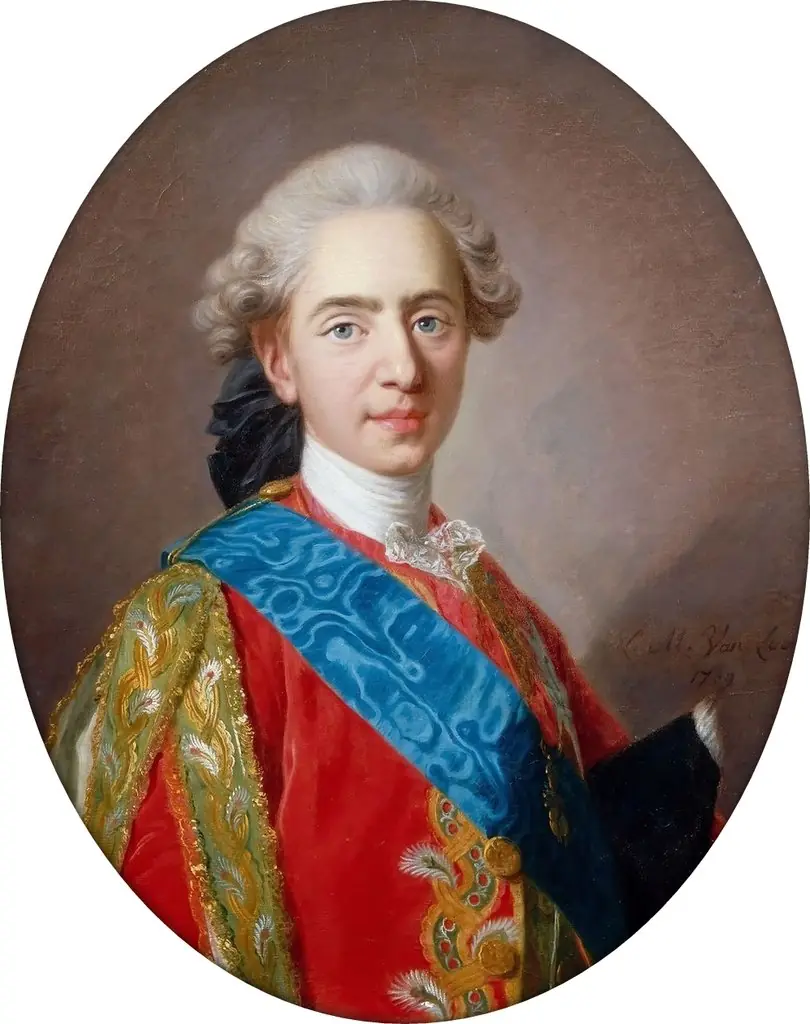 Louis XVI of France when he was the Dauphin of France.
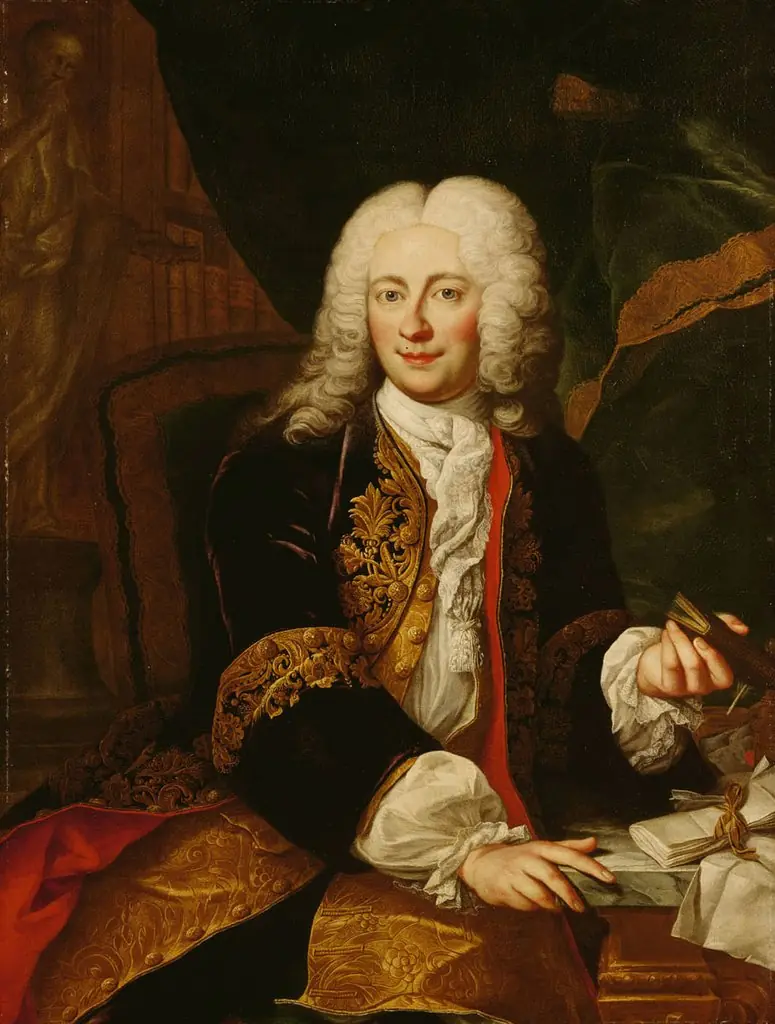 Portrait of Johann Christoph Freiherr von Bartenstein (1689-1767)
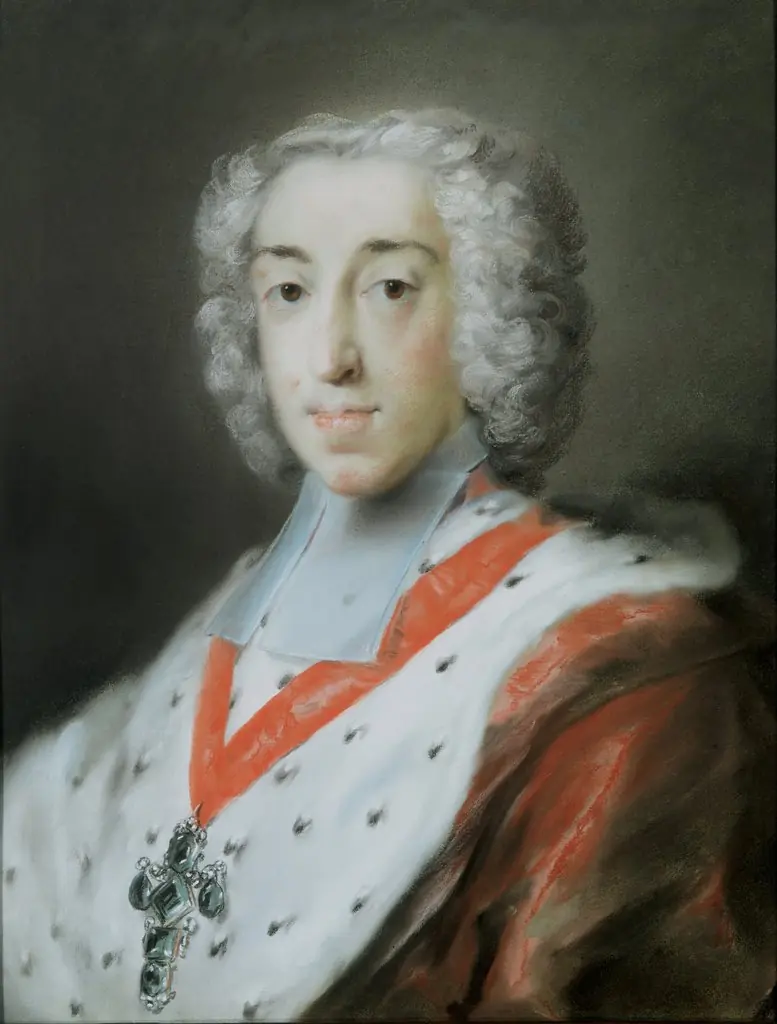 Elector Clemens Augustus of Cologne (1700-1761)
 Portrait of an aristocrat
 Philibert Orry (1689-1747)
 Portrait of Karl August Rex, Saxon minister
 Portrait of the Marquis de la Ensenada
 Portrait of Sir Robert Walpole