Artwork
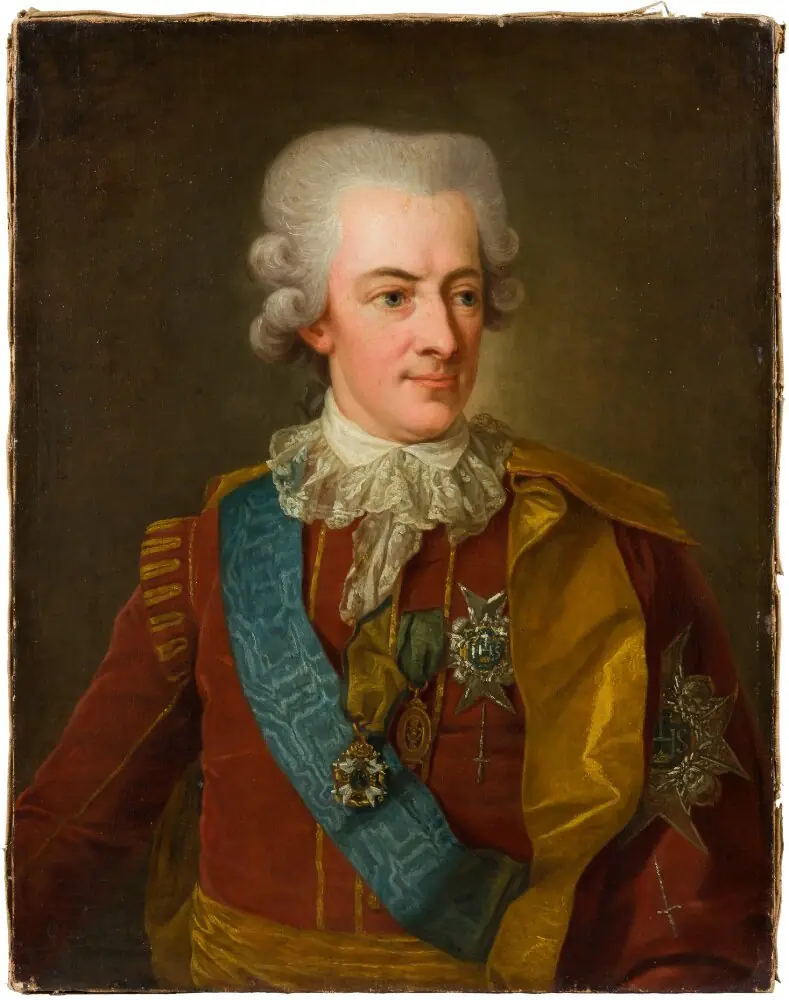
Carl Gustaf Tessin (1695–1770), Count and Senator
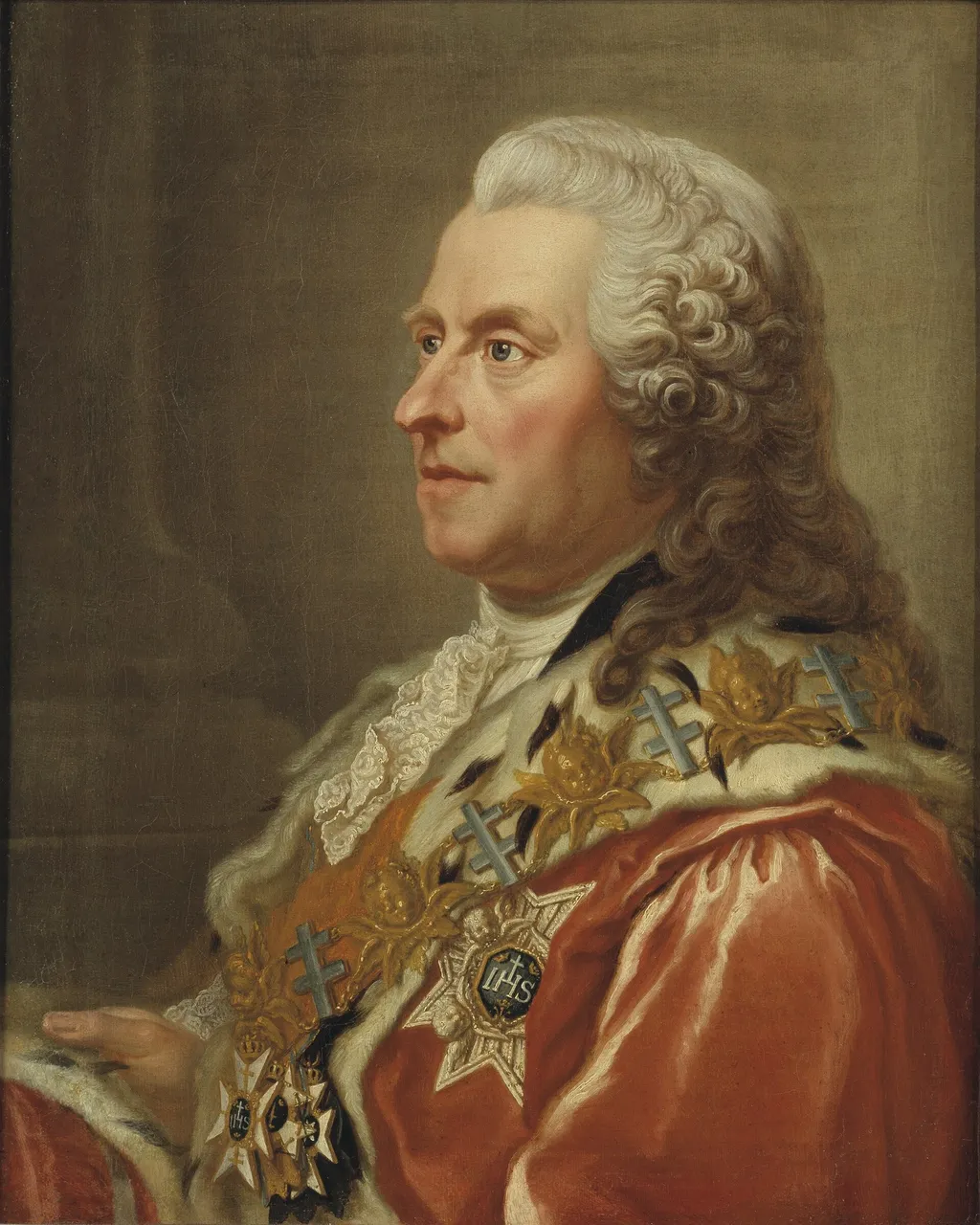
Carl Gustaf Tessin (1695–1770), Count and Senator is an oil painting by the Rococo painting artist Jakob Björck. It dates from 1761 and is held in the collection of the Nationalmuseum.
About this work
Overview
This 1761 oil portrait by Jakob Björck captures Carl Gustaf Tessin, a Swedish nobleman and senator, in formal attire. Executed with precision, the painting reflects the conventions of 18th-century Swedish portraiture, emphasizing status through dress and demeanor. It resides in the Nationalmuseum in Stockholm, where it serves as a record of aristocratic identity during the Age of Liberty.
Subject & Meaning
The restrained expression and direct gaze convey authority without ostentation, aligning with Enlightenment ideals of rational leadership.
Tessin, a prominent political figure and cultural patron, is portrayed with solemn dignity. His attire—rich red robe, lace collar, and star-shaped medal—signifies his rank and service to the state. The medal, bearing a blue center and white cross, likely denotes membership in a royal order. The restrained expression and direct gaze convey authority without ostentation, aligning with Enlightenment ideals of rational leadership.
Technique & Style
Björck employs fine brushwork to render the textures of fabric, lace, and metal with meticulous care. The red robe gains depth through layered pigments, while gold and silver highlights suggest light reflecting off embroidered details. The muted brown background isolates the figure, focusing attention on his costume and facial expression. The composition is formal, with no extraneous elements, reinforcing the subject’s social gravity.
History & Provenance
Commissioned in 1761, the portrait was likely created to commemorate Tessin’s public role during Sweden’s Age of Liberty. It entered the Nationalmuseum’s collection in the 19th century, following the museum’s consolidation of state-held artworks. Its continuous institutional custody ensures its preservation as a key example of Swedish elite portraiture from the period.
Context
Tessin’s portrait reflects the cultural climate of mid-18th-century Sweden, where nobility used visual representation to assert political legitimacy. Artists like Björck were employed to document state figures with restrained elegance, avoiding the flamboyance of earlier Baroque styles. The emphasis on heraldic insignia and formal dress aligns with broader European trends in official portraiture.
Legacy
The portrait remains a reference for understanding Swedish aristocratic identity and the role of visual culture in governance. Björck’s restrained realism influenced later portraitists in Sweden, and Tessin’s image continues to appear in historical publications as an emblem of Enlightenment-era leadership. Its preservation underscores the Nationalmuseum’s role in maintaining national heritage.
Own this work as a print
Artist & collection

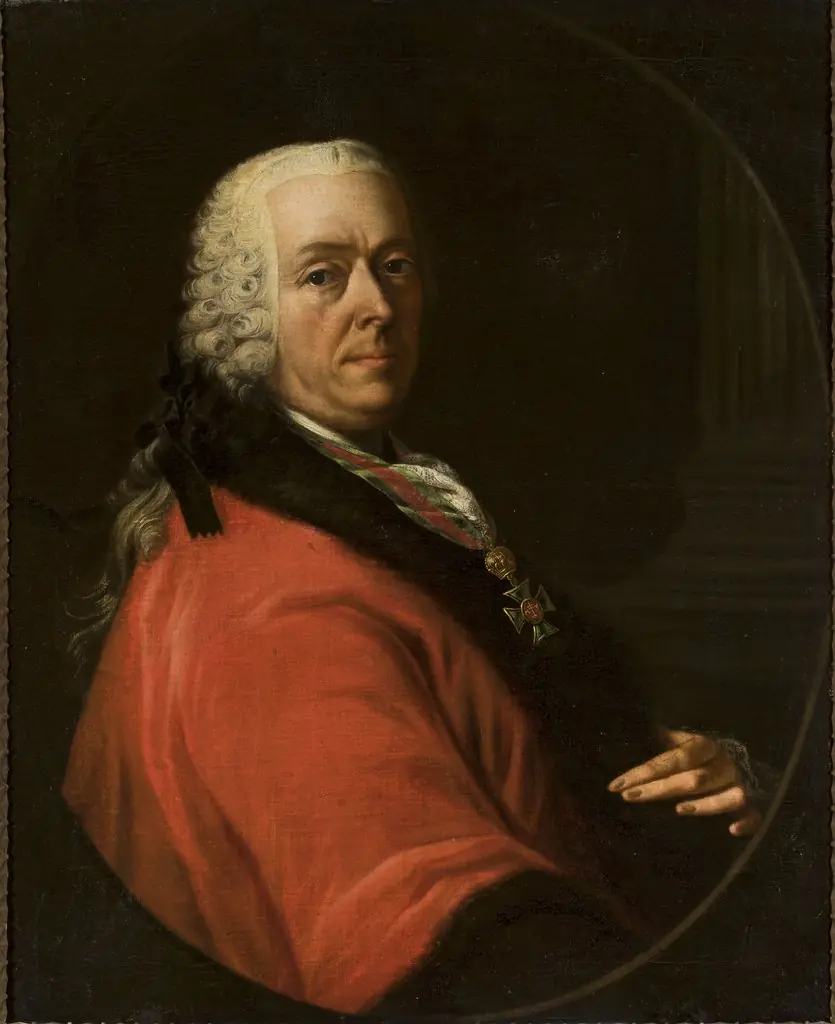 Portrait of count Gaspar Paris Anton
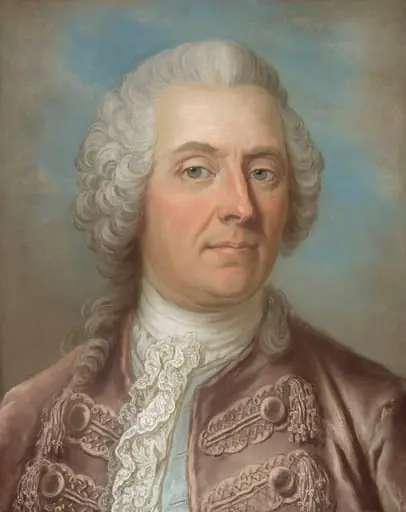 Vapaaherra Johan Wilhelm Sprengtporten
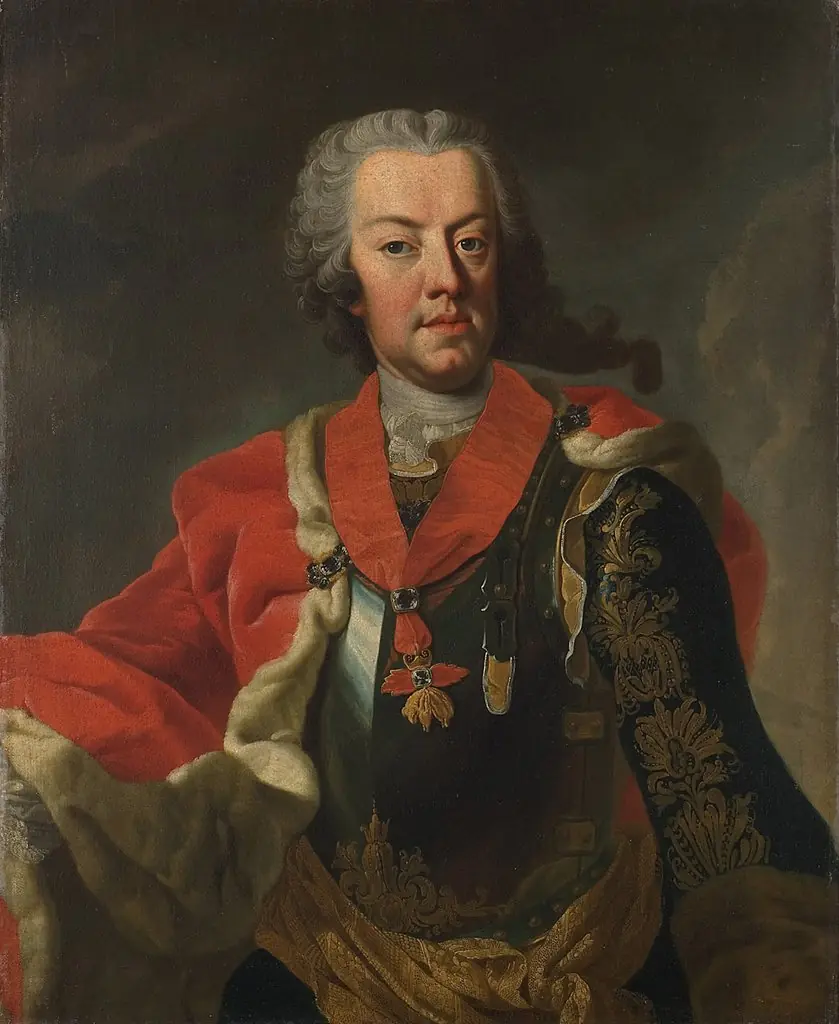 Herzog Karl Alexander von Lothringen (1712-1780), Brustbild
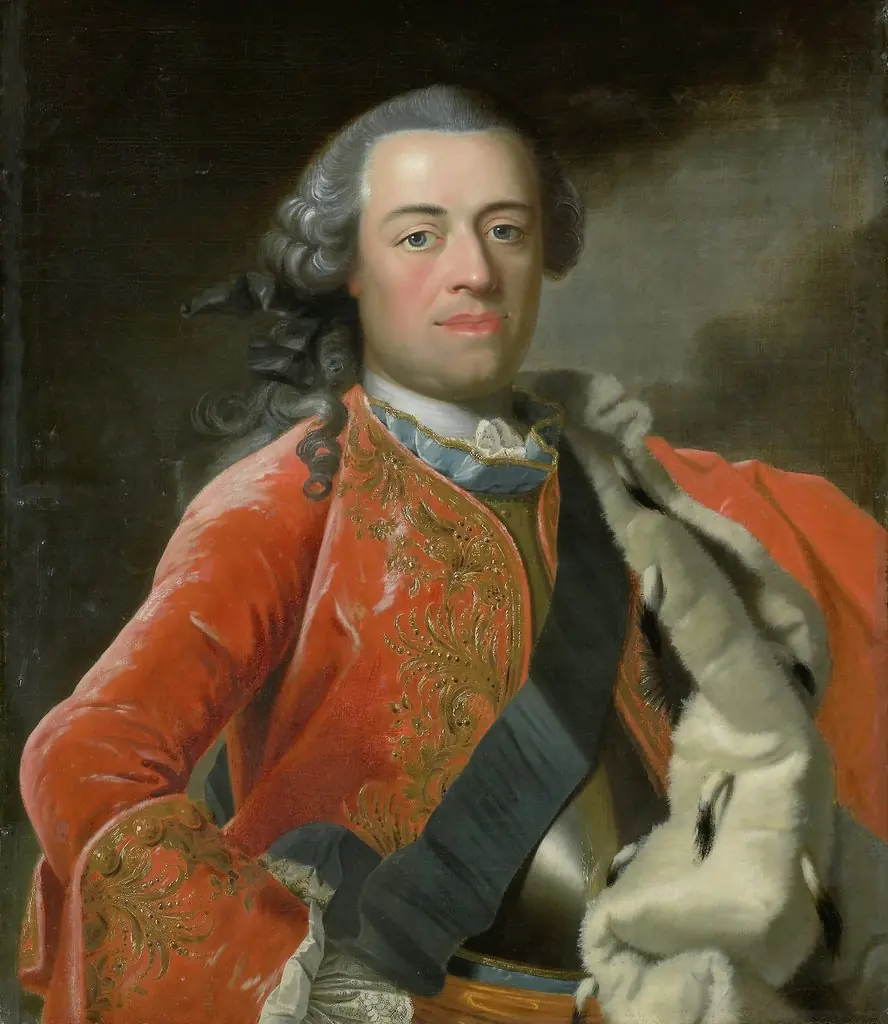 Portrait of Willem IV van Oranje-Nassau (1711-1751)
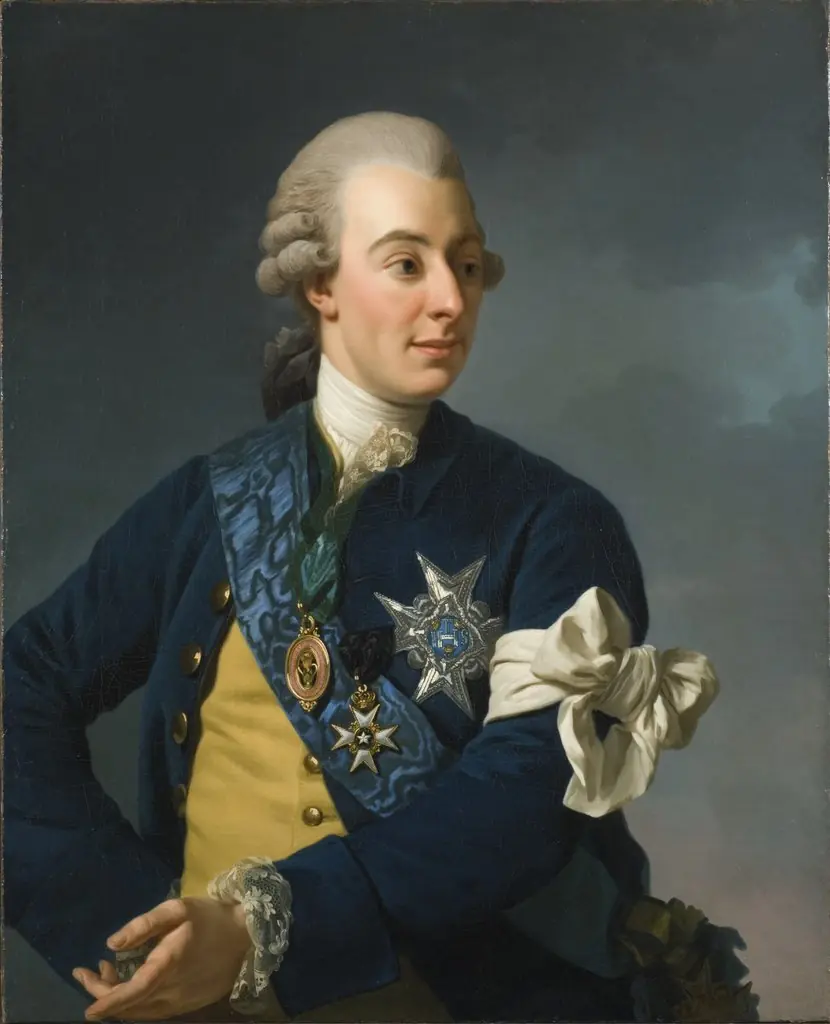 Gustav III with the Armlet of Freedom
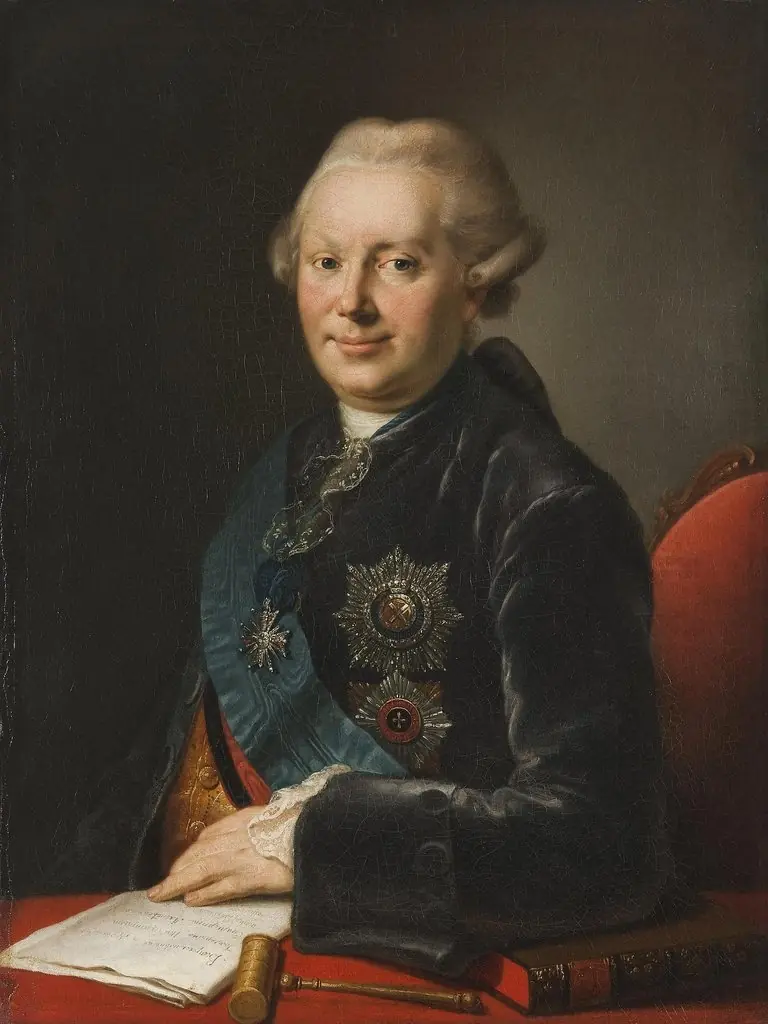 Portrait of Procurator-General Alexander Vyazemsky
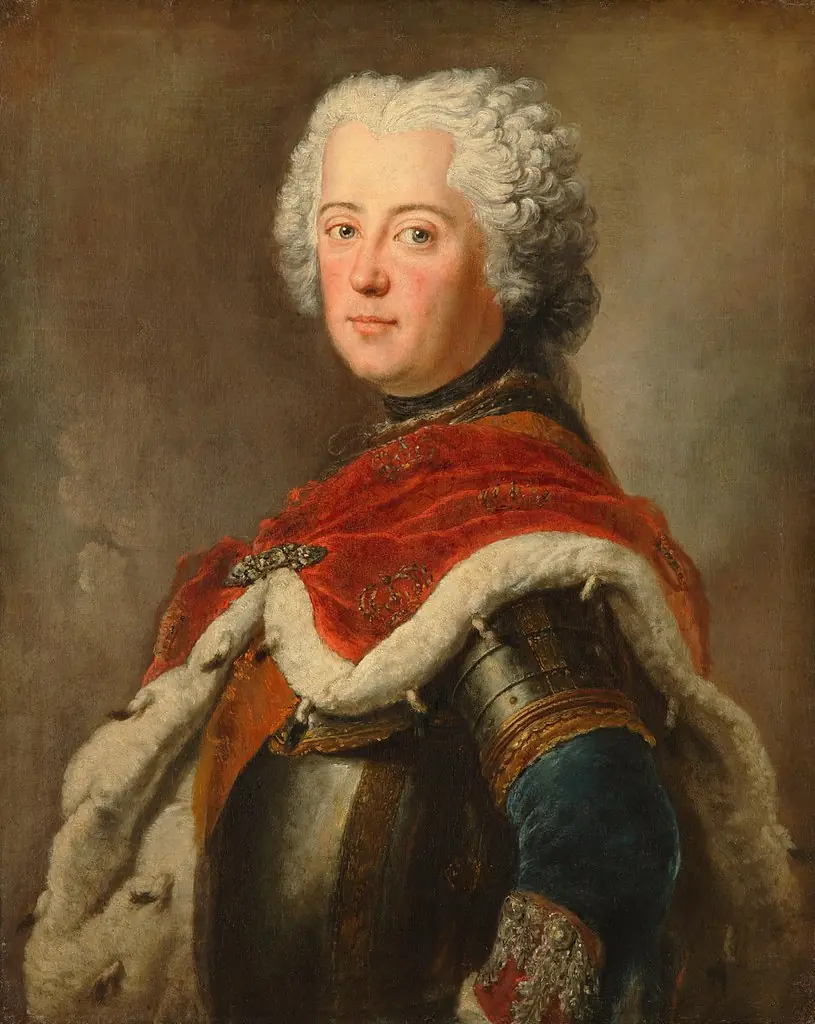 Crown prince Frederik de Great in Armour
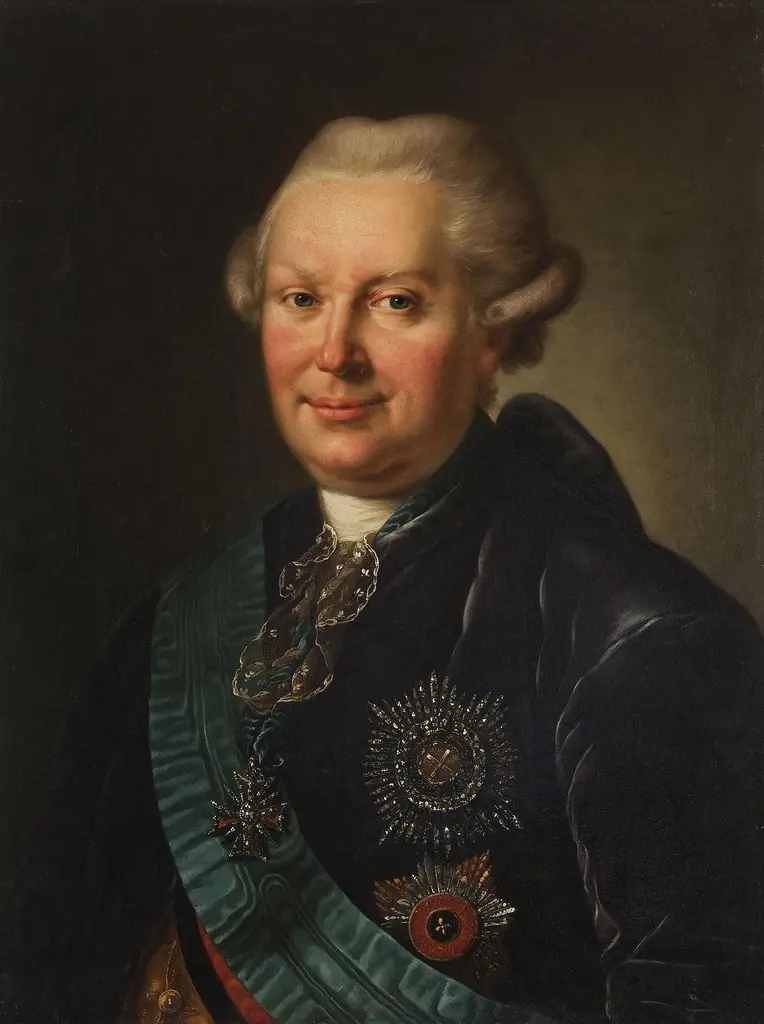 Portrait of Procurator-General Alexander Vyazemsky
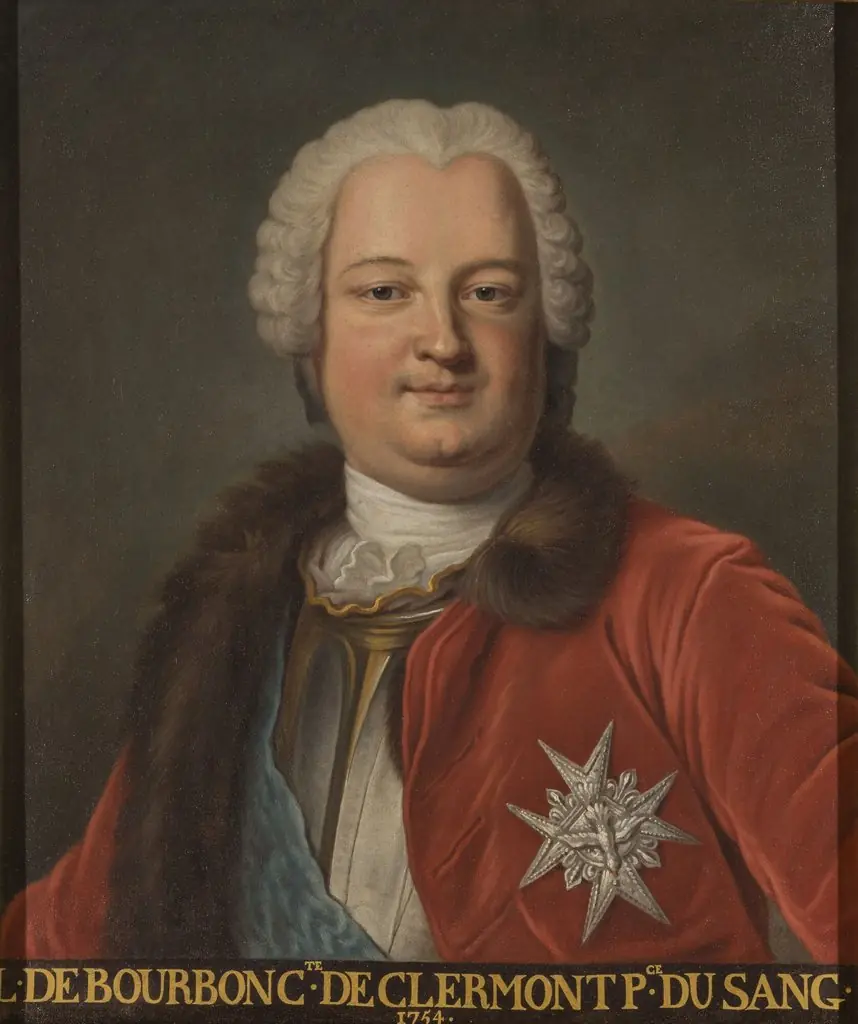 Louis de Bourbon-Condé, Count of Clermont
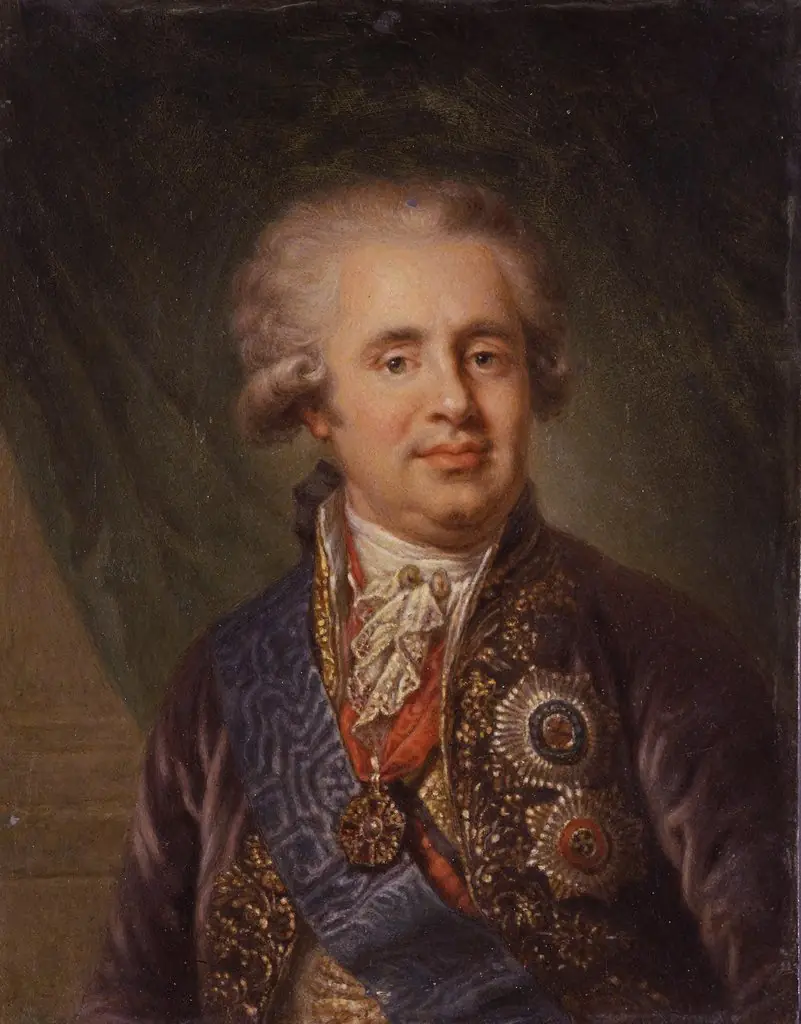 Portrait of Chancellor A.A. Bezborodko
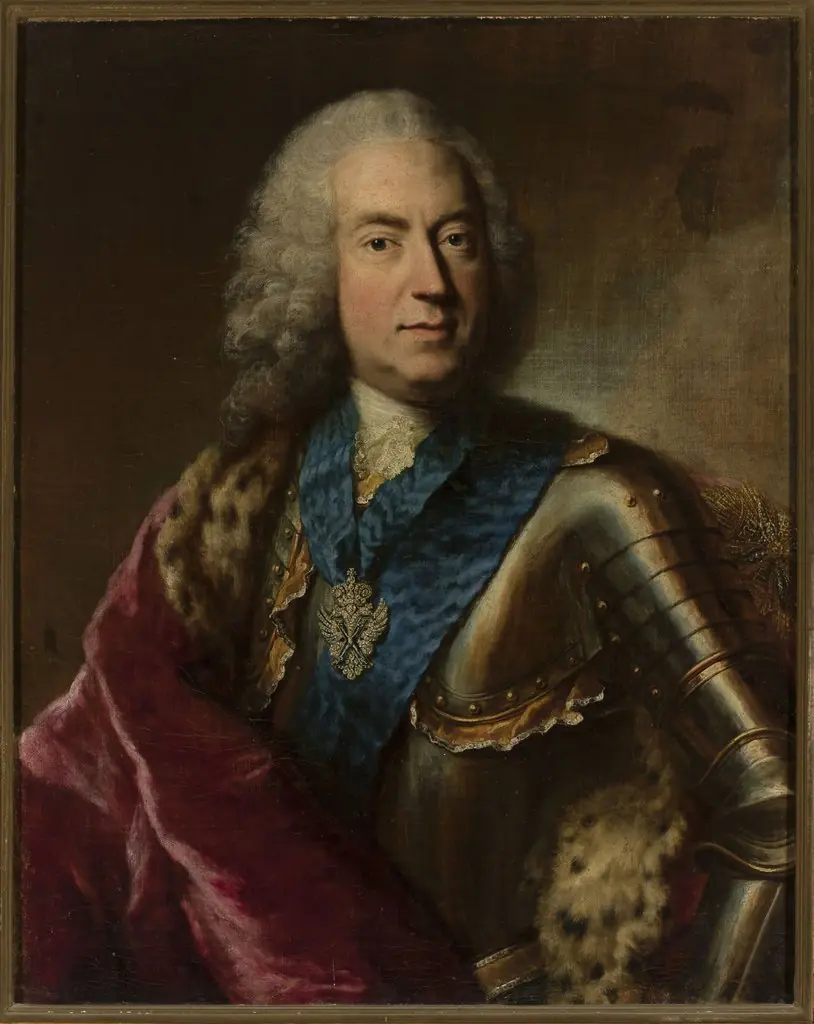 Portrait of Karl August Rex, Saxon minister
 Gustav III (1746–1792), King of Sweden