Artwork
Interior of the St. Laurenskerk, Rotterdam
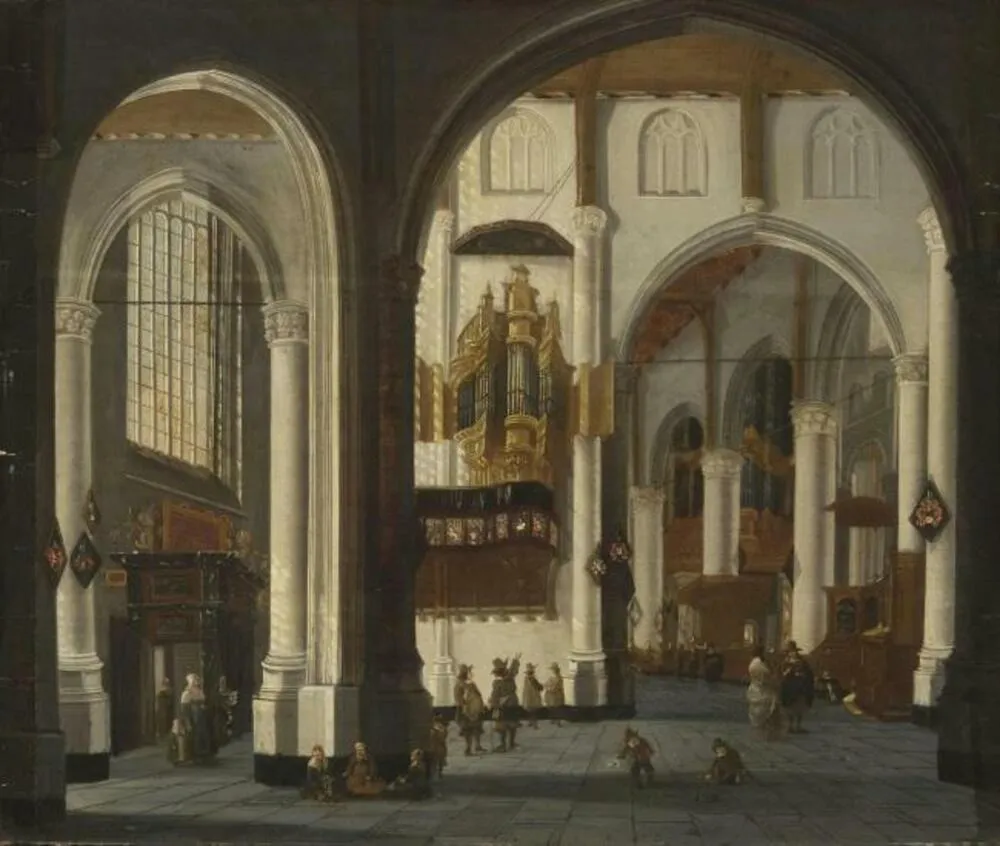
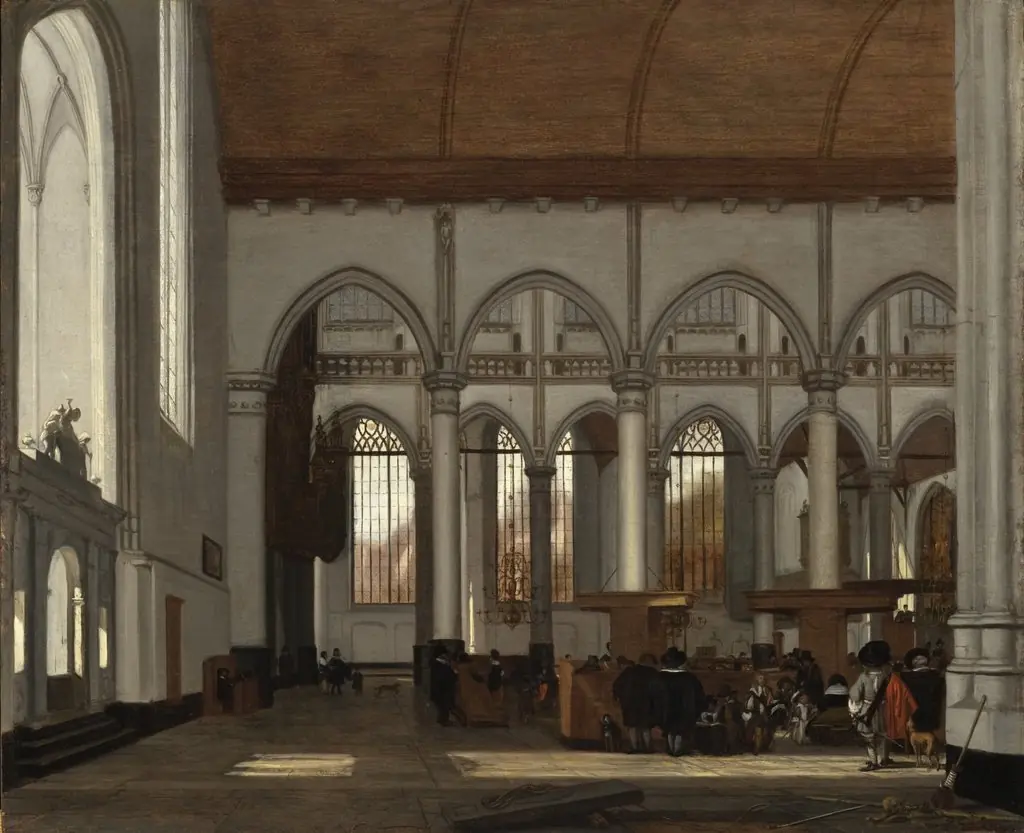
Interior of the St. Laurenskerk, Rotterdam is an oil painting by the Dutch Golden Age artist Unknown. It dates from 1655 and is held in the collection of the Philadelphia Museum of Art. This oil painting depicts the interior of the St.
About this work
Overview
The composition centers on a towering pipe organ, flanked by rows of columns and arched ceilings that recede into shadow.
This oil painting depicts the interior of the St. Laurenskerk in Rotterdam, capturing the quiet solemnity of a sacred space. The composition centers on a towering pipe organ, flanked by rows of columns and arched ceilings that recede into shadow. Figures are scattered throughout, engaged in private devotion. The play of light and dark, achieved through careful chiaroscuro, gives the scene a still, meditative weight, emphasizing the architecture’s grandeur without overt spectacle.
Subject & Meaning
The painting presents a moment of ordinary worship within a functioning church, not a ceremonial event. The congregation’s varied postures—kneeling, standing, seated—suggest individual reflection rather than collective ritual. The organ, both functional and ornate, serves as a symbolic anchor, linking the human presence to the divine through music and architecture. The subdued tones and sparse lighting reinforce a tone of quiet reverence, avoiding theatricality in favor of intimate observation.
Technique & Style
The artist employs chiaroscuro to model forms and define spatial depth, with light filtering through high windows to carve out volumes in the stone and wood. Details of the organ’s pipes and carvings are rendered with precision, contrasting with the softer, blurred edges of distant figures. The palette is restrained—ochres, grays, and muted golds—enhancing the sense of atmospheric stillness. Brushwork is controlled, favoring clarity over expressive gesture, aligning with Dutch interior painting traditions of the period.
History & Provenance
Painted in the mid-17th century, the work originates from a period when Dutch Protestant churches, stripped of religious imagery, emphasized architectural space as a vessel for communal worship. The St. Laurenskerk, one of Rotterdam’s few surviving medieval churches, was a common subject for local artists documenting civic and spiritual life. While the exact provenance is unclear, the painting likely belonged to a private collector in the Netherlands, reflecting the era’s growing market for genre and architectural scenes.
Context
In post-Reformation Holland, religious art shifted from iconography to the depiction of sacred spaces as quiet, lived-in environments. This painting aligns with a broader trend among Dutch artists who turned their attention to interiors—churches, homes, and courtyards—as subjects worthy of careful observation. The absence of overt religious symbols underscores a cultural emphasis on personal piety and the dignity of everyday ritual within a reformed faith tradition.
Legacy
The painting contributes to a lineage of Dutch interior views that influenced later generations of realist painters. Its restrained palette and attention to light and space prefigure the quiet introspection found in 19th-century genre painting. Though not widely exhibited today, it remains a representative example of how Dutch artists transformed mundane sacred spaces into compositions of subtle emotional and architectural resonance.
Artist & collection

 Domestic Scene
 Giacomo and Cardinal Marco, investing Andrea, Abbot of San Zeno, with his Benefice
 The Nymph of Fontainebleau
 Portrait of a Woman
 Madonna and Child with Saints in the Enclosed Garden
 Venus and Minerva
 Family Group of Four on Sofa
 Wall painting from Room H of the Villa of P. Fannius Synistor at Boscoreale
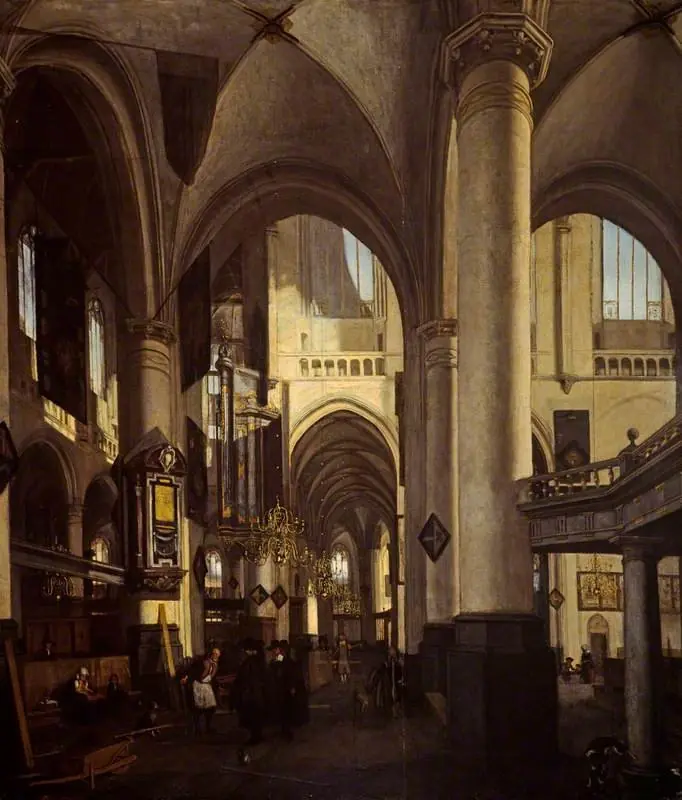 The Interior of a Dutch Church
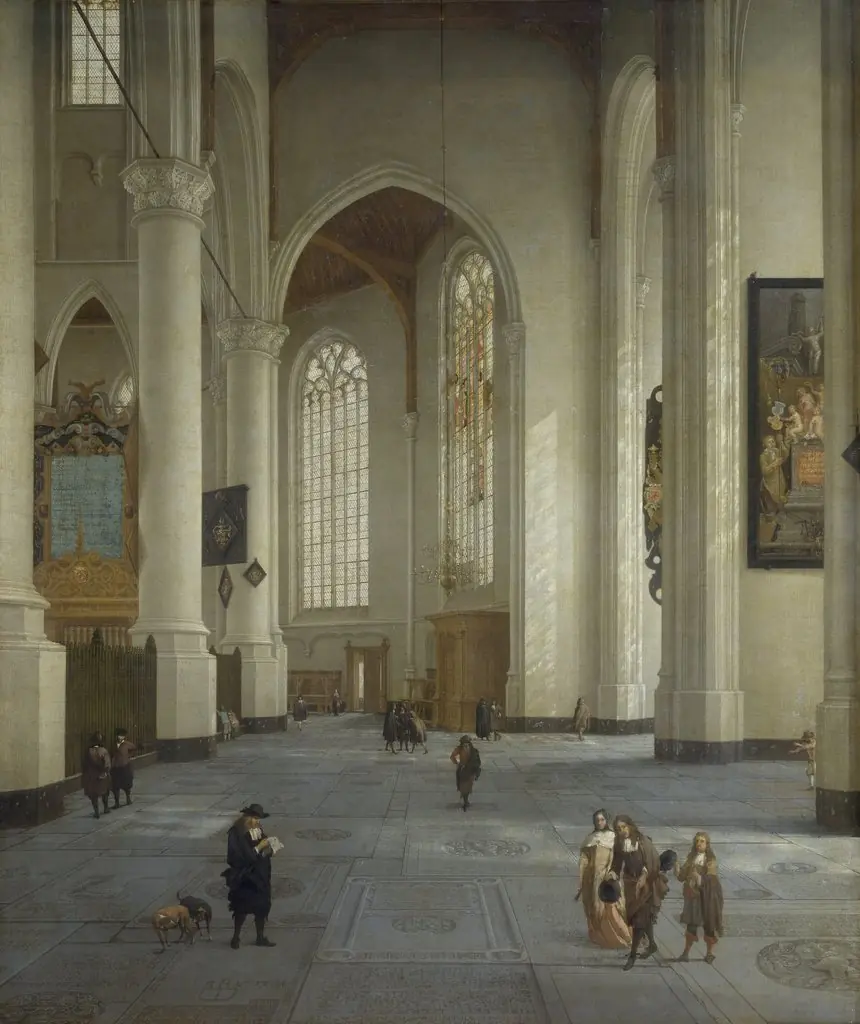 Interior of the St Laurenskerk, Rotterdam
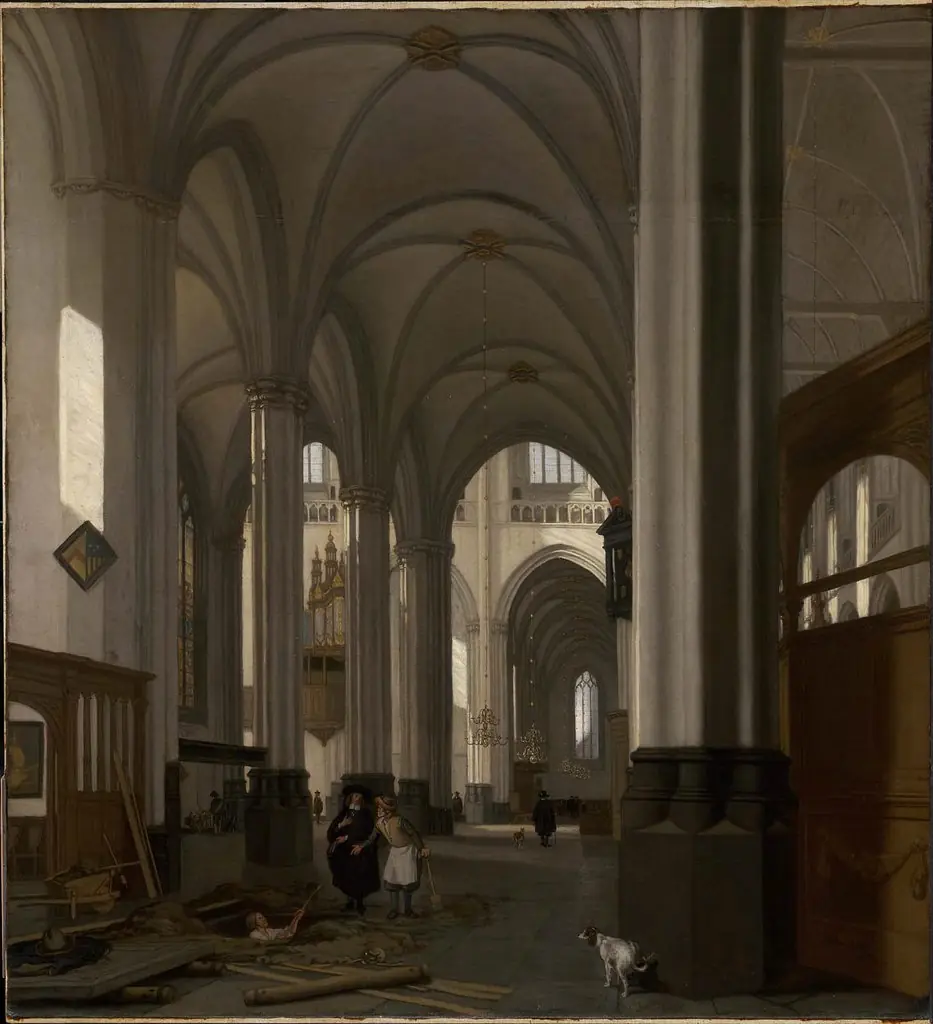 Interior of the Nieuwe Kerk, Amsterdam
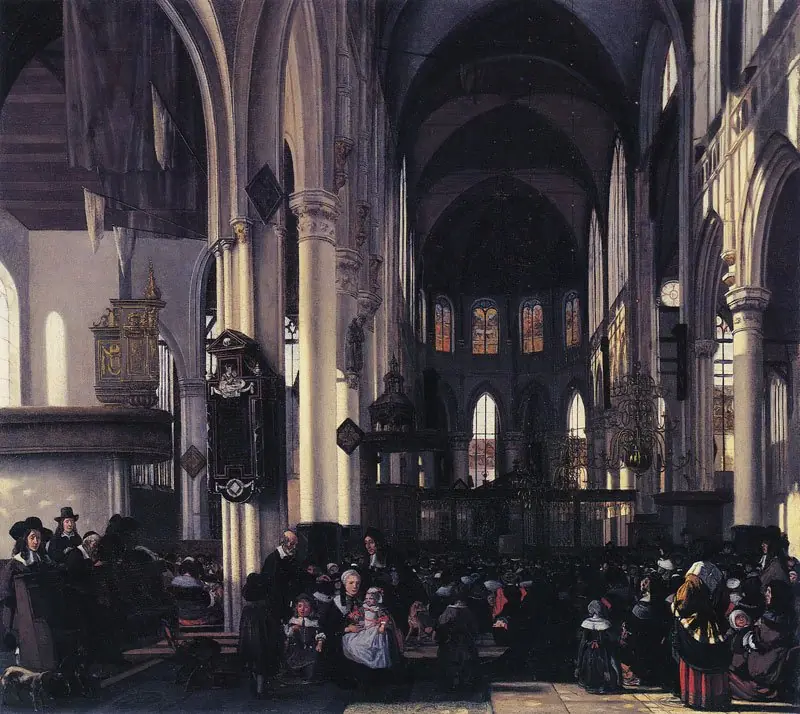 Interior of the Oude Kerk in Amsterrdam
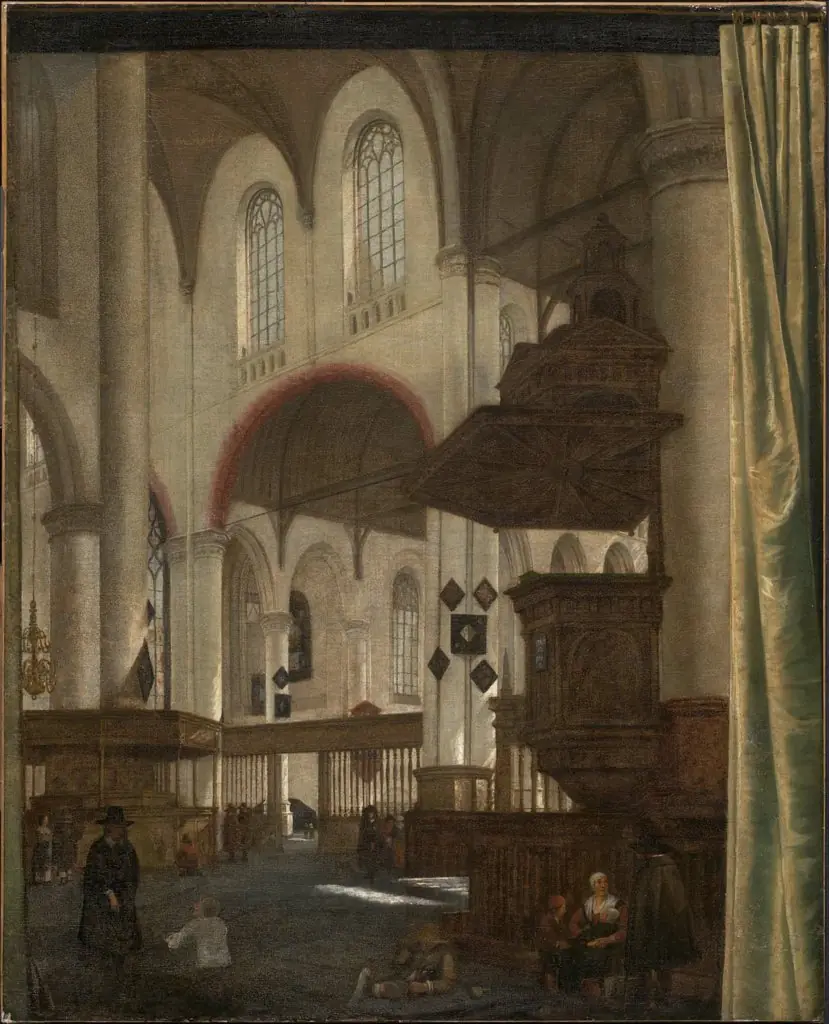 Interior of the Oude Kerk, Delft
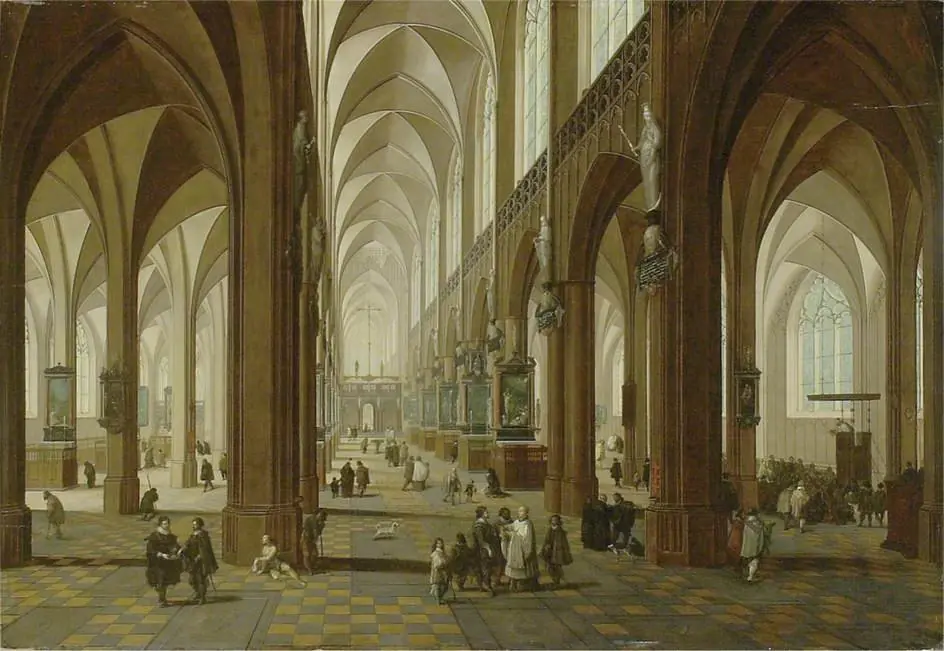 Interior of Antwerp Cathedral
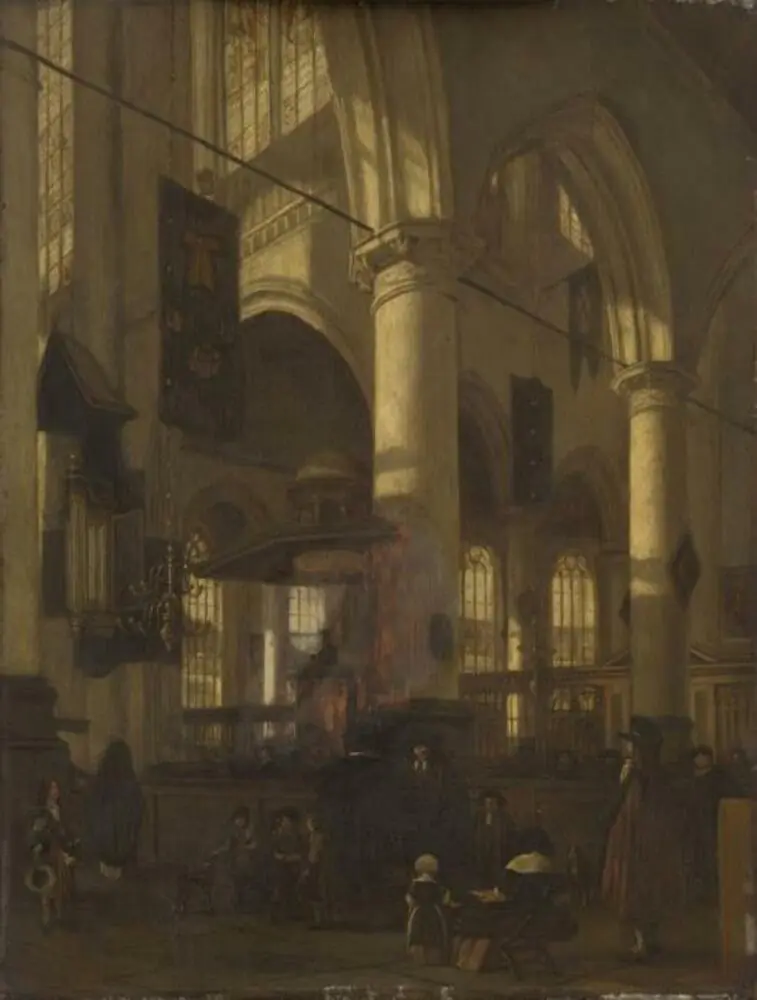 Interior of the Oude Kerk, Delft
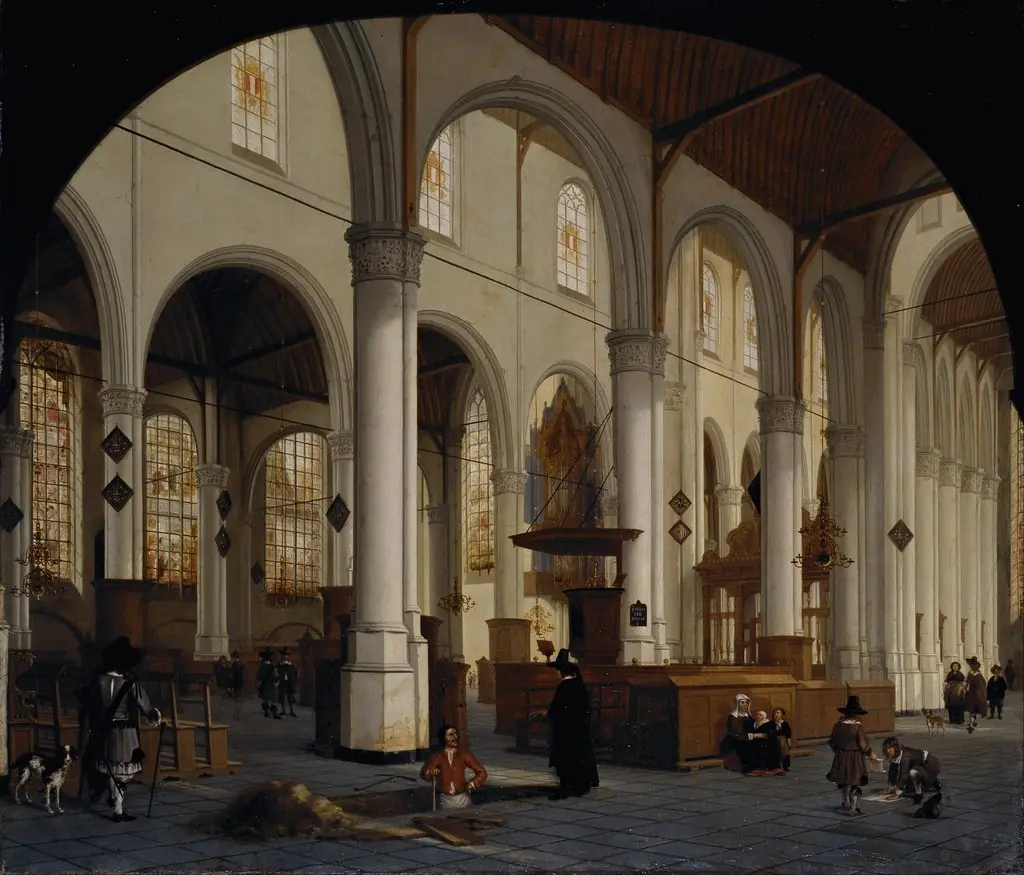 The interior of St Janskerk at Gouda
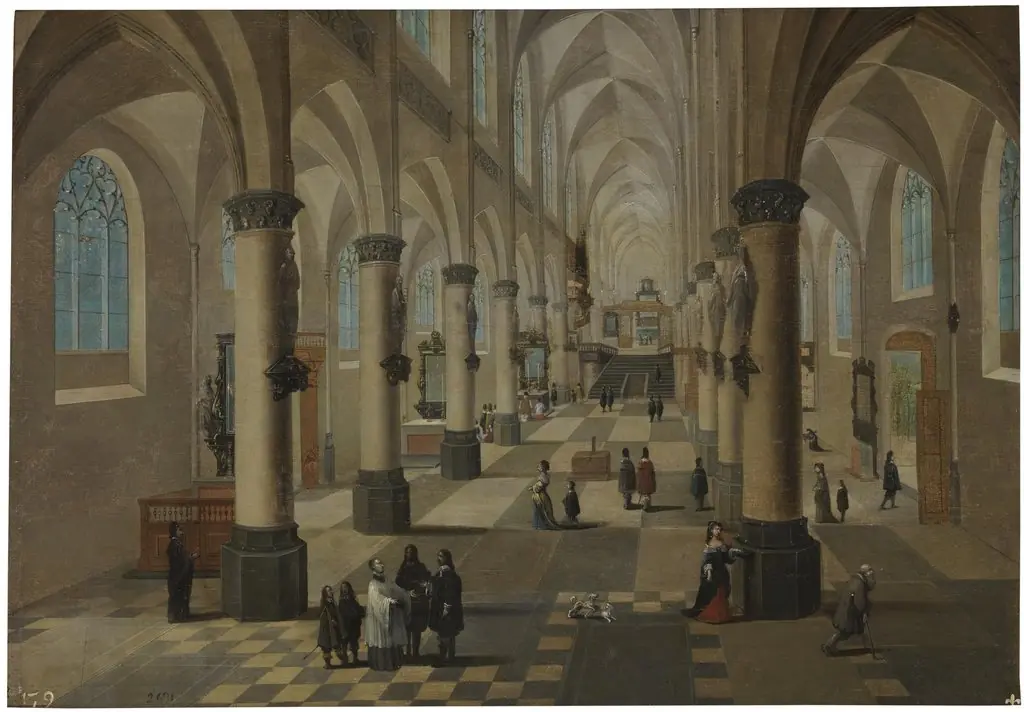 Interior of a church in Flanders
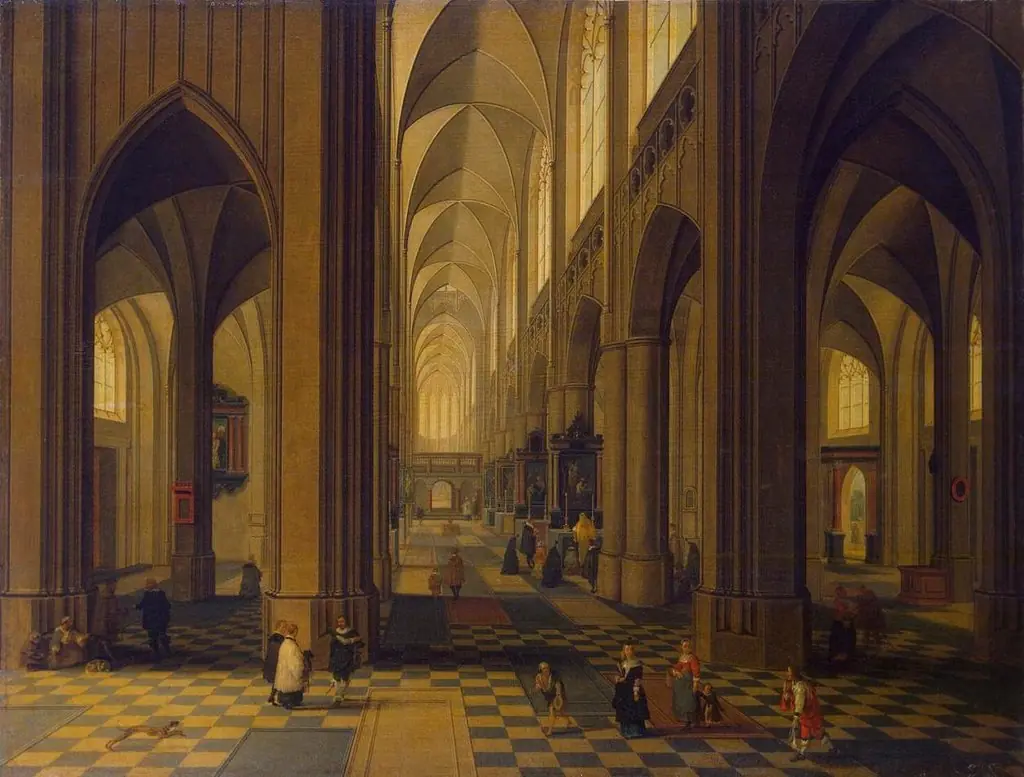 Interior of the Antwerp Cathedral
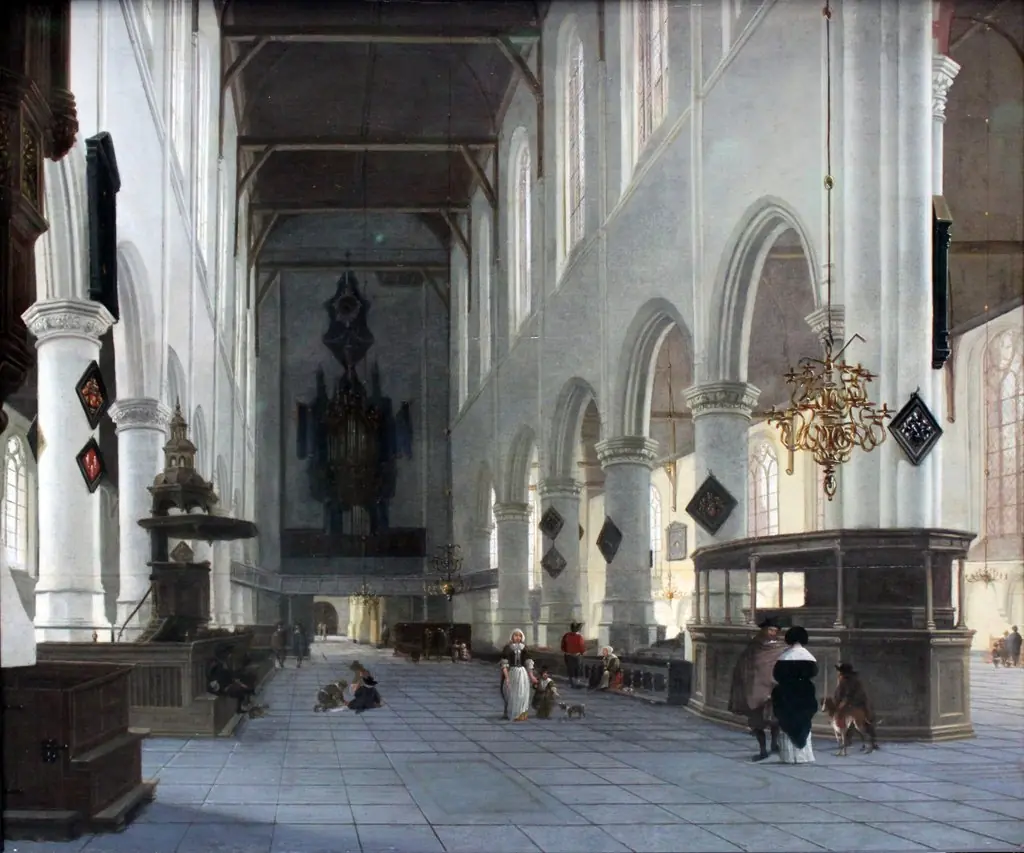 The Interior of the Oude Kerk in Delft
 Interior of the Oude Kerk, Amsterdam