Artwork
Susanna and the Elders
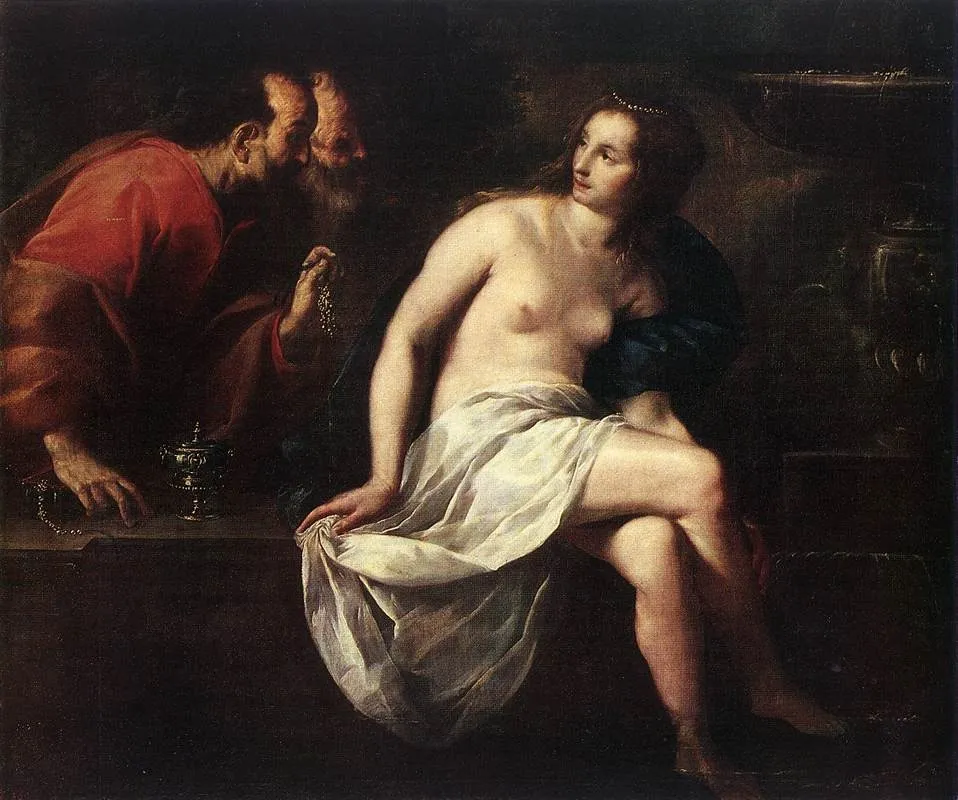
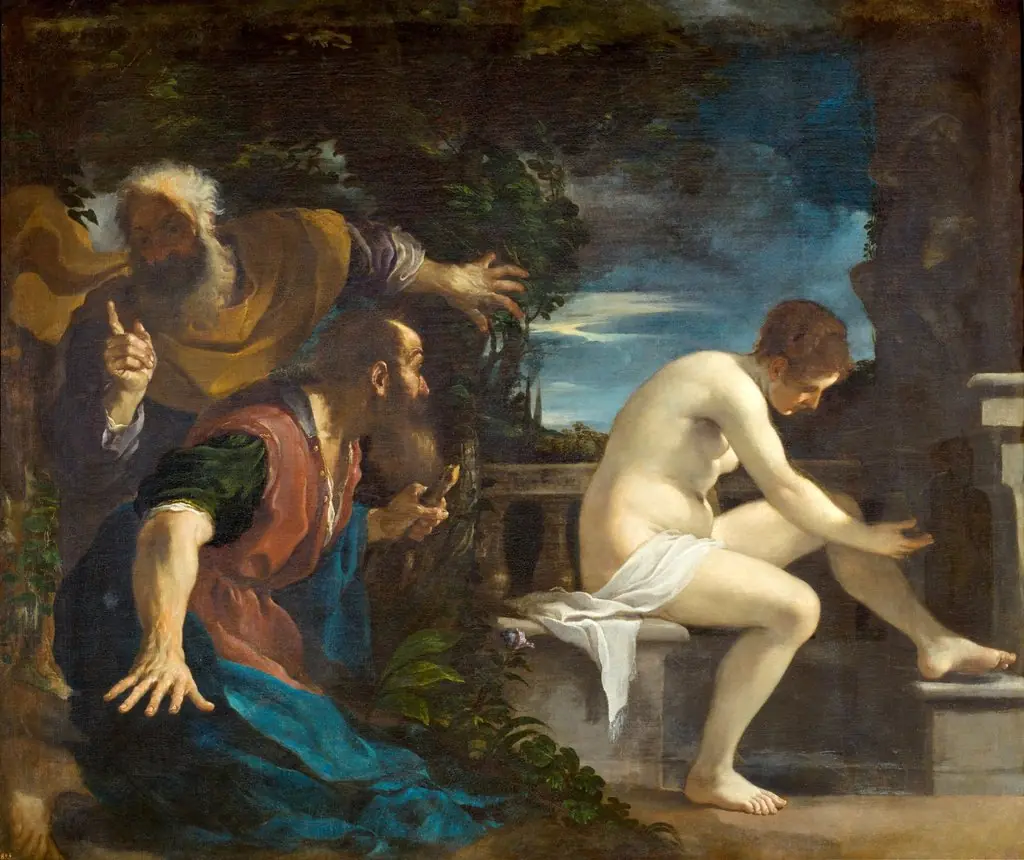
Susanna and the Elders is an oil painting by the Early Baroque Italian artist Unknown. It dates from 1650 and is held in the collection of the Hermitage Museum.
About this work
Overview
A muted, dark background enhances the dramatic lighting, isolating the figures and emphasizing their emotional dynamics through controlled illumination.
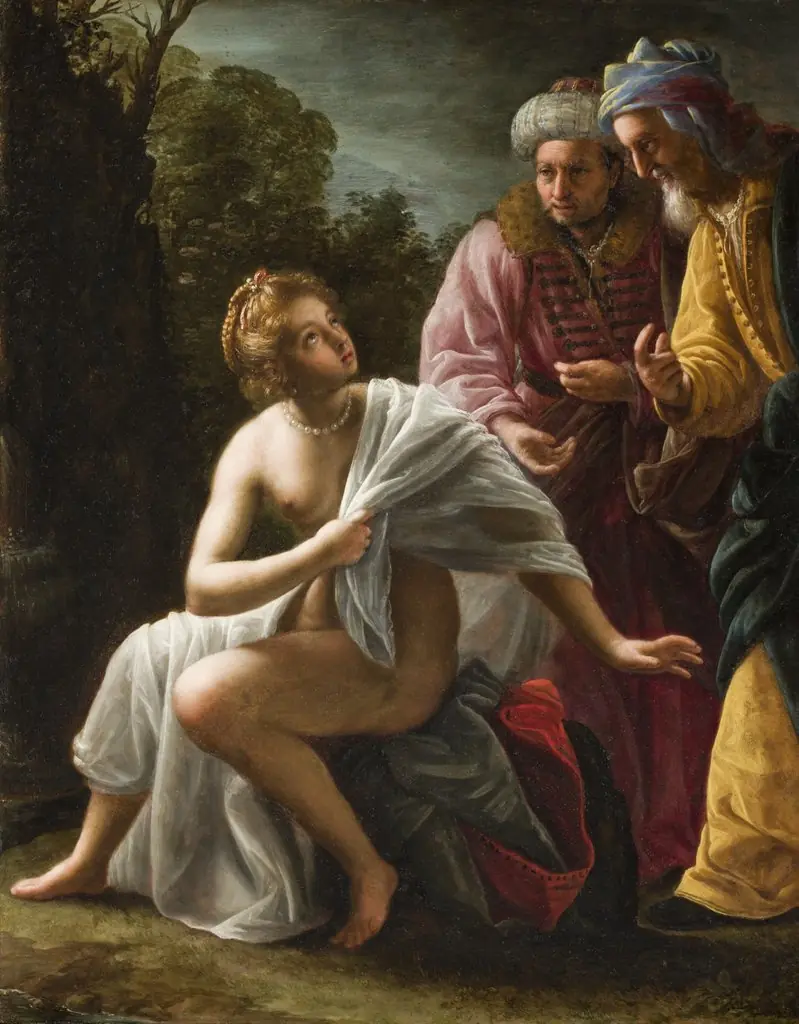
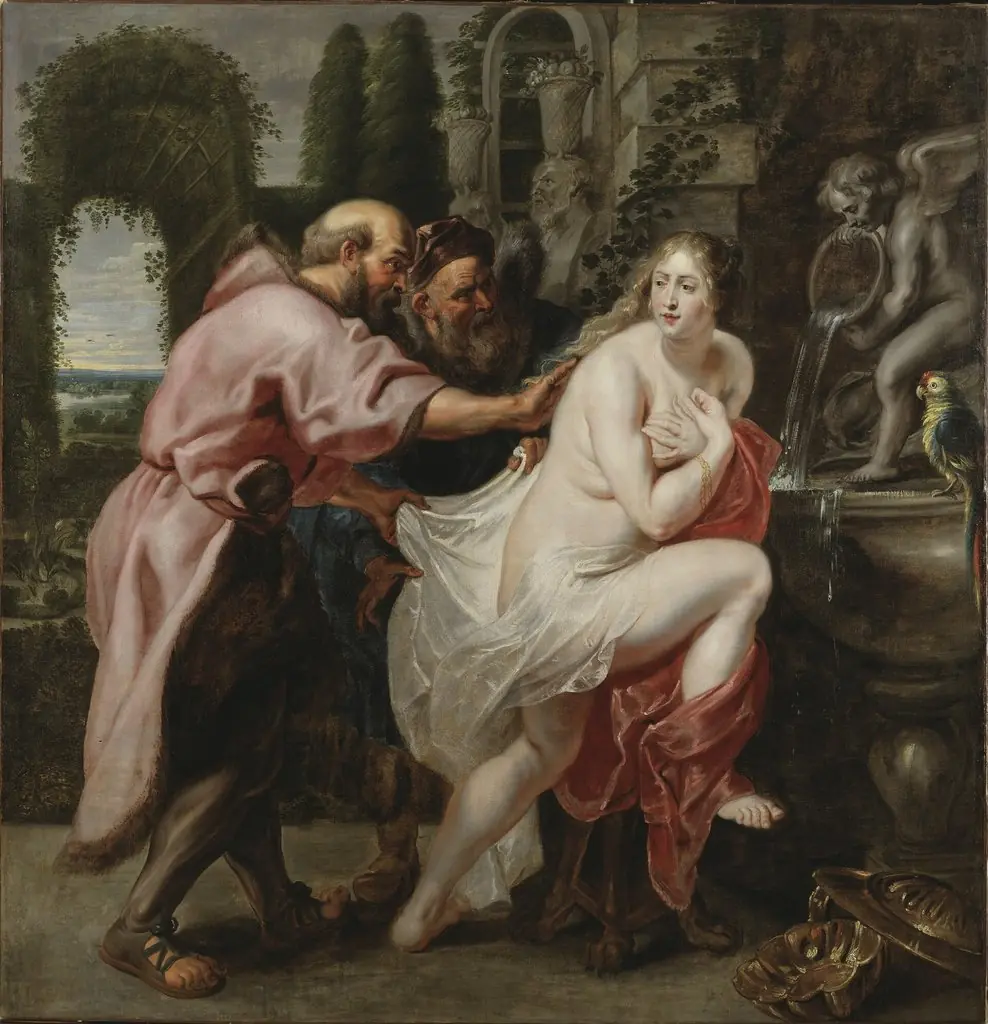
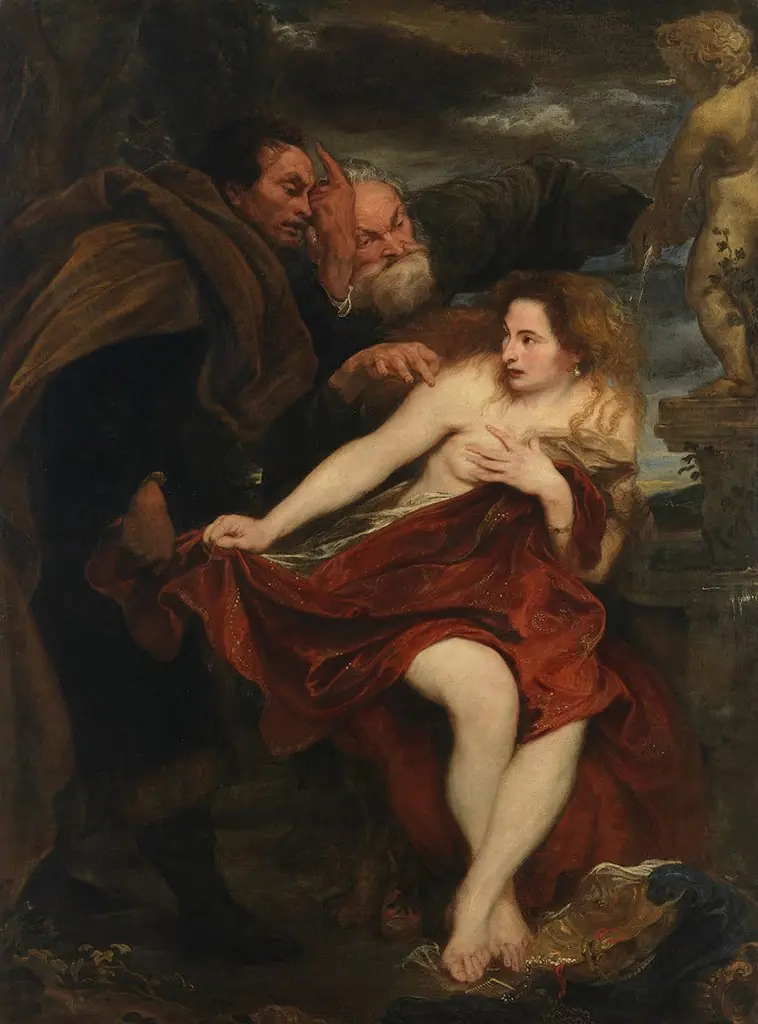
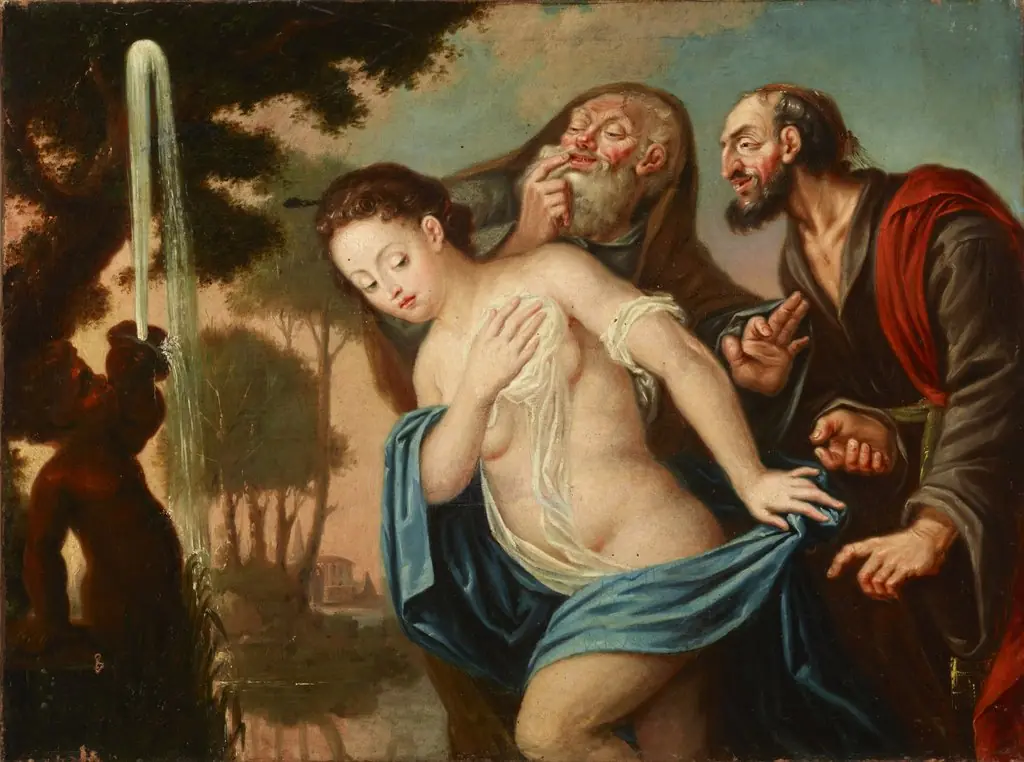
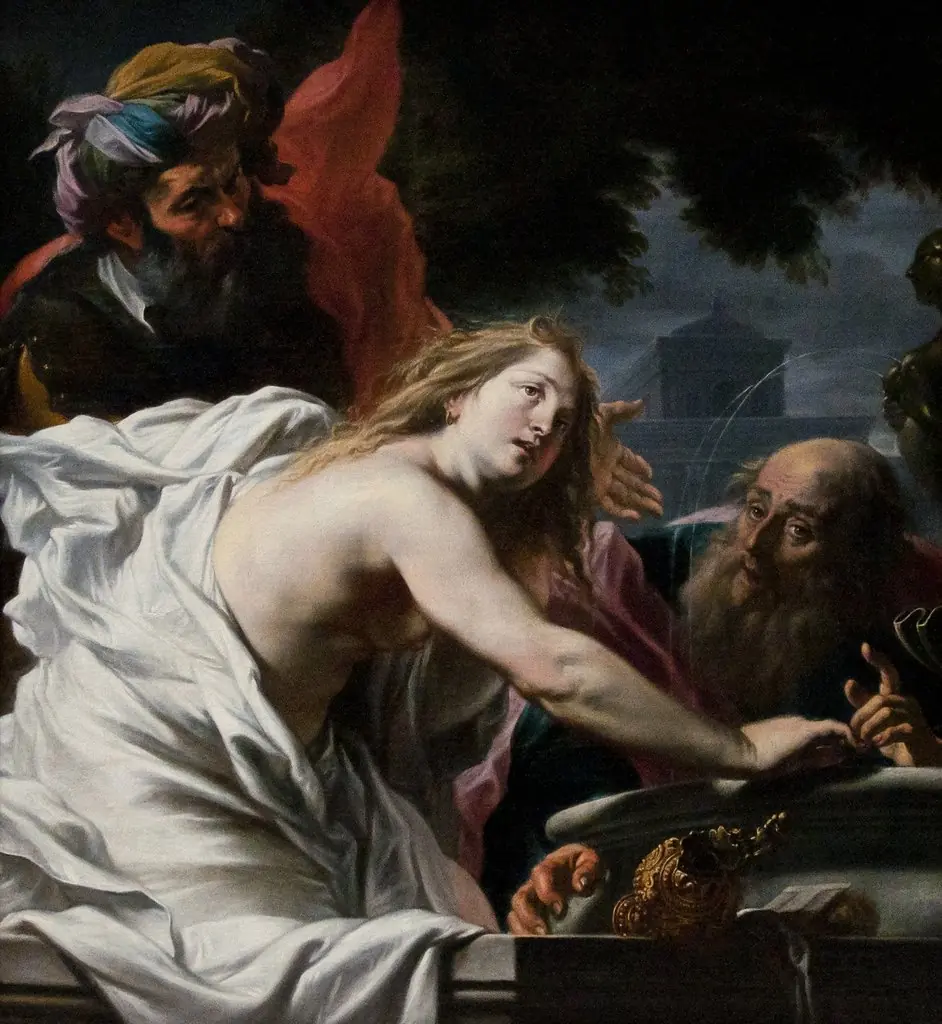
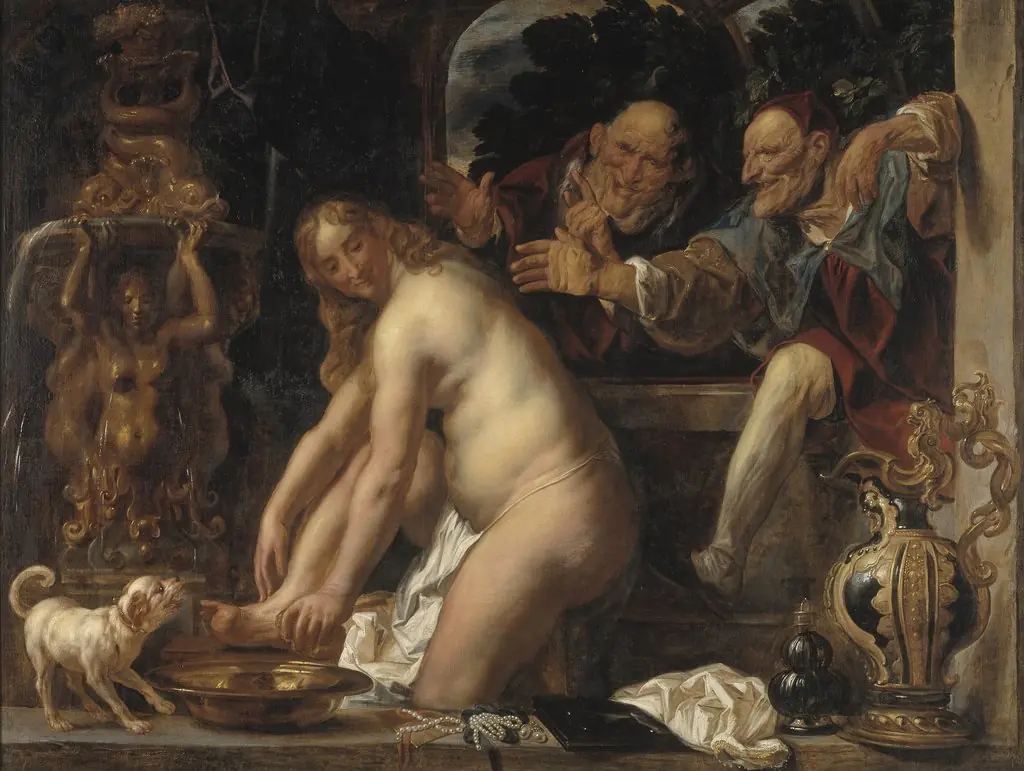
This oil painting portrays the biblical story of Susanna and the Elders, rendered with a focus on psychological tension and spatial depth. The composition centers on Susanna, seated and partially draped, flanked by two men whose gazes fixate on her. A muted, dark background enhances the dramatic lighting, isolating the figures and emphasizing their emotional dynamics through controlled illumination.
Subject & Meaning
The scene illustrates Susanna’s violation by two elders who spy on her while she bathes, as recounted in the Book of Daniel. Her composed demeanor contrasts with the elders’ predatory focus, underscoring her vulnerability amid their moral transgression. The painting does not depict physical assault but captures the psychological weight of surveillance and impending coercion, aligning with Renaissance interpretations of moral narrative.
Technique & Style
The artist employs chiaroscuro to model form and direct attention, using sharp contrasts between light and shadow to define the figures’ contours and textures. The light falls selectively on Susanna’s skin and drapery, while the elders recede into dimness, heightening the sense of unease. Brushwork is restrained, favoring smooth transitions and subtle gradations to enhance realism without overt embellishment.
History & Provenance
The painting’s early ownership is undocumented, but its style and technique align with early 17th-century Italian practice. It likely originated in a private collection, possibly commissioned for devotional or moral contemplation. No major public records trace its movement before the 19th century, suggesting it remained in private hands for much of its history.
Context
During the Baroque period, biblical scenes involving female virtue and male transgression were common subjects, often used to explore themes of innocence, power, and voyeurism. Artists across Italy and the Netherlands revisited Susanna’s story, but this version distinguishes itself through its quiet intensity and avoidance of overt drama, reflecting a more introspective approach to narrative painting.
Legacy
The work contributes to a broader tradition of depicting Susanna as a symbol of moral resilience under observation. Its restrained use of light and psychological nuance influenced later artists seeking emotional depth over theatricality. Though not widely exhibited, it remains a studied example of how chiaroscuro can convey moral tension without explicit action.
Artist & collection

 Domestic Scene
 Giacomo and Cardinal Marco, investing Andrea, Abbot of San Zeno, with his Benefice
 The Nymph of Fontainebleau
 Portrait of a Woman
 Madonna and Child with Saints in the Enclosed Garden
 Venus and Minerva
 Family Group of Four on Sofa
 Wall painting from Room H of the Villa of P. Fannius Synistor at Boscoreale