Artwork
Portrait of Bogusław Radzimiński
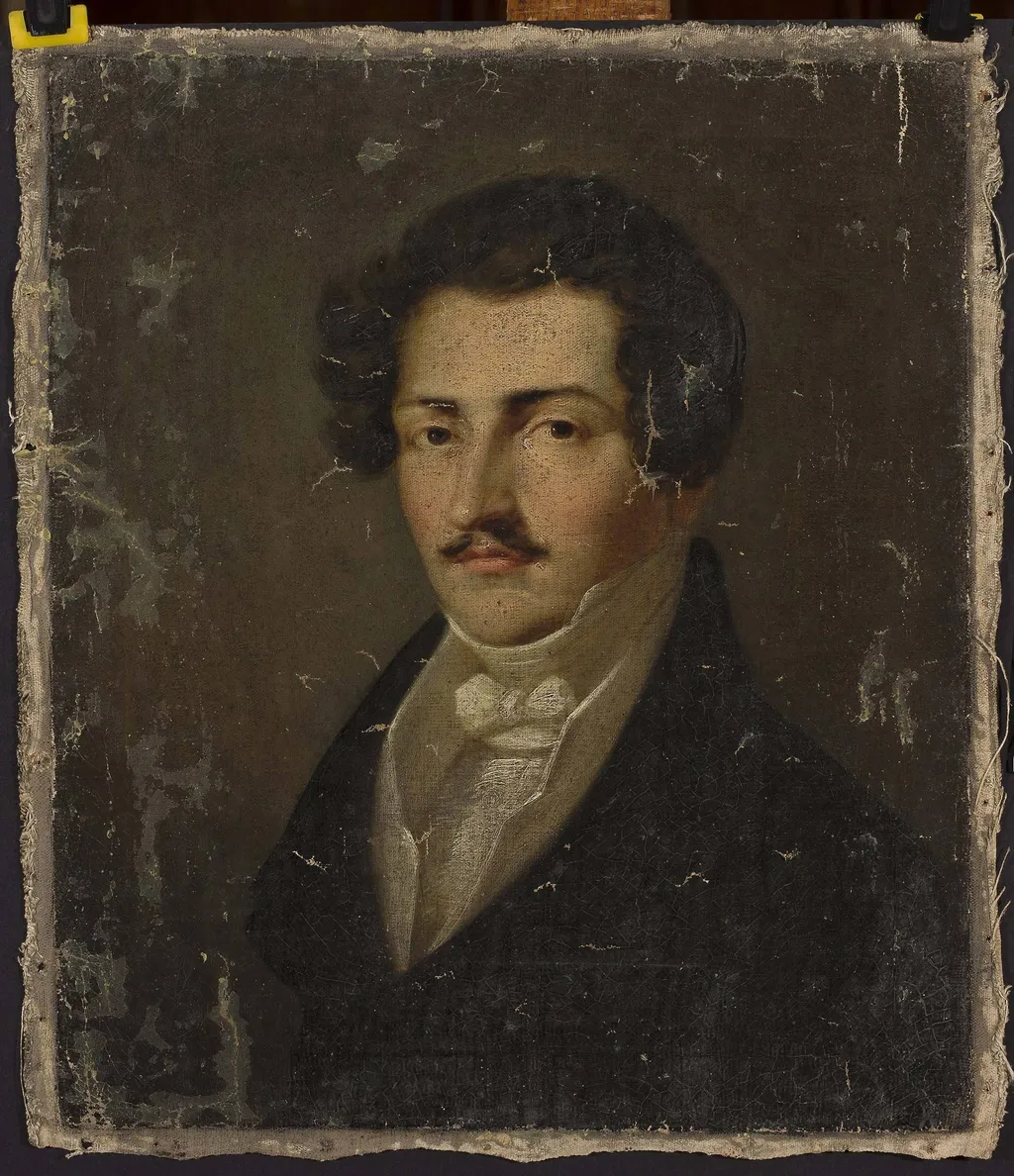
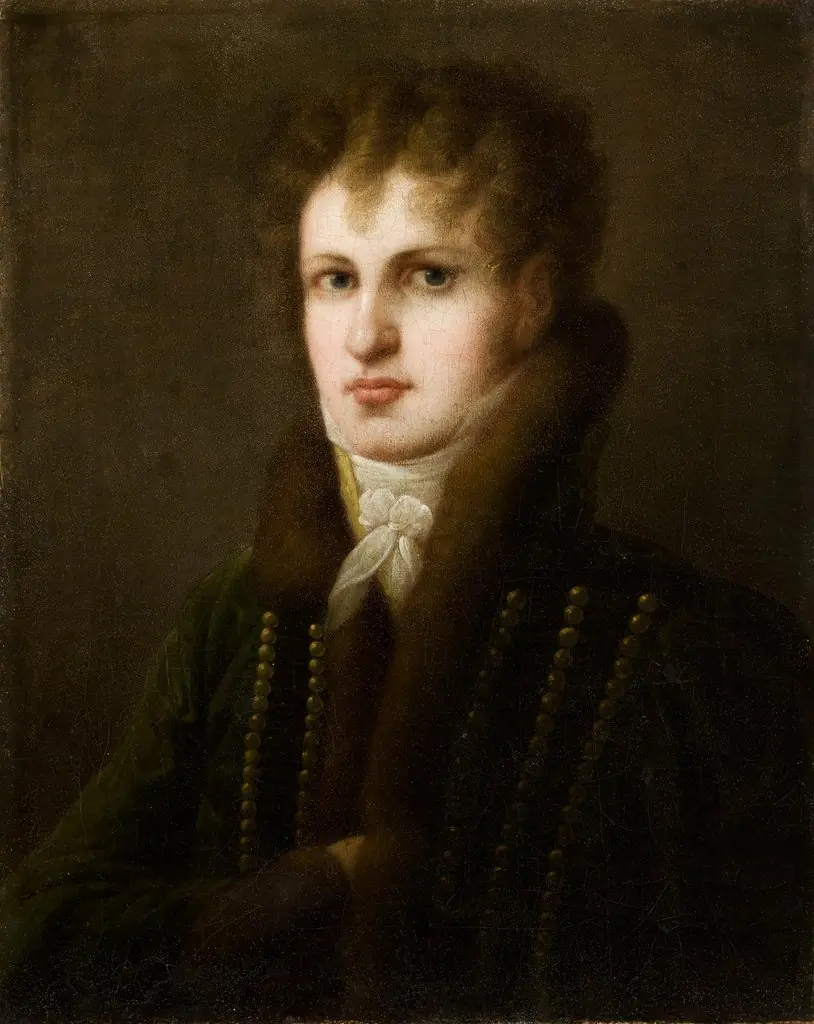
Portrait of Bogusław Radzimiński is an oil painting by Unknown. It dates from 1830 and is held in the collection of the National Museum in Warsaw.
About this work
The painting is rendered in oil paint, with visible signs of aging and wear, including cracks and a faded appearance.
This portrait depicts a man with dark hair and a mustache, dressed in a black jacket over a white shirt and cravat. The subject's gaze is directed slightly to the left of the viewer. The painting is rendered in oil paint, with visible signs of aging and wear, including cracks and a faded appearance. A notable detail is the subject's attire, which suggests a formal or professional setting. The use of oil paint and the style of the portrait are consistent with artistic practices of the early 19th century.
Overview
This oil painting portrays Bogusław Radzimiński, a man of likely professional standing, rendered in the formal conventions of early 19th-century portraiture. The composition emphasizes stillness and dignity, with the subject positioned in three-quarter view, his gaze turned away from the viewer. The dark jacket and crisp white cravat reflect contemporary dress codes for men of status, while the painting’s surface shows signs of age—crackling and fading—that speak to its passage through time.
Subject & Meaning
Radzimiński’s expression is composed and reserved, suggesting a figure accustomed to public life or official duties. His attire, though unadorned, conveys propriety and restraint, aligning with the values of the Polish gentry during the post-partition era. The absence of symbolic objects or background elements directs focus entirely to the individual, reinforcing a quiet, personal dignity rather than public grandeur.
Technique & Style
The portrait employs traditional oil-on-canvas methods typical of the period, with subtle gradations of tone to model the face and fabric. Brushwork is controlled but not overly refined, allowing the texture of the paint and the passage of time to become part of the image. The muted palette and soft lighting avoid theatricality, favoring a restrained realism that prioritizes presence over embellishment.
History & Provenance
The painting’s origins are tied to Polish noble circles in the early 1800s, though its specific commission and early ownership remain undocumented. It likely passed through private collections before entering institutional care. The visible deterioration—cracks in the varnish, pigment fading—reflects environmental exposure and limited conservation prior to modern preservation standards.
Context
Created during a period of political fragmentation for Poland, such portraits served as assertions of personal and cultural identity. Without state patronage, elite families commissioned likenesses to affirm lineage and social continuity. Radzimiński’s portrait, devoid of heraldic symbols, reflects a shift toward individualism in portraiture, where character, not title, became the focus.
Legacy
The painting stands as a quiet testament to the persistence of personal dignity amid national upheaval. It contributes to a broader archive of Polish portraiture from the early 19th century, offering insight into how individuals presented themselves when public institutions were weakened. Its modesty and material wear now serve as historical markers, not flaws.
Artist & collection

 Domestic Scene
 Giacomo and Cardinal Marco, investing Andrea, Abbot of San Zeno, with his Benefice
 The Nymph of Fontainebleau
 Portrait of a Woman
 Madonna and Child with Saints in the Enclosed Garden
 Venus and Minerva
 Family Group of Four on Sofa
 Wall painting from Room H of the Villa of P. Fannius Synistor at Boscoreale
 Aga Iancu Manu
 Portrait of Józef Szymanowski
 Портрет неизвестного
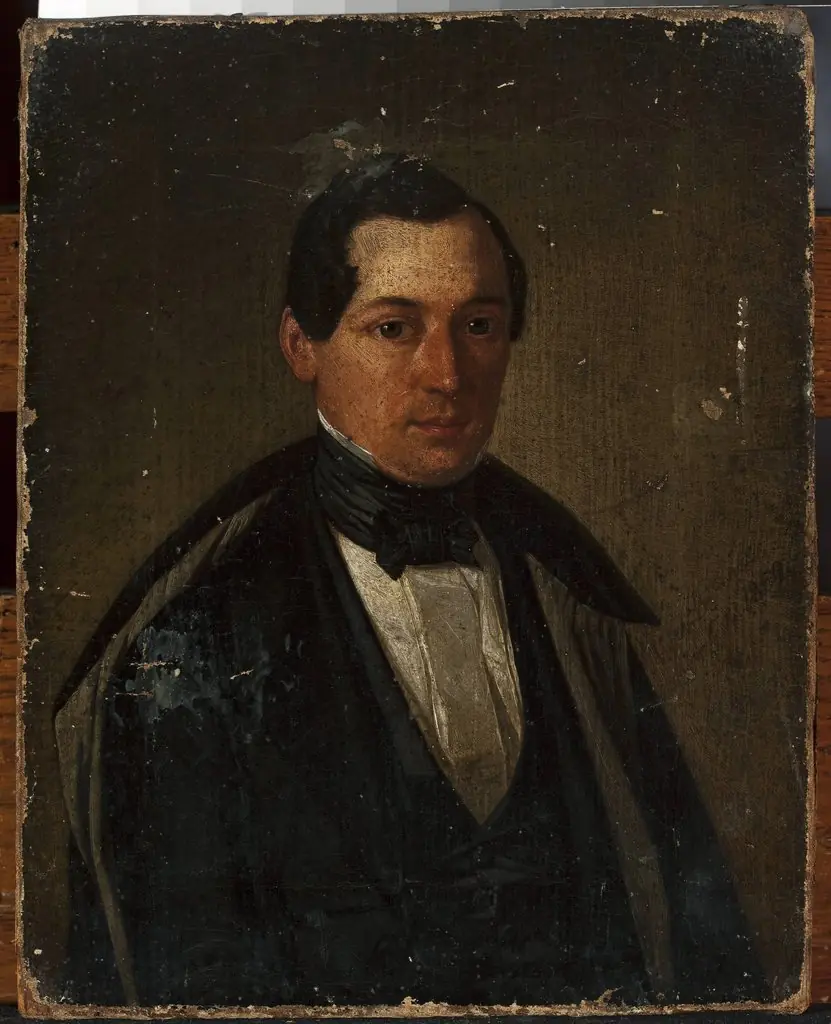 Portrait of a man in a coat
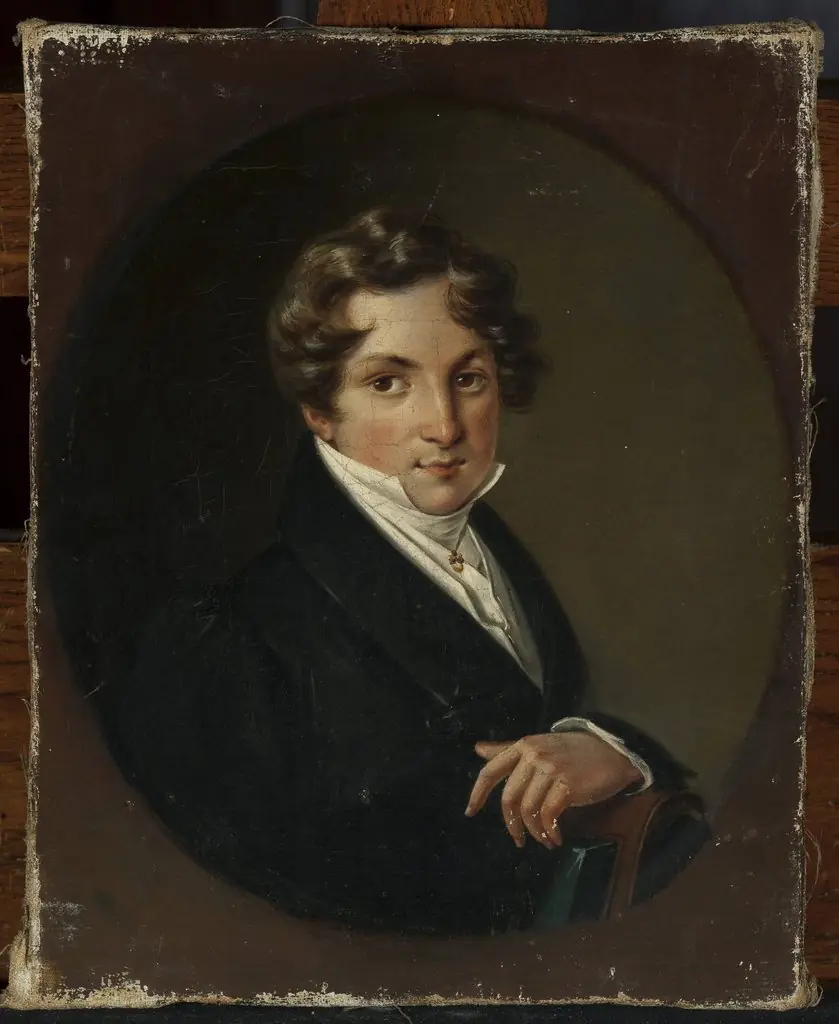 Portrait of Władysław Brunwej
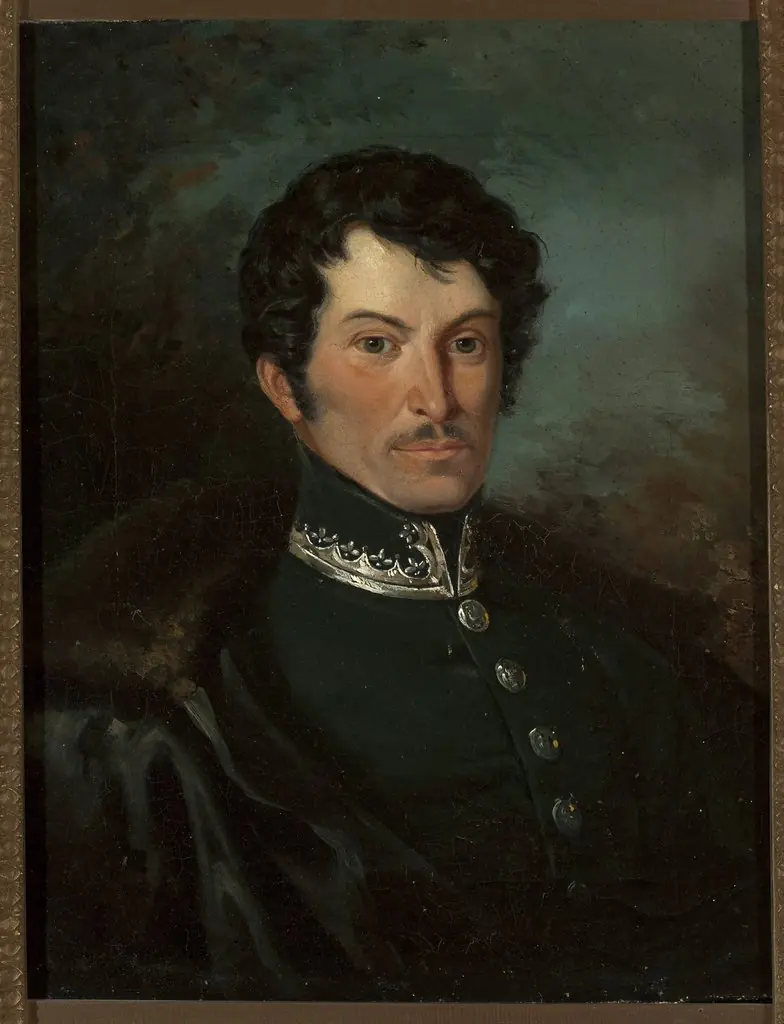 Portrait of Friedrich Christoph Dietrich
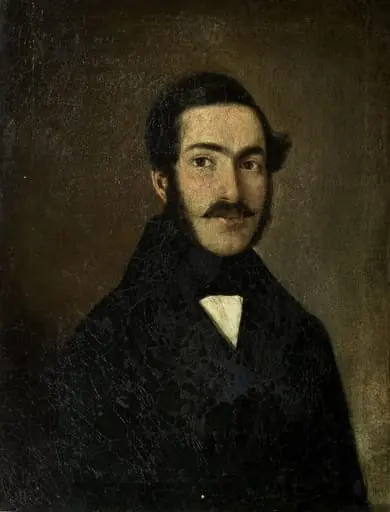 Portretul revoluționarului Zaharia Boerescu
 Portretul unui tânăr
 Portrait of Józef Gintowt
 Portrait of a young man
 Male portrait
 Portrait of Włodzimierz Potocki