Artwork
Портрет неизвестного
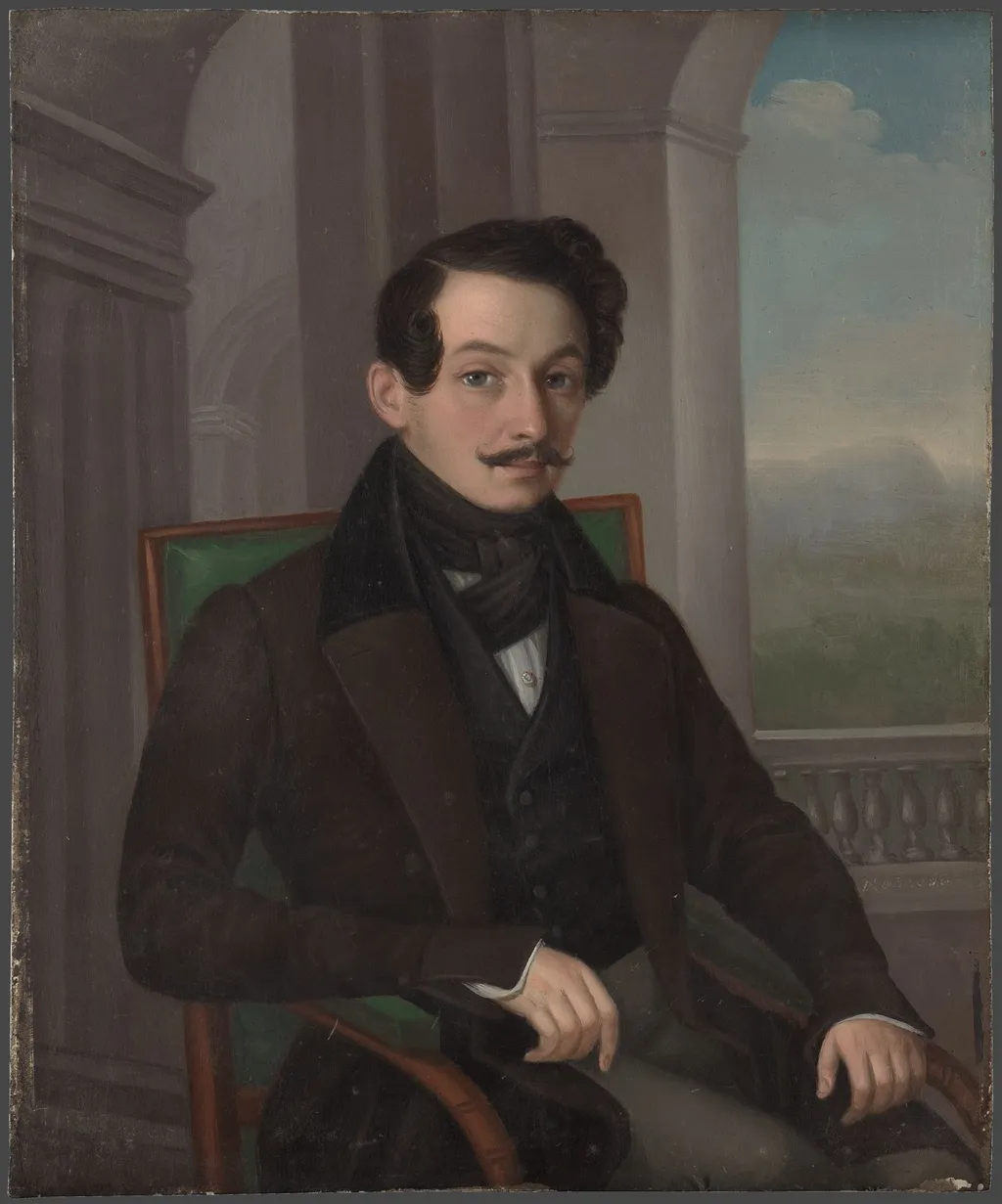
Портрет неизвестного is an oil painting by Alexandr Alexeevich Kozlov. It dates from 1830 and is held in the collection of the Tretyakov Gallery.
About this work
If you're interested in learning more about this style of painting, you might want to look up the artist Alexandr Alexeevich Kozlov.
The painting depicts a man sitting in a chair, dressed in a dark coat and scarf. He has dark hair and is looking directly at the viewer. The background of the painting is a room with a window that shows a landscape outside.
The man's attire and the style of the painting suggest that it was created in the early 19th century. The use of oil paint and the attention to detail in the man's clothing and facial expression are notable features of the work.
If you're interested in learning more about this style of painting, you might want to look up the artist Alexandr Alexeevich Kozlov.
Overview
This oil painting, dated to around 1830, is attributed to the Russian artist Alexandr Alexeevich Kozlov. It portrays a seated male figure in formal attire, rendered with careful attention to texture and light. The work is part of the collection at the Tretyakov Gallery in Moscow, where it is cataloged as an example of early 19th-century Russian portraiture. The subject’s identity remains unconfirmed, and the painting is not associated with any known historical record beyond its visual and stylistic context.
Subject & Meaning
The figure is depicted in a three-quarter view, seated in a simple chair, dressed in a dark coat and scarf, suggesting a bourgeois or professional status. His direct gaze toward the viewer conveys a quiet intensity, typical of introspective portraiture of the period. No symbolic objects or contextual clues identify him, leaving his social role or personal history ambiguous. The portrait emphasizes presence over narrative, focusing on individual character rather than status markers.
Technique & Style
Kozlov employed oil paint with a restrained palette, emphasizing tonal gradations to model the face and fabric. The rendering of the scarf and coat shows fine brushwork, capturing the weight and fold of woolen material. The background features a softly rendered interior with a window opening to an indistinct landscape, creating depth without distraction. The style reflects academic training, with attention to anatomical accuracy and subdued lighting, characteristic of Russian portraiture in the 1830s.
History & Provenance
The painting entered the collection of the Tretyakov Gallery in the 19th or early 20th century, though its exact acquisition details are not documented. It has remained in the gallery’s holdings since, with no record of prior ownership or exhibition outside Russia. Its attribution to Kozlov is based on stylistic comparison with his other known works, as no signed or dated documentation survives. The work has been consistently cataloged as an anonymous portrait since its inclusion in the collection.
Context
Created during a period when Russian artists increasingly turned to secular portraiture, the painting reflects a broader shift away from religious and aristocratic themes toward depictions of ordinary educated men. Kozlov, though not among the most prominent artists of his time, contributed to this trend. The work aligns with contemporaneous efforts by Russian painters to develop a national visual language grounded in realism and psychological nuance, influenced by European academic traditions.
Legacy
While not widely reproduced or studied, the portrait remains a representative example of mid-career Russian portraiture from the 1830s. It contributes to the understanding of how lesser-known artists like Kozlov sustained the genre during a transitional phase in Russian art. Its preservation in the Tretyakov Gallery ensures its role as a quiet but enduring witness to the era’s evolving ideals of individuality and visual restraint.
Artist & collection

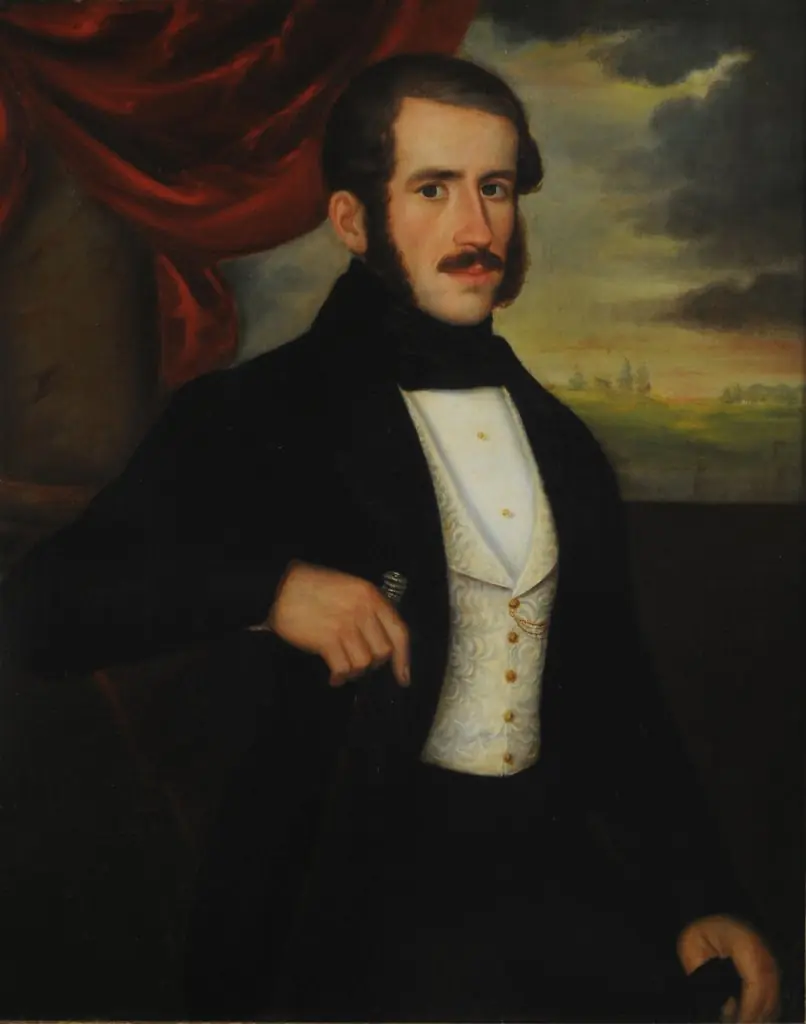 Retrato de Antonio Rodríguez Ro (Retrato de Antonio Rodriguez Roo)
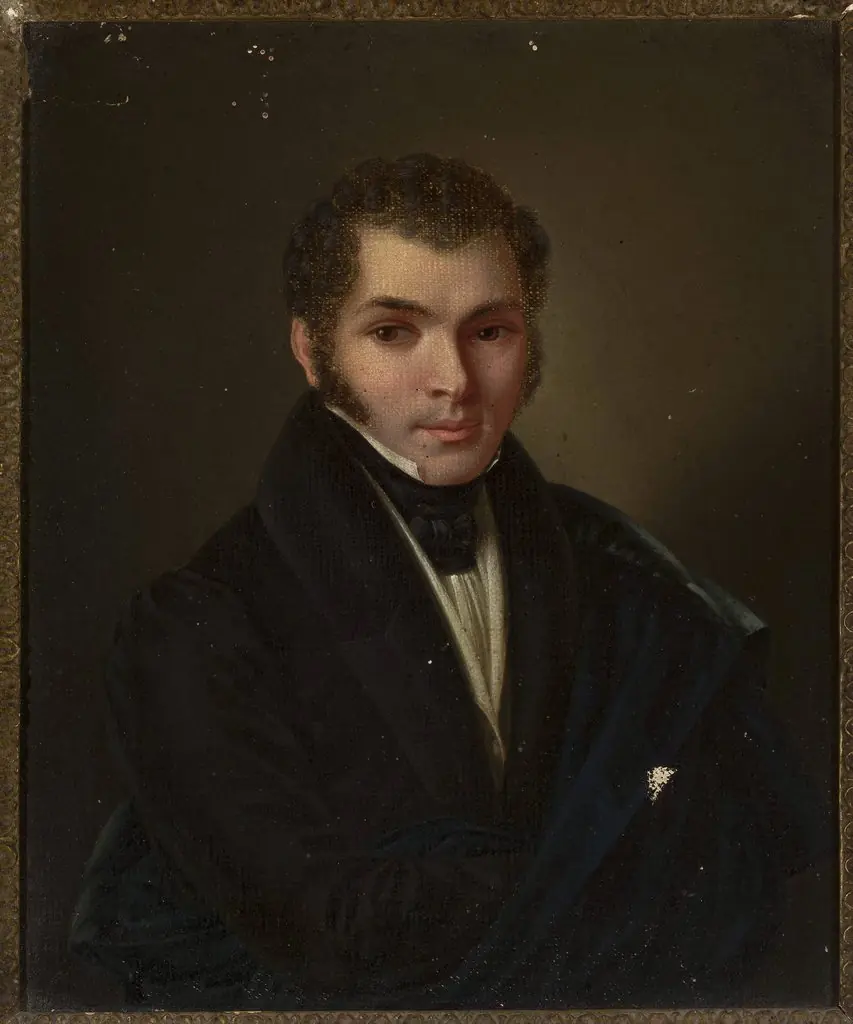 Portrait of Józef Szymanowski
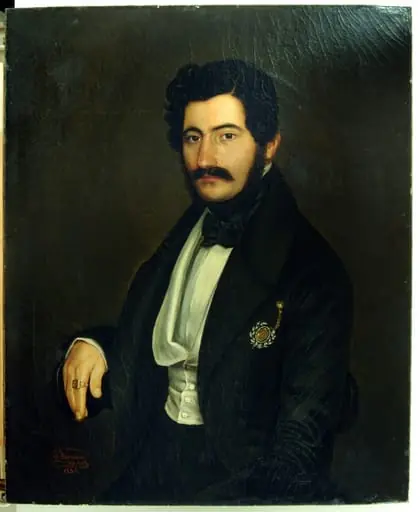 Aga Iancu Manu
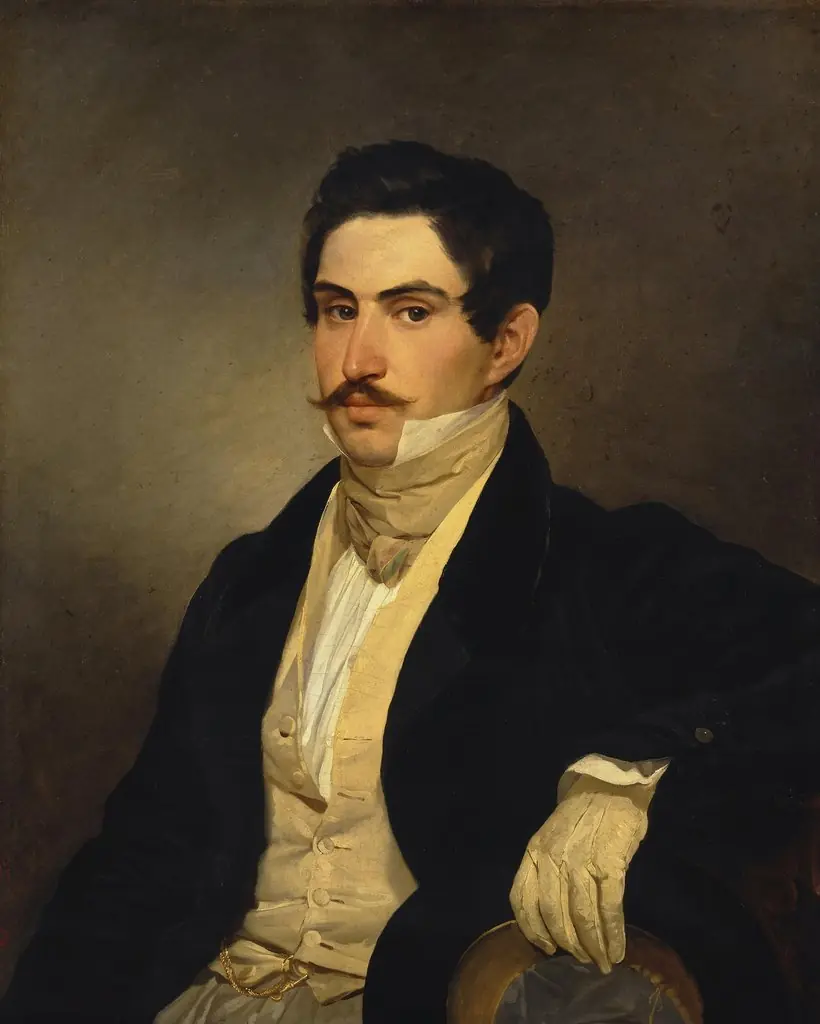 Portrait of N. A. Okhotnikov
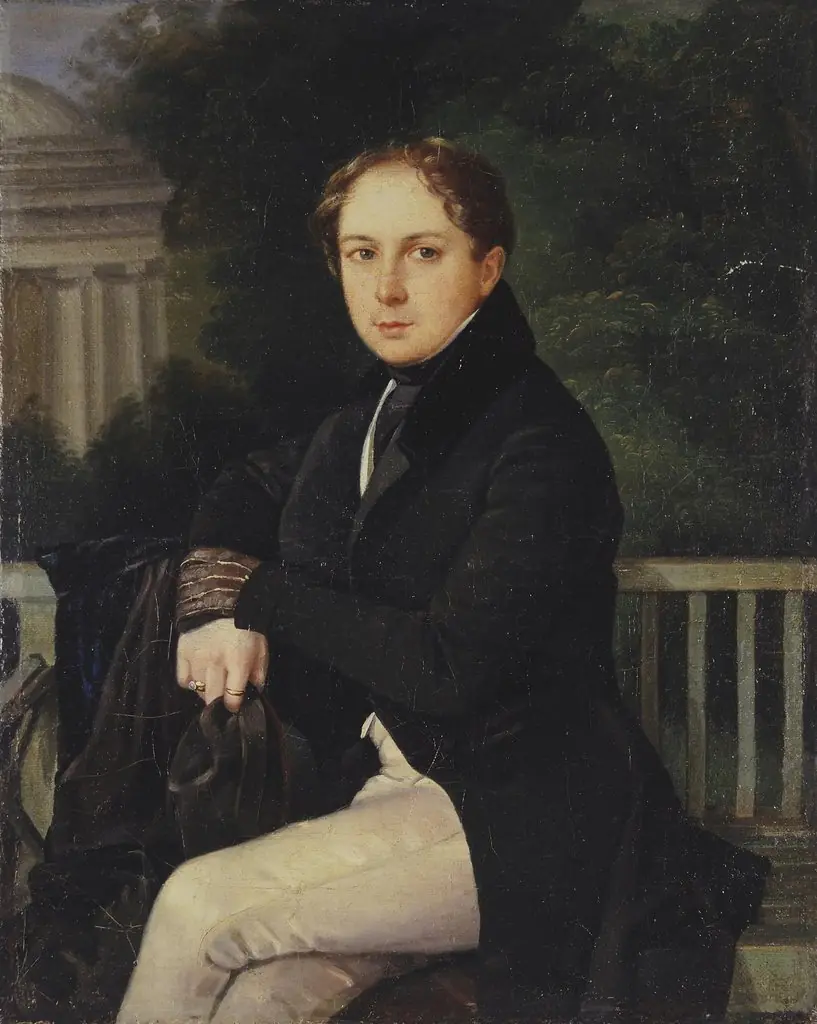 Portrait of an Unknown Man, a Stroganov Family Descendant
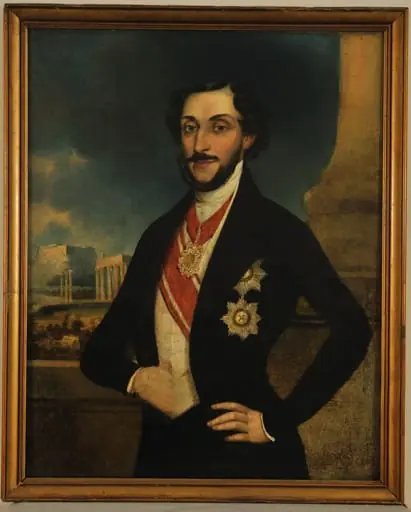 Știrbei Barbu la Acropole
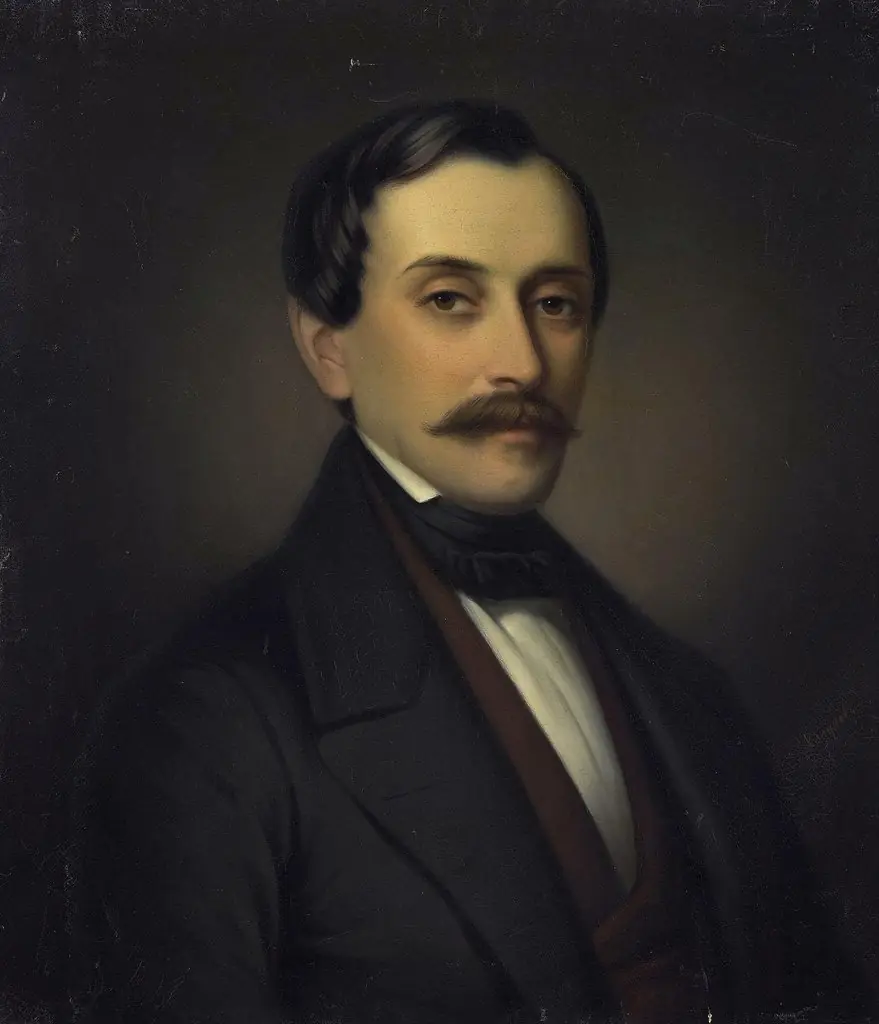 Portrait of Prince Nikolai Yusupov
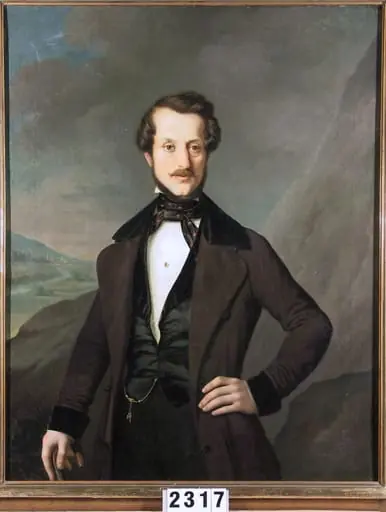 Portret de bărbat
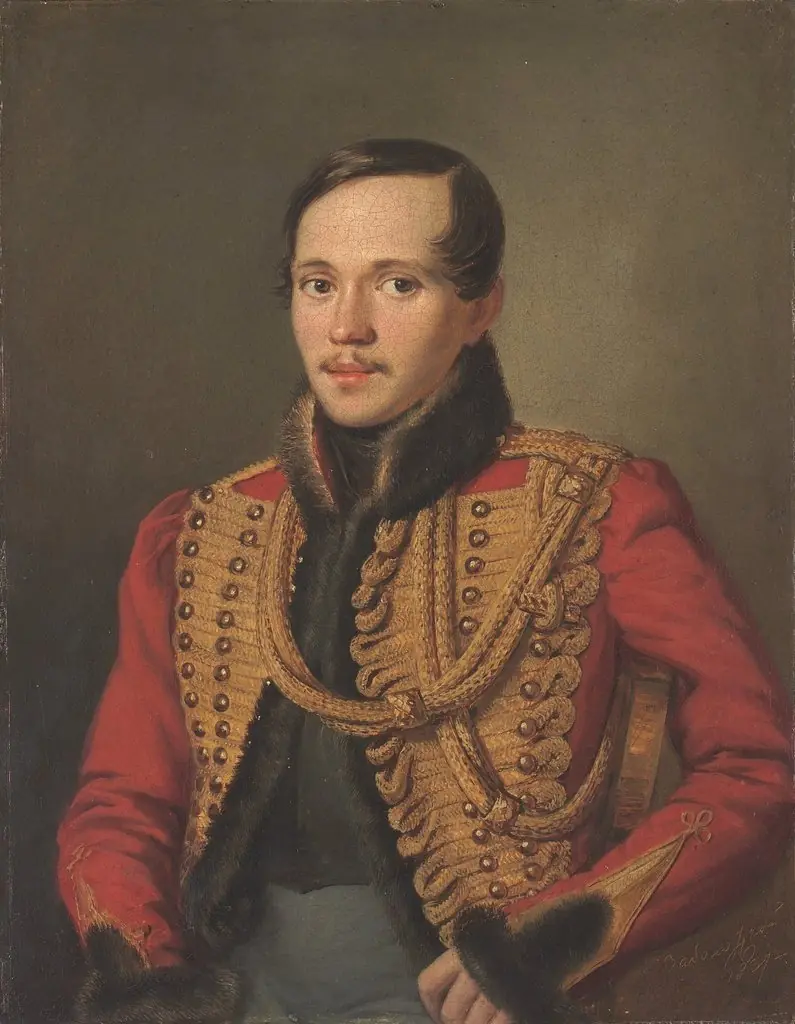 Mikhail Lermontov
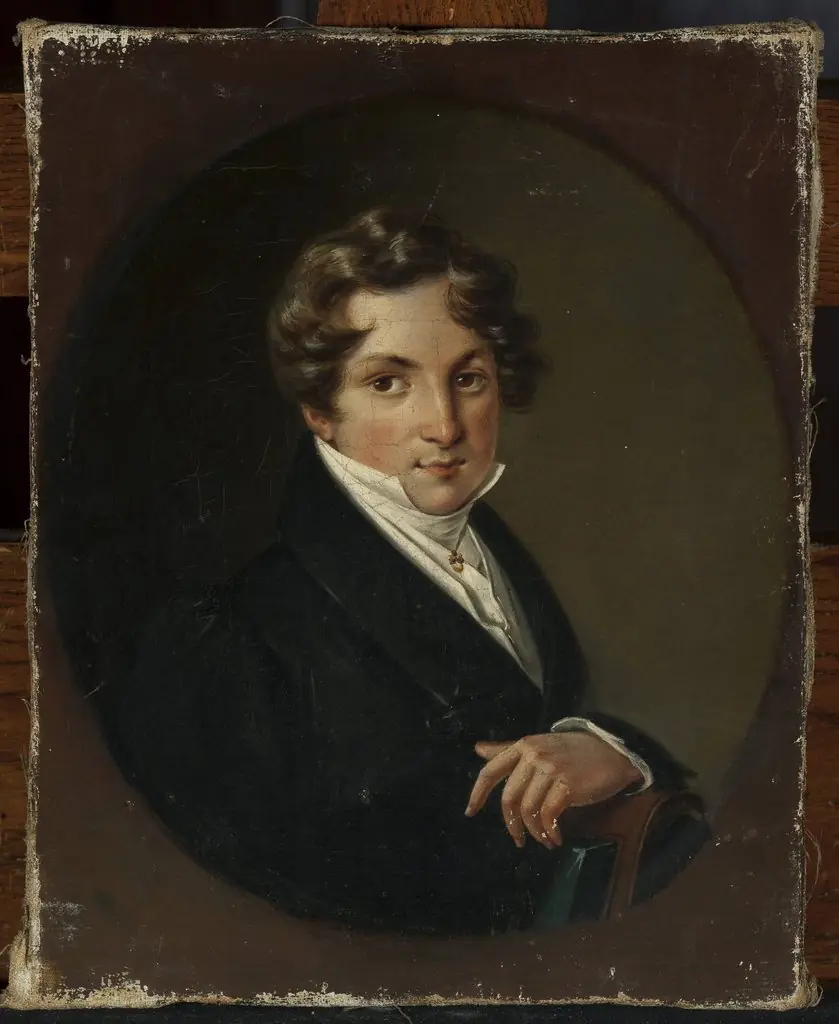 Portrait of Władysław Brunwej
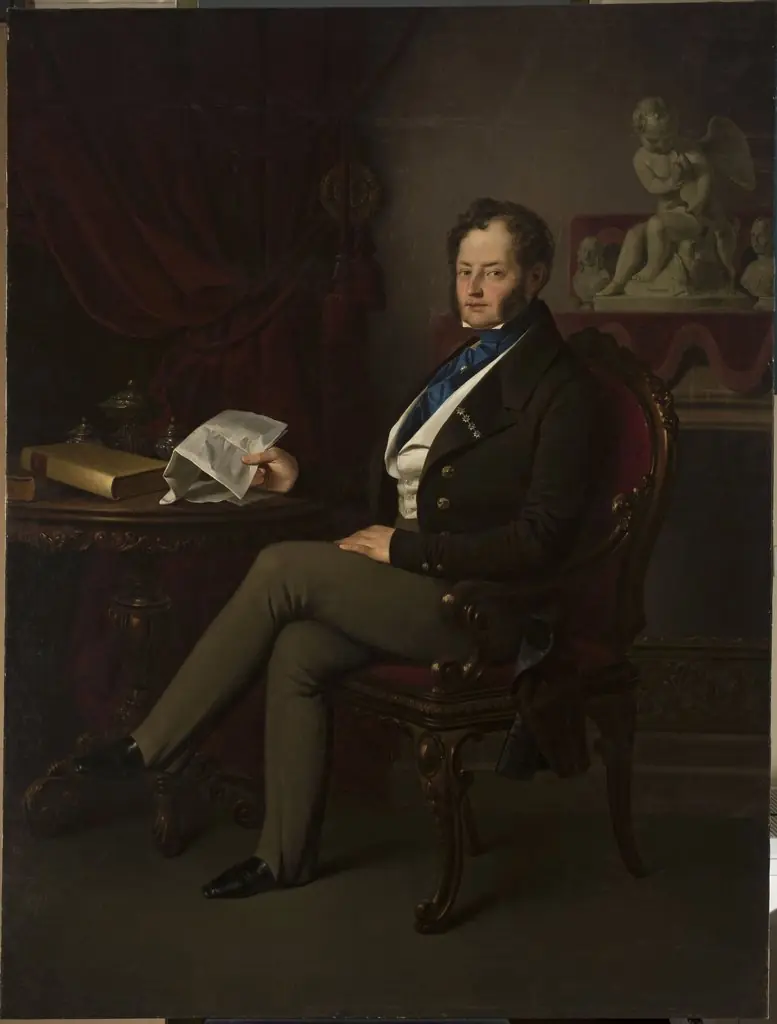 Portrait of Władysław Branicki, seated with a letter in his hand
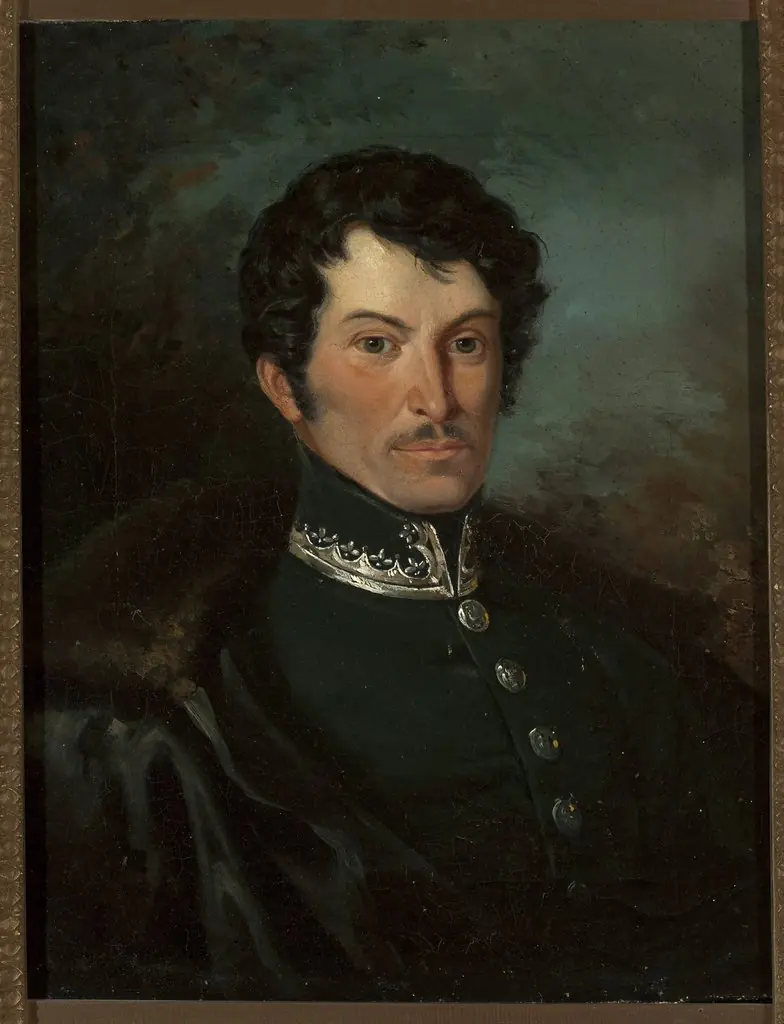 Portrait of Friedrich Christoph Dietrich