Artwork
The Triumphs of Caesar: Elephants
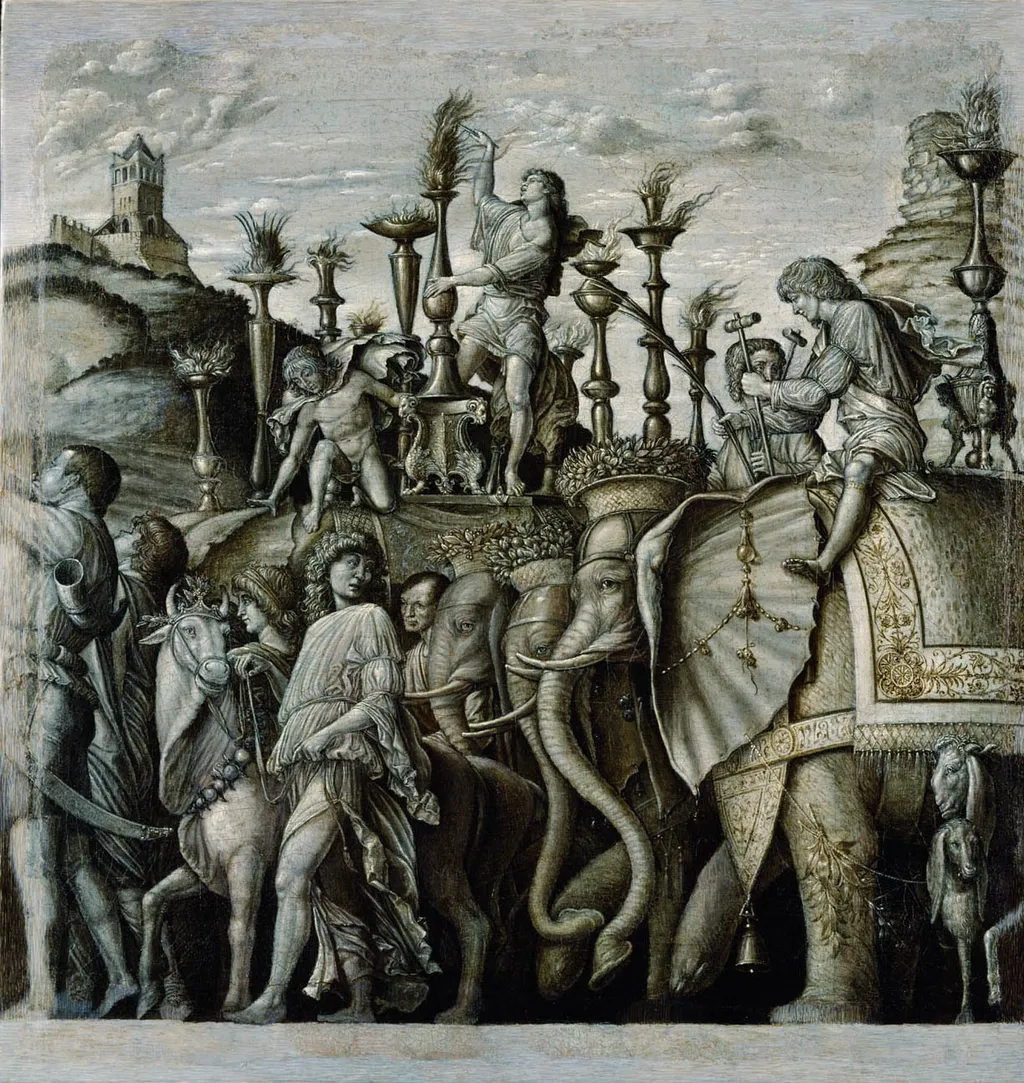
The Triumphs of Caesar: Elephants is an unspecified painting by the Barbizon school artist Unknown. It dates from 1605 and is held in the collection of the Kunsthistorisches Museum.
About this work
Overview
The canvas depicts a bustling parade dominated by a massive elephant at its centre, draped in a decorative blanket and bearing riders on its back. Around the animal, a crowd of figures moves forward beneath a cloudy sky, with architectural forms rising in the distance. The composition conveys a sense of forward momentum through its dense detailing and varied palette.
Subject & Meaning
The work illustrates a celebratory procession linked to the triumphs of Caesar, using the elephant as a symbol of power and exotic conquest. The presence of riders and elaborate adornments suggests a ceremonial display, while the surrounding participants reinforce the communal aspect of the triumphal spectacle.
Technique & Style
The artist employs meticulous brushwork to render a wide range of textures, from the rough skin of the elephant to the smooth fabrics of the blankets. A restrained colour scheme of dark browns, greys, and lighter beiges creates depth, while subtle highlights convey atmospheric conditions and the impression of movement across the scene.
History & Provenance
The painting is part of the collection of the Kunsthistorisches Museum in Vienna. Its acquisition history places the work within the museum’s broader holdings of European historical paintings, though specific details of its earlier ownership remain undocumented in the available records.
Context
Created during a period when European artists frequently revisited classical themes, the piece reflects contemporary interest in Roman history and imperial pageantry. The inclusion of elephants, rare in Roman triumphs, underscores the fascination with exotic elements that characterized 19th‑century historicist art.
Artist & collection

 Domestic Scene
 Giacomo and Cardinal Marco, investing Andrea, Abbot of San Zeno, with his Benefice
 The Nymph of Fontainebleau
 Portrait of a Woman
 Madonna and Child with Saints in the Enclosed Garden
 Venus and Minerva
 Family Group of Four on Sofa
 Wall painting from Room H of the Villa of P. Fannius Synistor at Boscoreale
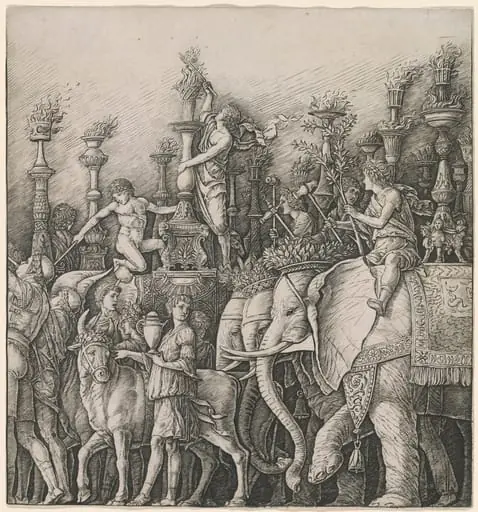 The Triumph of Caesar: The Elephants
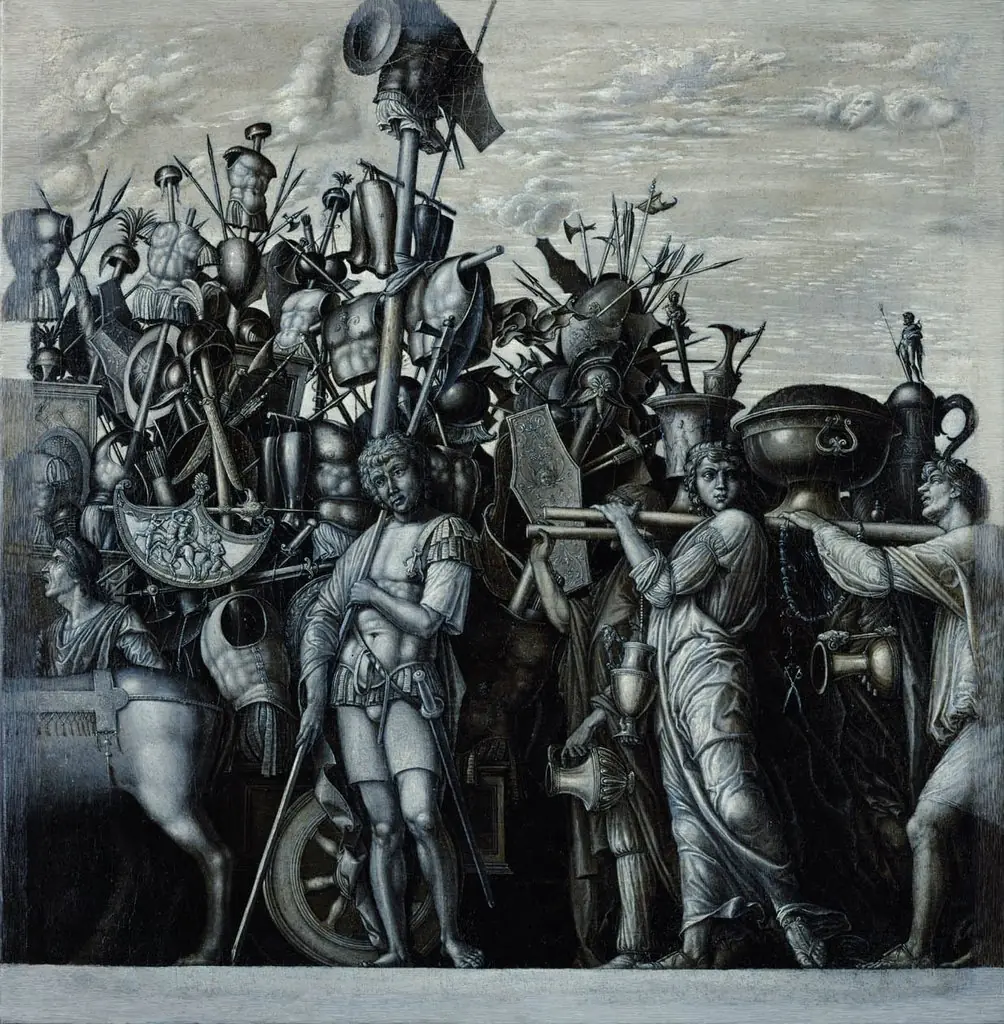 Triumphs of Caesar: The Trophy Bearers
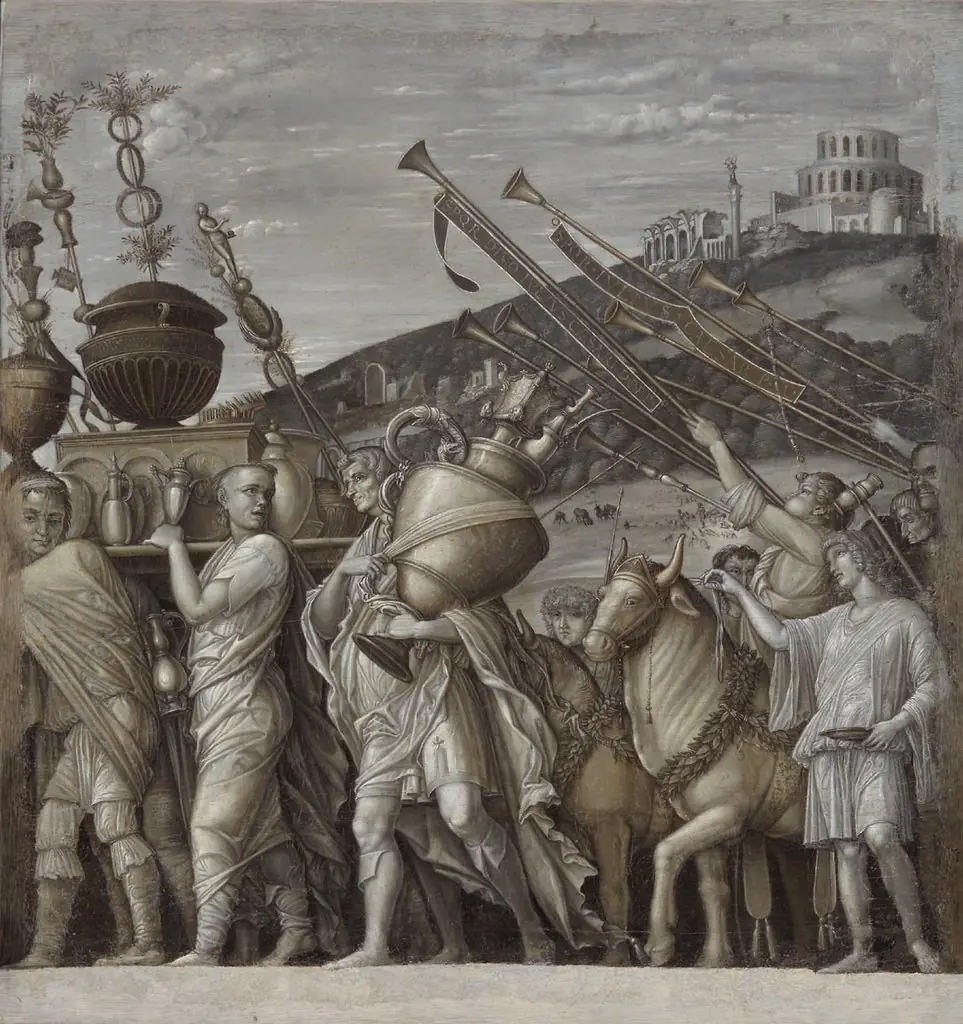 Triumphs of Caesar: Sacrificial Animals
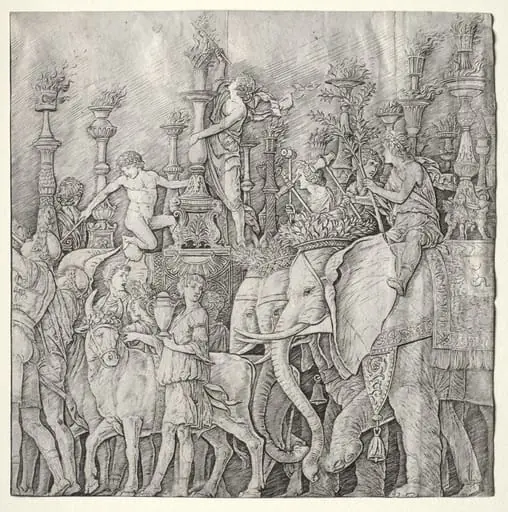 The Triumphs of Caesar: The Elephants
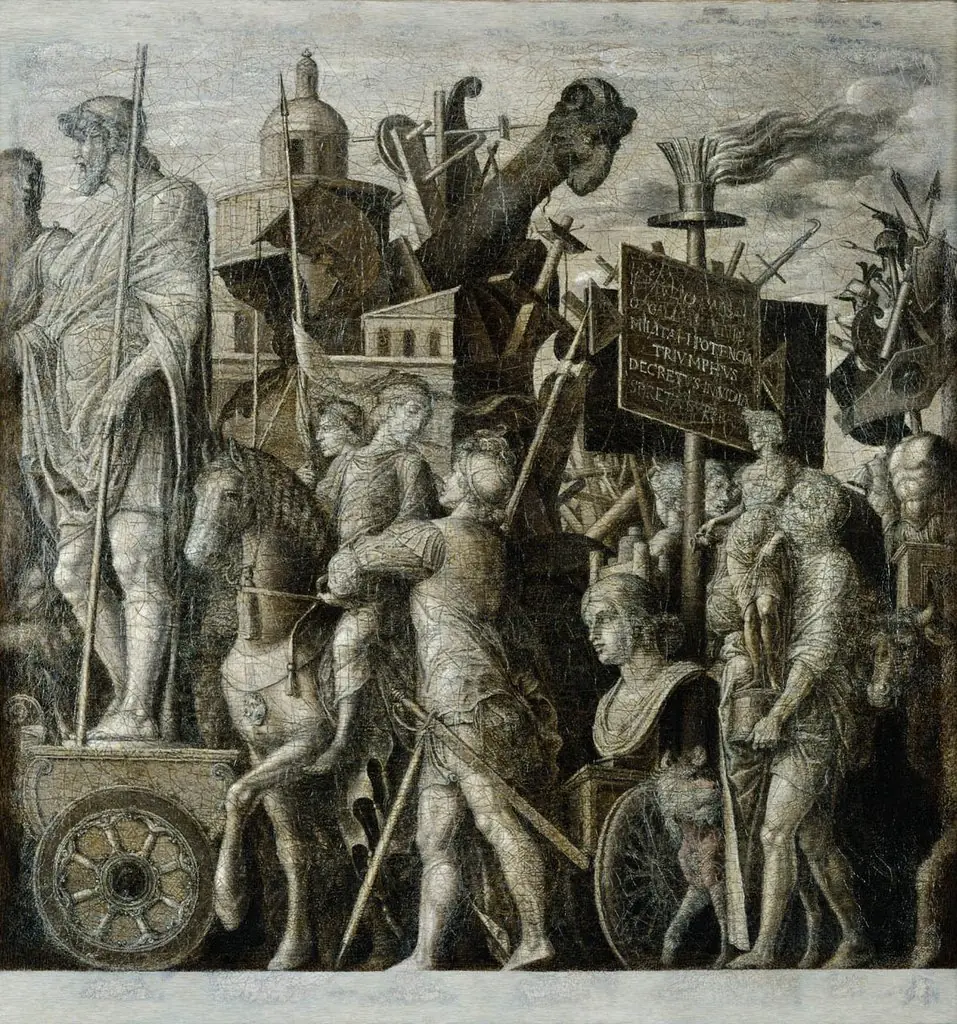 Triumphs of Caesar: Statues of Gods and Siege Equipment
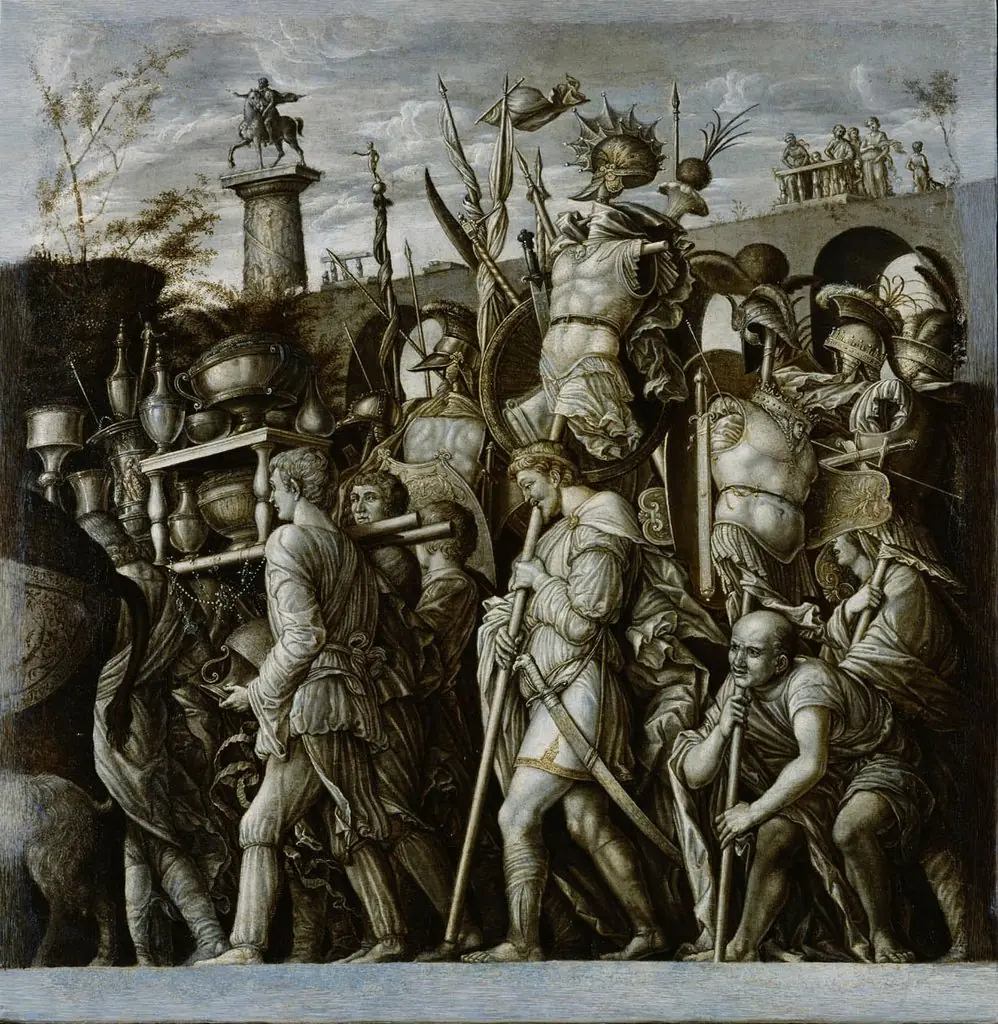 Triumphs of Caesar: Corselet Bearers
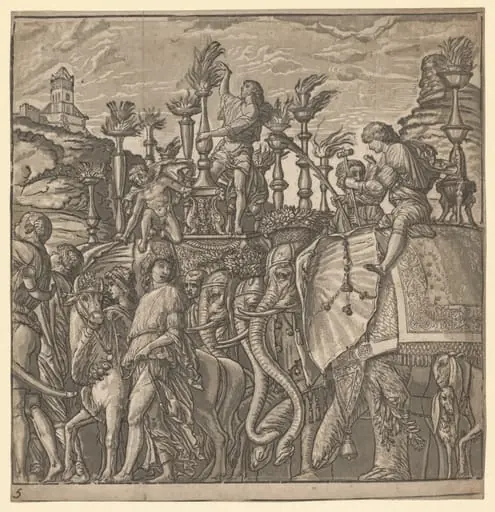 The Triumph of Julius Caesar: Elephants Carrying Torches
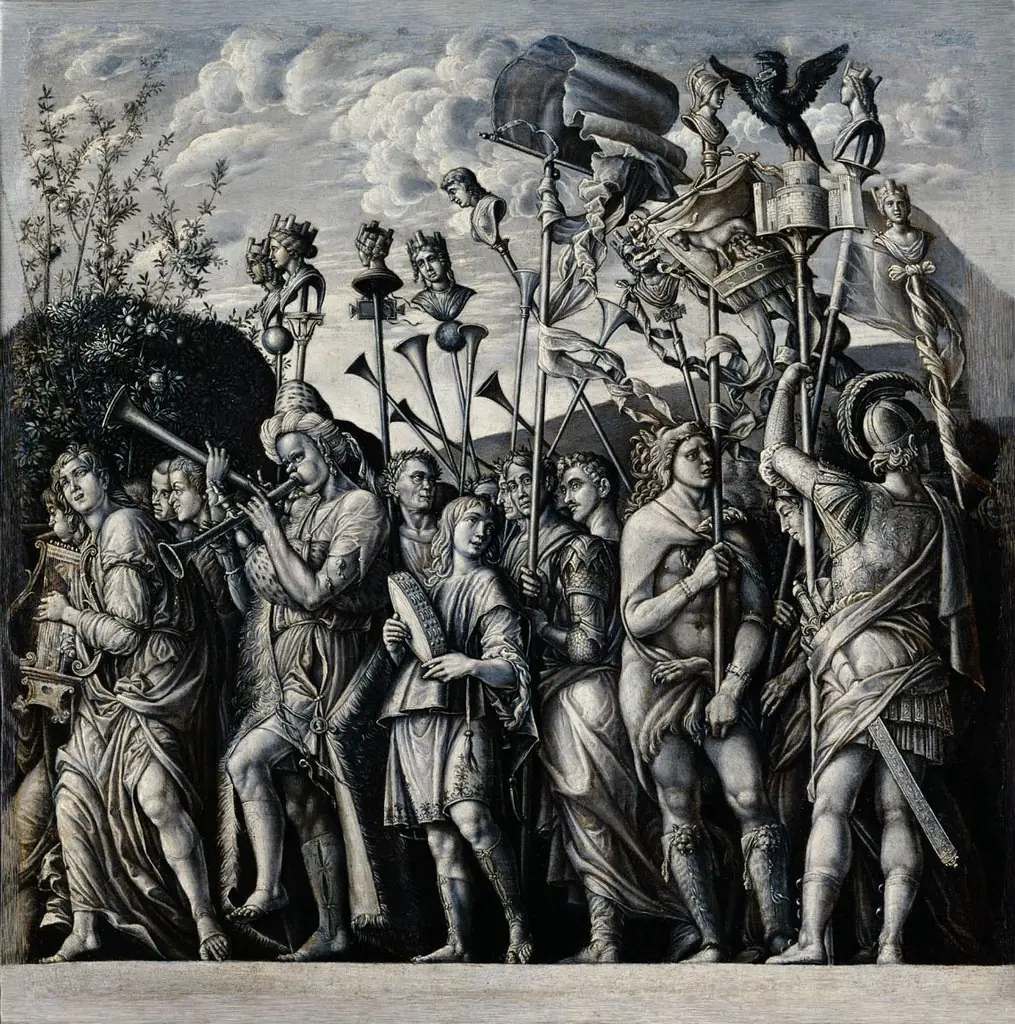 Triumphs of Caesar: Musicians and Standard Bearers
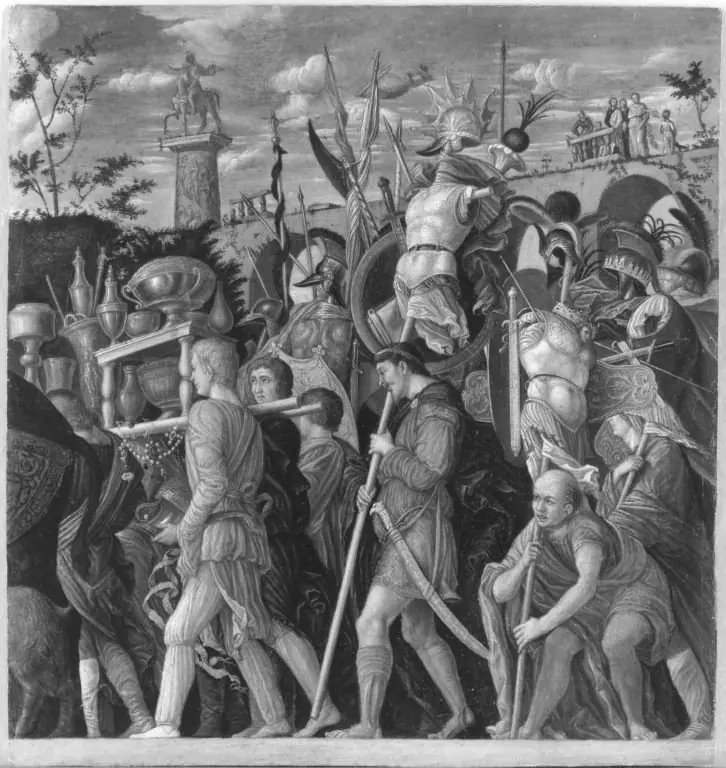 Triumphs of Caesar III
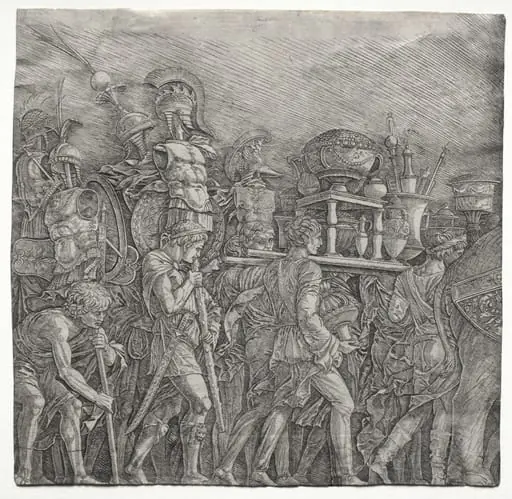 The Triumphs of Caesar: The Corselet Bearers
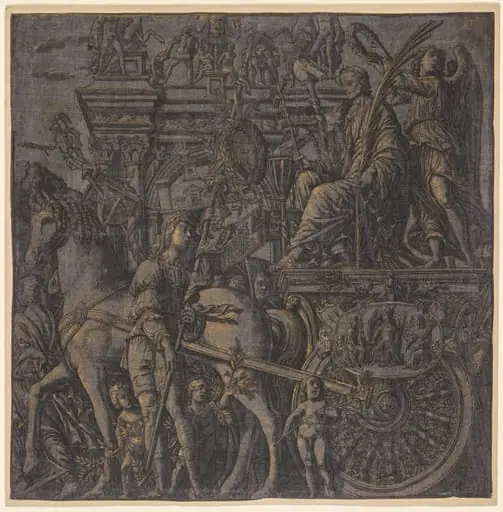 The Triumph of Julius Caesar: Caesar Triumphant
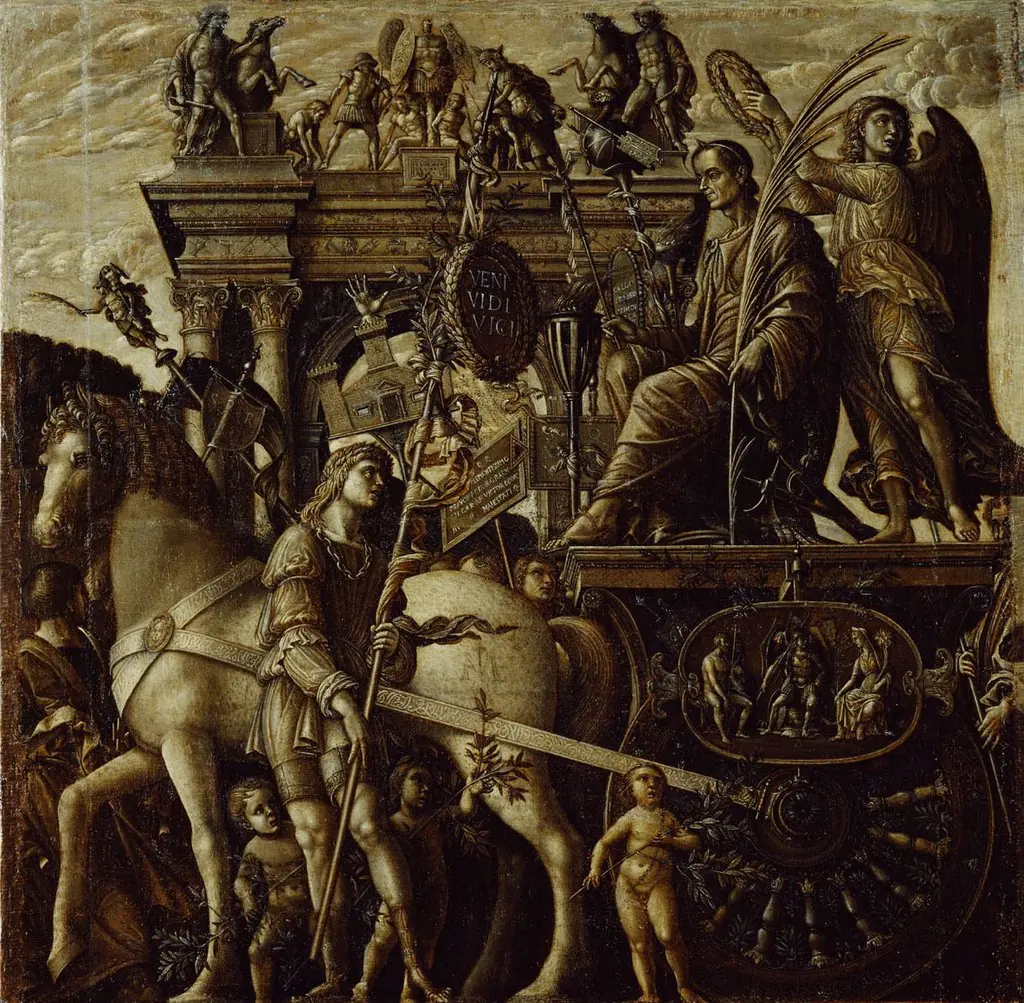 Triumphs of Caesar: Caesar on the Triumphal Chariot