Artwork
The Triumphs of Caesar: The Elephants
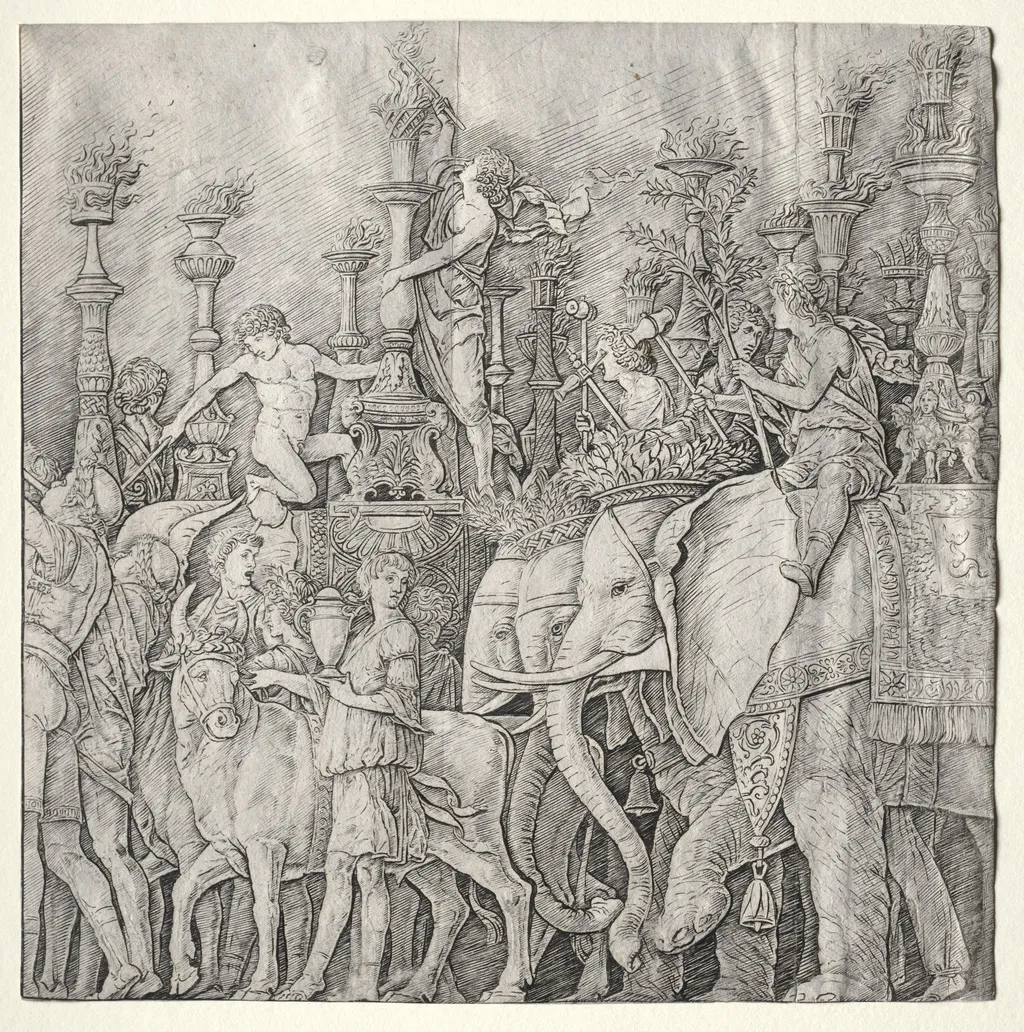
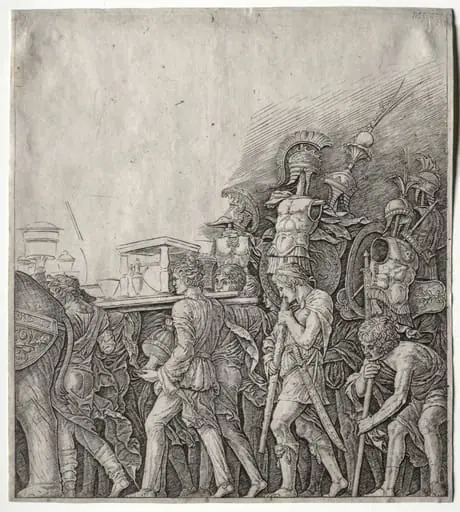
The Triumphs of Caesar: The Elephants is a print by the Renaissance artist Giulio Campagnola. It dates from 1488 and is held in the collection of the Cleveland Museum of Art.
About this work
Overview
Created around 1488 by Giulio Campagnola, this black-and-white print is part of a larger series depicting the triumphal procession of Julius Caesar.
Created around 1488 by Giulio Campagnola, this black-and-white print is part of a larger series depicting the triumphal procession of Julius Caesar. Rendered in pen and ink with subtle washes, it captures a moment of imperial spectacle through meticulous linear detail. The work is held in the collection of The Cleveland Museum of Art, where it exemplifies early Renaissance interest in classical antiquity and narrative complexity.
Subject & Meaning
The scene centers on a massive elephant bearing a ceremonial tower, symbolizing Caesar’s conquests and the exotic wealth of his campaigns. Surrounding figures—soldiers, attendants, and standard-bearers—form a disciplined procession, reinforcing themes of order and imperial authority. The inclusion of elephants, rare in Europe, underscores Rome’s reach and the grandeur of its military triumphs, blending historical memory with idealized spectacle.
Technique & Style
Campagnola employed fine pen lines and delicate ink washes to render texture and depth without color. The composition is densely packed with figures and architectural elements, each rendered with precise attention to drapery, weaponry, and banner patterns. The use of linear perspective and overlapping forms creates a sense of spatial depth, while the rhythmic repetition of spears and banners enhances the parade’s momentum and formality.
History & Provenance
This print belongs to a series of nine works illustrating Caesar’s triumph, likely commissioned for a private patron interested in classical themes. Campagnola’s prints were circulated among humanist circles in northern Italy, where interest in Roman antiquity was flourishing. The work entered The Cleveland Museum of Art’s collection in the 20th century, having passed through several private holdings since the Renaissance.
Context
Created during the early Renaissance, the print reflects a revival of classical subjects among Italian artists and patrons. While Venice and Padua were centers of printmaking, Campagnola’s work bridges the gap between manuscript illumination and emerging print culture. The emphasis on historical narrative and detailed realism aligns with broader humanist trends seeking to revive and reinterpret ancient Roman ideals.
Legacy
Campagnola’s series influenced later Renaissance printmakers through its narrative ambition and technical precision. Though not widely reproduced in his time, the works became reference points for artists studying classical themes. Today, they remain important examples of how early printmaking served as a vehicle for disseminating historical and cultural ideals beyond elite manuscript circles.
Artist & collection

Artist
Giulio Campagnola (Italian: ; c. 1482 – c. 1515) was an Italian engraver and painter, whose few, rare, prints translated the rich Venetian Renaissance style of oil paintings of Giorgione and the early Titian into the…

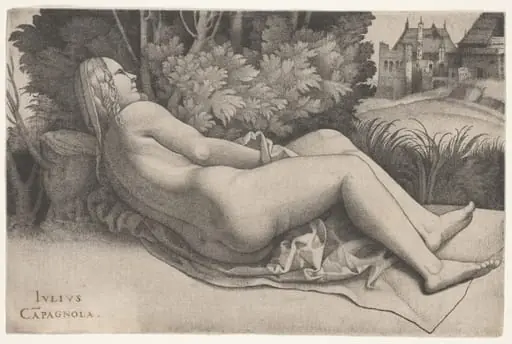
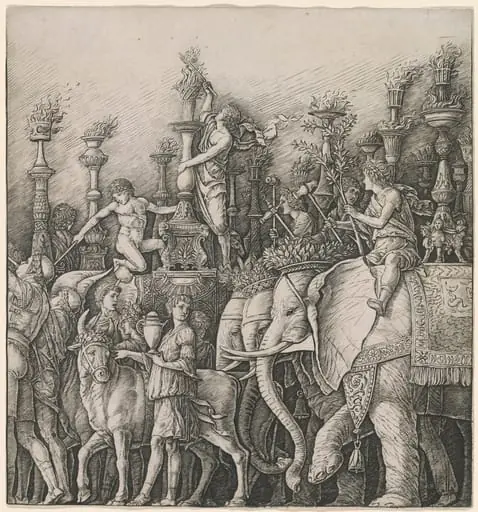 The Triumph of Caesar: The Elephants
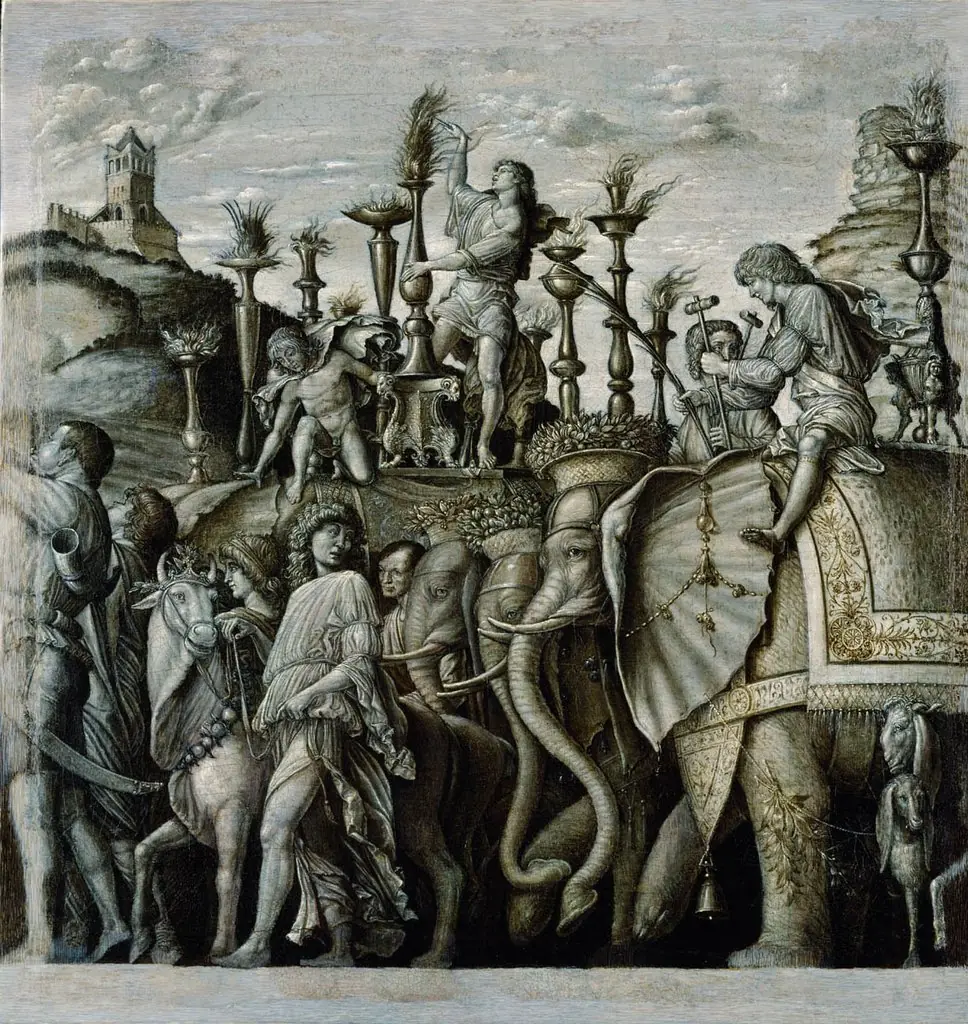 The Triumphs of Caesar: Elephants
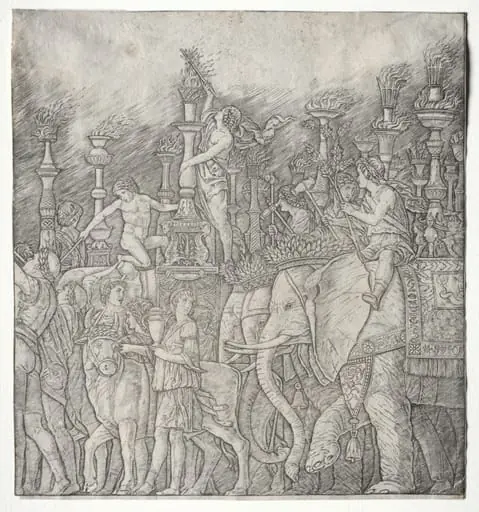 The Triumphs of Caesar: The Elephants
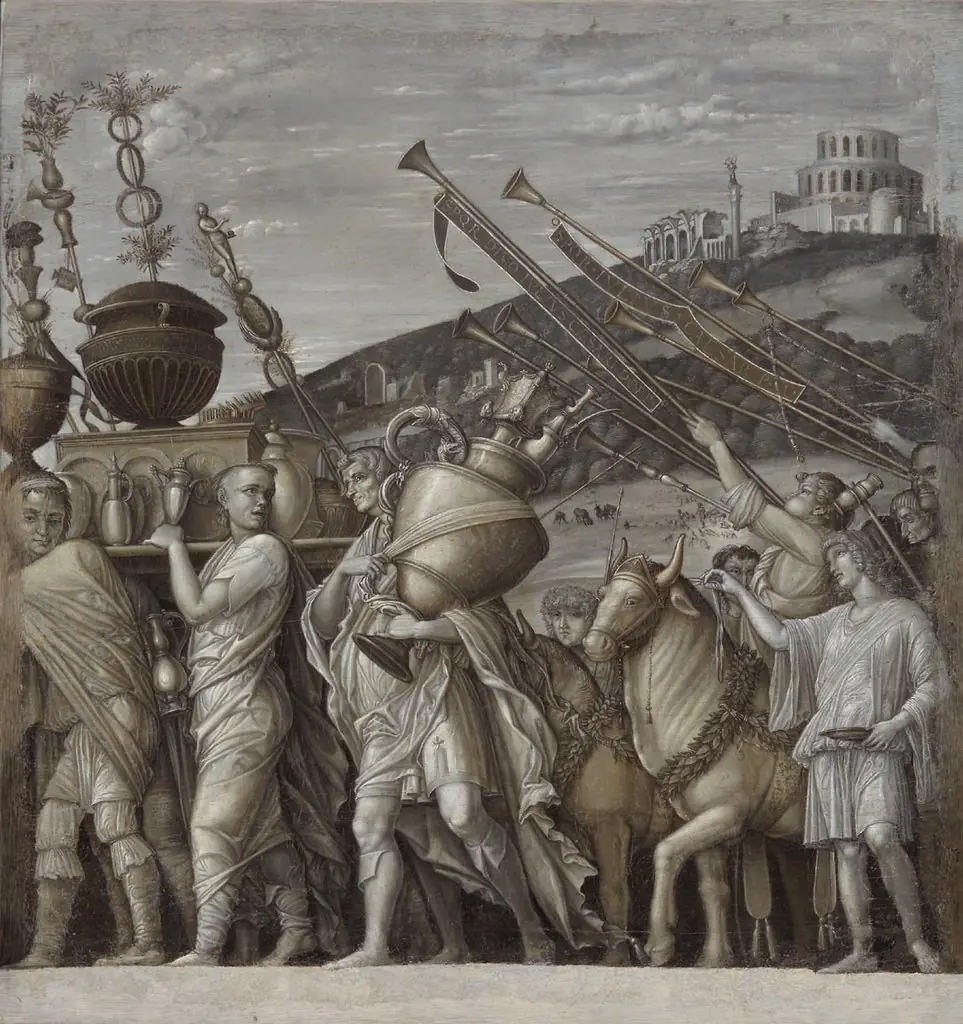 Triumphs of Caesar: Sacrificial Animals
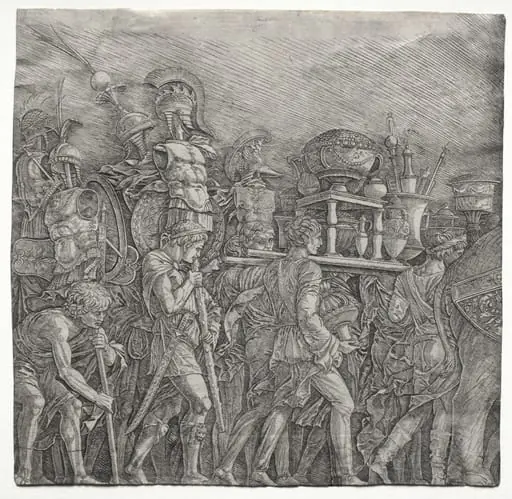 The Triumphs of Caesar: The Corselet Bearers
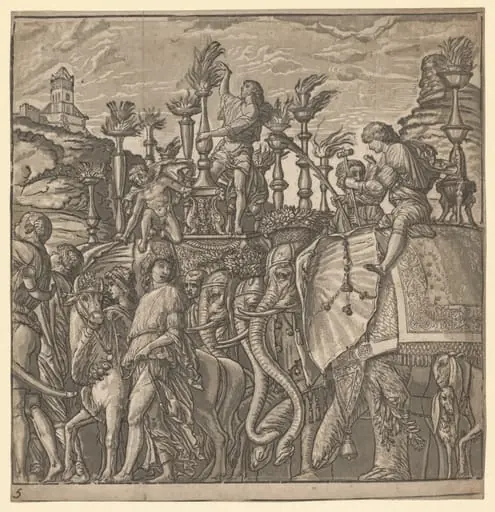 The Triumph of Julius Caesar: Elephants Carrying Torches
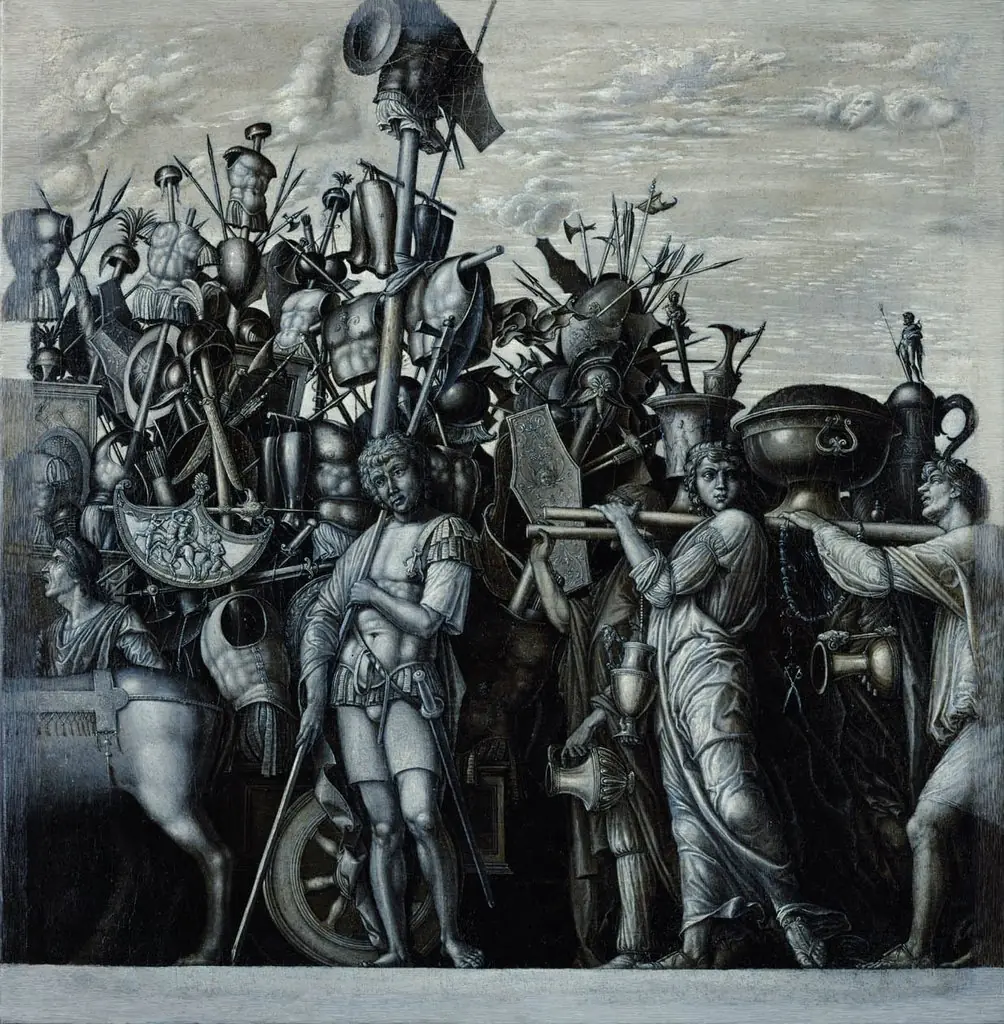 Triumphs of Caesar: The Trophy Bearers
![The Triumph of Julius Caesar [no.3 and 4 plus 2 columns], by Andrea Andreani](https://artifactworldgallery.com/img/andrea-andreani--the-triumph-of-julius-caesar-no-3-and-4-plus-2-columns--58c944449efc96df-w320.webp) The Triumph of Julius Caesar [no.3 and 4 plus 2 columns]
The Triumph of Julius Caesar [no.3 and 4 plus 2 columns]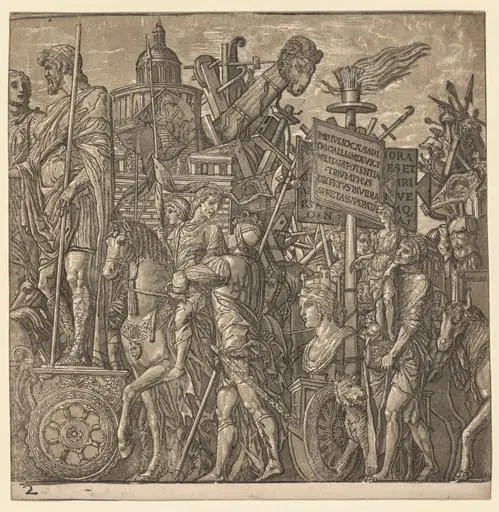 The Triumph of Julius Caesar: Colossal Statues and Siege Equipment
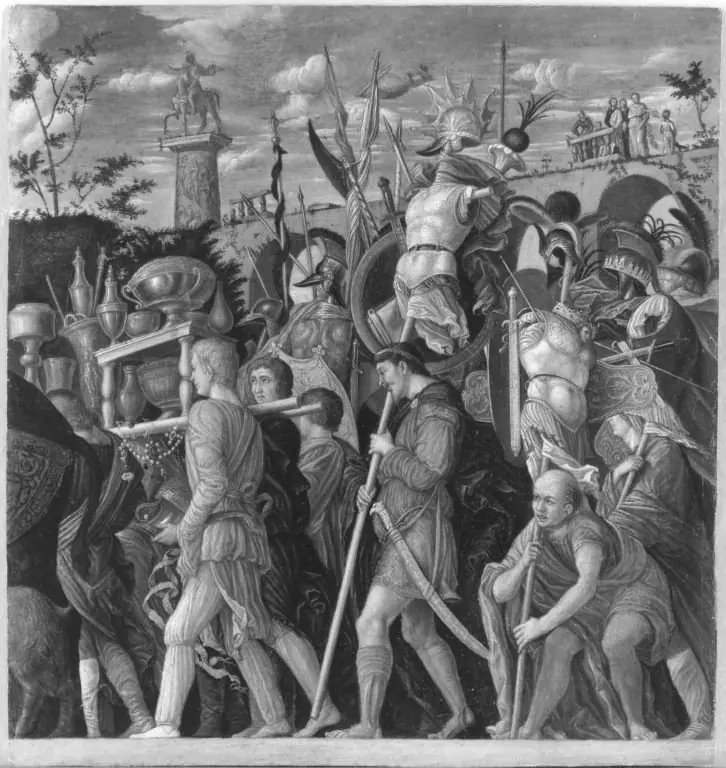 Triumphs of Caesar III
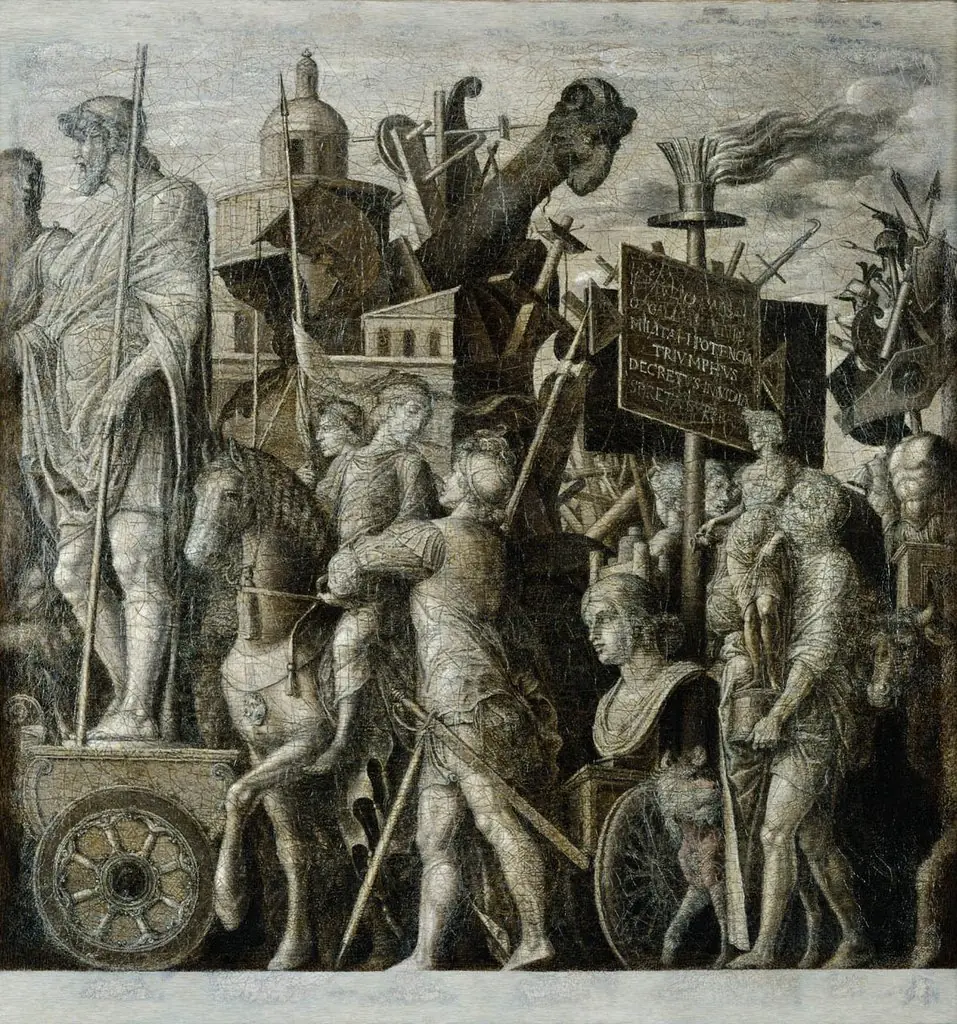 Triumphs of Caesar: Statues of Gods and Siege Equipment
![The Triumph of Julius Caesar [no.5 and 6 plus 2 columns], by Andrea Andreani](https://artifactworldgallery.com/img/andrea-andreani--the-triumph-of-julius-caesar-no-5-and-6-plus-2-columns--89574bdb08c8732e-w320.webp) The Triumph of Julius Caesar [no.5 and 6 plus 2 columns]
The Triumph of Julius Caesar [no.5 and 6 plus 2 columns]