Artwork
Bildnis des Willem Lodewijk, Graf von Nassau-Dietz (1560-1620)
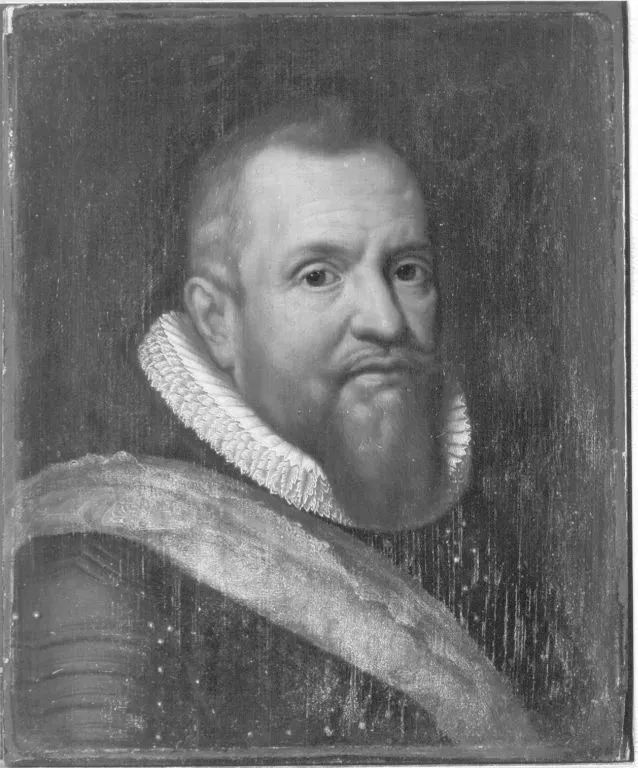
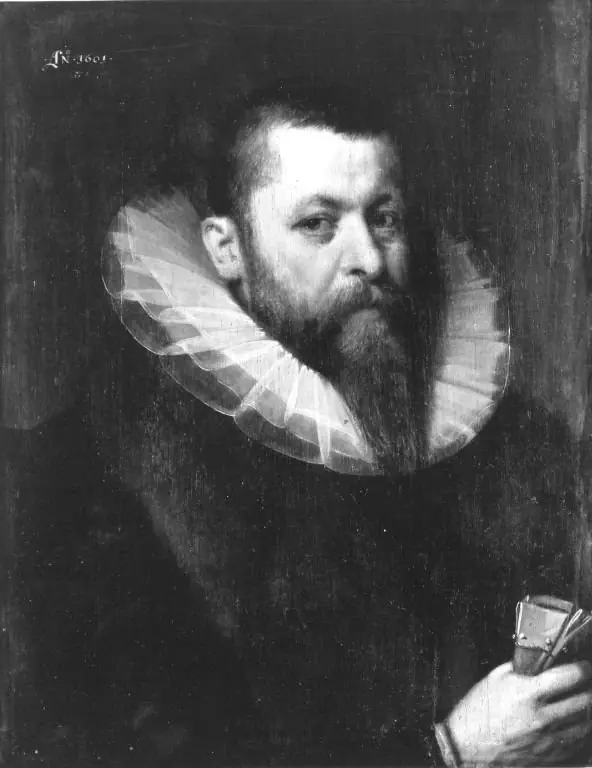
Bildnis des Willem Lodewijk, Graf von Nassau-Dietz (1560-1620) is an unspecified painting by the Mannerist artist Unknown. It dates from 1563 and is held in the collection of the Bavarian State Painting Collections. The work is a monochrome portrait of Willem Lodewijk, Count of Nassau‑Dietz, a Dutch nobleman who lived from 1560 to 1620.
About this work
Overview
The work is a monochrome portrait of Willem Lodewijk, Count of Nassau‑Dietz, a Dutch nobleman who lived from 1560 to 1620. Rendered in a subdued palette, the figure is presented against a plain dark background, his expression solemn and his attire formal. The painting’s surface shows signs of age, with fading and minor scratches that attest to its long history.
Subject & Meaning
Willem Lodewijk is depicted in full regalia, wearing a dark robe edged with fur and a high, stiff collar typical of late‑Renaissance aristocratic dress. His neatly trimmed beard and short hair convey the conventions of male portraiture of the period, emphasizing status and dignity. The serious demeanor aligns with the portrait’s function as a visual record of rank and lineage.
Technique & Style
The artist employs chiaroscuro, using strong contrasts of light and shadow to model the sitter’s face and give it a three‑dimensional presence. The limited tonal range enhances the texture of the fur‑trimmed garment and the smoothness of the skin. Brushwork is restrained, focusing on precise delineation rather than decorative flourish, which reinforces the portrait’s sober tone.
History & Provenance
The painting’s exact origin and creator remain unidentified, but its condition suggests it has been in private or institutional collections for several centuries. Surface wear, including scratches and fading, indicates prolonged handling and exposure, typical of works that have passed through multiple owners before reaching a museum or archive.
Context
Created in the late 16th or early 17th century, the portrait reflects the Dutch noble class’s desire for realistic yet dignified representations. The use of chiaroscuro aligns with broader European trends influenced by artists such as Caravaggio, who popularized dramatic lighting to convey psychological depth in portraiture.
Legacy
Although not widely reproduced, the portrait serves as a valuable visual document of Willem Lodewijk’s appearance and attire, contributing to genealogical research and the study of Dutch aristocratic portrait conventions. Its preservation offers insight into the material culture and artistic practices of the period.
Artist & collection

 Domestic Scene
 Giacomo and Cardinal Marco, investing Andrea, Abbot of San Zeno, with his Benefice
 The Nymph of Fontainebleau
 Portrait of a Woman
 Madonna and Child with Saints in the Enclosed Garden
 Venus and Minerva
 Family Group of Four on Sofa
 Wall painting from Room H of the Villa of P. Fannius Synistor at Boscoreale
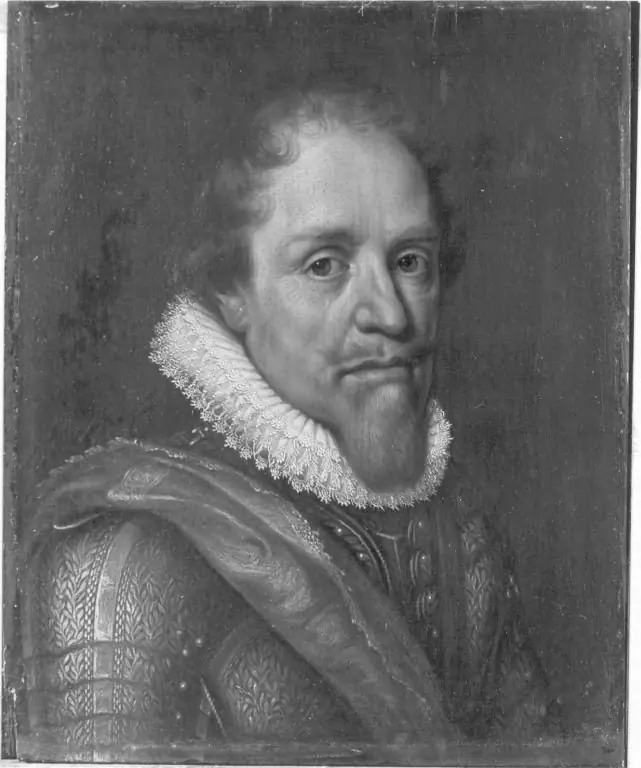 Bildnis des Maurits, Prins van Oranje (1567-1625)
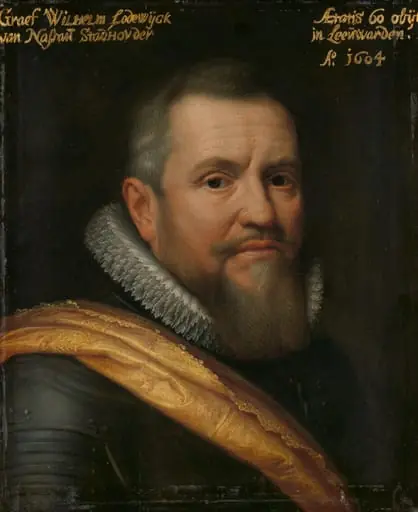 Untitled
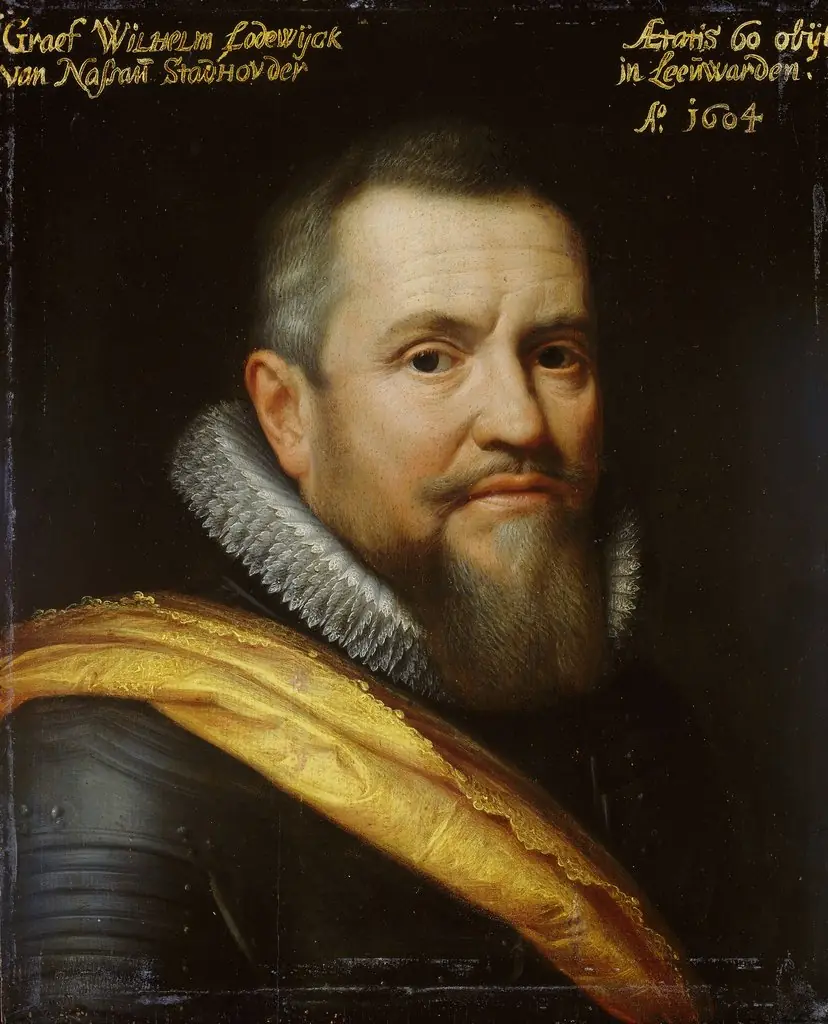 Portrait of Willem Lodewijk (1560-1620), Count of Nassau, nicknamed in Frisian 'us heit' (our father)
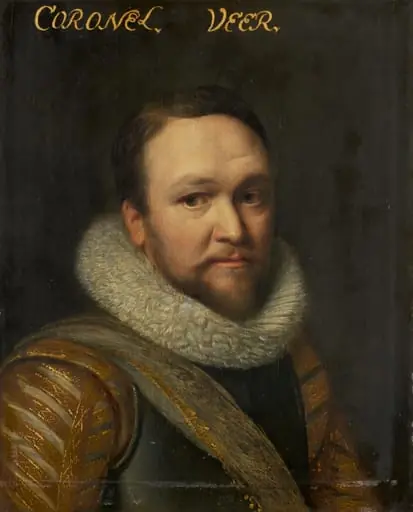 Untitled
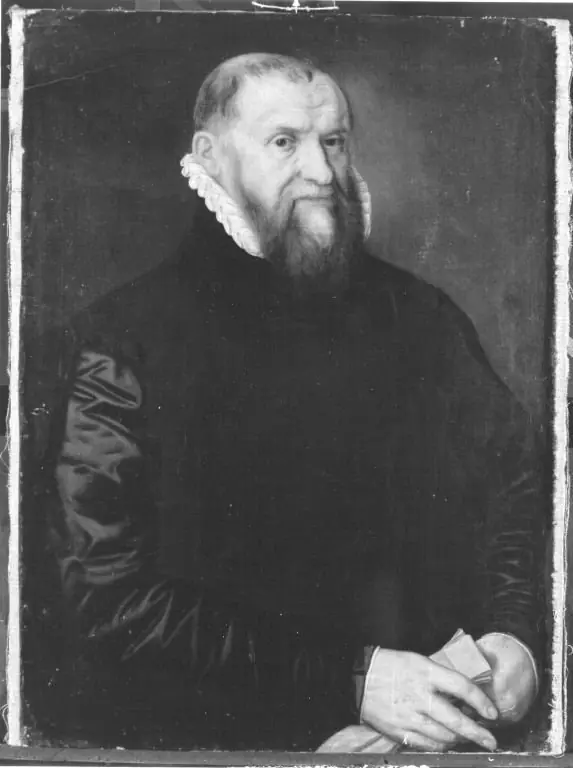 Bildnis eines Mannes (Art des)
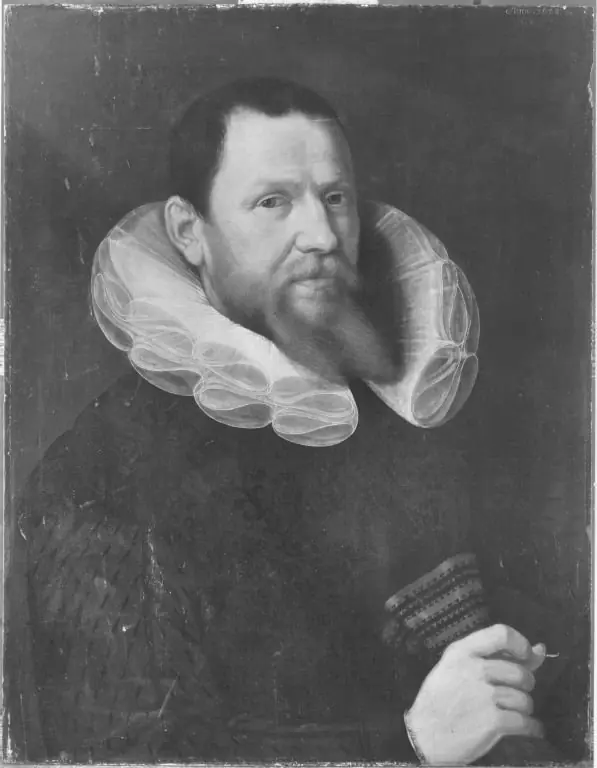 Bildnis eines Mannes
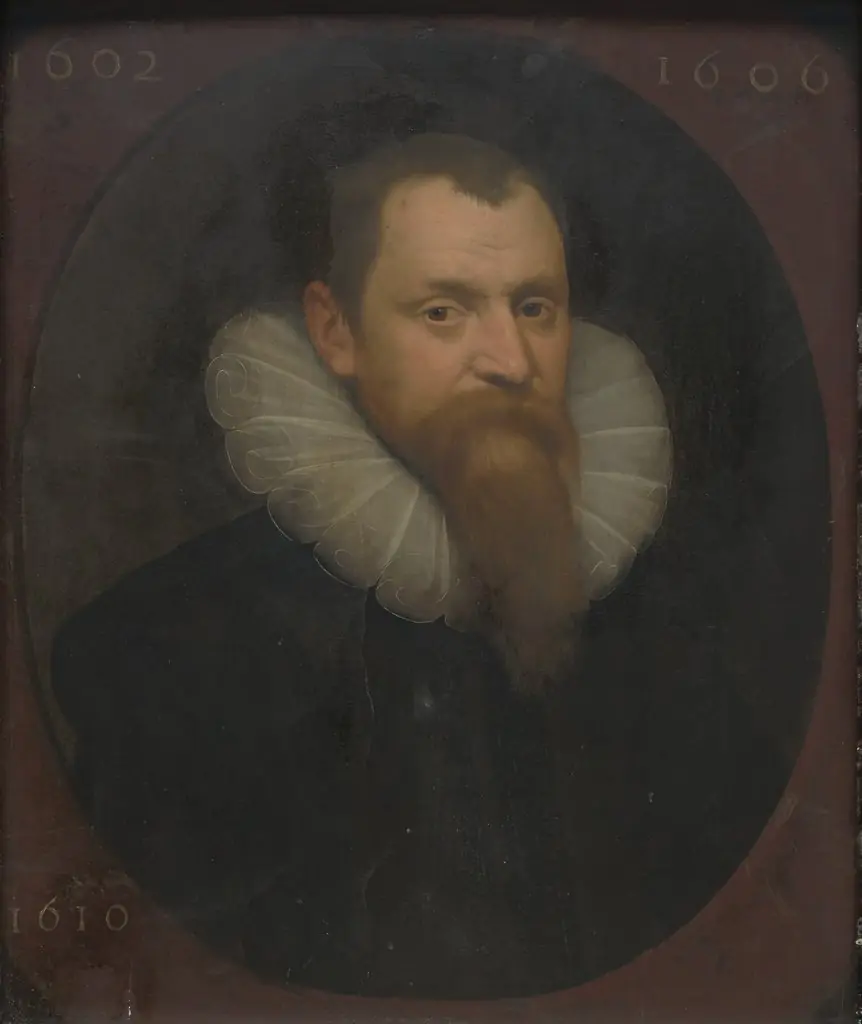 Portrait of a Man
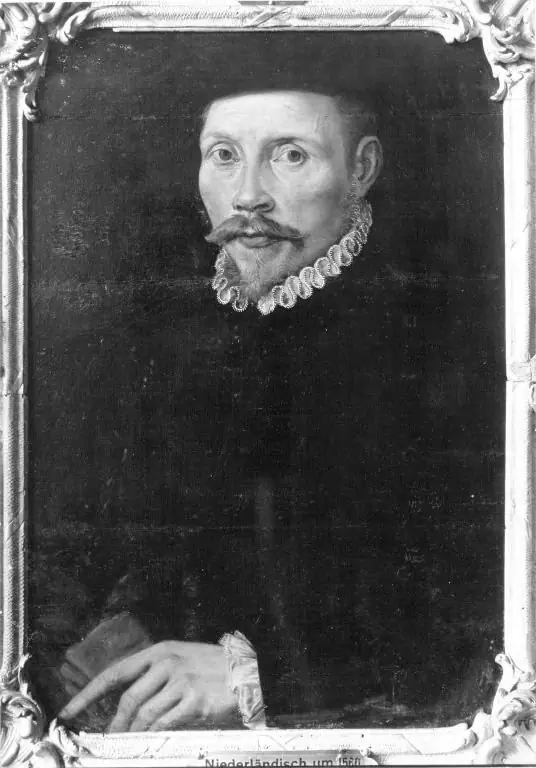 Bildnis eines Mannes
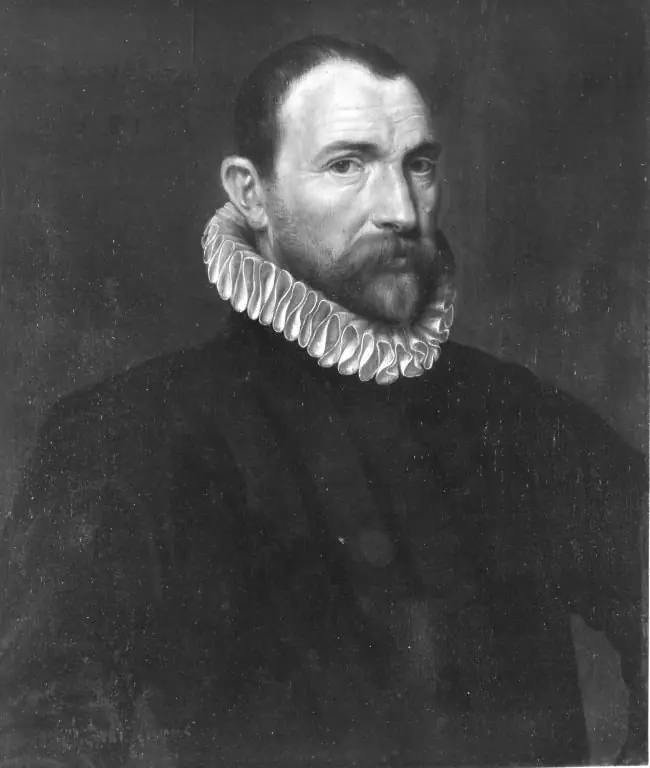 Portrait of an unknown man
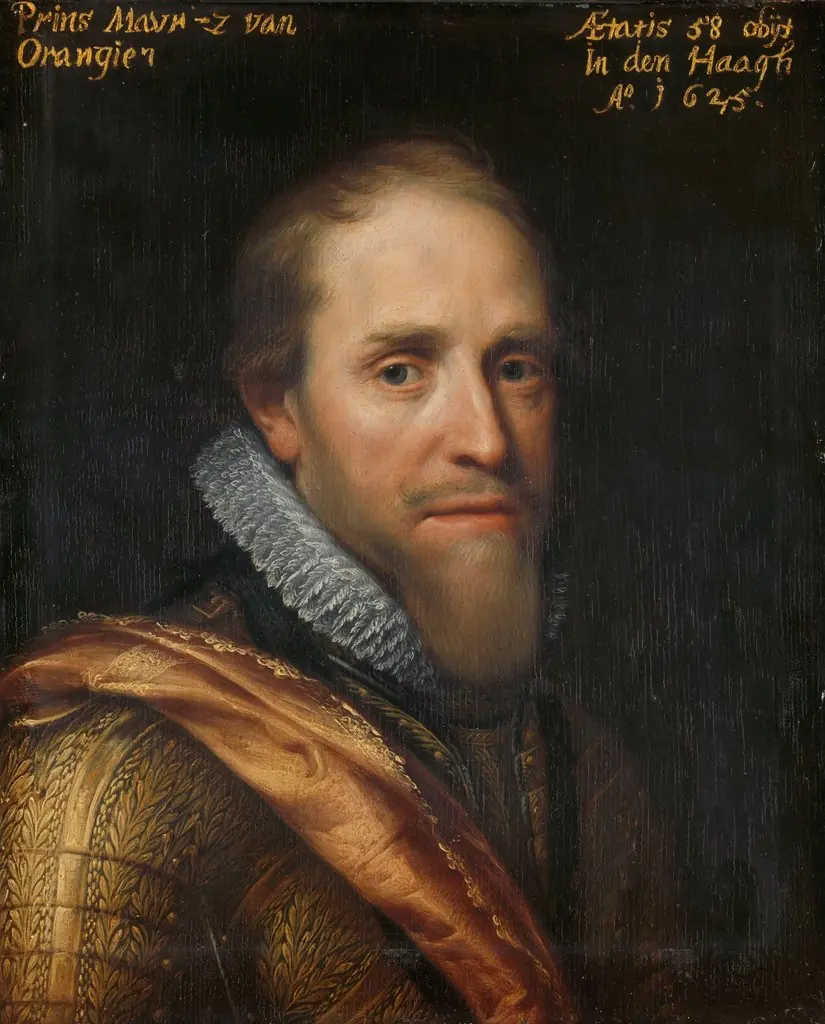 Portrait of Maurits (1567-1625), Prince of Orange
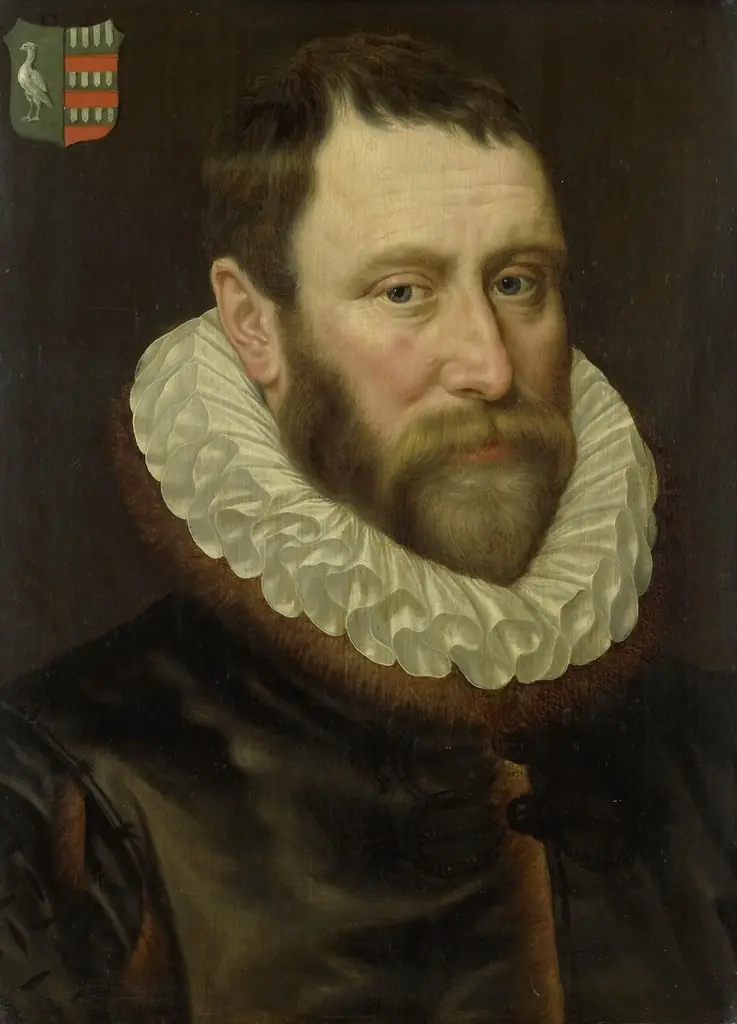 Portrait of Jacob Bas Claesz (1536-89), mayor of Amsterdam
 Bildnis eines Mannes