Artwork
Bildnis eines Mannes
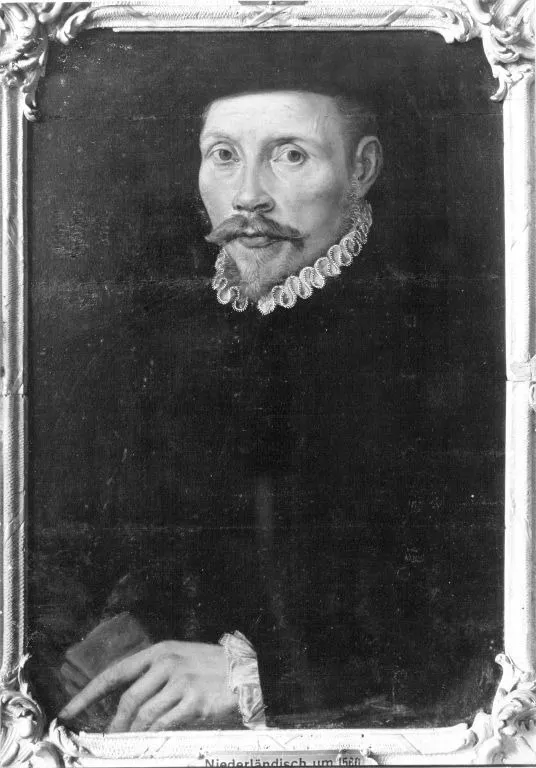
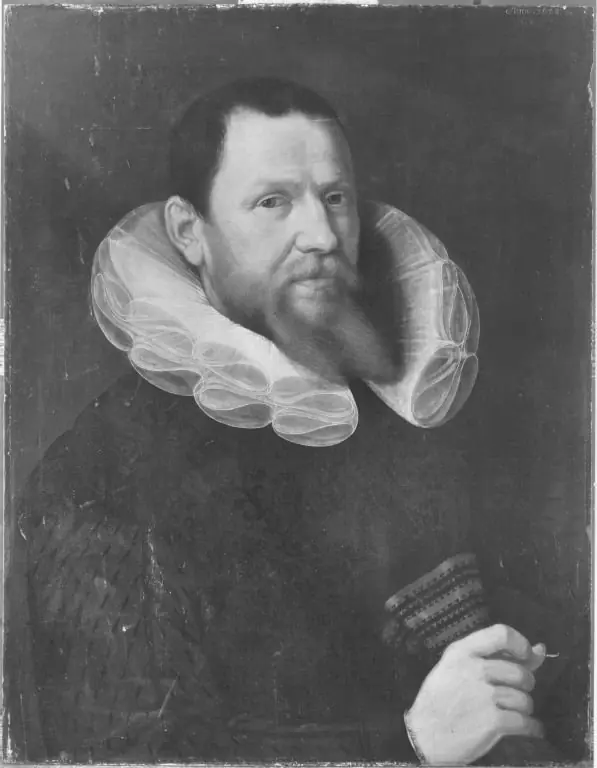
Bildnis eines Mannes is an unspecified painting by the Mannerist artist Unknown. It dates from 1560 and is held in the collection of the Bavarian State Painting Collections. The work is a painted portrait of a man wearing a ruffled collar and a dark shirt, likely black.
About this work
The background of the painting is dark, and the man's face and clothing are illuminated, suggesting the use of chiaroscuro.
This painting depicts a man with a ruffled collar and a dark, possibly black, shirt. He has a mustache and is holding something in his right hand, which is resting on a surface. The background of the painting is dark, and the man's face and clothing are illuminated, suggesting the use of chiaroscuro. The man's attire and the style of the painting suggest that it may be a portrait from the 16th century. The level of detail in the man's face and clothing also suggests that the artist was skilled in capturing realistic images.
Overview
The work is a painted portrait of a man wearing a ruffled collar and a dark shirt, likely black. He is shown with a moustache and holds an object in his right hand, which rests on a surface. The composition is set against a dark background, while the figure’s face and clothing are illuminated, creating a strong contrast of light and shadow.
Subject & Meaning
The sitter appears to be a gentleman of some standing, indicated by his elaborate collar and the careful rendering of his facial features. The object in his hand, though not identified, may hint at his occupation or personal interests, a common practice in portraiture to convey status or identity.
Technique & Style
The painting employs chiaroscuro, using a dark backdrop to emphasize the illuminated figure. Fine brushwork captures the texture of the ruffled collar and the subtle modeling of the face, demonstrating a high level of skill in rendering realistic details typical of late‑Renaissance portraiture.
History & Provenance
The work is dated to the 16th century based on costume and stylistic cues. No specific documentation of its original ownership or artist has been provided, leaving its provenance largely unknown beyond its classification as a period portrait.
Context
During the 1500s, portraiture served both as a record of individual likeness and as a display of social rank. The use of dark backgrounds and dramatic lighting aligns the piece with contemporary trends in Northern European painting, where realism and attention to material texture were prized.
Legacy
While the artist remains unidentified, the painting exemplifies the technical proficiency and aesthetic priorities of its era. It continues to inform studies of 16th‑century portrait conventions, particularly the interplay of light, fabric detail, and personal symbolism.
Artist & collection

 Domestic Scene
 Giacomo and Cardinal Marco, investing Andrea, Abbot of San Zeno, with his Benefice
 The Nymph of Fontainebleau
 Portrait of a Woman
 Madonna and Child with Saints in the Enclosed Garden
 Venus and Minerva
 Family Group of Four on Sofa
 Wall painting from Room H of the Villa of P. Fannius Synistor at Boscoreale
 Portrait of an unknown man
 Bildnis eines Mannes (Wolfgang Wilhelm?)
 Bildnis eines Mannes (Art des)
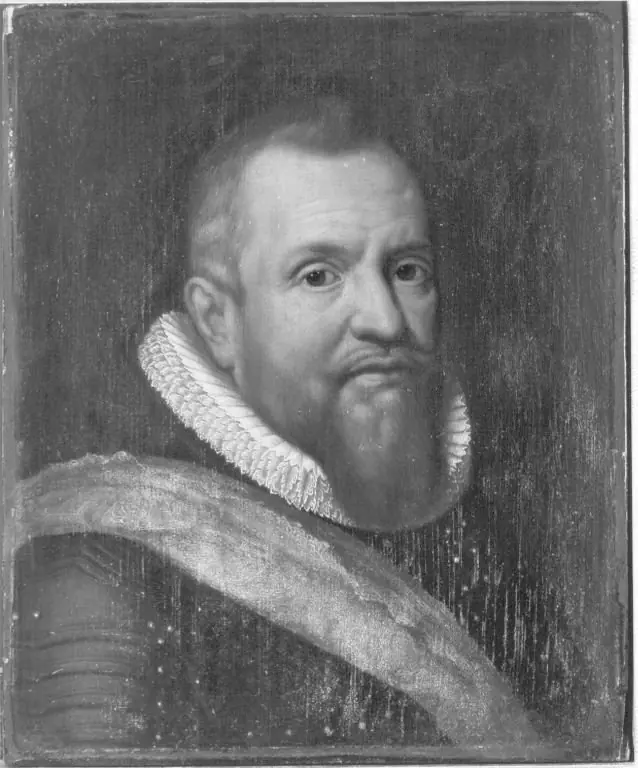 Bildnis des Willem Lodewijk, Graf von Nassau-Dietz (1560-1620)
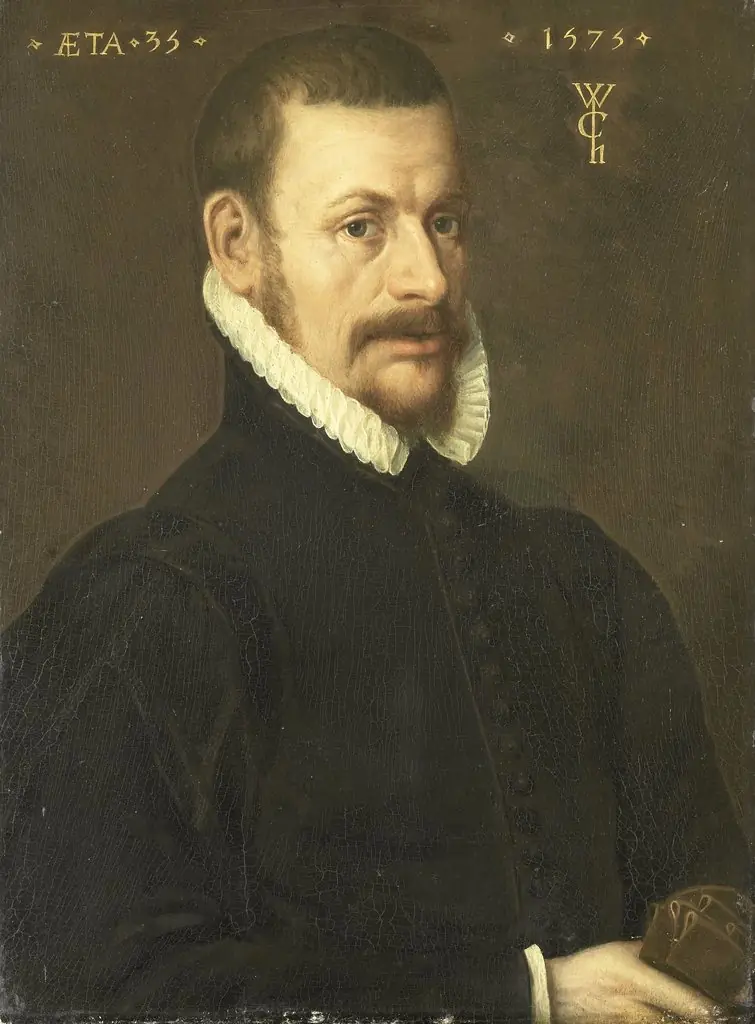 Portrait of Guilliam Courten, Husband of Margarita Cassier
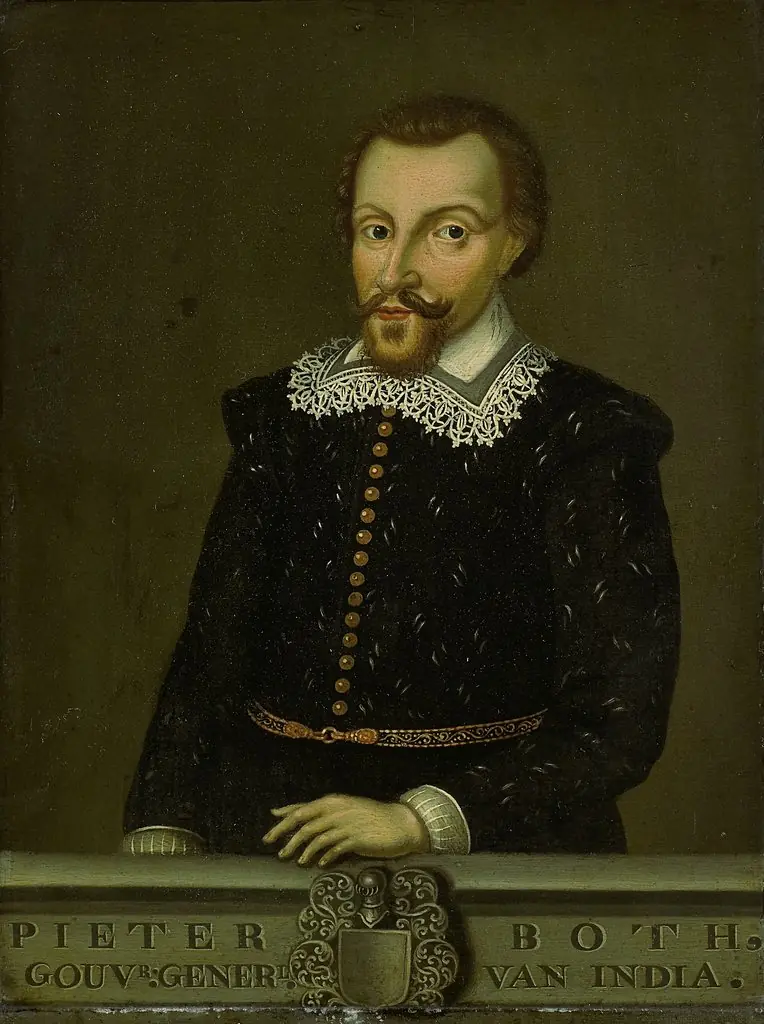 Portrait of Pieter Both (....-1615)
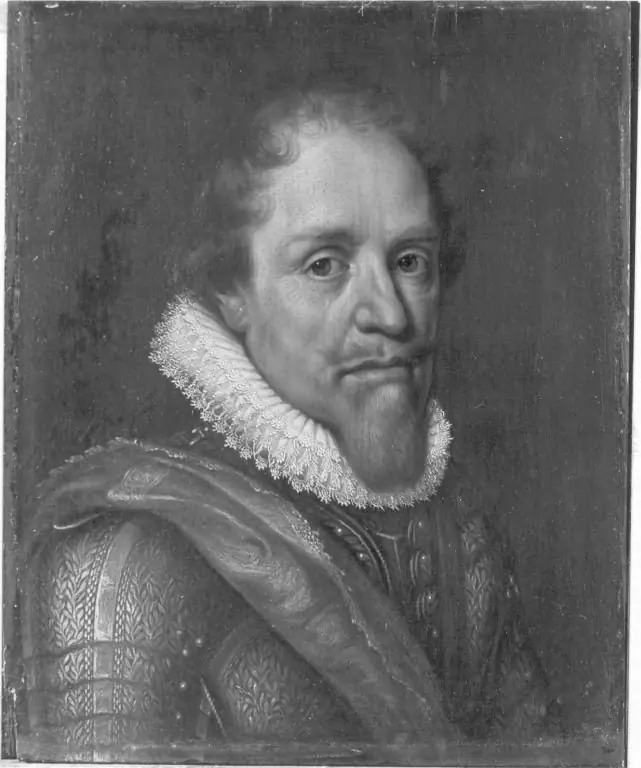 Bildnis des Maurits, Prins van Oranje (1567-1625)
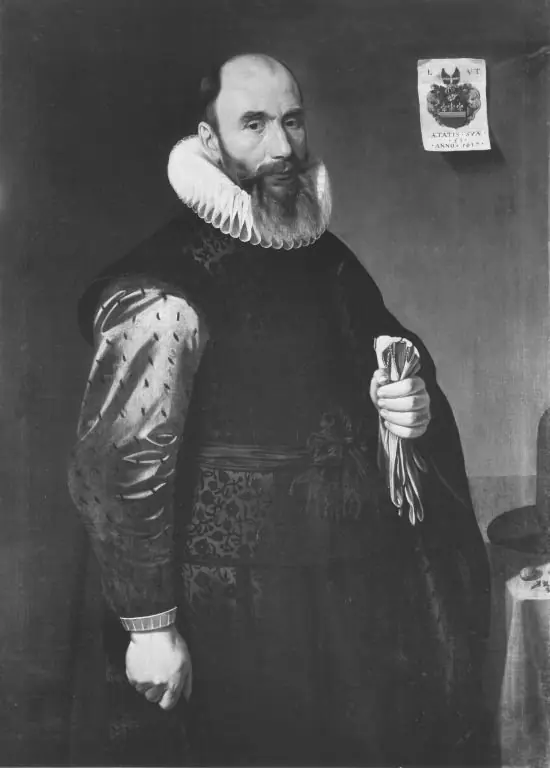 Portrait of Lambert van Twenhuysen (....-1627)
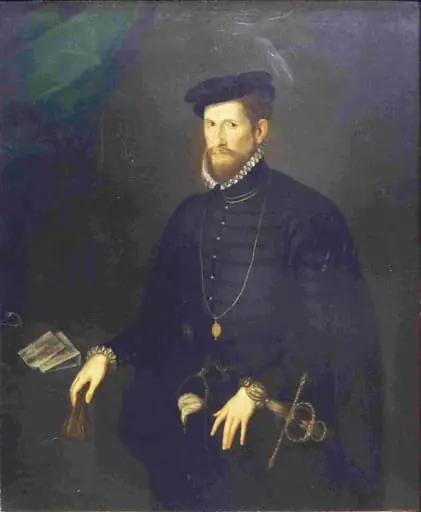 Portretul lui Nicholas Throckmorton
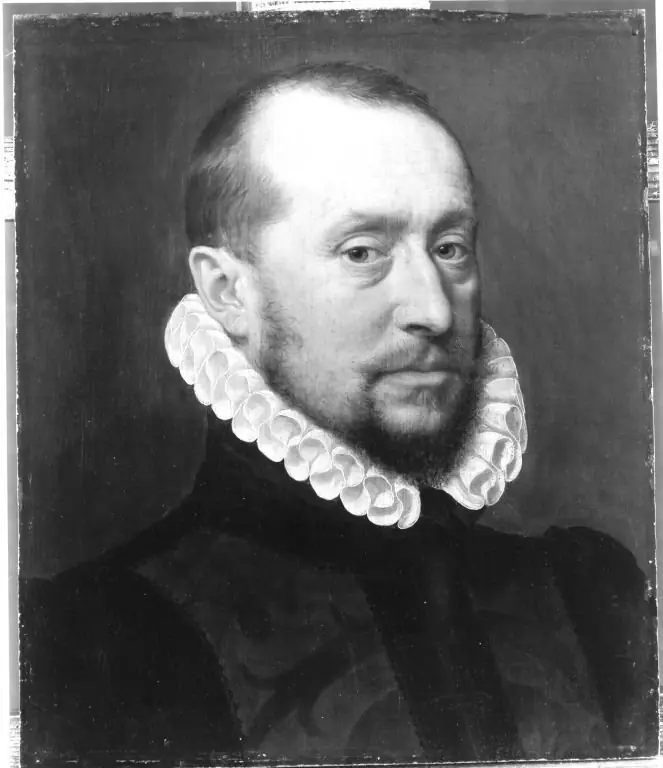 Brustbild eines braunbärtigen Mannes
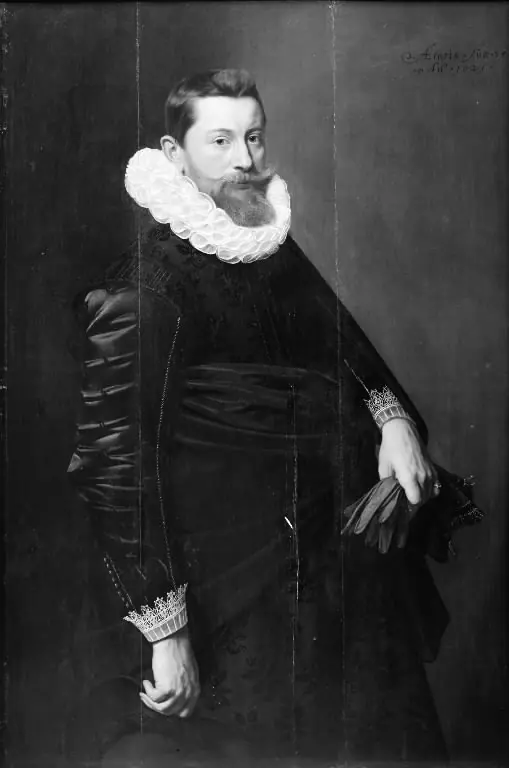 Portrait of a Gentleman
 Bildnis eines Mannes