Artwork
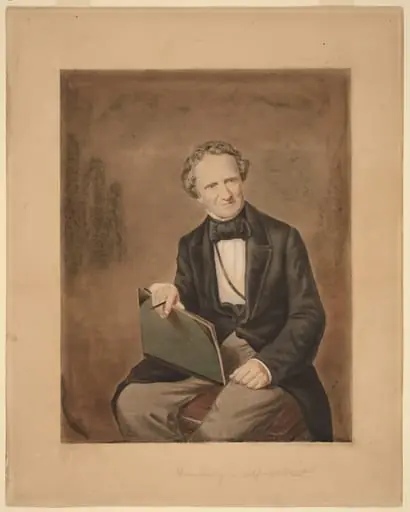
Dr. Franz Xavier von Soist
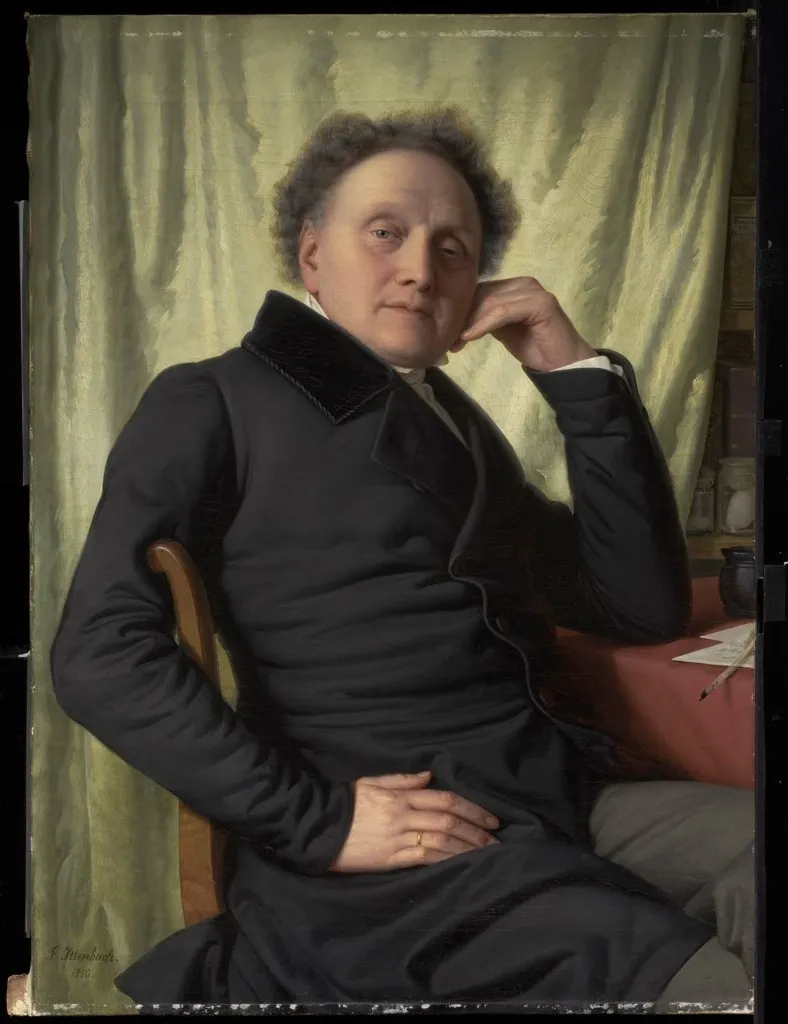
Dr. Franz Xavier von Soist is an oil painting by the Biedermeier artist Unknown. It dates from 1850 and is held in the collection of the Museum of Fine Arts Boston. This oil painting portrays Dr.
About this work
This portrait painting depicts a man sitting in a chair, with his right hand resting on his lap and his left hand touching his face.
This portrait painting depicts a man sitting in a chair, with his right hand resting on his lap and his left hand touching his face. He is dressed in a black coat with a high collar and a white shirt underneath. The background of the painting features a light green curtain.
The man's attire and the style of the painting suggest that it was created in the 19th century. The artist's use of chiaroscuro, a technique that uses strong contrasts between light and dark to create a sense of volume and depth, adds depth and dimension to the painting.
The painting is held at the Museum of Fine Arts Boston. If you're interested in learning more about the artist who created this work, you might want to look up Friedrich Wilhelm Schadow, a German painter known for his portraits and historical scenes.
Overview
This oil painting portrays Dr. Franz Xavier von Soist seated in a chair, rendered with careful attention to posture and expression. His dark coat and white shirt contrast against a soft green curtain, establishing a restrained yet intimate setting. The composition emphasizes stillness and introspection, typical of early 19th-century portraiture. The work is part of the Museum of Fine Arts, Boston’s collection.
Subject & Meaning
Dr. Franz Xavier von Soist, a physician and likely a figure of intellectual standing, is depicted in a contemplative pose—his left hand gently touching his face, right hand resting calmly. The gesture suggests reflection rather than formality, hinting at inner character over external status. His attire, modest yet refined, aligns with professional dignity rather than aristocratic display, reinforcing a sense of quiet authority.
Technique & Style
The artist employs chiaroscuro to model the figure with subtle gradations of light and shadow, lending volume to the face and fabric. The brushwork is precise but not overly detailed, favoring atmospheric cohesion over ornamental flourish. The background curtain, rendered in muted tones, recedes softly, directing focus to the sitter’s presence without distraction.
History & Provenance
The painting entered the Museum of Fine Arts, Boston’s collection as part of its broader effort to acquire European portraiture from the 19th century. While the artist’s identity remains unconfirmed in public records, the work’s style and subject suggest a Central European origin, possibly linked to academic or courtly traditions of the period.
Context
In early 19th-century Europe, portraits of professionals like physicians were increasingly common, reflecting rising social esteem for scientific and medical figures. Unlike earlier aristocratic portraits, these works often emphasized intellect and restraint. This painting aligns with that shift, presenting its subject not as a nobleman but as a thoughtful individual within a private, domestic space.
Legacy
The painting contributes to a growing body of 19th-century portraiture that values psychological nuance over ceremonial grandeur. Though not widely exhibited, its quiet composition and technical restraint offer insight into how professional identity was visually constructed during a period of social and scientific transformation.
Artist & collection

 Domestic Scene
 Giacomo and Cardinal Marco, investing Andrea, Abbot of San Zeno, with his Benefice
 The Nymph of Fontainebleau
 Portrait of a Woman
 Madonna and Child with Saints in the Enclosed Garden
 Venus and Minerva
 Family Group of Four on Sofa
 Wall painting from Room H of the Villa of P. Fannius Synistor at Boscoreale
 Skibsintendant Theodor Emil Ludvigsen
 The Paymaster Theodor Emil Ludvigsen
 Self Portrait
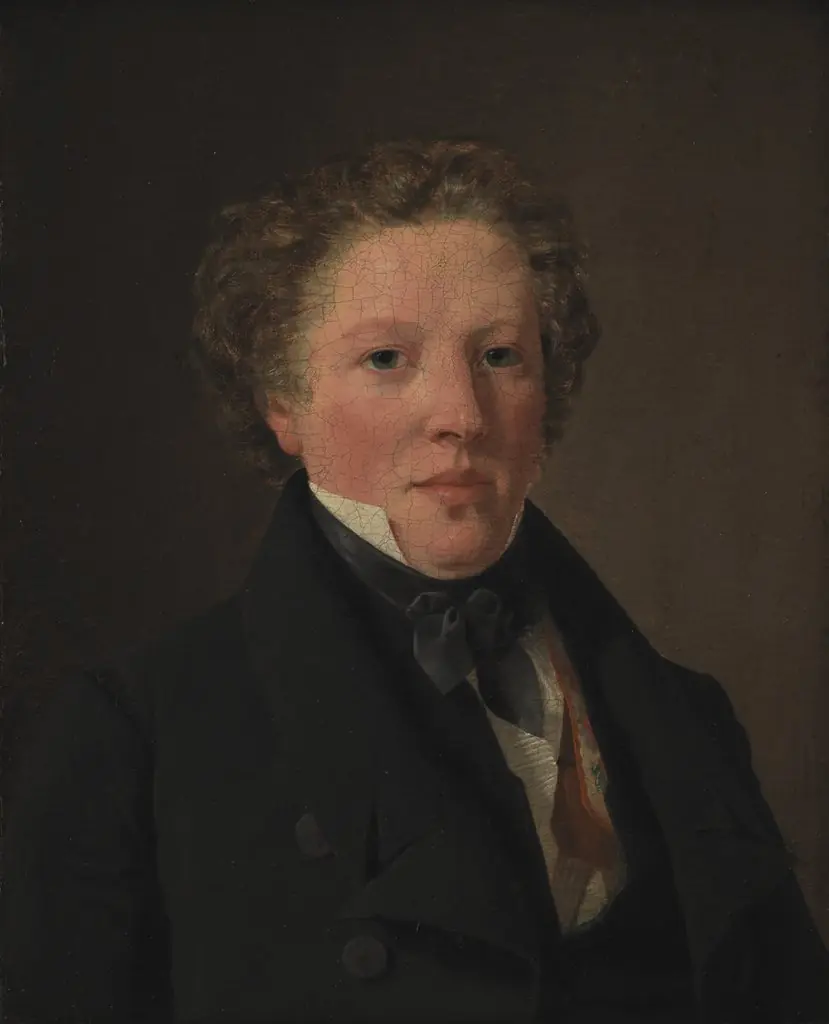 The Actor Christoffer Hvid
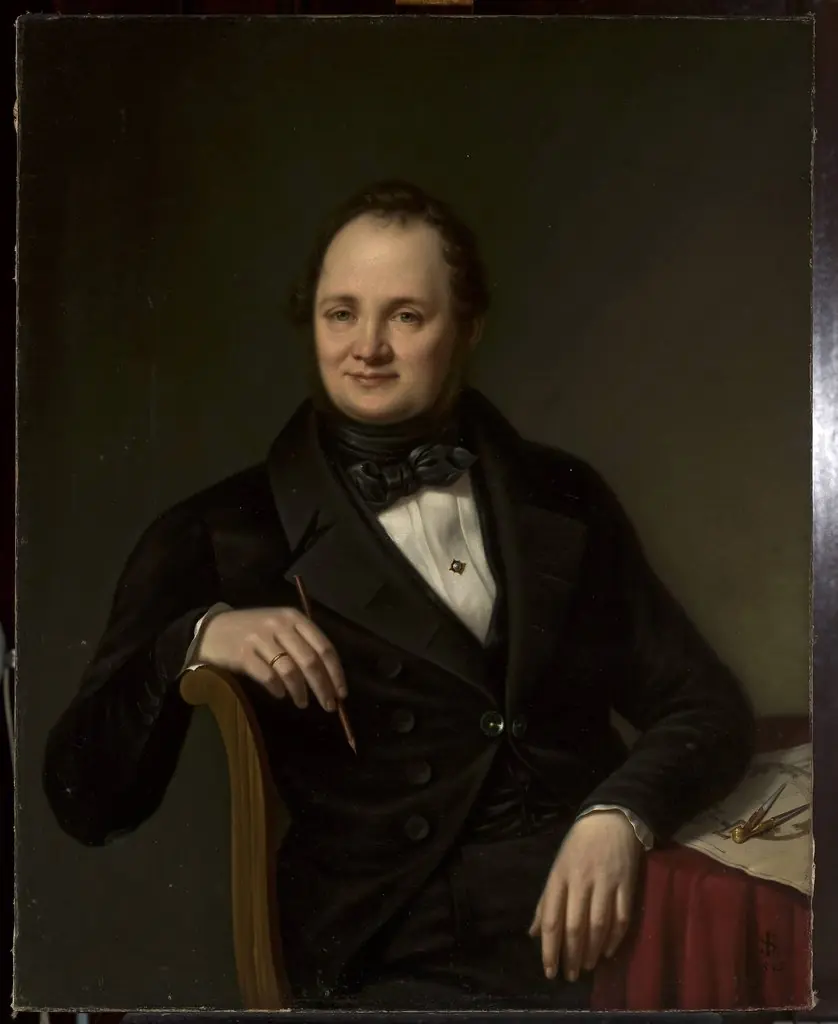 Portrait of Andrzej Gołoński, architect
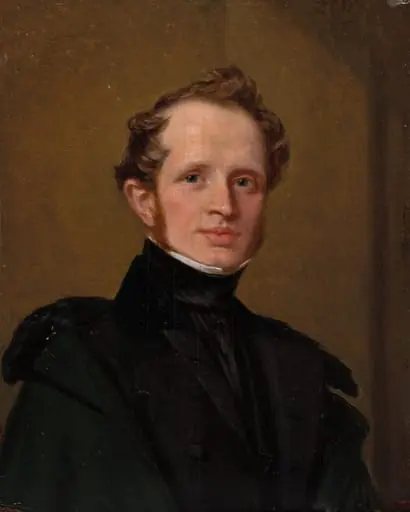 Henry Francis Playter
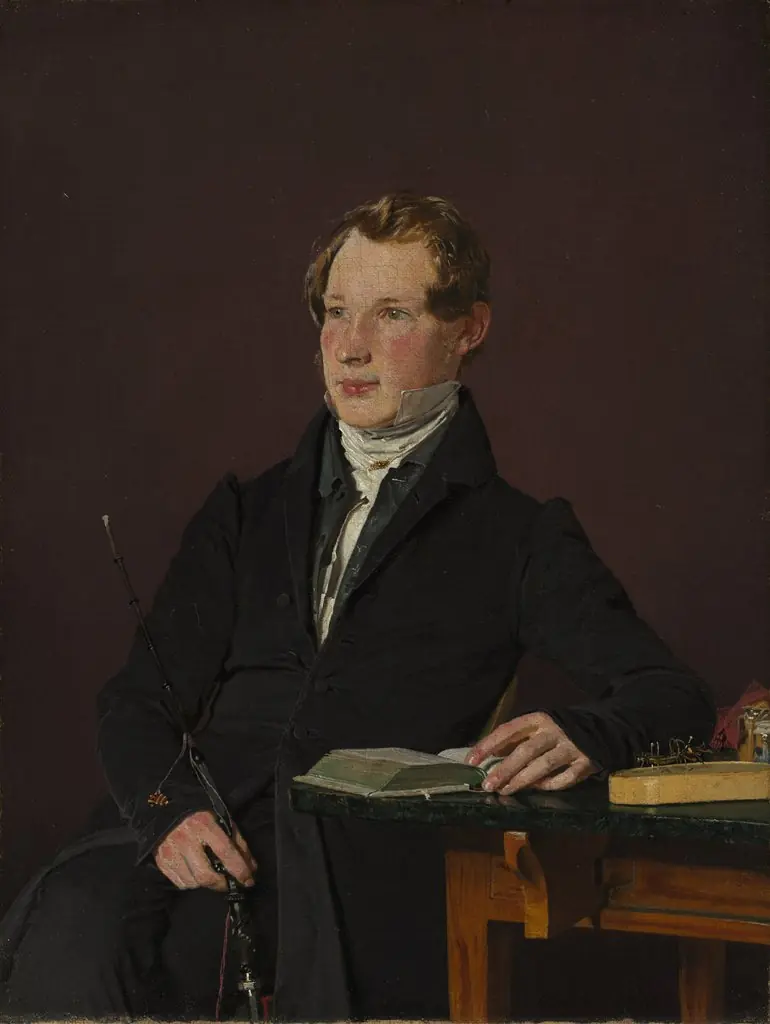 Dr. Johann Henning Kjetil Hjardemaal
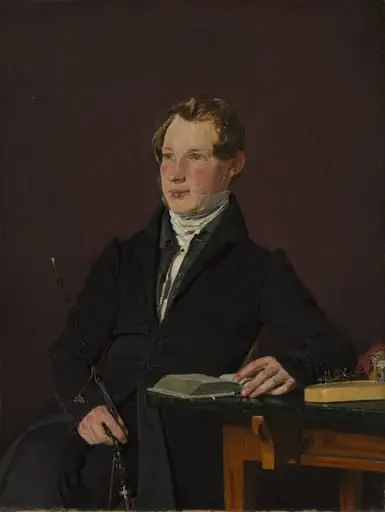 Dr. Johann Henning Kjetil Hjardemaal
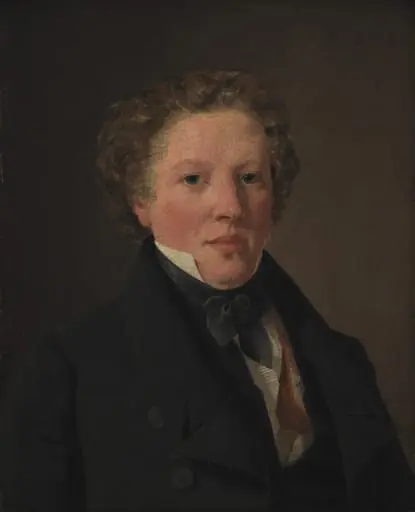 The Actor Christoffer Hvid
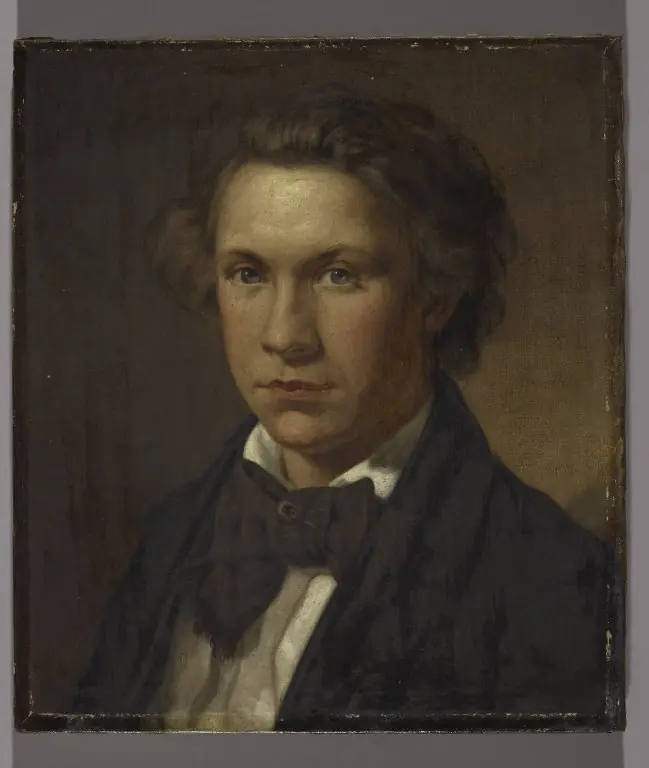 Portrait of a Man
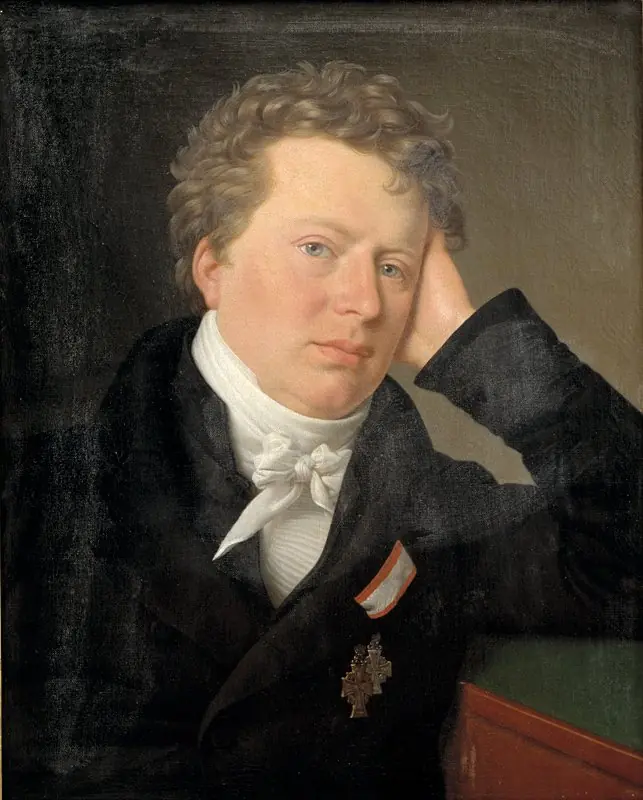 Juristen og statsmanden Anders Sandøe Ørsted
 Self-Portrait