Artwork
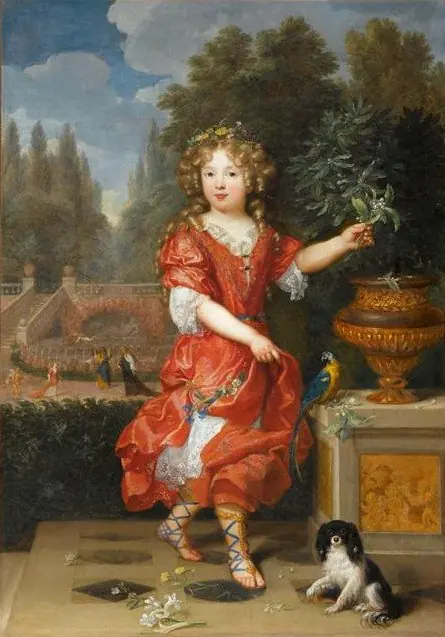
Portrait of Mademoiselle Léomenie Brienne, Marquise de Roualt Gamache
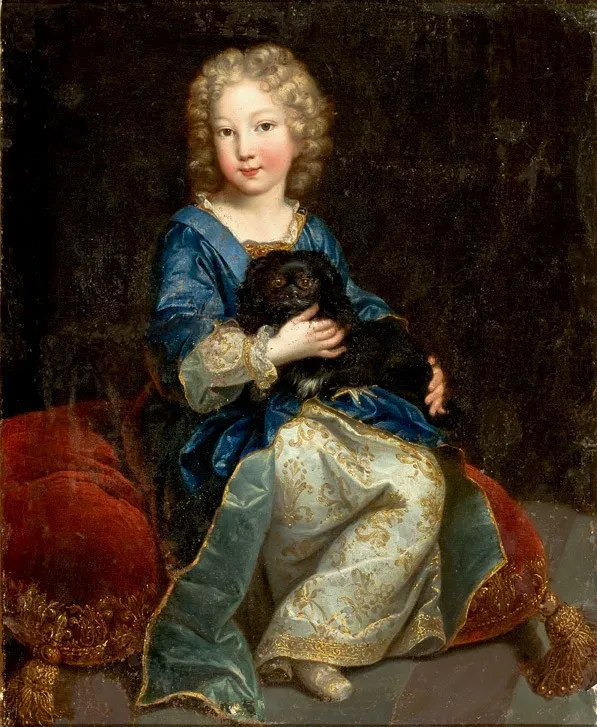
Portrait of Mademoiselle Léomenie Brienne, Marquise de Roualt Gamache is an oil painting by Unknown. It is held in the collection of the São Paulo Museum of Art. This oil painting portrays a young girl, Mademoiselle Léomenie Brienne, Marquise de Roualt Gamache, seated in an ornate red velvet chair.
About this work
Overview
This oil painting portrays a young girl, Mademoiselle Léomenie Brienne, Marquise de Roualt Gamache, seated in an ornate red velvet chair.
This oil painting portrays a young girl, Mademoiselle Léomenie Brienne, Marquise de Roualt Gamache, seated in an ornate red velvet chair. Her attire features a blue gown with gold embroidery and a white skirt adorned with delicate metallic patterns. A small black dog rests in her arms, adding a touch of intimacy. The dark background isolates the figure, drawing focus to her refined clothing and poised demeanor.
Subject & Meaning
The subject is a noble child, depicted not as an infant but as a figure of social standing, dressed in adult-like finery. The presence of the dog may symbolize loyalty or companionship, common in portraiture of aristocratic youth. Her composed posture and elaborate garments suggest an emphasis on lineage and status, reflecting the values of her family and class during the period.
Technique & Style
The artist employs fine brushwork to render the textures of silk, velvet, and gold thread with precision. The contrast between the dark, unmodeled background and the luminous details of the dress and hair enhances the subject’s presence. Light falls subtly across the face and fabric, modeling form without dramatic chiaroscuro, favoring clarity and elegance over emotional intensity.
History & Provenance
The painting resides in the São Paulo Museum of Art, having entered its collection through documented acquisitions. Its provenance traces back to French aristocratic circles, likely commissioned by the subject’s family. While the artist’s identity remains unconfirmed, the work aligns with late 18th-century French portraiture practices, particularly those focused on noble children.
Context
In late 18th-century France, portraits of aristocratic children served as markers of family prestige and continuity. Elaborate costumes and symbolic accessories, like the dog, reinforced social identity. Such works were often displayed in private residences, affirming lineage and wealth. This portrait reflects the era’s emphasis on decorum and the visual language of nobility before the upheavals of the Revolution.
Legacy
The painting endures as a quiet example of pre-Revolutionary French portraiture, valued for its craftsmanship and historical insight. It contributes to the São Paulo Museum of Art’s collection of European works, offering a glimpse into the domestic and social rituals of the French elite. Its preservation allows ongoing study of costume, child representation, and artistic conventions of its time.
Artist & collection

 Domestic Scene
 Giacomo and Cardinal Marco, investing Andrea, Abbot of San Zeno, with his Benefice
 The Nymph of Fontainebleau
 Portrait of a Woman
 Madonna and Child with Saints in the Enclosed Garden
 Venus and Minerva
 Family Group of Four on Sofa
 Wall painting from Room H of the Villa of P. Fannius Synistor at Boscoreale
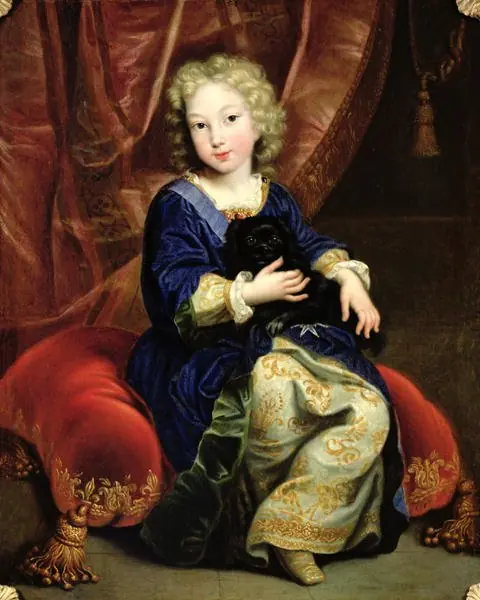 Portrait of Philippe of France (future Philip V of Spain) as a child
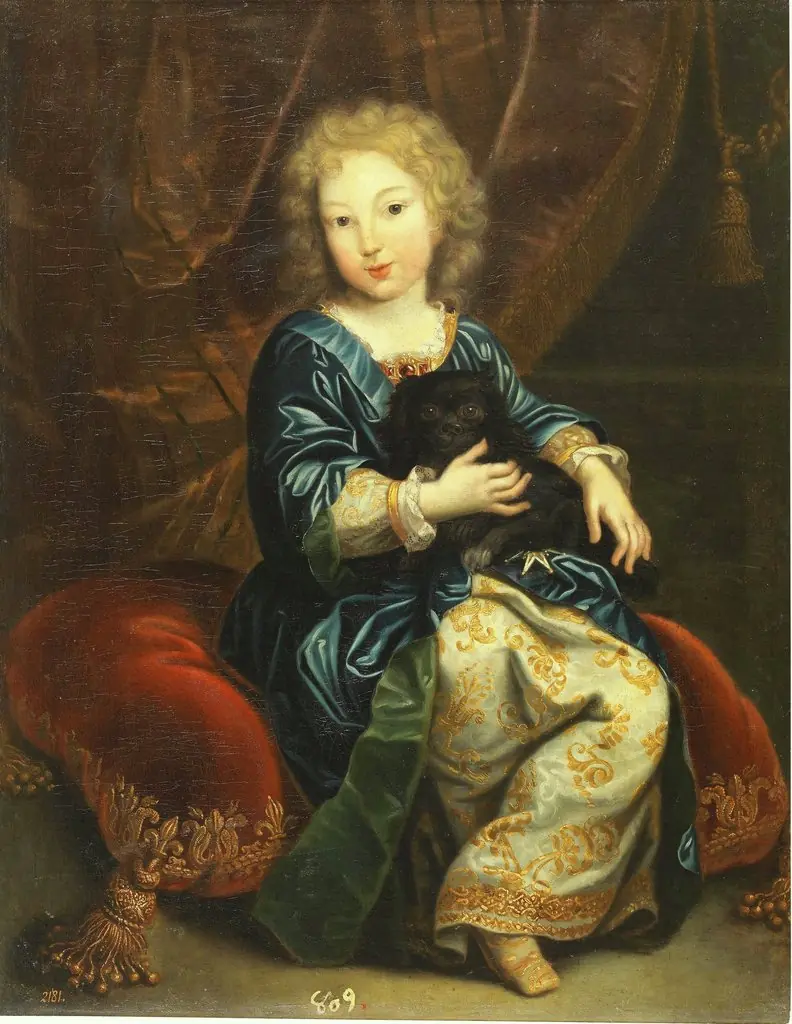 Felipe de Borbón duque de Anjou y futuro Felipe V de España niño
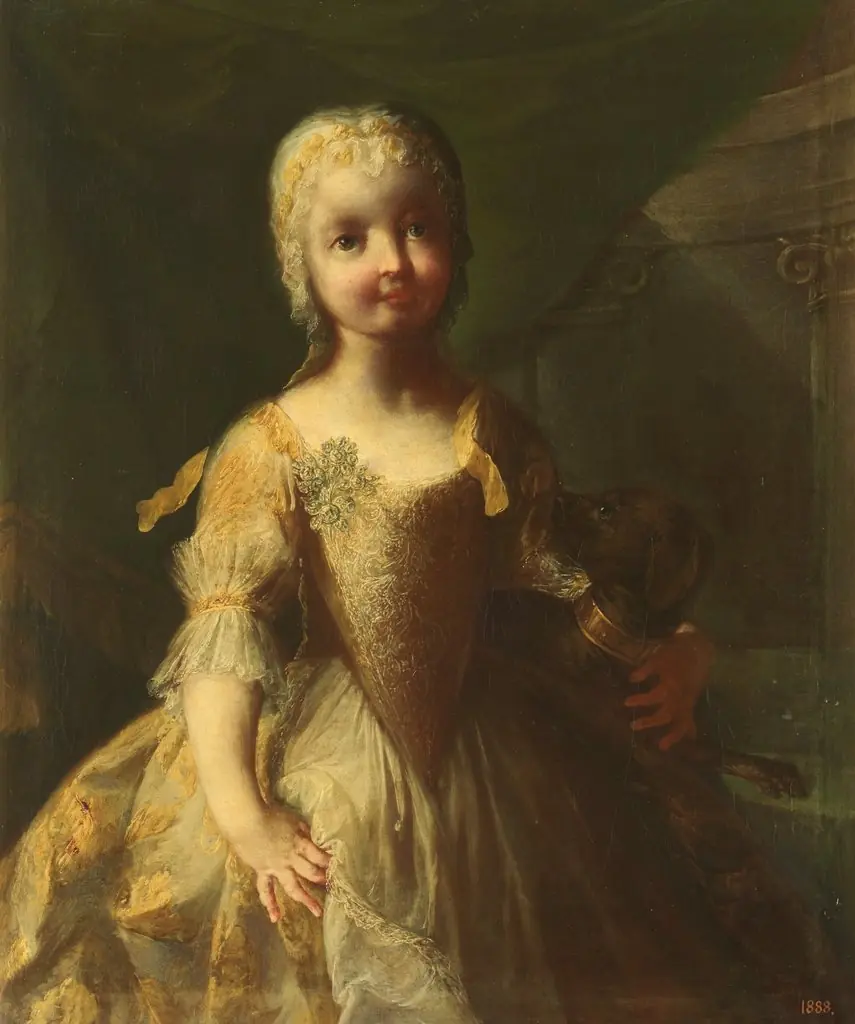 María Isabel of Bourbon and Saxony, Infanta of Naples and Spain
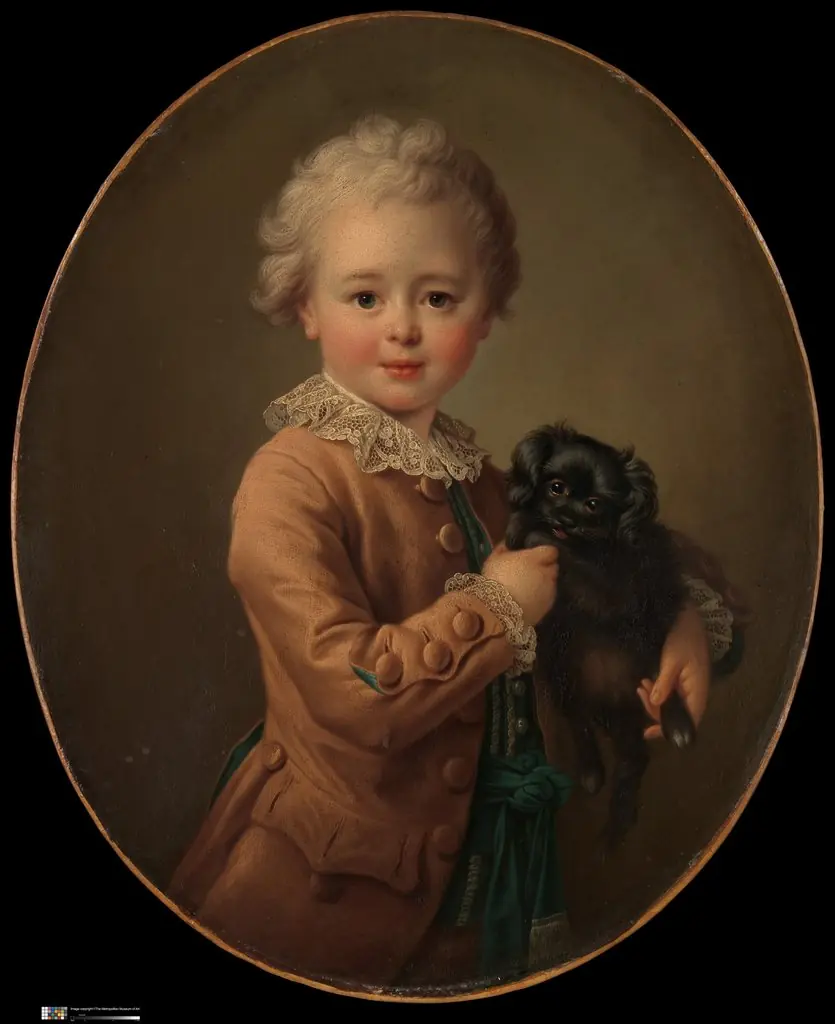 Boy with a Black Spaniel
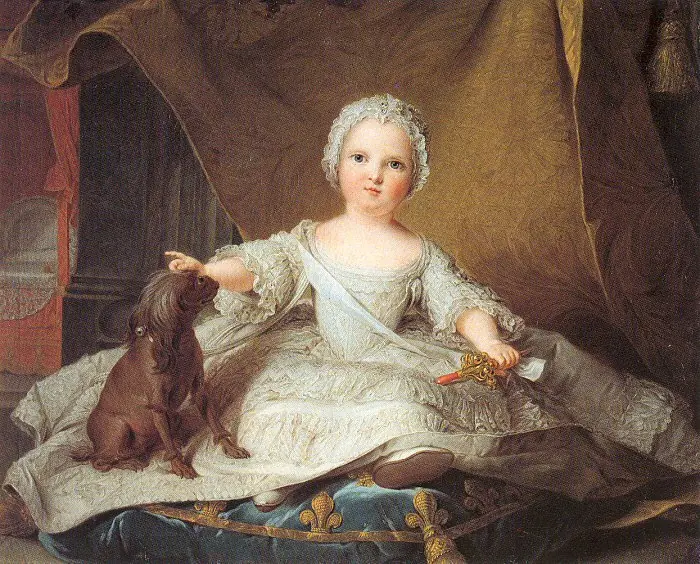 Portrait of Marie Zéphyrine of France
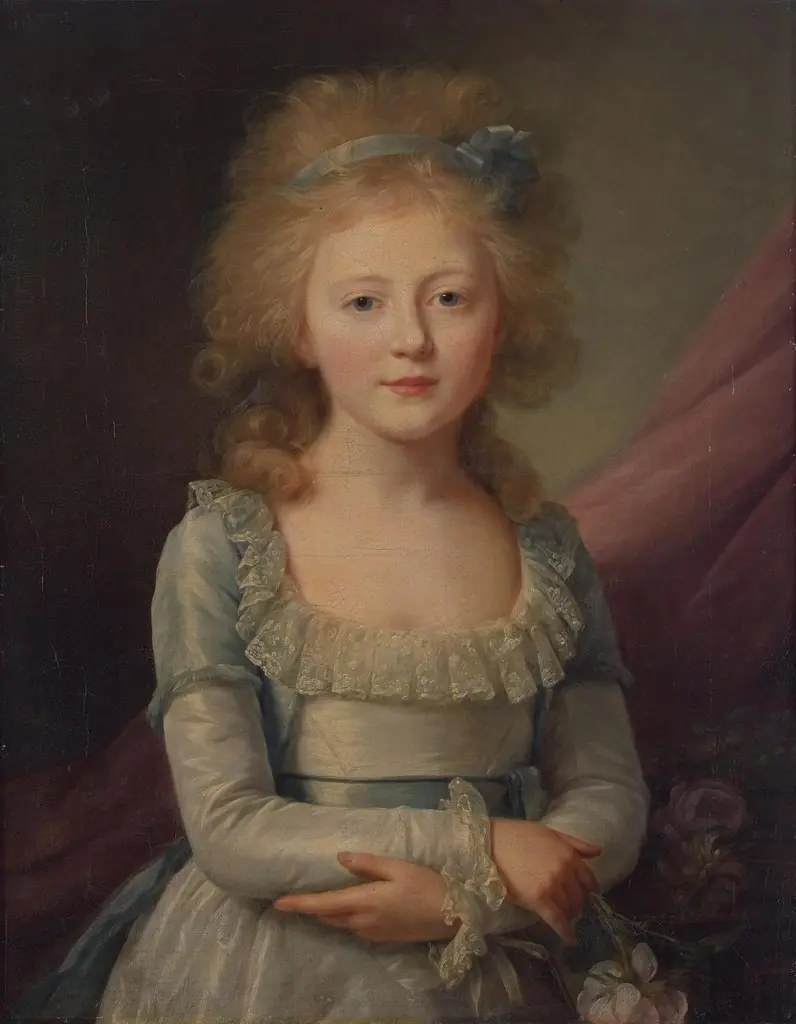 Portrait of grand Duchess Yelena Pavlovna as the Child
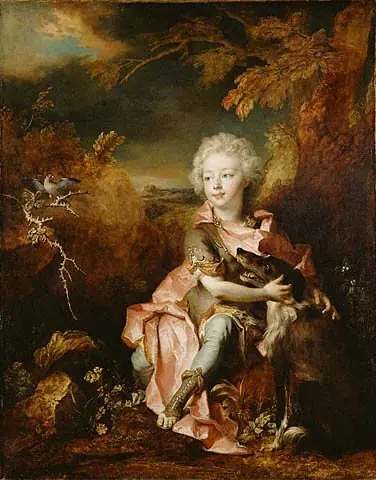 Portrait of a Boy in Fancy Dress
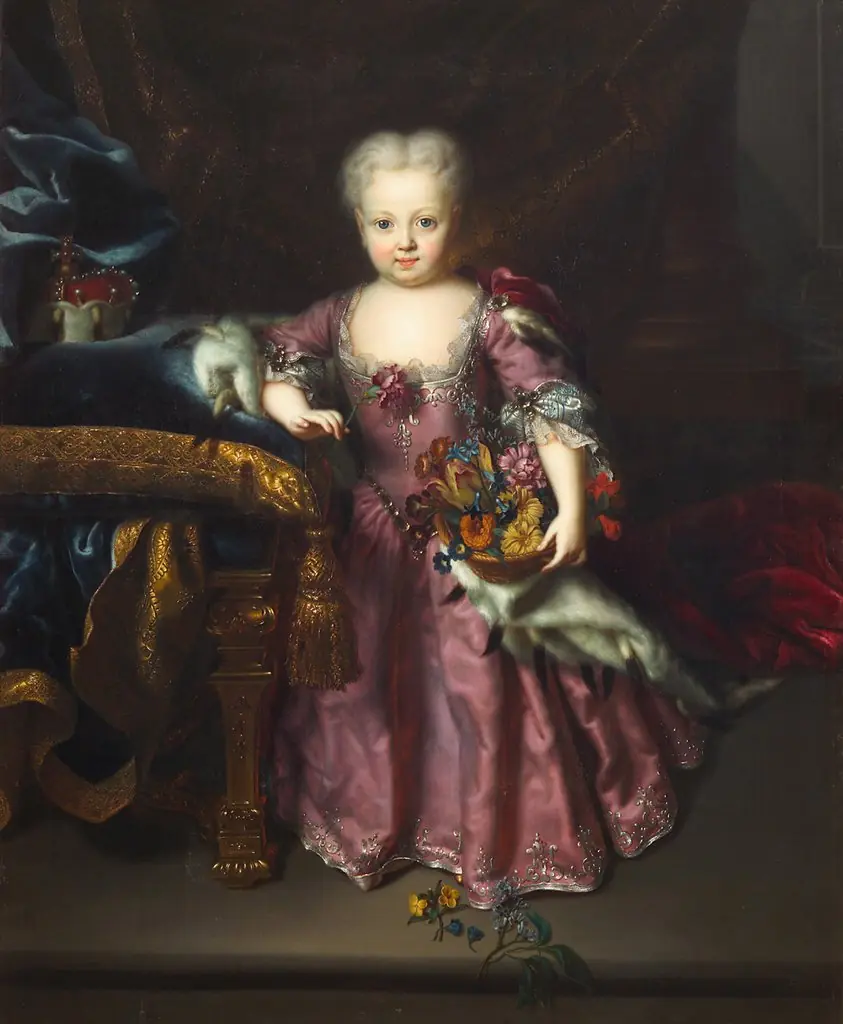 Erzherzogin Maria Amalie (1724-1730) im Alter von drei Jahren
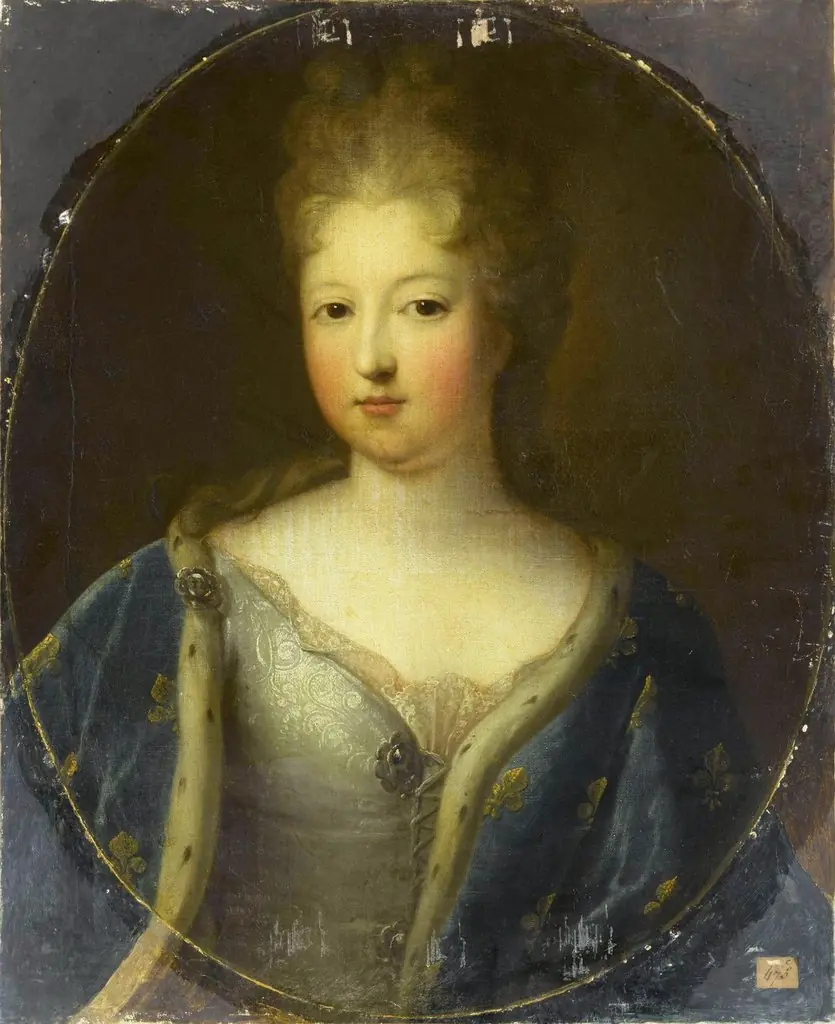 Portrait of Françoise-Marie de Bourbon
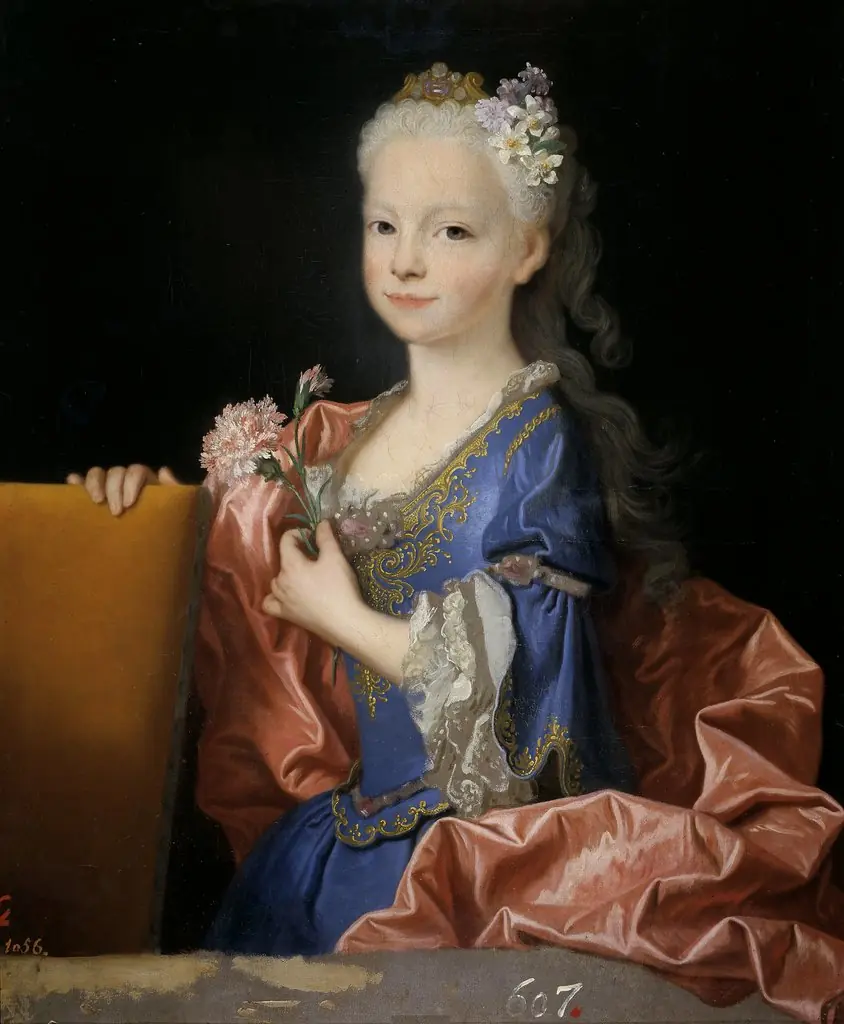 Maria Ana Victoria of Bourbon (Future Queen of Portugal) as a Child
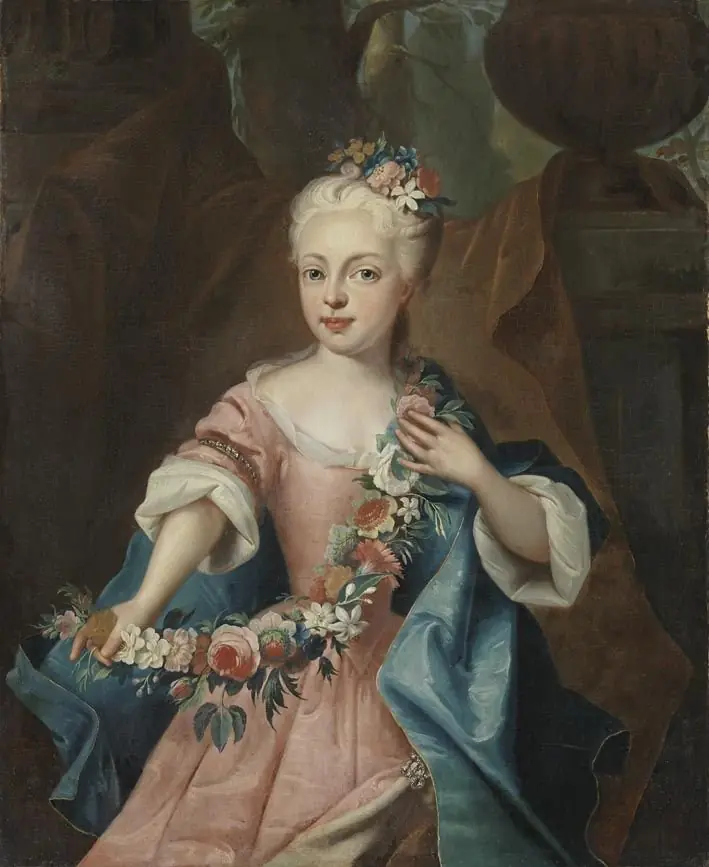 Bildnis der Erzherzogin Maria Theresia von Österreich, spätere Kaiserin (1717-1780) (Replik)
 Presumed portrait of Mademoiselle de Blois