Artwork
Portrait of Marcin Kazanowski (ca. 1563–1636), Field Crown Hetman
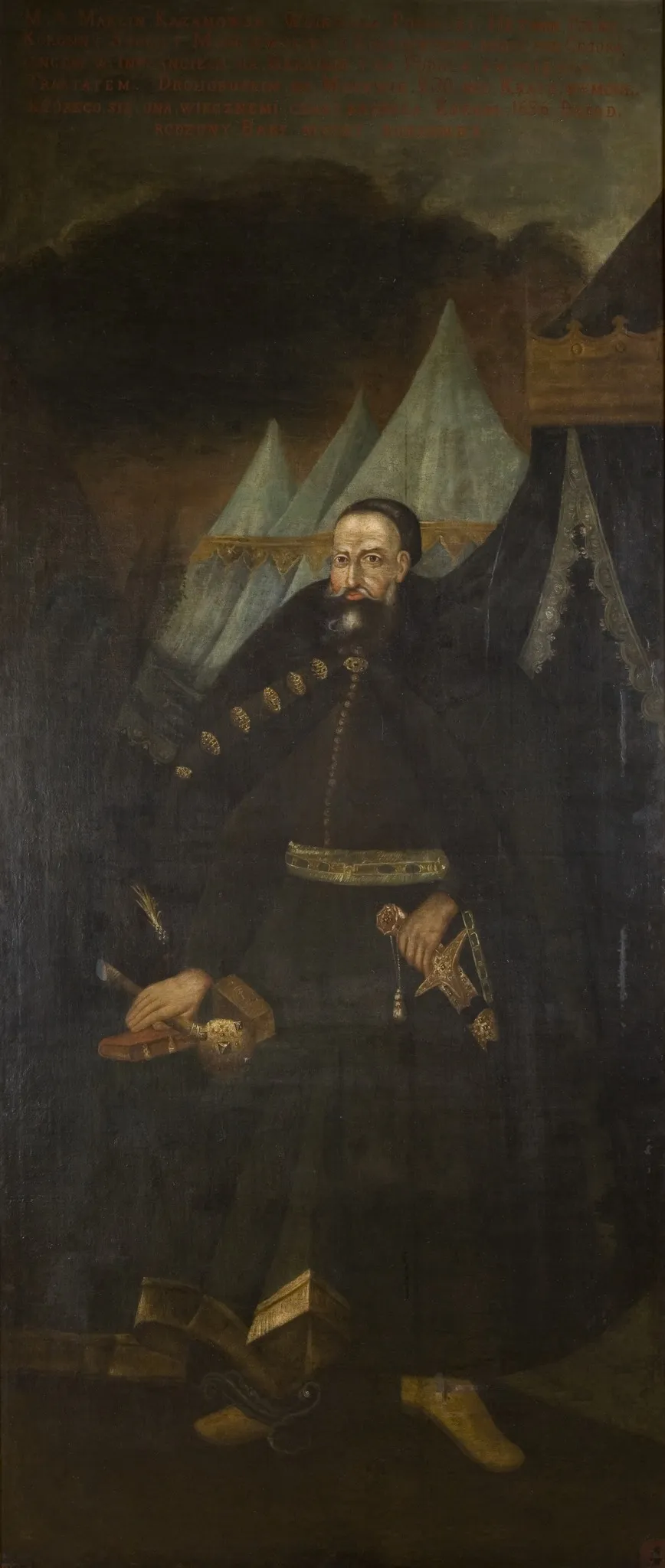
Portrait of Marcin Kazanowski (ca. 1563–1636), Field Crown Hetman is an oil painting by the Rococo painting artist Unknown. It dates from 1750 and is held in the collection of the National Museum in Kraków. This oil painting depicts Marcin Kazanowski, a high-ranking Polish military commander, rendered with solemn gravity.
About this work
Overview
Dressed in dark, ornate attire, he is portrayed mid-portrait, holding a sword in his right hand while his left rests near a dagger.
This oil painting depicts Marcin Kazanowski, a high-ranking Polish military commander, rendered with solemn gravity. Dressed in dark, ornate attire, he is portrayed mid-portrait, holding a sword in his right hand while his left rests near a dagger. The composition isolates him against a shadowed backdrop, suggesting a military encampment or fortress. The lighting emphasizes his facial expression and the metallic details of his accoutrements, reinforcing his status and gravitas.
Subject & Meaning
Kazanowski, Field Crown Hetman of the Polish-Lithuanian Commonwealth, is presented not as a celebratory figure but as a weary leader. His serious gaze and restrained posture convey responsibility rather than triumph. The sword and dagger signify his martial role, while the gold chain—likely an order of chivalry—marks his noble rank. The absence of overt symbols of victory or power suggests an emphasis on duty over glory.
Technique & Style
The artist employs chiaroscuro to model the figure with dramatic contrast, drawing attention to the face and metallic elements. Dark, muted tones dominate the composition, allowing the gold chain and buttons to catch the light with precision. Brushwork is controlled, particularly in the rendering of fabric folds and facial texture, reflecting a Northern European realism adapted to Polish aristocratic portraiture of the early 17th century.
History & Provenance
Painted circa the 1620s, the portrait likely originated in the Polish-Lithuanian Commonwealth, possibly commissioned by Kazanowski himself or a close associate. It remained within noble collections until entering institutional custody in the 19th or early 20th century. Its survival through wars and political upheavals speaks to its perceived importance as a record of elite military leadership during a turbulent era.
Context
Kazanowski served during a period of frequent border conflicts and internal political strain in the Commonwealth. Portraits of hetmans like him were not merely personal mementos but political statements, affirming authority and lineage. The restrained aesthetic contrasts with more flamboyant Western European court portraits, reflecting the Commonwealth’s blend of martial tradition and understated nobility.
Legacy
The portrait endures as a representative example of Polish military portraiture from the early Baroque period. It contributes to the visual record of the Commonwealth’s leadership class, illustrating how status was communicated through somber dignity rather than ostentation. Its preservation allows ongoing study of how elite identity was constructed visually in Eastern Europe during the age of religious and territorial conflict.
Artist & collection

 Domestic Scene
 Giacomo and Cardinal Marco, investing Andrea, Abbot of San Zeno, with his Benefice
 The Nymph of Fontainebleau
 Portrait of a Woman
 Madonna and Child with Saints in the Enclosed Garden
 Venus and Minerva
 Family Group of Four on Sofa
 Wall painting from Room H of the Villa of P. Fannius Synistor at Boscoreale
 Portretul lui Valentin Hirscher
 Johan III, 1537-92, konung av Sverige
 Portrait of king Sigismund II Augustus (1520–1572)
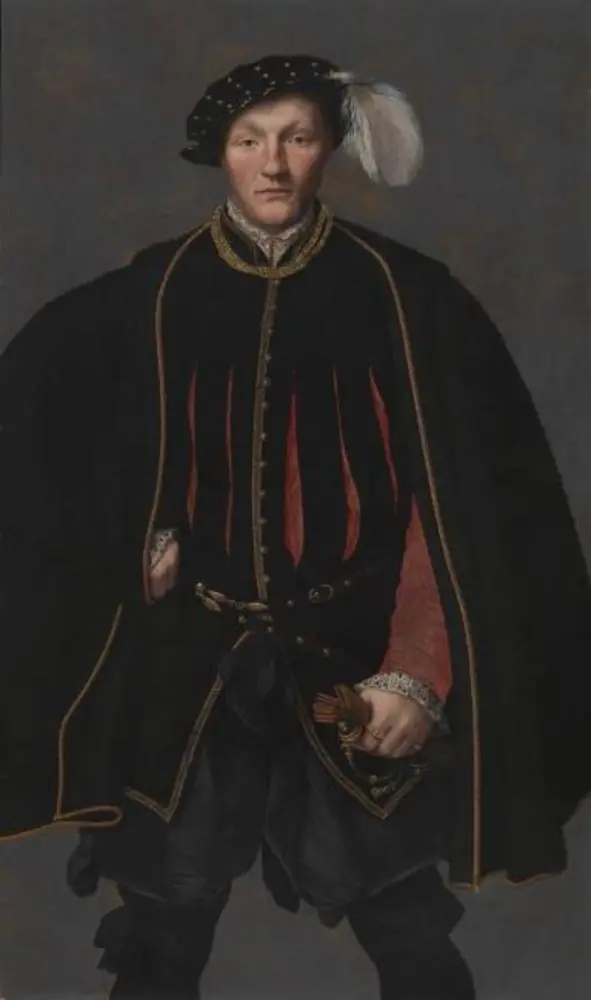 Portrait of a Gentleman, probably of the West Family
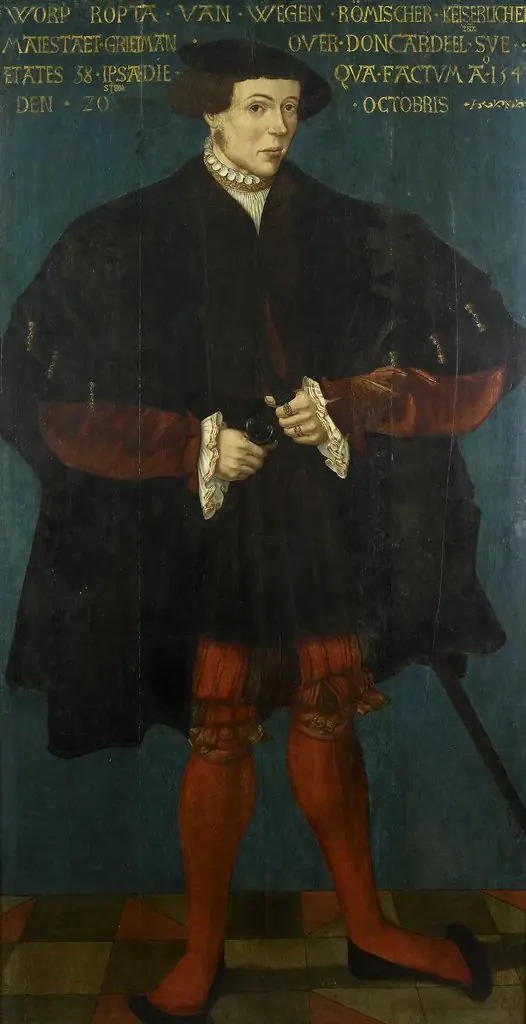 Portrait of Worp van Ropta, Chief Magistrate of East Dongeradeel
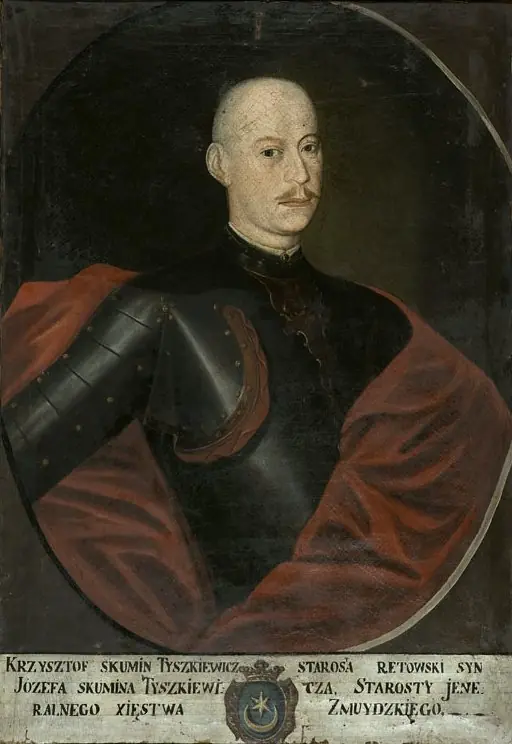 Portrait of Krzysztof Skumin Tyszkiewicz (1729–1762), starosta of Rietavas
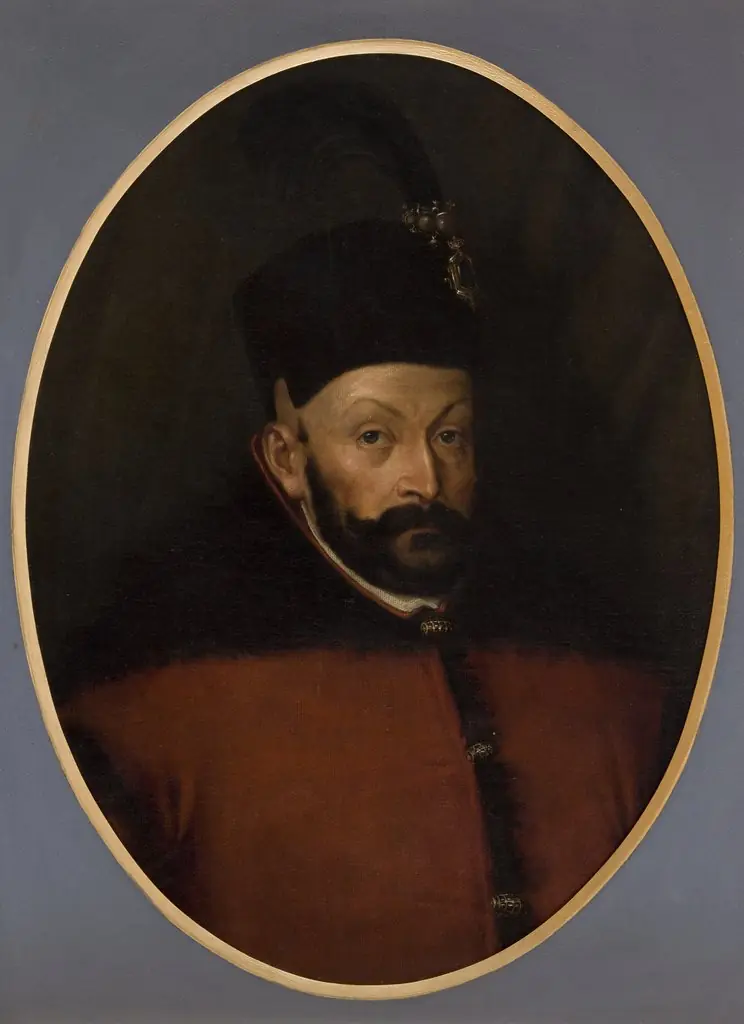 Portret Stefana Batorego (1533-1586), króla Polski
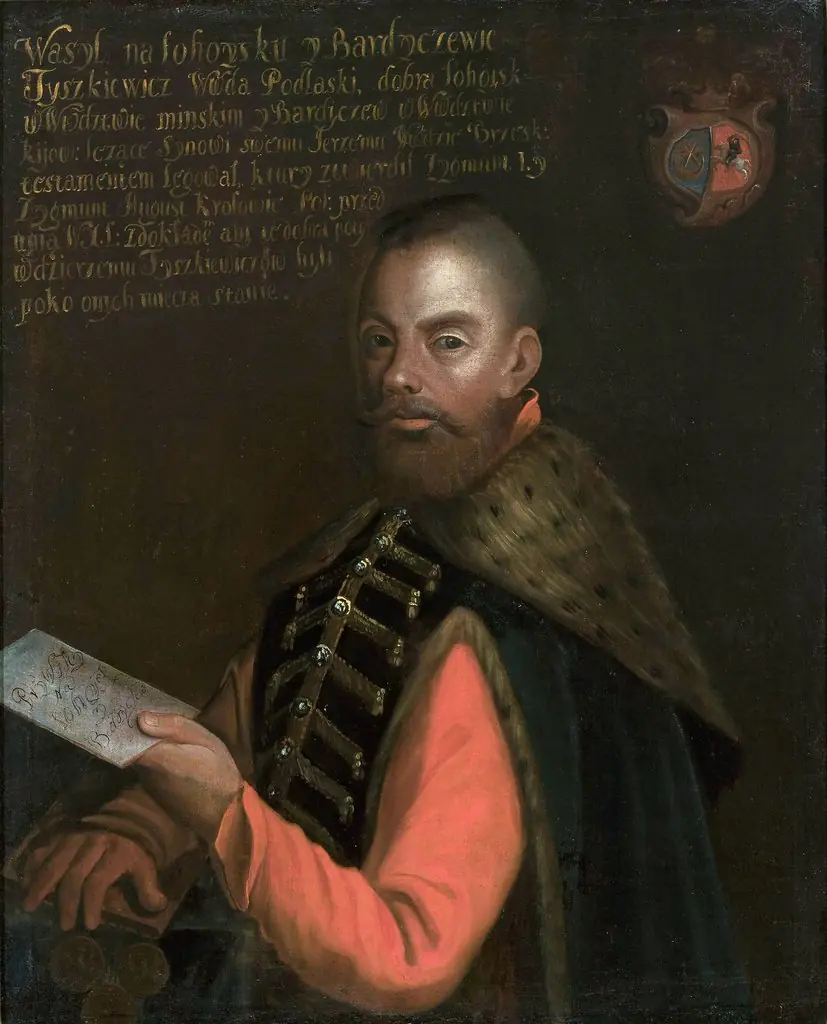 Portrait of Wasyl Tyszkiewicz, Leliwa coat of arms (?–1571), voivode of Podlasie
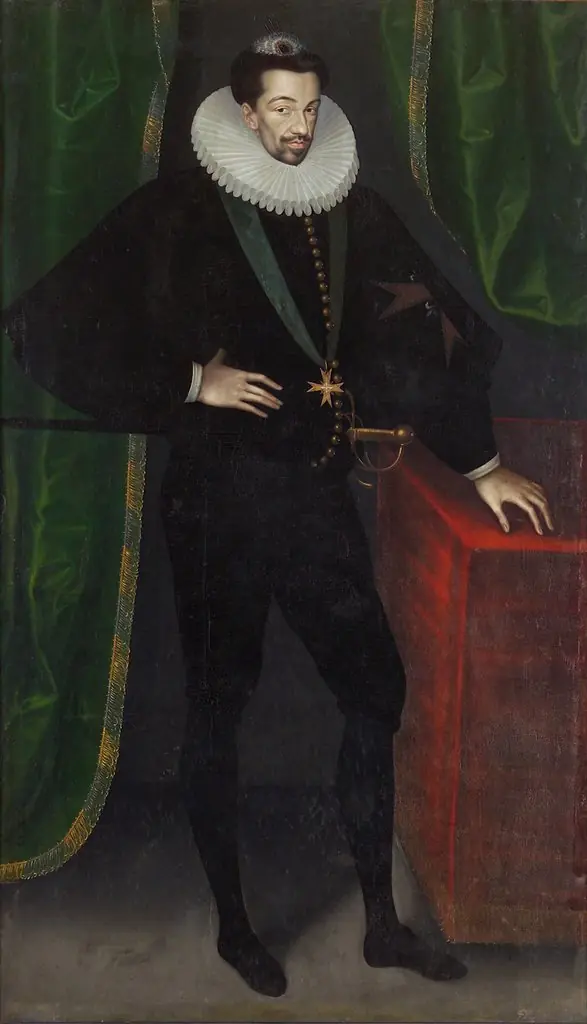 König Heinrich III. von Frankreich (1551-1589), in ganzer Figur