Artwork
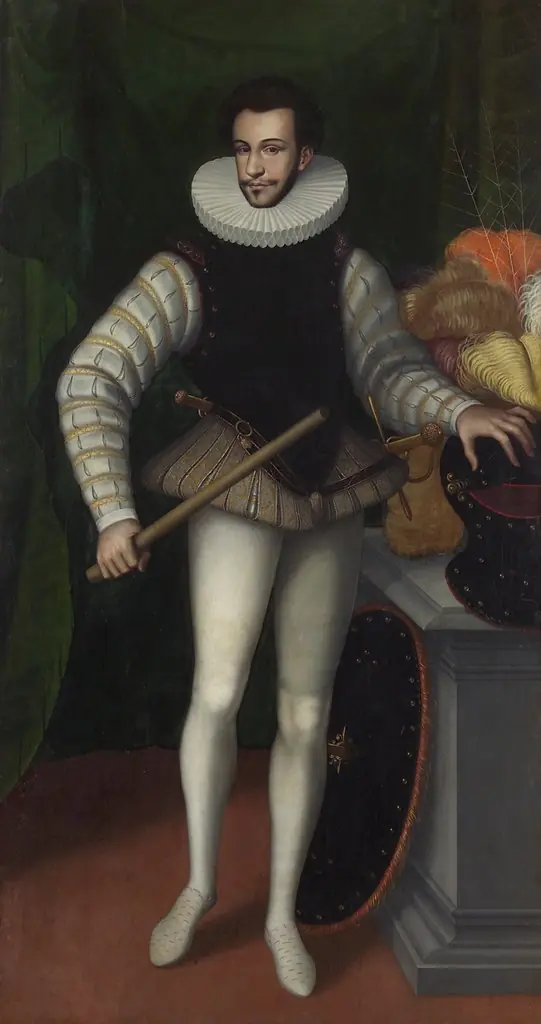
König Heinrich III. von Frankreich (1551-1589), in ganzer Figur
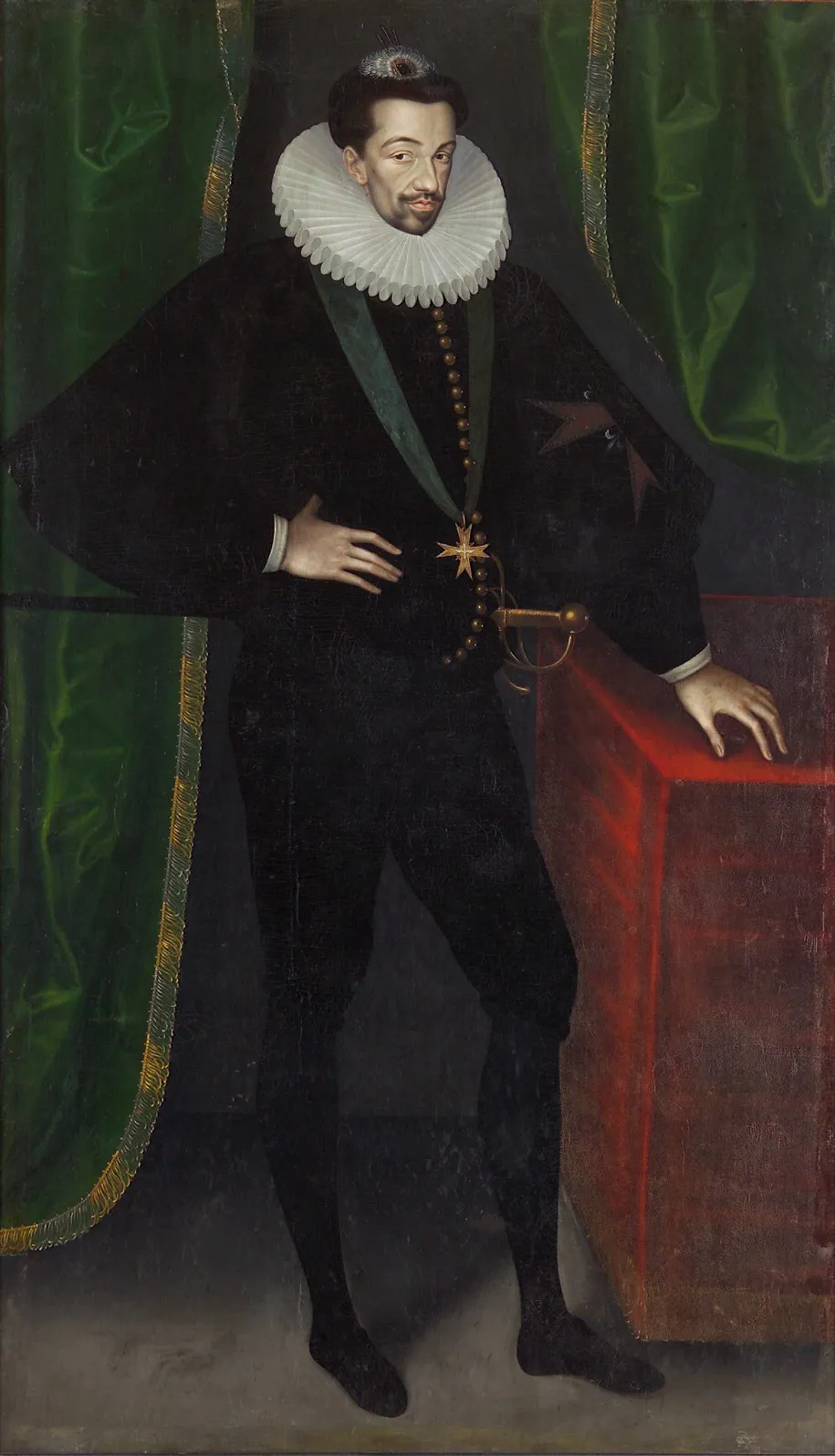
König Heinrich III. von Frankreich (1551-1589), in ganzer Figur is an unspecified painting by the Early Baroque Italian artist Unknown. It dates from 1593 and is held in the collection of the Kunsthistorisches Museum. This portrait depicts Henry III of France, ruler from 1574 until his assassination in 1589.
About this work
Overview
The composition isolates him against a deep green backdrop, enhancing his prominence through stark contrasts of light and shadow.
This portrait depicts Henry III of France, ruler from 1574 until his assassination in 1589. Rendered in full length, he stands rigidly yet with controlled presence, dressed in elaborate court attire. The composition isolates him against a deep green backdrop, enhancing his prominence through stark contrasts of light and shadow. His posture and attire convey authority without ostentation, typical of late 16th-century royal portraiture.
Subject & Meaning
Henry III is portrayed not as a warrior or divine figure, but as a sovereign defined by ceremony and composure. The gold chain signifies his membership in the Order of the Holy Spirit, a prestigious chivalric order he founded. The stiff ruff and dark garments reflect French court fashion and the somber dignity expected of monarchs during a time of religious conflict and political instability.
Technique & Style
The painting employs chiaroscuro to model the king’s form, with light falling sharply across his face and chest while receding into shadow around his limbs and the background. This technique enhances three-dimensionality and psychological intensity. The texture of fabric, lace, and metal is rendered with precision, though the background remains deliberately muted, focusing attention entirely on the figure.
History & Provenance
Commissioned during Henry’s reign, the portrait likely served to reinforce his image among courtiers and foreign dignitaries. It may have been painted by a member of the French royal workshop, possibly influenced by Netherlandish or Italian traditions. Its survival suggests it remained in royal or aristocratic collections, though its exact early provenance remains undocumented.
Context
Painted amid the French Wars of Religion, the portrait reflects an effort to project stability amid chaos. Henry’s restrained demeanor contrasts with the violence surrounding his rule. The emphasis on ritual, dress, and controlled posture was a deliberate strategy to assert legitimacy when his authority was increasingly challenged by both Protestant factions and Catholic hardliners.
Legacy
The portrait stands as a document of royal self-presentation during a turbulent era. It does not idealize Henry but captures him as a man burdened by duty, surrounded by symbols of power yet isolated by circumstance. Its restrained aesthetic influenced later French court portraiture, favoring psychological gravity over flamboyance.
Artist & collection

 Domestic Scene
 Giacomo and Cardinal Marco, investing Andrea, Abbot of San Zeno, with his Benefice
 The Nymph of Fontainebleau
 Portrait of a Woman
 Madonna and Child with Saints in the Enclosed Garden
 Venus and Minerva
 Family Group of Four on Sofa
 Wall painting from Room H of the Villa of P. Fannius Synistor at Boscoreale
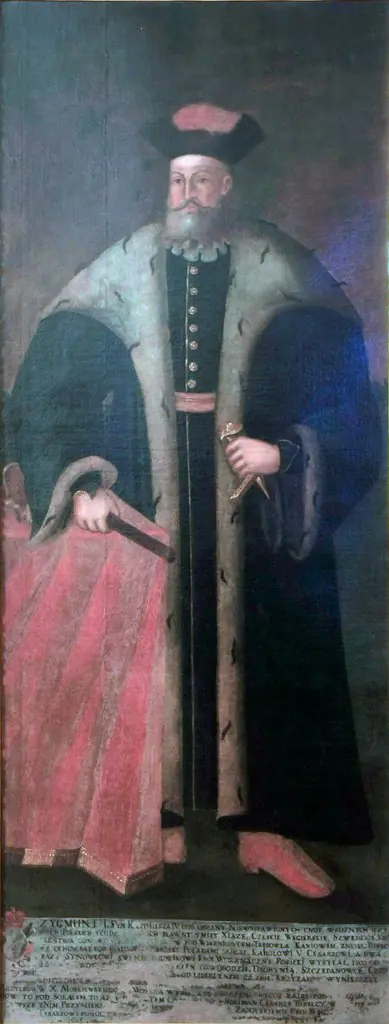 Portrait of king Sigismund I the Old (1467–1548)
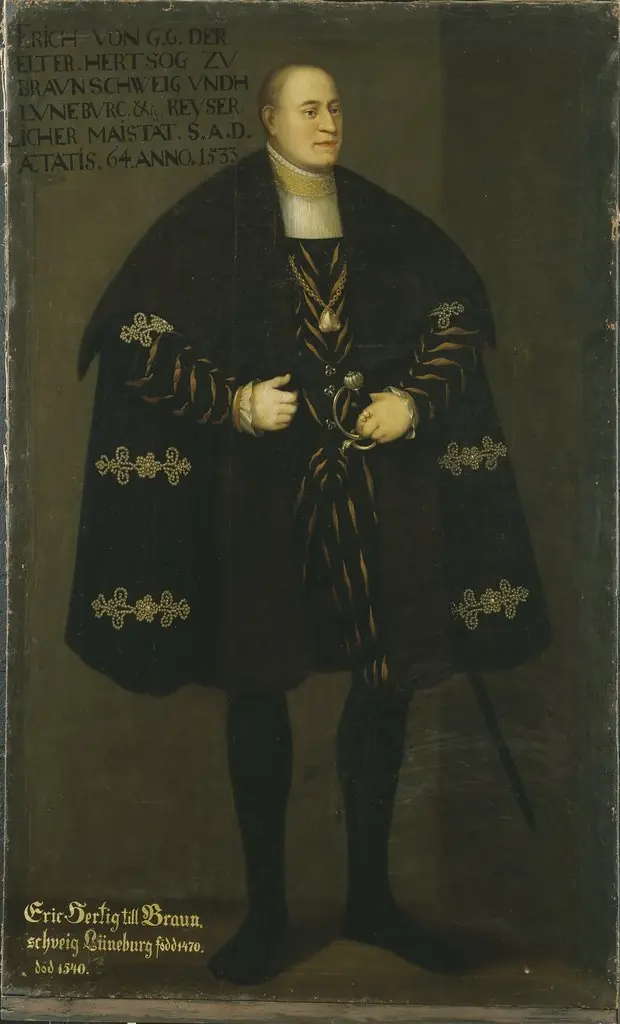 Erik I, 1470-1549, hertig av Braunscweig-Calenberg
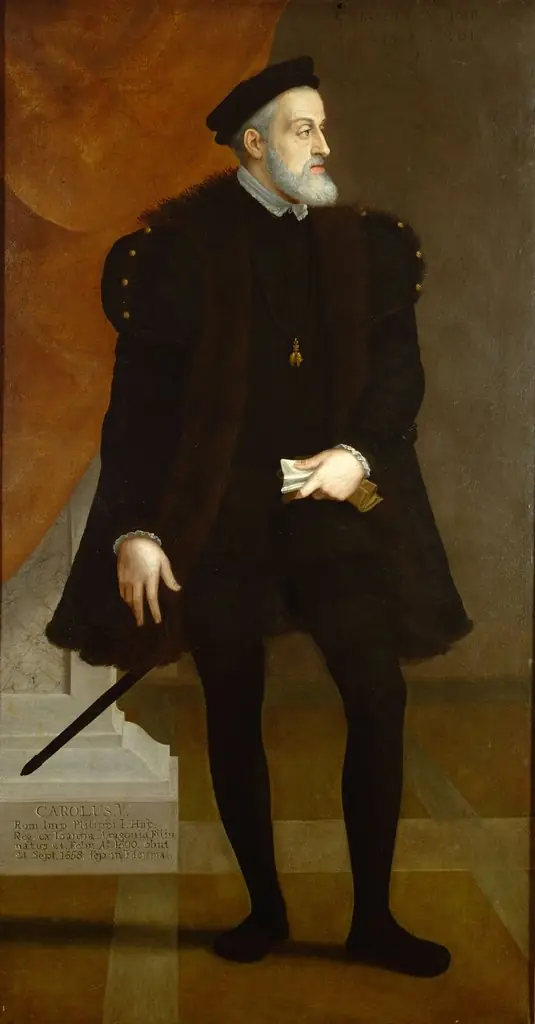 Kaiser Karl V. (1500-1558) als Fünfzigjähriger in ganzer Figur
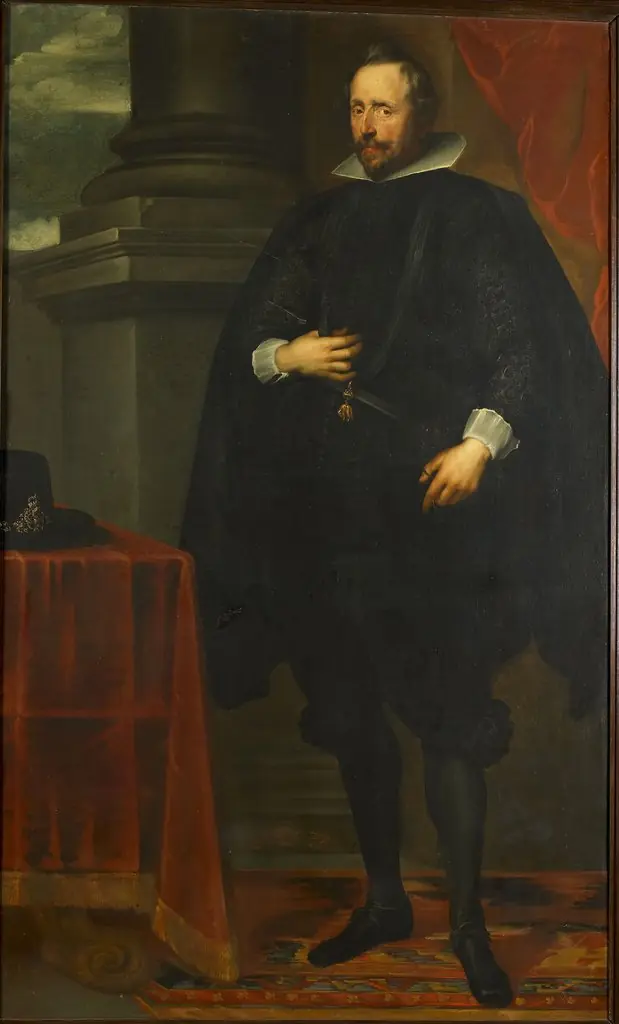 Portrait of Wolfgang Wilhelm, Count Palatine of Neuburg
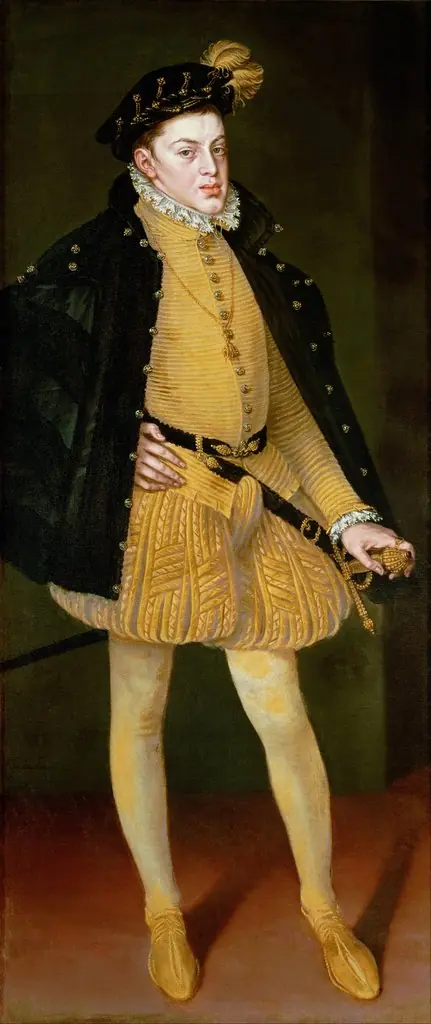 Infante Don Carlos (1545-1568)
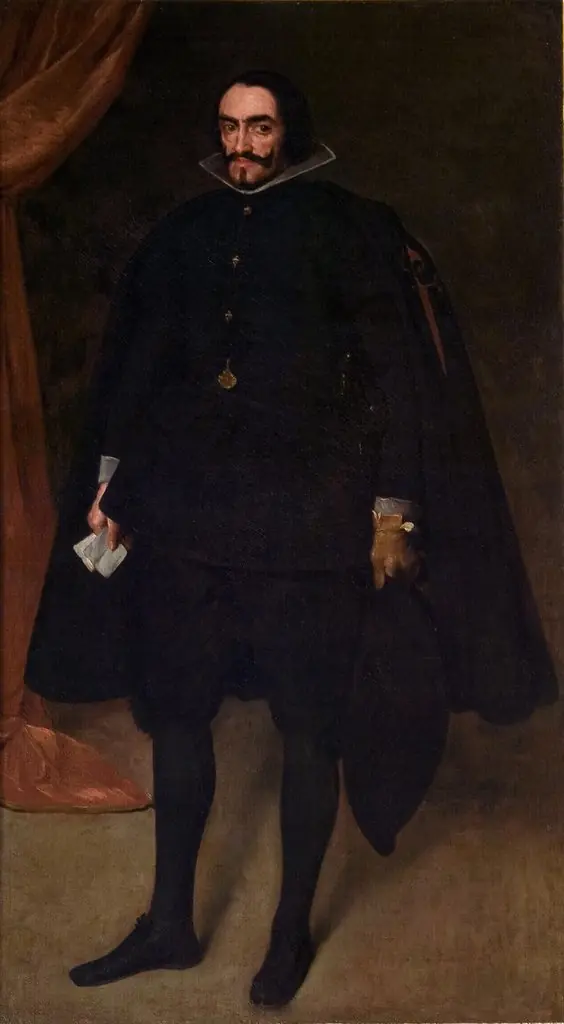 Portrait of a Knight of the Order of Santiago
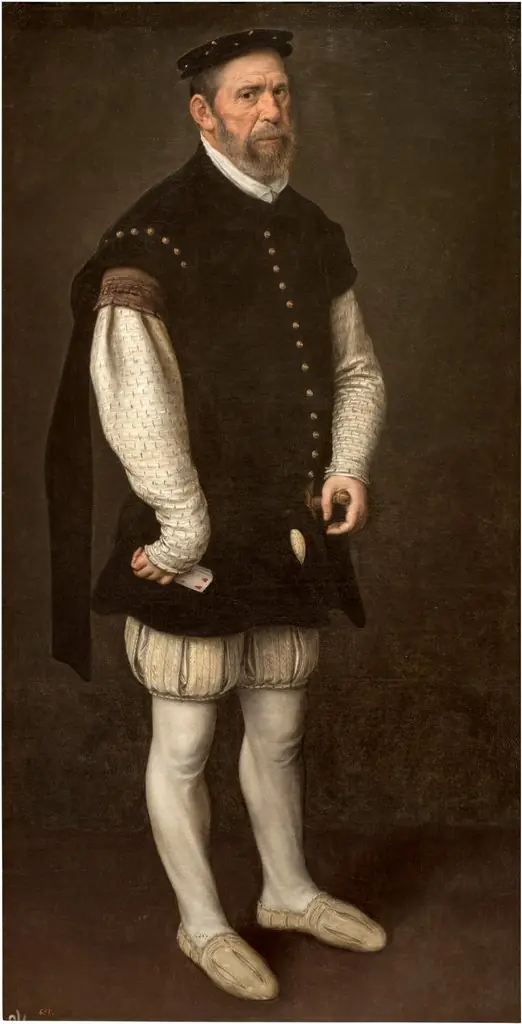 Perejon, the Buffoon of the Count of Benavente and of the Grand Duke of Alba
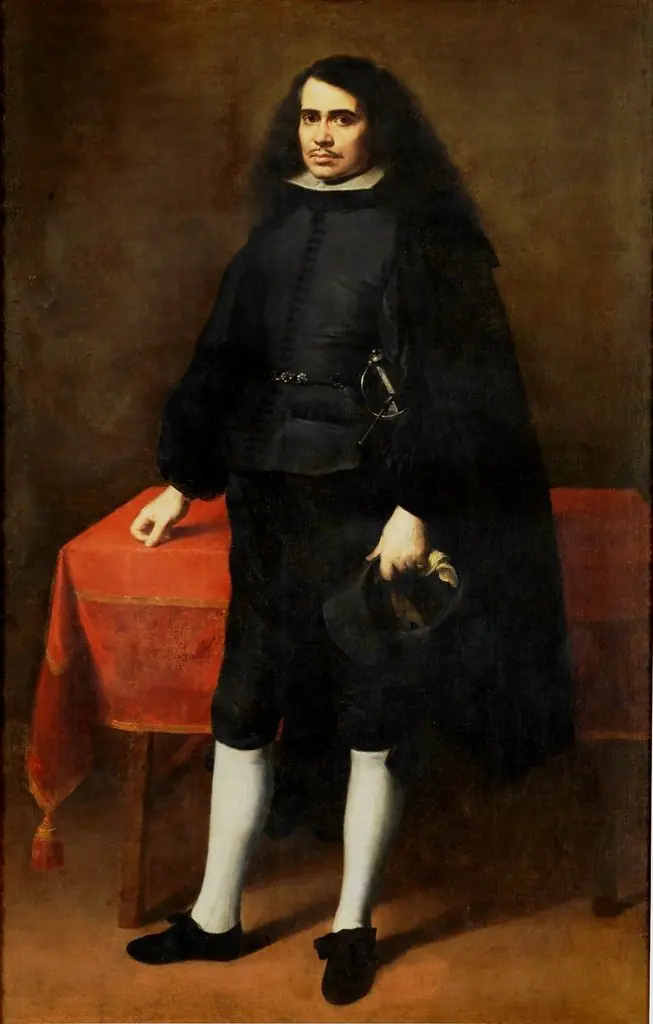 Portrait of a Man
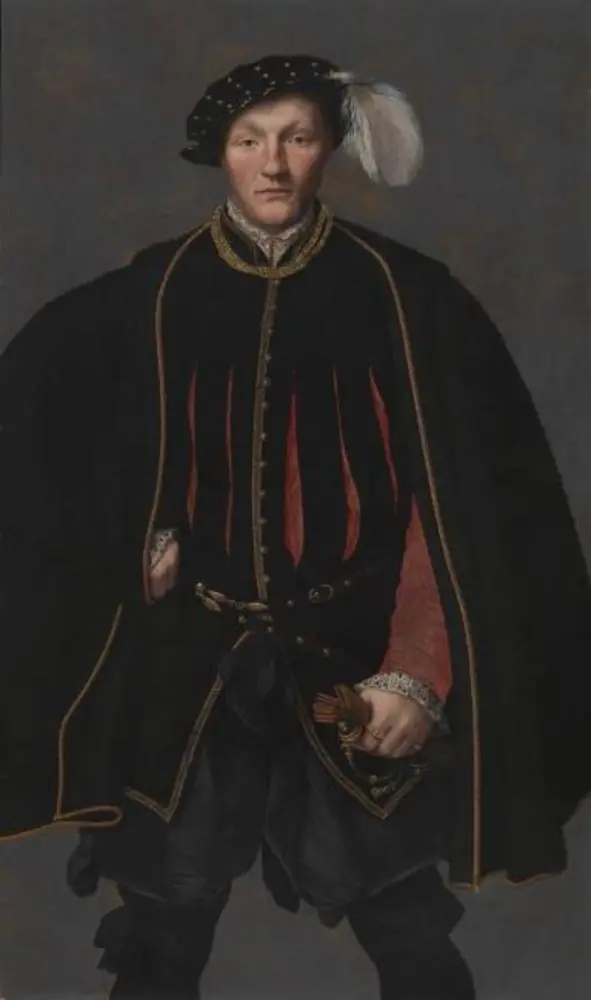 Portrait of a Gentleman, probably of the West Family
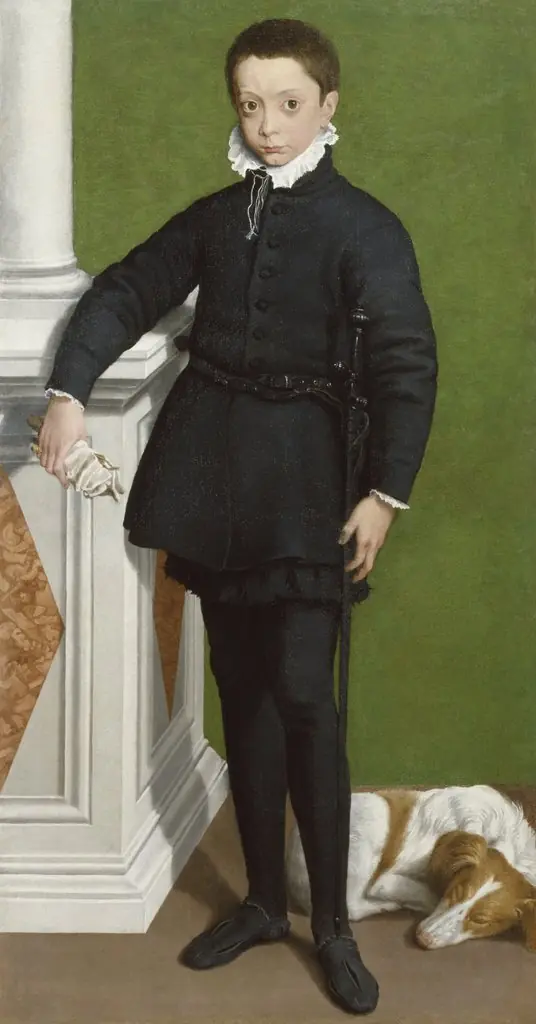 Portrait of Marquess Massimiliano Stampa
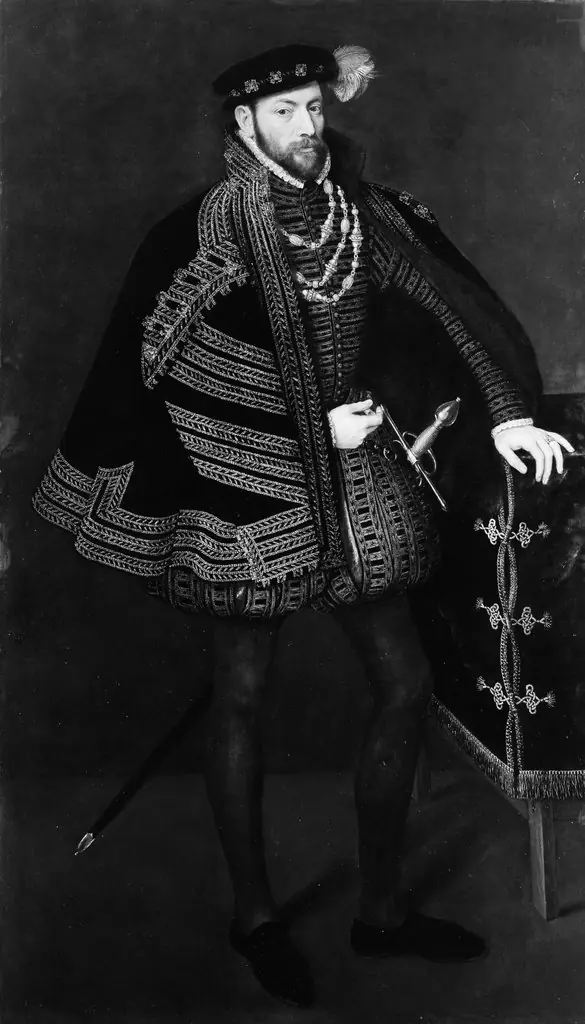 Portrait of a Man, Possibly Ottavio Farnese (1524–1586), Duke of Parma and Piacenza
 Herzog Francois von Alencon und Anjou (1555-1584)