Artwork
Portrait of king Sigismund II Augustus (1520–1572)
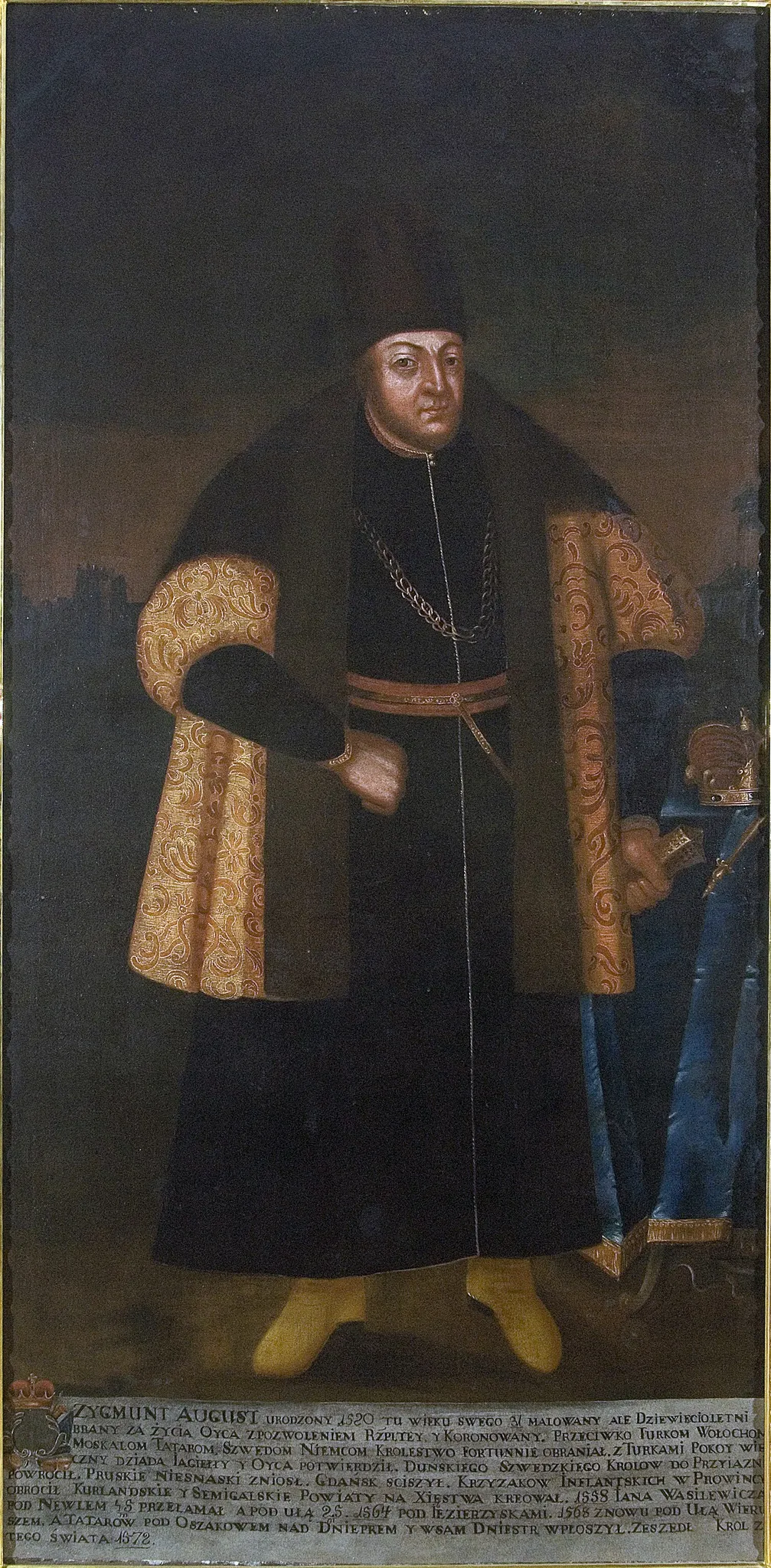
Portrait of king Sigismund II Augustus (1520–1572) is an oil painting by the Rococo painting artist Unknown. It dates from 1756 and is held in the collection of the National Museum in Warsaw.
About this work
Overview
This portrait painting depicts King Sigismund II Augustus (1520–1572) in a formal, authoritative pose, set against a dark, subtly graded background. The overall composition conveys power and luxury through the subject’s attire and accessories.
Subject & Meaning
The subject, King Sigismund II Augustus, is portrayed with symbols of his authority: a long, black robe with gold accents, a brown belt, a gold chain, and a sword in his right hand. These elements collectively emphasize his royal status and power.
Technique & Style
The painting employs chiaroscuro, a technique characterized by strong contrasts between light and dark, to create depth and volume. This approach, combined with the muted color palette punctuated by gold, suggests an influence from artists known for this dramatic lighting style.
Context
The artistic choices, particularly the use of chiaroscuro, place the painting within the broader European Renaissance tradition, where such techniques were used to convey depth and emotional intensity in portraiture.
Legacy
While the painting's direct influence or widespread recognition beyond its subject's historical importance is not highlighted, it remains a significant example of Renaissance portraiture techniques applied to royal subjects of the time.
Artist & collection

 Domestic Scene
 Giacomo and Cardinal Marco, investing Andrea, Abbot of San Zeno, with his Benefice
 The Nymph of Fontainebleau
 Portrait of a Woman
 Madonna and Child with Saints in the Enclosed Garden
 Venus and Minerva
 Family Group of Four on Sofa
 Wall painting from Room H of the Villa of P. Fannius Synistor at Boscoreale
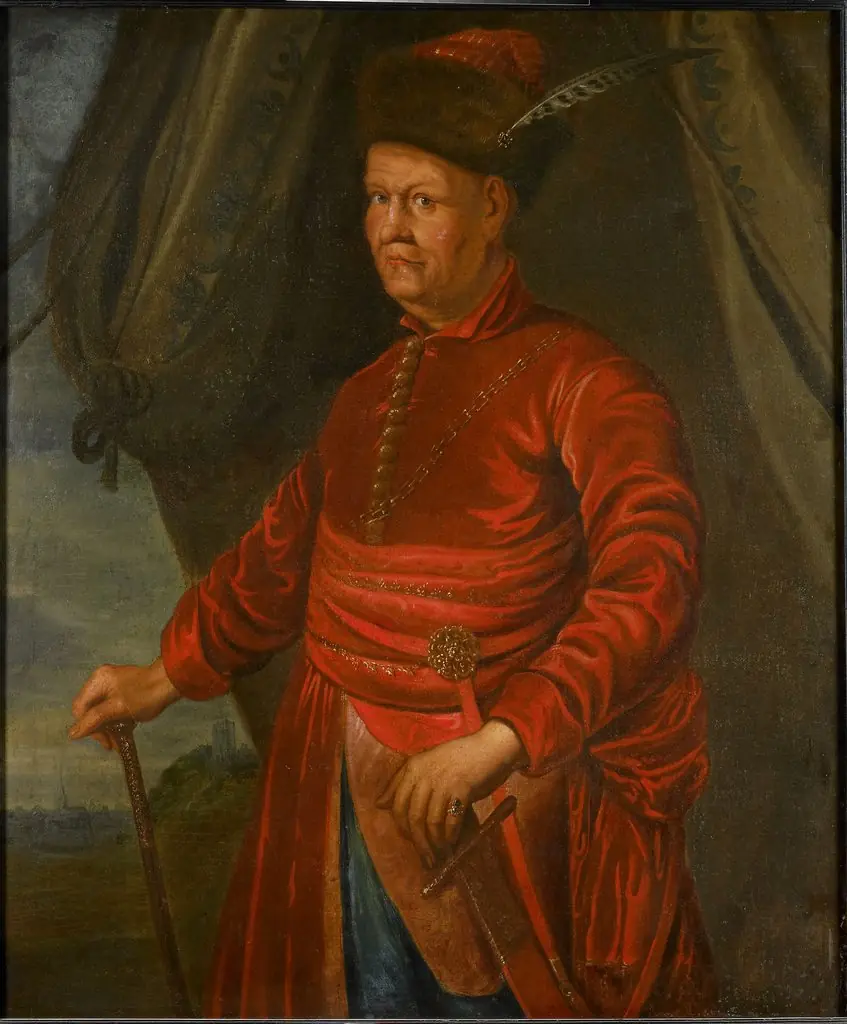 Portrait of Johann Ludwig Hektor Duke of Isolani
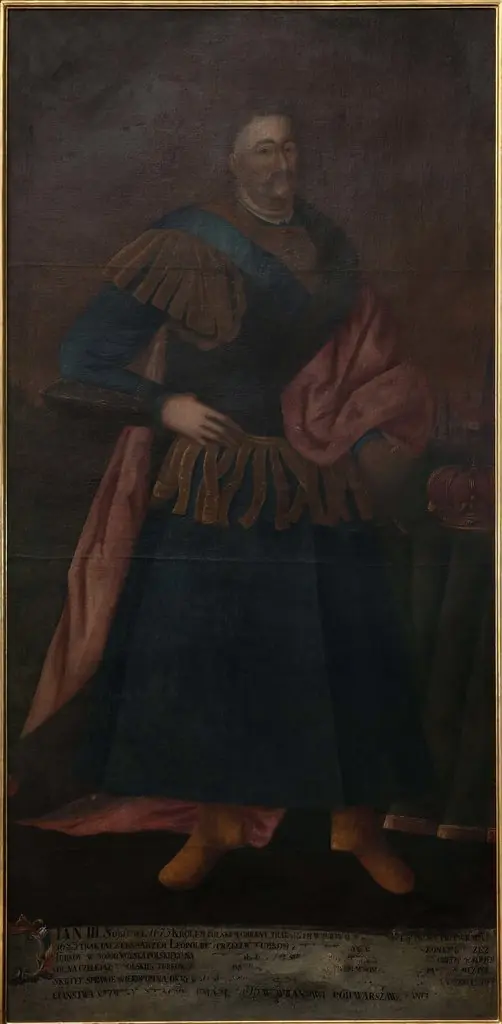 Portrait of John III Sobieski (1629–1696), King of Poland
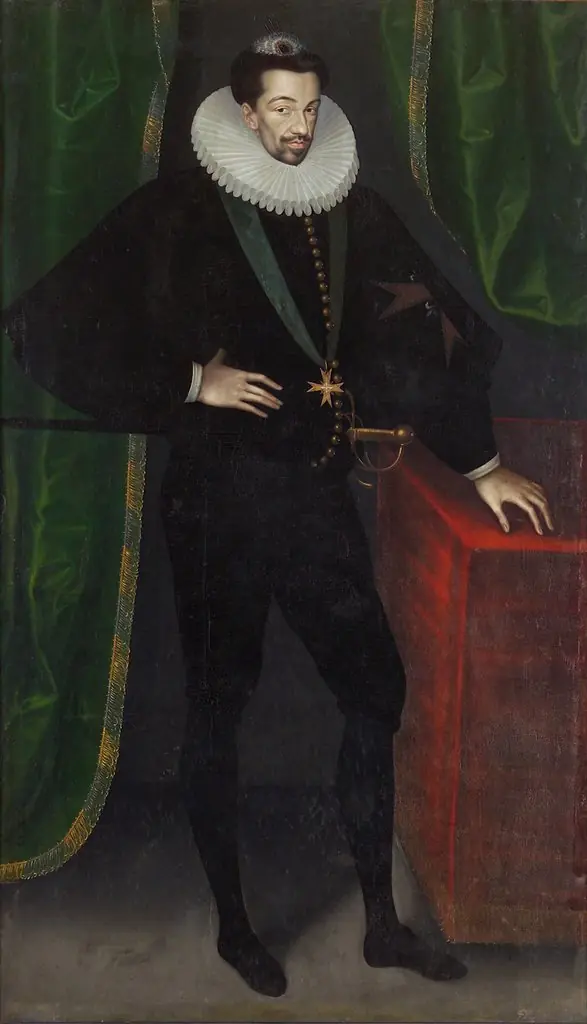 König Heinrich III. von Frankreich (1551-1589), in ganzer Figur
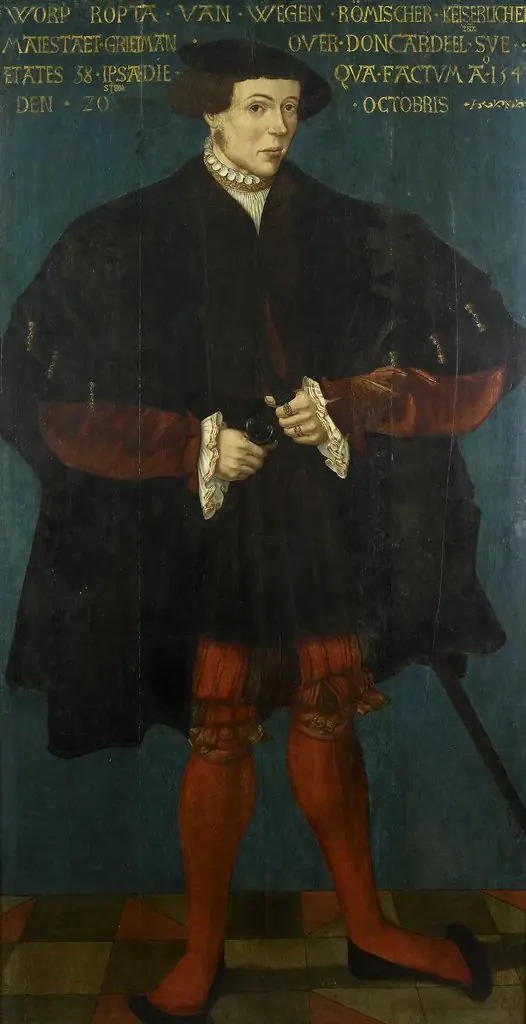 Portrait of Worp van Ropta, Chief Magistrate of East Dongeradeel
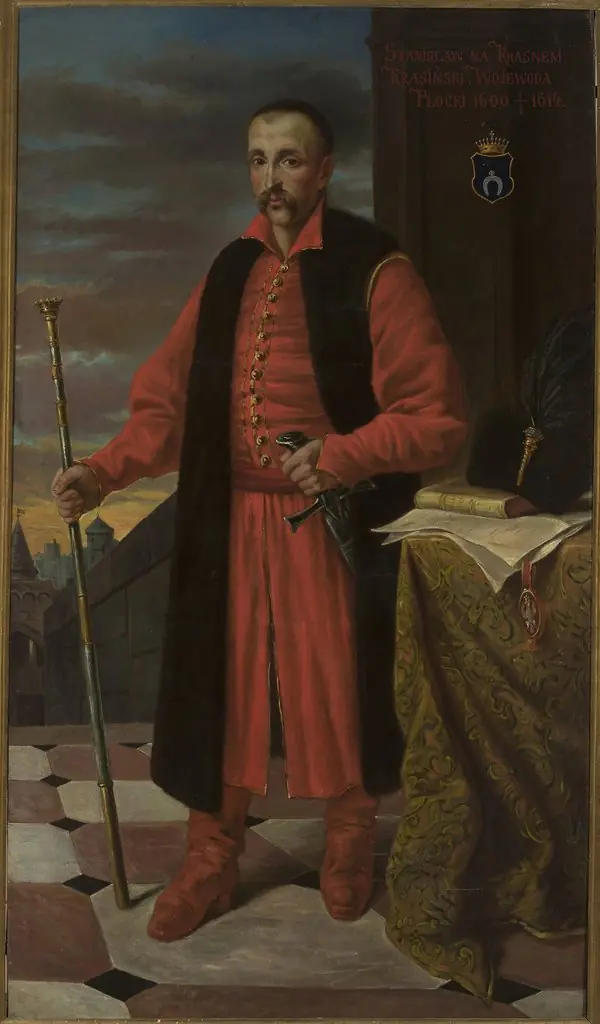 Portrait of Stanisław Krasiński (1558–1617), voivode of Płock
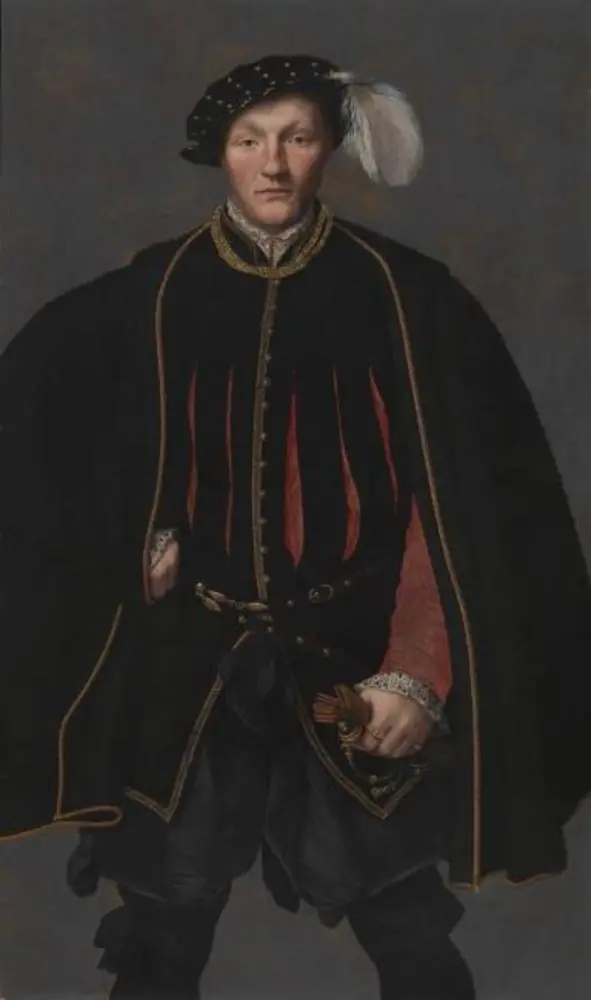 Portrait of a Gentleman, probably of the West Family
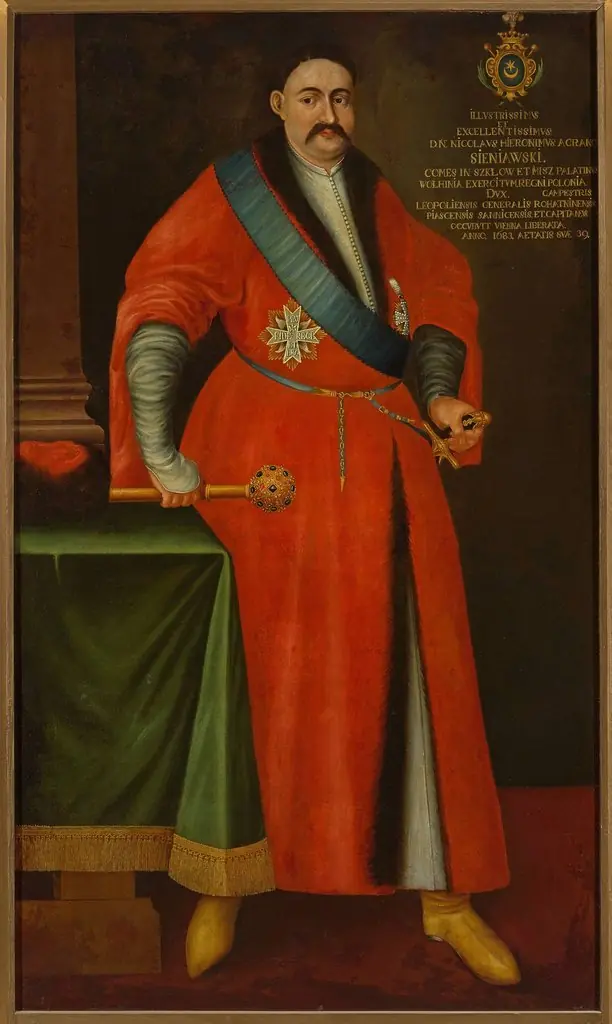 Portrait of Mikołaj Hieronim Sieniawski (d. 1683)
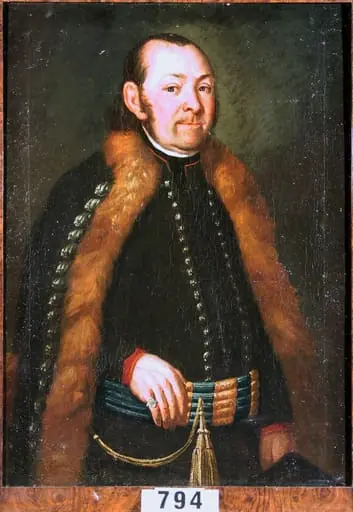 Măcelarul sibian Georg Hinzmann
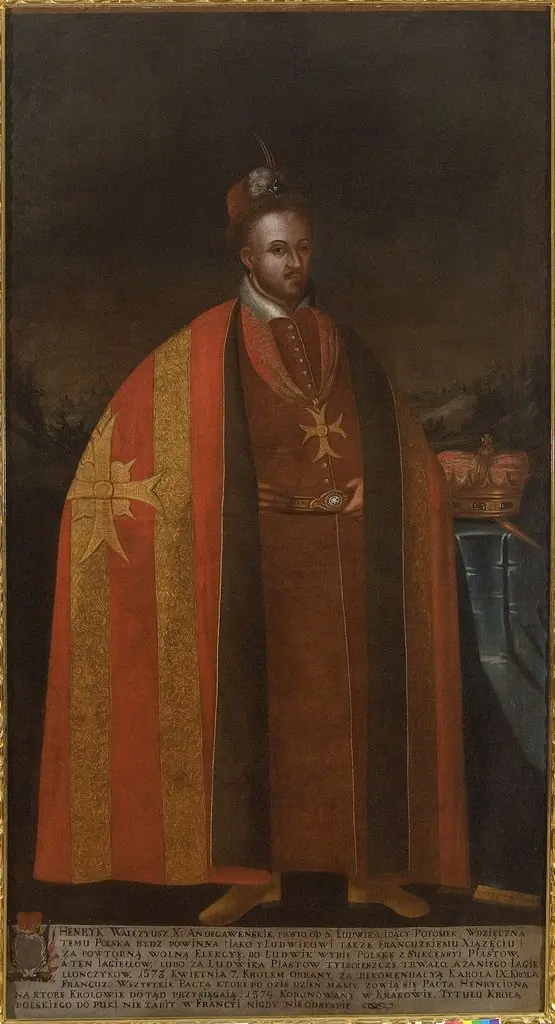 Portrait of Henry of Valois (1551–1589)