Artwork
Illustrated Legends of the Tenchi-in (Tenchi-in engi)
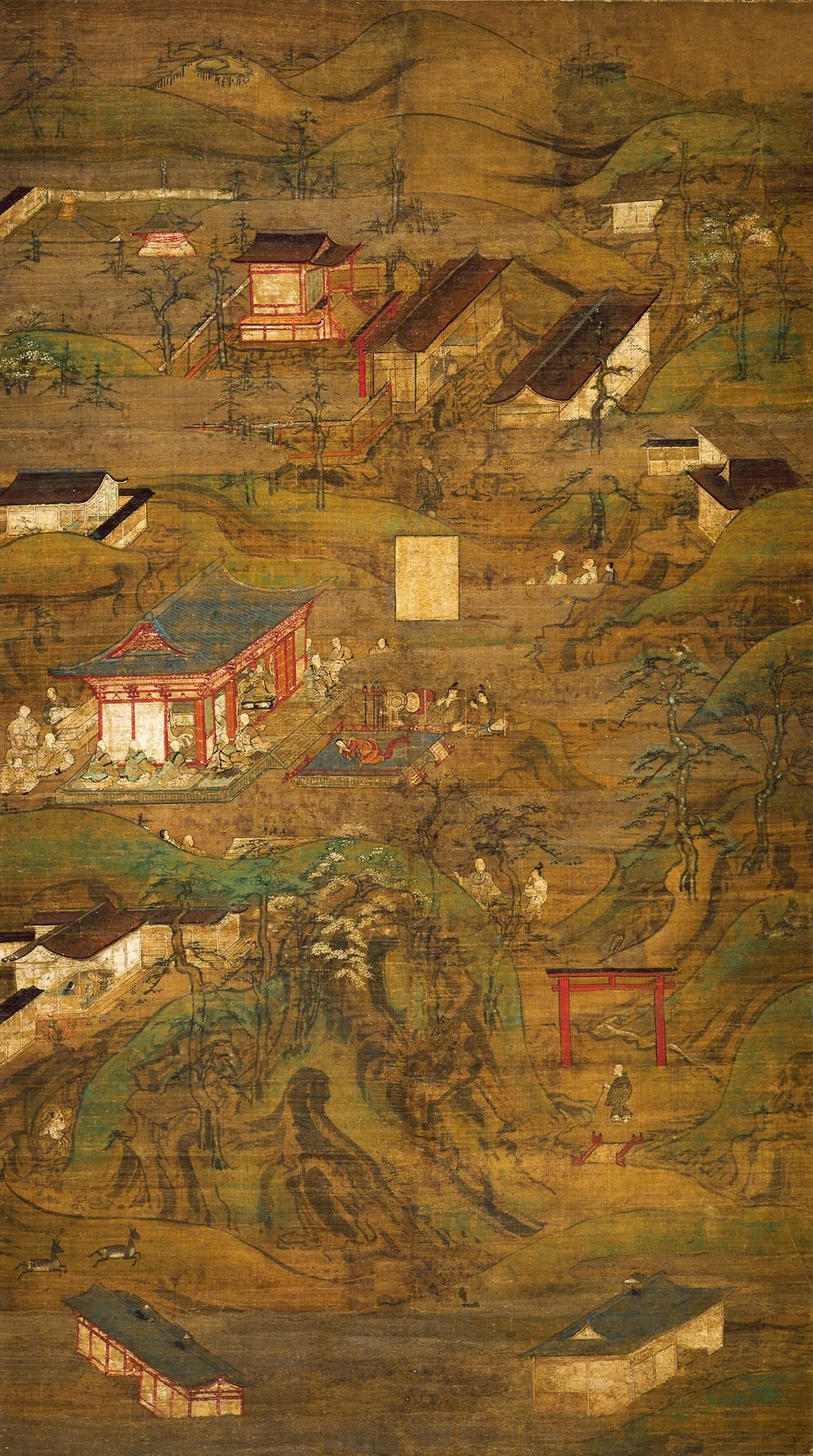
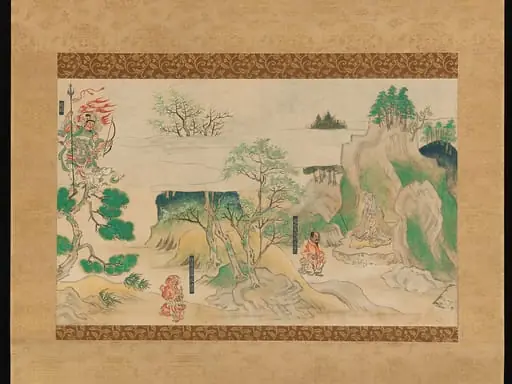
Illustrated Legends of the Tenchi-in (Tenchi-in engi) is an unspecified painting by the Byzantine icon painting artist Unknown. It dates from 1349 and is held in the collection of the Art Institute of Chicago. This handscroll painting illustrates episodes from the founding legends of the Tenchi-in, a Shinto shrine in Kyoto.
About this work
Overview
The composition unfolds horizontally, guiding the viewer through a sequence of narrative moments tied to the shrine’s origins.
This handscroll painting illustrates episodes from the founding legends of the Tenchi-in, a Shinto shrine in Kyoto. Executed in the traditional Yamato-e style, it depicts a valley landscape with architectural structures, figures in motion, and natural elements rendered with rhythmic lines and vivid pigments. The composition unfolds horizontally, guiding the viewer through a sequence of narrative moments tied to the shrine’s origins.
Subject & Meaning
The scenes portray mythic events surrounding the shrine’s establishment, including divine appearances and ritual acts by imperial figures. Figures engage in processions, offerings, and contemplative moments, reinforcing the sacred character of the site. The integration of human activity within the landscape underscores the harmony between spiritual power and the natural world, central to Shinto belief.
Technique & Style
The work employs mineral pigments on paper, with bold ink outlines defining forms and flat planes of color creating spatial depth through layering rather than perspective. Buildings and trees are stylized, their shapes simplified yet expressive. Subtle shading and textured brushwork suggest foliage and stone, while the absence of atmospheric perspective enhances the decorative, narrative focus of the composition.
History & Provenance
Created in the late 14th or early 15th century, the painting likely originated as part of a set of illustrated scrolls commissioned by shrine officials or imperial patrons. It remained within religious or aristocratic circles, preserved for its ritual and historical significance. Its survival reflects the enduring reverence for the Tenchi-in’s founding myths in medieval Japanese religious culture.
Context
This painting emerged during a period when illustrated scrolls (emaki) flourished as vehicles for religious and historical storytelling. It aligns with contemporaneous works that blended Shinto mythology with courtly aesthetics, reflecting the close ties between shrine authority and the imperial court. Such scrolls served both devotional and didactic purposes, reinforcing local sacred traditions through visual narrative.
Legacy
The scroll contributes to a broader tradition of Japanese narrative painting that prioritized spiritual and historical continuity over realism. Though not widely known outside specialized circles, it remains a key example of how religious identity was visually encoded in medieval Japan. Its preservation allows ongoing study of how myth, landscape, and ritual were interwoven in visual culture.
Artist & collection

 Domestic Scene
 Giacomo and Cardinal Marco, investing Andrea, Abbot of San Zeno, with his Benefice
 The Nymph of Fontainebleau
 Portrait of a Woman
 Madonna and Child with Saints in the Enclosed Garden
 Venus and Minerva
 Family Group of Four on Sofa
 Wall painting from Room H of the Villa of P. Fannius Synistor at Boscoreale
 Pastimes and Pleasures in the Eastern Hills of Kyoto
 元末明初 佚名 絹本設色 嬰戯圖 軸|Children playing in the palace garden
 仏伝図|Scene from the Life of the Buddha
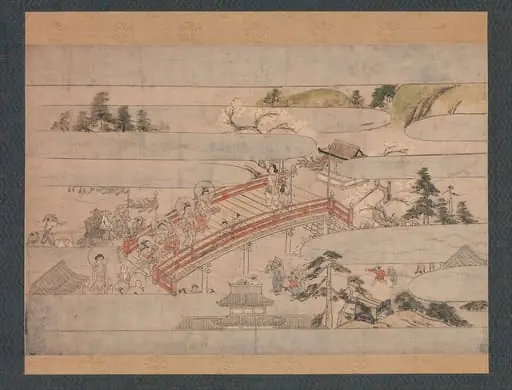 秋夜長物語絵巻断簡|The Final Scene from A Long Tale for an Autumn Night (Aki no yonaga monogatari)
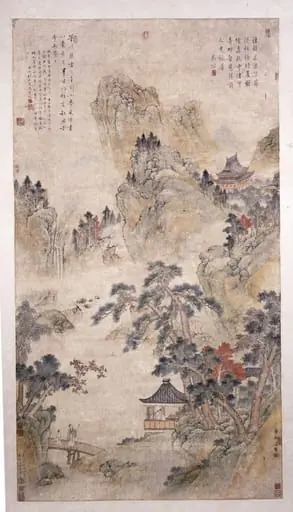 Visiting a friend in the mountains
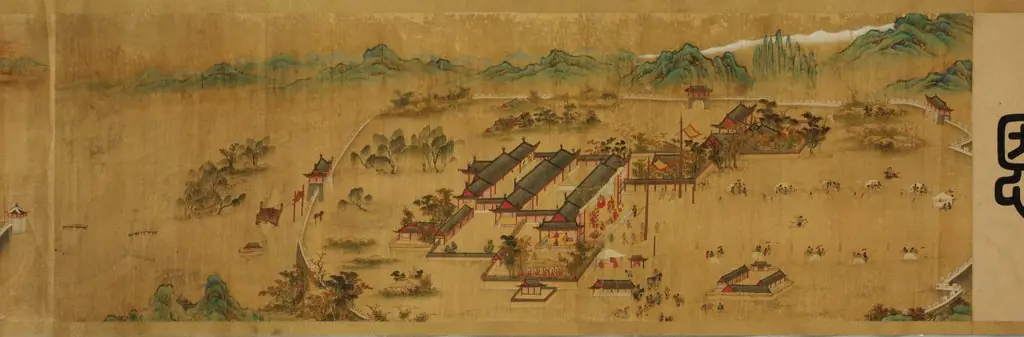 북새선은도
북새선은도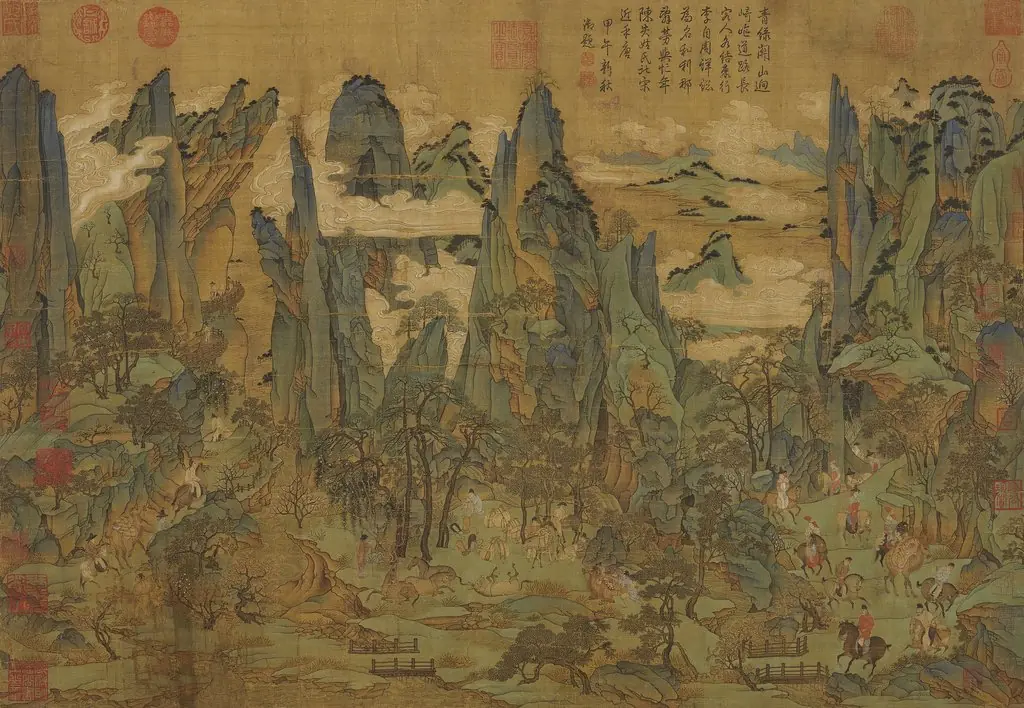 Emperor Ming-huang's Flight to Szechuan
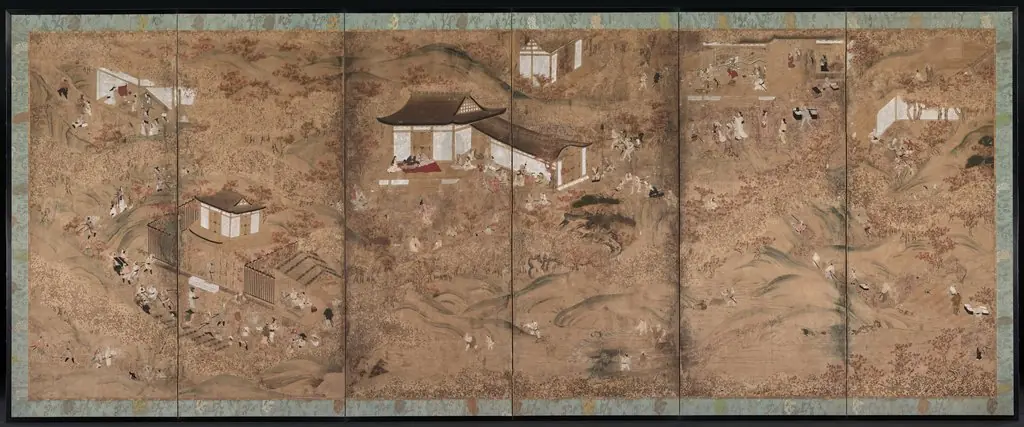 Autumn in the Mountains
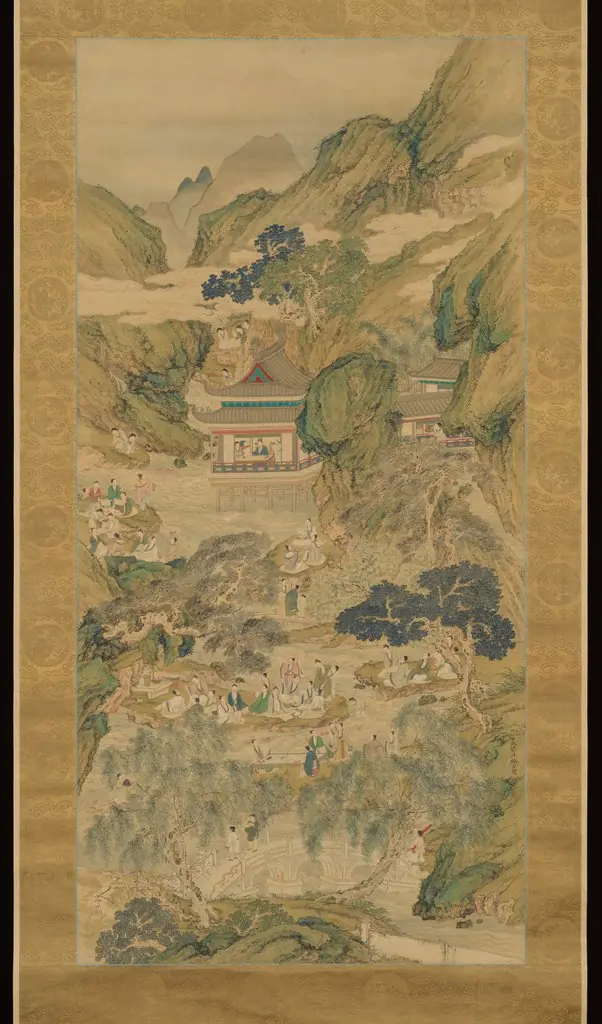 Lanting Gathering in Blue and Green 青緑蘭亭脩禊図 (Seiryoku rantei shūkei zu)
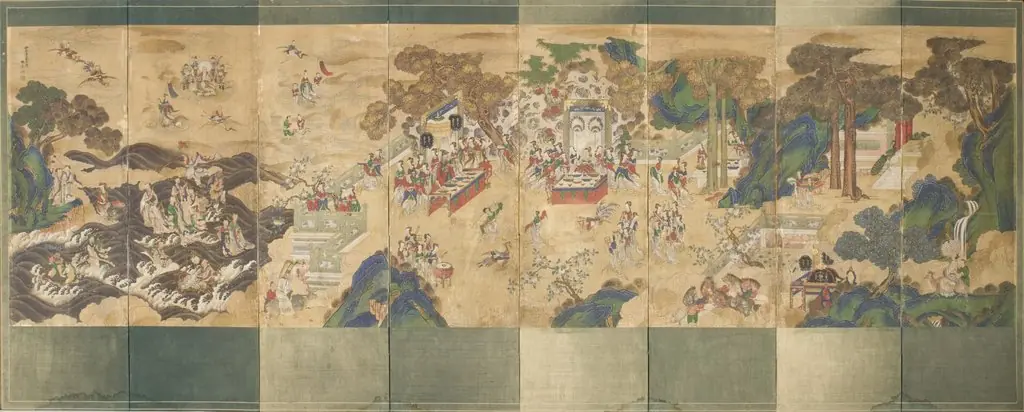 The Banquet of Seowangmo (Xiwangmu), Queen Mother of the West
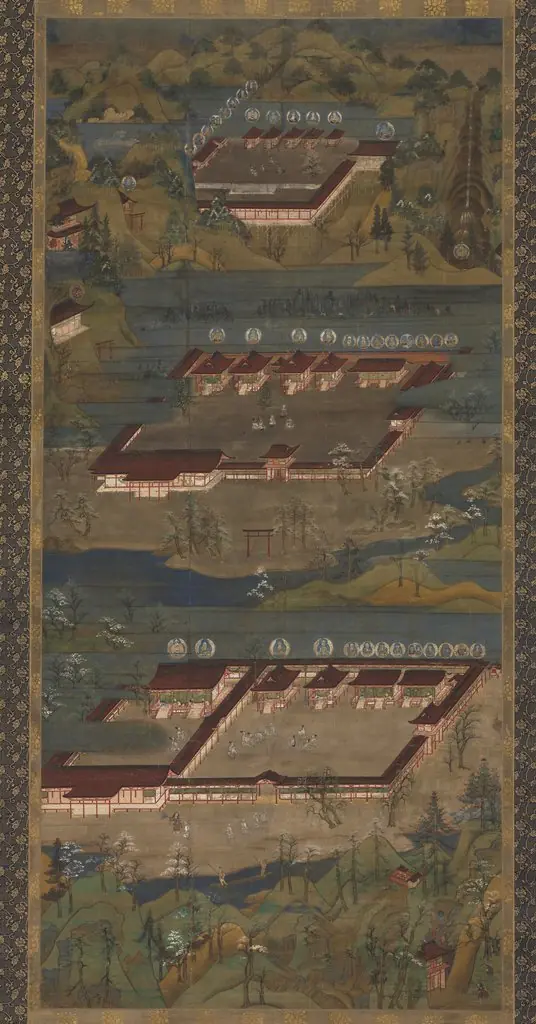 Mandala of the Three Shrines at Kumano
 神於寺縁起絵巻断簡|Scene from The Illustrated Legends of Jin’ōji Temple