Artwork
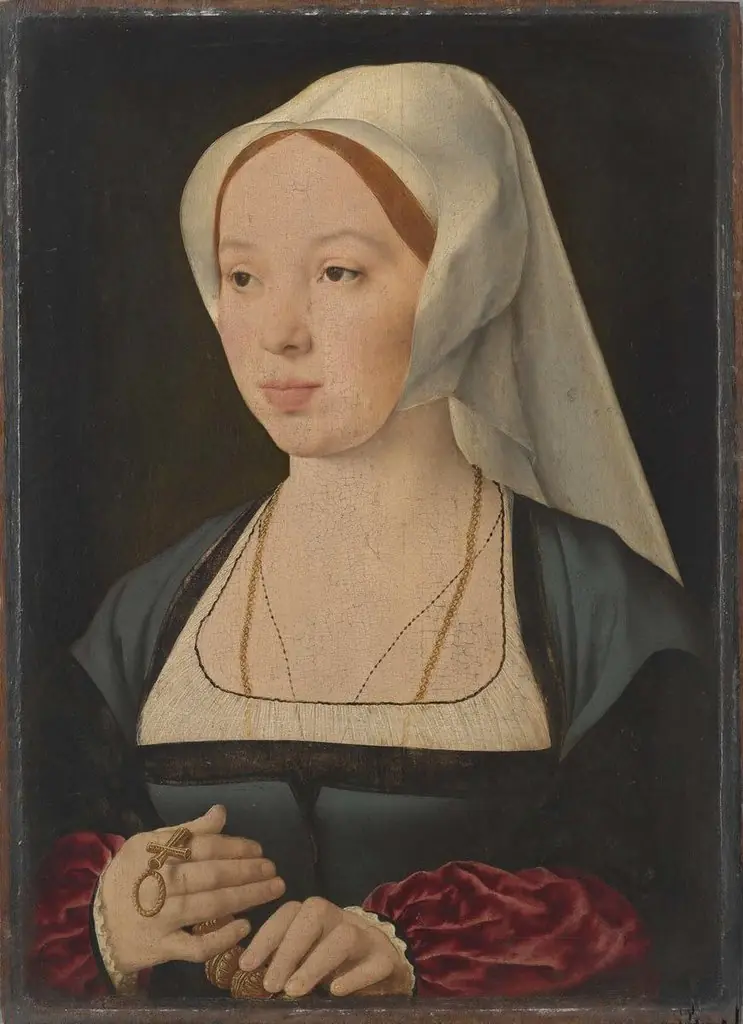
Portrait of an English lady
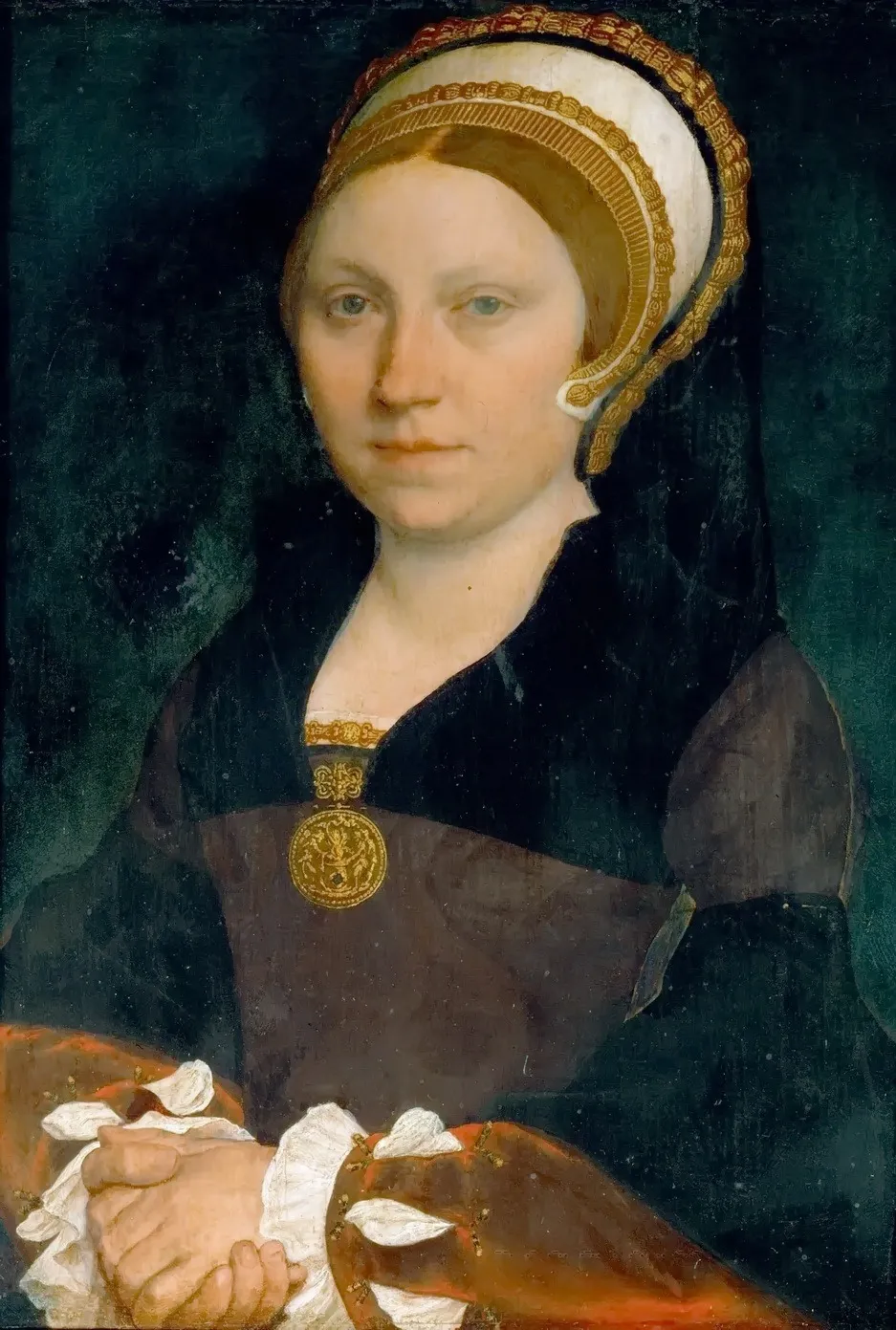
Portrait of an English lady is an unspecified painting by the Early Baroque Italian artist Hans Holbein the Younger. It dates from 1540 and is held in the collection of the Kunsthistorisches Museum.
About this work
Overview
Painted in 1540 on an oak panel, this portrait is the work of Hans Holbein the Younger, a German artist of Swiss origin active in England.
Painted in 1540 on an oak panel, this portrait is the work of Hans Holbein the Younger, a German artist of Swiss origin active in England. Known for his precise draftsmanship and psychological depth, Holbein specialized in portraiture during his time at the Tudor court. The painting exemplifies his ability to capture quiet dignity through restrained composition and meticulous detail, characteristic of Northern Renaissance traditions.
Subject & Meaning
The sitter is an unidentified English noblewoman, dressed in somber yet elaborate attire that signals her status. Her high-necked gown, white cap, and ornate gold headpiece reflect contemporary fashion among elite women. The object she holds—possibly a book or a wrapped gift—suggests piety or social gesture, while the gold pendant at her chest may denote personal or familial significance. Her composed expression conveys reserve rather than emotion, typical of portraiture intended for public presentation.
Technique & Style
Holbein employed fine brushwork and layered glazes to render textures with precision: the silk of her dress, the metallic sheen of her hat, and the softness of her skin. Light falls subtly across her face and headdress, creating a gentle chiaroscuro that models form without dramatic contrast. The dark, unadorned background isolates the figure, focusing attention on her presence and attire. The composition avoids embellishment, emphasizing clarity and realism over idealization.
History & Provenance
The painting entered the collection of the Kunsthistorisches Museum in Vienna, where it remains today. Its journey from 16th-century England to Austria is undocumented, but it likely passed through private collections before being acquired by the Habsburgs. Holbein’s reputation as a court painter ensured his works were sought after by European elites, aiding their preservation and eventual institutional acquisition.
Context
Created during Holbein’s second stay in England, the portrait reflects the cultural and religious shifts under Henry VIII’s reign. Portraiture served political and social functions, reinforcing identity and lineage among the nobility. While Italian Renaissance ideals influenced European art, Holbein retained Northern attention to detail and material realism, distinguishing his work from the more idealized styles emerging in southern Europe.
Legacy
This portrait exemplifies Holbein’s enduring influence on Northern European portraiture. His ability to convey individuality through subtle expression and precise rendering set a standard for later artists. Though the sitter’s identity remains unknown, the painting continues to be studied for its technical mastery and insight into Tudor-era aesthetics, offering a quiet yet powerful record of early modern elite life.
Artist & collection
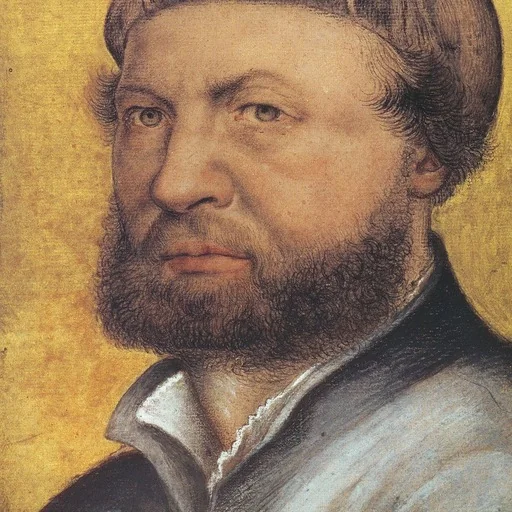
Artist
Hans Holbein the Younger (UK: HOL-byne, US: HOHL-byne, HAWL-; German: Hans Holbein der Jüngere; c.

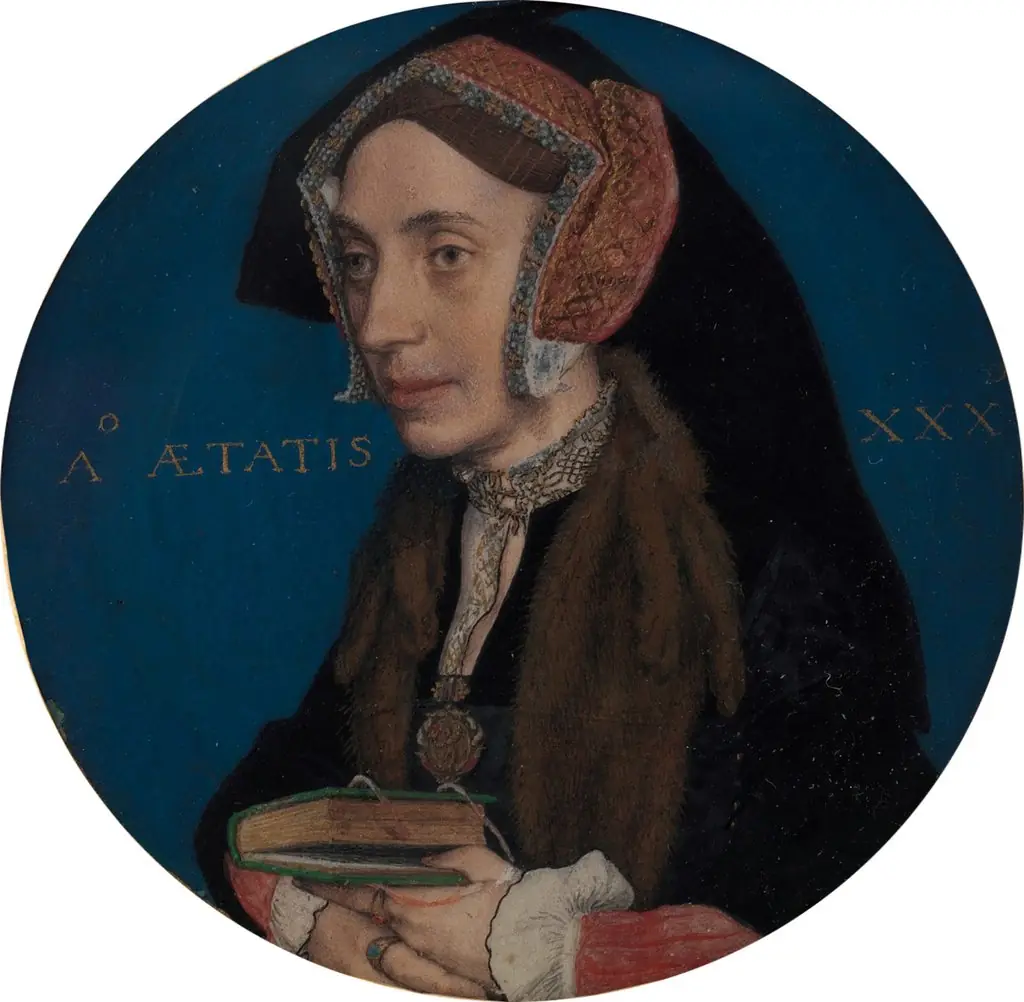
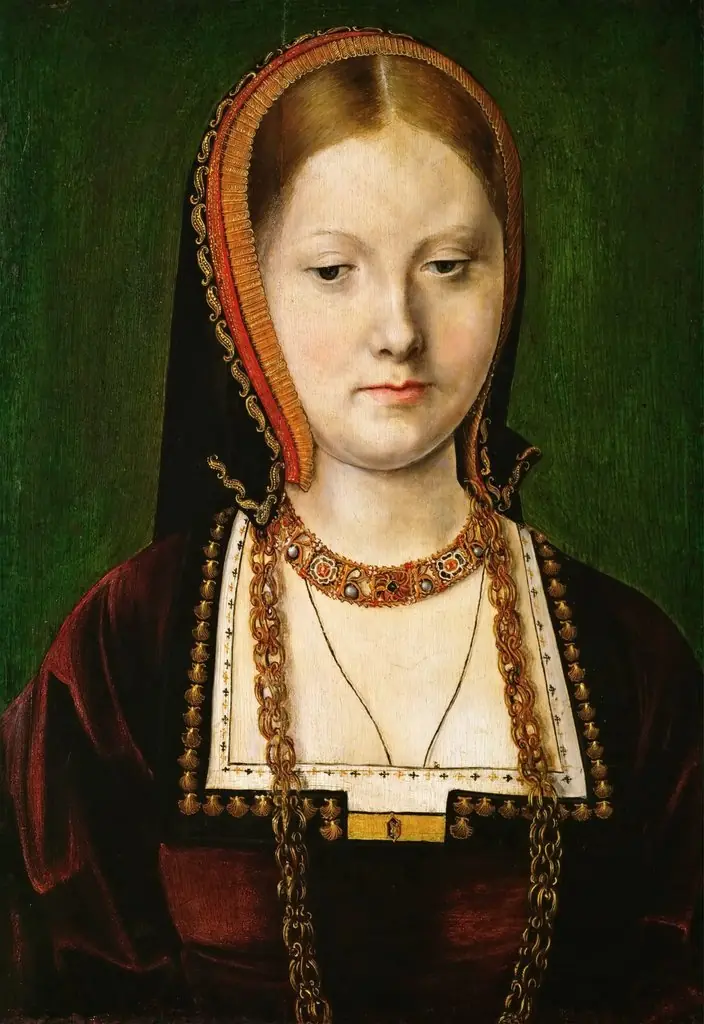 Mary Rose Tudor (1496-1533), Schwester Heinrichs VIII. von England (?)
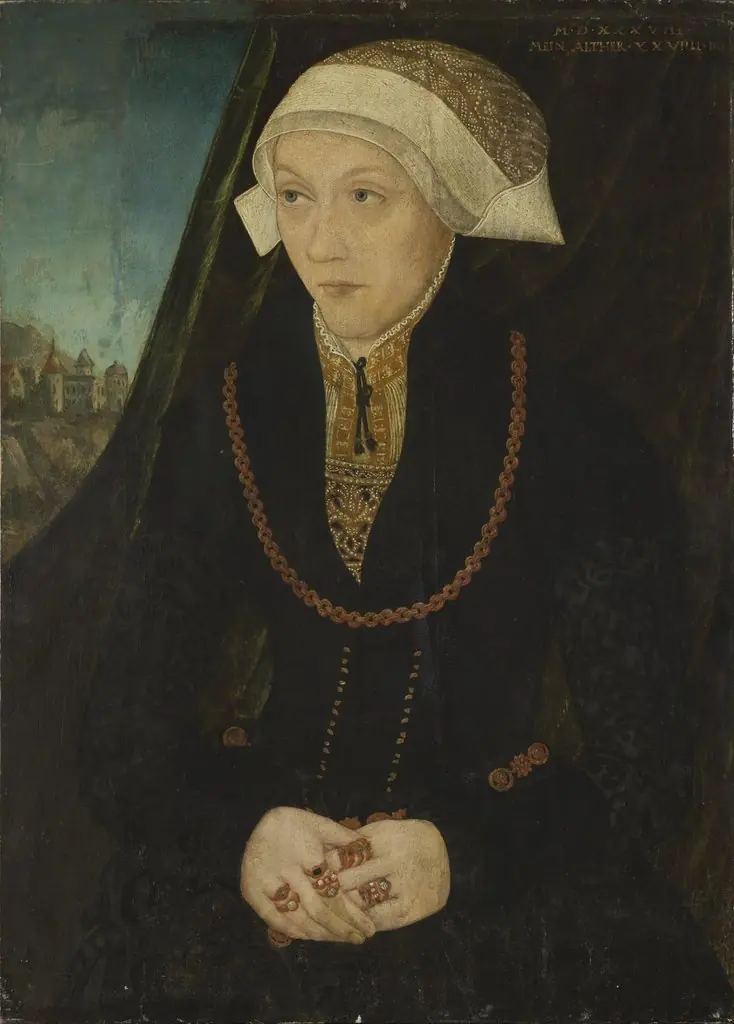 Portrait of a woman
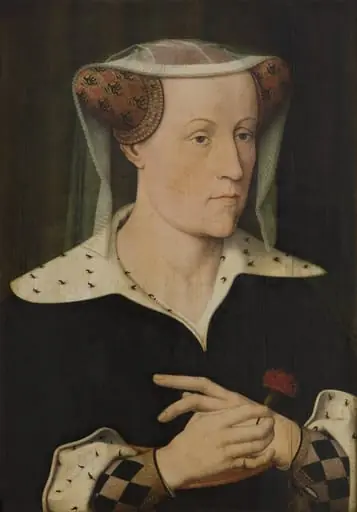 Jacoba of Bavaria, Countess of Holland and Zeeland
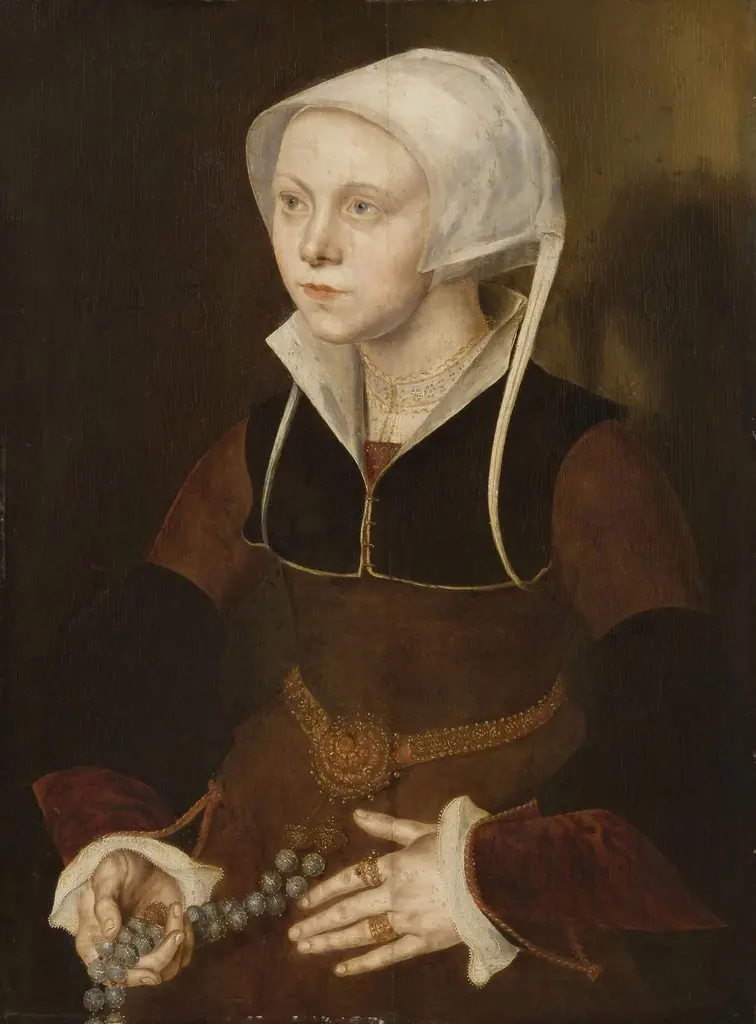 Portrait of a Nineteen-Year-Old Woman
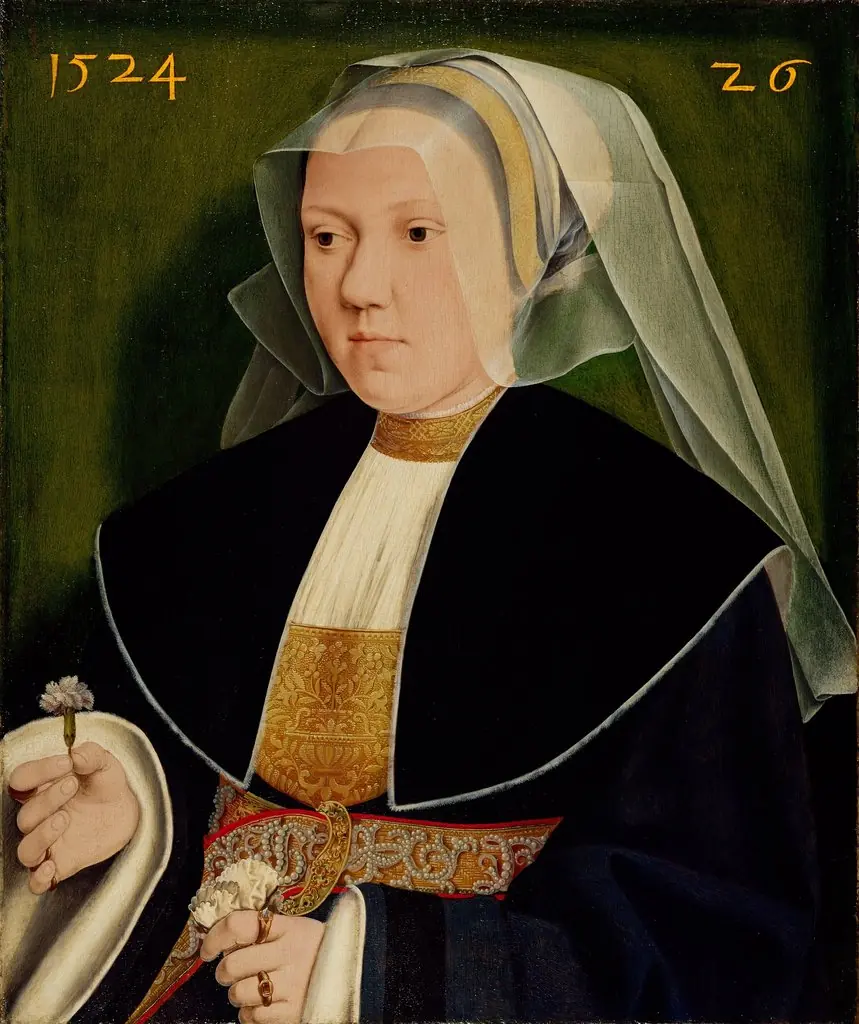 Portrait of Margaretha von Mochau, wife of Gerhard von Westerburg
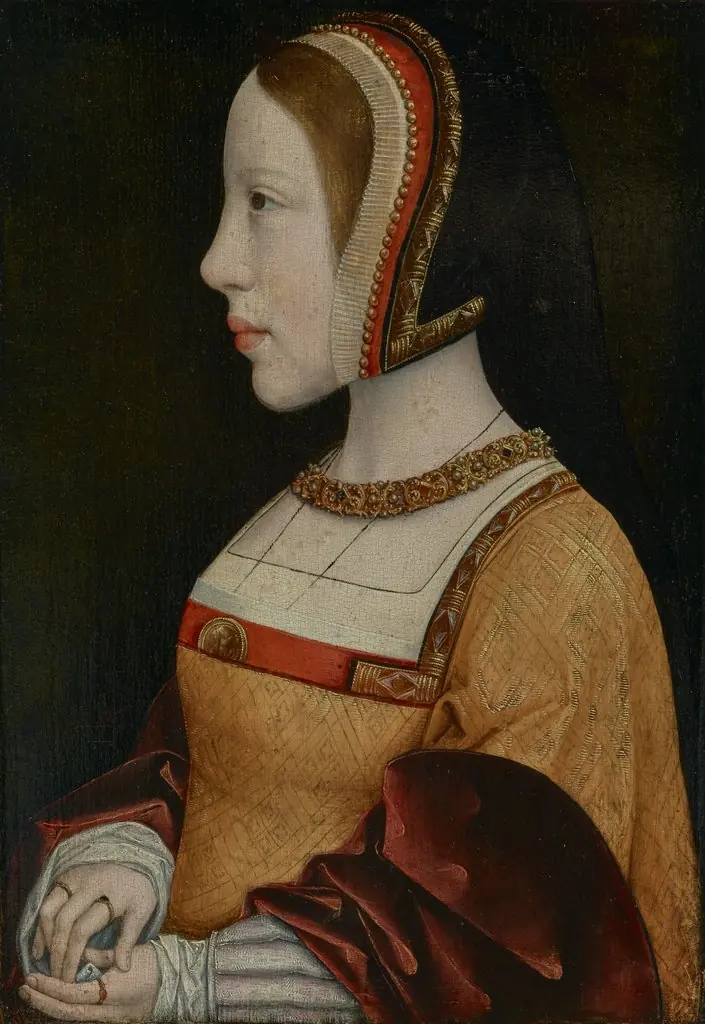 Portrait of Isabella of Austria (1501–1526)
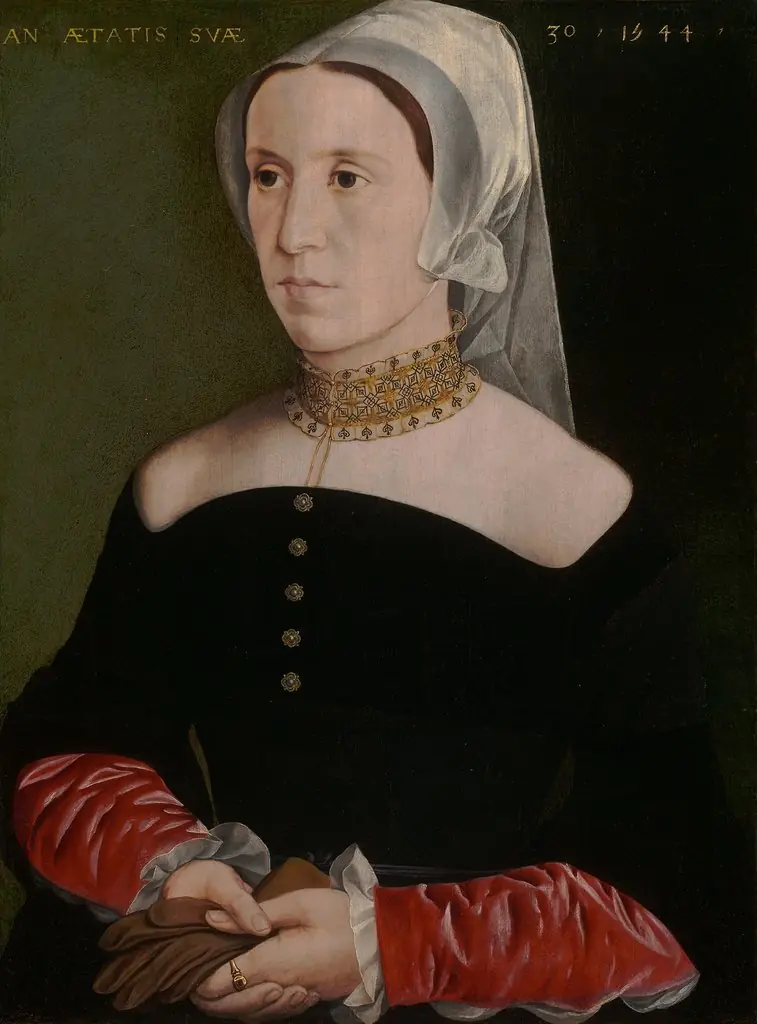 Portrait of a Woman
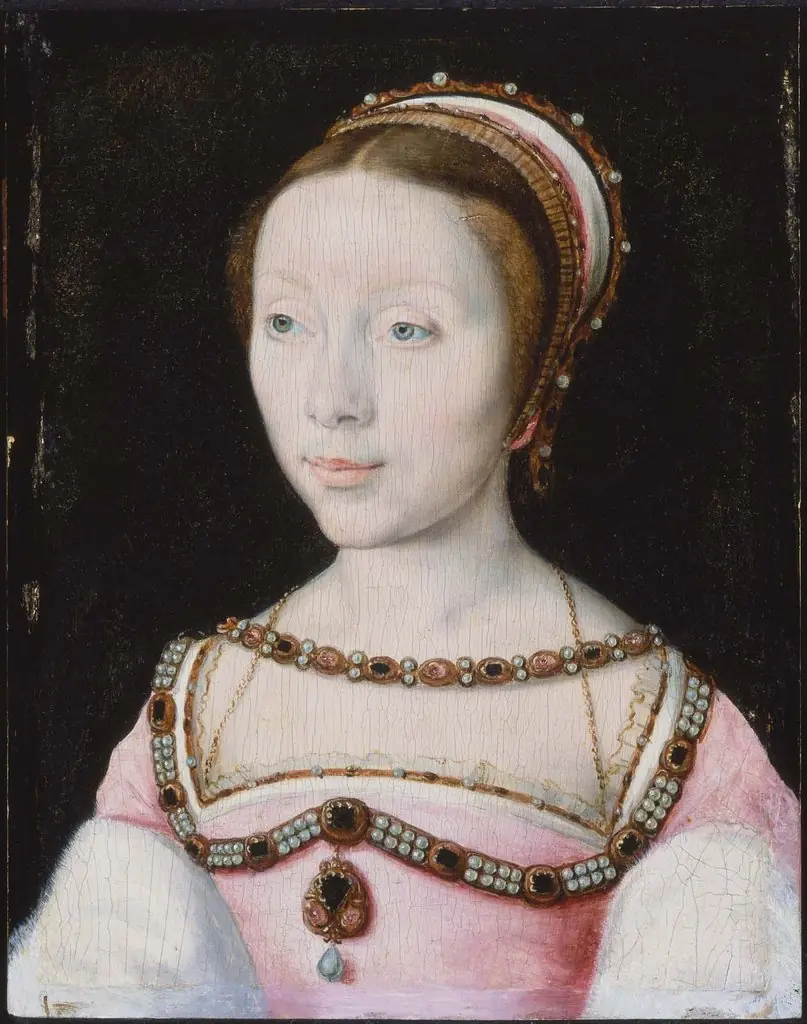 Françoise de Longwy
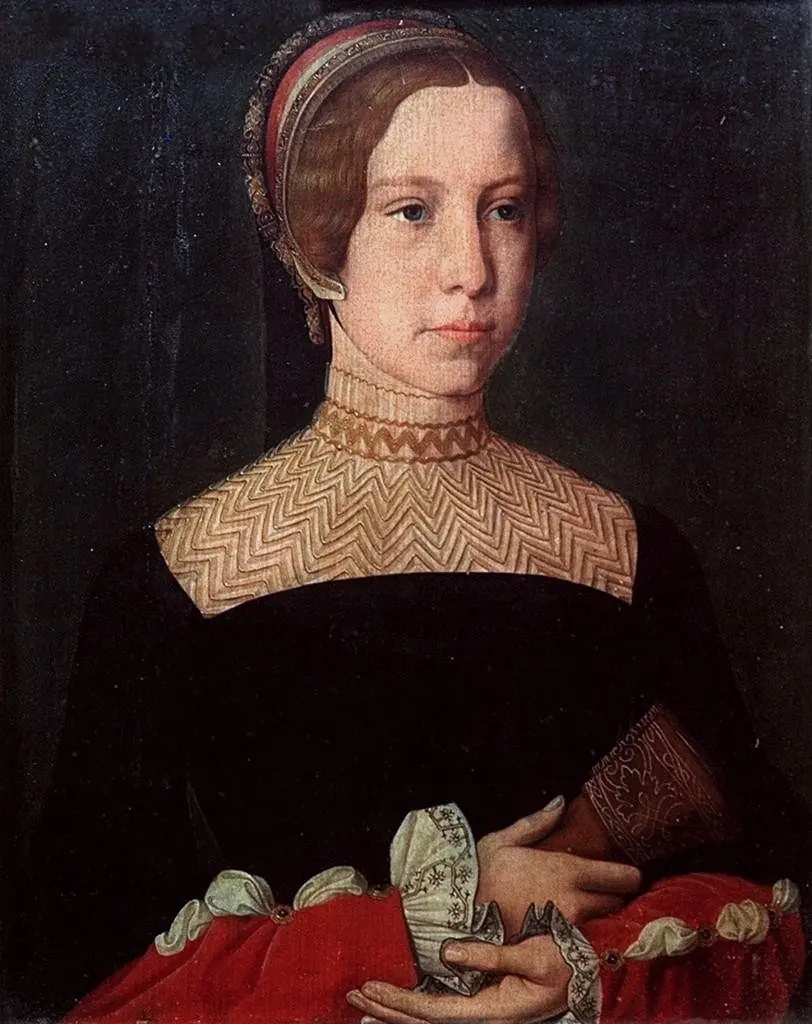 Ritratto di donna (Madeleine de la Tour d'Auvergne ?)
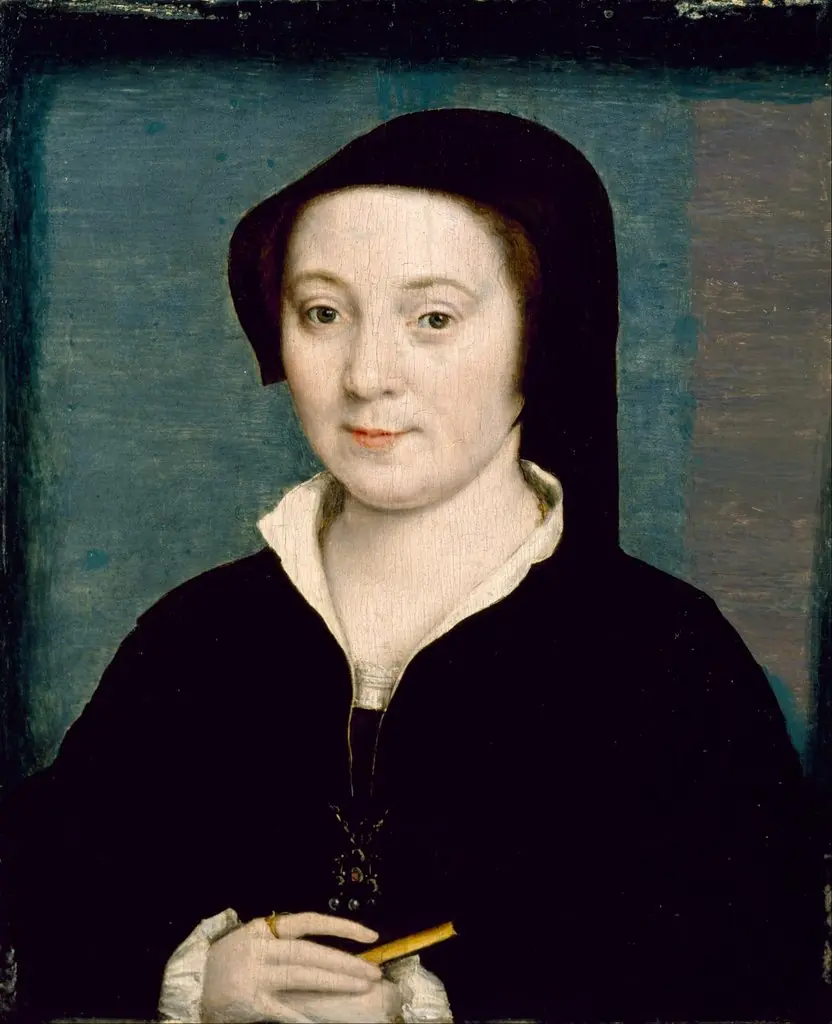 Marie de Batarnay
 Portrait of a Woman
 Portrait of a Lady