Artwork
Portrait of Lady Elizabeth Howard, second wife to Algernon Percy, 4th Earl of Northumberland
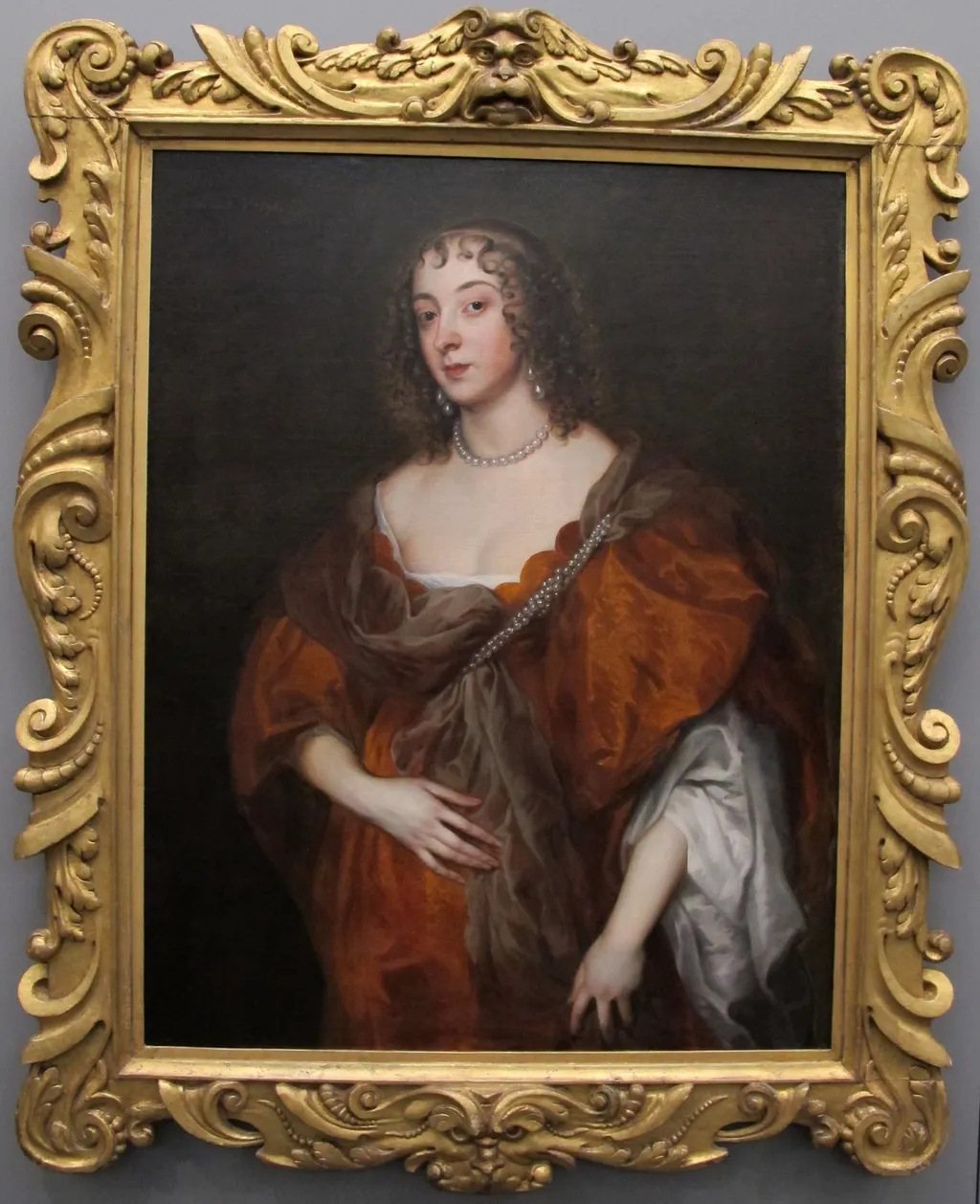
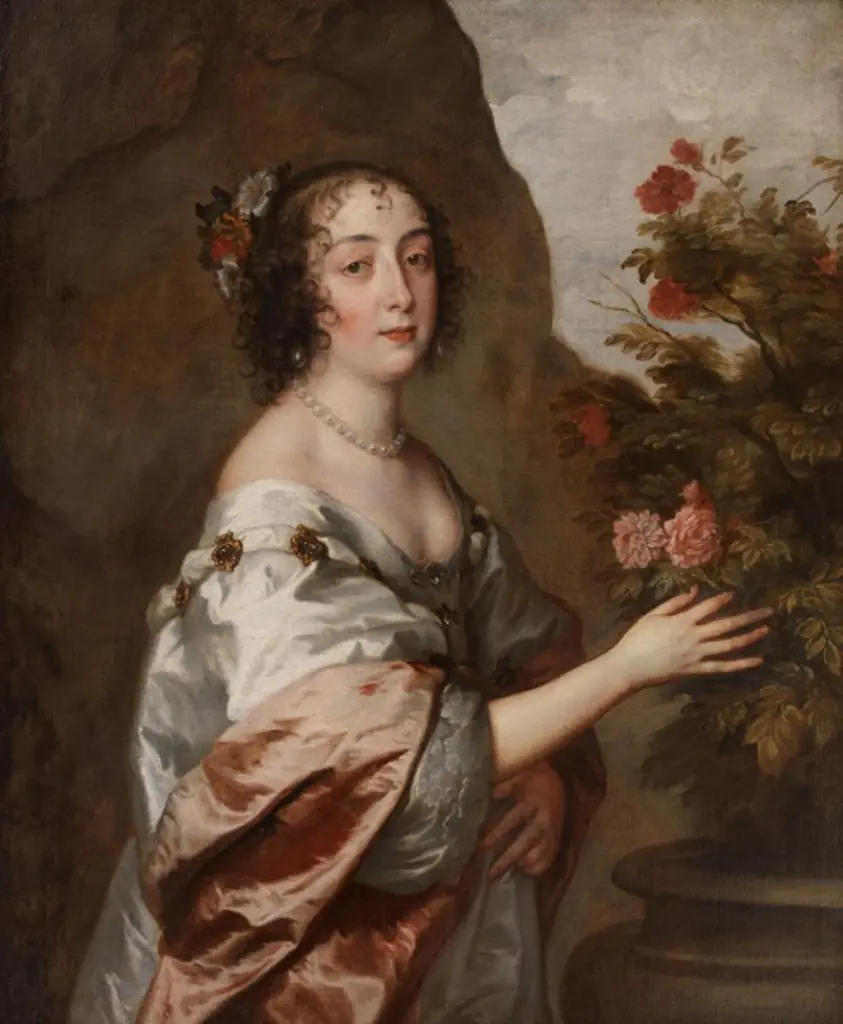
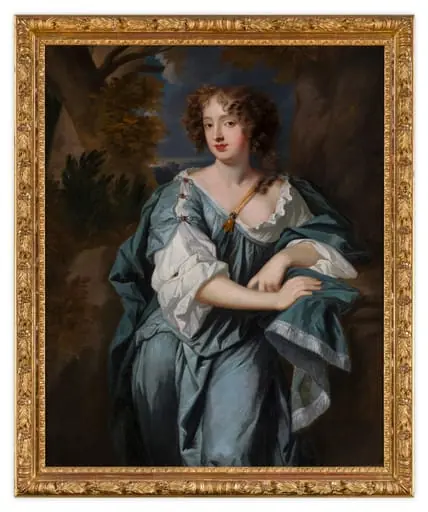
Portrait of Lady Elizabeth Howard, second wife to Algernon Percy, 4th Earl of Northumberland is an oil painting by Unknown. It dates from 1639 and is held in the collection of the Groeningemuseum. The oil painting depicts Lady Elizabeth Howard, the second spouse of Algernon Percy, 4th Earl of Northumberland.
About this work
The artist's attention to detail is evident in the intricate folds of the woman's clothing and the delicate features of her face.
This painting is a portrait of a woman, likely from the 17th century. She is dressed in an elaborate gown with a brown shawl draped over her shoulders and a white undergarment visible underneath. Her curly hair is adorned with a pearl necklace and earrings. The background of the painting is dark, which helps to highlight the subject's features. The woman's attire and the style of the painting suggest that it may be from the Baroque period. The use of chiaroscuro, a technique that uses strong contrasts between light and dark, adds depth and volume to the painting. The artist's attention to detail is evident in the intricate folds of the woman's clothing and the delicate features of her face.
Overview
The oil painting depicts Lady Elizabeth Howard, the second spouse of Algernon Percy, 4th Earl of Northumberland. Rendered in a darkened setting, the portrait emphasizes the sitter through a contrast of light and shadow, a hallmark of the Baroque aesthetic. The composition centers on her elaborate attire and refined features, presenting a dignified representation of aristocratic femininity.
Subject & Meaning
Lady Elizabeth Howard is shown in a richly detailed gown, complemented by a brown shawl and a visible white undergarment. Her curly hair is adorned with a pearl necklace and matching earrings, symbols of wealth and status. The portrait likely served to affirm her social position and familial alliances within the English nobility of the seventeenth century.
Technique & Style
Executed in oil on canvas, the work employs chiaroscuro to model the figure, using stark light against a deep background to create volume. Fine brushwork captures the intricate folds of the dress and the delicate texture of the pearls. The overall effect reflects Baroque sensibilities, emphasizing realism, texture, and dramatic illumination.
History & Provenance
The painting is identified as a seventeenth‑century portrait of Lady Elizabeth Howard, though specific documentation of its commission or early ownership remains limited. Its association with the Percy family suggests it may have been retained within the household before entering a public collection, where it now serves as a reference for period portraiture.
Artist & collection

 Domestic Scene
 Giacomo and Cardinal Marco, investing Andrea, Abbot of San Zeno, with his Benefice
 The Nymph of Fontainebleau
 Portrait of a Woman
 Madonna and Child with Saints in the Enclosed Garden
 Venus and Minerva
 Family Group of Four on Sofa
 Wall painting from Room H of the Villa of P. Fannius Synistor at Boscoreale
 Portrait of Aletta van Hontum 1647 - ?, wife of sea-captain Laurent de Rasière
 Alida de Lange, Wife of Johan Rammelman
 Portrait of Louise de Keroualle, Duchess of Portsmouth
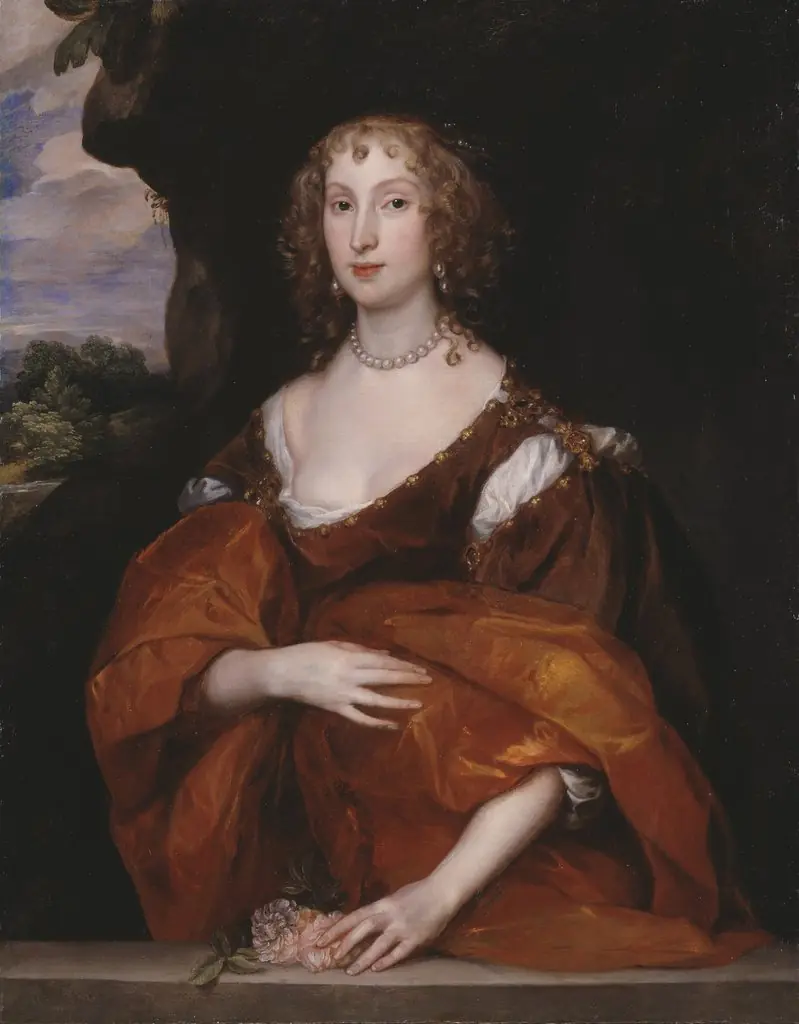 Portrait of Mary Hill, Lady Killigrew
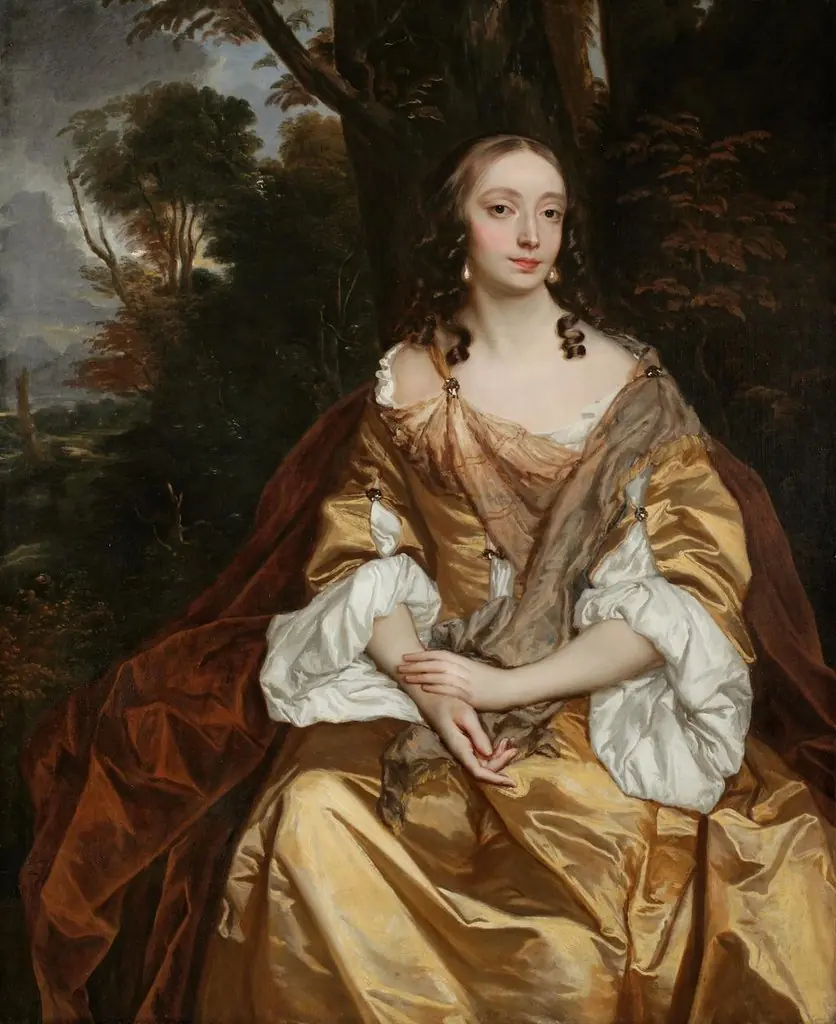 Portrait of a Lady; probably Mary Parsons, later Mrs Draper
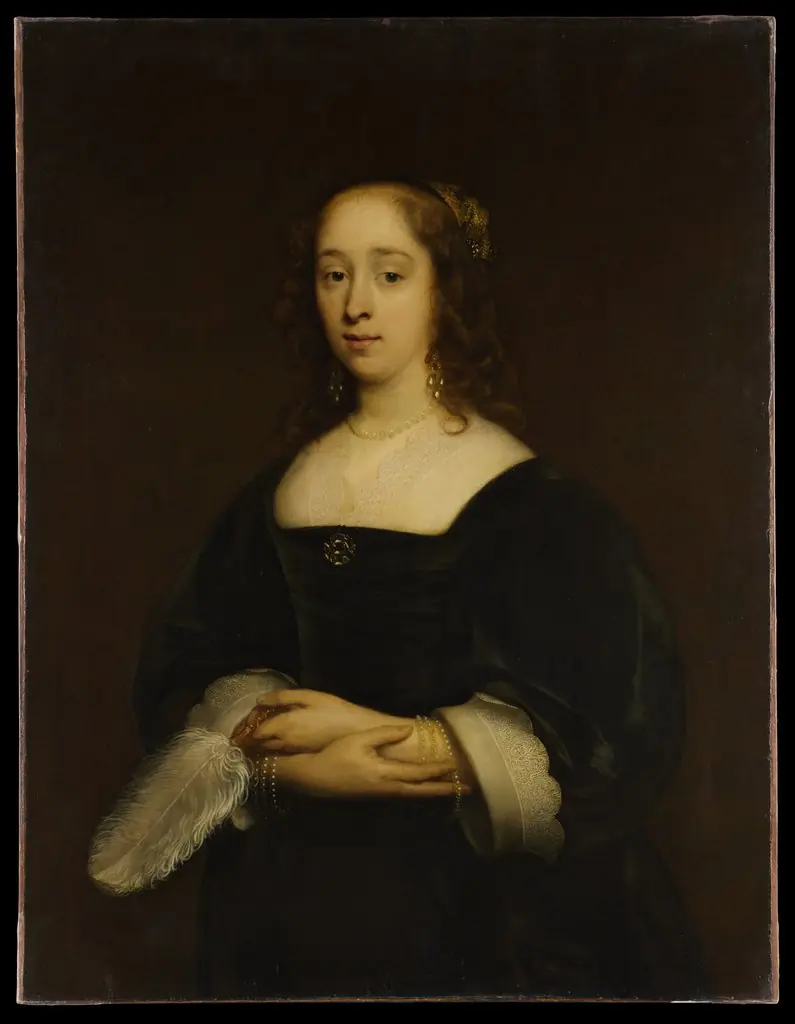 Portrait of a Woman
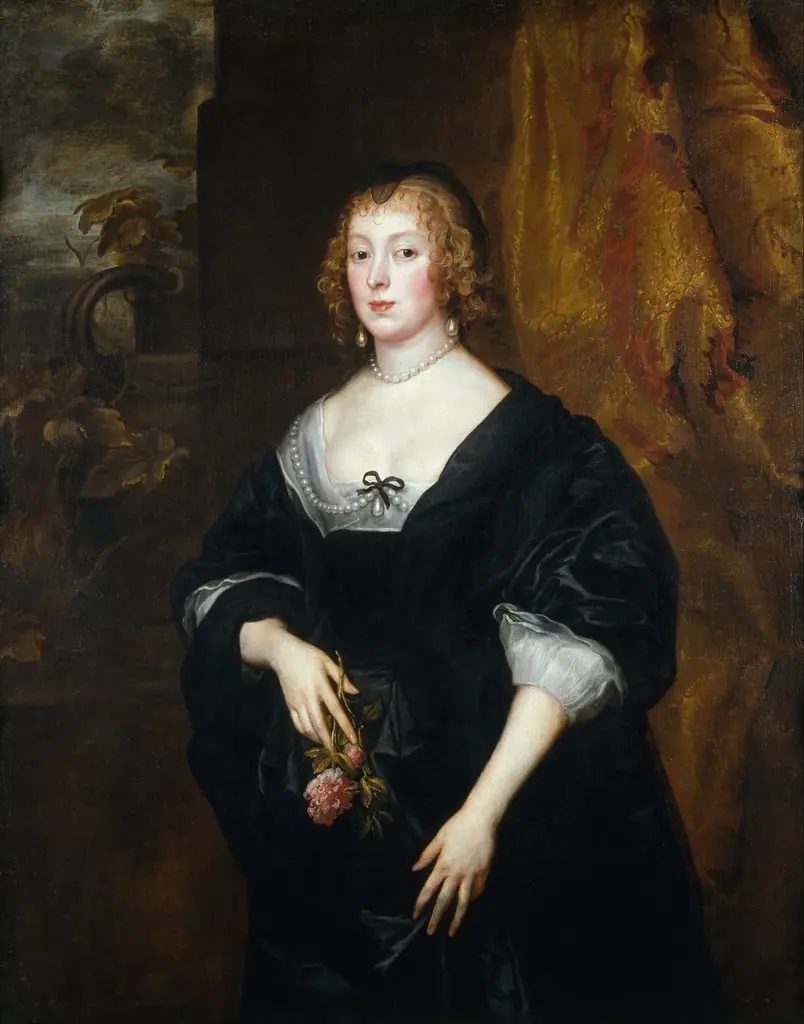 Lady Dacre
 Portrait of a Lady
 Portræt af en kvinde som Flora
 Rachel, Countess of Middlesex
 The Lady Essex Finch
 Elizabeth Wriothesley, Northumberlandin kreivitär