Artwork
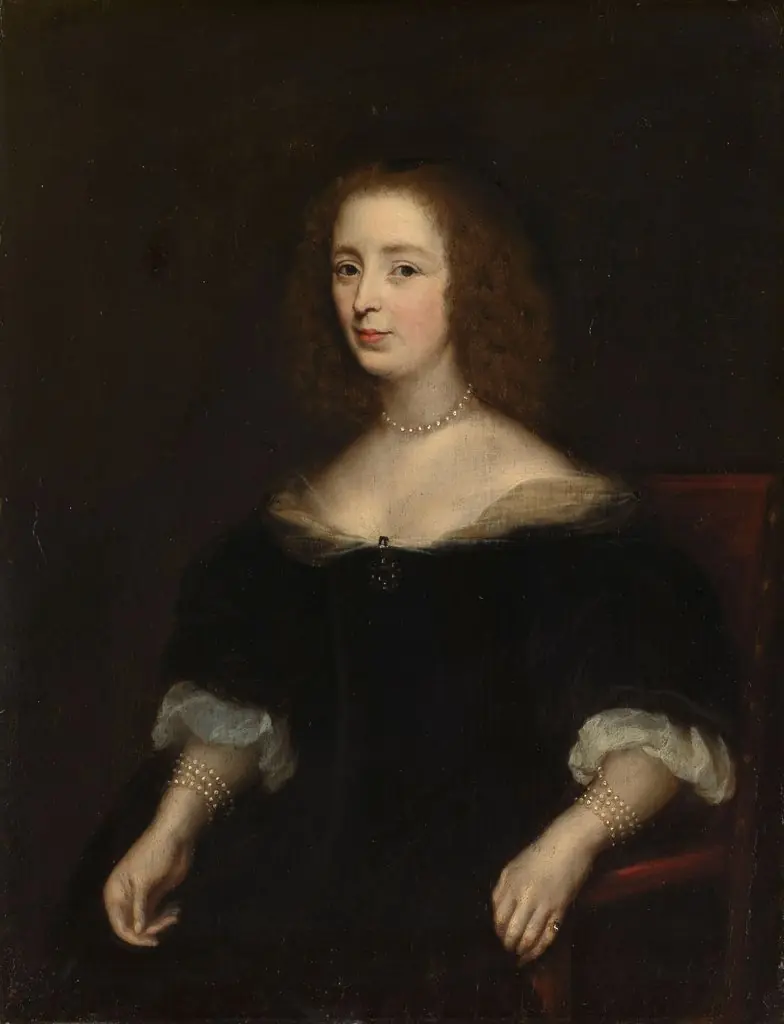
Portrait of Aletta van Hontum 1647 - ?, wife of sea-captain Laurent de Rasière
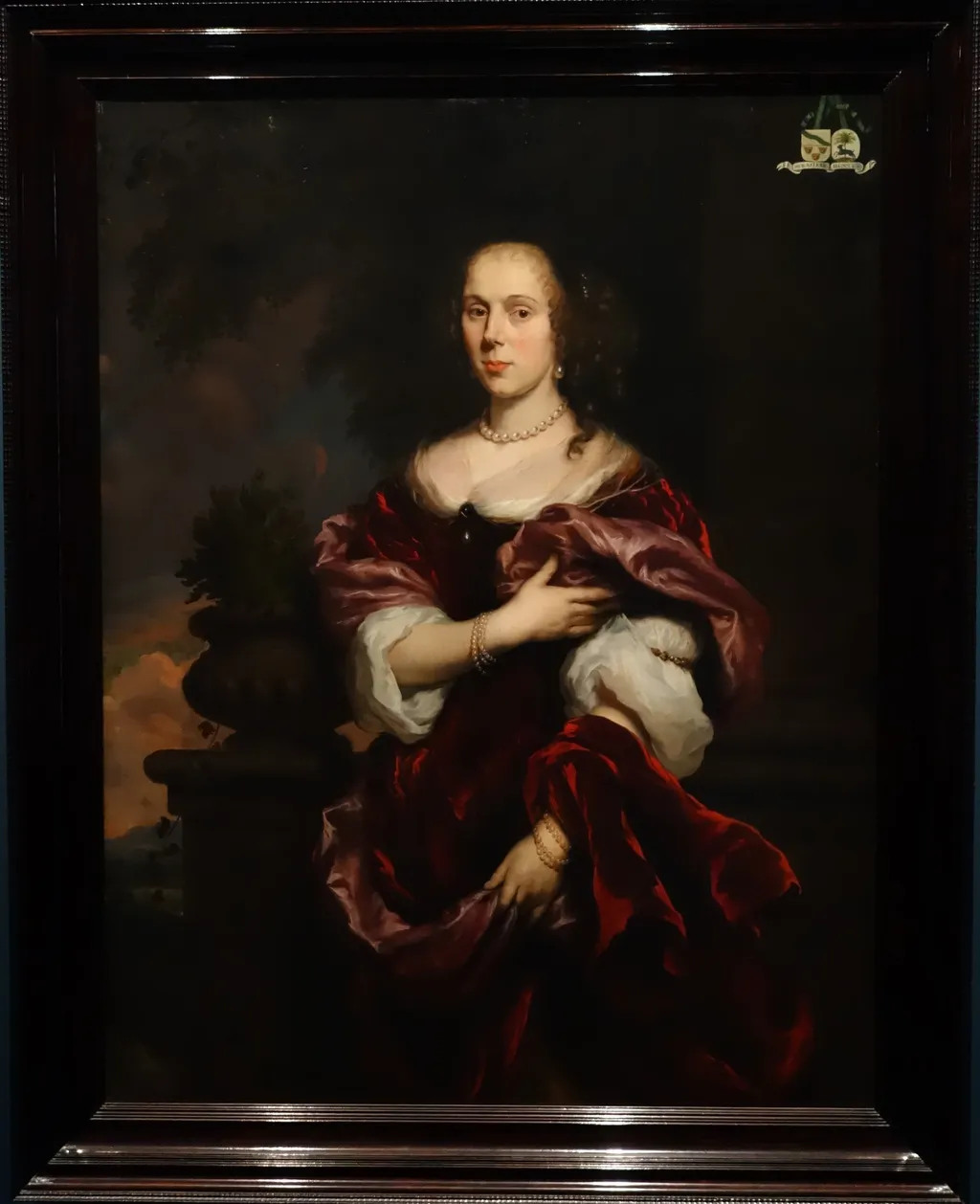
Portrait of Aletta van Hontum 1647 - ?, wife of sea-captain Laurent de Rasière is an oil painting by the Dutch Golden Age artist Nicolaes Maes. It dates from 1675 and is held in the collection of the Royal Museums of Fine Arts of Belgium.
About this work
Overview
Nicolaes Maes painted this portrait around 1675, during his mature period in Amsterdam, when he had shifted from genre scenes to commissioned portraiture.
Nicolaes Maes painted this portrait around 1675, during his mature period in Amsterdam, when he had shifted from genre scenes to commissioned portraiture. The subject is Aletta van Hontum, wife of sea-captain Laurent de Rasière. Executed in oil on canvas, the work exemplifies Maes’s refined approach to depicting bourgeois sitters, combining elegance with psychological subtlety. It is now part of the Royal Museums of Fine Arts of Belgium’s collection.
Subject & Meaning
Aletta van Hontum is portrayed not as an idealized figure but as a woman of established social standing. Her attire—red velvet over a white underskirt, pearl necklace, and delicate bracelet—signals wealth derived from maritime trade, a common source of prosperity in the Dutch Republic. The calm expression and composed posture reflect the values of restraint and dignity prized among the urban elite, conveying status without ostentation.
Technique & Style
Maes employs a restrained palette dominated by deep browns and rich reds, with the subject illuminated by soft, directional light that models her form with quiet precision. The dark background, subtly textured with a faint landscape on the left, enhances the figure’s presence without distraction. Brushwork is smooth yet deliberate, particularly in the rendering of fabric and jewelry, demonstrating his mastery of texture and tonal harmony.
History & Provenance
The painting remained in private Dutch collections after its completion, likely passing through familial lines connected to the Rasière or van Hontum households. It entered the Royal Museums of Fine Arts of Belgium’s holdings in the 19th century, possibly through acquisition or donation. Its attribution to Maes has been consistently supported by stylistic analysis and archival records linking it to his documented portrait practice of the 1670s.
Context
In the 1670s, Amsterdam’s merchant class increasingly commissioned portraits to affirm their social identity. Maes, once a pupil of Rembrandt, adapted his style to meet this demand, moving away from dramatic chiaroscuro toward refined elegance. His portraits of women like Aletta van Hontum reflect a broader cultural trend: the visual assertion of domestic virtue and economic success through controlled, dignified imagery.
Legacy
This portrait exemplifies Maes’s role in shaping the visual language of Dutch bourgeois portraiture. While less celebrated than Rembrandt’s psychological depth, Maes’s work offered a model of restrained sophistication that influenced later generations of portraitists. The painting remains a key example of how wealth, identity, and decorum were negotiated through art in late 17th-century the Netherlands.
Artist & collection
Artist
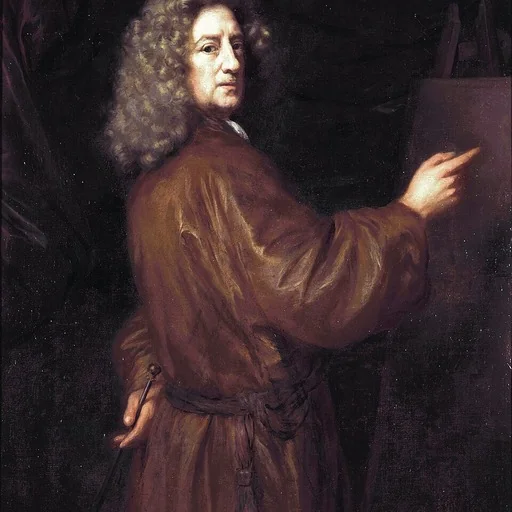
Nicolaes Maes (January 1634 – December 1693; buried 24 December 1693) was a Dutch painter known for his genre scenes, portraits, religious compositions and the occasional still life.

Museum
Royal Museums of Fine Arts of Belgium
Continue through works from the same source collection.
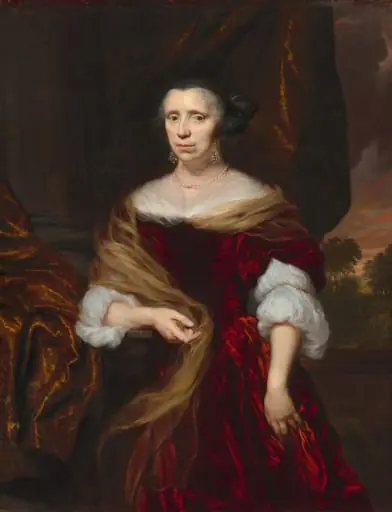
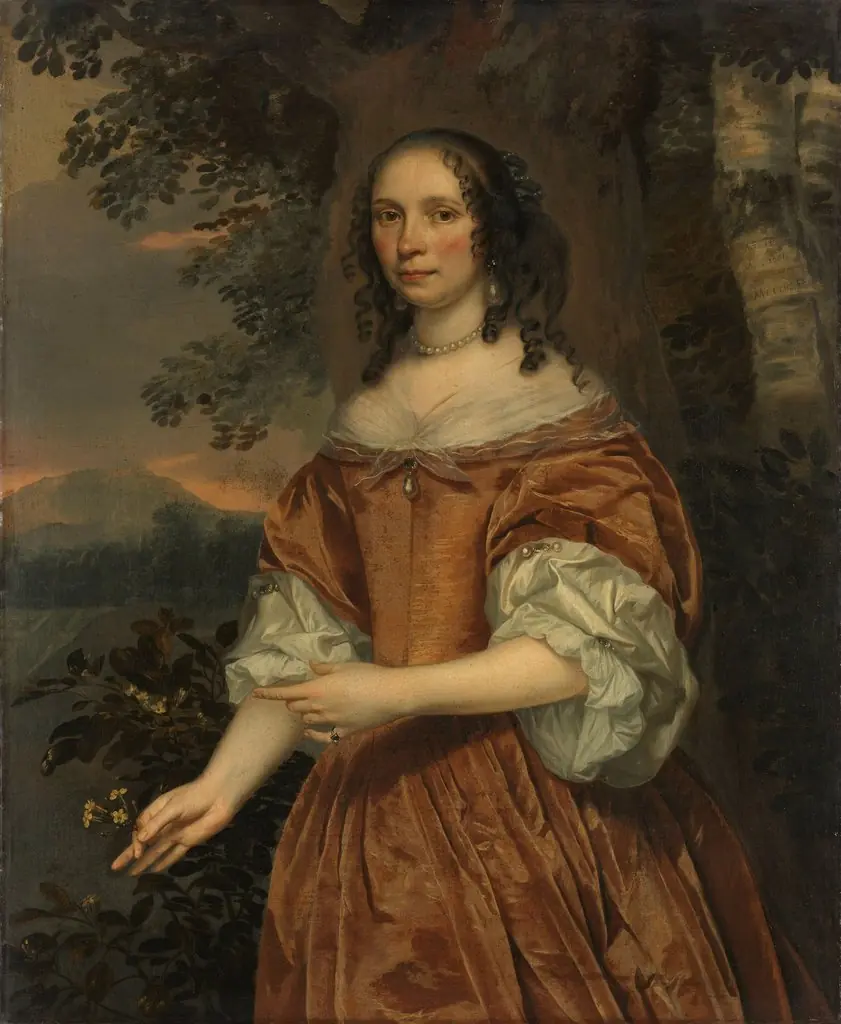 Portrait of Maria de Witte Françoisdr (b 1616). Wife of Johan van Beaumont
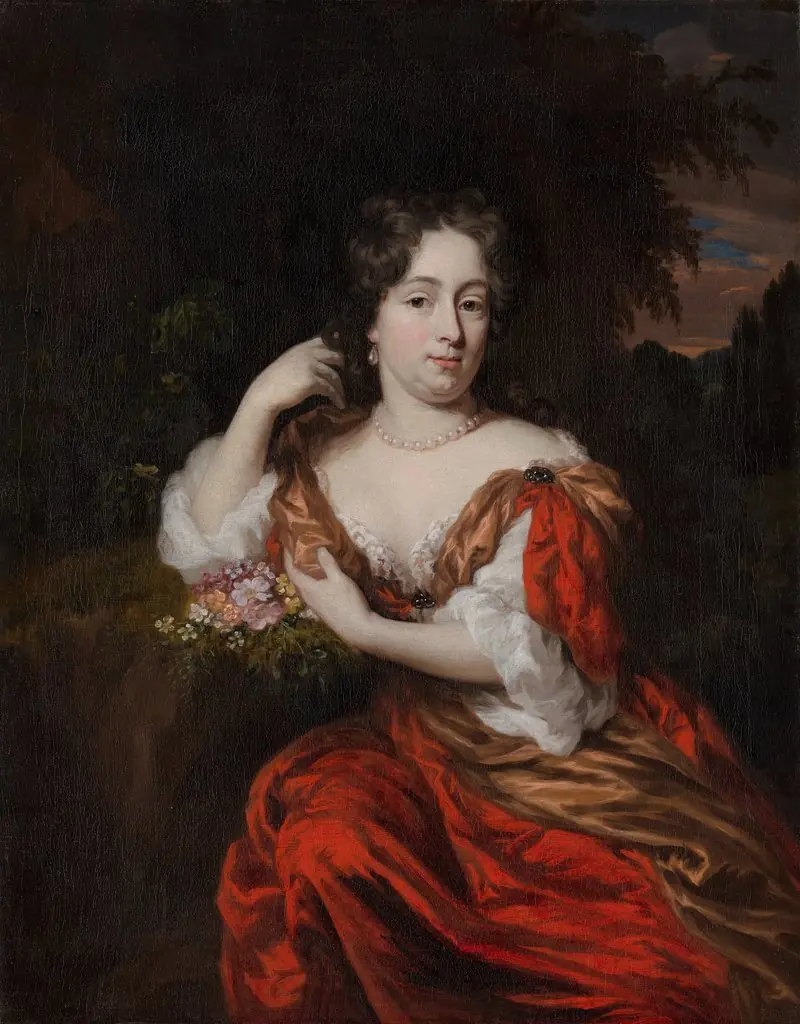 Portrait of Catharina Dierquens
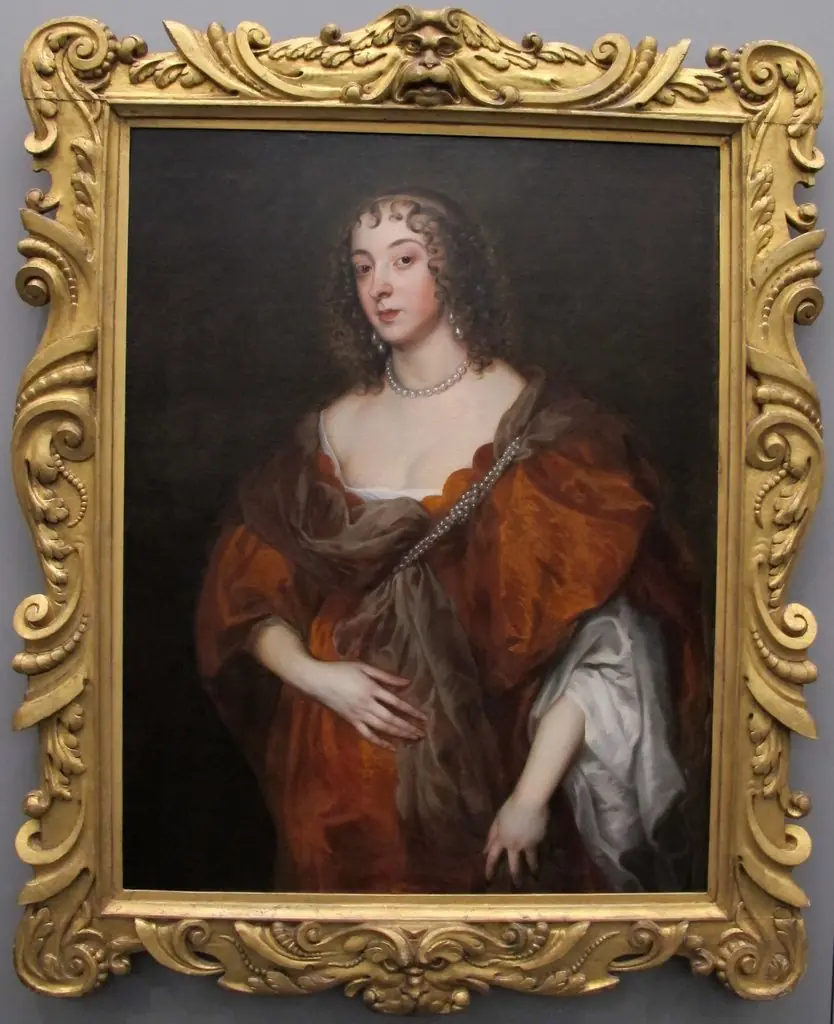 Portrait of Lady Elizabeth Howard, second wife to Algernon Percy, 4th Earl of Northumberland
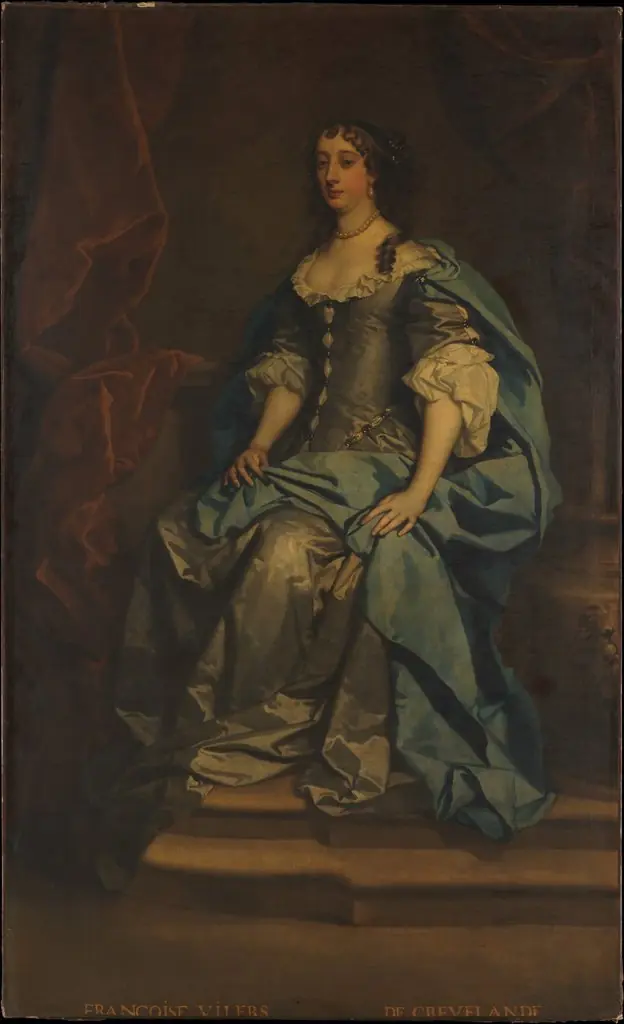 Barbara Villiers (1640–1709), Duchess of Cleveland
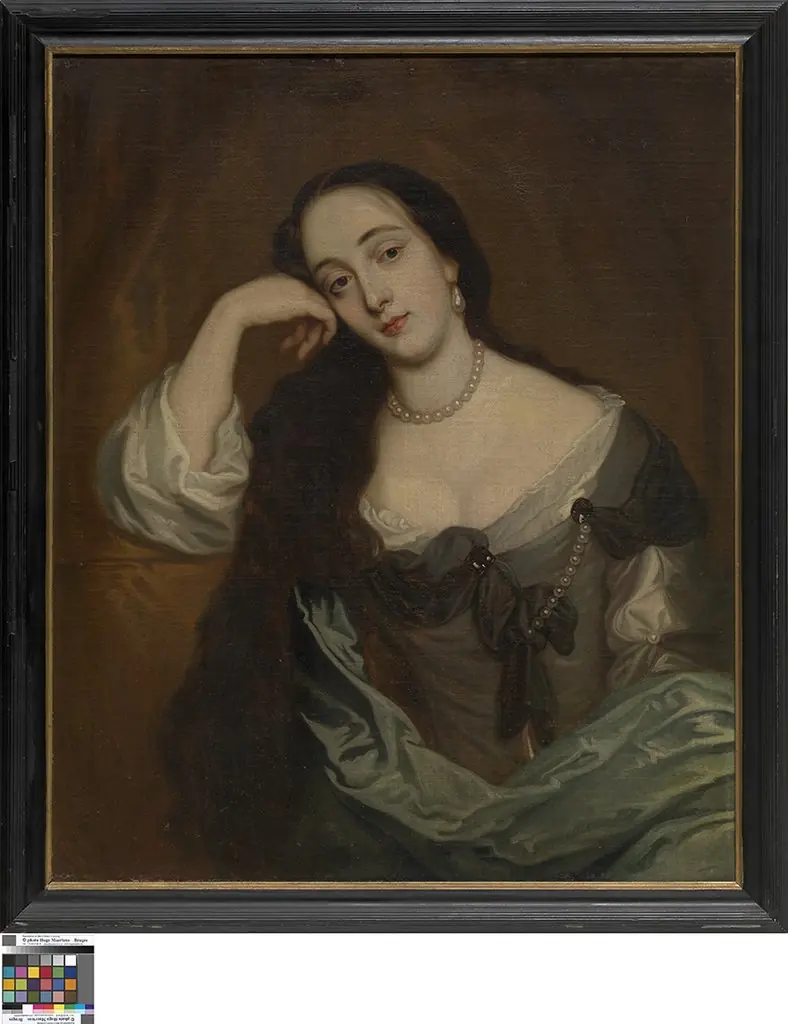 Portret van een vrouw
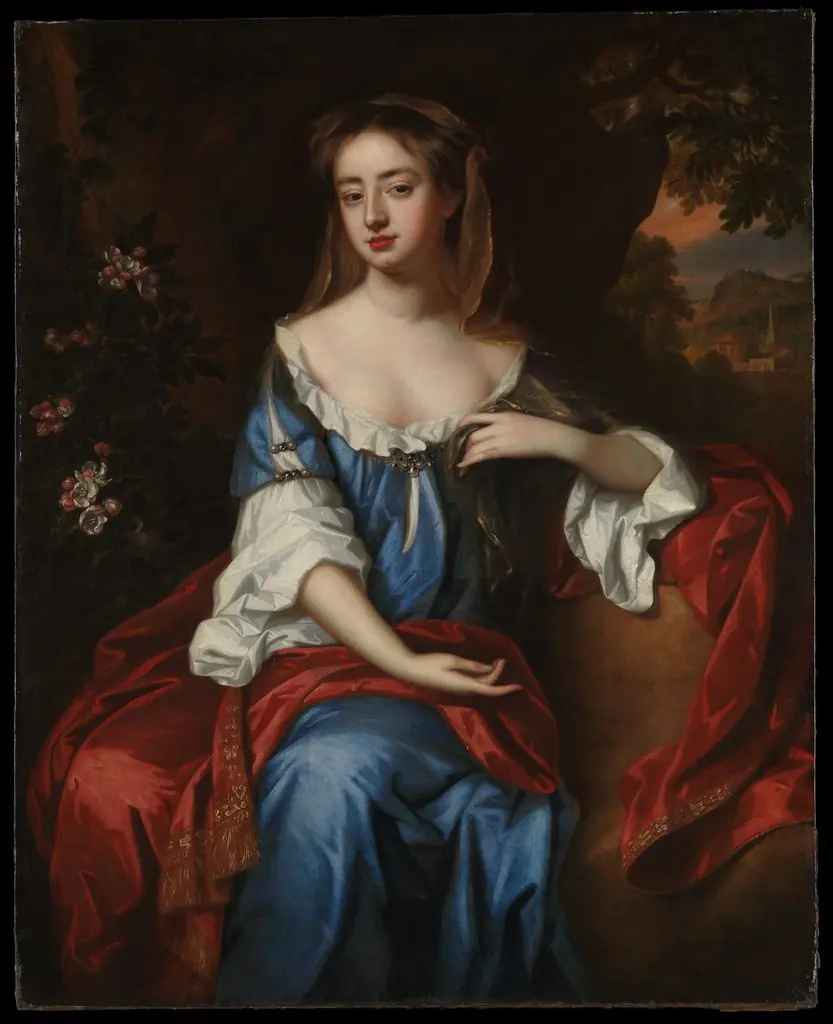 Portrait of a Woman
 Portrait of a Woman
 Portrait of a woman
 Portrait of a Lady; probably Mary Parsons, later Mrs Draper
 Portrait of Justina Johanna Ramskrammer, Wife of Isaac Parker
 Portrait of Anna van den Corput, Wife of Jacob de Witt