Artwork
Männliches Bildnis
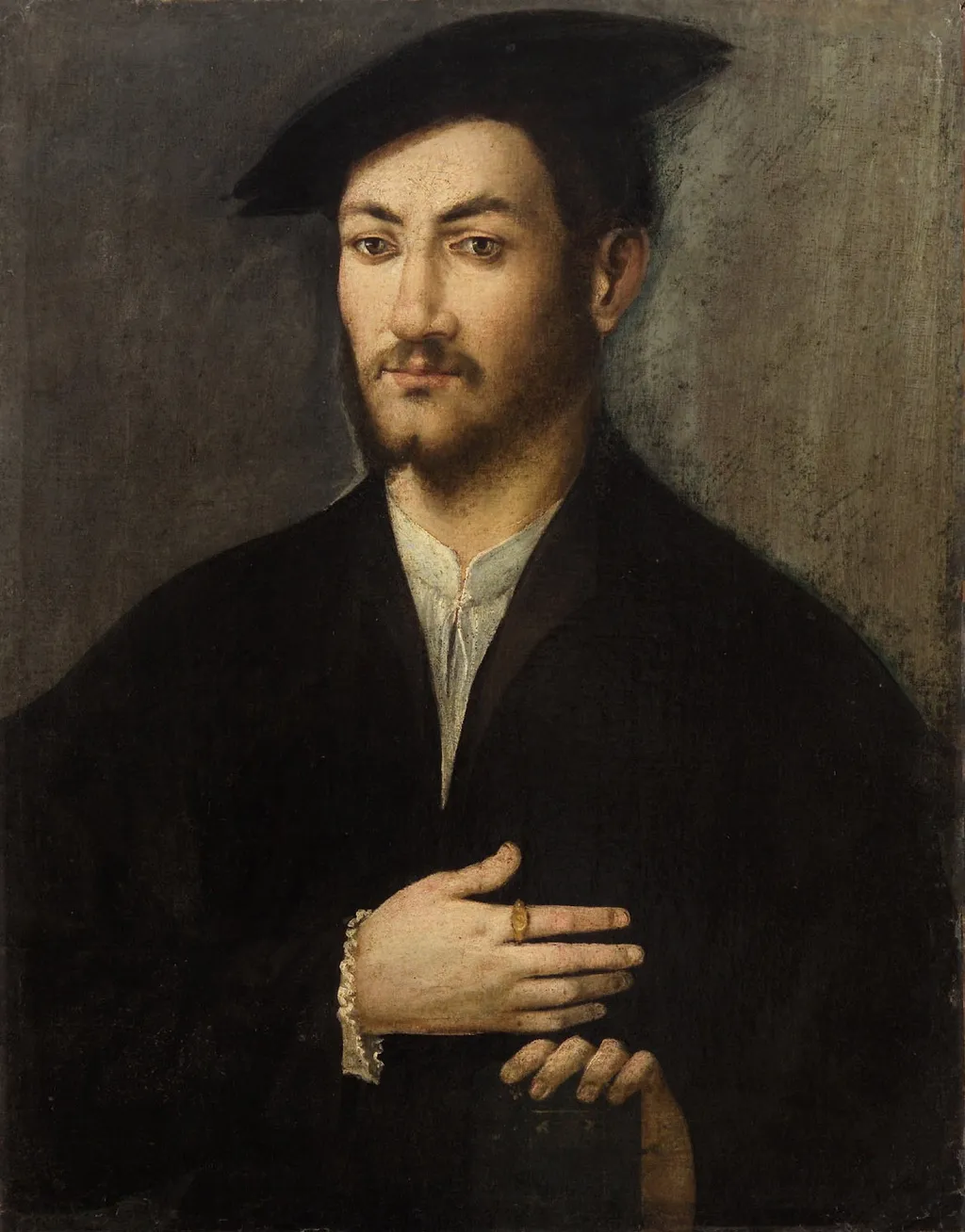
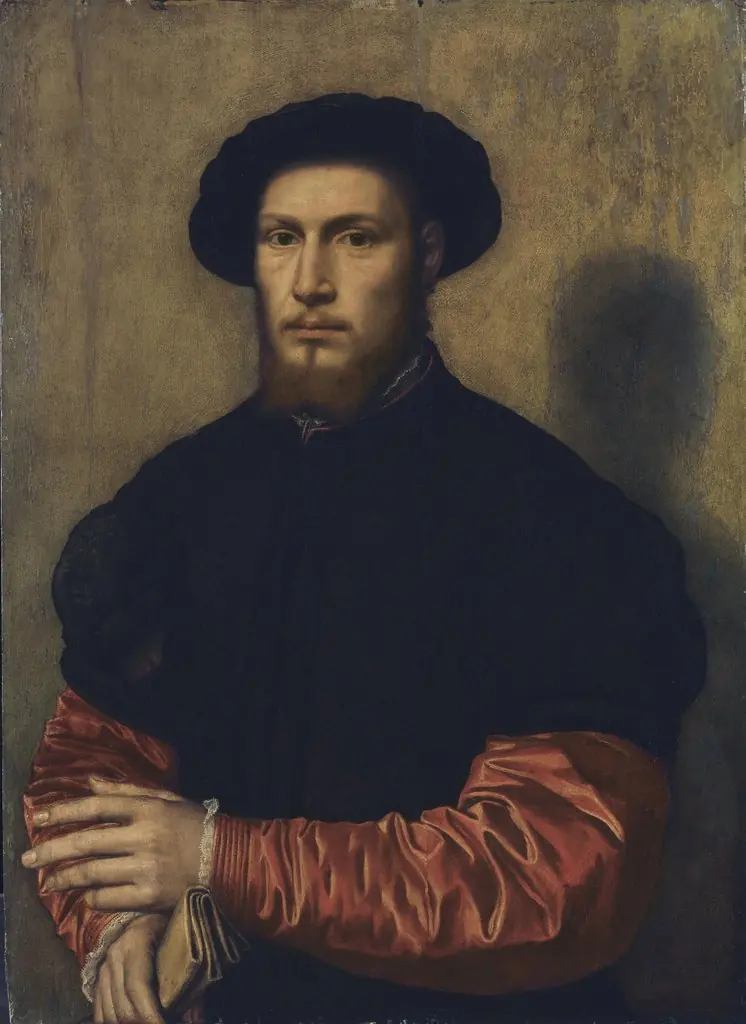
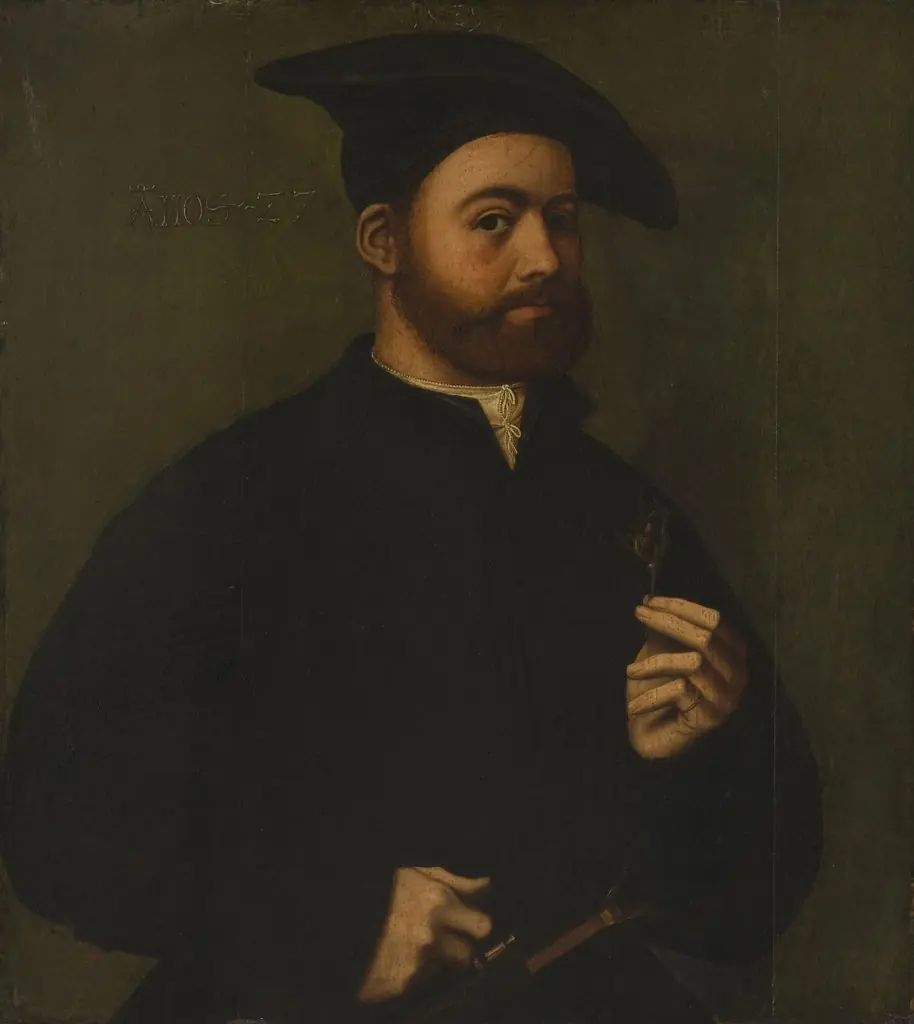
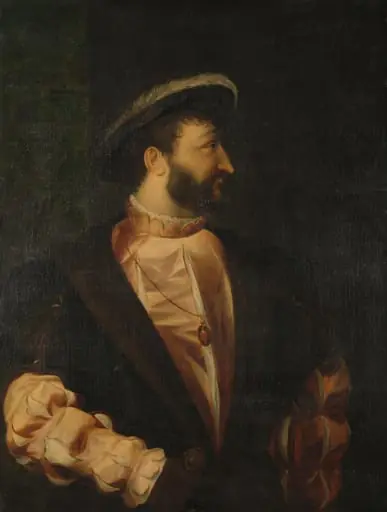
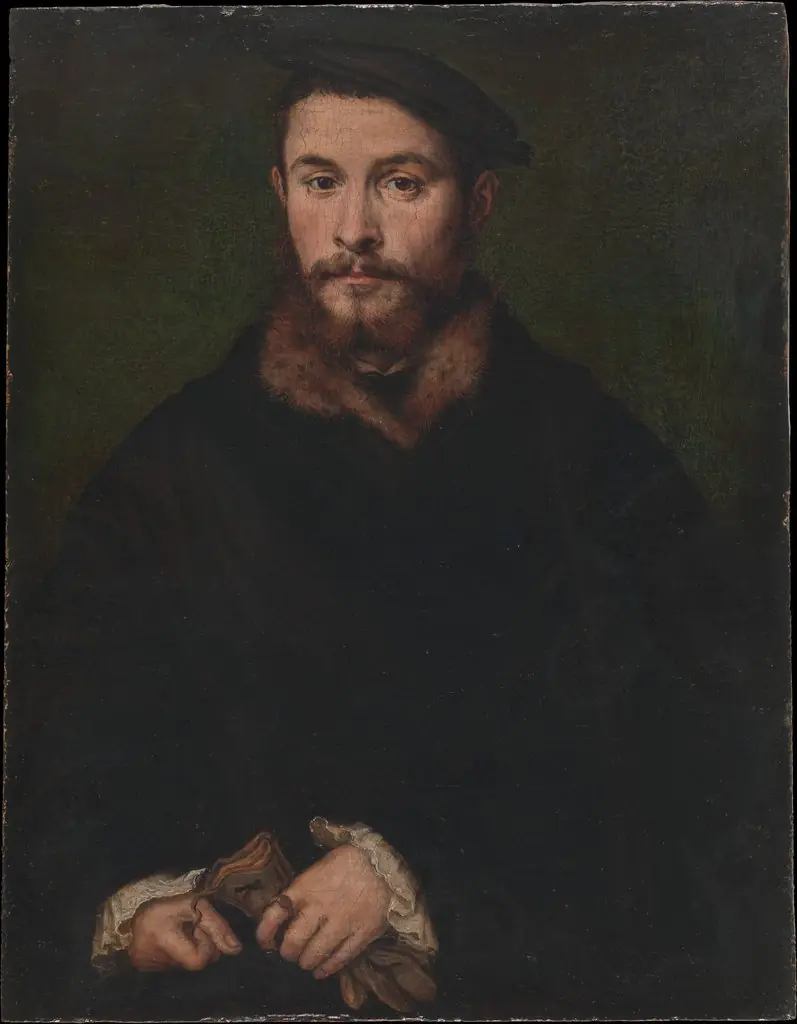
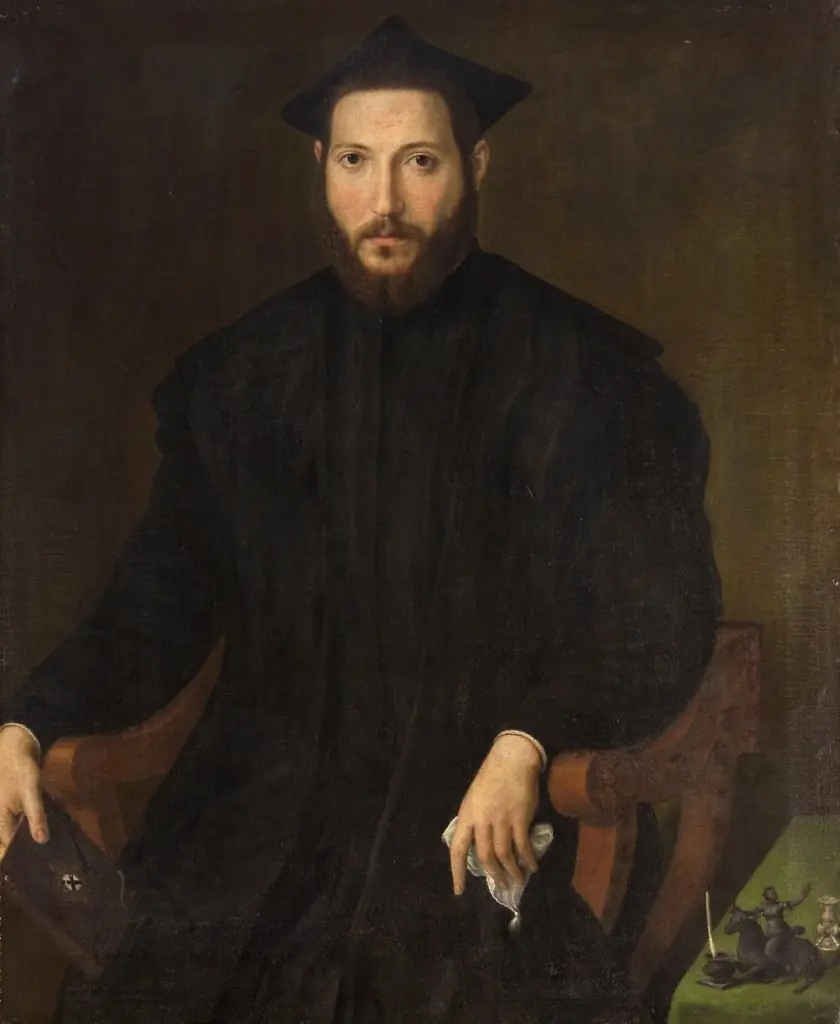
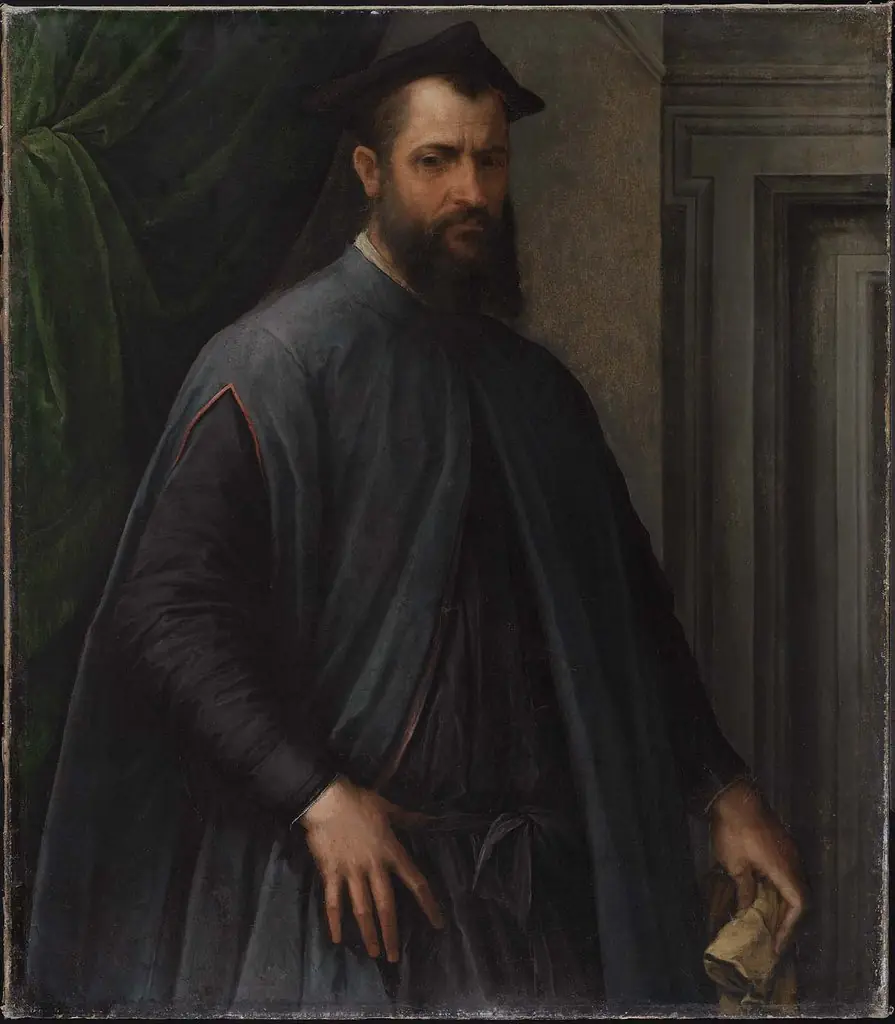
Männliches Bildnis is an unspecified painting by the Mannerist artist Unknown. It dates from 1535 and is held in the collection of the Kunsthistorisches Museum. This portrait depicts a man dressed in dark, formal attire, his posture restrained and gaze direct.
About this work
Overview
Subtle modeling of light and shadow defines his features and clothing, creating a sense of volume without overt detail.
This portrait depicts a man dressed in dark, formal attire, his posture restrained and gaze direct. The composition eliminates distractions, placing full emphasis on the figure against a deep, unbroken background. Subtle modeling of light and shadow defines his features and clothing, creating a sense of volume without overt detail. The absence of decorative elements underscores the focus on presence rather than status.
Subject & Meaning
The subject’s somber expression and hand resting on the chest suggest introspection or solemnity. His attire, a black robe with a pale collar, implies clerical or scholarly standing, though no insignia confirms identity. The gesture may indicate self-reflection, piety, or quiet authority. The portrait avoids flamboyance, favoring psychological depth over external markers of rank or wealth.
Technique & Style
The artist employs chiaroscuro to model form through gradual tonal transitions, avoiding sharp outlines. Light falls softly across the face and sleeve, enhancing their three-dimensionality while leaving the robe’s folds in muted shadow. The surface is smooth, with no visible brushwork, suggesting a refined, controlled execution. This technique prioritizes realism and emotional stillness over decorative flourish.
History & Provenance
The painting’s origins are undocumented, with no known record of its commission or early ownership. It likely dates to the late 16th or early 17th century, consistent with Northern European portraiture of the period. Its survival in relatively unaltered condition suggests it was preserved privately, possibly within a family or institutional collection, rather than displayed publicly.
Context
During this era, portrait painting in Northern Europe increasingly emphasized individual character over symbolic representation. The subdued palette and minimal setting reflect a shift toward psychological realism, influenced by humanist ideals. While religious imagery remained prevalent, secular portraits like this one gained ground among educated elites seeking quiet, dignified representation.
Legacy
This portrait exemplifies a quiet tradition of Northern European realism, where restraint and subtlety conveyed dignity. It lacks the grandeur of courtly portraiture but holds value in its unembellished humanity. Its influence lies in its quiet persistence — a model for later artists who sought to capture inner life through light, shadow, and composed stillness.
Artist & collection

 Domestic Scene
 Giacomo and Cardinal Marco, investing Andrea, Abbot of San Zeno, with his Benefice
 The Nymph of Fontainebleau
 Portrait of a Woman
 Madonna and Child with Saints in the Enclosed Garden
 Venus and Minerva
 Family Group of Four on Sofa
 Wall painting from Room H of the Villa of P. Fannius Synistor at Boscoreale