Artwork
Portrait of a Lady
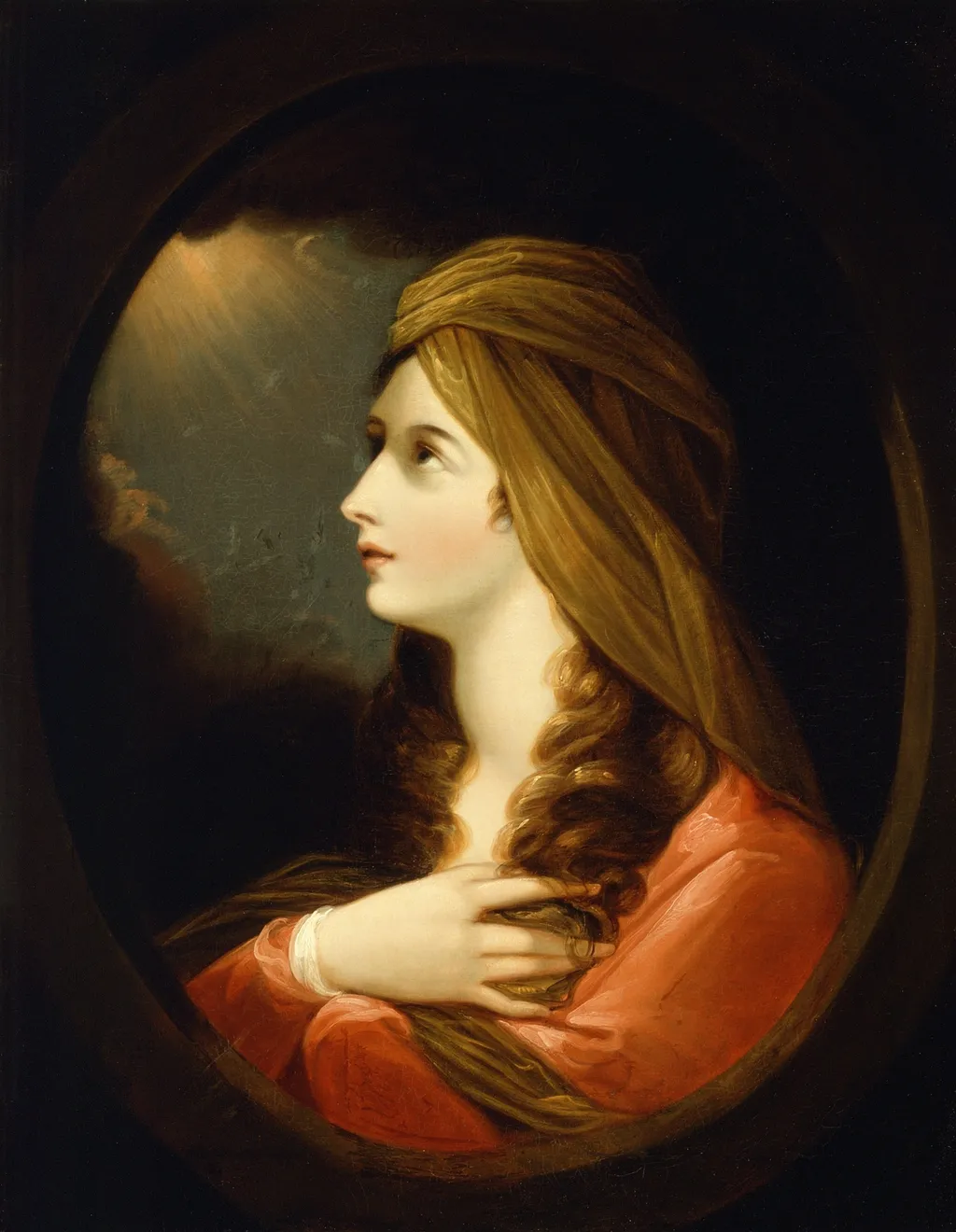
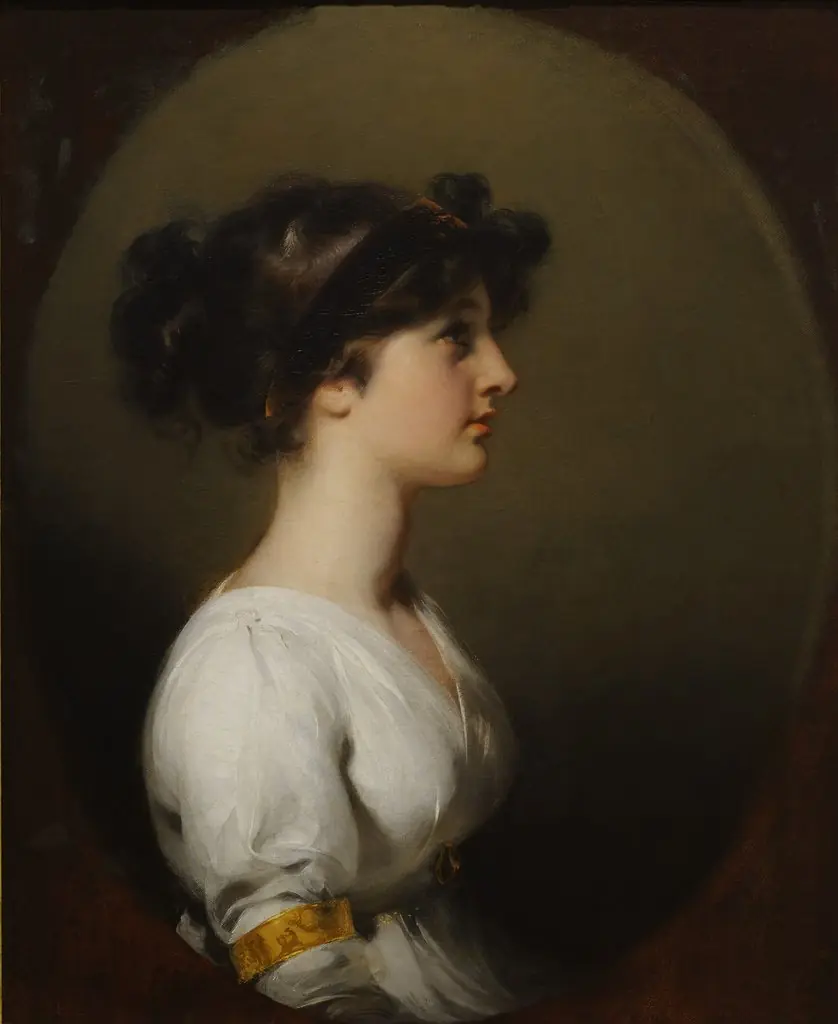
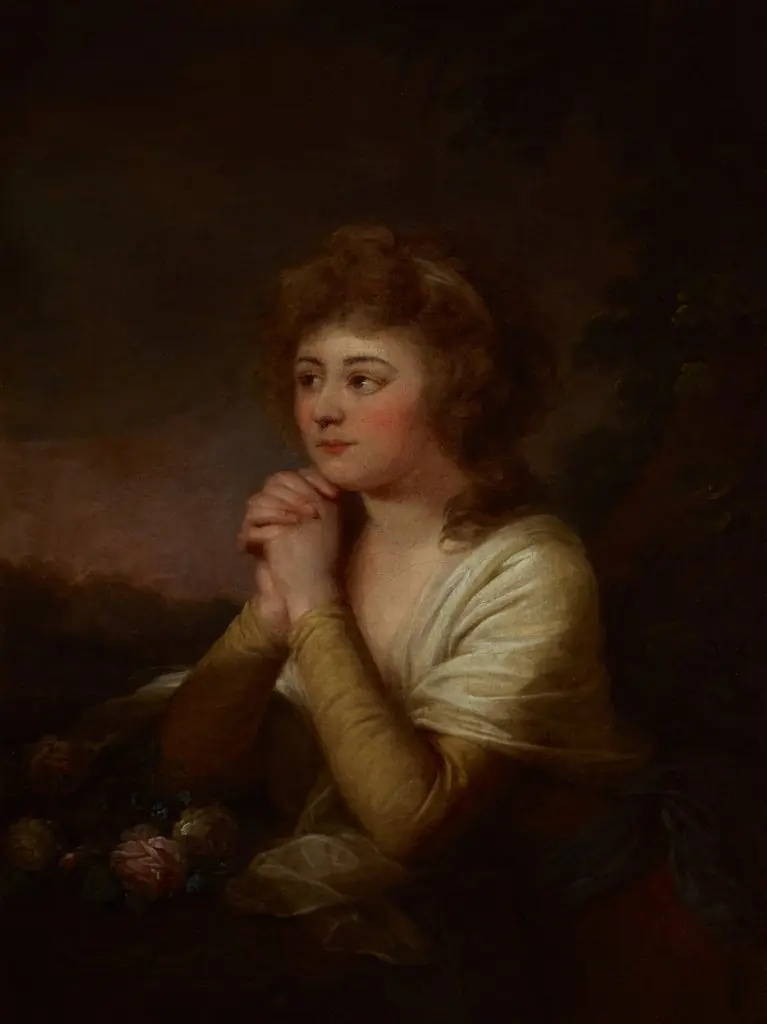
Portrait of a Lady is an oil painting by Unknown. It dates from 1750 and is held in the collection of the Los Angeles County Museum of Art. This oil painting depicts a woman in profile, facing left, rendered with quiet precision.
About this work
Overview
The composition emphasizes stillness and dignity, with no overt narrative elements to distract from her presence.
This oil painting depicts a woman in profile, facing left, rendered with quiet precision. Her posture is still and composed, set against a deep, shadowed background that isolates her form. A subtle lightening behind her head introduces a soft atmospheric effect, enhancing the sense of introspection. The composition emphasizes stillness and dignity, with no overt narrative elements to distract from her presence.
Subject & Meaning
The identity of the woman remains unknown, but her attire and demeanor suggest nobility or high social standing. The restrained elegance of her dress, the headband, and the draped shawl imply refinement rather than ostentation. The contemplative gaze and serene expression invite quiet reflection, avoiding theatricality in favor of inner poise.
Technique & Style
The artist employs chiaroscuro to model the figure with subtle gradations of light and shadow, giving volume to the face, neck, and shoulders. The brushwork is smooth and controlled, particularly in the rendering of hair and fabric. The dark background contrasts with the warm tones of the dress and skin, drawing focus to the figure while enhancing spatial depth.
History & Provenance
The painting’s origin and early ownership are undocumented. It lacks inscriptions or markings that would clarify its commission or creator. Its survival suggests it was preserved within a private collection, possibly in Europe, though no definitive record of its movement before modern times exists.
Context
Created during a period when portraiture favored quiet dignity over grandeur, this work aligns with regional traditions that valued psychological subtlety. The use of a dark background and profile pose echoes earlier Renaissance practices, while the soft lighting and textile detail reflect evolving techniques in Northern European painting of the time.
Legacy
Though not widely exhibited or reproduced, the painting contributes to a quieter strand of portraiture that prioritizes mood over identity. Its restrained aesthetic continues to resonate with viewers drawn to understated elegance, offering a counterpoint to more flamboyant contemporary works.
Artist & collection

 Domestic Scene
 Giacomo and Cardinal Marco, investing Andrea, Abbot of San Zeno, with his Benefice
 The Nymph of Fontainebleau
 Portrait of a Woman
 Madonna and Child with Saints in the Enclosed Garden
 Venus and Minerva
 Family Group of Four on Sofa
 Wall painting from Room H of the Villa of P. Fannius Synistor at Boscoreale
 Portrait of a Lady
 Idealized Portrait
 Portrait of a lady as Vestal Virgin
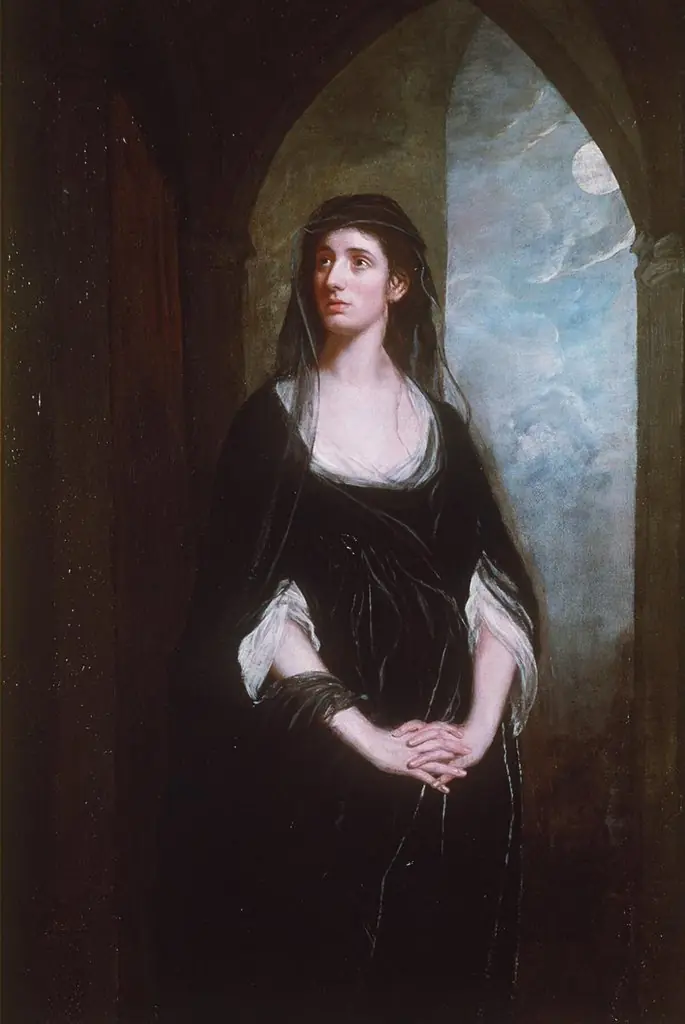 Sarah Siddons (1755-1831)
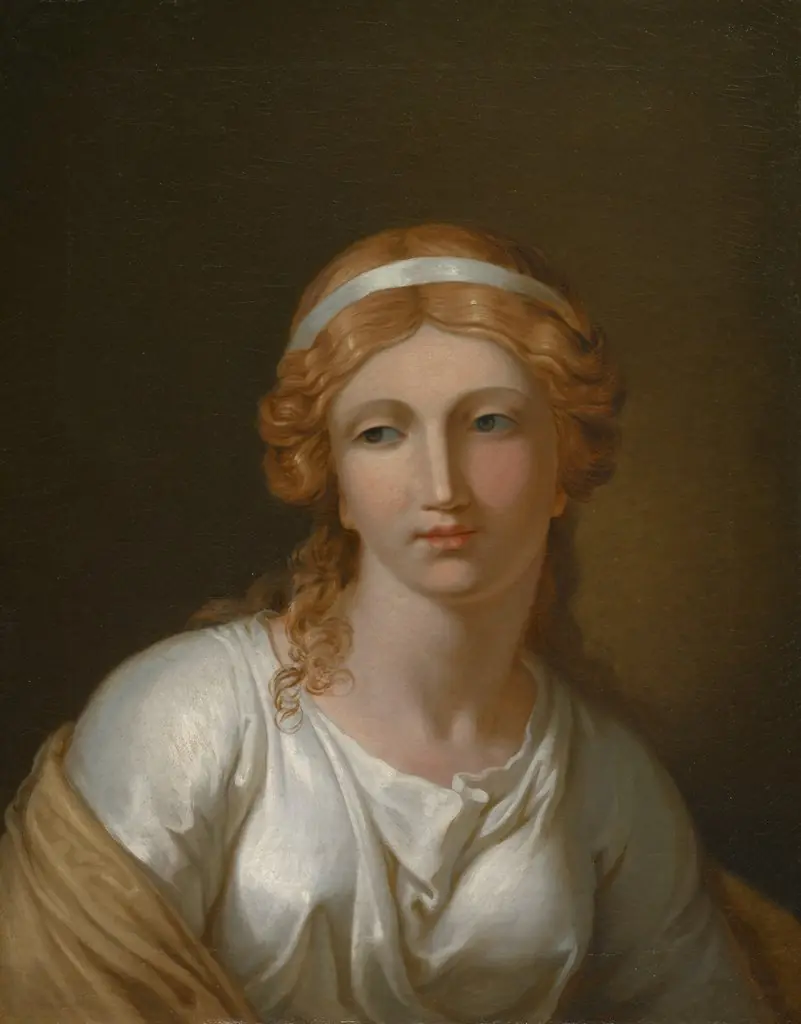 Helen
Helen Den hellige Barbara
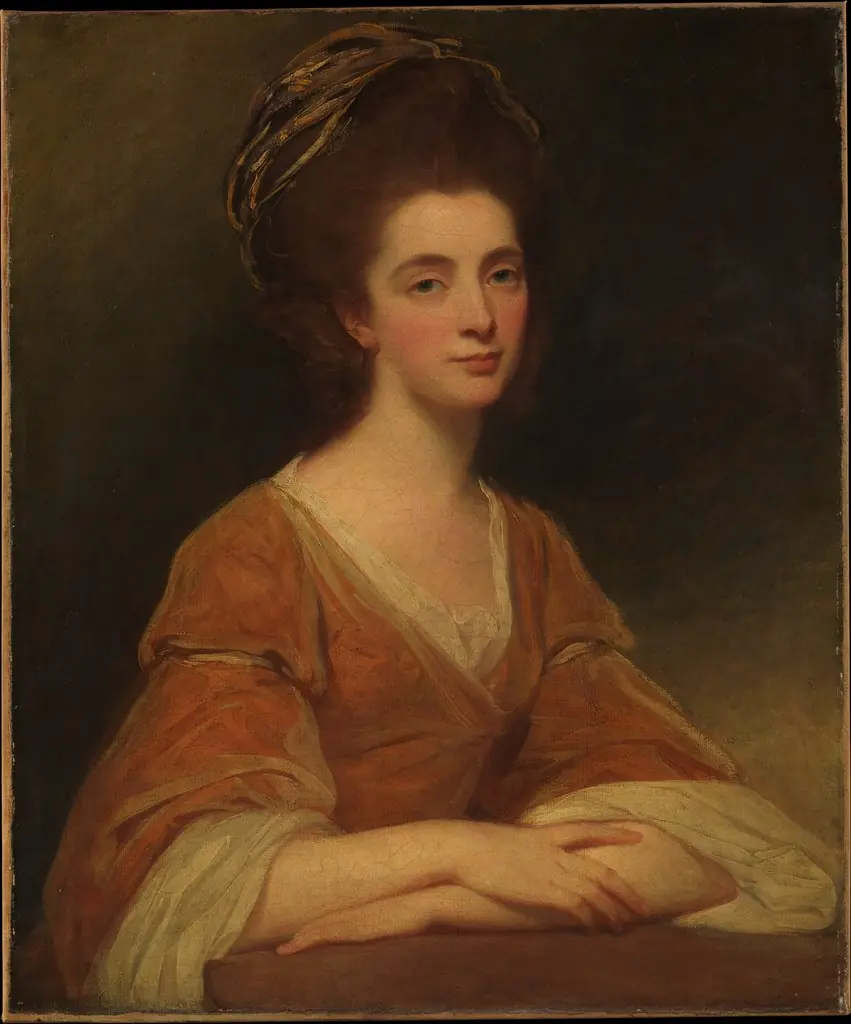 Mrs. Charles Frederick (Martha Rigden, died 1794)
 The Honorable Caroline Upton
 Charlotte, Lady Watkin Williams-Wynn
 Den hellige Barbara
 Bust of a girl
 Portrait of a Lady from the Skrzyński Family