Artwork
Portrait of Peter Canisius
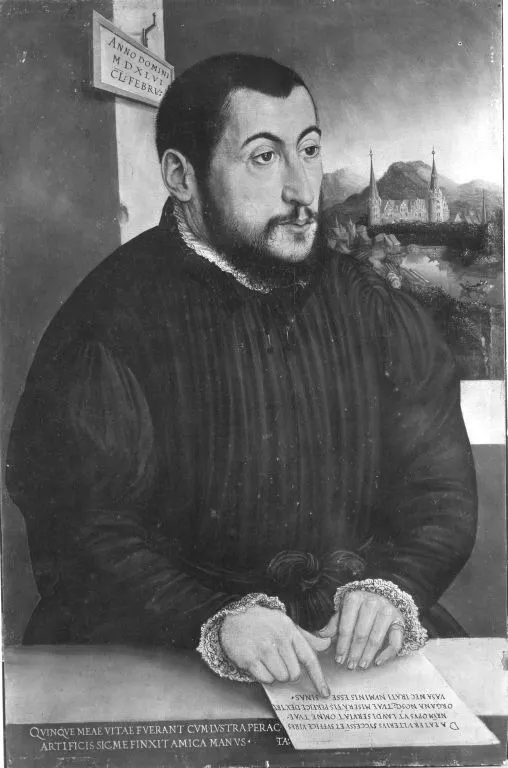
Portrait of Peter Canisius is an oil painting by the Mannerist artist Unknown. It dates from 1546 and is held in the collection of the Bavarian State Painting Collections. The work is an oil painting portraying a dignified figure in a dark, high‑collared robe.
About this work
Overview
The work is an oil painting portraying a dignified figure in a dark, high‑collared robe. He rests his hands on a ledge, a ring visible on one finger, and his expression is solemn, framed by a short beard and mustache. Behind him a muted landscape suggests a city with towers and water, while Latin inscriptions run across the top and bottom of the canvas.
Subject & Meaning
The sitter is identified as Peter Canisius, a prominent Jesuit scholar of the 16th century. The inclusion of a cityscape may allude to his intellectual and missionary activities, while the Latin text likely records a date and a brief dedication, underscoring his scholarly reputation.
Technique & Style
The artist employs chiaroscuro, using strong contrasts of light and shadow to model the face and robe, creating a three‑dimensional presence. The muted background recedes, allowing the illuminated figure to dominate the composition, a hallmark of portraiture in the late Renaissance period.
History & Provenance
The painting’s precise origin remains unclear, but it is believed to have been executed shortly after Canisius’s death in 1597, possibly by a contemporary of the Jesuit order. It entered the museum’s collection through a 19th‑century donation from a private collector of religious art.
Context
Created during the Counter‑Reformation, the portrait reflects the Jesuit emphasis on education and piety. Portraits of leading religious figures served both devotional and propagandistic purposes, reinforcing the order’s intellectual authority within a turbulent religious landscape.
Artist & collection

 Domestic Scene
 Giacomo and Cardinal Marco, investing Andrea, Abbot of San Zeno, with his Benefice
 The Nymph of Fontainebleau
 Portrait of a Woman
 Madonna and Child with Saints in the Enclosed Garden
 Venus and Minerva
 Family Group of Four on Sofa
 Wall painting from Room H of the Villa of P. Fannius Synistor at Boscoreale
 Herzog Wilhelm IV. von Bayern
 Portrait of young man
 Männliches Bildnis
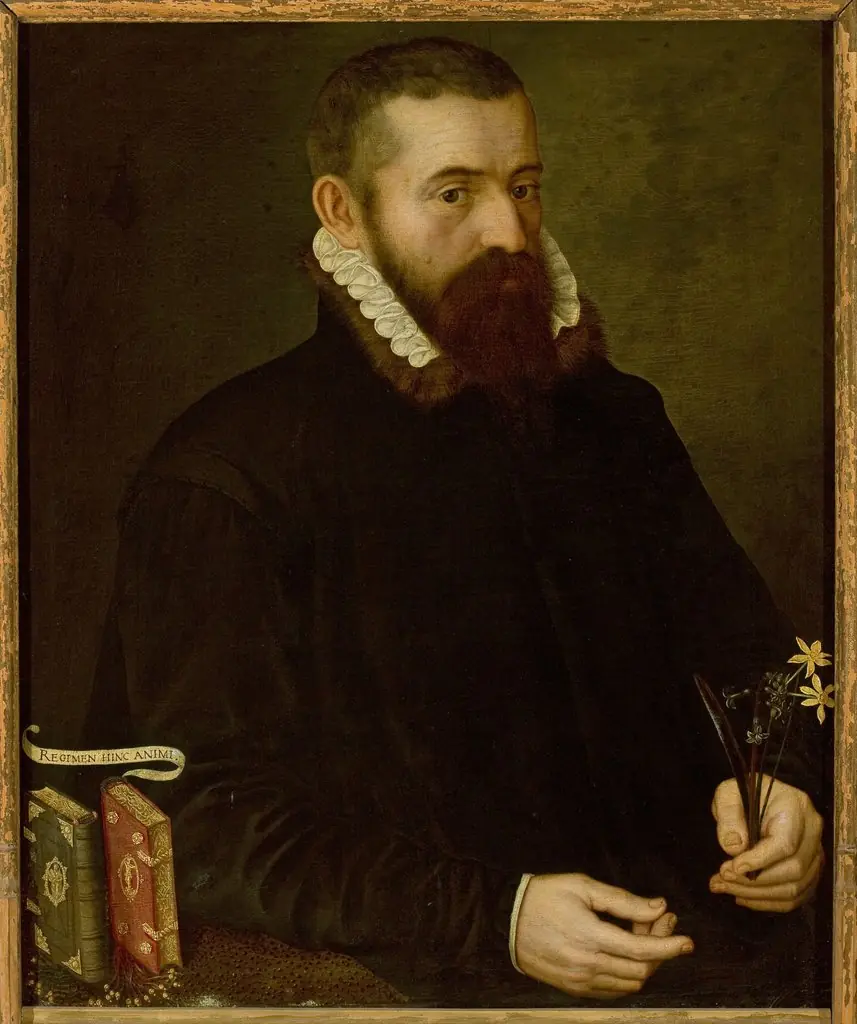 Portrait of a man
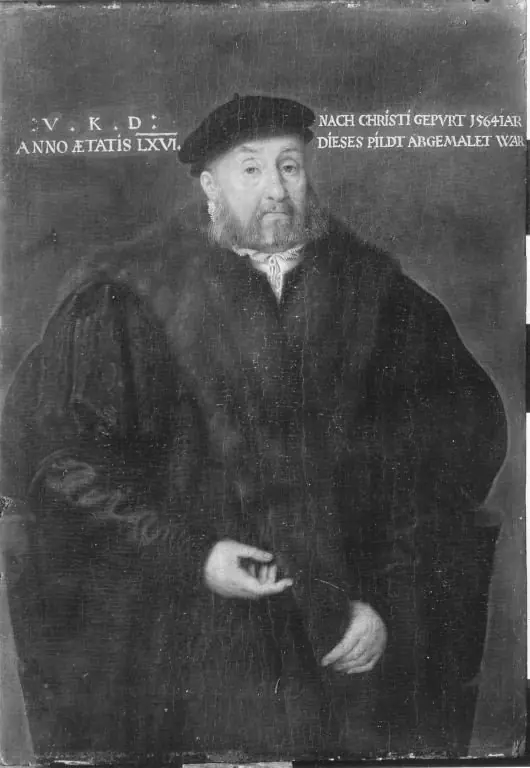 Bildnis eines Mannes im Alter von 66 Jahren
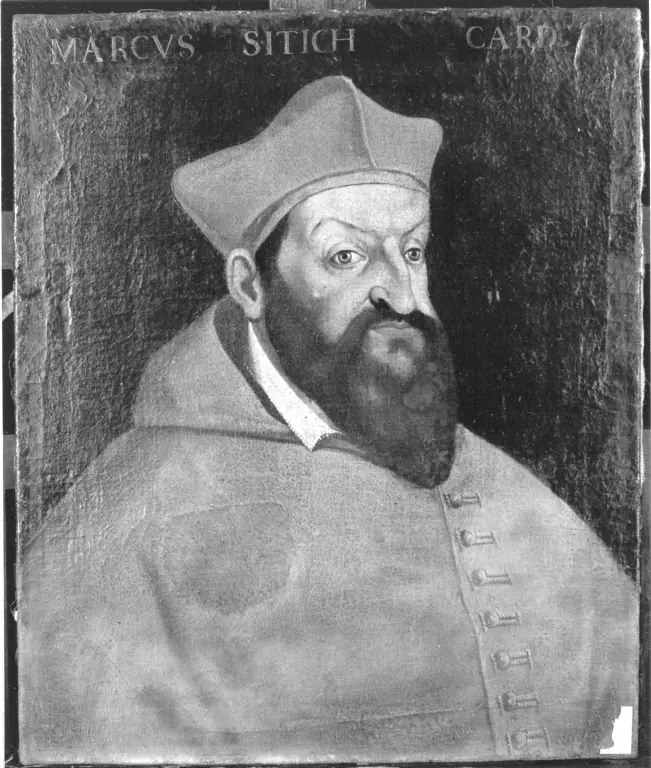 Bildnis des Kardinals Markus Sittich
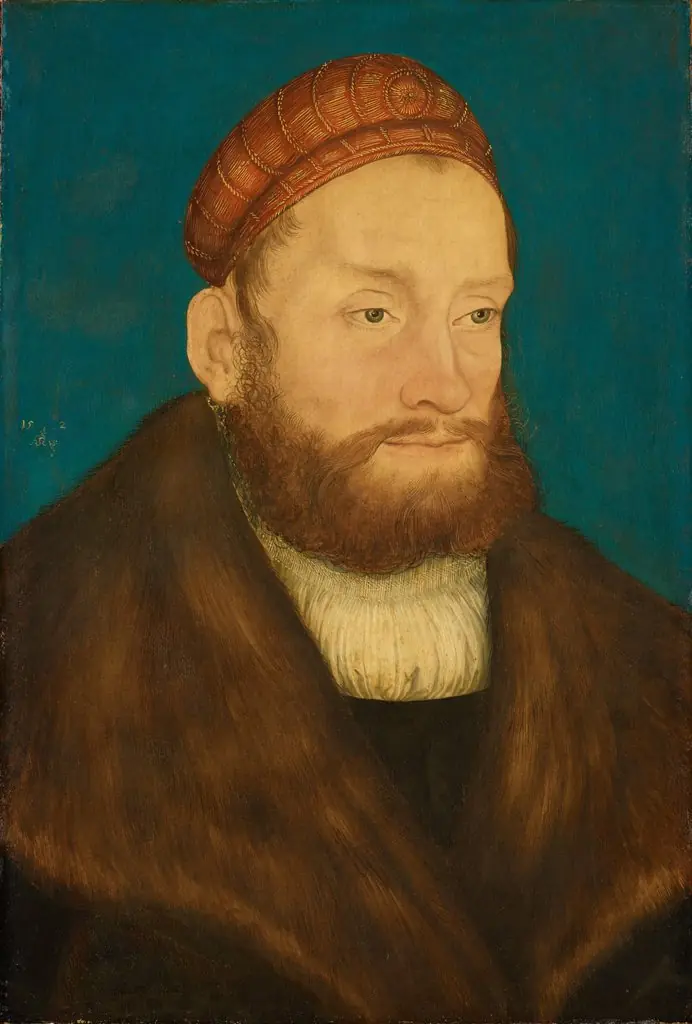 Portrait Margrave Casimir of Brandenburg-Kulmbach
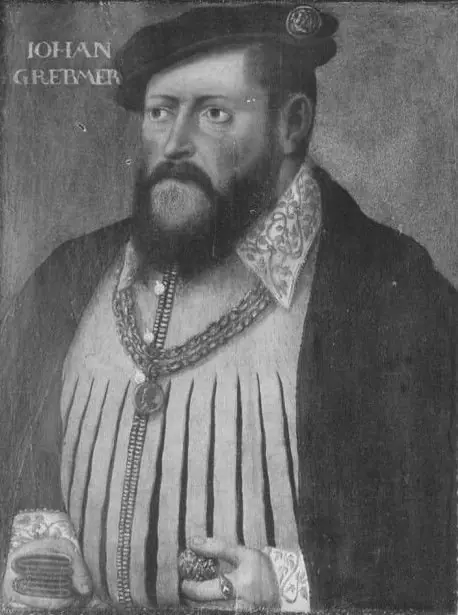 Bildnis des herzoglichen Kammerdieners Johann Grebmer zu Neuenhaus
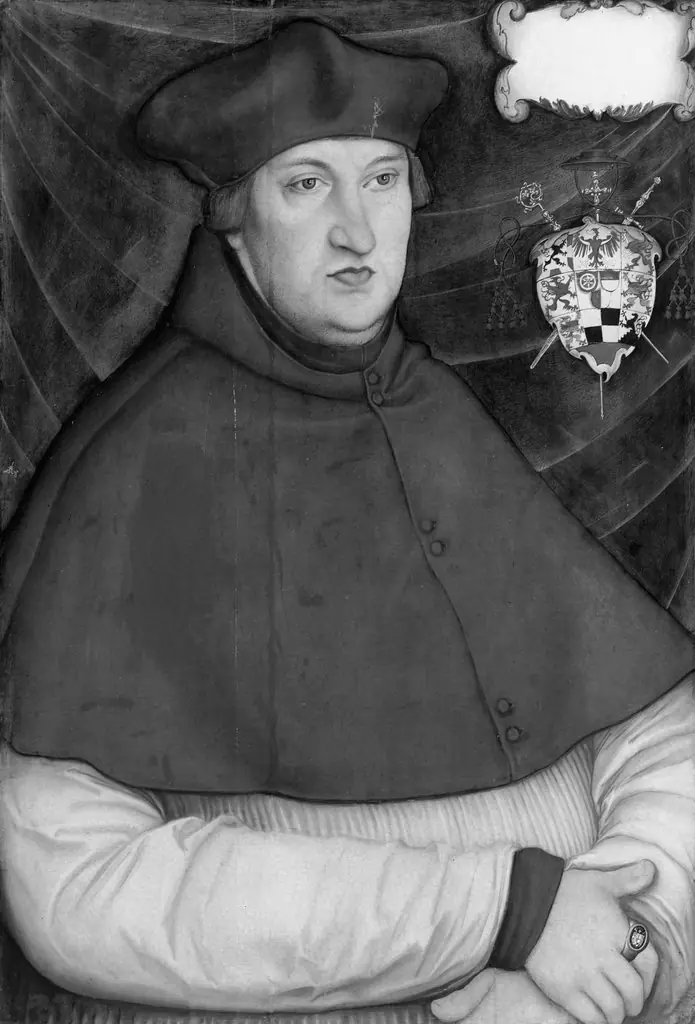 Portrait of Cardinal Albrecht of Brandenburg
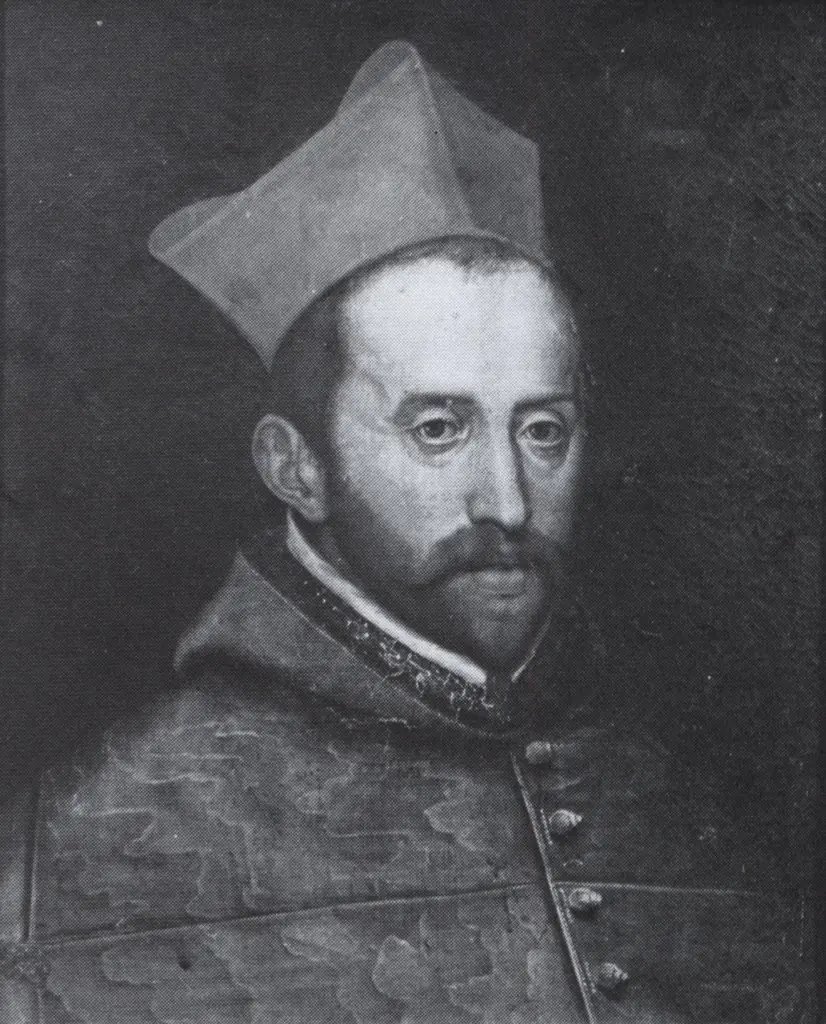 Andreas von Österreich
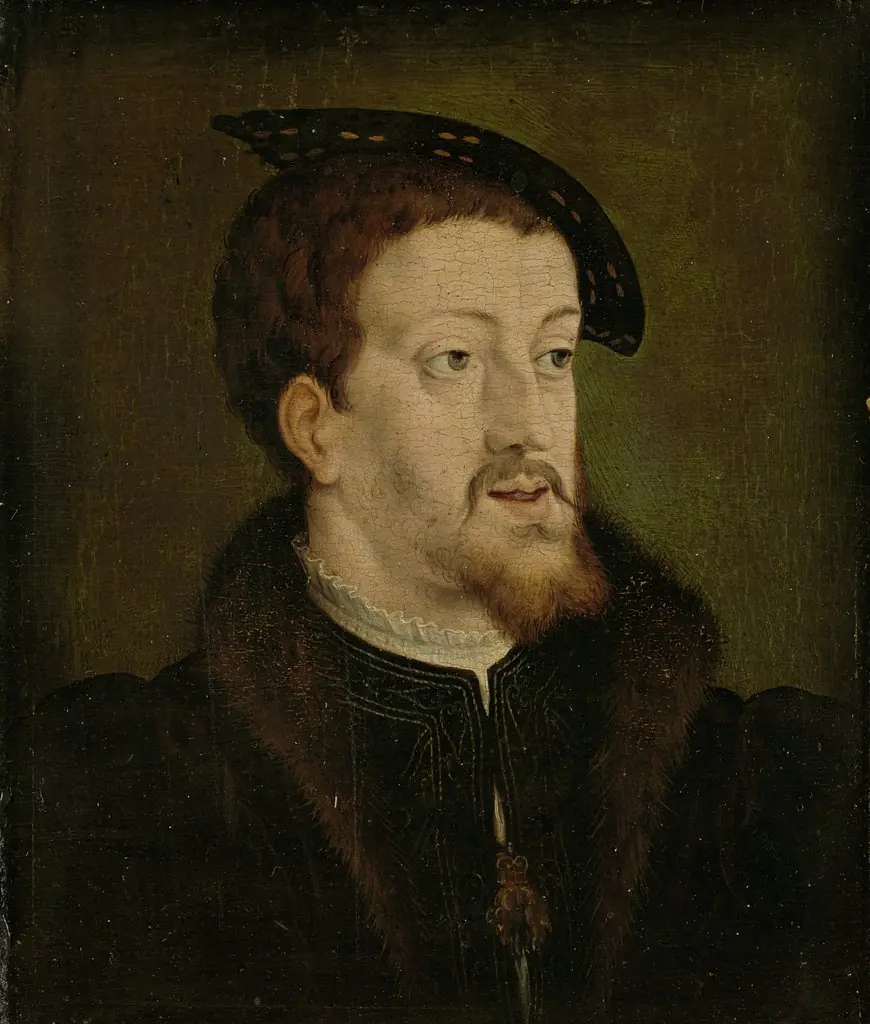 Portrait of Charles V (1500-58), emperor of the Holy Roman Empire
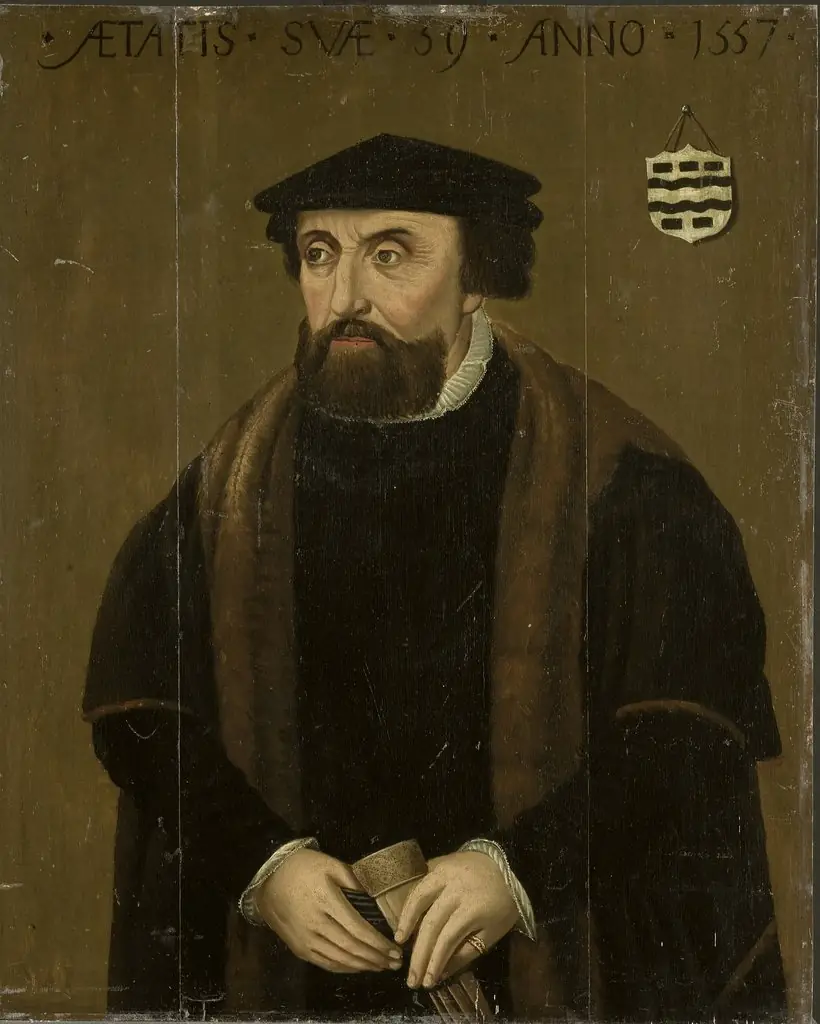 Portrait of a Man, perhaps Willem Simon-Maertensz, Lord of Stavenisse and Cromstrijen, repeatedly Burgomaster of Zierikzee