Artwork
A Cabinet-Maker's Office
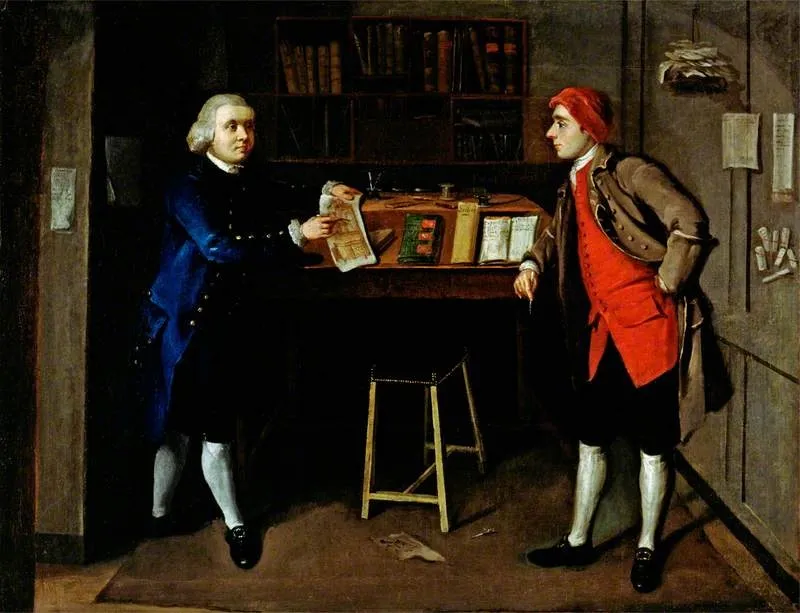
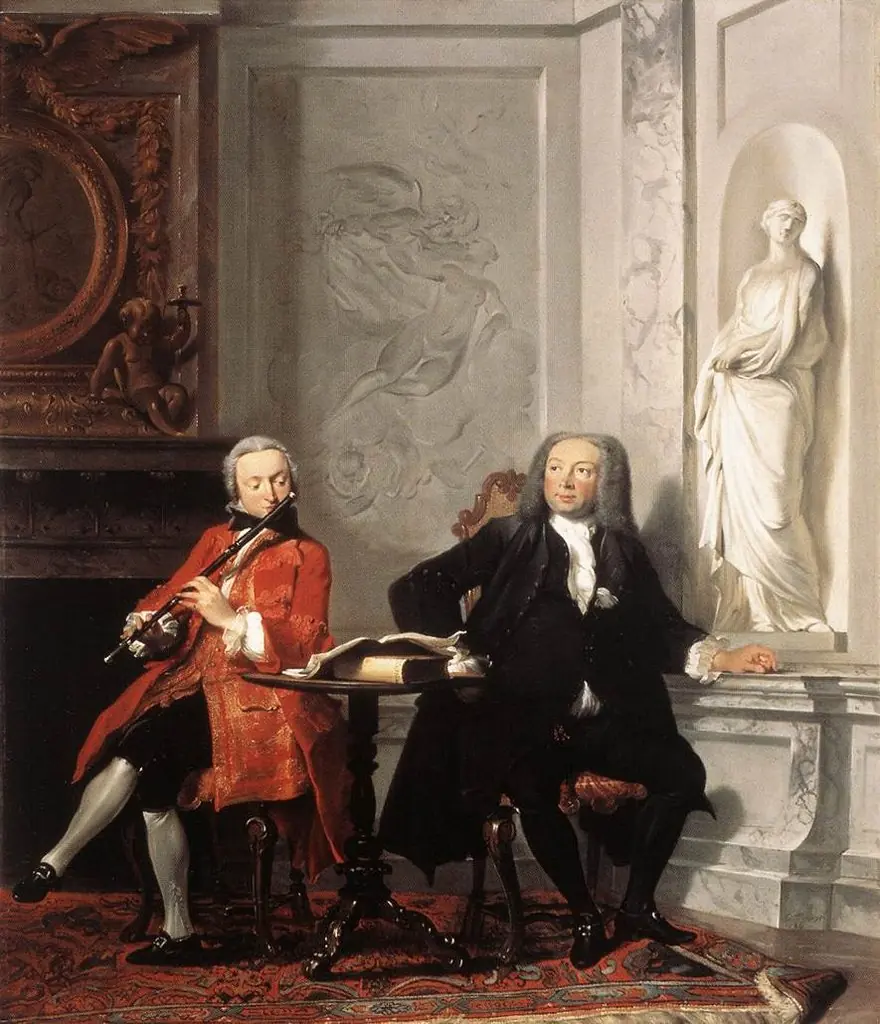
A Cabinet-Maker's Office is an oil painting by the Rococo painting artist Unknown. It dates from 1770 and is held in the collection of the Victoria and Albert Museum. This oil painting portrays a quiet interior scene set in a cabinet-maker’s office.
About this work
Overview
Dim lighting and strong contrasts of shadow and light shape the figures and interior, lending the scene a restrained, introspective mood.
This oil painting portrays a quiet interior scene set in a cabinet-maker’s office. Two men are depicted in modest attire, engaged in stillness rather than action. The space is spare but carefully arranged, with a central desk and shelved books suggesting a place of craft and record. Dim lighting and strong contrasts of shadow and light shape the figures and interior, lending the scene a restrained, introspective mood.
Subject & Meaning
The two figures, one holding a document and the other carrying a bag, suggest a transaction or consultation—perhaps a client reviewing work or settling accounts. Their postures convey restraint, avoiding theatricality. The absence of tools or finished furniture shifts focus from production to the administrative side of the trade, implying the quiet labor of commerce and trust behind artisanal work.
Technique & Style
The artist employs chiaroscuro to model form and define space, with light falling selectively on faces and hands while the surroundings recede into shadow. Brushwork is precise but unobtrusive, favoring tonal harmony over detail. The composition is tightly framed, drawing attention to the figures’ stillness and the weight of the objects around them, reinforcing the painting’s contemplative tone.
History & Provenance
The painting’s origin is tied to 18th-century Dutch or Flemish artistic traditions, where interior scenes of skilled trades were common. Its early ownership is undocumented, but its style aligns with genre works produced for middle-class patrons interested in the dignity of labor. No record of exhibition or significant collection history exists prior to the 20th century.
Context
During the 1700s, depictions of artisans at work gained popularity in Northern Europe, reflecting broader societal interest in commerce and craft. Unlike grand historical scenes, these works celebrated quiet competence. This painting fits within that trend, offering a sober view of professional life without idealization, grounded in the everyday rhythms of trade.
Legacy
Though not widely reproduced or studied, the painting contributes to a quiet tradition of Dutch and Flemish genre art that valued observation over drama. Its understated approach influenced later realist painters who sought to portray labor with dignity. Today, it remains a subtle testament to the unseen rituals of skilled work in pre-industrial society.
Artist & collection

 Domestic Scene
 Giacomo and Cardinal Marco, investing Andrea, Abbot of San Zeno, with his Benefice
 The Nymph of Fontainebleau
 Portrait of a Woman
 Madonna and Child with Saints in the Enclosed Garden
 Venus and Minerva
 Family Group of Four on Sofa
 Wall painting from Room H of the Villa of P. Fannius Synistor at Boscoreale
 Conversation Piece: Three Men in Eighteenth-Century Costume
 The Connoisseurs: John Caw (died 1784), John Bonar (1747 - 1807) and James Bruce
 Nicol Graham of Gartmore (1695 - 1775) and Two Friends Seated in a Library
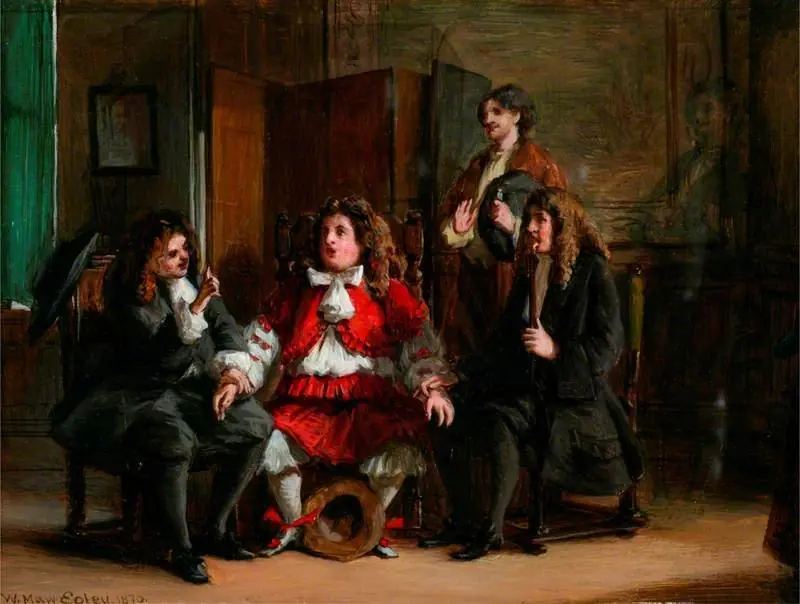 Scene from Molière's 'Monsieur de Pourceaugnac'
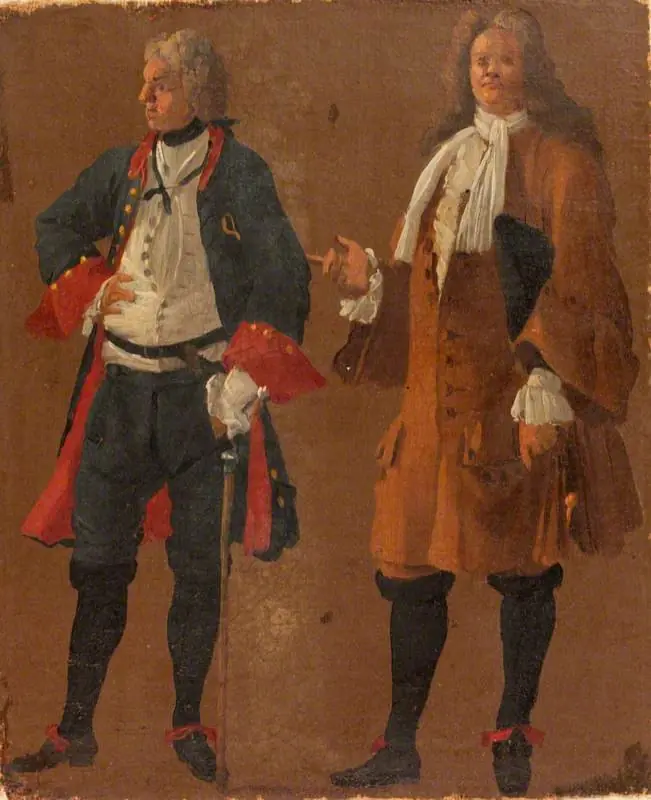 Studies of Two Gentlemen
 Edmund Burke (1729-1797) in Conversation with Charles James Fox (1749-1806)
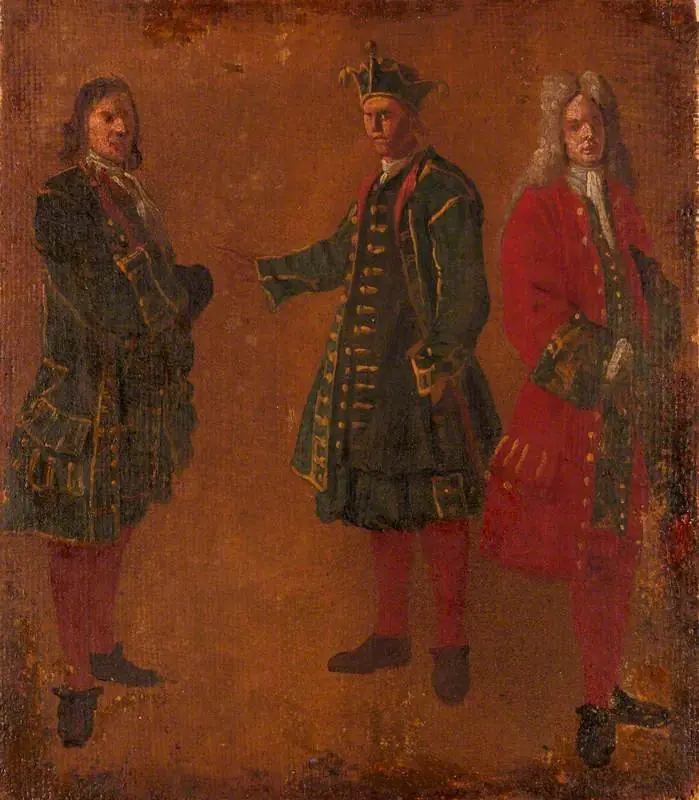 Three Studies of Men
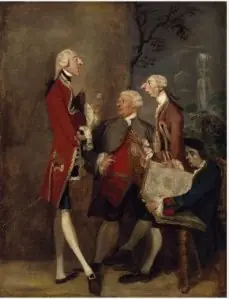 Caricature of Thomas Brudenell, Baron Bruce, the Hon. John Ward, Joseph Leeson, later 2nd Earl of Milltown, and Joseph Henry of Shafford
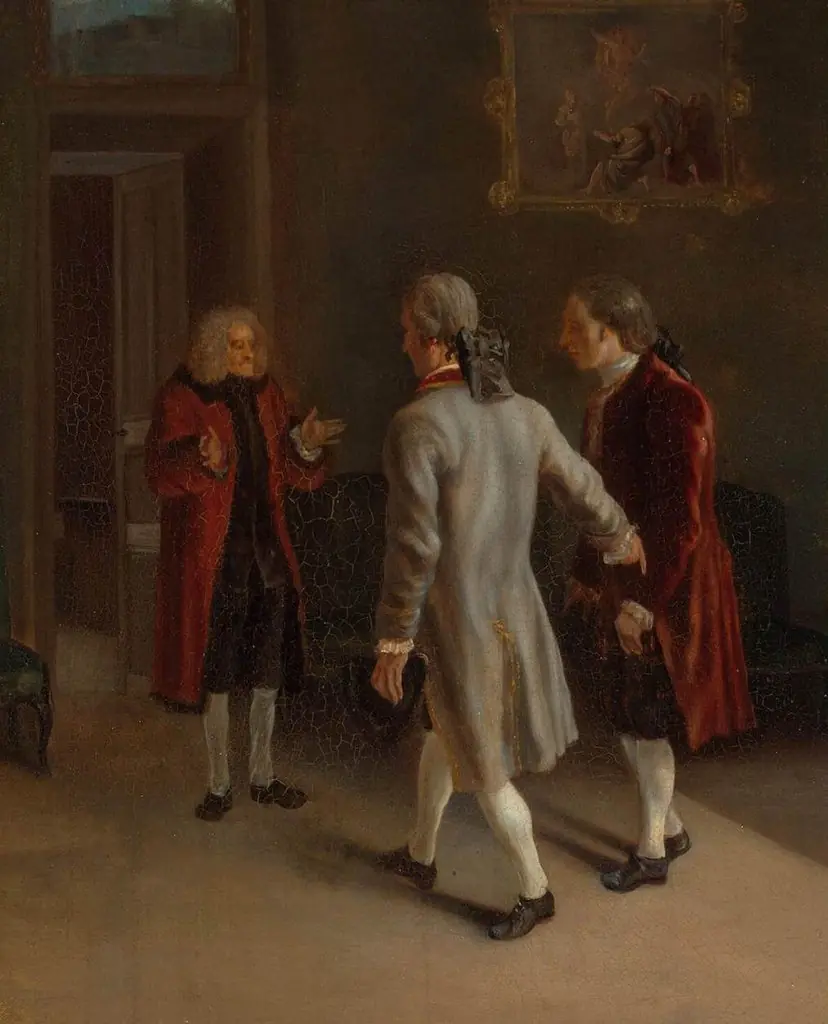 Voltaire Welcoming his Guests
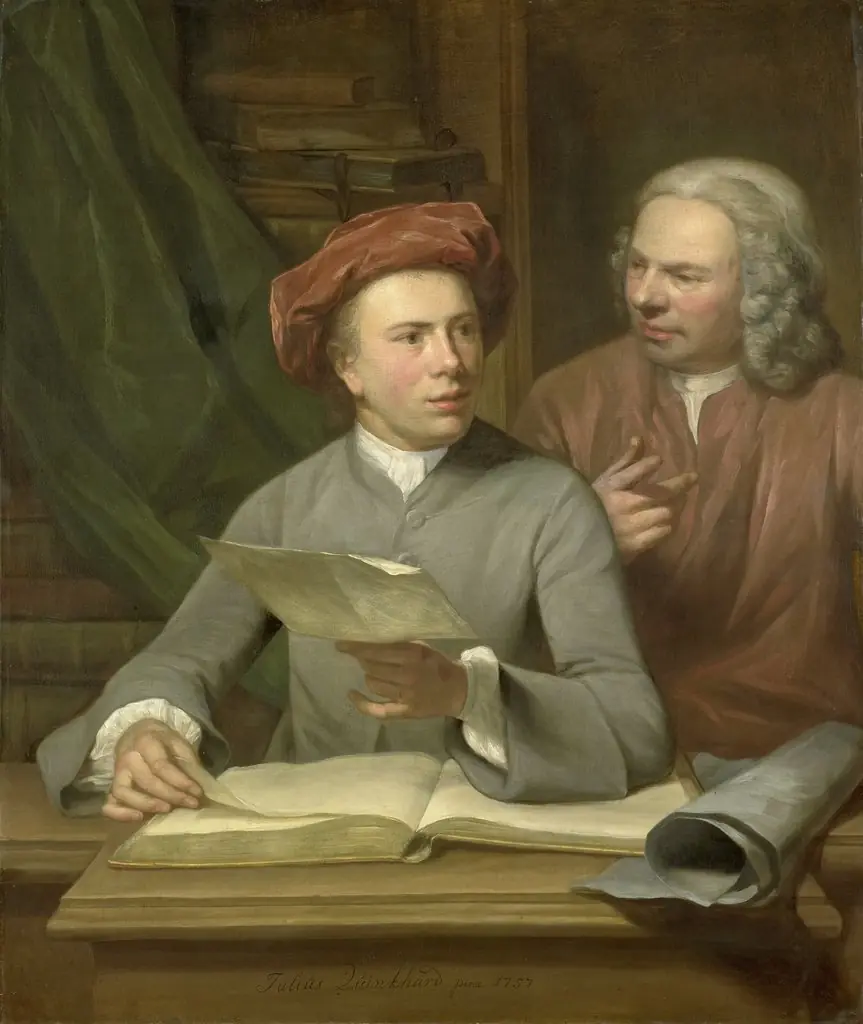 Self-portrait with Jan Maurits Quinkhard next to him
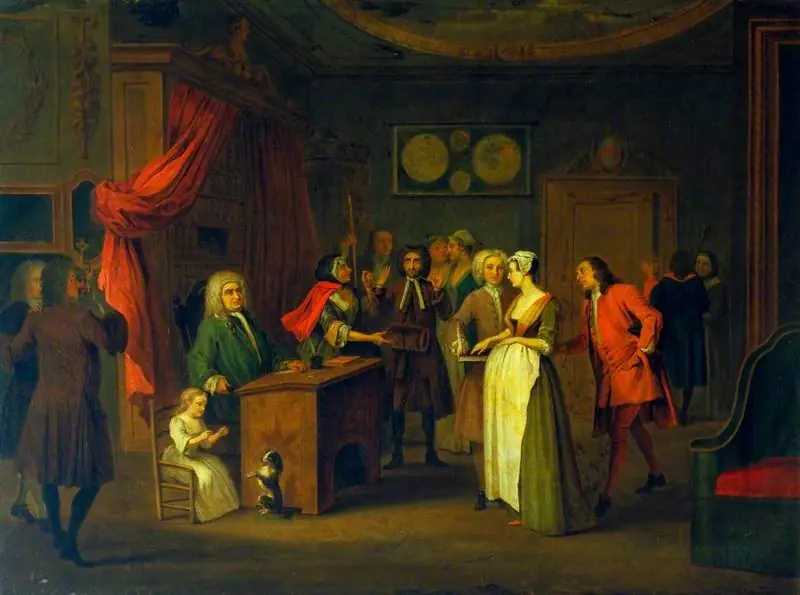 The Affiliation (after William Hogarth)
 Portrait of Jeronimus Tonneman and his Son Jeronimus