Artwork
Anne Innes of Cathlow (1770-1796), född i Skottland, g.m. Alexander Baron Seton i hans andra äktenskap
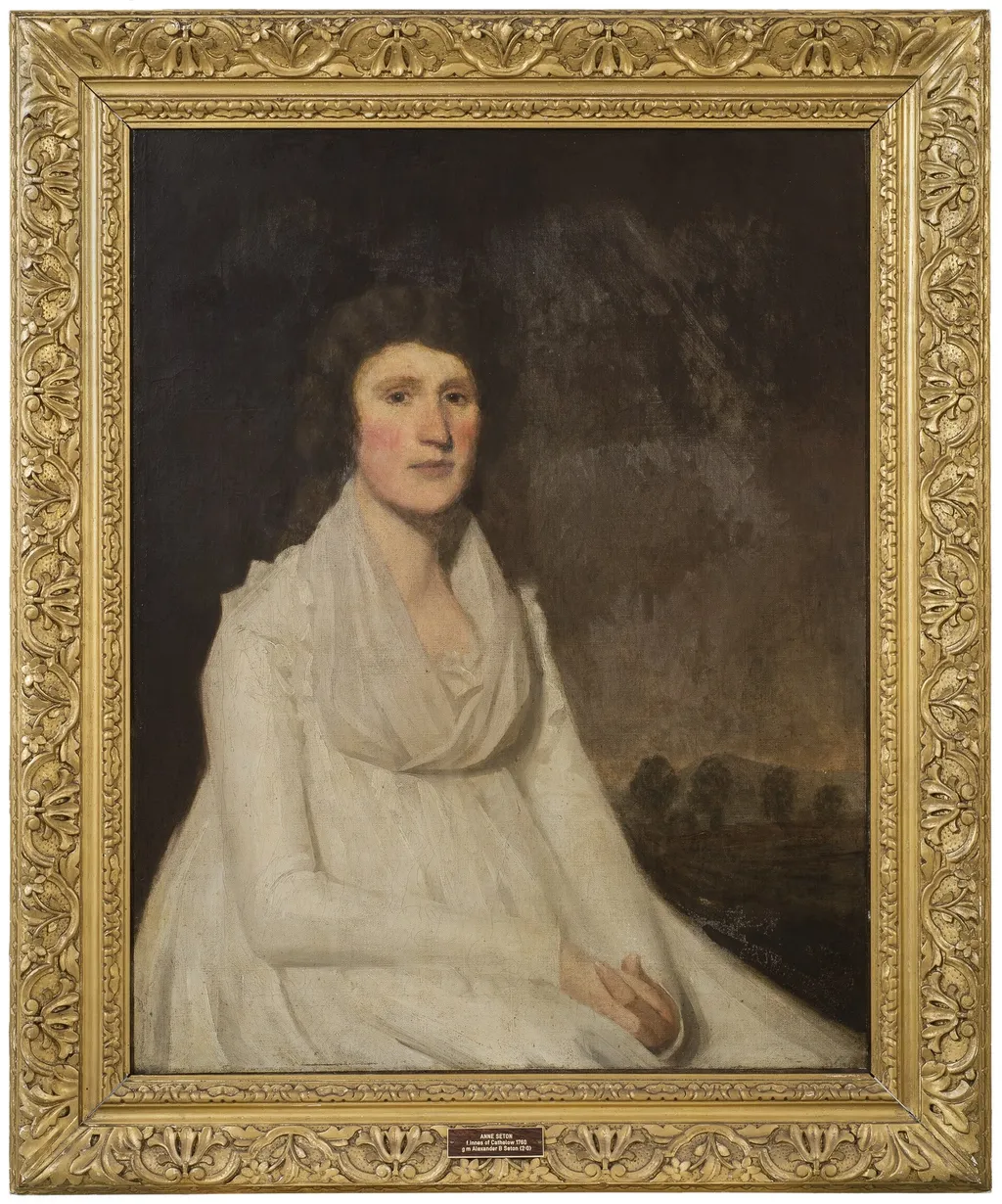
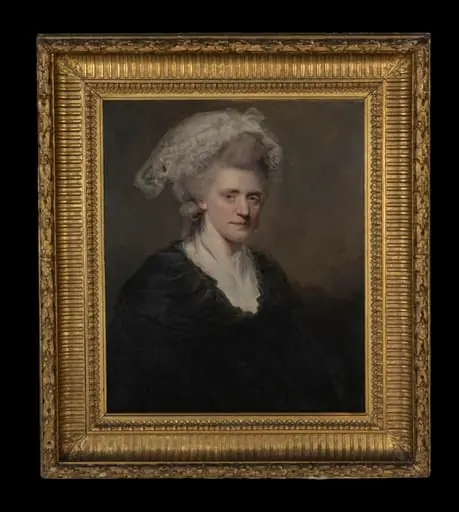
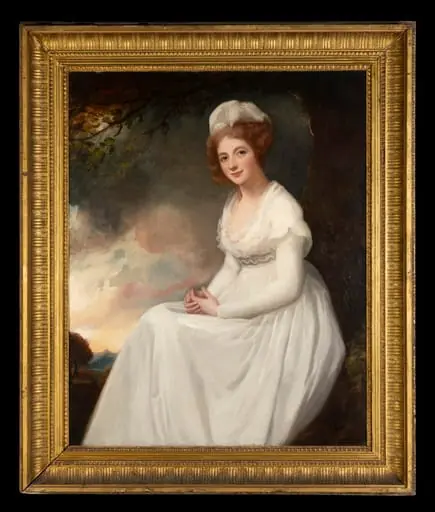
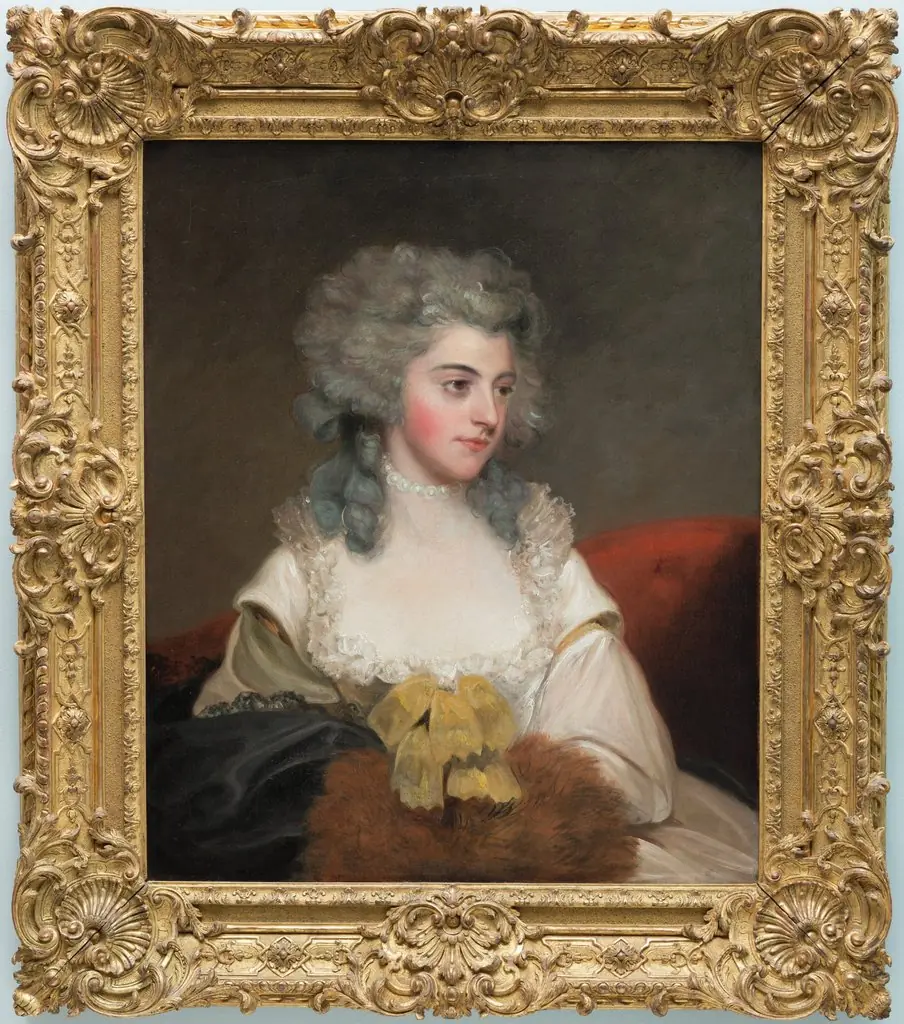
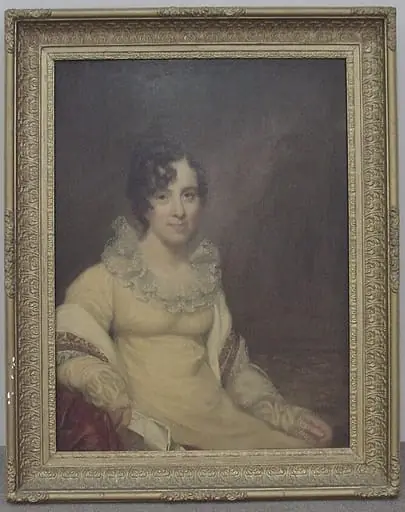
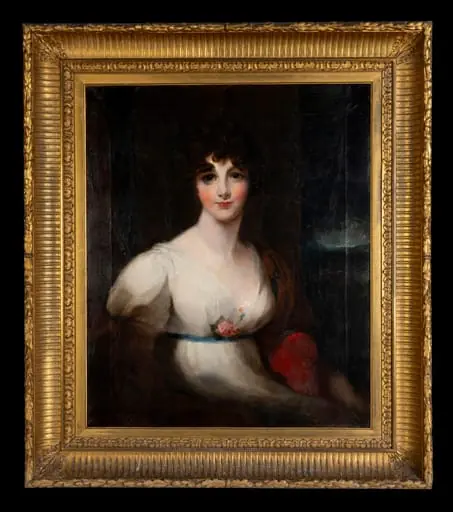
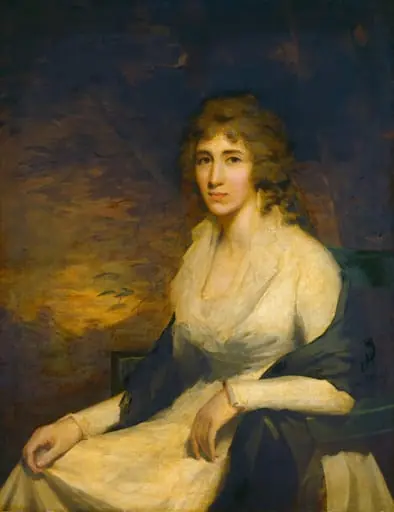
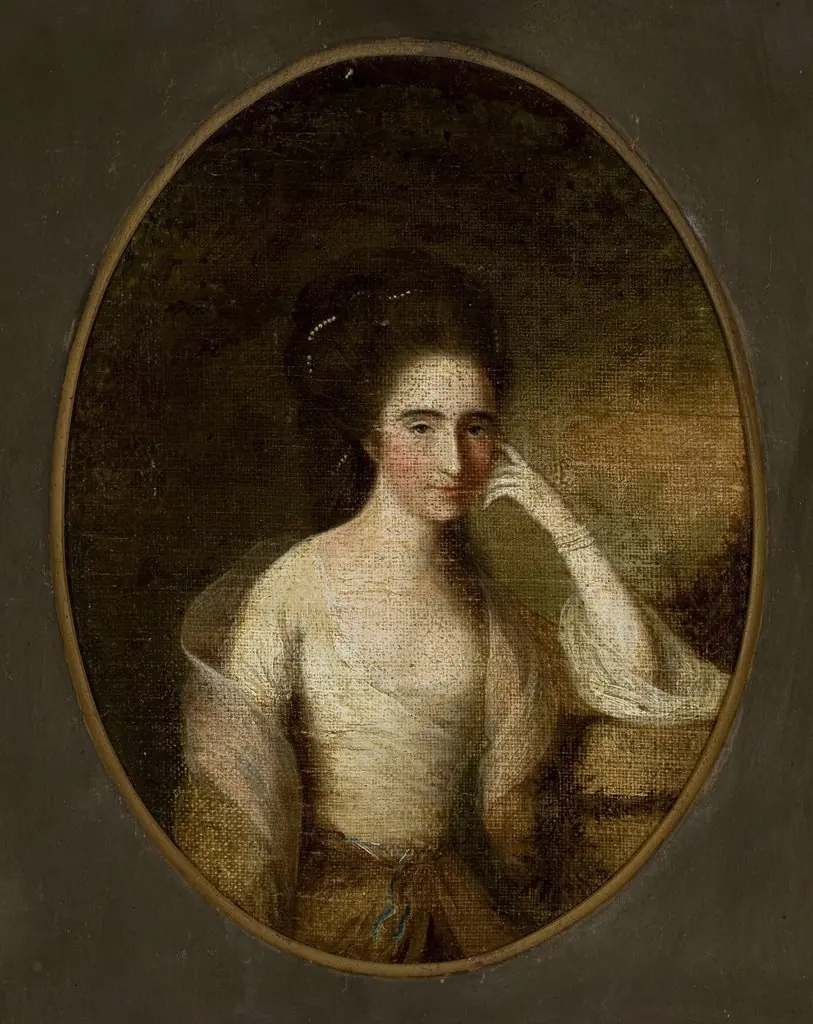
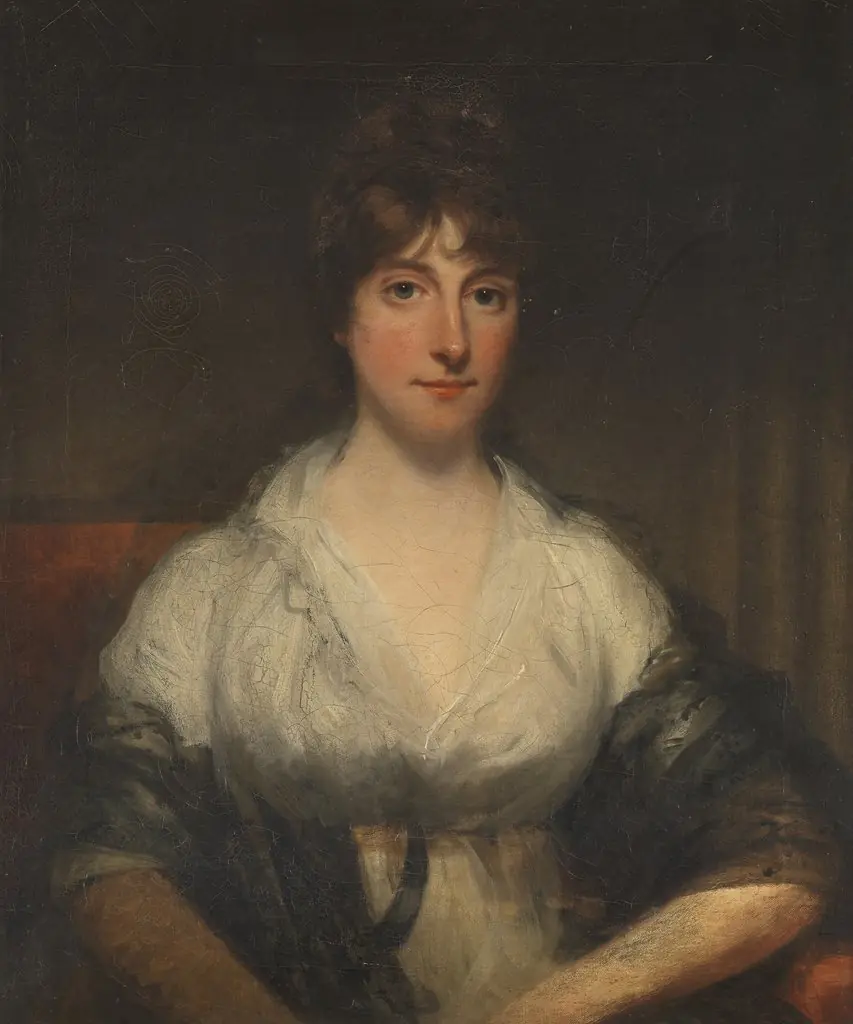
Anne Innes of Cathlow (1770-1796), född i Skottland, g.m. Alexander Baron Seton i hans andra äktenskap is an oil painting by Unknown. It is held in the collection of the Nationalmuseum. This oil portrait depicts Anne Innes of Cathlow, a Scottish noblewoman who lived from 1770 to 1796.
About this work
Overview
This oil portrait depicts Anne Innes of Cathlow, a Scottish noblewoman who lived from 1770 to 1796. Painted during her marriage to Alexander Baron Seton, it captures her in a composed, frontal pose. The work is part of the Nationalmuseum’s collection, where it stands as a quiet example of late 18th-century portraiture, emphasizing dignity over theatricality.
Subject & Meaning
Anne Innes is portrayed with restrained grace, her folded hands and direct gaze suggesting composure and inner stillness.
Anne Innes is portrayed with restrained grace, her folded hands and direct gaze suggesting composure and inner stillness. The absence of symbolic objects or elaborate settings shifts focus to her presence alone. Her attire and demeanor reflect the ideals of feminine virtue and refinement common among the British aristocracy of the period, conveying social status through subtlety rather than display.
Technique & Style
The artist employs soft modeling to render the texture of the white dress, with careful attention to the high neckline and long sleeves. Dark, unobtrusive background tones enhance the luminosity of her skin and fabric, creating a sense of intimacy. Brushwork is precise yet unobtrusive, favoring clarity of form over expressive flourish, typical of portraiture aiming for quiet elegance.
History & Provenance
Painted during Anne Innes’s marriage to Alexander Baron Seton, the work likely originated in Scotland or England before entering the Nationalmuseum’s collection. Its documented history is limited, but its preservation suggests it remained within familial or aristocratic circles. No records indicate significant alterations or reattributions since its creation.
Context
In the late 1700s, aristocratic portraiture often emphasized moral character through stillness and modesty, especially for women. Anne’s depiction aligns with this trend, contrasting with more flamboyant styles emerging in France. Her dress, though detailed, avoids excessive ornamentation, reflecting a shift toward neoclassical ideals of simplicity and restraint in upper-class fashion.
Legacy
The portrait endures as a representative example of British-influenced Scandinavian portraiture in the Nationalmuseum’s holdings. It contributes to the understanding of how Scottish aristocratic identity was visually articulated within broader European contexts. Though not widely reproduced, it remains a quiet testament to the aesthetic values of its time.
Artist & collection

 Domestic Scene
 Giacomo and Cardinal Marco, investing Andrea, Abbot of San Zeno, with his Benefice
 The Nymph of Fontainebleau
 Portrait of a Woman
 Madonna and Child with Saints in the Enclosed Garden
 Venus and Minerva
 Family Group of Four on Sofa
 Wall painting from Room H of the Villa of P. Fannius Synistor at Boscoreale