Artwork
Louisa Jane Allen
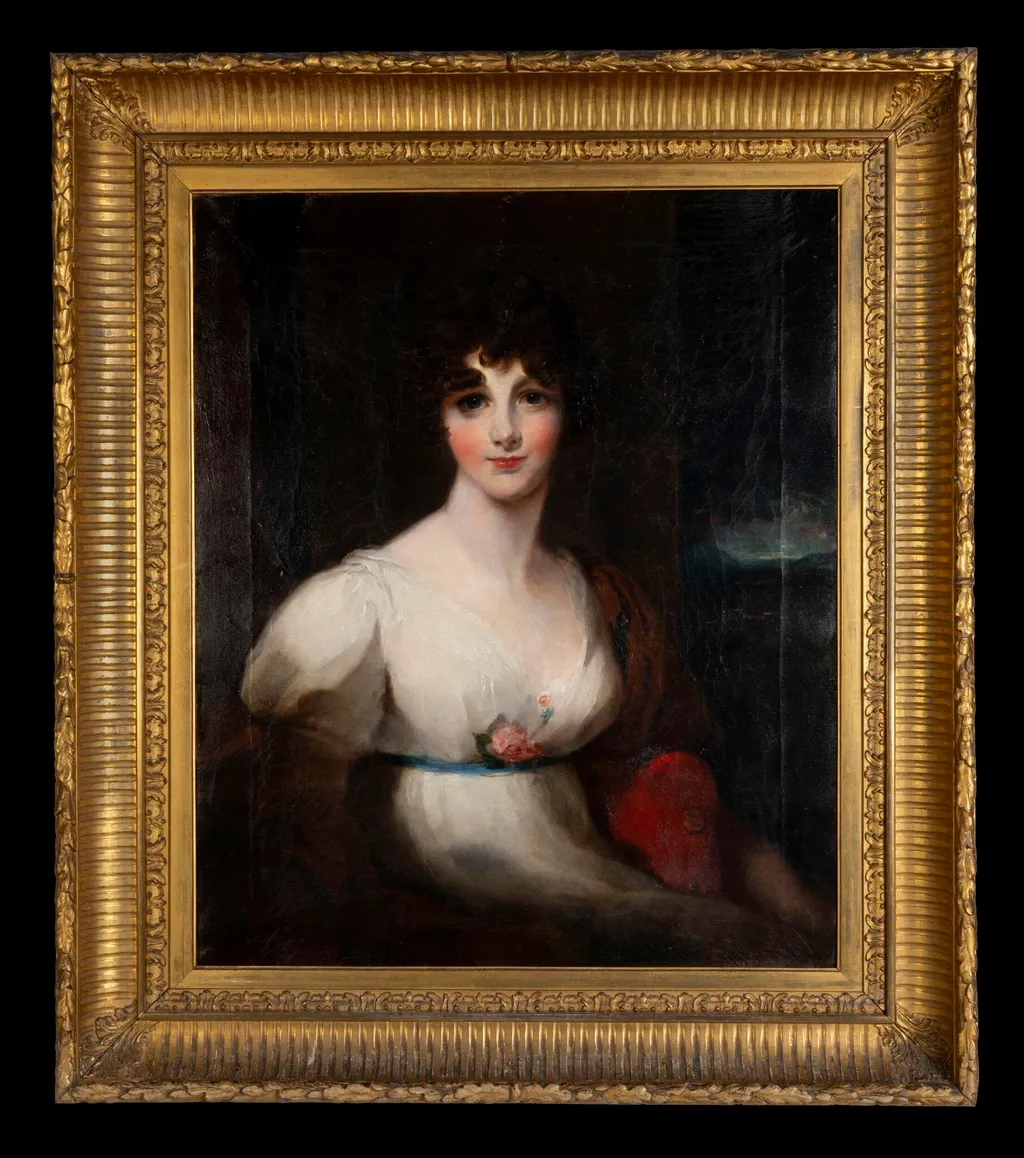
Louisa Jane Allen is a paint painting by the Romanticist artist Miss Simmett. It dates from 1793 and is held in the collection of the Victoria and Albert Museum.
About this work
This painting is a portrait of Louisa Jane Allen. It's a work by Miss Simmett, created after 1793.
Louisa Jane Allen married John Wedgwood in 1794. This was a significant event, as John Wedgwood was the eldest son of Josiah I and Sarah Wedgwood.
You can learn more about the style and themes of this period by exploring the movement: Romanticism.
Overview
This oil portrait depicts Louisa Jane Allen, a figure of the late 18th‑century English gentry. Executed by an artist identified only as Miss Simmett sometime after 1793, the work records Allen’s appearance shortly before her marriage into the prominent Wedgwood family.
Subject & Meaning
Louisa Jane Allen (1771‑1836) is shown in a poised stance typical of contemporary portraiture, emphasizing her status and personal virtues. The painting serves as a visual record of her identity at a pivotal moment, preceding her 1794 union with John Wedgwood, the eldest son of Josiah I and Sarah Wedgwood.
Technique & Style
The portrait employs the refined brushwork and subtle tonal modeling associated with late‑Georgian portraiture, reflecting the broader aesthetic currents of Romanticism. Miss Simmett’s handling of light and fabric conveys a sense of immediacy while maintaining the decorum expected of a genteel sitter.
Context
Allen’s marriage linked her to the influential Wedgwood dynasty, noted for its contributions to pottery and industrial enterprise. The painting thus not only documents an individual but also illustrates the social networks of England’s emerging industrial elite during the 1790s.
Artist & collection
Artist
Miss Simmett painted small portraits in the late 1700s, likely using oil on canvas.

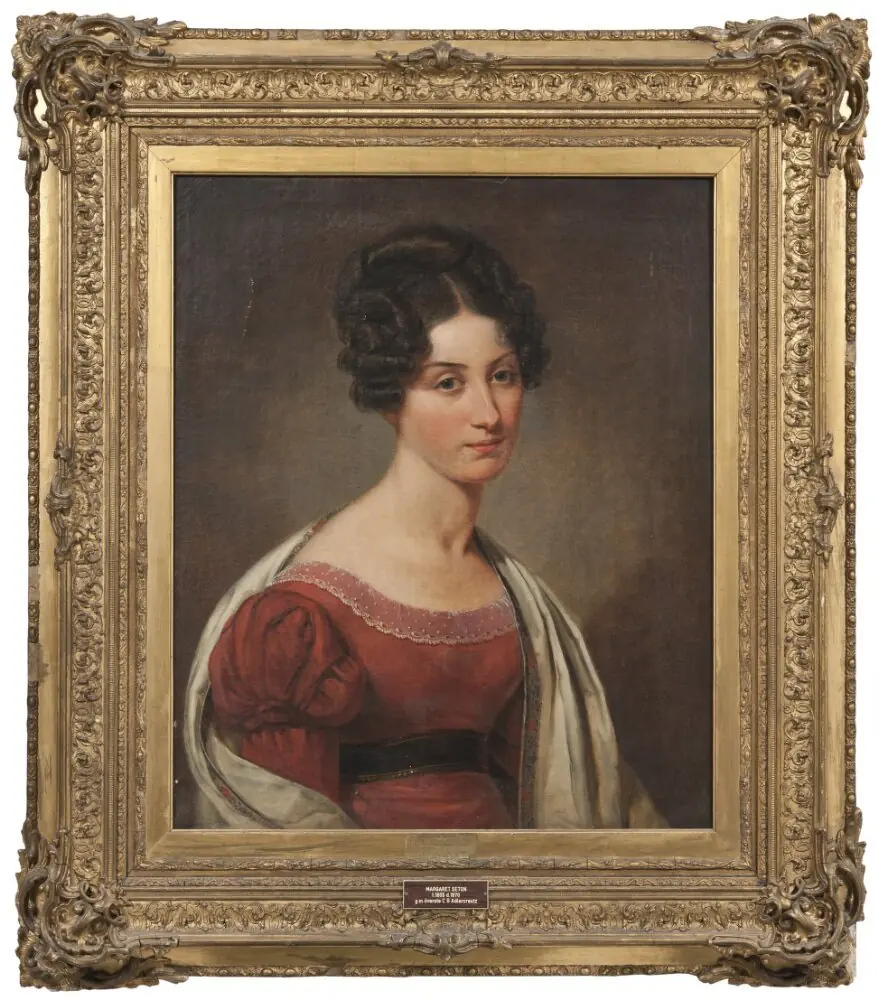 Margaret Seton (1805-1870), född i Skottland, verksam i Sverige, g.m. friherre överste Carl Gustaf Adlercreutz, sondotter till Alexander Baron Seton
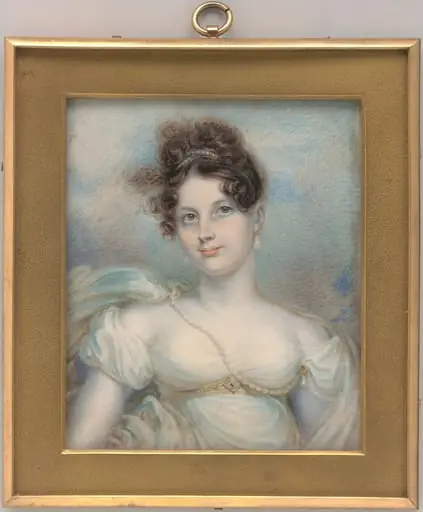 Mrs. Manigault Heyward (Susan Hayne Simmons)
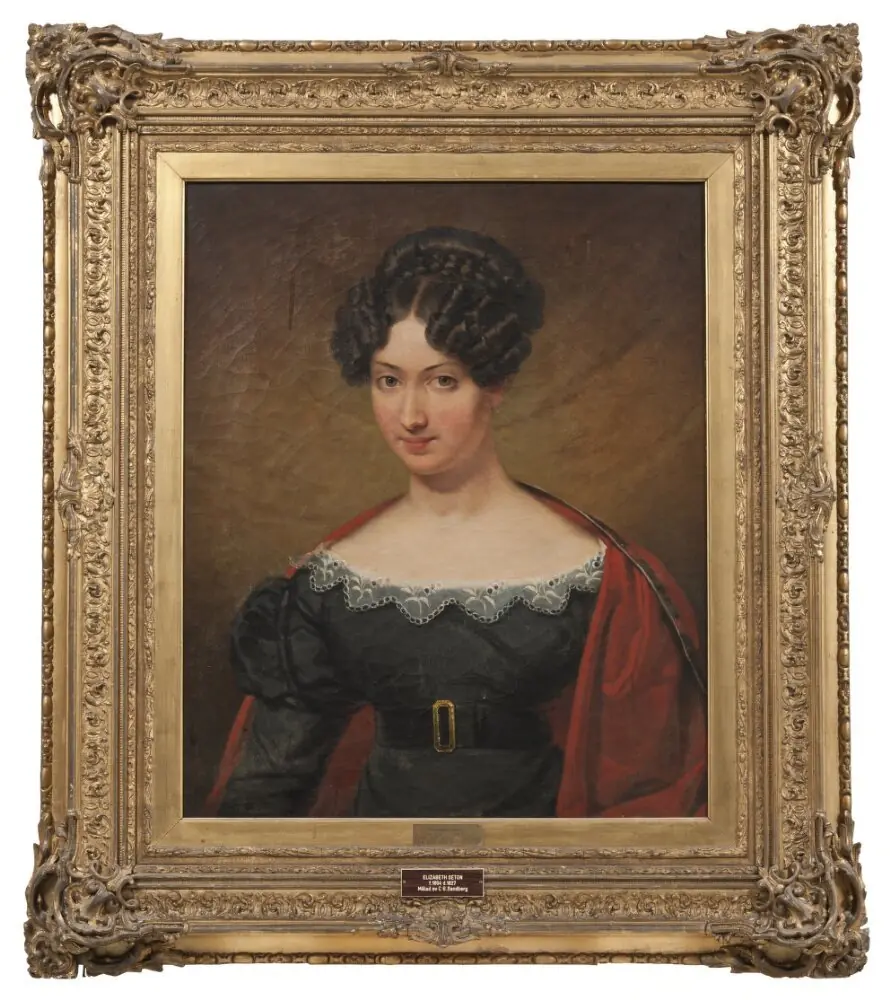 Elizabeth Seton (1804-1827), stiftsjungfru, sondotter till Alexander Baron Seton
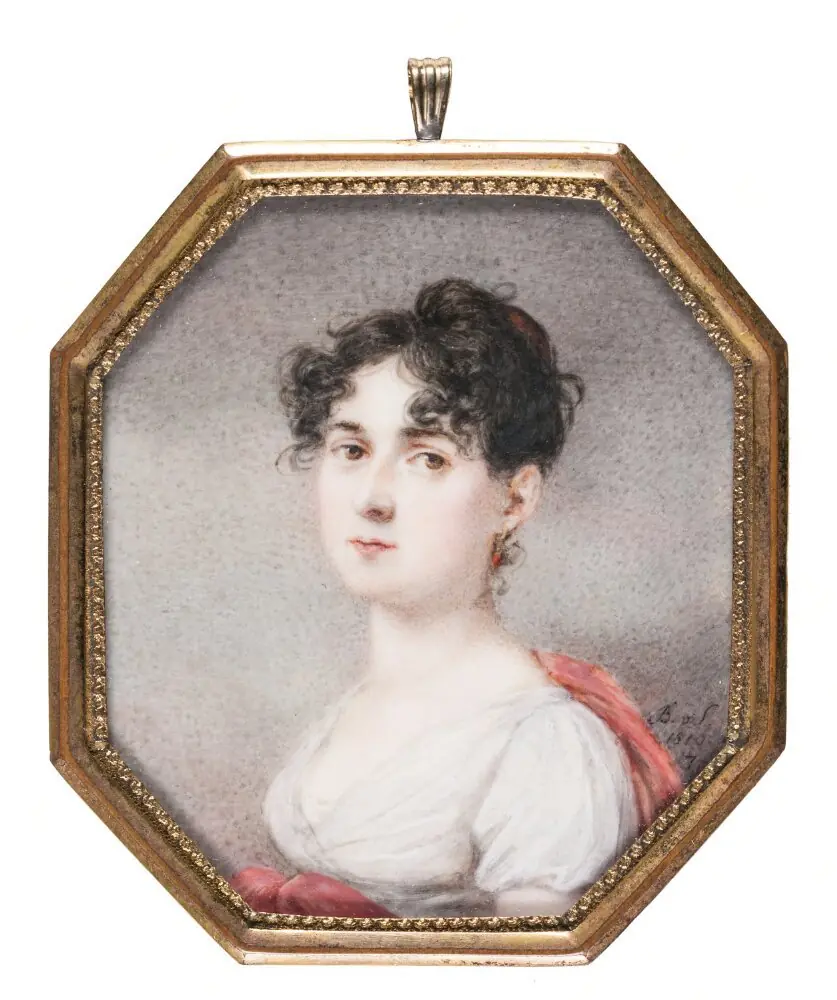 Young Lady
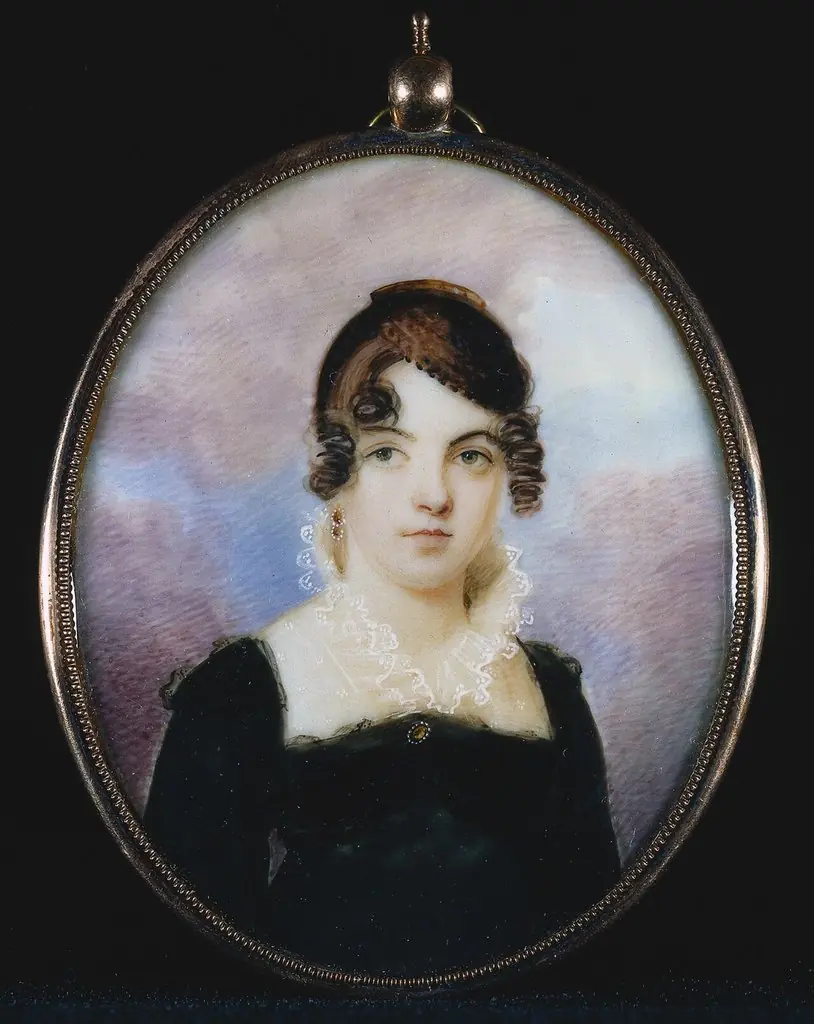 Portrait of a Woman
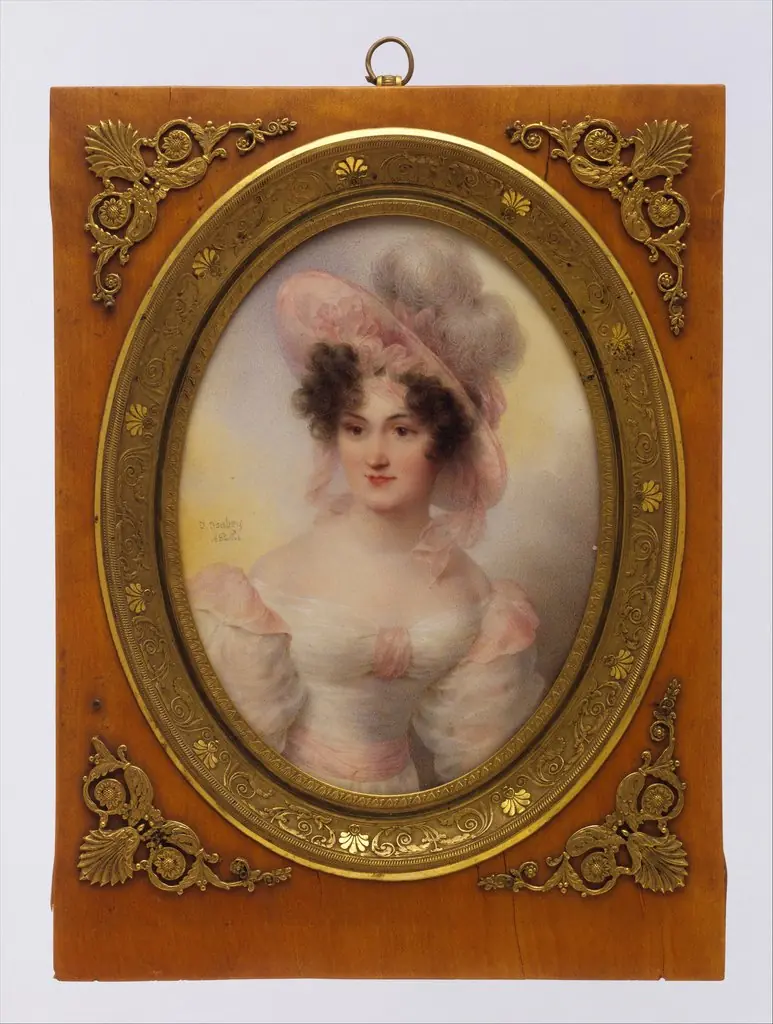 Mrs. Rufus Prime (Augusta Temple Palmer, 1807–1840)
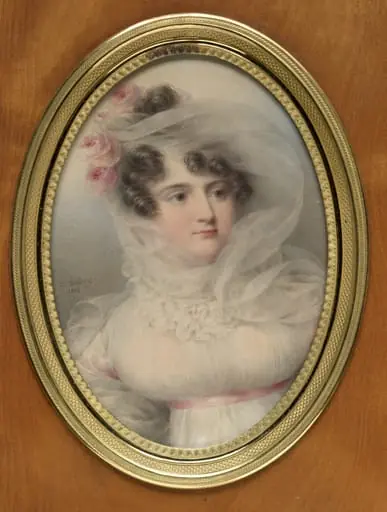 Portrait of Hortense de Perregaux, Duchess of Ragusa
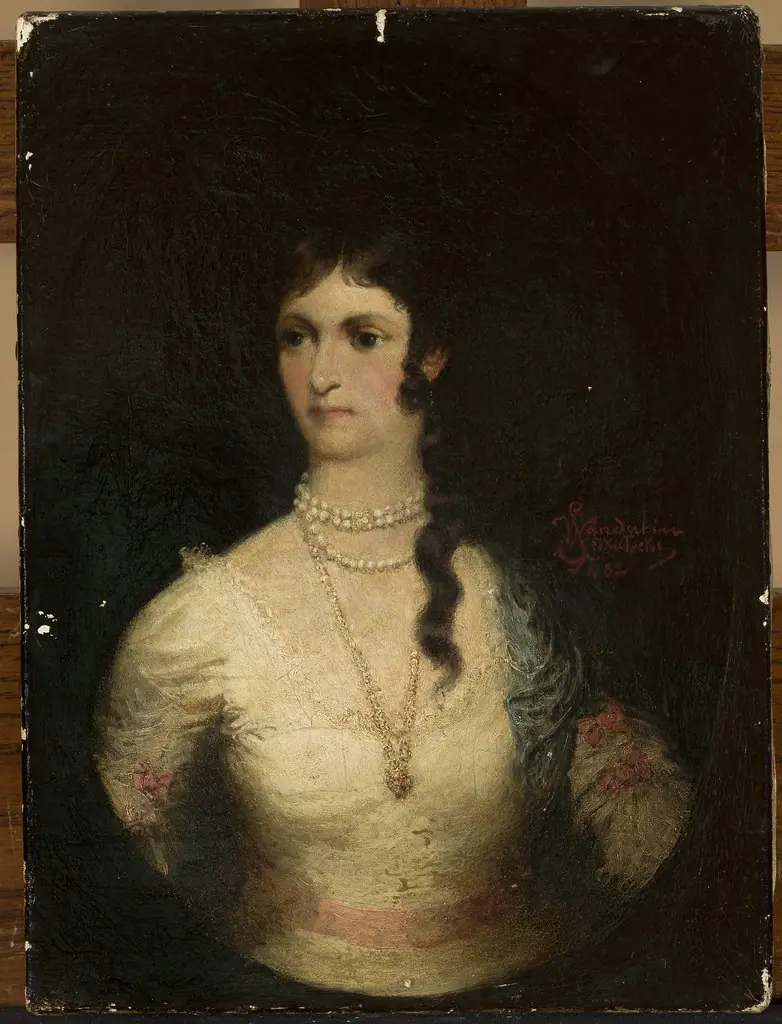 Portrait of a woman in a white dress
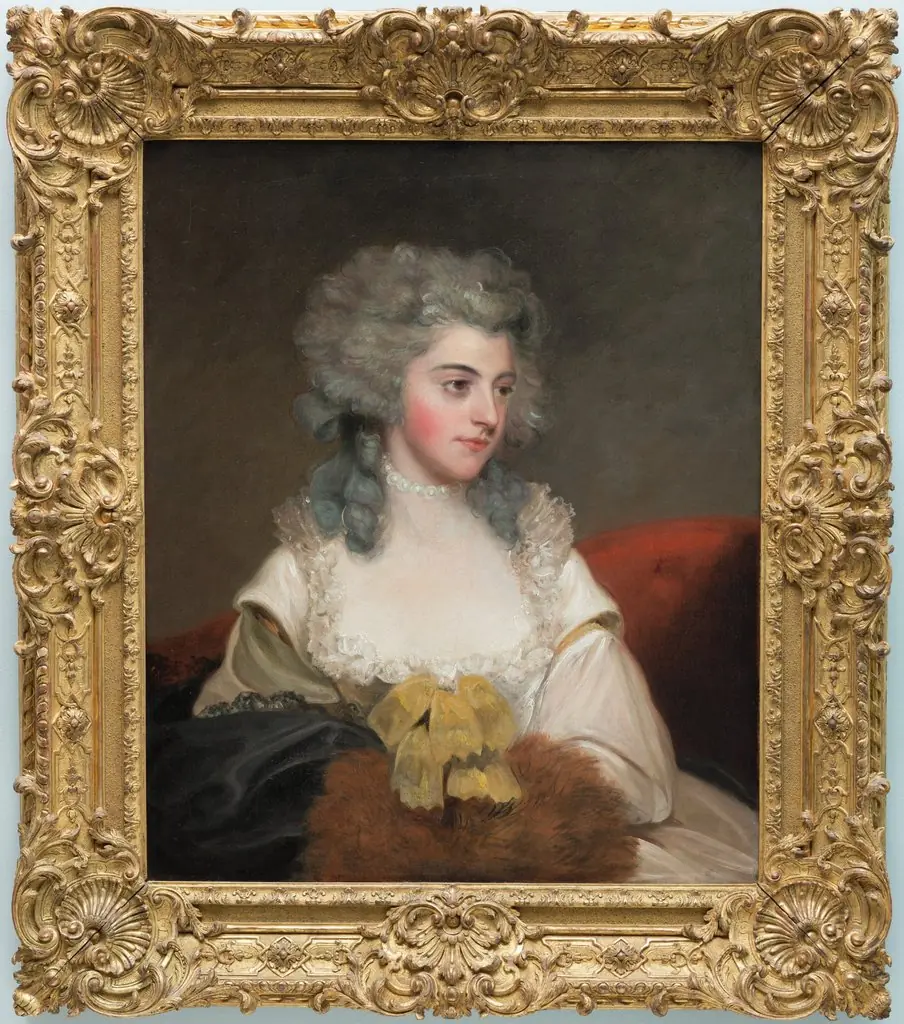 Susannah Edith, Lady Rowley
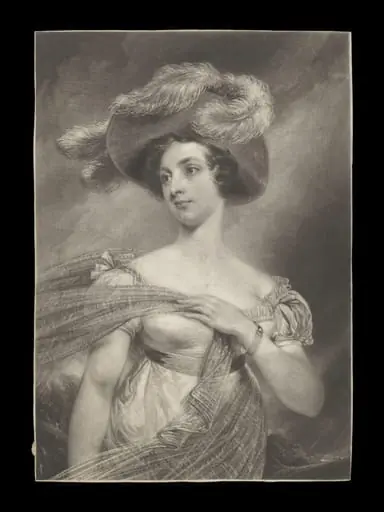 H Beard Print Collection