Artwork
Portrait of Johan van Ceters (1602-29)
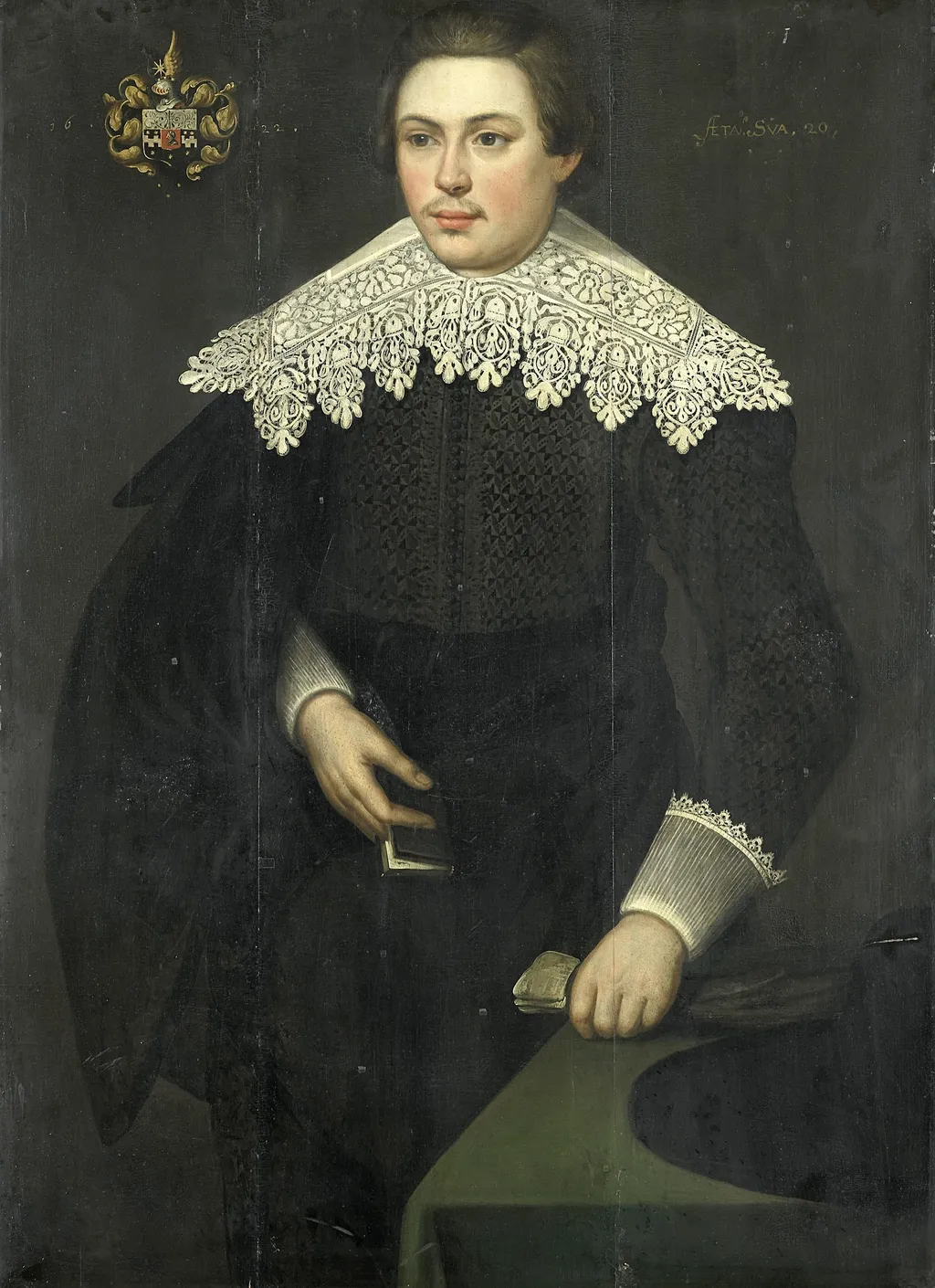
Portrait of Johan van Ceters (1602-29) is an oil painting by the Dutch Golden Age artist Unknown. It dates from 1650 and is held in the collection of the Rijksmuseum. The work is an oil portrait of Johan van Ceters, a man who lived from 1602 to 1629.
About this work
Overview
The work is an oil portrait of Johan van Ceters, a man who lived from 1602 to 1629. He is rendered in a half‑length format, set against a dark, unadorned backdrop that concentrates attention on his features and attire. The composition is restrained, emphasizing the sitter’s dignified bearing rather than any narrative setting.
Subject & Meaning
The overall pose reflects the conventions of early‑17th‑century portraiture, where status and character were communicated through dress and gesture.
Johan van Ceters appears with a solemn expression, dressed in a dark jacket patterned with a subtle weave. His white, starched collar and ruffled cuffs convey a sense of formality, while the hand that rests on a small object—perhaps a book or a folded sheet—suggests literacy or a professional role. The overall pose reflects the conventions of early‑17th‑century portraiture, where status and character were communicated through dress and gesture.
Technique & Style
The painter employs chiaroscuro, using a side light to model the face and create a gentle shadow beneath the chin, thereby giving the figure a three‑dimensional presence. The oil medium allows for fine detail in the lace collar and the texture of the jacket’s pattern, while the dark background enhances the contrast and focuses the viewer’s eye on the sitter’s expression and hands.
Context
Portraits of this period often served as markers of social rank and personal achievement. The restrained setting, combined with the careful rendering of clothing and accessories, aligns the work with the Dutch and Flemish portrait traditions that valued realism and subtle symbolism over elaborate backgrounds.
Artist & collection

 Domestic Scene
 Giacomo and Cardinal Marco, investing Andrea, Abbot of San Zeno, with his Benefice
 The Nymph of Fontainebleau
 Portrait of a Woman
 Madonna and Child with Saints in the Enclosed Garden
 Venus and Minerva
 Family Group of Four on Sofa
 Wall painting from Room H of the Villa of P. Fannius Synistor at Boscoreale
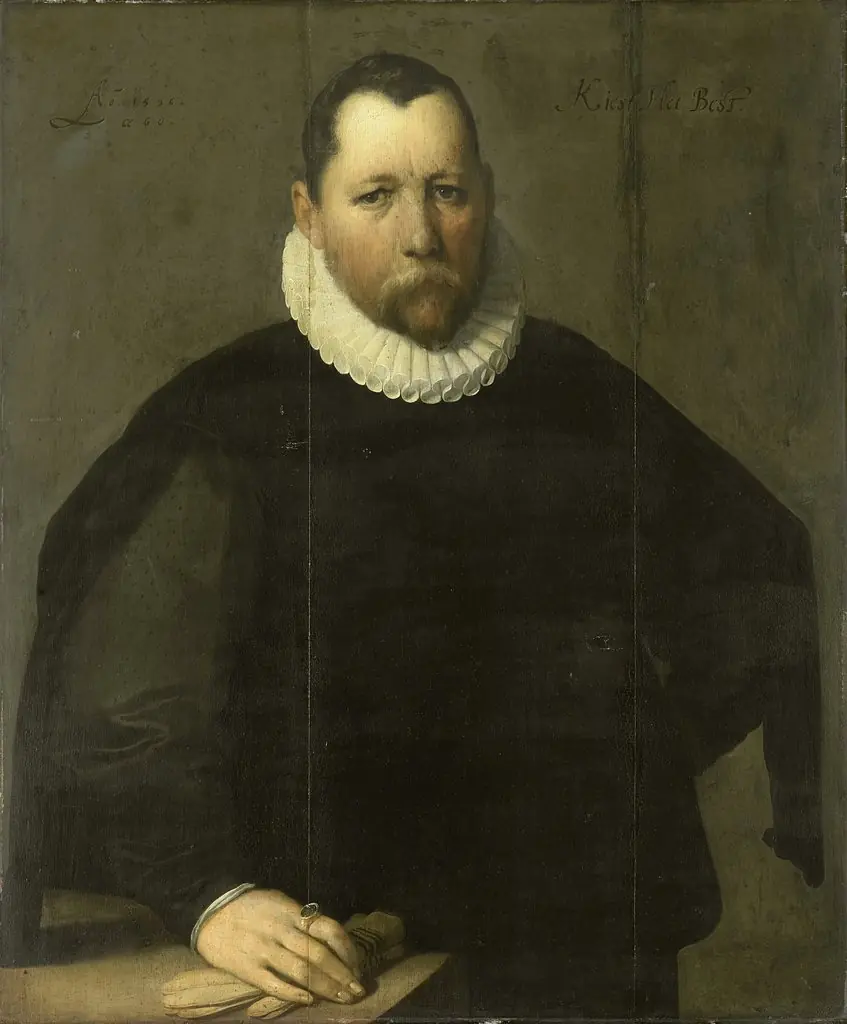 Portrait of Pieter Jansz. Kies
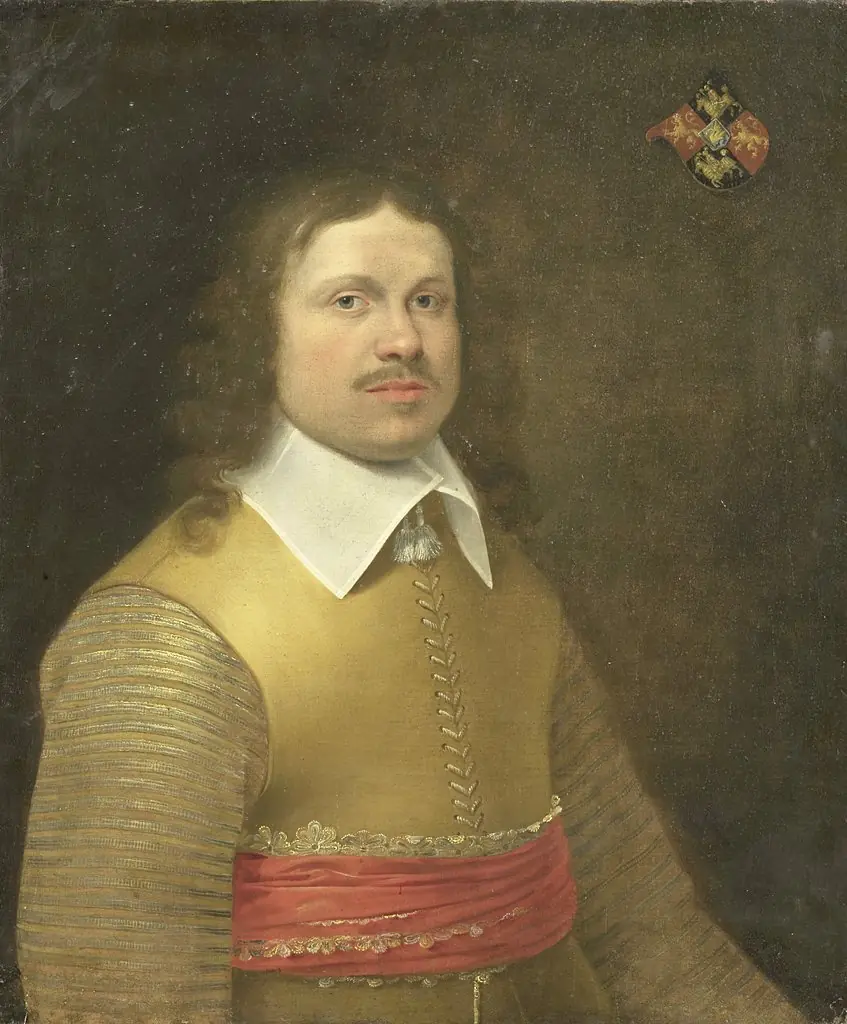 Portrait of Herman van der Hem van Nederstein (Herman Gysbert van der Hemm van Niederstein) (died 1671)
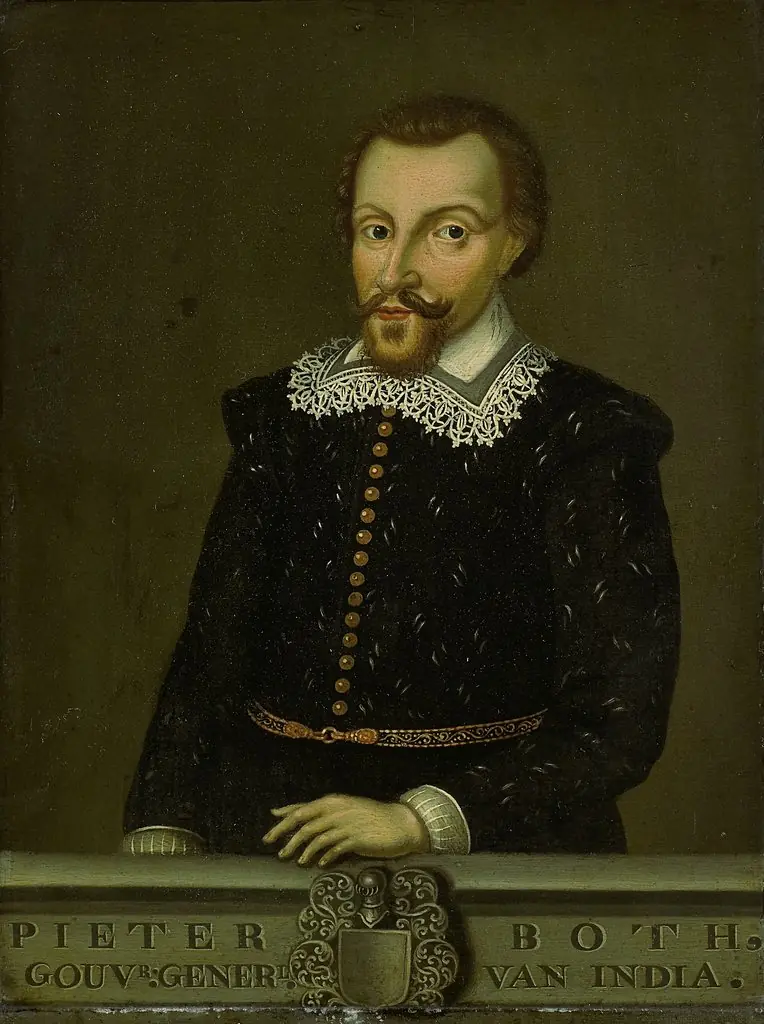 Portrait of Pieter Both (....-1615)
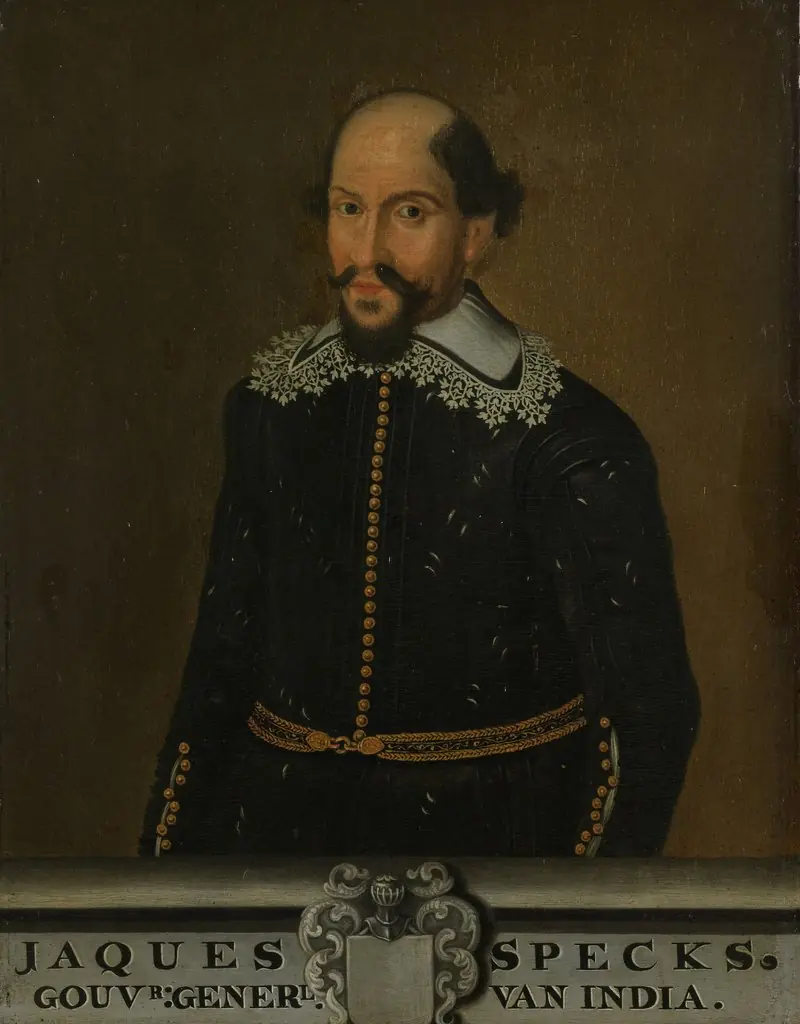 Jacques Specx (geb. 1588). Gouverneur-generaal (1629-32)
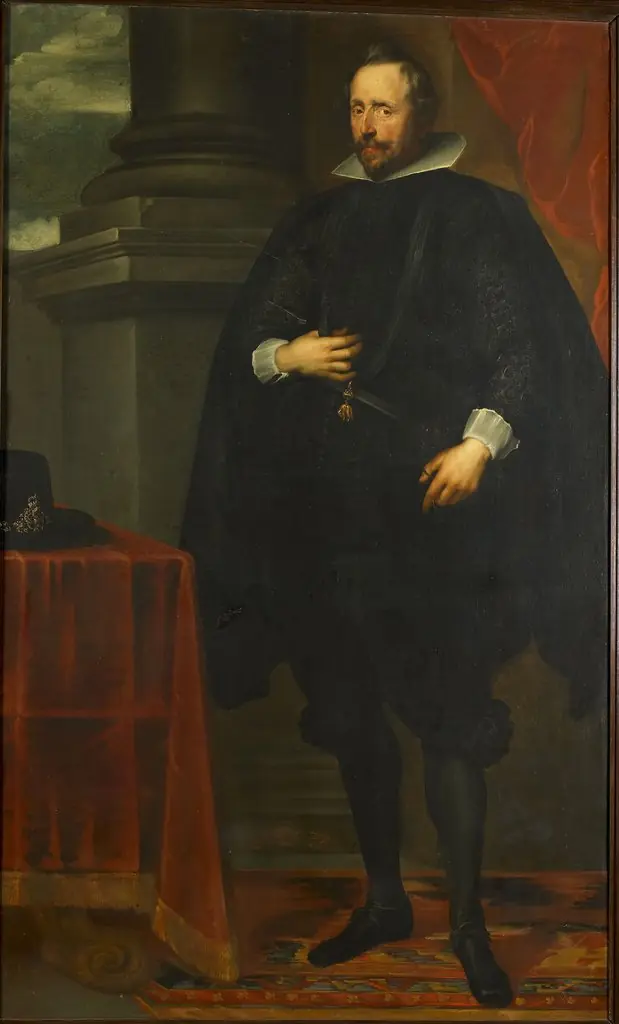 Portrait of Wolfgang Wilhelm, Count Palatine of Neuburg
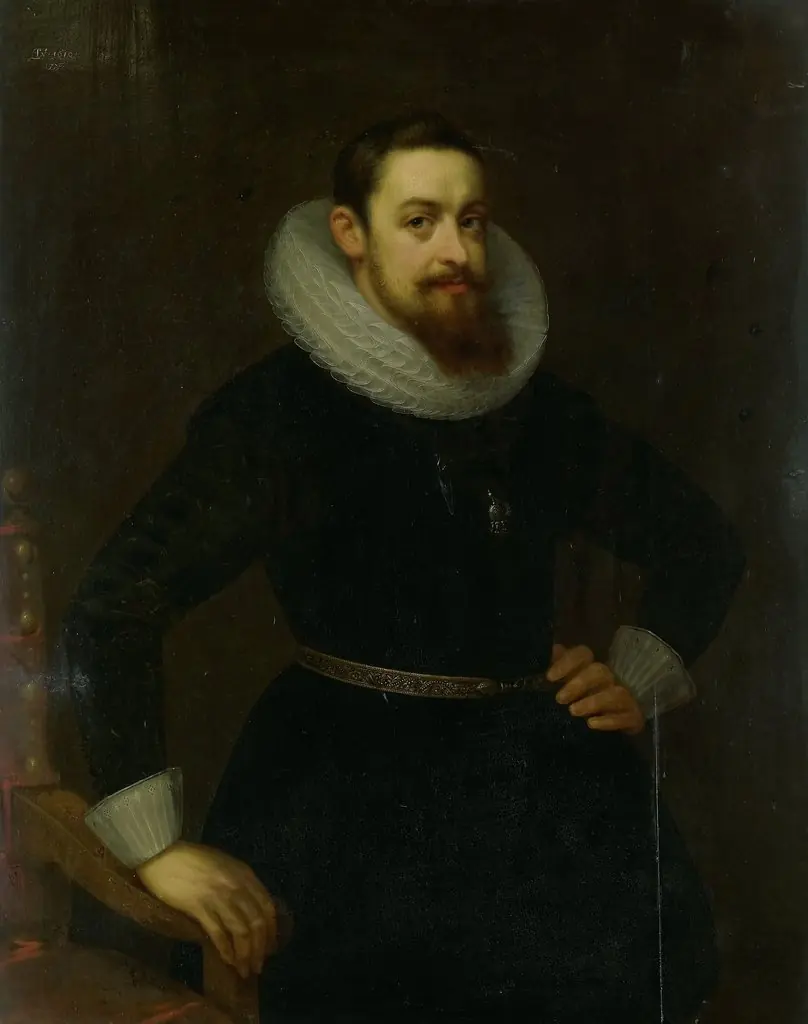 Portrait of Jeremias Boudinois
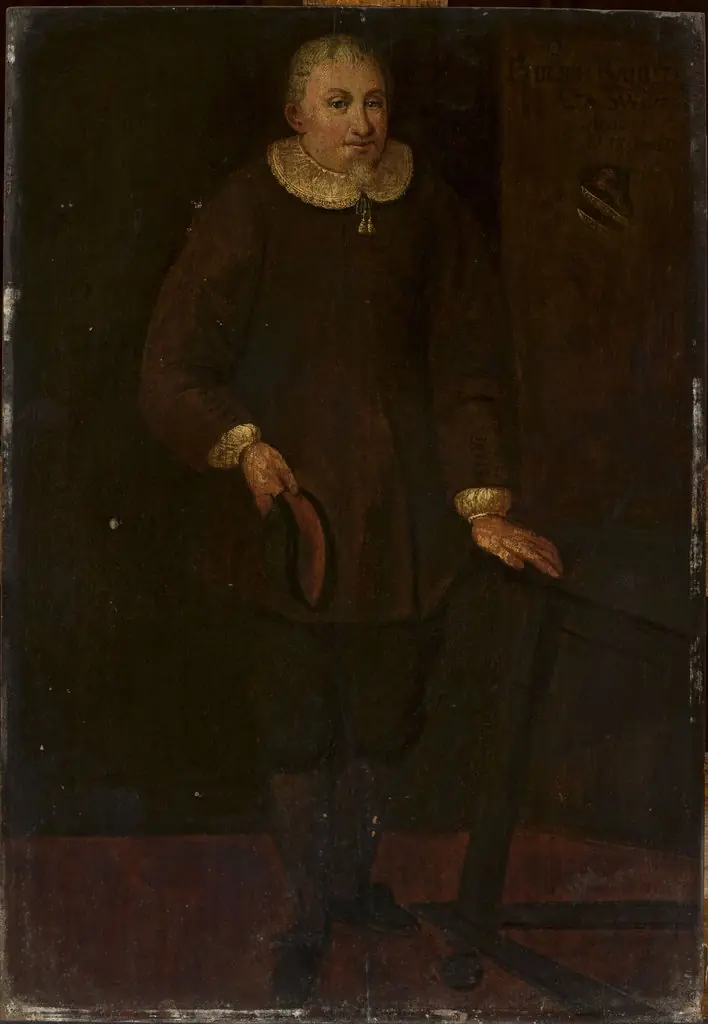 Portrait of Paulo Bardti
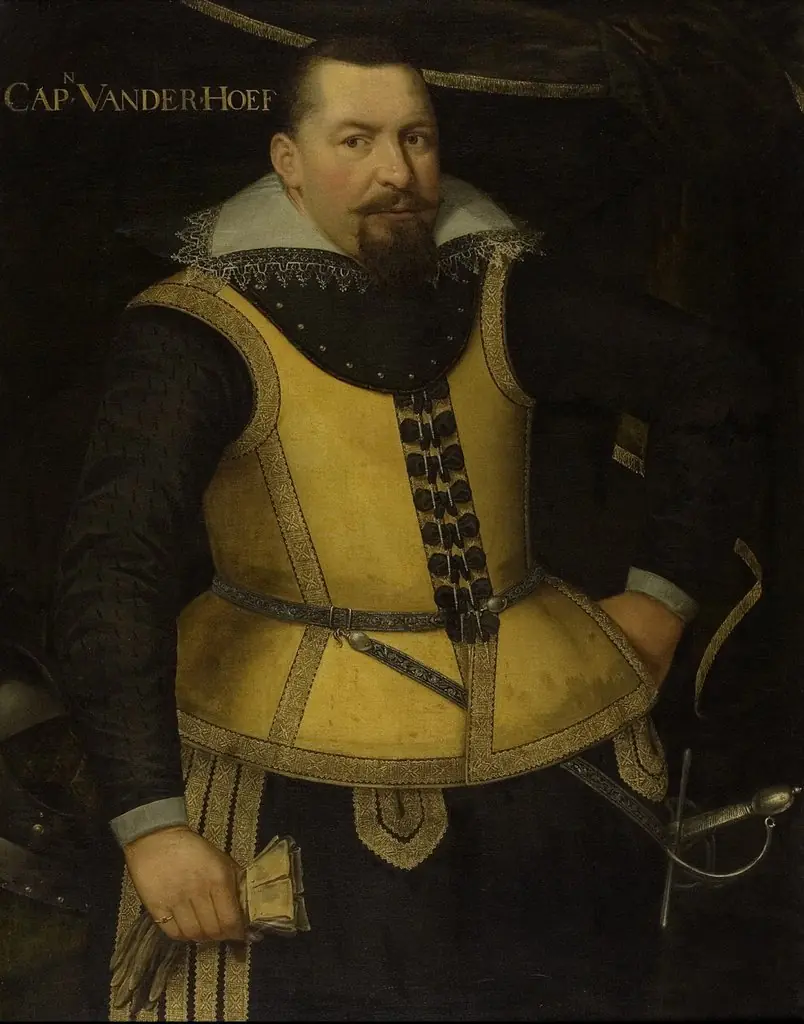 Portrait of Karel van der Hoeven
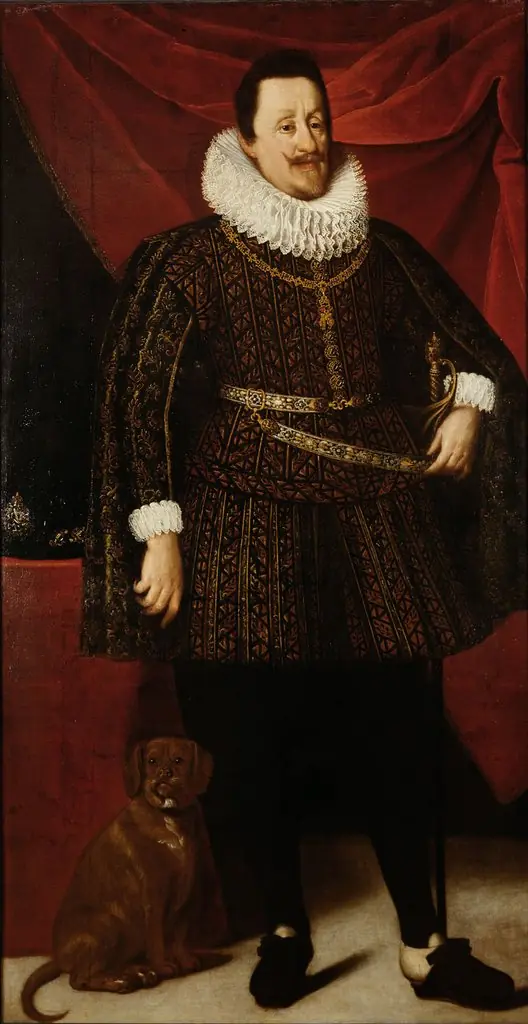 Portrait of Ferdinand II of Habsburg (1578-1637, Holy Roman Emperor
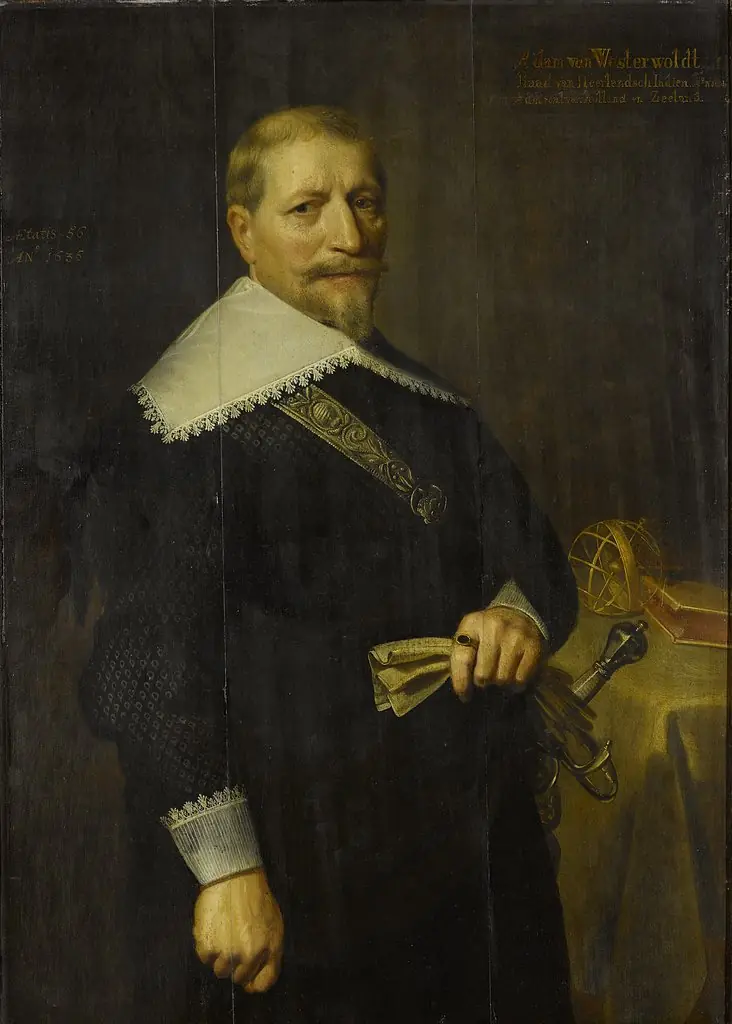 Portrait of Adam van Westerwolt (1580-1639)