Artwork
Archimedes
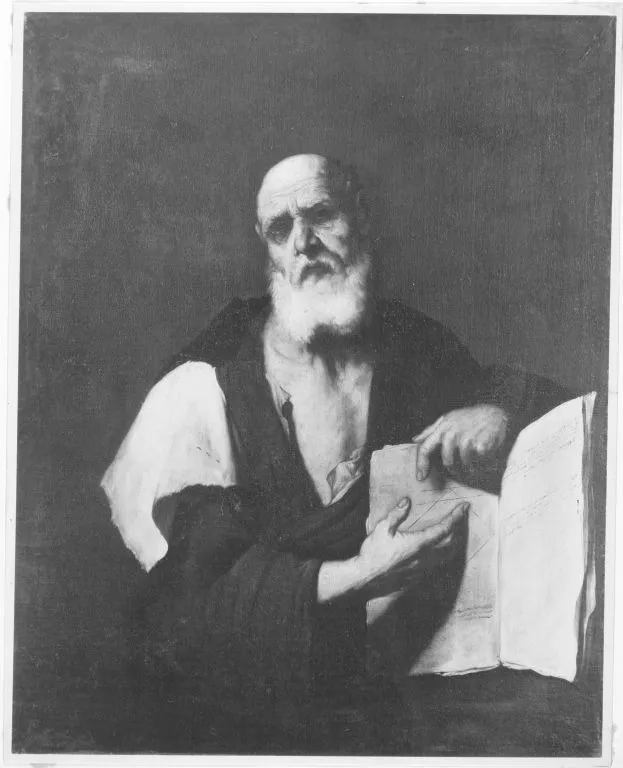
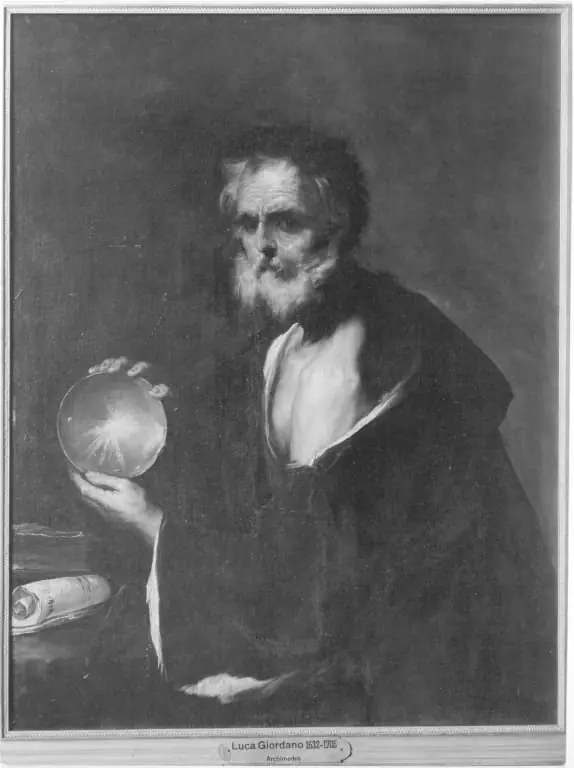
Archimedes is an unspecified painting by the Flemish Baroque painting artist Unknown. It dates from 1650 and is held in the collection of the Bavarian State Painting Collections.
About this work
Overview
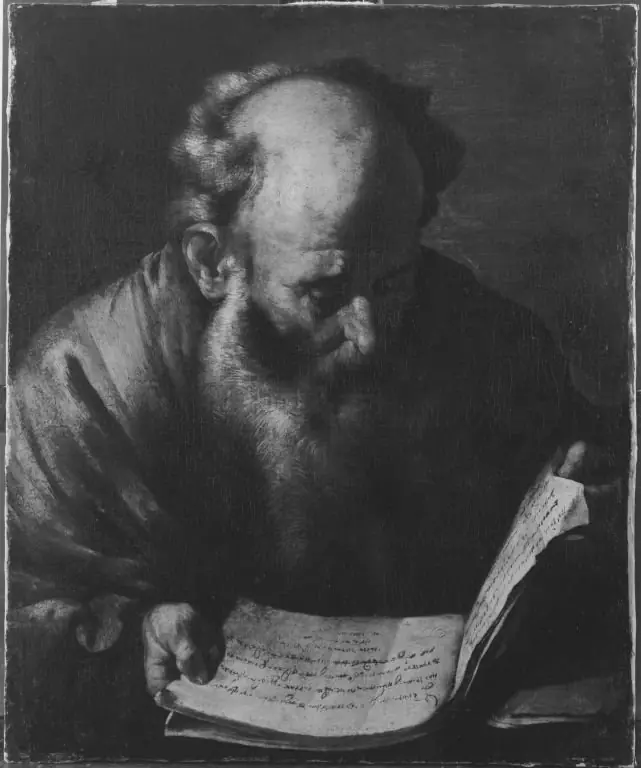
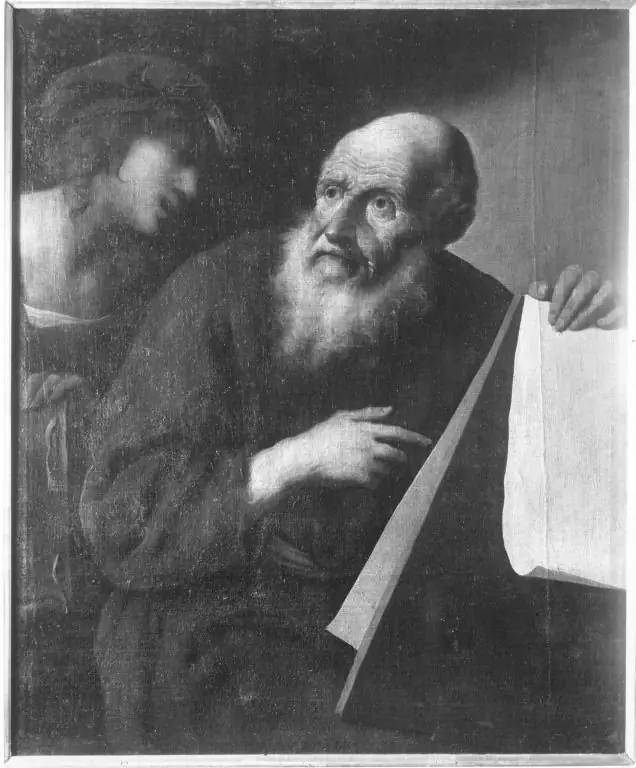
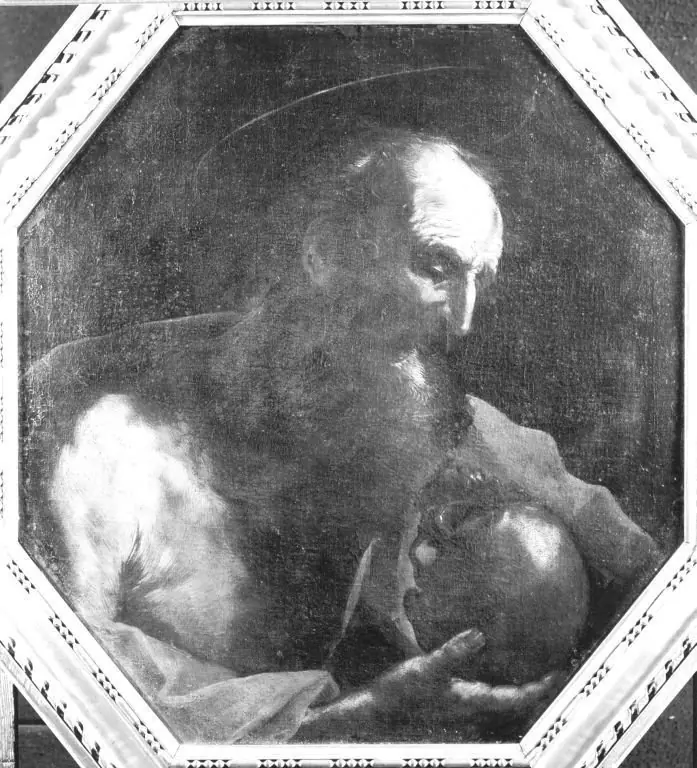
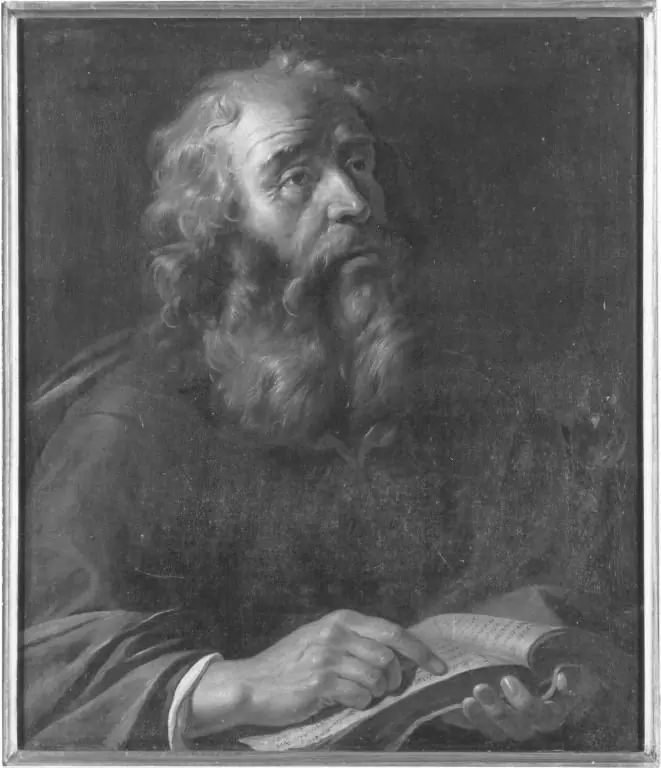
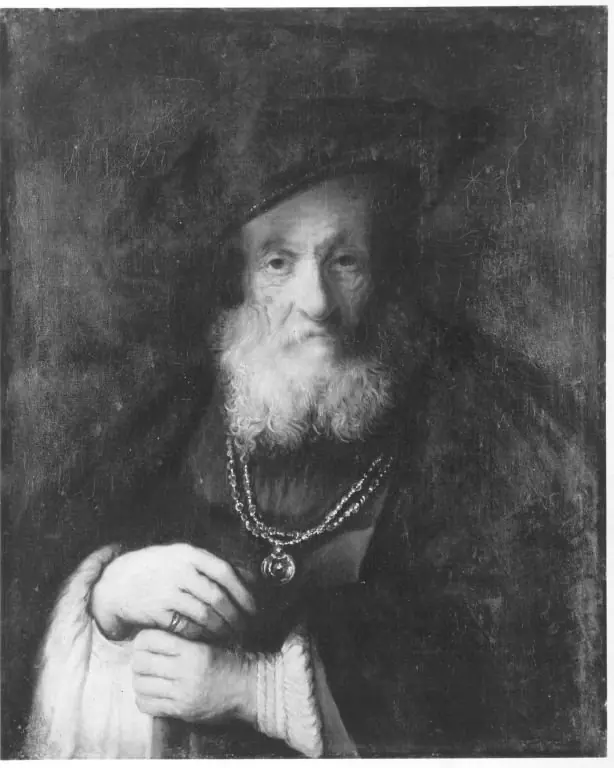
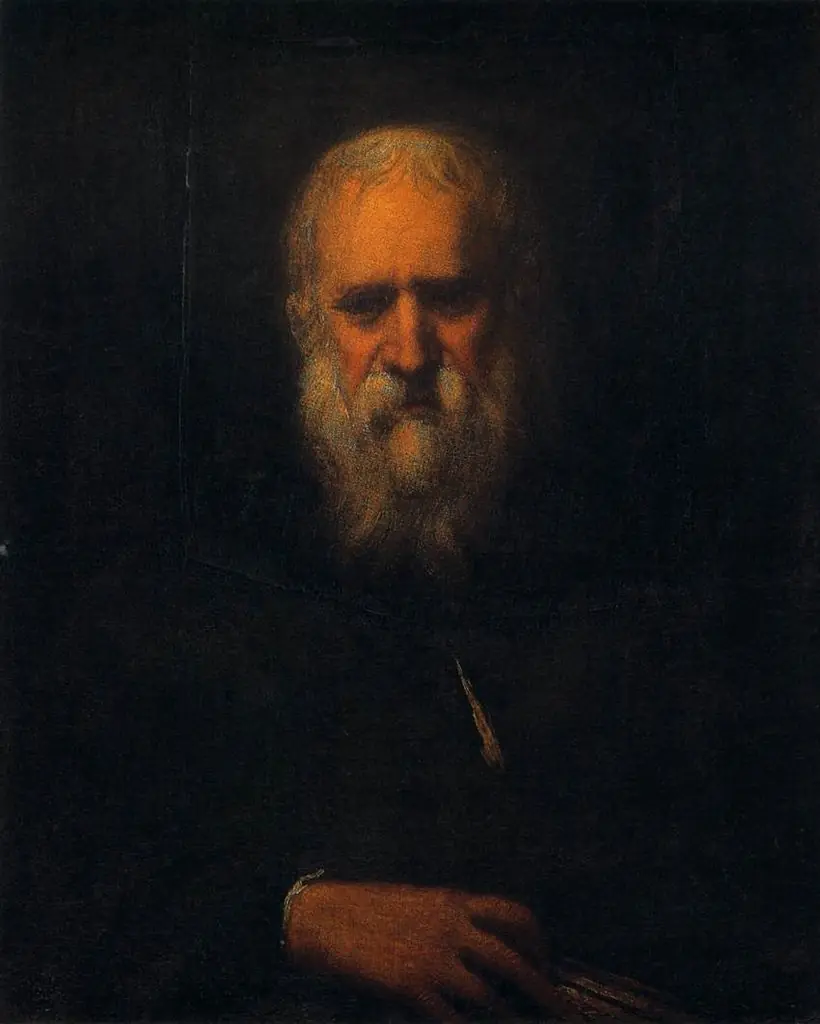
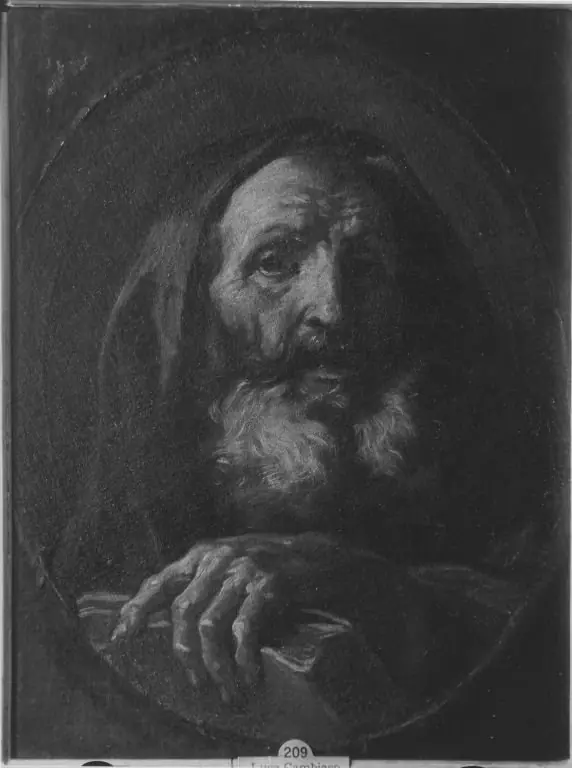
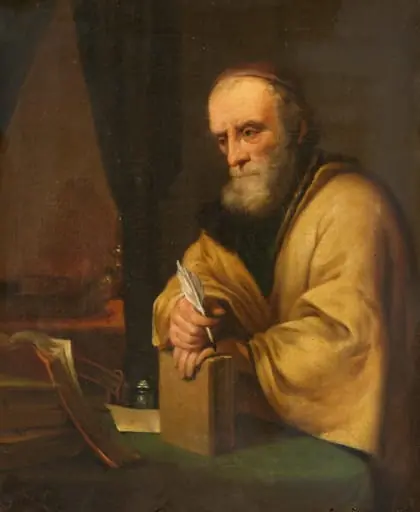
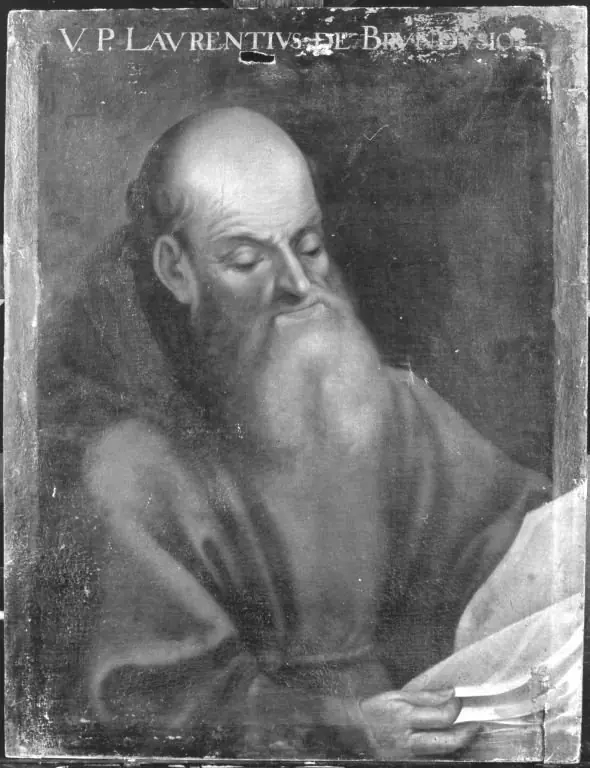
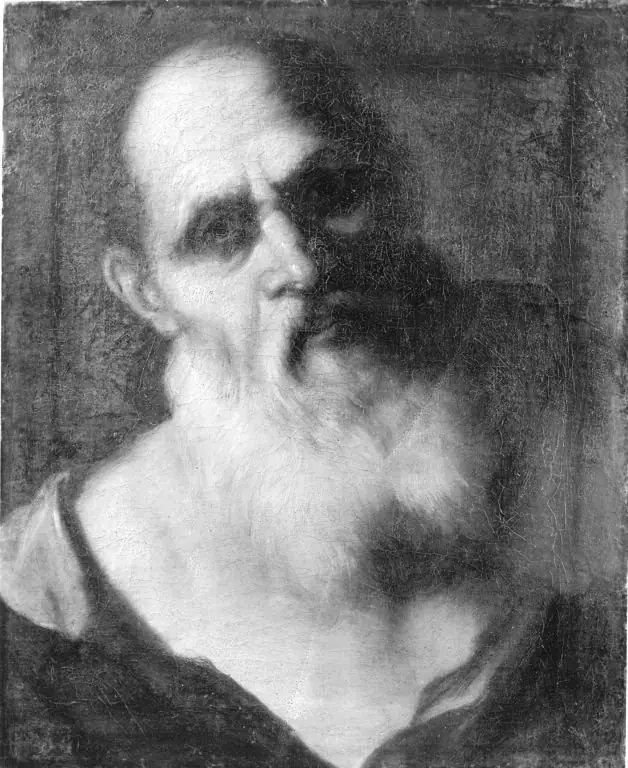
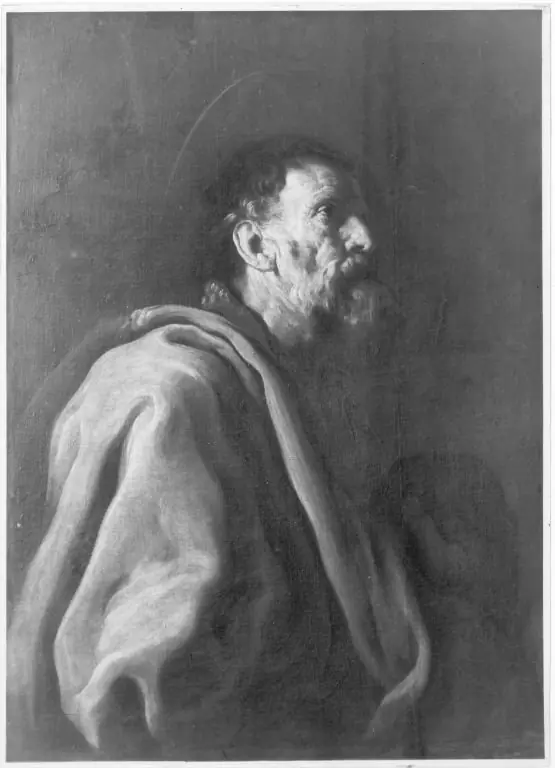
The work depicts an elderly figure with a pronounced white beard and deeply lined skin, dressed in a dark, unadorned robe over a lighter shirt. He holds an open volume that reveals faint sketches within. The composition is dominated by a stark contrast between a luminous facial area and a surrounding darkness, directing immediate attention to the scholar’s expression.
Subject & Meaning
The central character appears to be a learned individual, possibly a philosopher or scientist, suggested by the presence of the open book and the contemplative gaze. The emphasis on his aged features and the act of reading may allude to the transmission of knowledge across generations, inviting viewers to consider the persistence of intellectual inquiry.
Technique & Style
This handling of illumination creates a three‑dimensional effect, while the subdued palette of the garments contrasts with the bright facial illumination.
The painter employs chiaroscuro, exploiting intense light against deep shadow to model the figure’s form. This handling of illumination creates a three‑dimensional effect, while the subdued palette of the garments contrasts with the bright facial illumination. The faint drawings in the book are rendered with delicate line work, hinting at the artist’s attention to detail within the broader dramatic lighting.
Context
The use of dramatic lighting and a solitary scholarly figure aligns the piece with traditions that value the portrayal of intellectual pursuit, reminiscent of works from the Baroque period that often highlighted the interplay of light and knowledge. The simplicity of the attire and setting focuses attention on the act of reading rather than on narrative embellishment.
Legacy
By foregrounding the act of study through stark visual contrast, the painting contributes to a visual lineage that associates chiaroscuro with the illumination of thought. Its clear emphasis on the solitary scholar continues to influence later depictions of academic subjects, reinforcing the symbolic link between light and learning.
Artist & collection

 Domestic Scene
 Giacomo and Cardinal Marco, investing Andrea, Abbot of San Zeno, with his Benefice
 The Nymph of Fontainebleau
 Portrait of a Woman
 Madonna and Child with Saints in the Enclosed Garden
 Venus and Minerva
 Family Group of Four on Sofa
 Wall painting from Room H of the Villa of P. Fannius Synistor at Boscoreale