Artwork
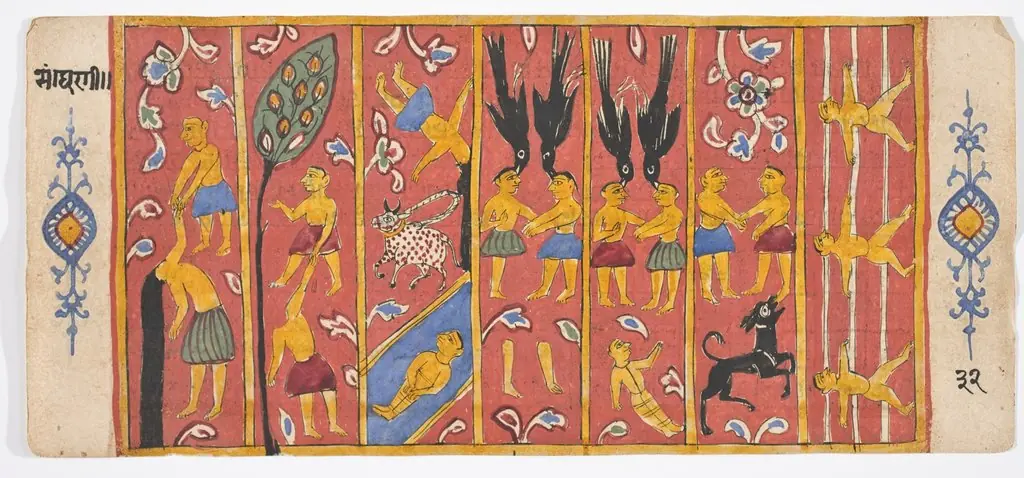
Tantric Manuscript, "Sangrahani Sutra"
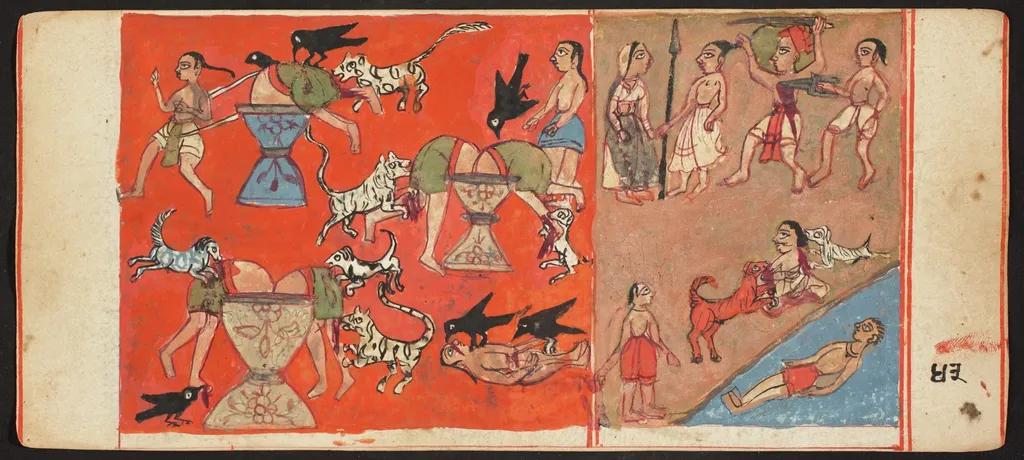
Tantric Manuscript, "Sangrahani Sutra" is an unspecified painting by Unknown. It is held in the collection of the Detroit Institute of Arts. This painted manuscript contains excerpts from the Sangrahani Sutra, a Buddhist text focused on monastic discipline and doctrinal summaries.
About this work
Overview
This painted manuscript contains excerpts from the Sangrahani Sutra, a Buddhist text focused on monastic discipline and doctrinal summaries. Created in a tantric Buddhist context, it combines scriptural content with symbolic imagery to support ritual practice and meditative study. The work reflects the integration of textual authority and visual representation in esoteric Buddhist traditions.
Subject & Meaning
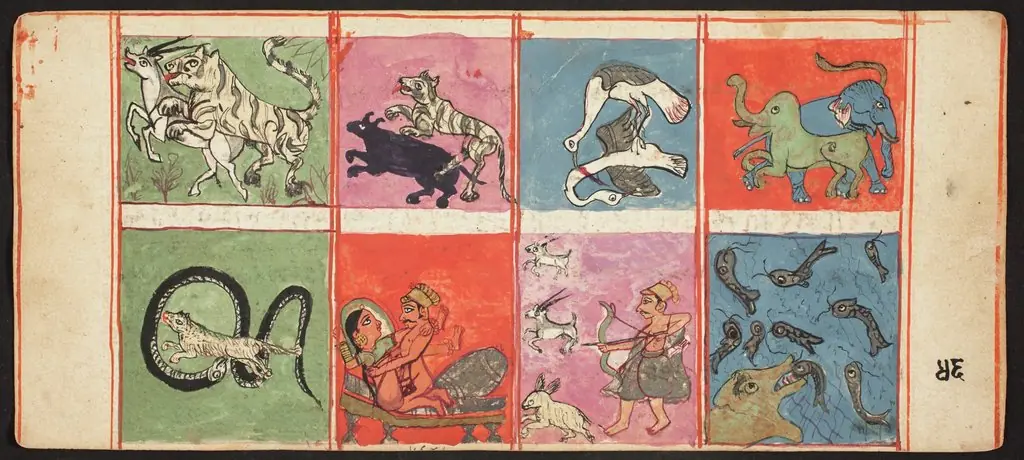
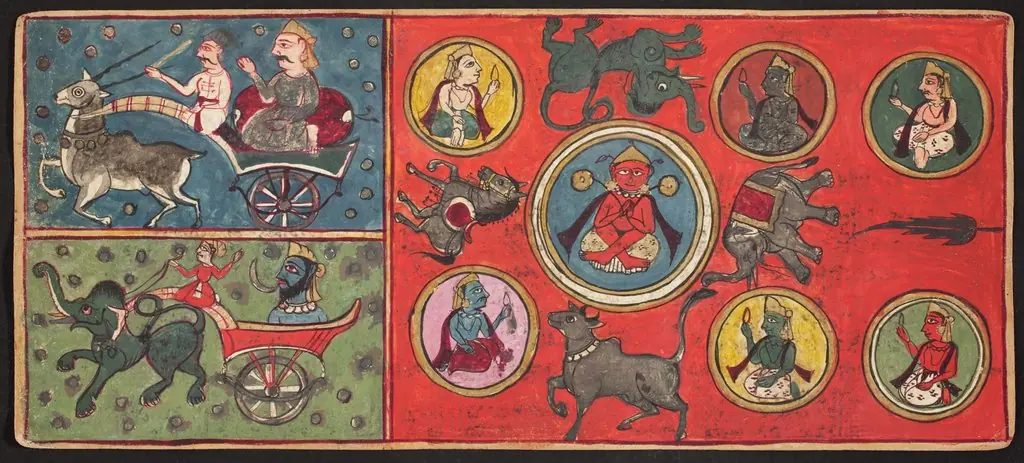
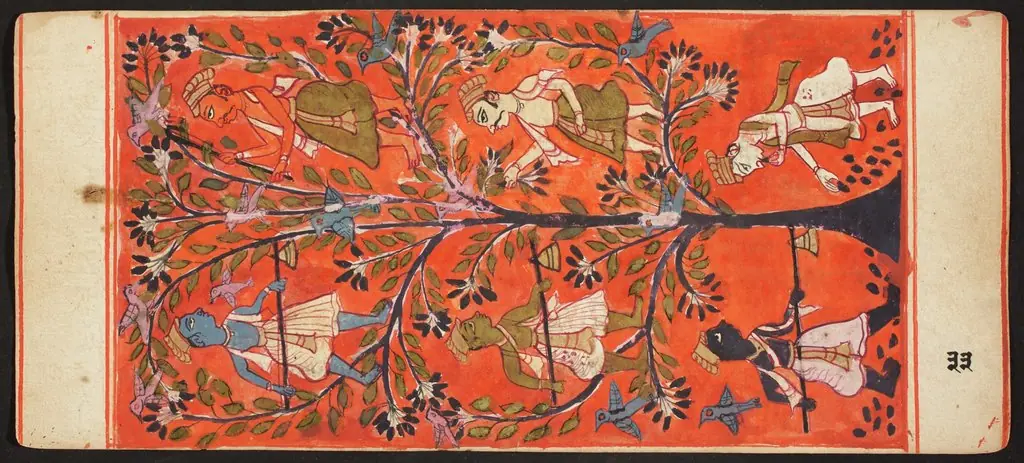
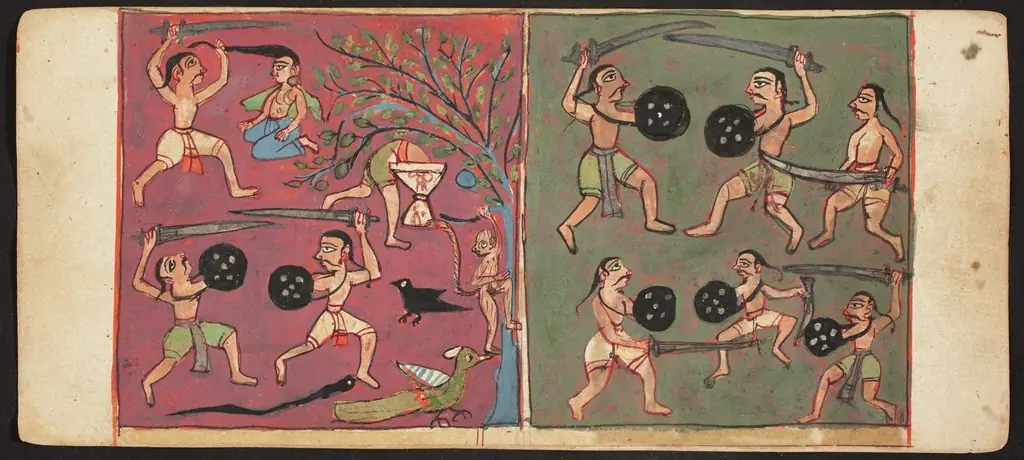
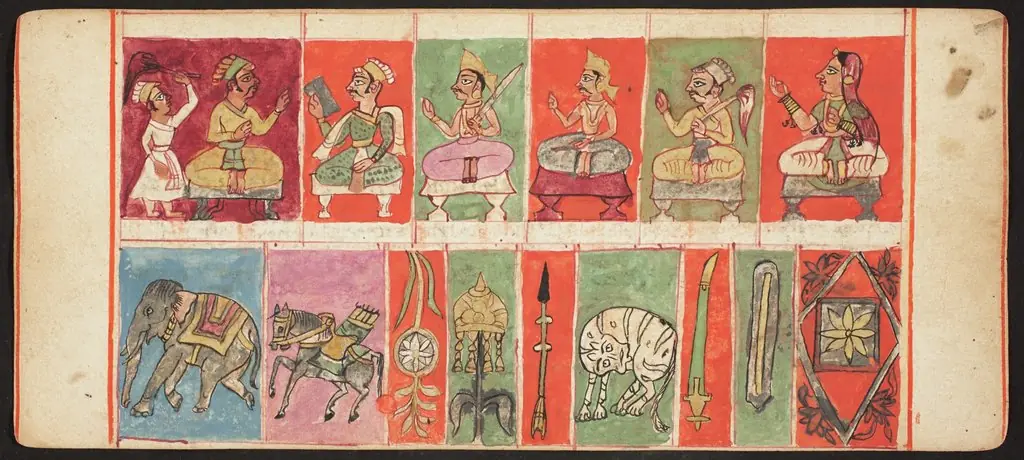
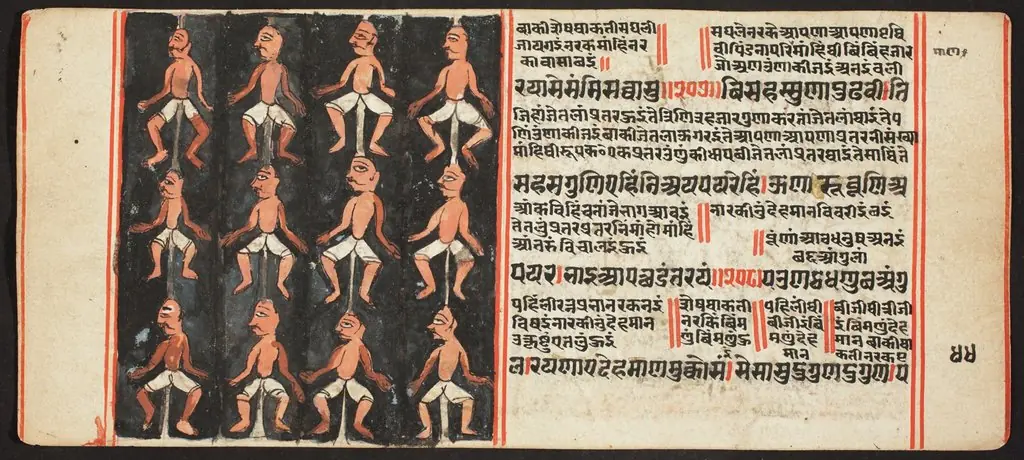
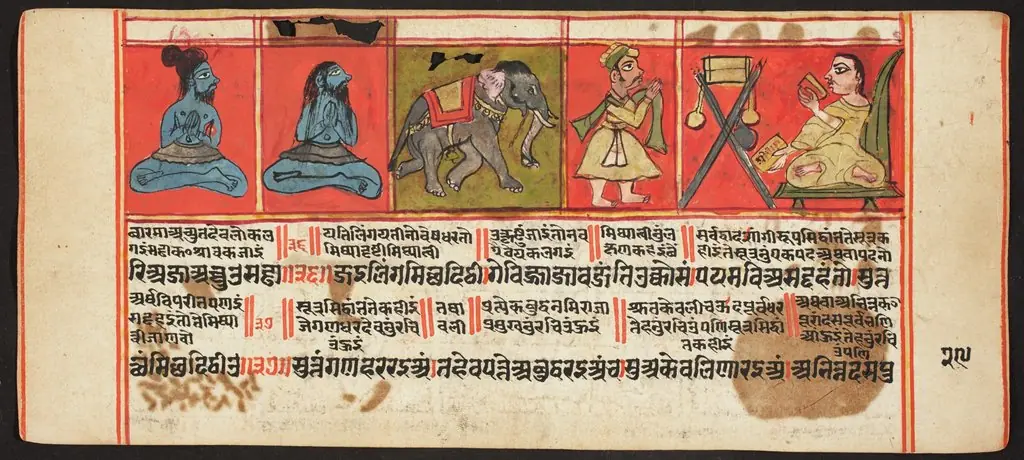
The illustrations depict deities, mandalas, and ritual implements associated with tantric practice, serving as visual aids for contemplation and initiation.
The illustrations depict deities, mandalas, and ritual implements associated with tantric practice, serving as visual aids for contemplation and initiation. Each image corresponds to specific passages in the sutra, reinforcing the teachings through iconographic precision. The arrangement of figures and symbols follows esoteric cosmological principles, guiding the practitioner through stages of spiritual transformation.
Technique & Style
The painting employs mineral pigments on palm leaf or paper, with fine brushwork and restrained color palettes typical of Himalayan manuscript traditions. Lines are deliberate and controlled, emphasizing clarity over ornamentation. Figures are stylized with elongated proportions and frontal poses, adhering to iconometric conventions passed down through monastic lineages.
History & Provenance
Produced likely in the 13th to 15th centuries in the eastern Himalayan region, the manuscript was used within monastic communities for ritual and study. Its survival suggests careful preservation, possibly within temple libraries or private collections of high-ranking monks. Later transfers to institutional holdings reflect colonial-era acquisitions and 20th-century scholarly interest.
Context
This manuscript emerged during a period of flourishing tantric Buddhism in Nepal and Tibet, where textual transmission was deeply intertwined with visual culture. Monks trained in both scripture and iconography produced such works to aid in the transmission of complex doctrines. The Sangrahani Sutra, though doctrinally foundational, was often rendered visually to enhance memorization and ritual efficacy.
Legacy
The manuscript remains a key reference for understanding the material culture of Himalayan Buddhism. Its preservation allows scholars to trace the evolution of tantric iconography and scriptural interpretation across centuries. Contemporary practitioners and researchers continue to consult such works for insights into historical religious practice and artistic convention.
Artist & collection

 Domestic Scene
 Giacomo and Cardinal Marco, investing Andrea, Abbot of San Zeno, with his Benefice
 The Nymph of Fontainebleau
 Portrait of a Woman
 Madonna and Child with Saints in the Enclosed Garden
 Venus and Minerva
 Family Group of Four on Sofa
 Wall painting from Room H of the Villa of P. Fannius Synistor at Boscoreale
 Tantric Manuscript, "Sangrahani Sutra"
 Tantric Manuscript, "Sangrahani Sutra"
 Tantric Manuscript, "Sangrahani Sutra"
 Tantric Manuscript, "Sangrahani Sutra"
 Tantric Manuscript, "Sangrahani Sutra"
 Tantric Manuscript, "Sangrahani Sutra"
 Tantric Manuscript, "Sangrahani Sutra"
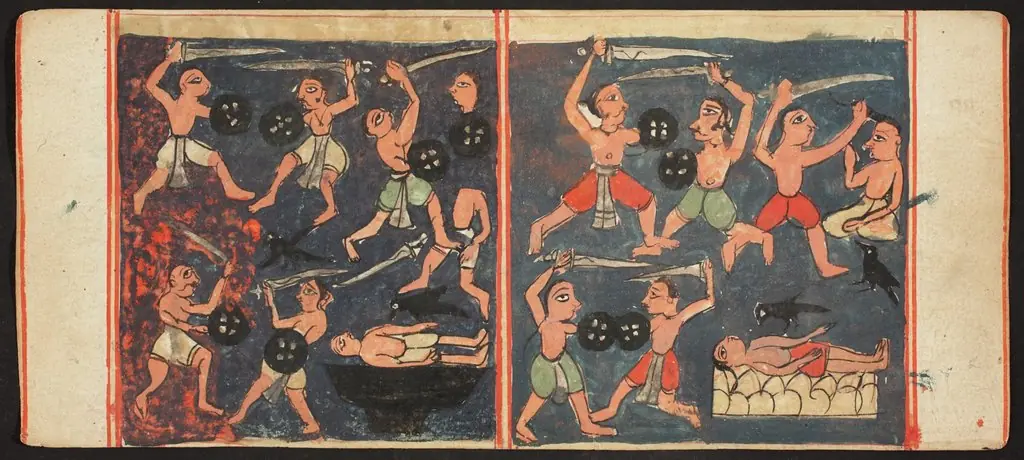 Tantric Manuscript, "Sangrahani Sutra"
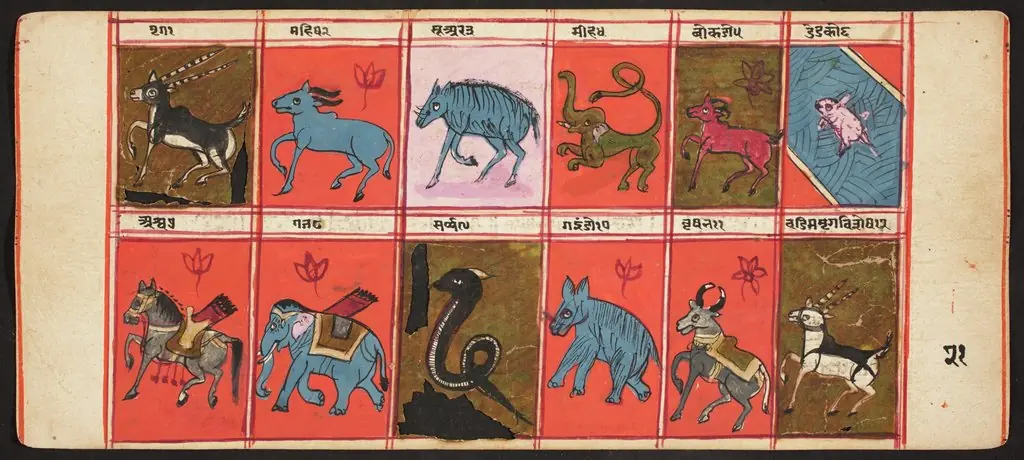 Tantric Manuscript, "Sangrahani Sutra"
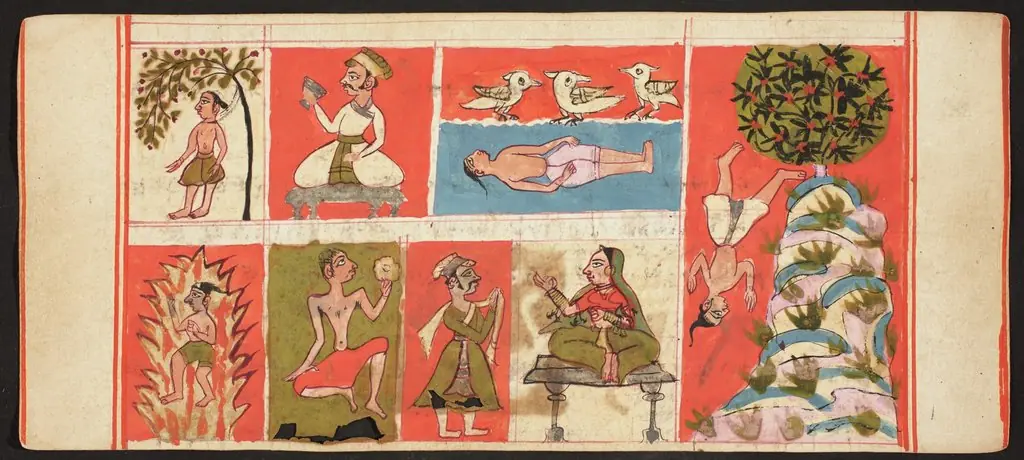 Tantric Manuscript, "Sangrahani Sutra"
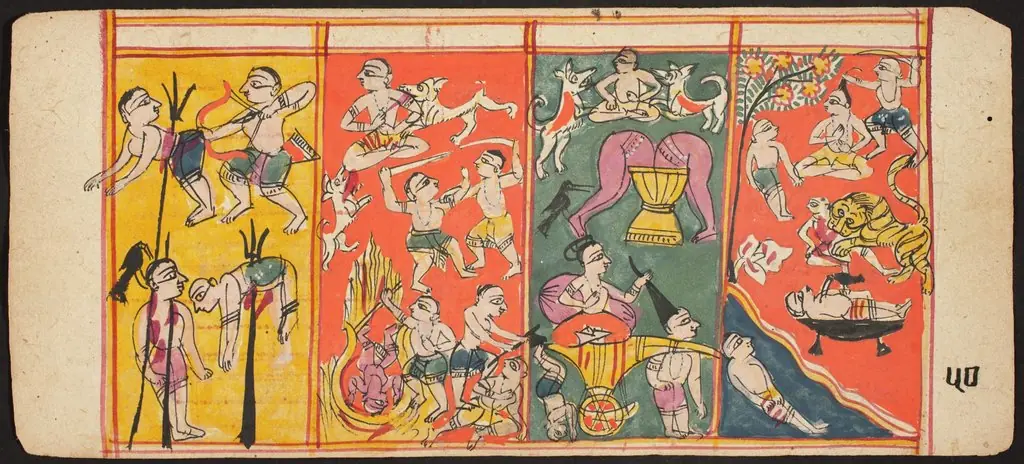 Tantric Manuscript "Sangrahani Sutra"
 Tantric Manuscript "Sangrahani Sutra"