Artwork
Tantric Manuscript, "Sangrahani Sutra"
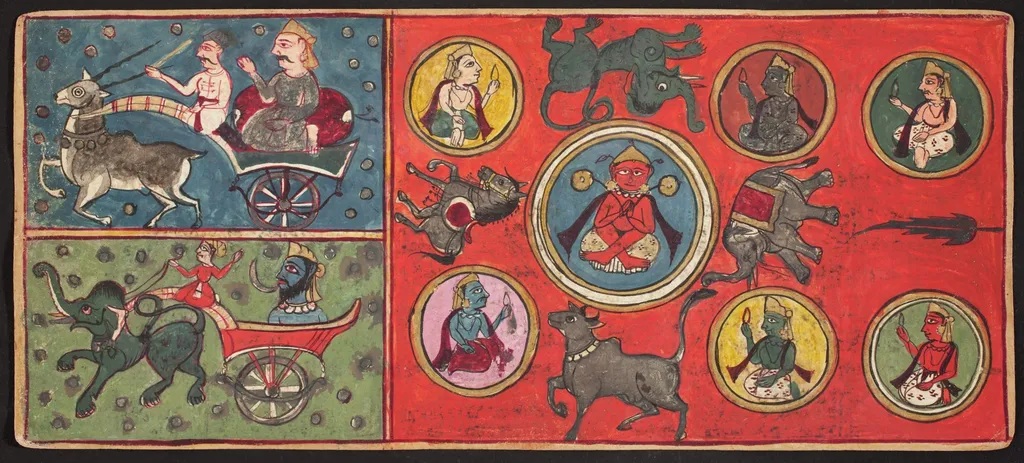
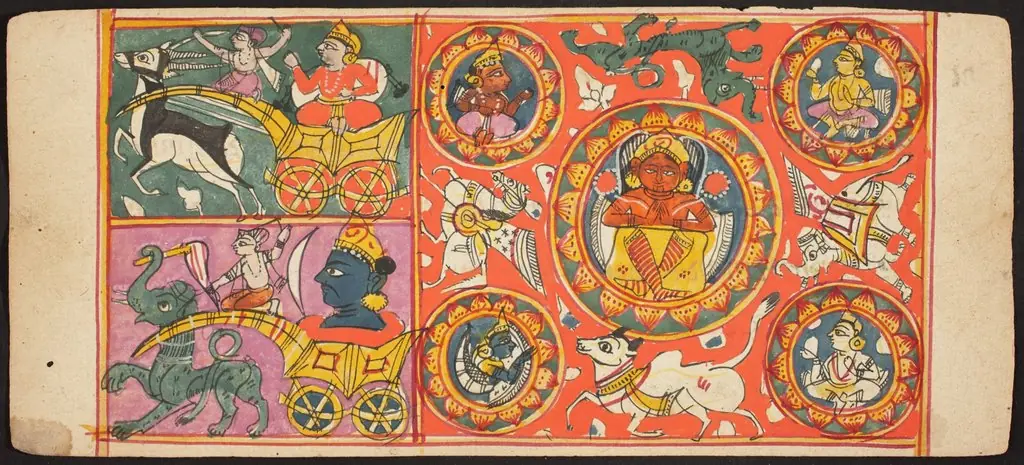
Tantric Manuscript, "Sangrahani Sutra" is an unspecified painting by Unknown. It is held in the collection of the Detroit Institute of Arts.
About this work
Overview
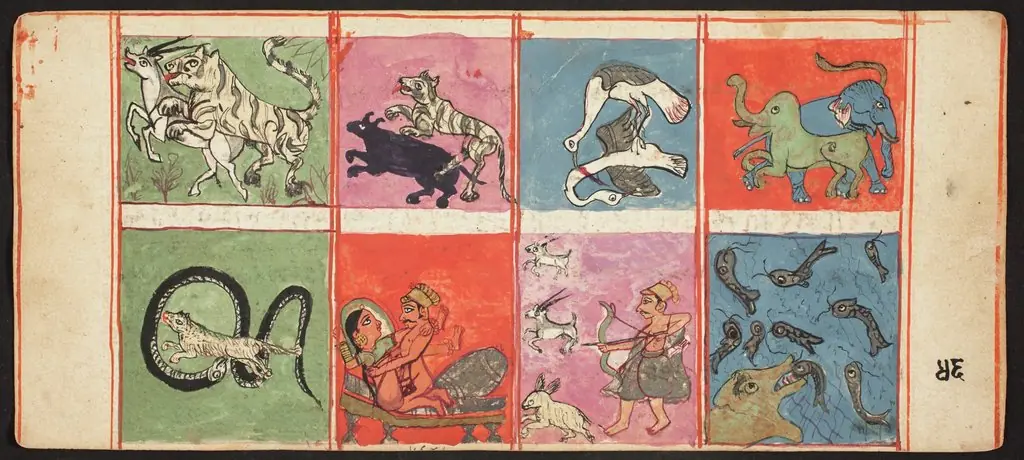
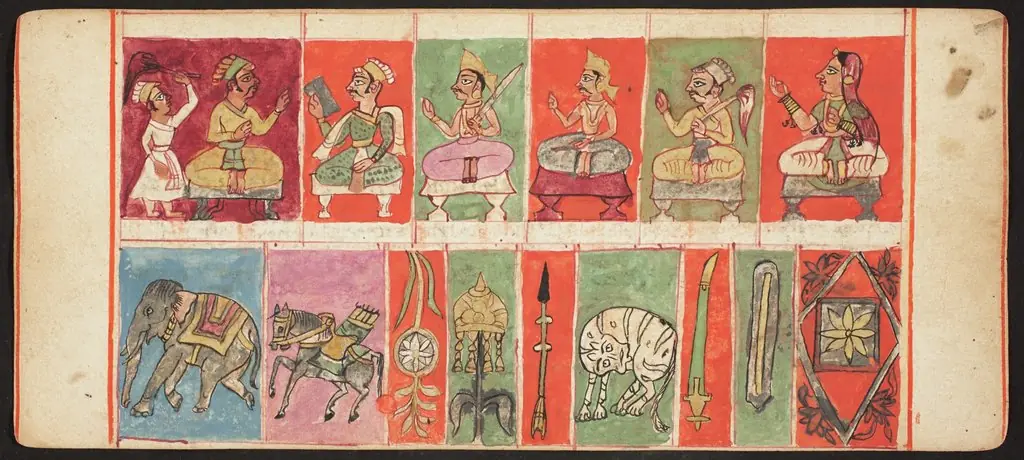
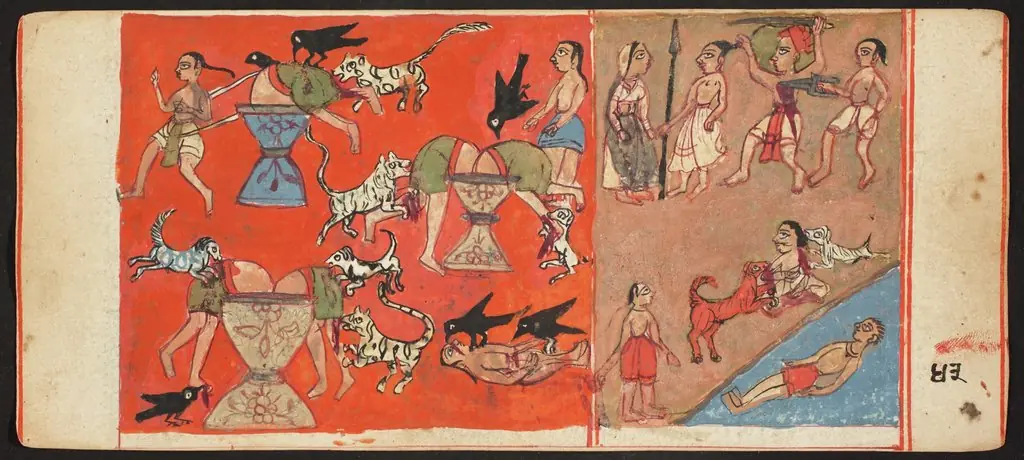
A painted manuscript folio from the Sangrahani Sutra, produced in medieval India, exemplifies the integration of textual devotion and visual symbolism in tantric Buddhist practice. Created on palm leaf or paper, it served as a ritual object rather than a decorative piece, combining sacred script with intricate iconography to aid meditative focus and spiritual transmission.
Subject & Meaning
The imagery depicts deities and mandalic forms central to tantric cosmology, illustrating the interplay between wisdom and method. Figures are arranged in precise geometric patterns, reflecting the sutra’s teachings on the unity of emptiness and compassion. Each element functions as a visual mantra, guiding the practitioner through stages of inner transformation.
Technique & Style
The painting employs mineral pigments and fine brushwork, with outlines rendered in ink and colors applied in flat, saturated planes. Composition follows strict iconometric rules, emphasizing symmetry and hierarchical scale. Gold leaf accents highlight sacred zones, while the absence of naturalistic depth reinforces the transcendent, non-dual nature of the subject matter.
History & Provenance
This folio likely originated in eastern India during the Pala period, a time when tantric Buddhism flourished in monastic centers. It was probably copied and illuminated by trained scribes within a monastery, used in ritual contexts before being dispersed through trade or colonial collection. Its survival reflects the durability of palm-leaf manuscripts in humid climates.
Context
Produced during a period when esoteric Buddhist traditions were codified in manuscript form, this work reflects the shift from oral transmission to visual-textual preservation. Tantric practices emphasized direct experience, and such paintings served as aids for initiates under guru guidance, bridging textual study with embodied ritual.
Legacy
Though no longer used in active practice, the manuscript remains a key artifact for understanding the material culture of tantric Buddhism. Its preservation in institutional collections allows scholarly study of iconographic conventions and the transmission of esoteric knowledge across South and Southeast Asia.
Artist & collection

 Domestic Scene
 Giacomo and Cardinal Marco, investing Andrea, Abbot of San Zeno, with his Benefice
 The Nymph of Fontainebleau
 Portrait of a Woman
 Madonna and Child with Saints in the Enclosed Garden
 Venus and Minerva
 Family Group of Four on Sofa
 Wall painting from Room H of the Villa of P. Fannius Synistor at Boscoreale
 Tantric Manuscript, "Sangrahani Sutra"
 Tantric Manuscript, "Sangrahani Sutra"
 Tantric Manuscript, "Sangrahani Sutra"
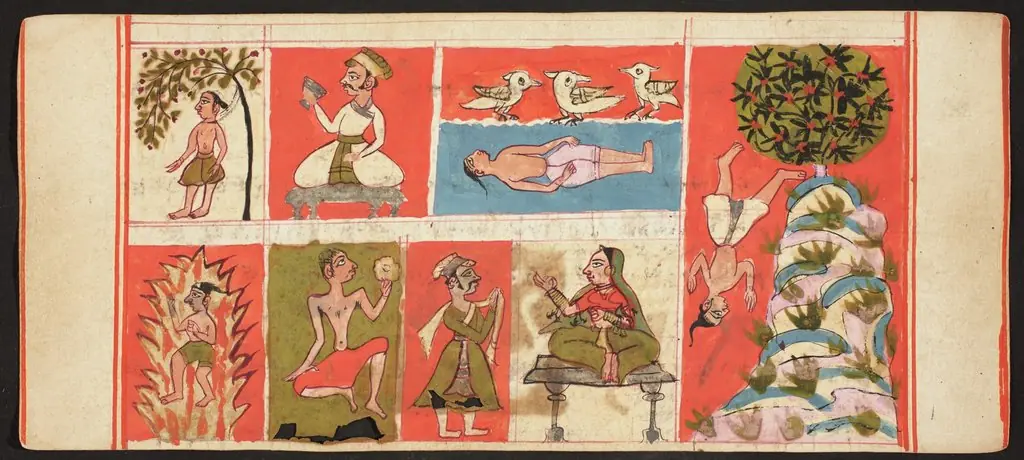 Tantric Manuscript, "Sangrahani Sutra"
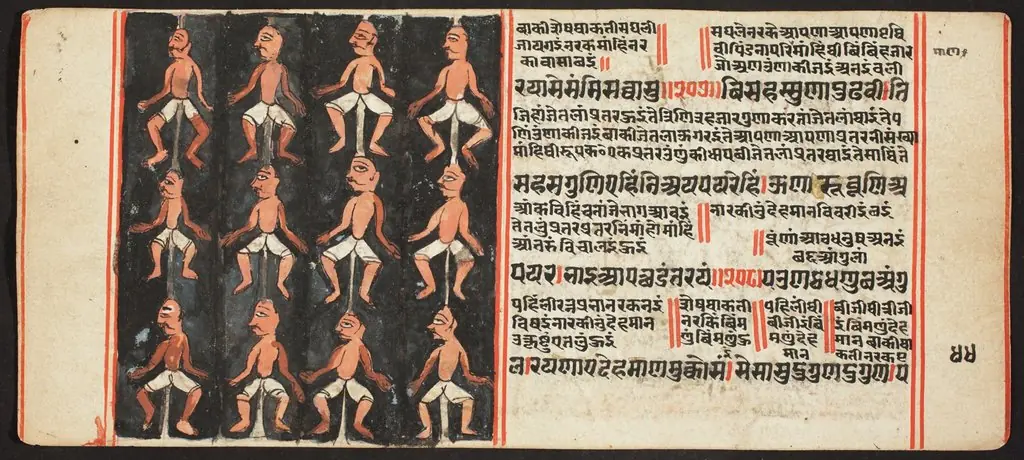 Tantric Manuscript, "Sangrahani Sutra"
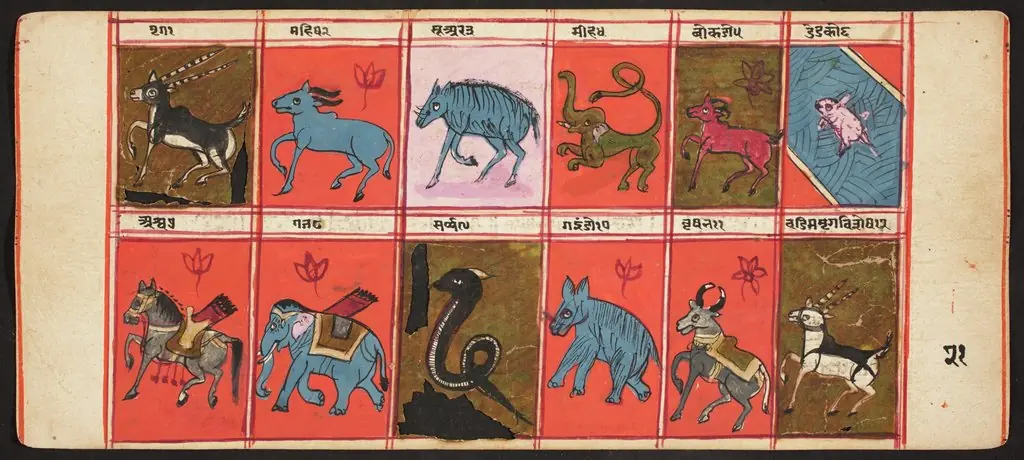 Tantric Manuscript, "Sangrahani Sutra"
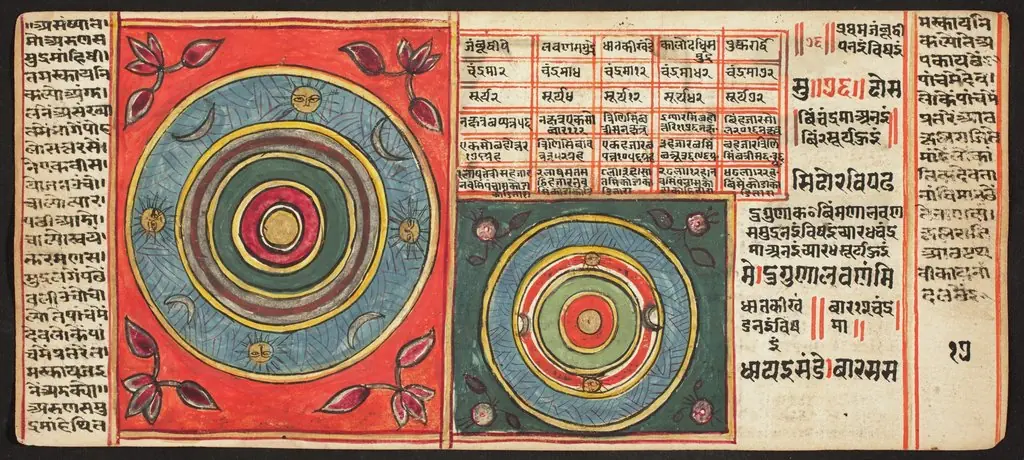 Tantric Manuscript, "Sangrahani Sutra"
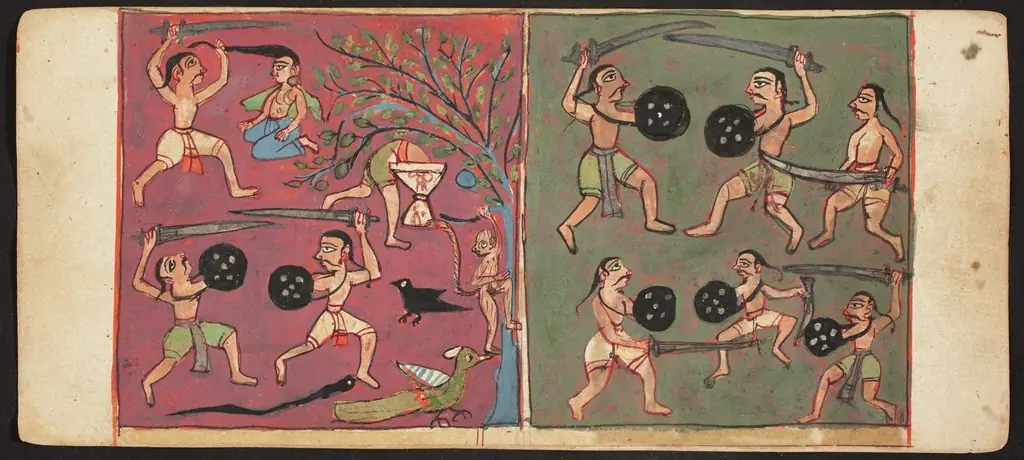 Tantric Manuscript, "Sangrahani Sutra"
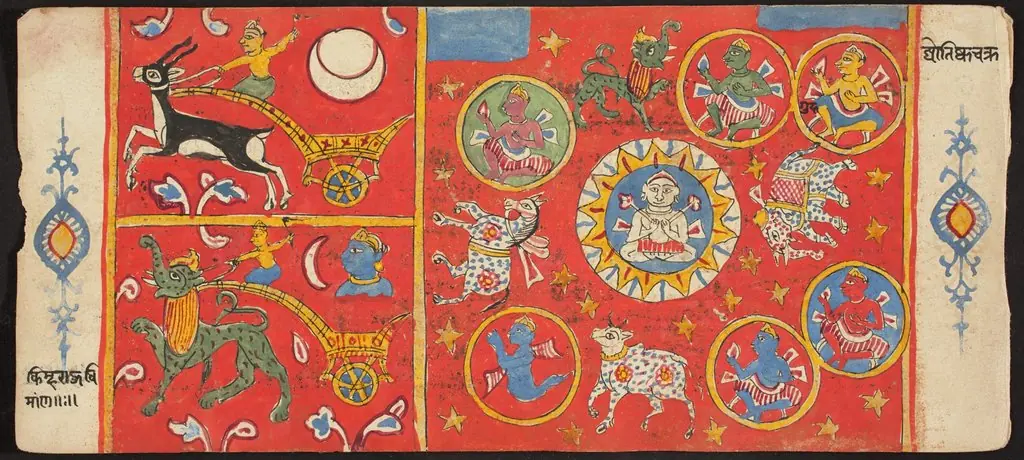 Tantric Manuscript "Sangrahani Sutra"
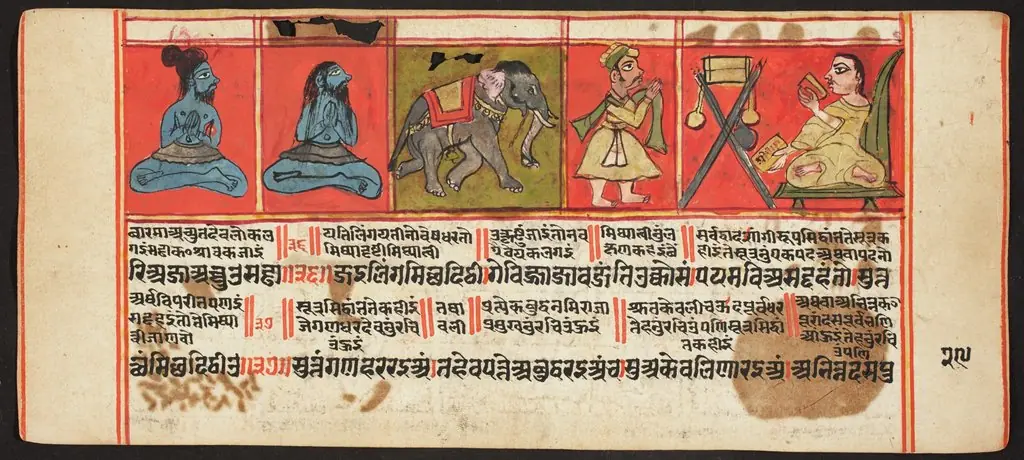 Tantric Manuscript, "Sangrahani Sutra"
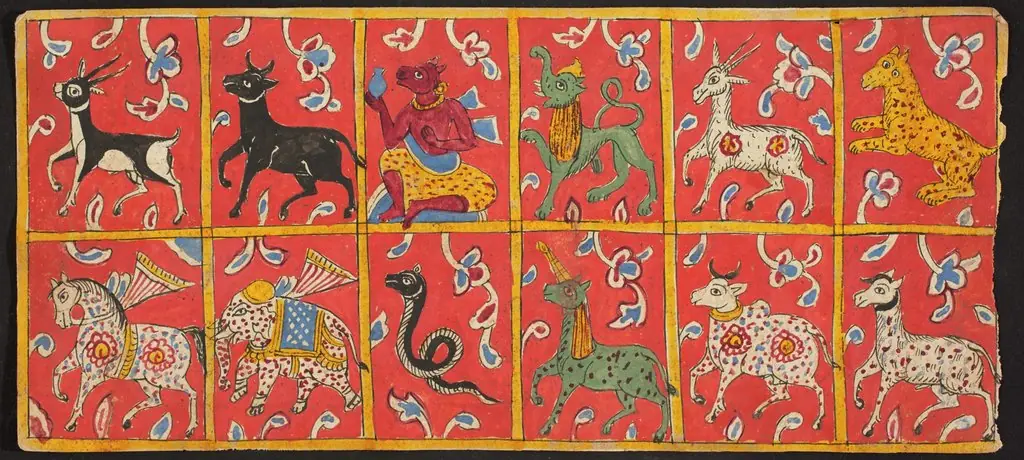 Tantric Manuscript "Sangrahani Sutra"
 Tantric Manuscript "Sangrahani Sutra"