Artwork
Tantric Manuscript "Sangrahani Sutra"
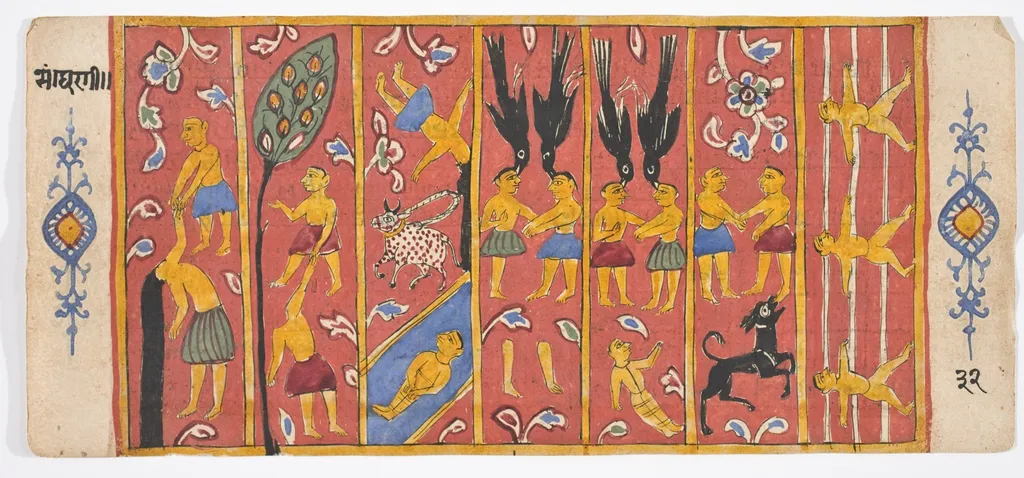
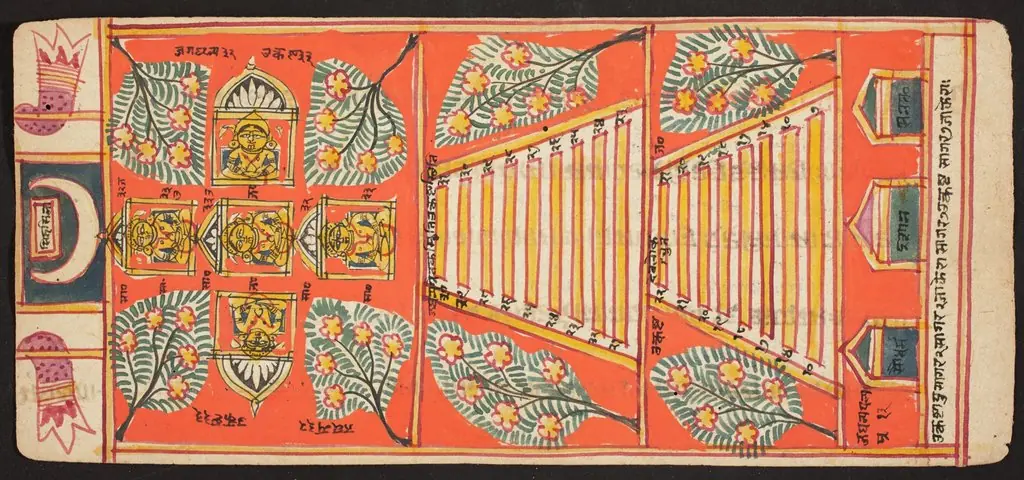
Tantric Manuscript "Sangrahani Sutra" is an unspecified painting by Unknown. It is held in the collection of the Detroit Institute of Arts.
About this work
Overview
The 'Sangrahani Sutra' is a painted manuscript originating from medieval India, likely produced in the eastern regions during the late medieval period. It belongs to the tradition of tantric Buddhist texts, where visual imagery served as a meditative aid. The work combines calligraphic script with intricate miniature paintings, reflecting a fusion of spiritual instruction and artistic discipline.
Subject & Meaning
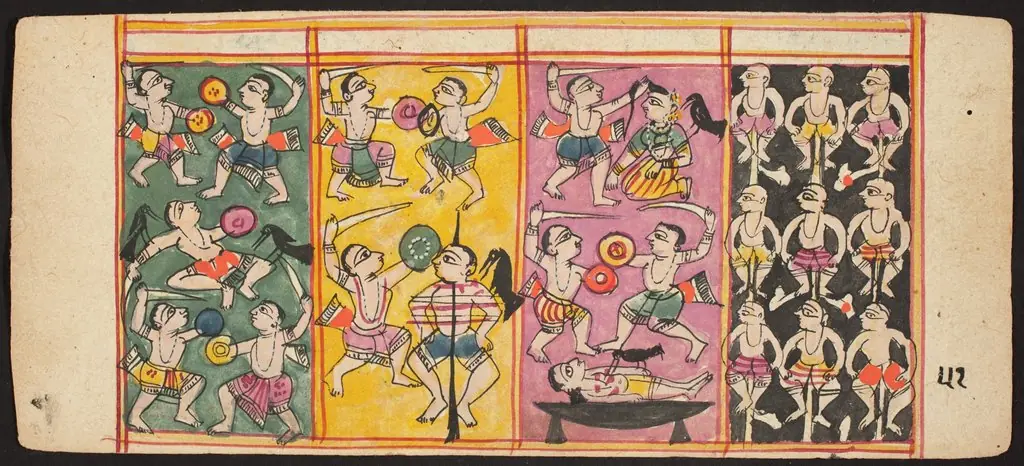
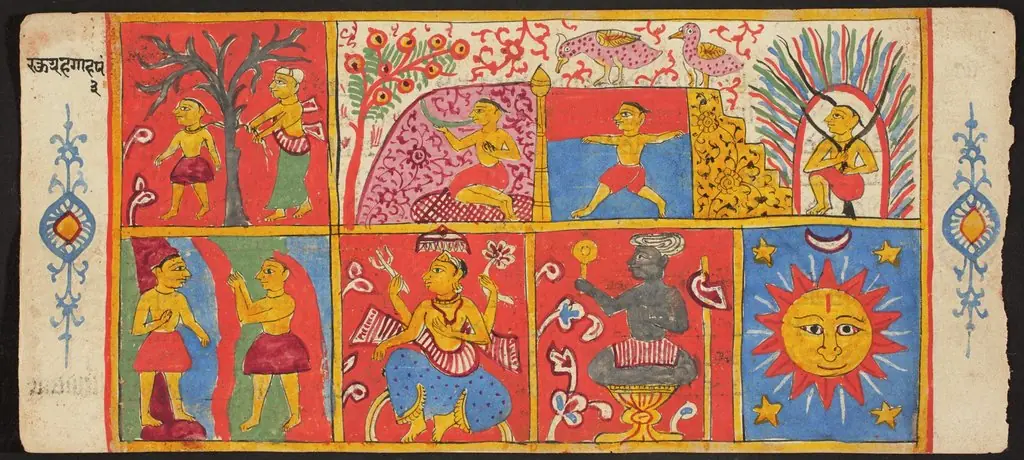
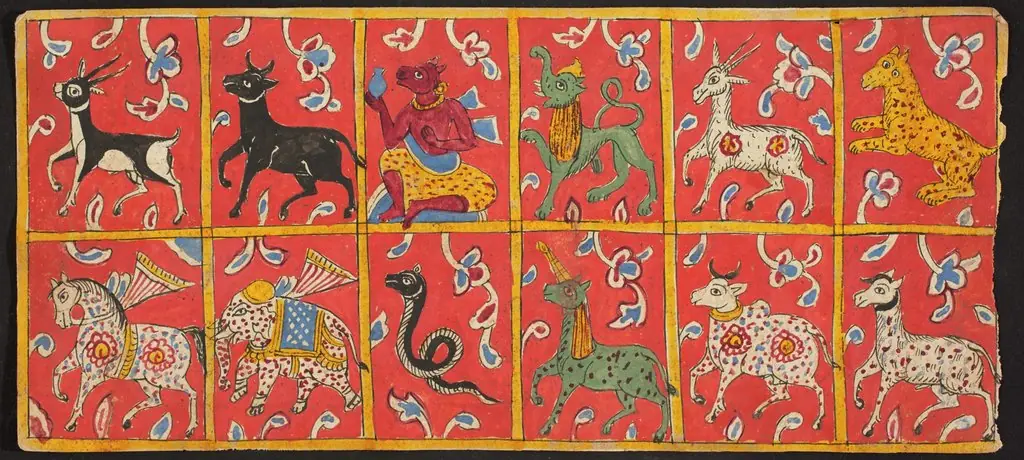
The manuscript illustrates passages from the Sangrahani Sutra, a tantric Buddhist text focused on ritual containment and spiritual protection. Its painted scenes depict deities, mandalas, and symbolic figures meant to guide practitioners through esoteric practices. Each image functions as a visual mantra, encoding cosmological principles and aiding concentration during ritual recitation.
Technique & Style
The paintings employ mineral pigments on palm leaf or paper, with fine brushwork characteristic of eastern Indian manuscript traditions. Figures are rendered in stylized, flattened forms, outlined in ink and filled with flat, saturated colors. Gold leaf accents highlight sacred elements, while dense compositional patterns reflect the symbolic complexity of tantric cosmology.
History & Provenance
The manuscript likely originated in a monastic center in Bihar or Bengal, where tantric Buddhism flourished between the 10th and 13th centuries. Its survival suggests it was preserved within a religious community, possibly passed down through generations of monks. Later collectors may have acquired it during colonial-era antiquities exchanges, though its early provenance remains undocumented.
Context
It coexisted with Hindu tantric traditions and shared visual motifs, yet maintained distinct Buddhist doctrinal frameworks.
Produced during a period when tantric Buddhism was in decline across India, the manuscript represents a final phase of indigenous artistic expression tied to esoteric practice. It coexisted with Hindu tantric traditions and shared visual motifs, yet maintained distinct Buddhist doctrinal frameworks. Such texts were rarely intended for public display, emphasizing private, ritual use over public visibility.
Legacy
The 'Sangrahani Sutra' contributes to the understanding of how Buddhist teachings were transmitted visually in pre-modern India. Though not widely known outside scholarly circles, it remains a key example of how sacred texts were materialized through art. Its survival offers insight into the continuity of tantric practices beyond their institutional decline.
Artist & collection

 Domestic Scene
 Giacomo and Cardinal Marco, investing Andrea, Abbot of San Zeno, with his Benefice
 The Nymph of Fontainebleau
 Portrait of a Woman
 Madonna and Child with Saints in the Enclosed Garden
 Venus and Minerva
 Family Group of Four on Sofa
 Wall painting from Room H of the Villa of P. Fannius Synistor at Boscoreale
 Tantric Manuscript "Sangrahani Sutra"
 Tantric Manuscript "Sangrahani Sutra"
 Tantric Manuscript "Sangrahani Sutra"
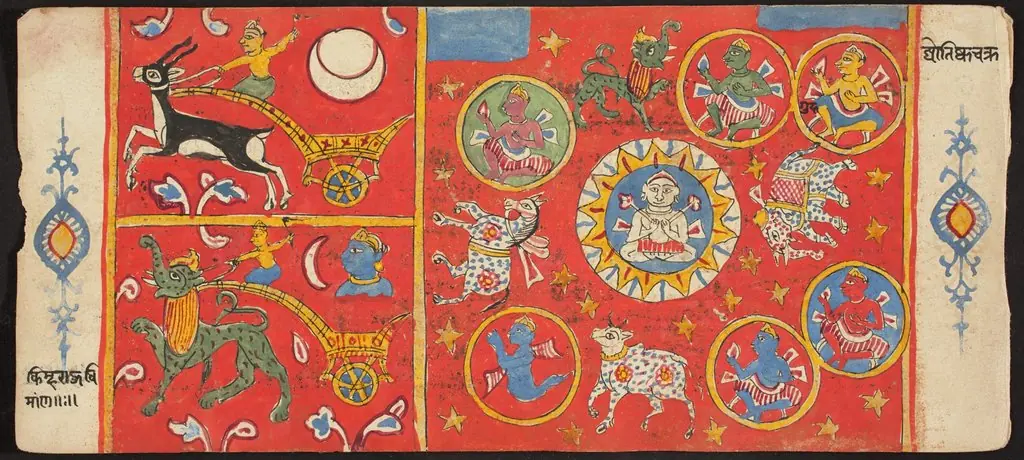 Tantric Manuscript "Sangrahani Sutra"
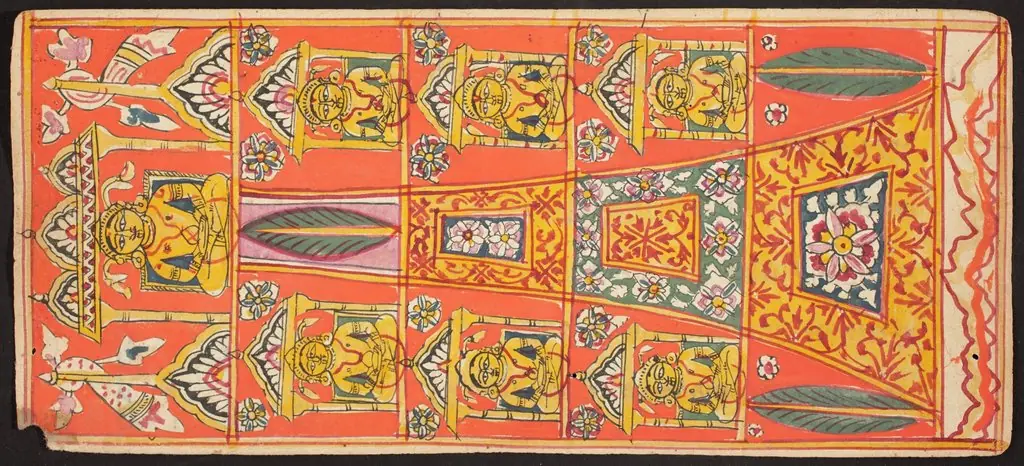 Tantric Manuscript "Sangrahani Sutra"
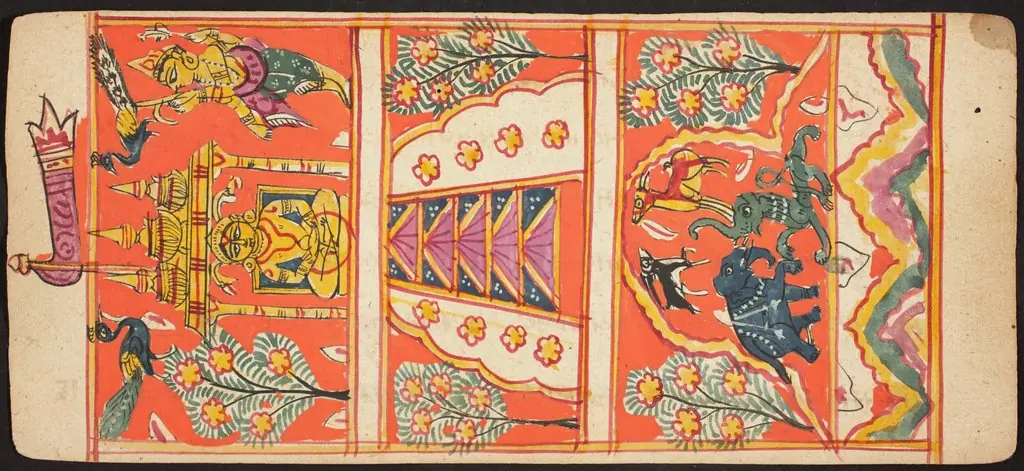 Tantric Manuscript "Sangrahani Sutra"
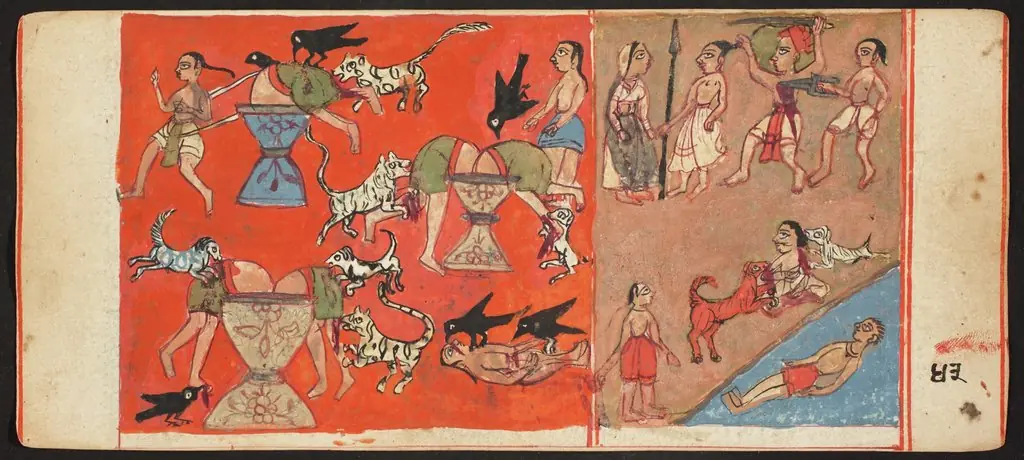 Tantric Manuscript, "Sangrahani Sutra"
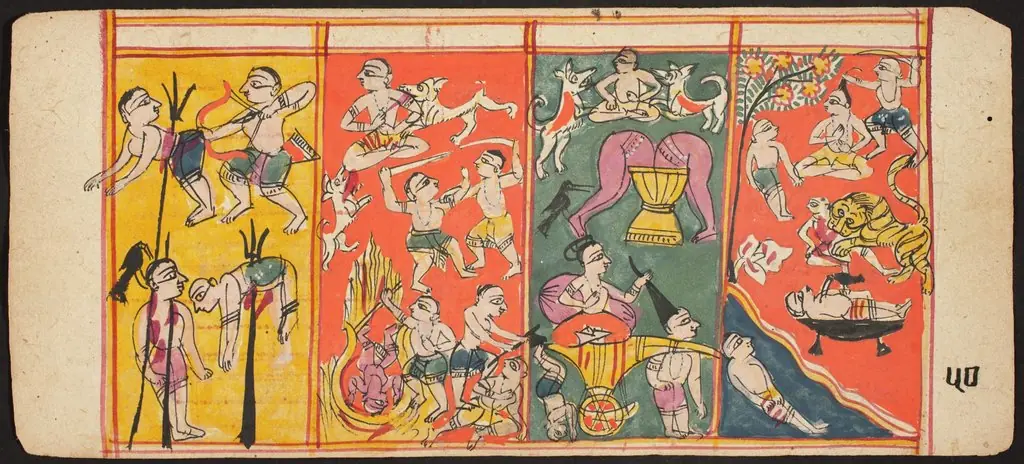 Tantric Manuscript "Sangrahani Sutra"
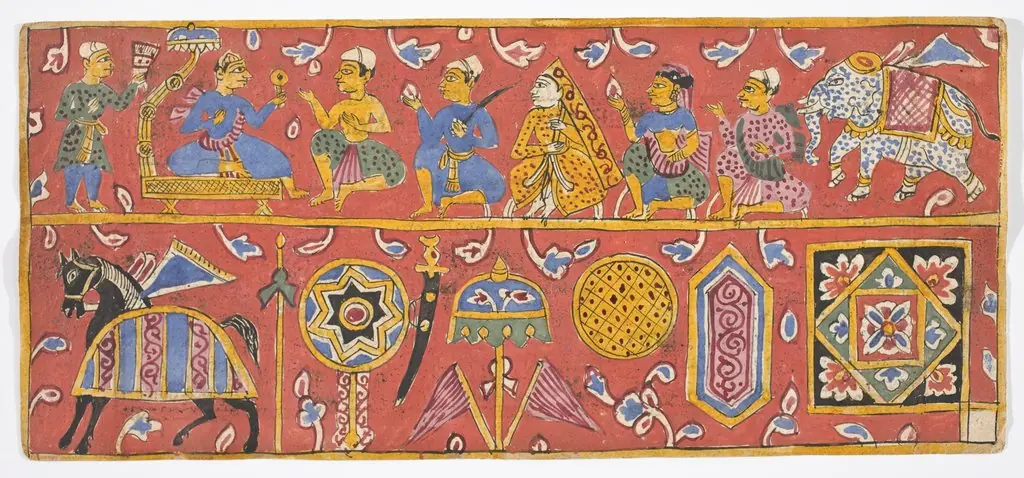 Tantric Manuscript "Sangrahani Sutra"
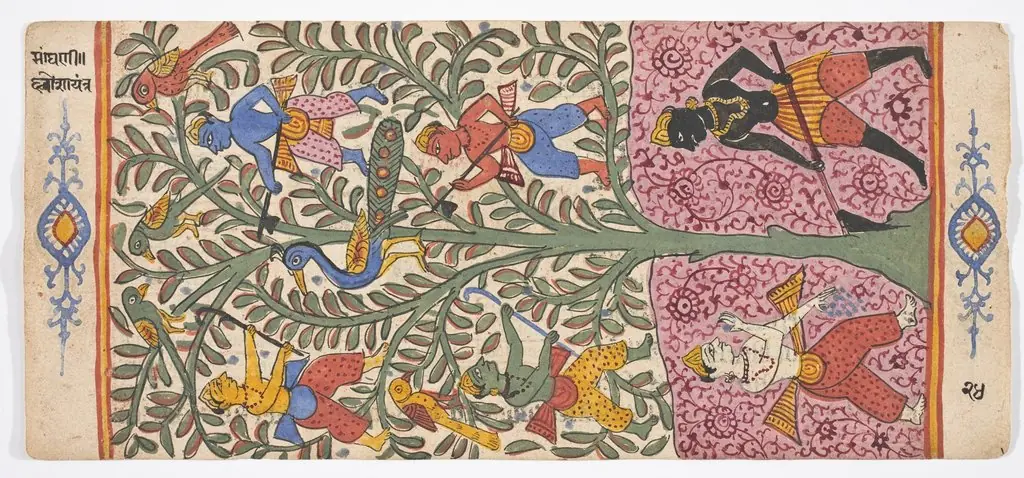 Tantric Manuscript "Sangrahani Sutra"
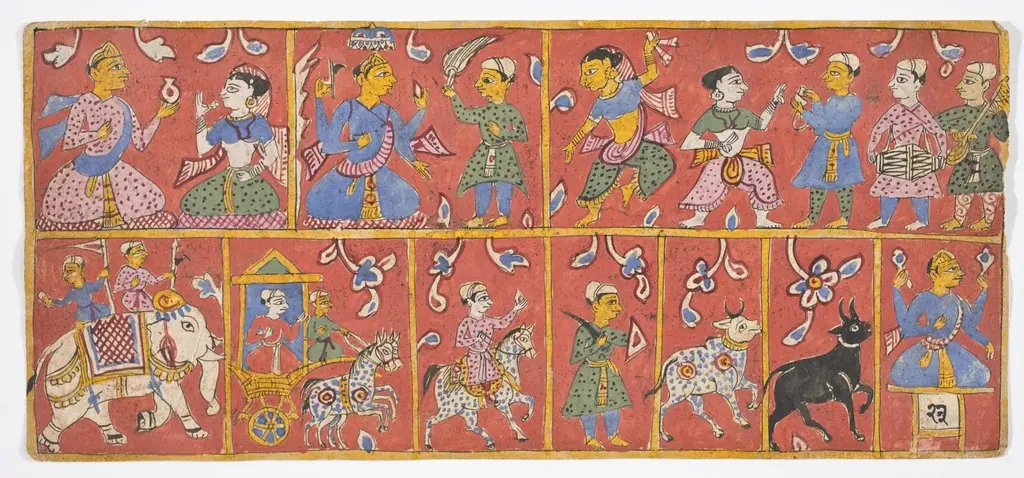 Tantric Manuscript "Sangrahani Sutra"
 Tantric Manuscript "Sangrahani Sutra"