Artwork
Five senses
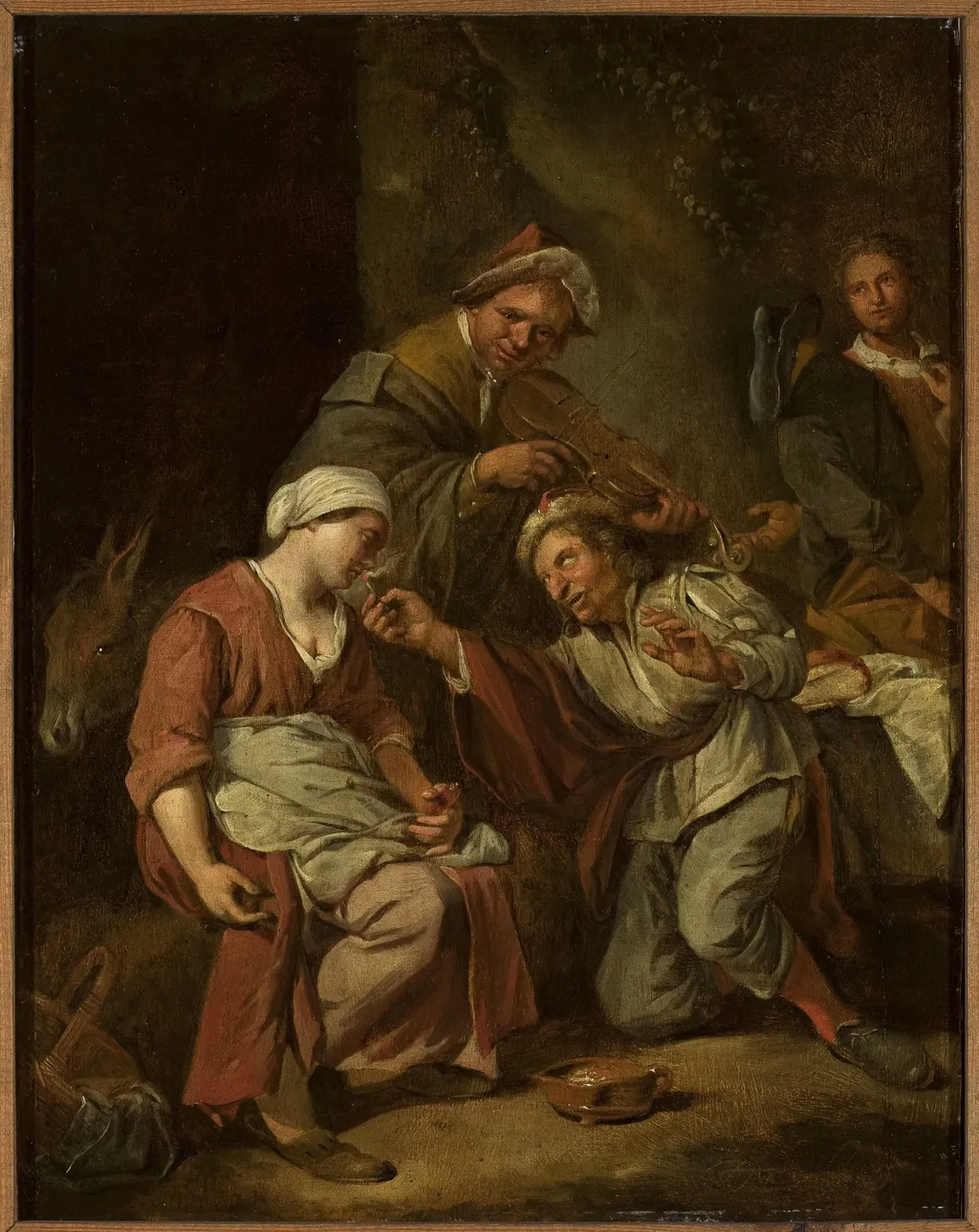
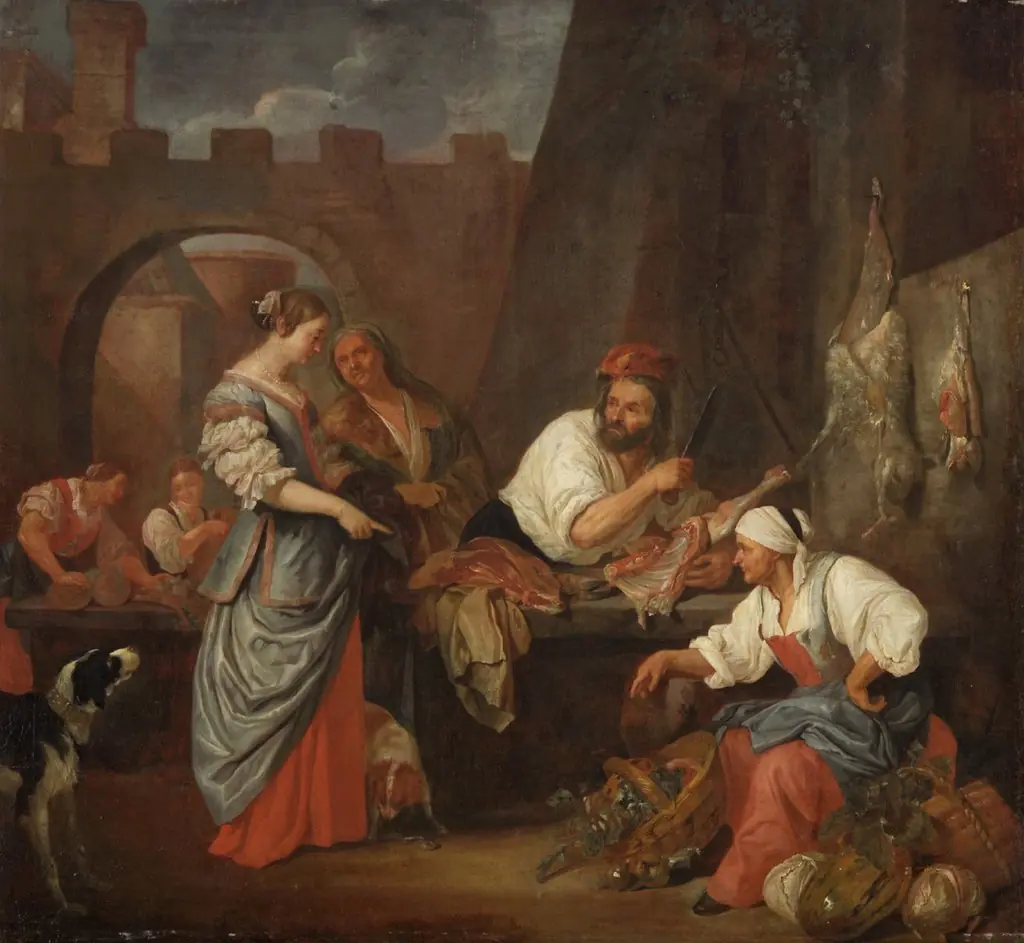
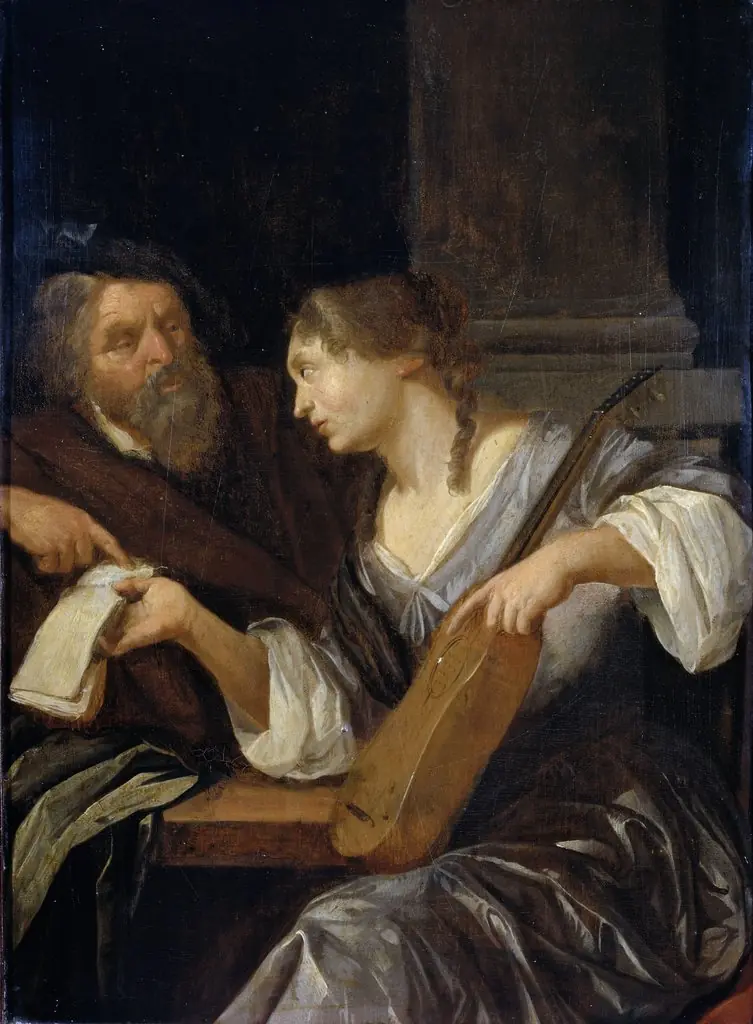
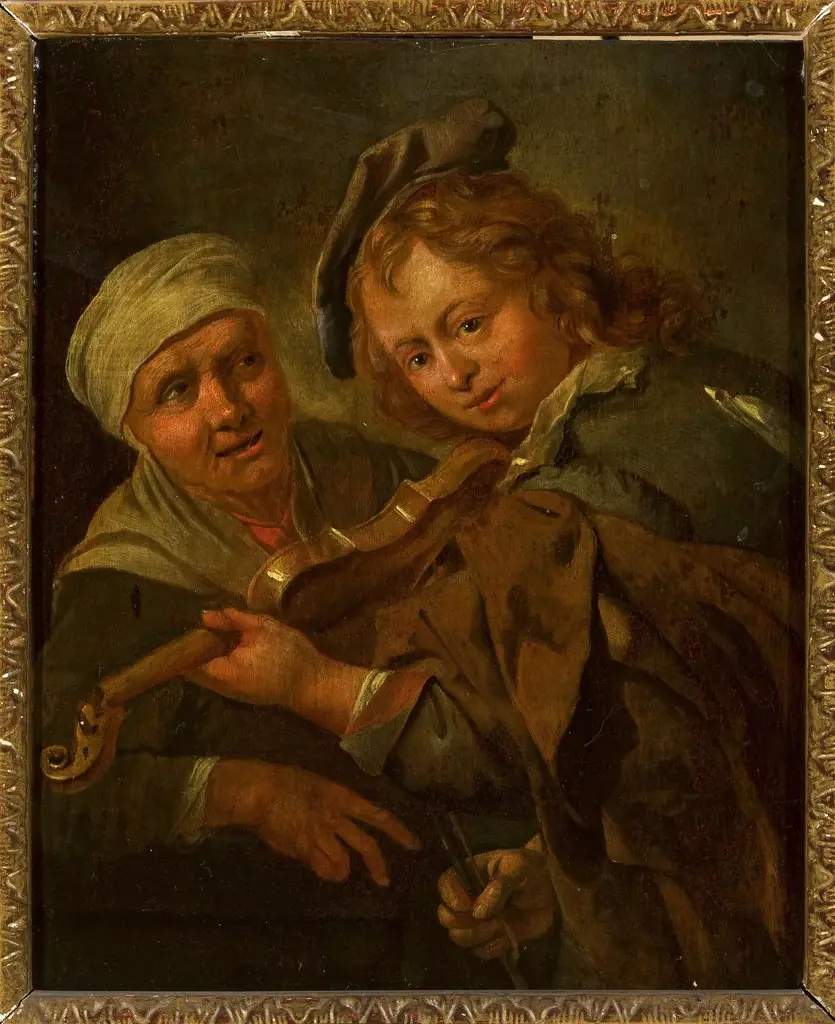
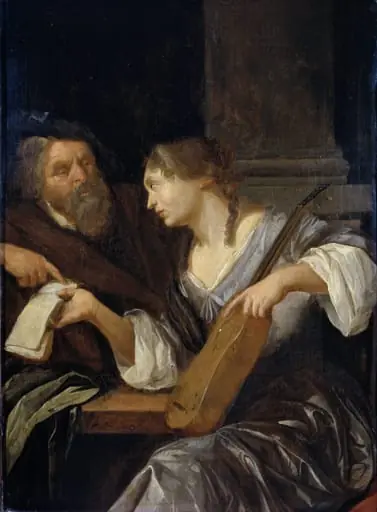
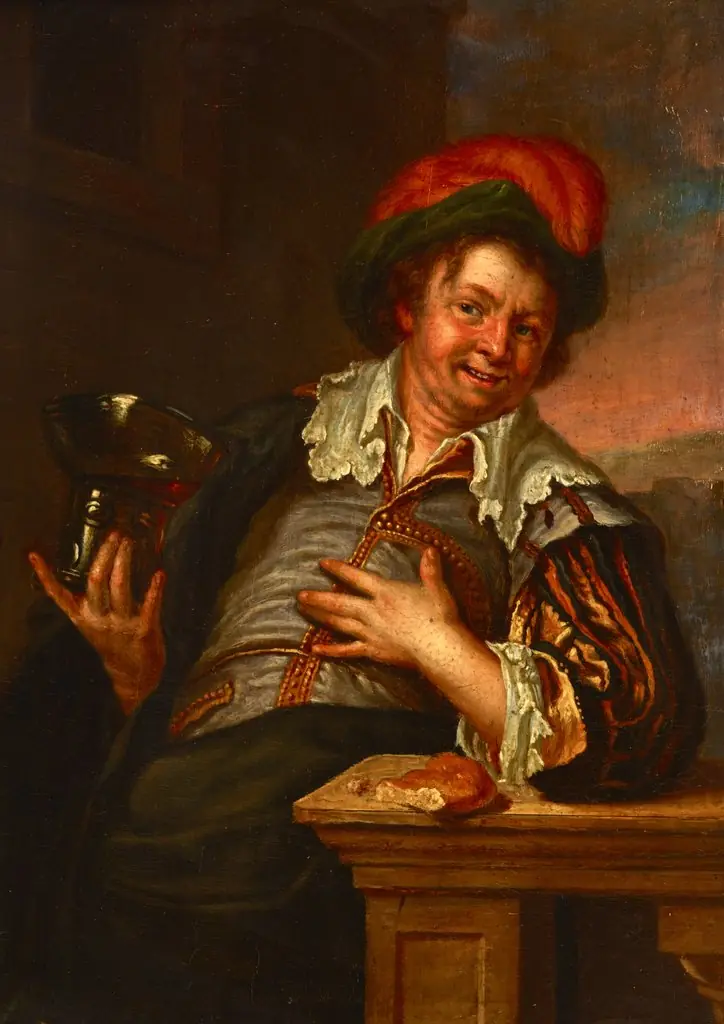
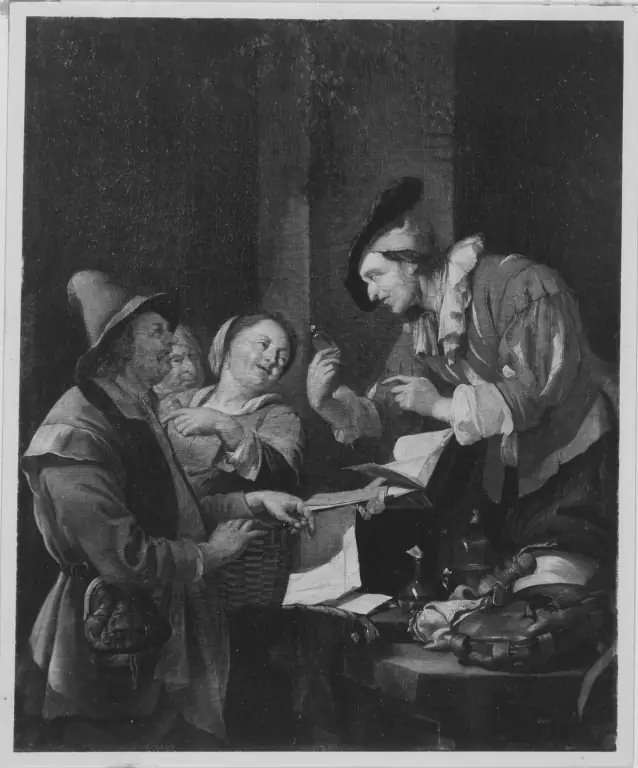
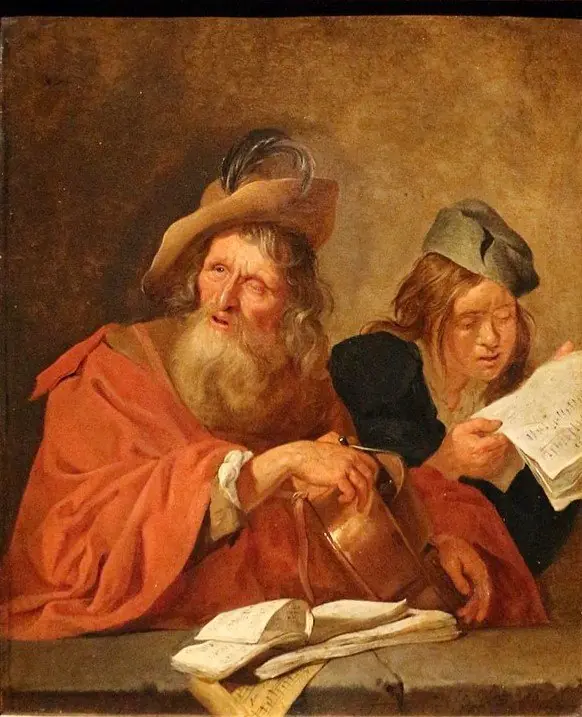
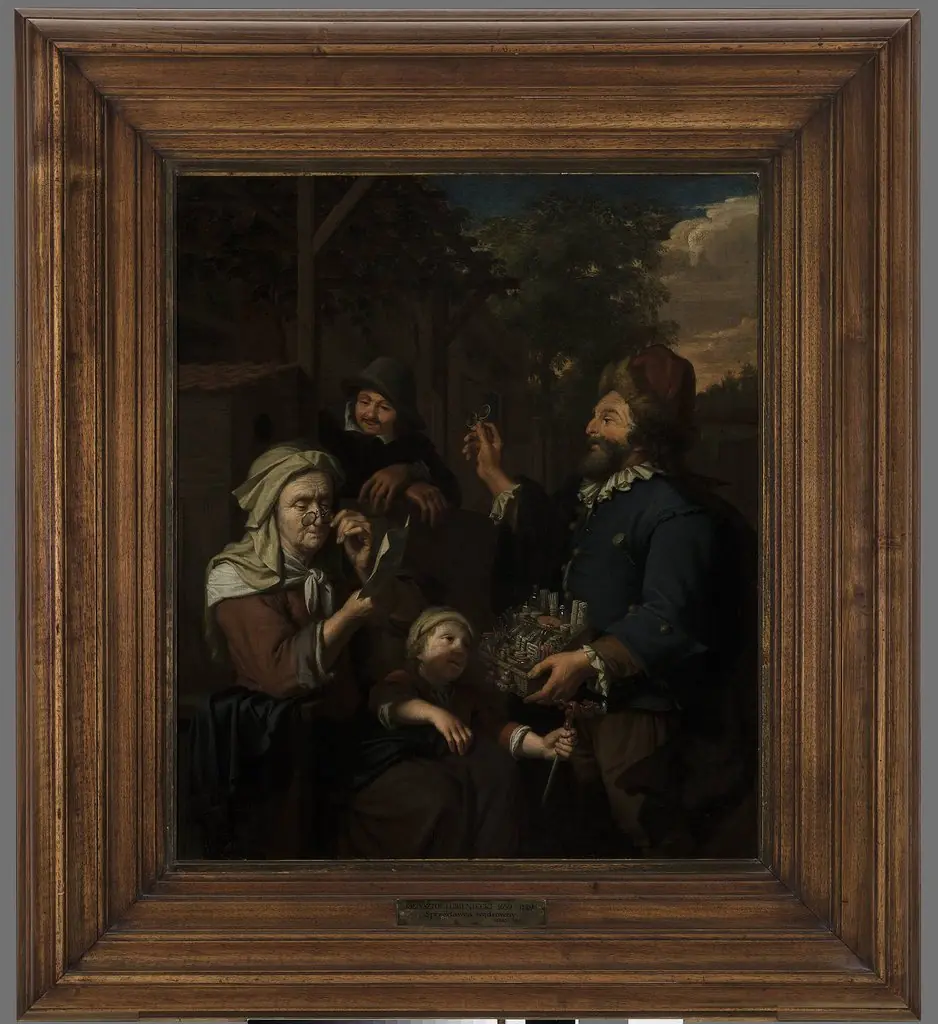
Five senses is an oil painting by the Dutch Golden Age artist Jacob Toorenvliet. It dates from 1689 and is held in the collection of the National Museum in Warsaw.
About this work
Overview
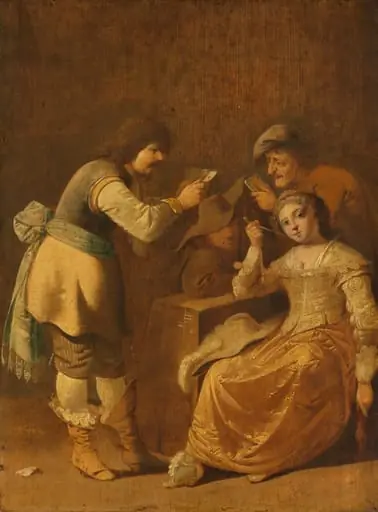
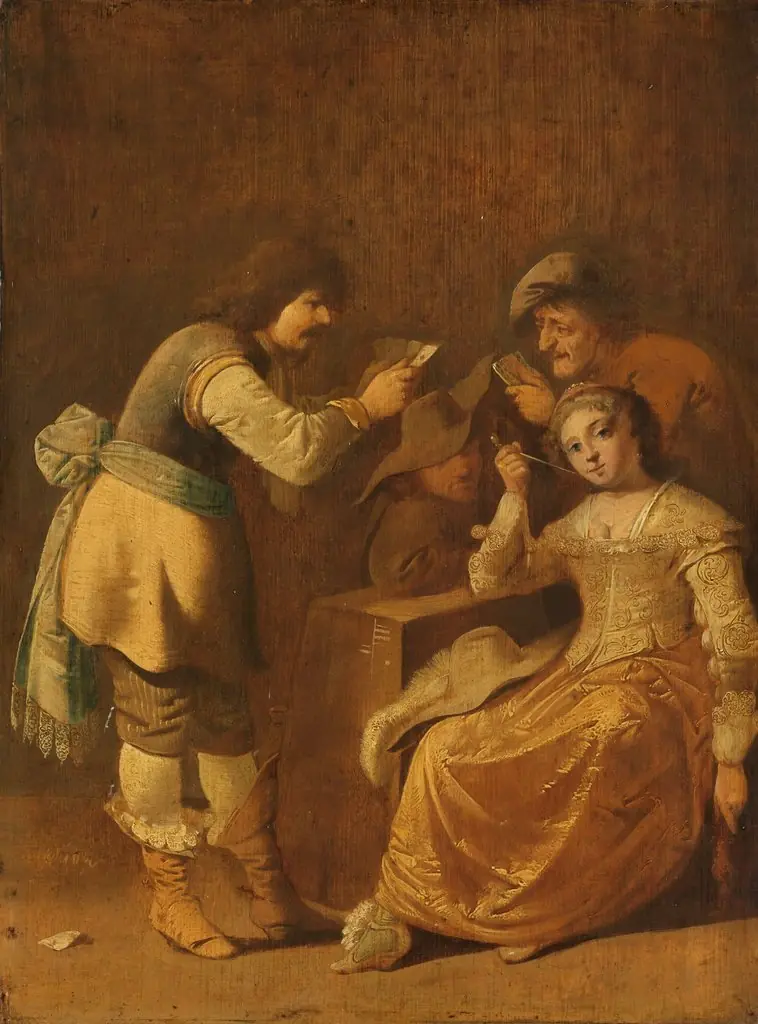
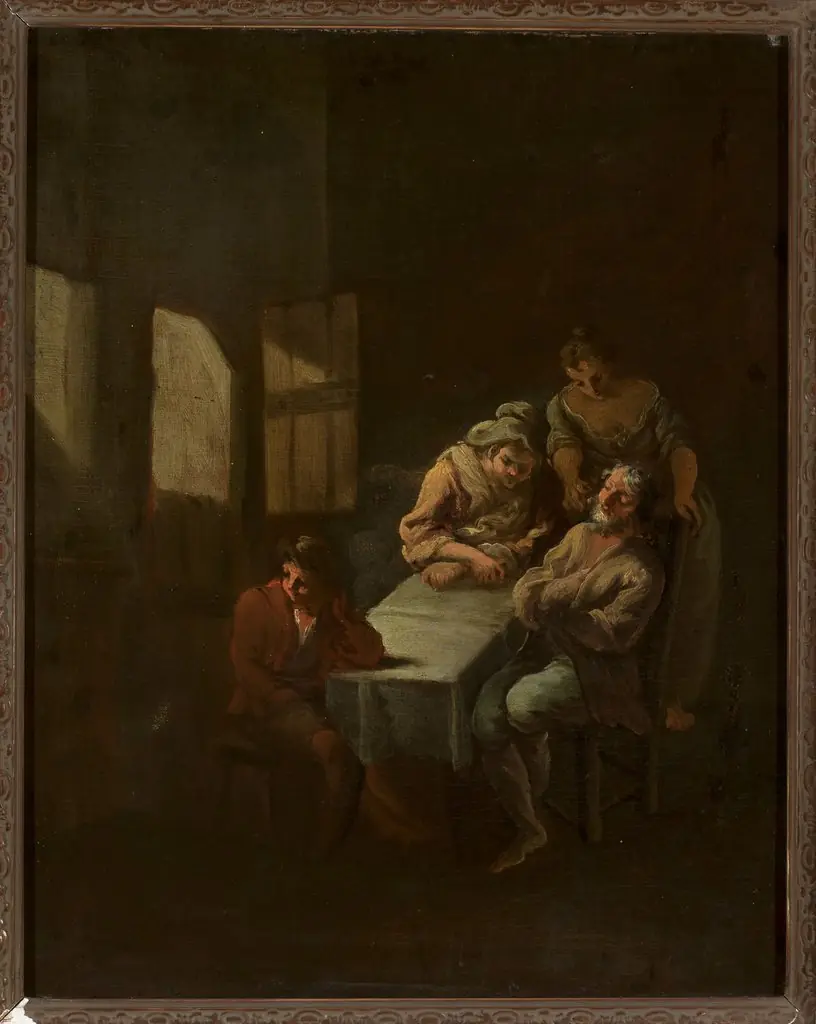
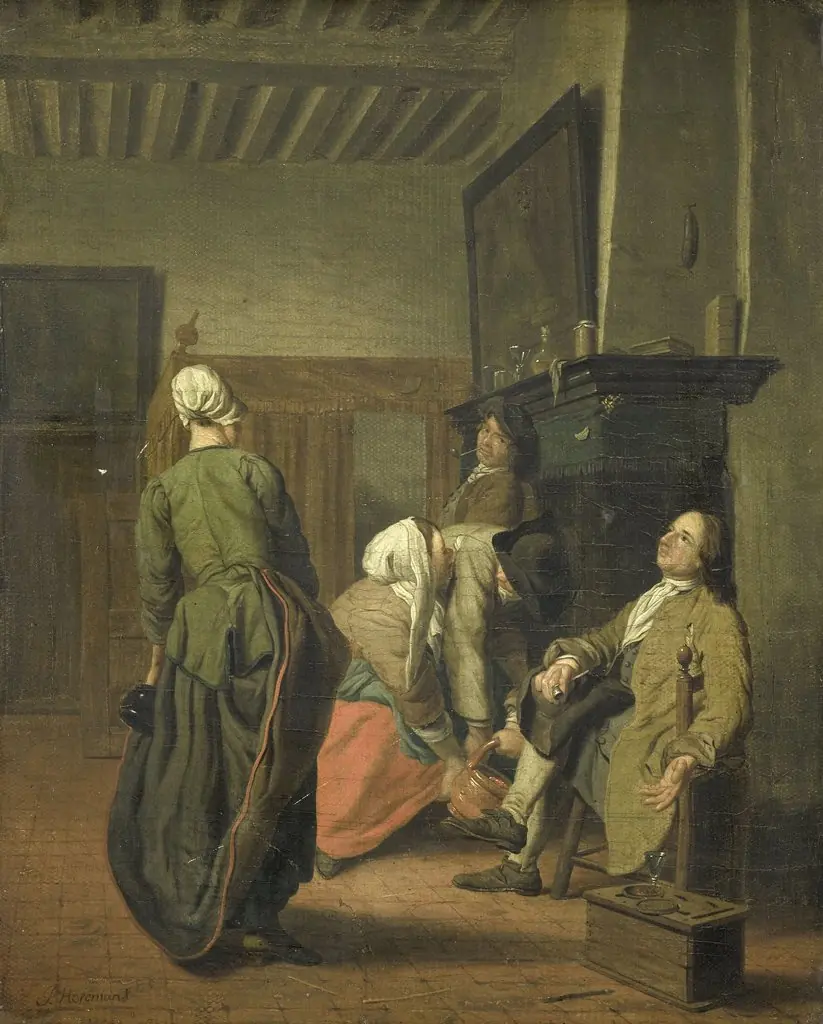
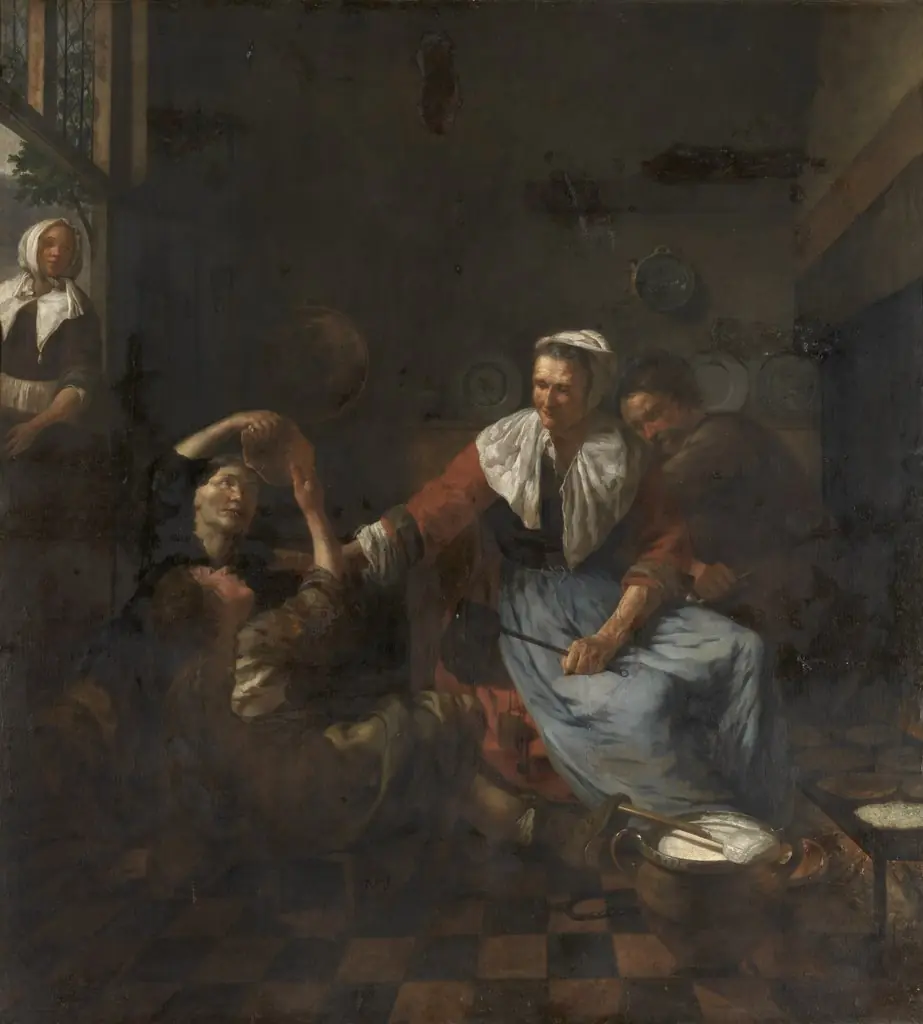
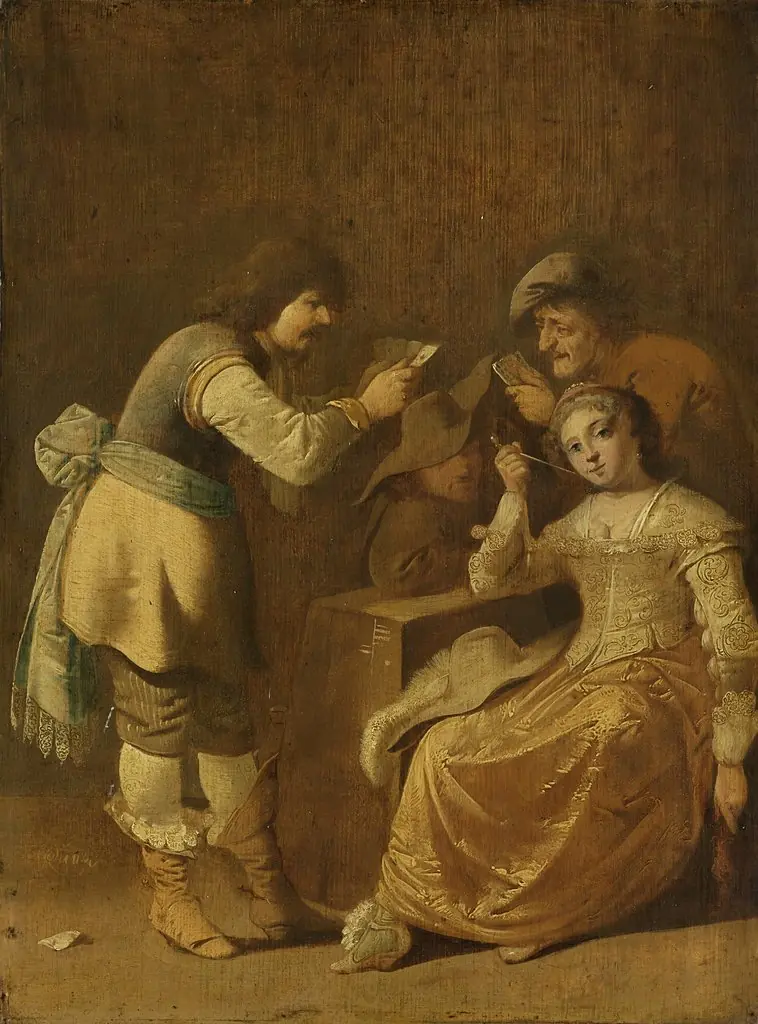
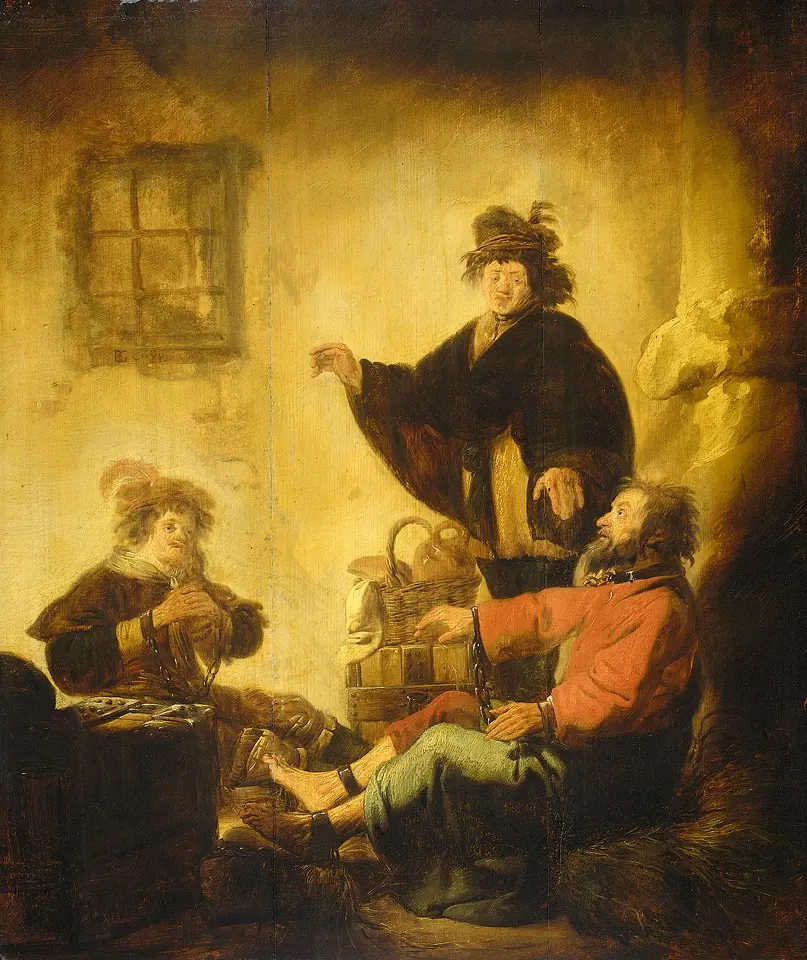
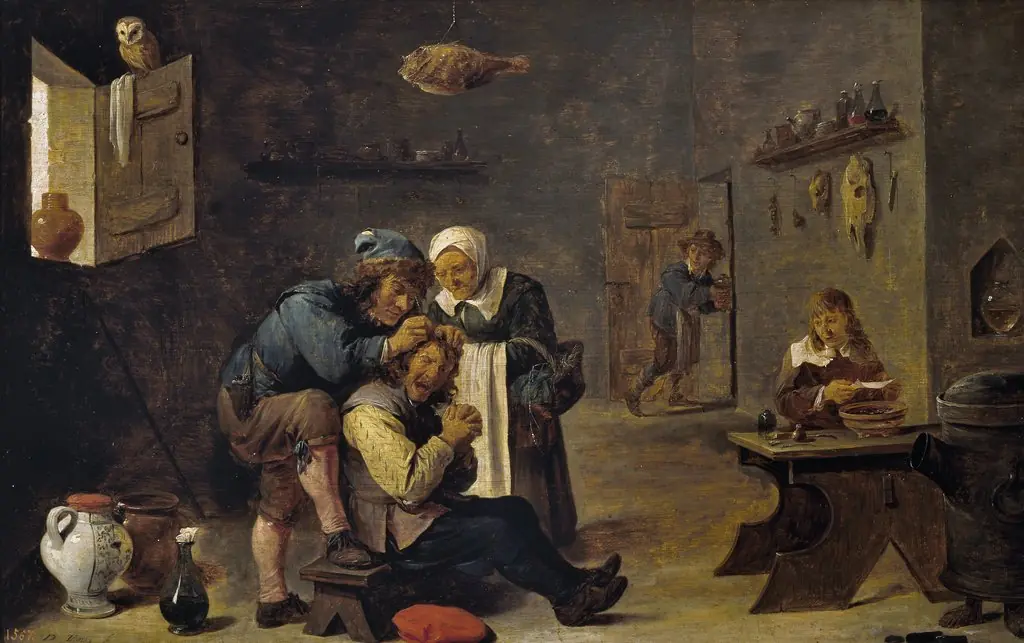
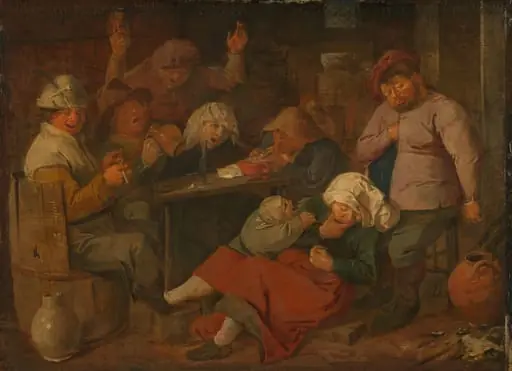
Jacob Toorenvliet’s oil painting *Five Senses*, executed around 1689, presents a compact interior scene populated by four figures and a child observer. The composition is dominated by deep shadows punctuated with soft illumination that draws attention to the expressive faces and gesturing hands, creating a vivid, intimate atmosphere.
Subject & Meaning
The work gathers a woman in a red dress, a lightly clad man, a brown‑hatted gentleman, and a curious child within a cramped, dimly lit room. The woman’s hand near her mouth and the men’s objects suggest an allegorical reference to the senses, while the child’s watchful gaze reinforces the theme of perception and discovery.
Technique & Style
Toorenvliet employs chiaroscuro, contrasting intense darkness with localized light to model forms and emphasize emotional expression. The bright red sleeve and pale shirt stand out against the surrounding gloom, guiding the viewer’s eye to the central interaction. The brushwork is smooth, allowing subtle gradations of tone that enhance the three‑dimensionality of the figures.
History & Provenance
Created in the late seventeenth century, the painting entered the collection of the National Museum in Warsaw, where it remains on display. Its attribution to Toorenvliet, a Dutch painter known for genre scenes, aligns with his practice of integrating narrative allegory within everyday settings.
Artist & collection