Artwork
Tantric Manuscript "Sangrahani Sutra"
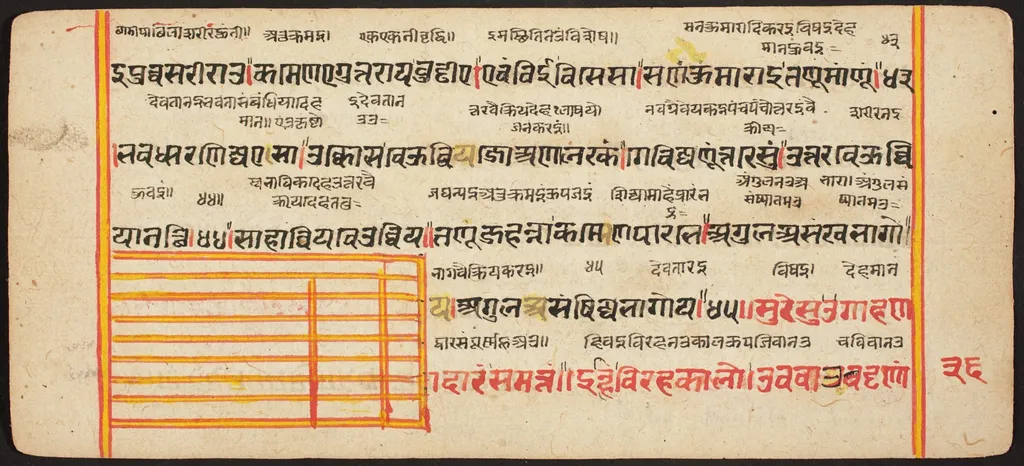
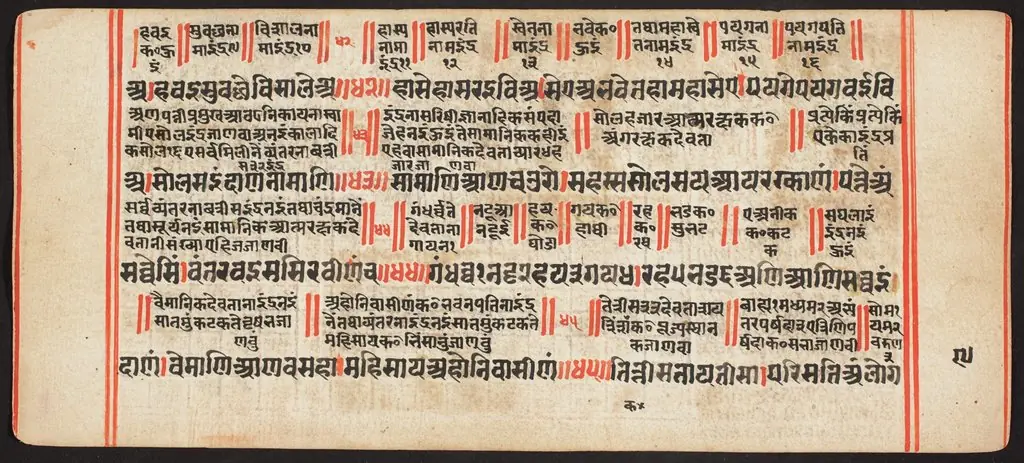
Tantric Manuscript "Sangrahani Sutra" is an unspecified painting by Unknown. It is held in the collection of the Detroit Institute of Arts. This page comes from a handwritten religious manuscript known as the Sangrahani Sutra, produced in a tantric Buddhist context.
About this work
Overview
This page comes from a handwritten religious manuscript known as the Sangrahani Sutra, produced in a tantric Buddhist context.
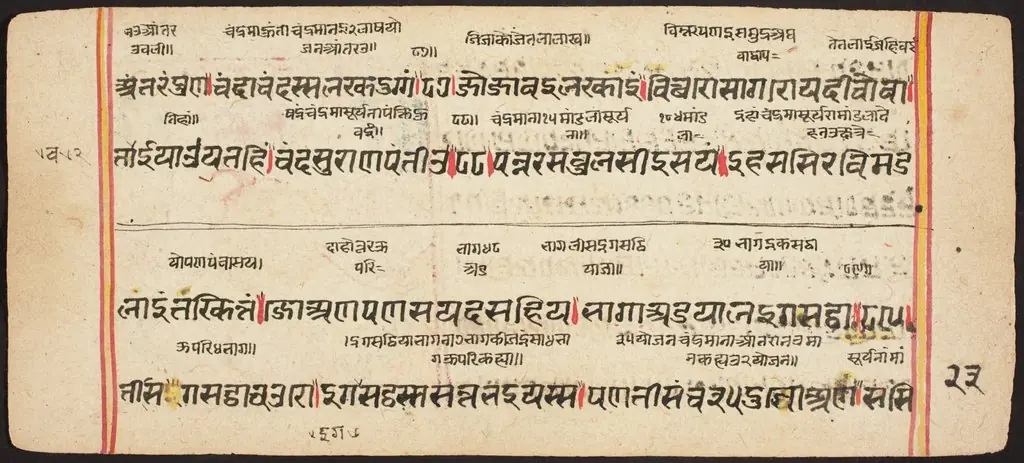
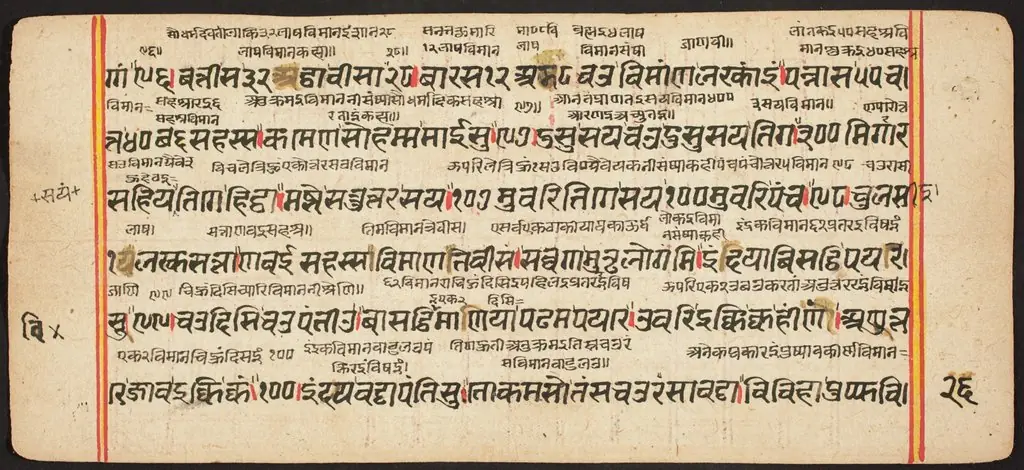
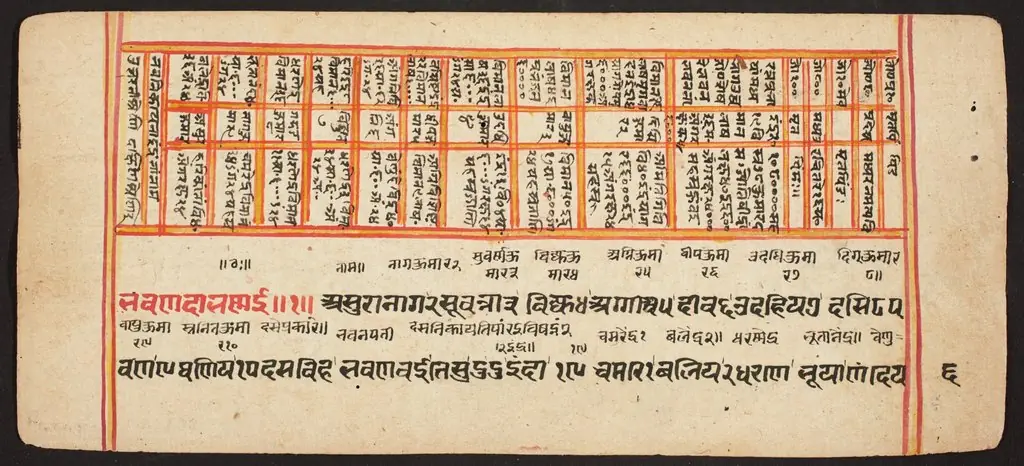
This page comes from a handwritten religious manuscript known as the Sangrahani Sutra, produced in a tantric Buddhist context. It combines sacred script with miniature illustrations, typical of devotional texts used in ritual practice. The layout balances dense textual passages with small, vivid images, arranged to guide contemplation. The materials and composition suggest it was made for ceremonial use rather than public display.
Subject & Meaning
The illustrations depict symbolic figures associated with tantric cosmology, though their specific identities remain unclear due to the absence of inscriptions or known iconographic parallels. Their arrangement likely corresponds to the textual content, reinforcing spiritual concepts through visual metaphor. The figures, rendered in stylized forms, may represent deities, mandalic elements, or meditative states central to the sutra’s teachings.
Technique & Style
The text is written in an unidentified script using black and red ink, with occasional yellow highlights for emphasis. Illustrations employ mineral pigments in red, yellow, and black, applied with fine brushes to achieve intricate detail. The style is compact and precise, typical of manuscript illumination in medieval South Asian traditions, where clarity and symbolic density took precedence over naturalism.
History & Provenance
The manuscript’s origin is uncertain, but its materials and script suggest production in a tantric Buddhist community in eastern India or Nepal between the 10th and 14th centuries. It likely passed through monastic circles before entering private or institutional collections. No documented history of ownership prior to modern acquisition is available, and its exact place of creation remains unverified.
Context
This page reflects a tradition of sacred manuscript production in which text and image functioned as complementary tools for ritual and meditation. Such texts were often kept in temple libraries or carried by practitioners for personal devotion. The use of color and script aligns with broader South Asian practices where visual and verbal elements were jointly regarded as conduits of spiritual power.
Legacy
Though the script remains undeciphered and the iconography unconfirmed, the page stands as a preserved example of tantric Buddhist manuscript culture. It contributes to scholarly efforts to understand regional variations in religious art and the interplay between writing and visual symbolism in esoteric traditions. Its survival offers insight into the material life of texts once central to meditative practice.
Artist & collection

 Domestic Scene
 Giacomo and Cardinal Marco, investing Andrea, Abbot of San Zeno, with his Benefice
 The Nymph of Fontainebleau
 Portrait of a Woman
 Madonna and Child with Saints in the Enclosed Garden
 Venus and Minerva
 Family Group of Four on Sofa
 Wall painting from Room H of the Villa of P. Fannius Synistor at Boscoreale
 Tantric Manuscript "Sangrahani Sutra"
 Tantric Manuscript "Sangrahani Sutra"
 Tantric Manuscript "Sangrahani Sutra"
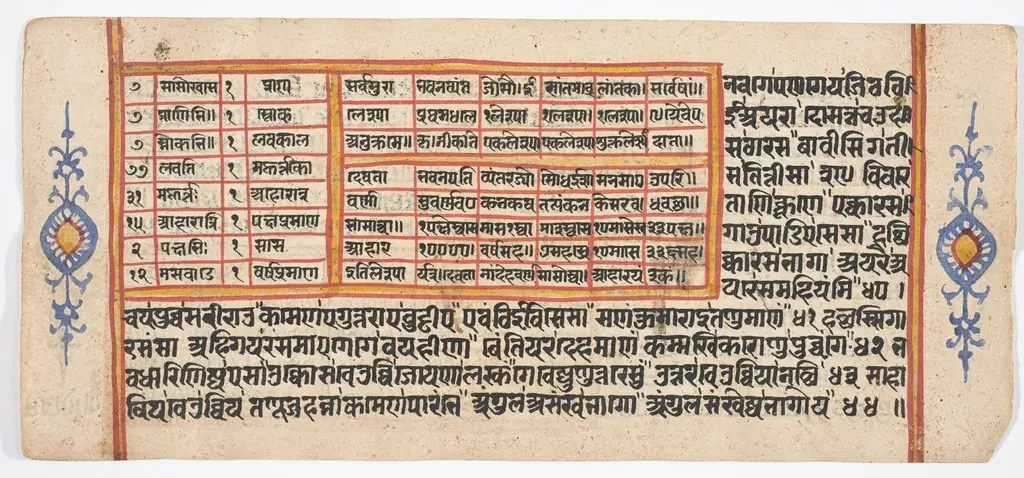 Tantric Manuscript "Sangrahani Sutra"
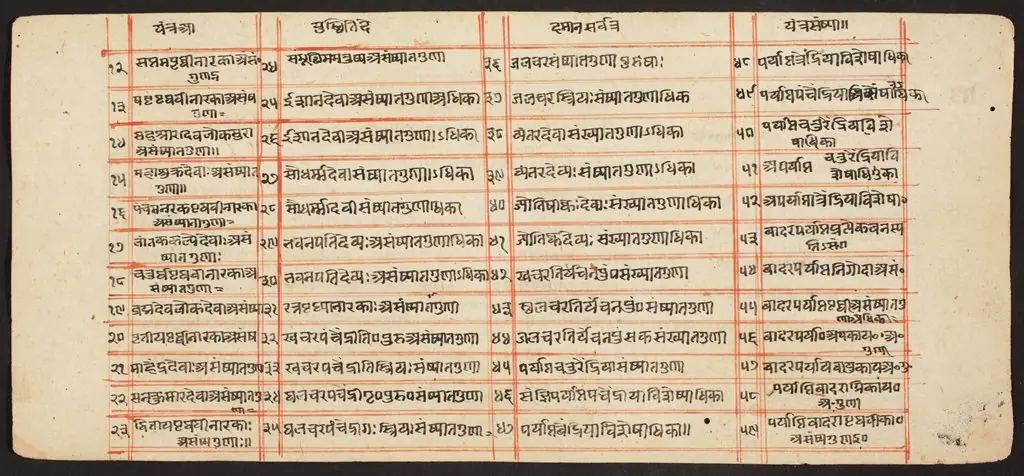 Tantric Manuscript "Sangrahani Sutra"
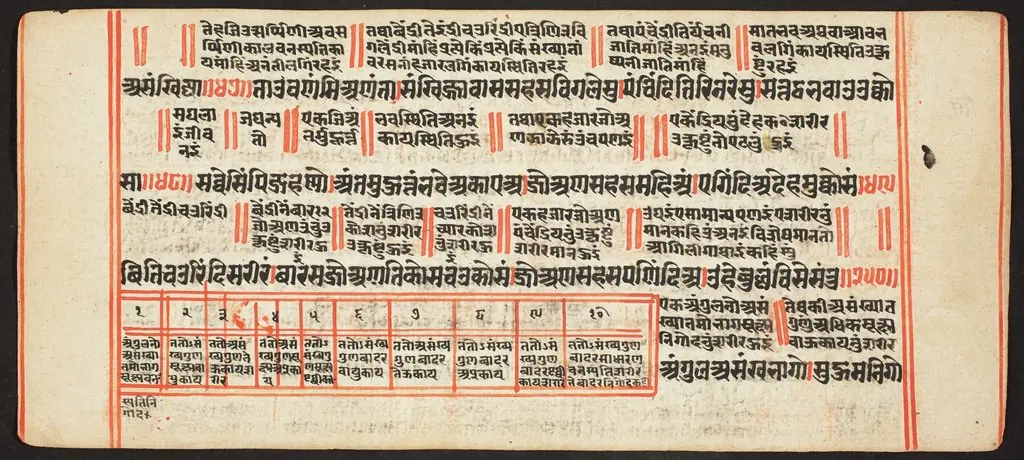 Tantric Manuscript, "Sangrahani Sutra"
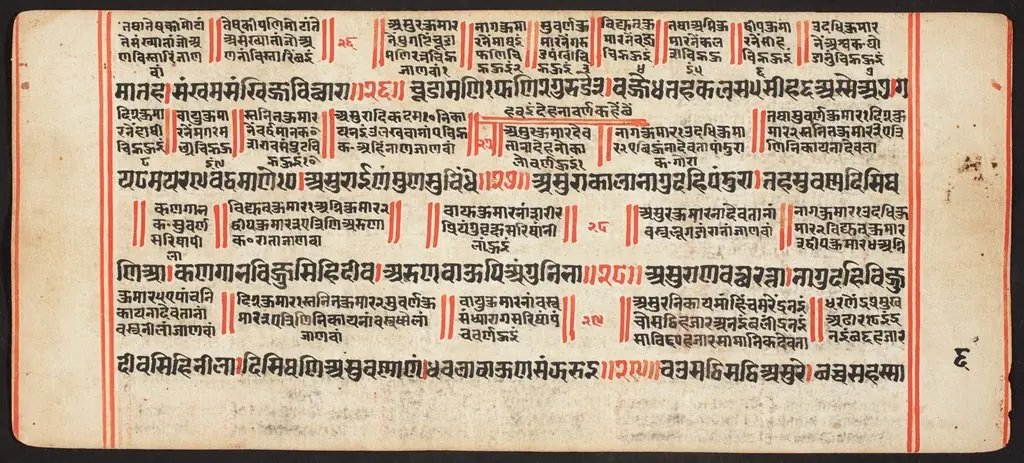 Tantric Manuscript, "Sangrahani Sutra"
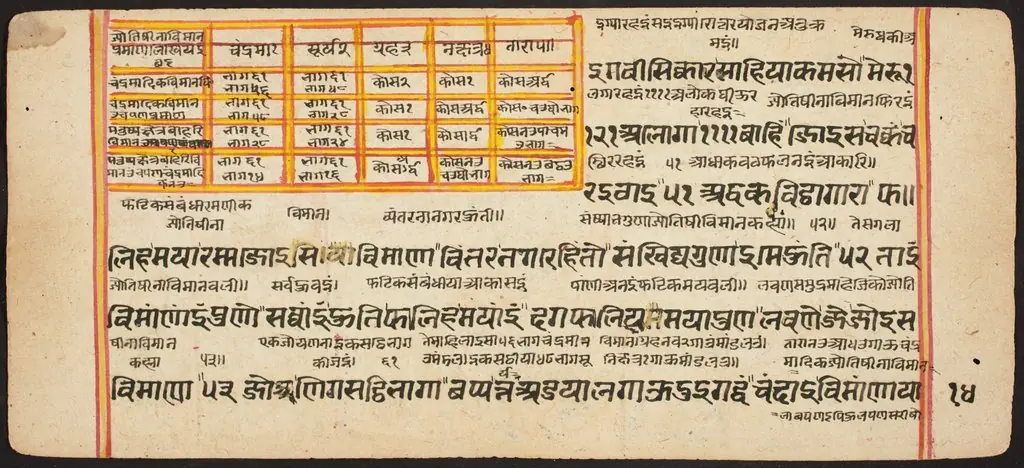 Tantric Manuscript "Sangrahani Sutra"
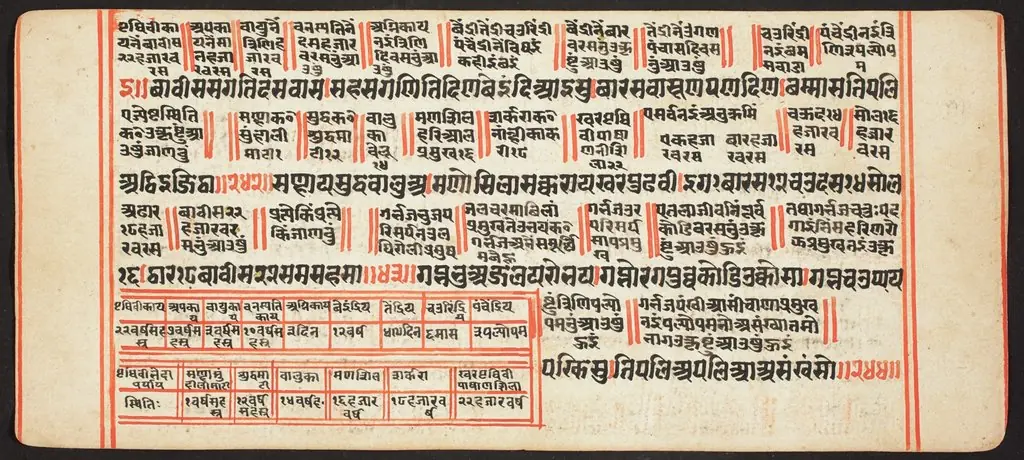 Tantric Manuscript, "Sangrahani Sutra"
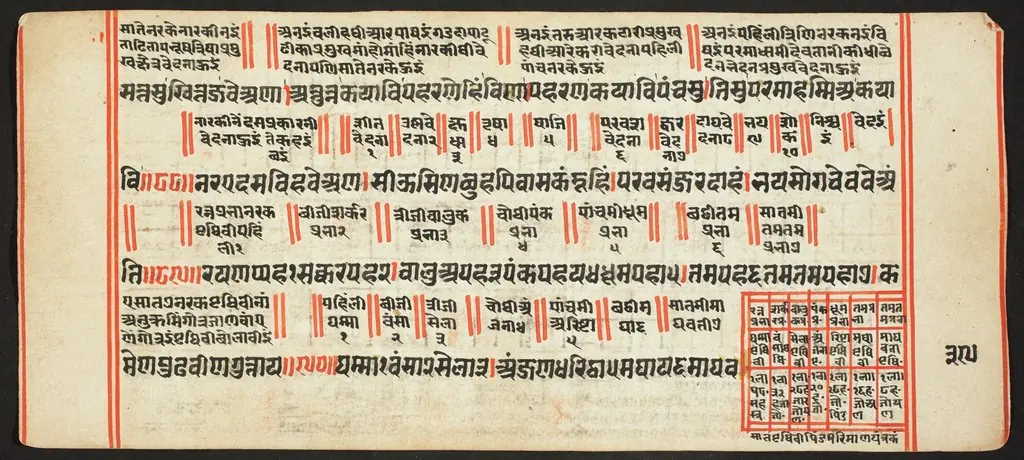 Tantric Manuscript, "Sangrahani Sutra"
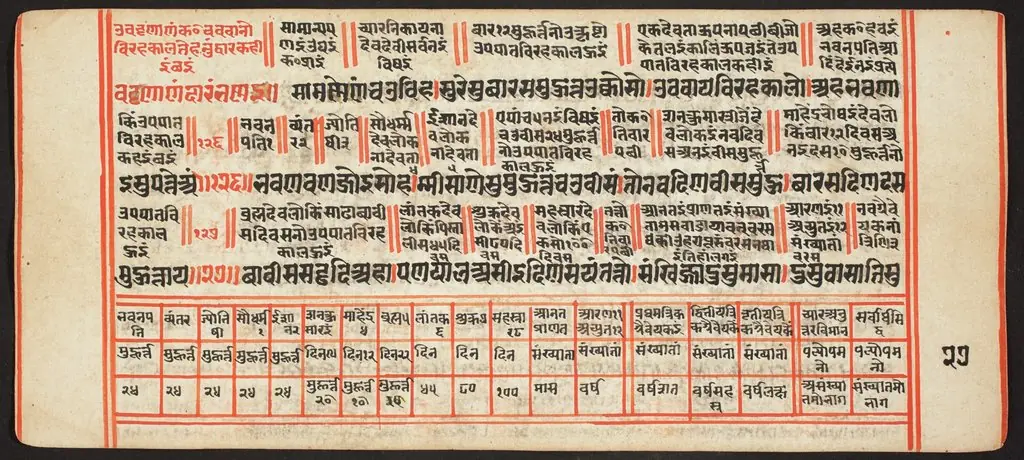 Tantric Manuscript, "Sangrahani Sutra"
 Tantric Manuscript, "Sangrahani Sutra"