Artwork
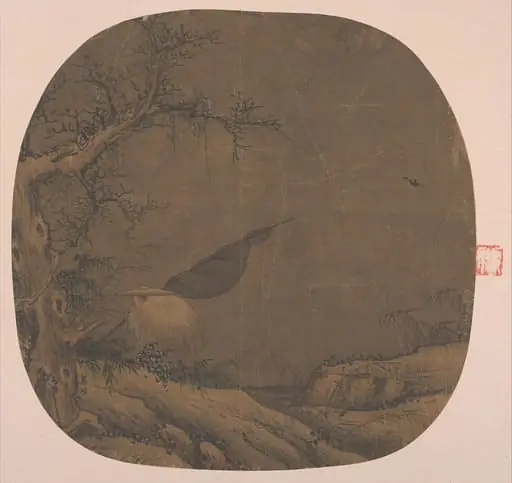
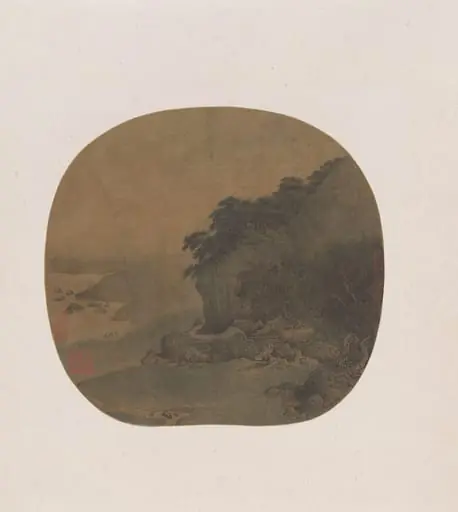
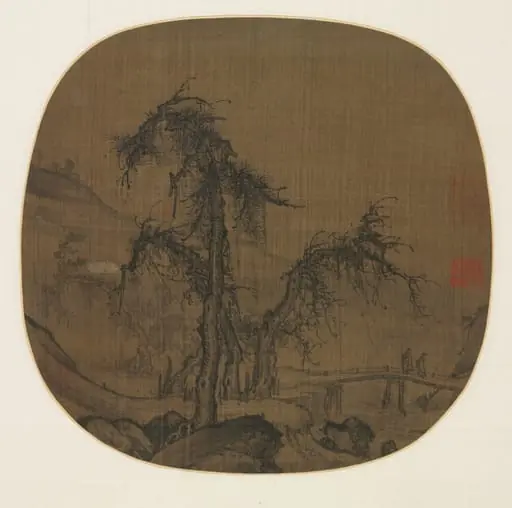
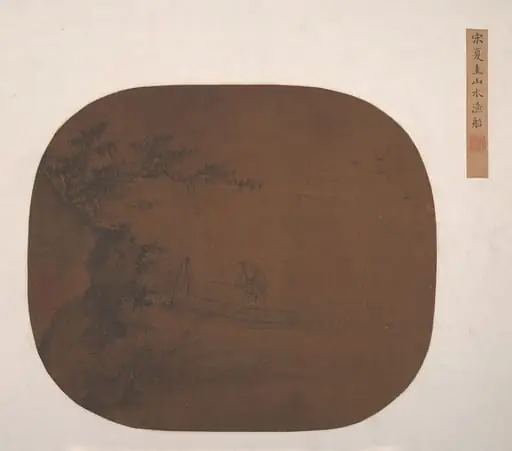
紈扇畫冊 冊 無款柳塘呼犢
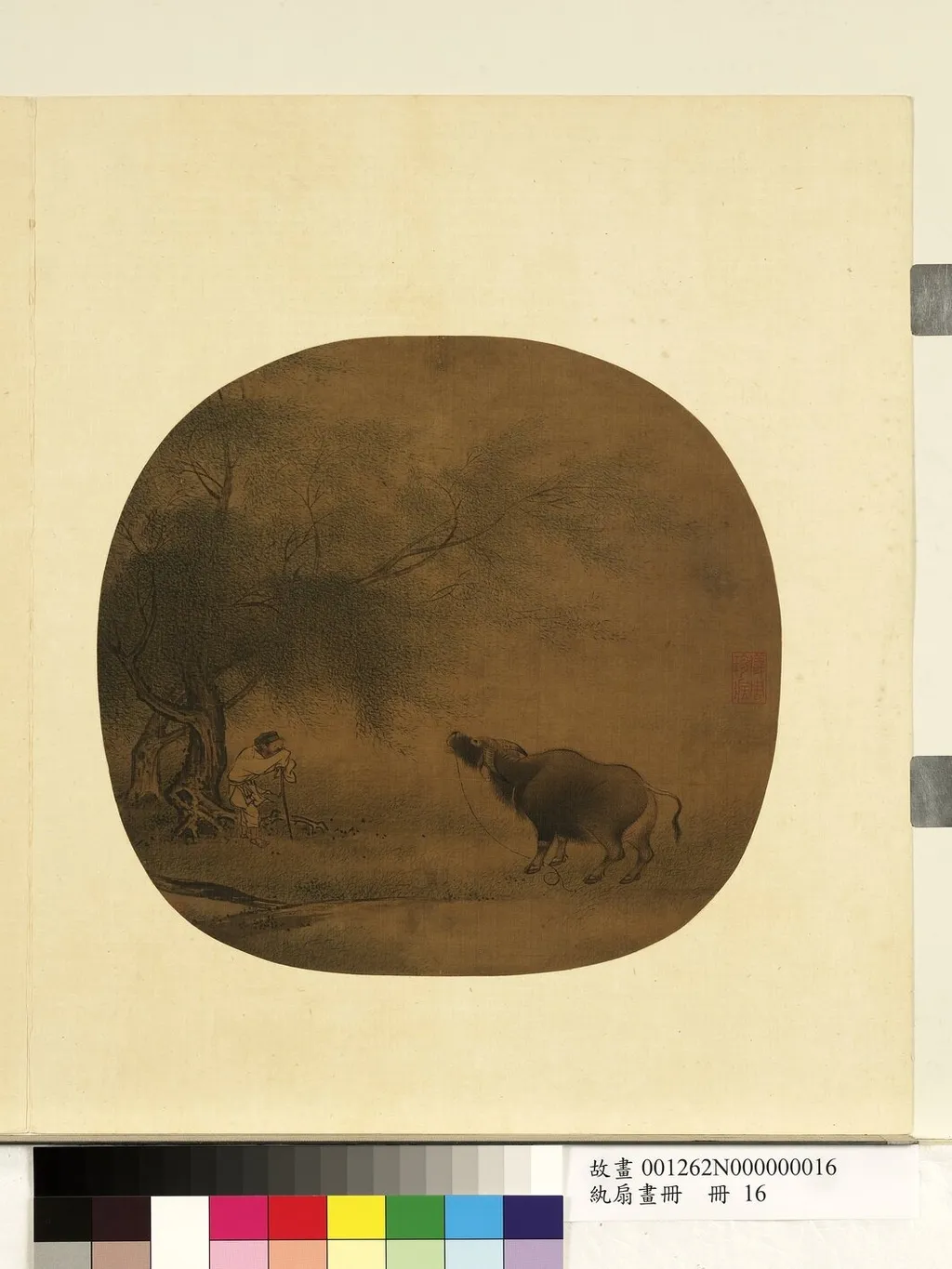
紈扇畫冊 冊 無款柳塘呼犢 is an unspecified painting by the Byzantine icon painting artist Unknown. It dates from 1100 and is held in the collection of the National Palace Museum.
About this work
Overview
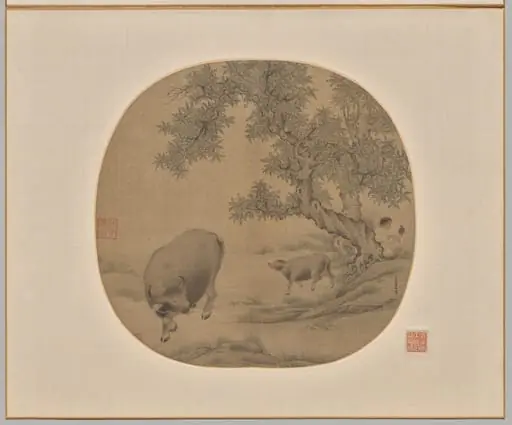
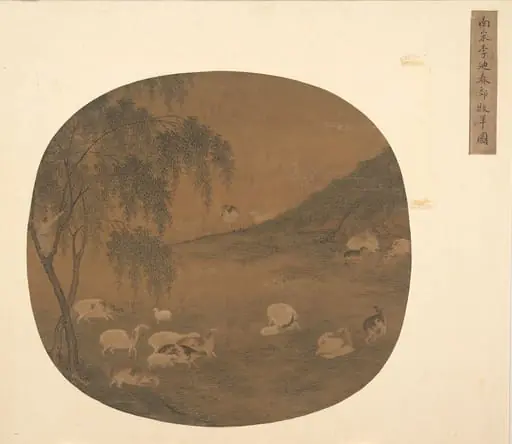
The work is a silk painting titled 紈扇畫冊 冊 無款柳塘呼犢. Executed on silk, the piece belongs to the tradition of painted fan albums, a format that combines portable support with decorative illustration. The title references a willow‑lined pond and a scene of a calf being called, suggesting a tranquil rural motif rendered in a delicate medium.
Subject & Meaning
The composition depicts a pastoral landscape where slender willows fringe a shallow waterway, while a young calf is shown responding to a call. Such imagery evokes themes of harmony between nature and livestock, a common motif in East Asian art that celebrates agrarian life and the gentle rhythms of the countryside.
Technique & Style
Rendered on silk, the painting employs fine brushwork characteristic of courtly or literati traditions. The translucency of the silk substrate allows subtle washes of ink and color to create atmospheric depth, while the delicate line work defines the foliage and animal with restrained elegance. The overall effect balances detail with an impression of serenity.
History & Provenance
The piece is part of a fan album, a format historically used for personal collections and exchange among connoisseurs. While specific provenance details are not recorded, such silk paintings were often commissioned by elite patrons or created for inclusion in scholarly gatherings, reflecting the cultural value placed on portable artworks.
Context
Silk paintings of pastoral scenes were popular during periods when scholars sought inspiration from nature and the idealized countryside. The inclusion of a calf and willow pond aligns with poetic references found in classical literature, where such settings symbolize renewal and the cyclical patterns of agricultural life.
Legacy
Works of this type contribute to the broader understanding of East Asian visual culture, illustrating how everyday rural subjects were elevated to artistic subjects. The piece exemplifies the integration of fine brush technique with thematic content, informing later developments in genre painting and the continued appreciation of nature in art.
Artist & collection

 Domestic Scene
 Giacomo and Cardinal Marco, investing Andrea, Abbot of San Zeno, with his Benefice
 The Nymph of Fontainebleau
 Portrait of a Woman
 Madonna and Child with Saints in the Enclosed Garden
 Venus and Minerva
 Family Group of Four on Sofa
 Wall painting from Room H of the Villa of P. Fannius Synistor at Boscoreale