Artwork
Man, Buffalo, and Calf
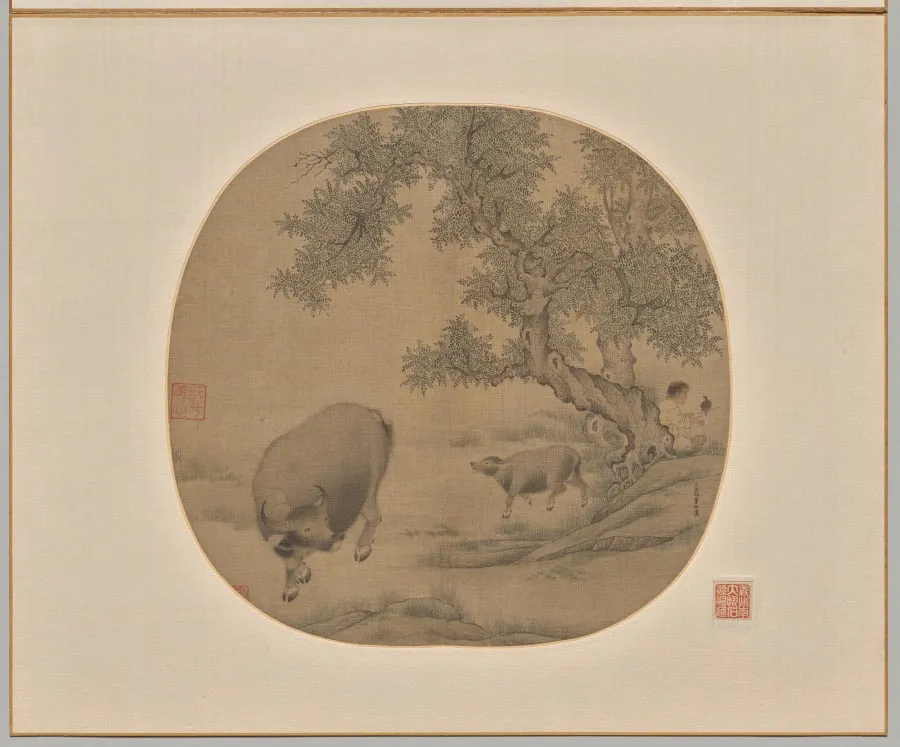
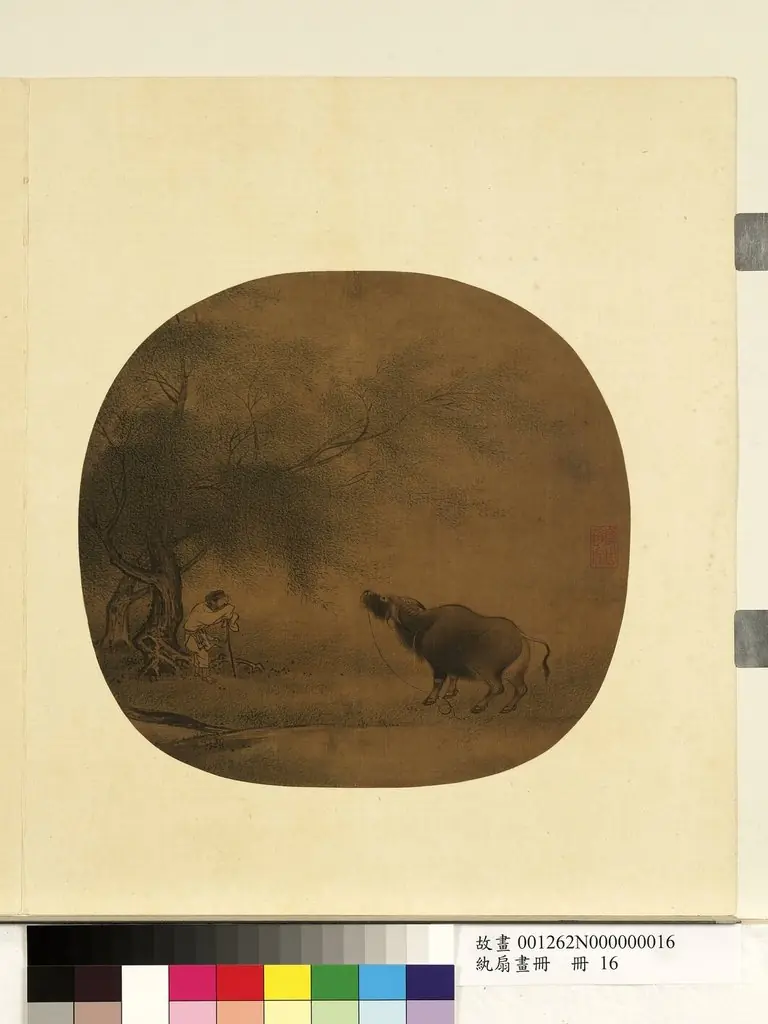
Man, Buffalo, and Calf is an unspecified painting by the Song dynasty landscape artist Li You. It dates from 1145 and is held in the collection of the Cleveland Museum of Art. The work depicts a young herdboy seated beneath a tree, accompanied by a water buffalo, its calf, and a perched myna.
About this work
To see more paintings like this, look up *subject: china, southern song dynasty (1127-1279)*.
A boy sits under a tree with a water buffalo and its calf, while a myna bird perches nearby. The scene feels quiet and ordinary—just a moment in the countryside.
This kind of painting was more than just a pretty picture. It was a gift for officials, meant to remind them of patience and hard work. The buffalo, strong but unselfish, stood for the ideal leader.
To see more paintings like this, look up *subject: china, southern song dynasty (1127-1279)*.
Overview
The work depicts a young herdboy seated beneath a tree, accompanied by a water buffalo, its calf, and a perched myna. The composition captures a tranquil moment of rural life, emphasizing the simple coexistence of human and animal in a quiet landscape.
Subject & Meaning
Beyond its literal scene, the painting employs the water buffalo as a symbol of diligent labor without personal reward, a quality traditionally linked to virtuous governance. The presence of the calf reinforces themes of continuity and nurturance, echoing ancient texts that associate the earth’s receptivity with the nurturing role of a ruler.
Technique & Style
Rendered in the delicate brushwork typical of Southern Song painting, the piece balances fine line work with subtle washes of ink and muted pigments. The figures are outlined with restrained detail, while the foliage and sky are suggested through light, atmospheric strokes that convey depth without overt realism.
History & Provenance
Created during the Southern Song dynasty (1127‑1279), the artwork was likely produced as a diplomatic or ceremonial gift for a court official. Such pieces were circulated among elite circles, serving both aesthetic and didactic purposes within the bureaucratic milieu of the period.
Context
In the broader cultural setting, images of oxen and buffaloes were common motifs in courtly exchanges, employed to convey moral instruction about perseverance and humility. The painting thus functions as a visual reminder of the virtues expected of administrators, aligning personal conduct with the natural order.
Artist & collection

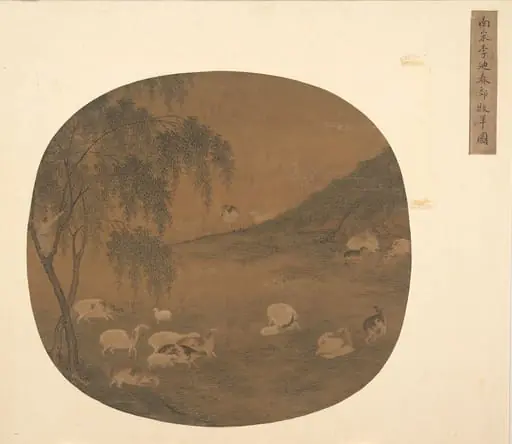 元末明初 佚名牧羊圖團扇頁 絹本設色|Sheep and herd boy
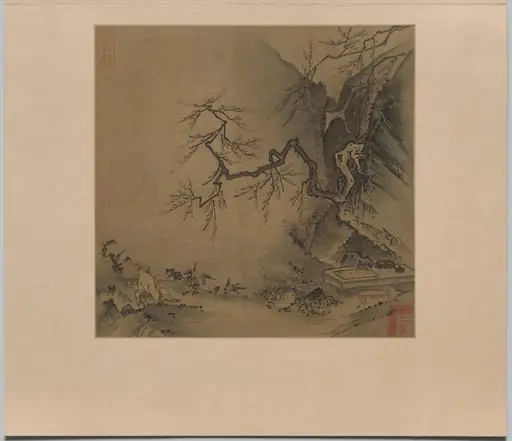 Drinking in the Moonlight
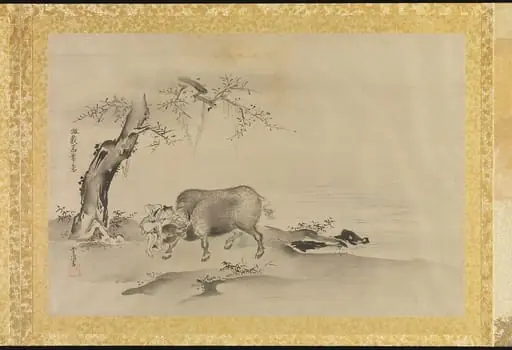 Untitled
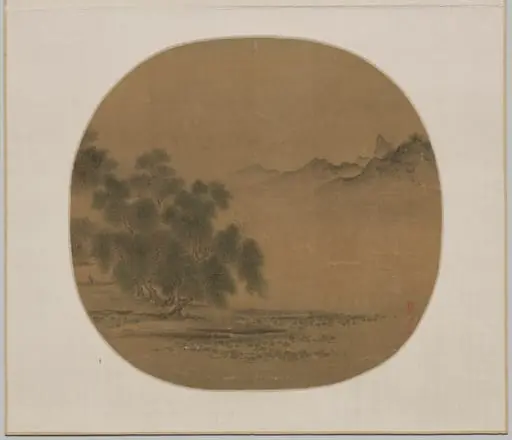 Willows
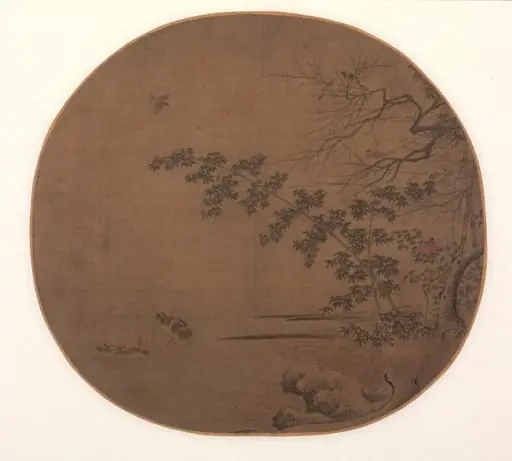 Birds on an Autumn Inlet
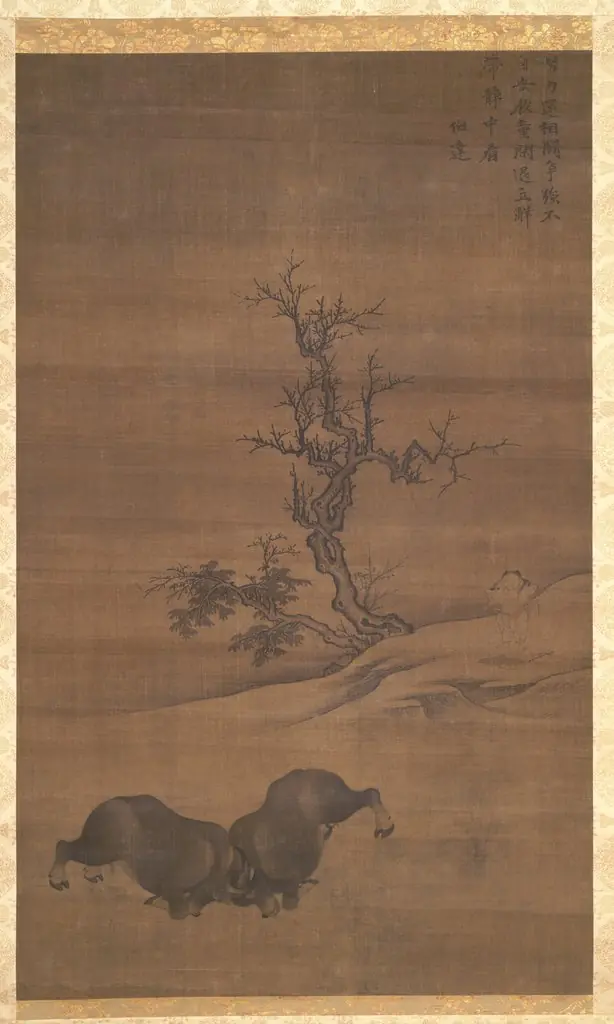 Herdboys and Buffalo in Landscapes
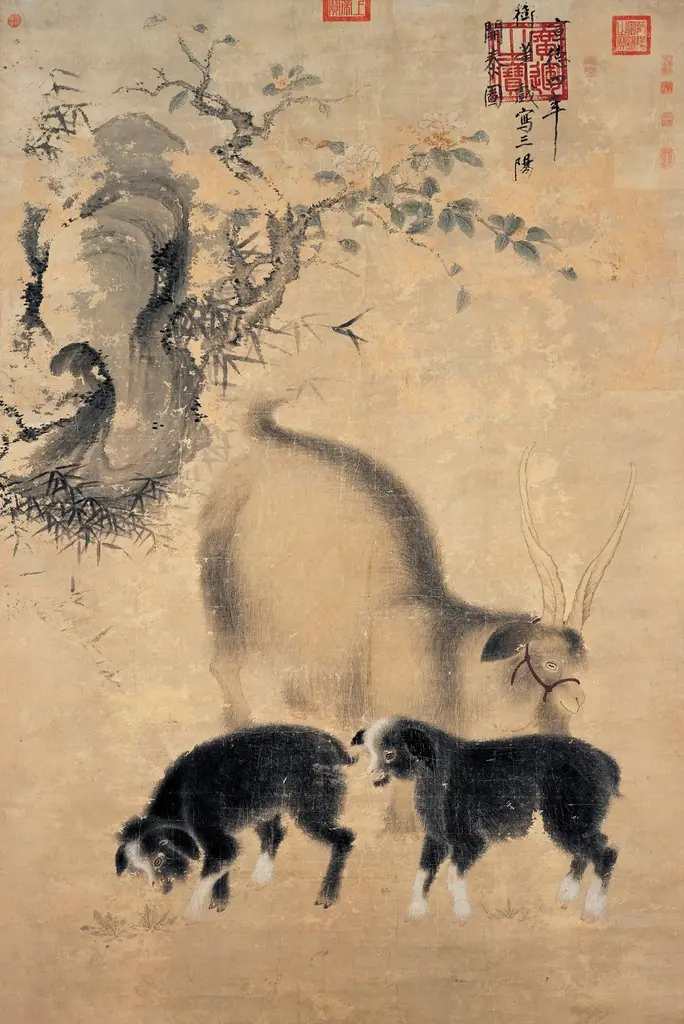 Three Goats, Symbol of Prosperity
 Album of Seasonal Landscapes, Leaf B (previous leaf 1)
 紈扇畫冊 冊 無款柳塘呼犢
 Album of Landscape Paintings Illustrating Old Poems: Boy Tending a Water Buffalo