Artwork
Lamentation
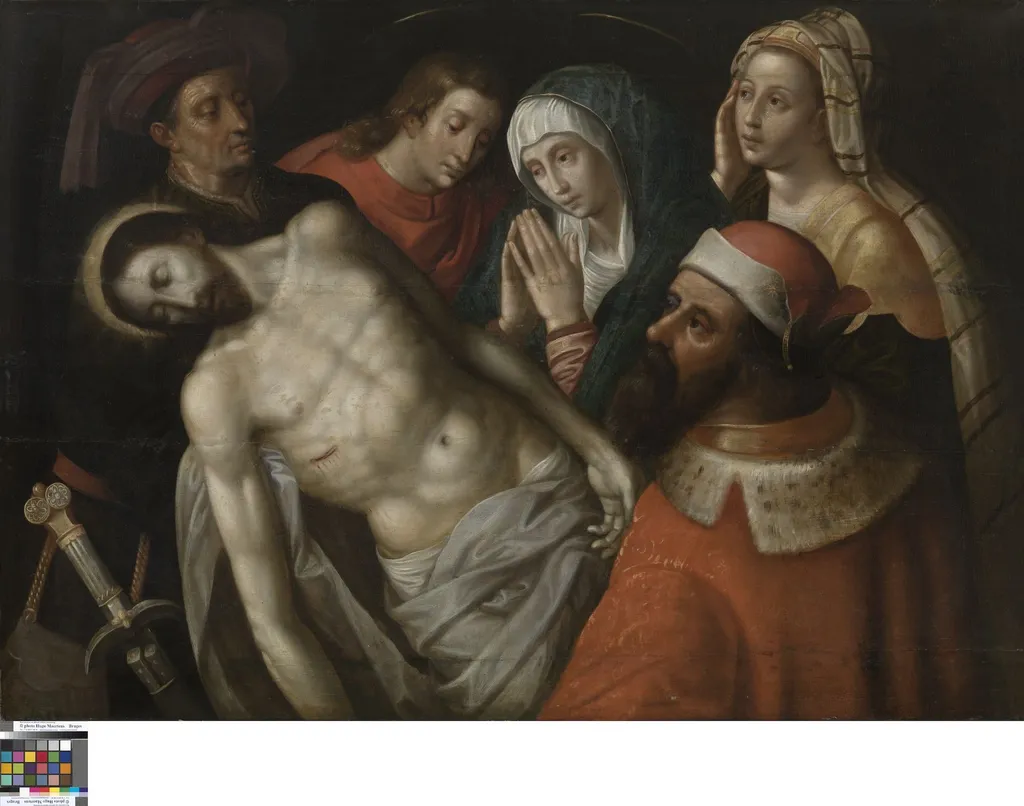
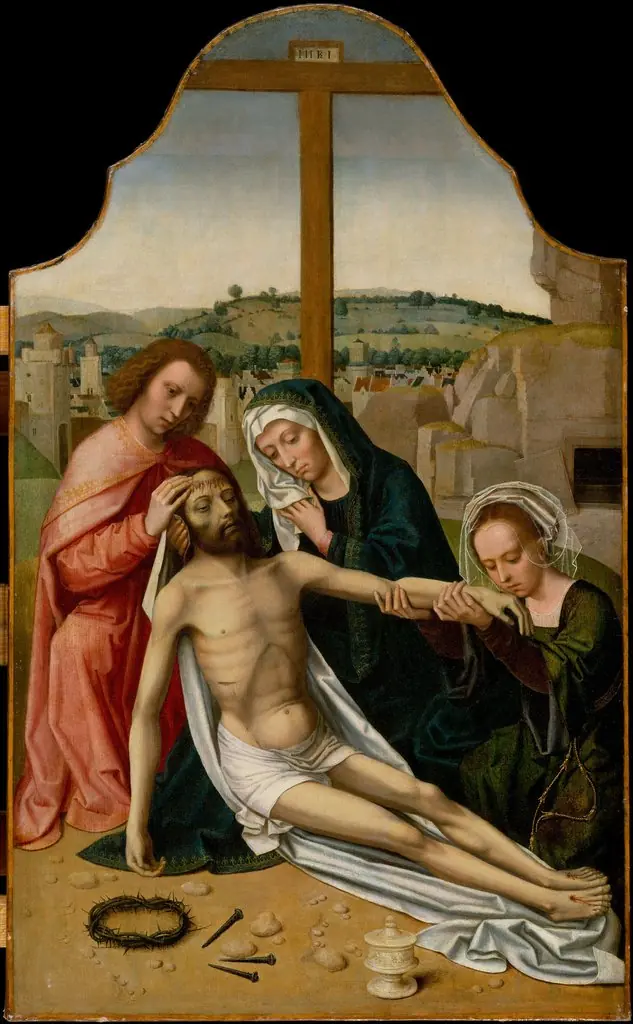
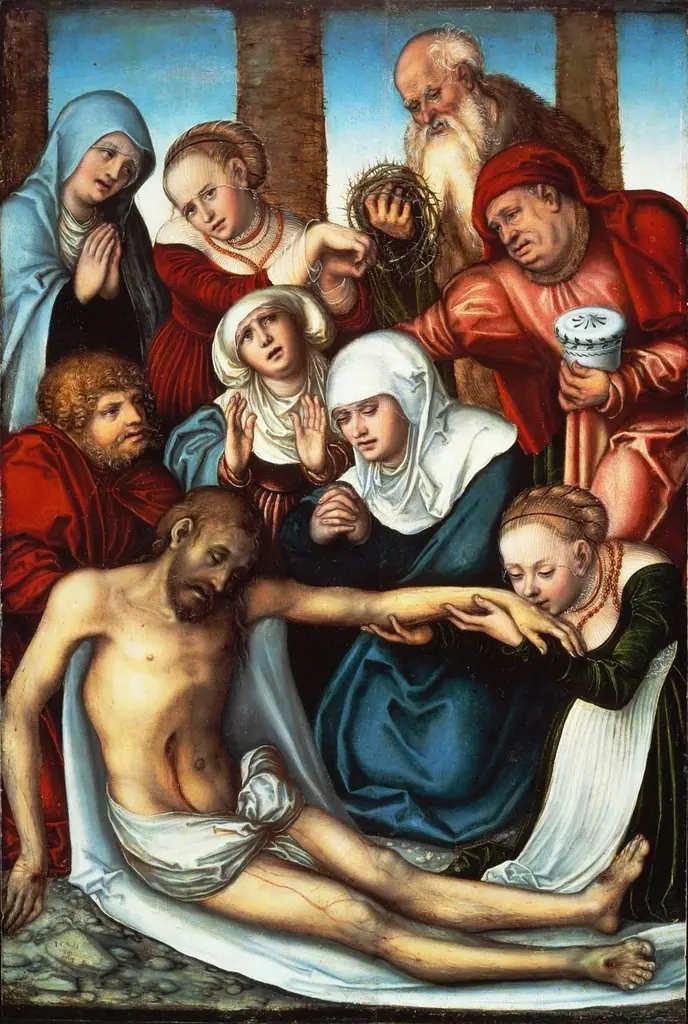
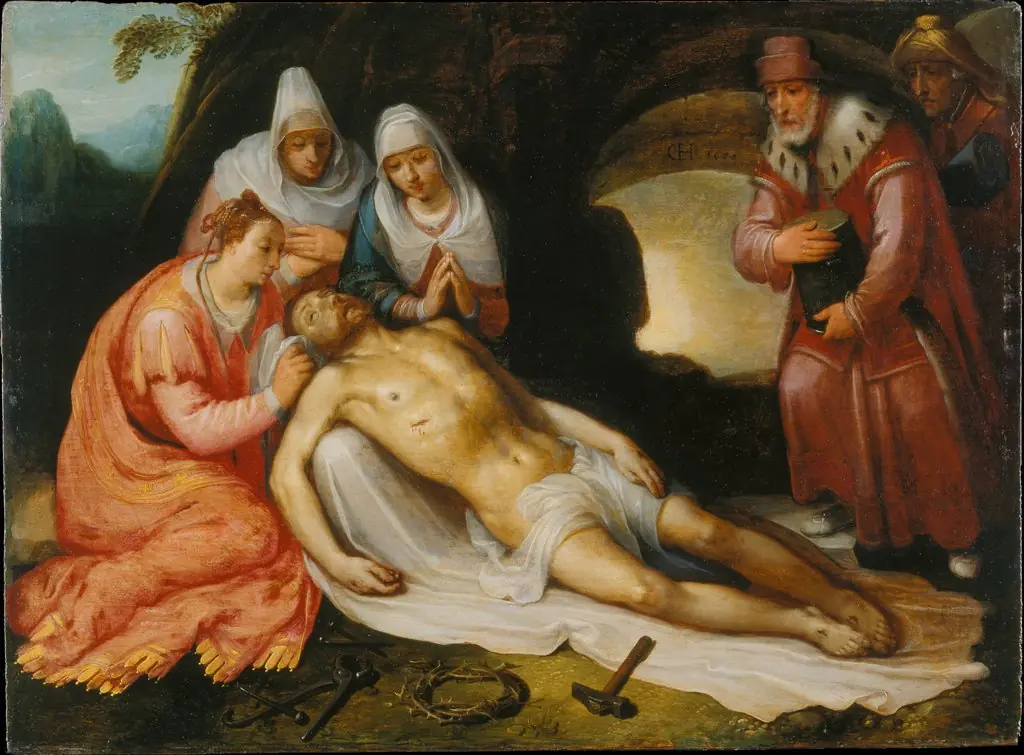
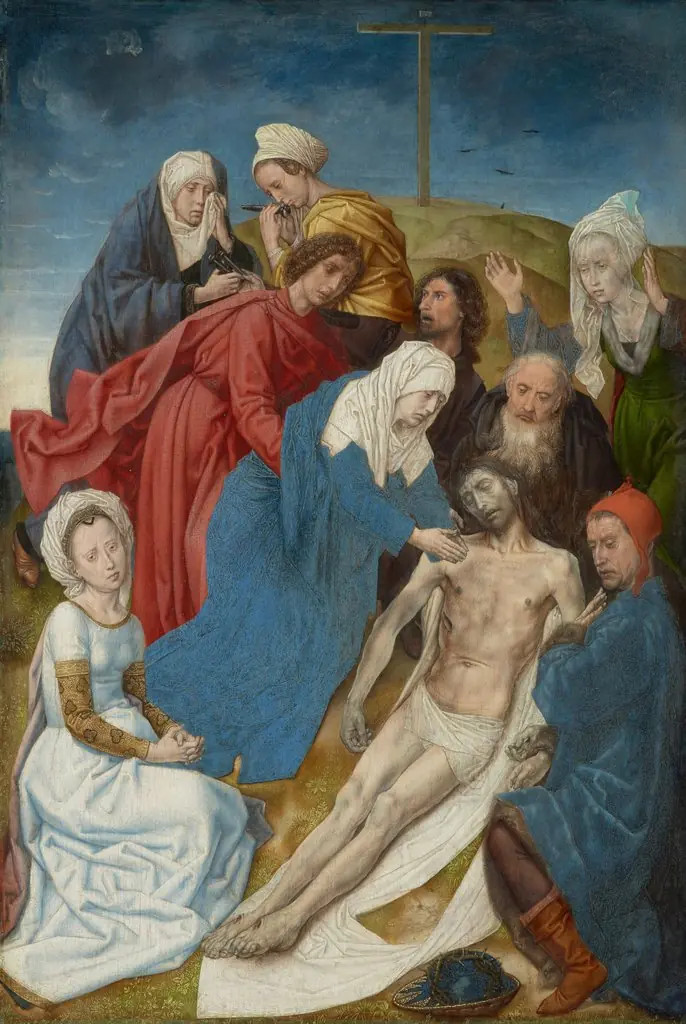
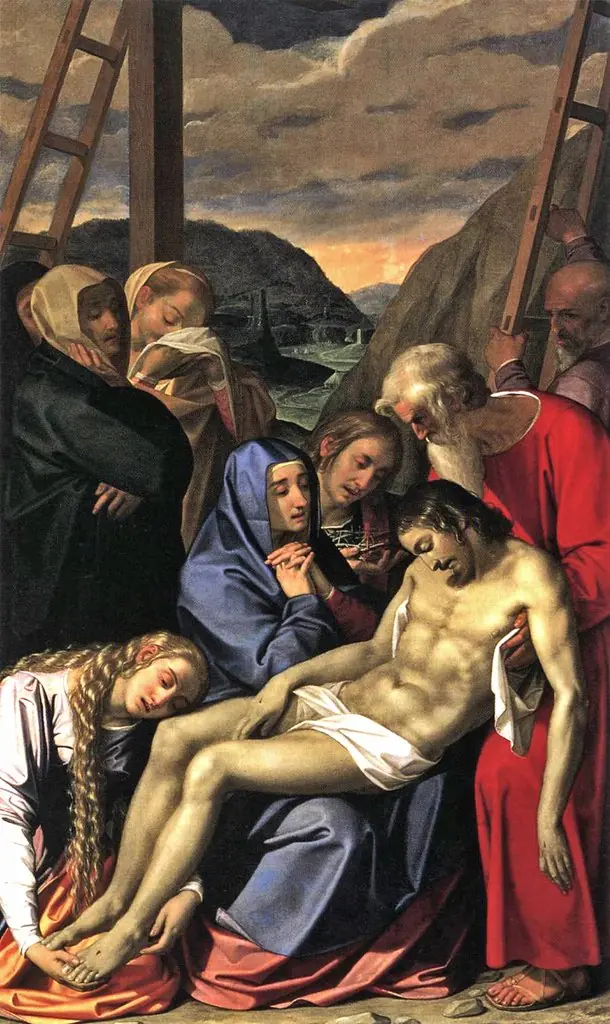
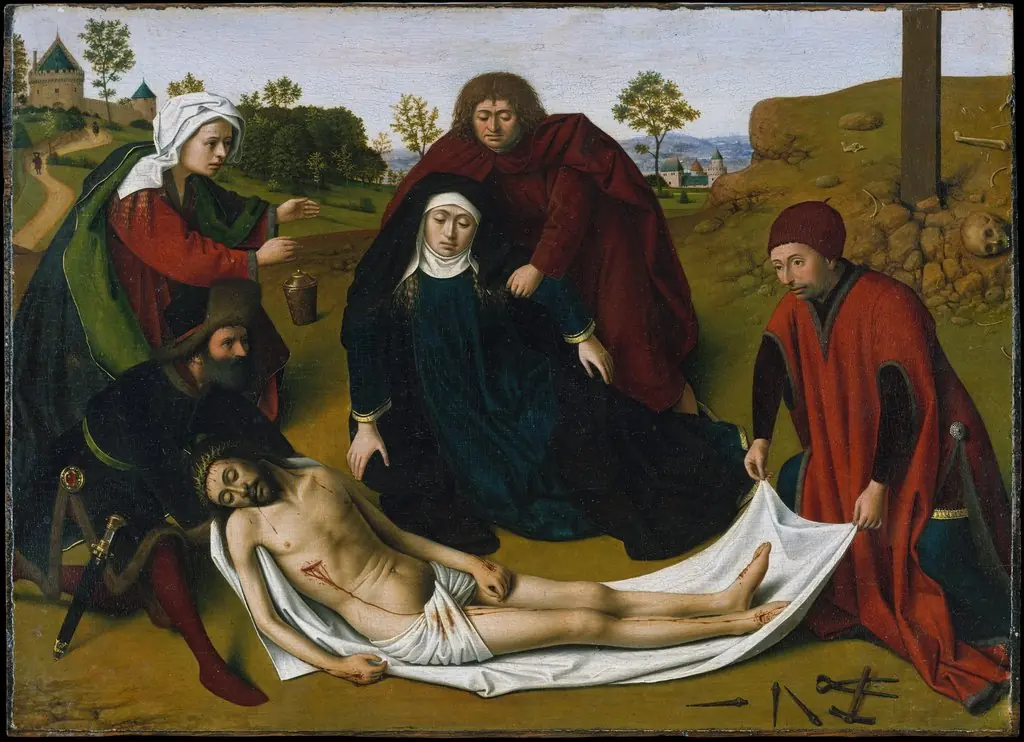
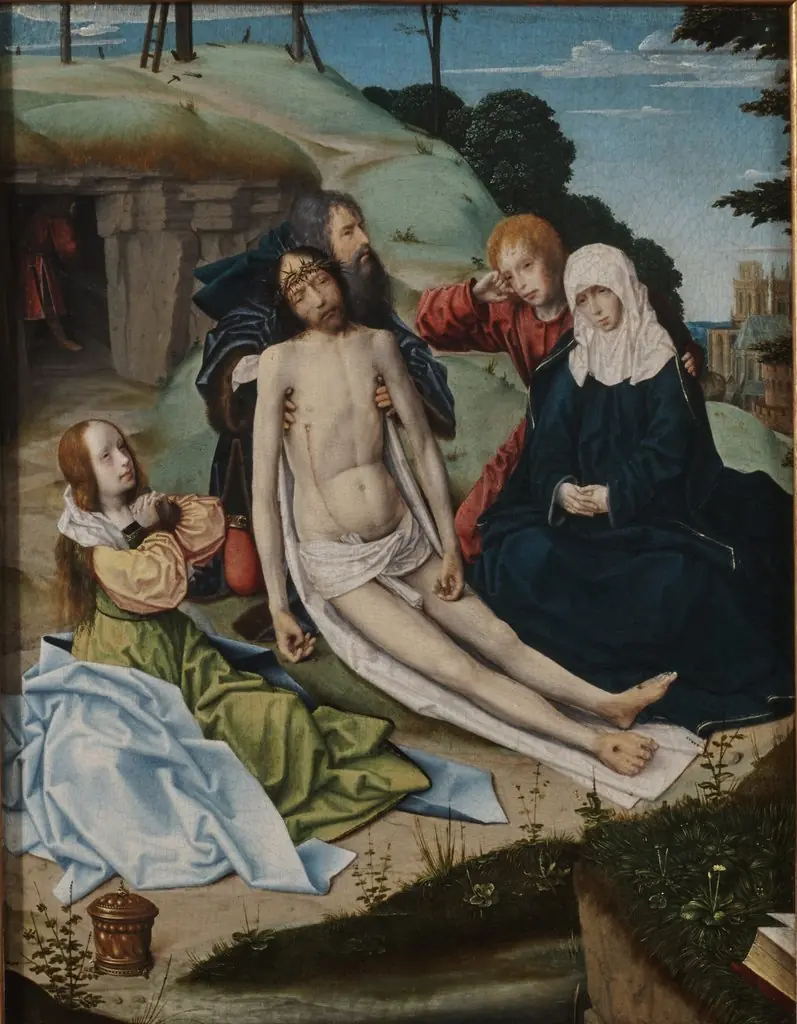
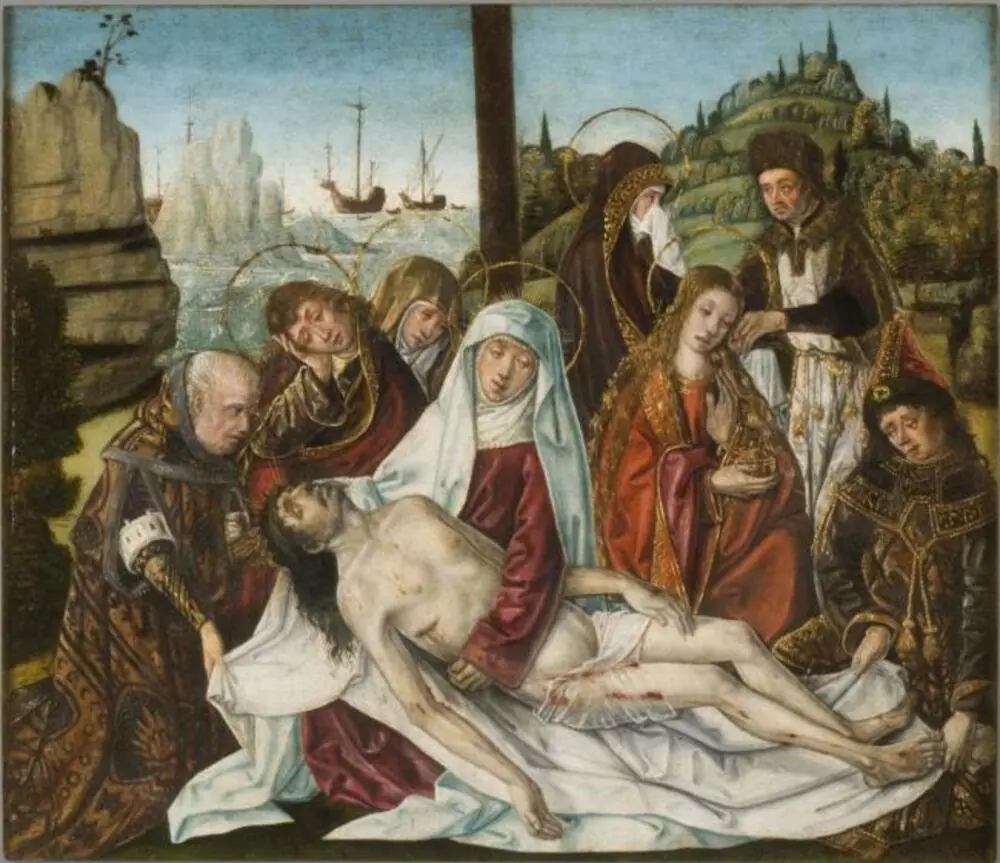
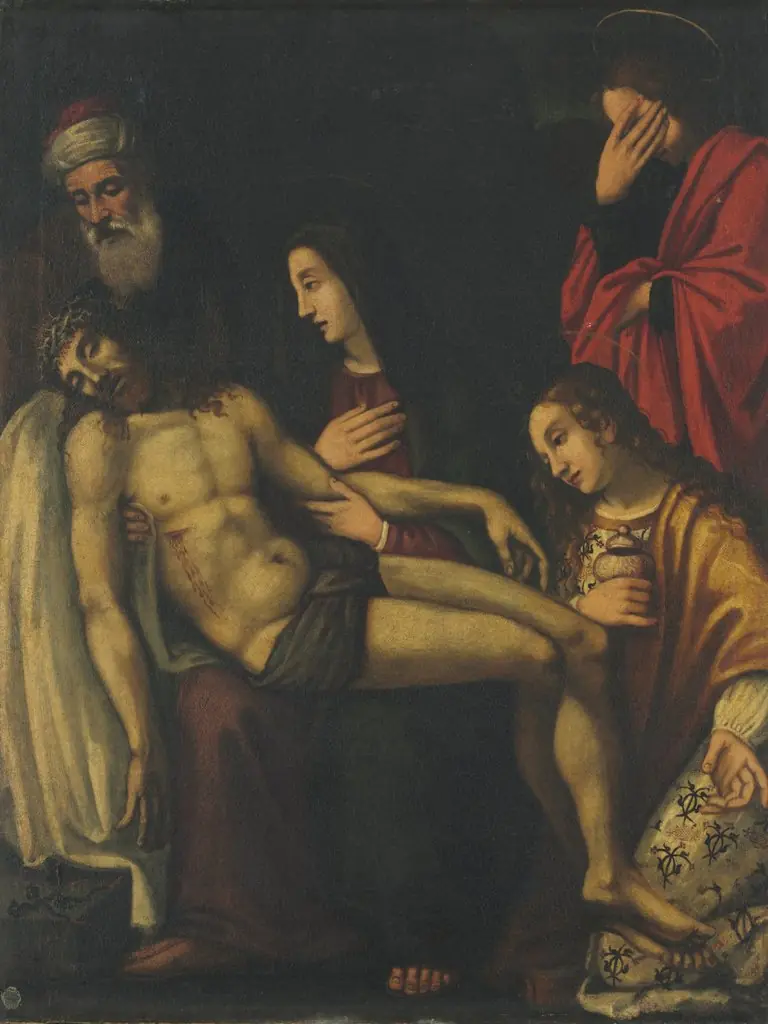
Lamentation is an unspecified painting by the High Renaissance artist Unknown. It dates from 1501 and is held in the collection of the Groeningemuseum. This painting captures a moment of quiet grief surrounding a lifeless figure, widely understood to be Christ after his crucifixion.
About this work
Overview
The dark background intensifies the emotional weight, while the use of light and shadow draws attention to the central form and the faces of the mourners.
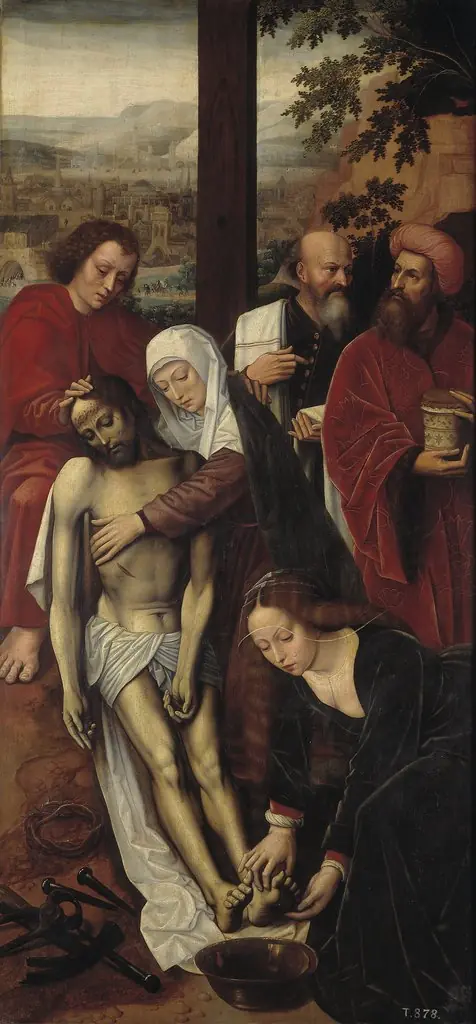
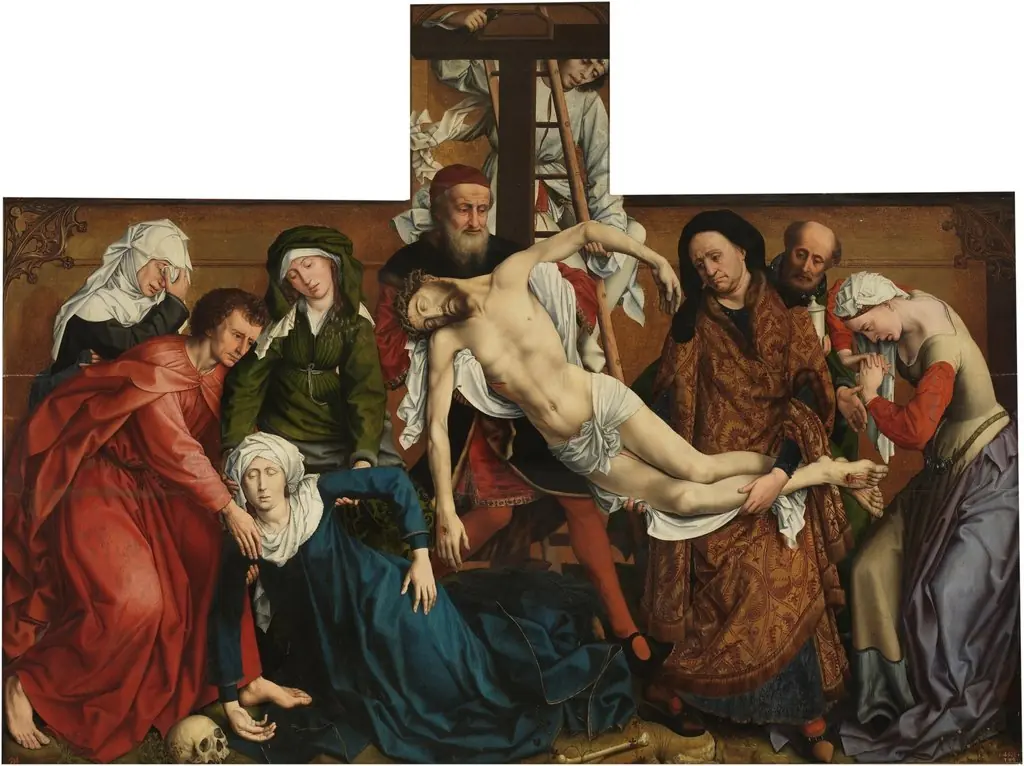
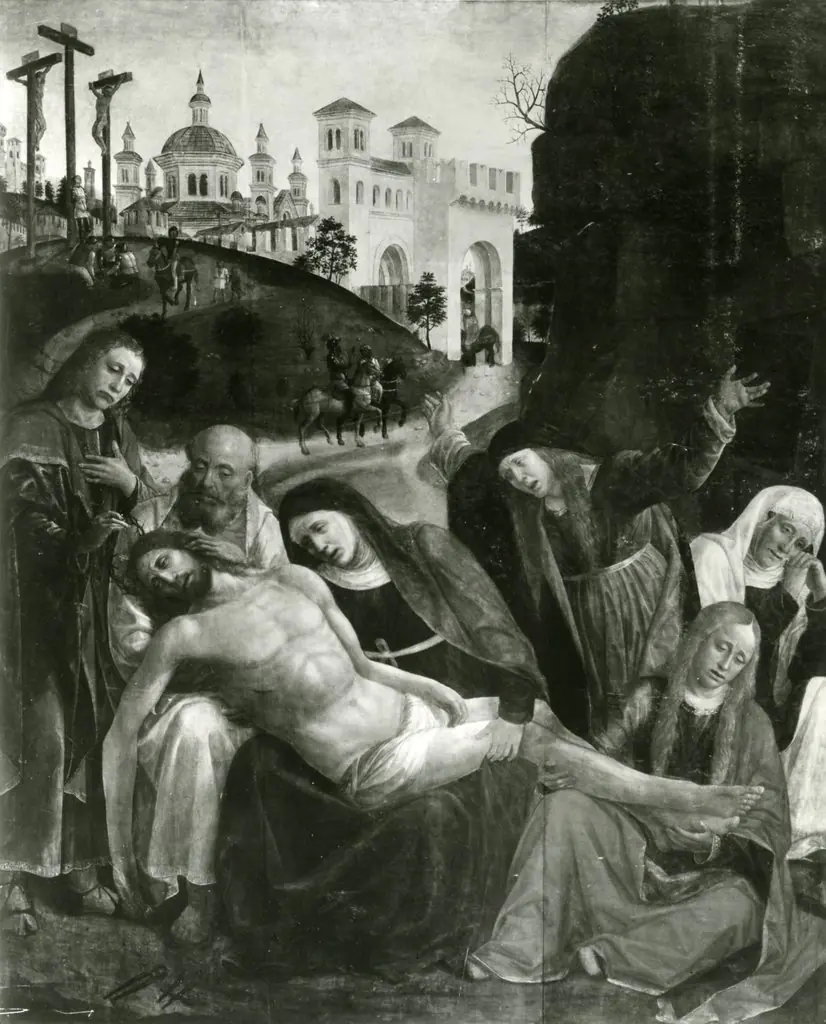
This painting captures a moment of quiet grief surrounding a lifeless figure, widely understood to be Christ after his crucifixion. Rendered in a dim, enveloping space, the composition emphasizes stillness and sorrow. The figures gather closely around the body, their postures conveying varied expressions of loss. The dark background intensifies the emotional weight, while the use of light and shadow draws attention to the central form and the faces of the mourners.
Subject & Meaning
The scene illustrates the Lamentation, a traditional Christian theme depicting the mourning of Christ’s followers after his removal from the cross. The central figure, wrapped in white linen, lies motionless, his head tilted in resignation. Surrounding him are figures identified as the Virgin Mary, John the Evangelist, and other disciples, each expressing grief through gesture and gaze. The absence of overt violence underscores the contemplative nature of the moment, focusing on human sorrow rather than divine triumph.
Technique & Style
The artist employs chiaroscuro to model the figures with subtle gradations of light and shadow, lending volume and emotional gravity to the forms. The clothing of the mourners is rendered with attention to fabric texture and color, contrasting against the deep, neutral background. Brushwork is precise yet restrained, avoiding theatricality. The composition is tightly grouped, directing the viewer’s eye to the central body and the quiet interactions among the mourners.
History & Provenance
The painting resides in the Groeningemuseum in Bruges, a repository for Early Netherlandish art. It entered the museum’s collection as part of a broader effort to preserve regional religious works from the late medieval and early Renaissance periods. Its attribution and exact date remain subjects of scholarly discussion, though stylistic elements align with Flemish workshops active in the 15th or early 16th century.
Context
Created during a period when devotional imagery played a central role in private and communal worship, this work reflects the growing emphasis on emotional engagement with sacred narratives. Flemish artists of the time often depicted biblical scenes with heightened realism and psychological depth, catering to a lay audience seeking personal connection with religious stories. The Lamentation was a common subject in altarpieces and panel paintings intended for meditation.
Legacy
Though not widely known outside regional collections, the painting exemplifies the quiet intensity characteristic of Flemish devotional art. Its restrained emotion and careful lighting influenced later generations of Northern painters who sought to convey spiritual gravity through understated realism. It remains a representative example of how religious themes were rendered with human intimacy in the centuries before the Reformation.
Artist & collection

 Domestic Scene
 Giacomo and Cardinal Marco, investing Andrea, Abbot of San Zeno, with his Benefice
 The Nymph of Fontainebleau
 Portrait of a Woman
 Madonna and Child with Saints in the Enclosed Garden
 Venus and Minerva
 Family Group of Four on Sofa
 Wall painting from Room H of the Villa of P. Fannius Synistor at Boscoreale