Artwork
The Lamentation
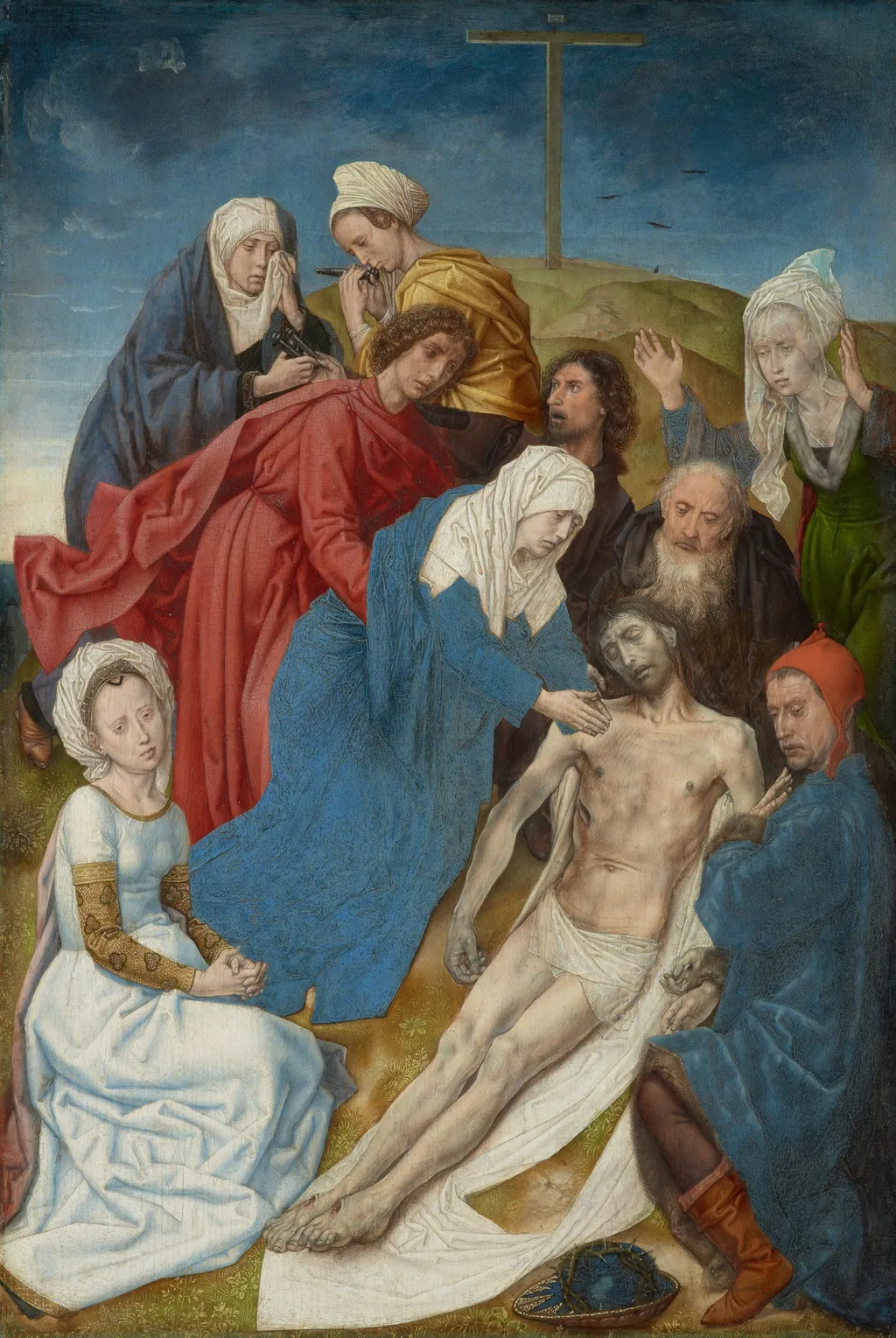
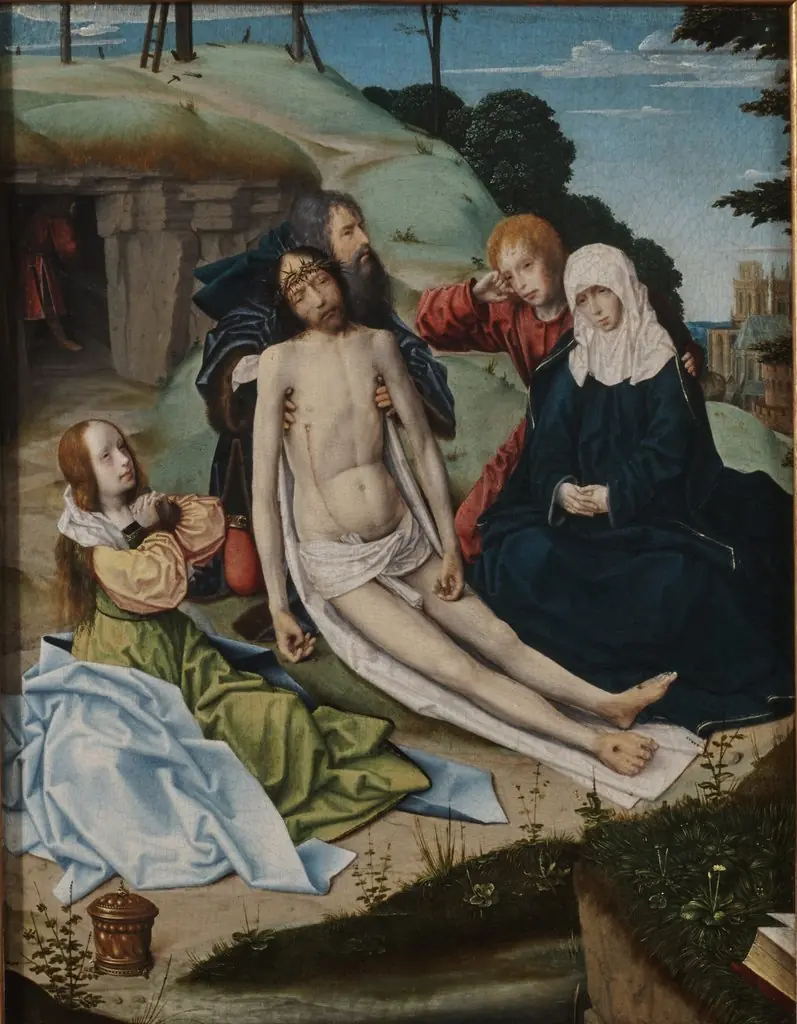
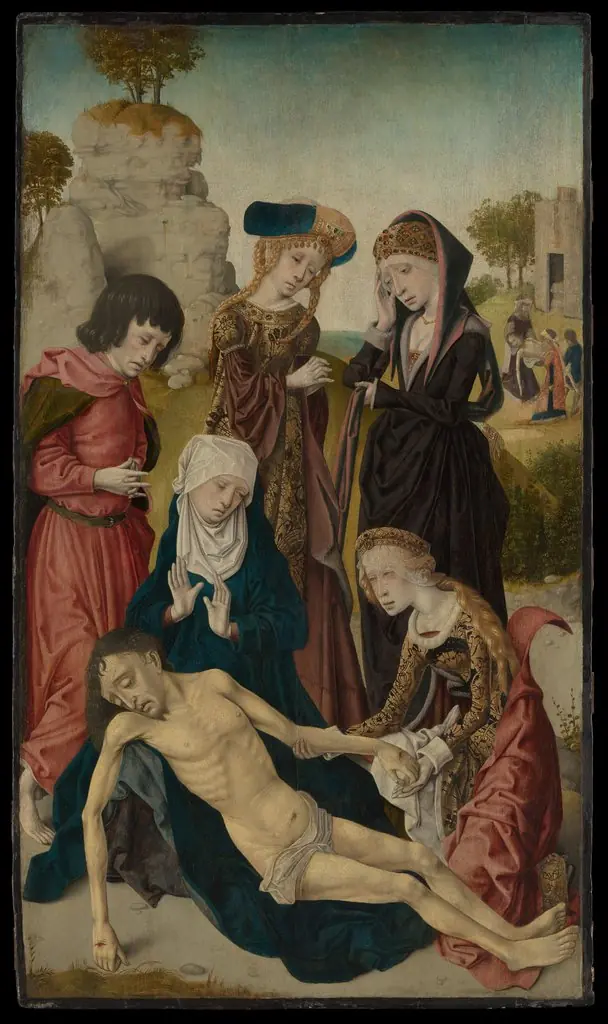
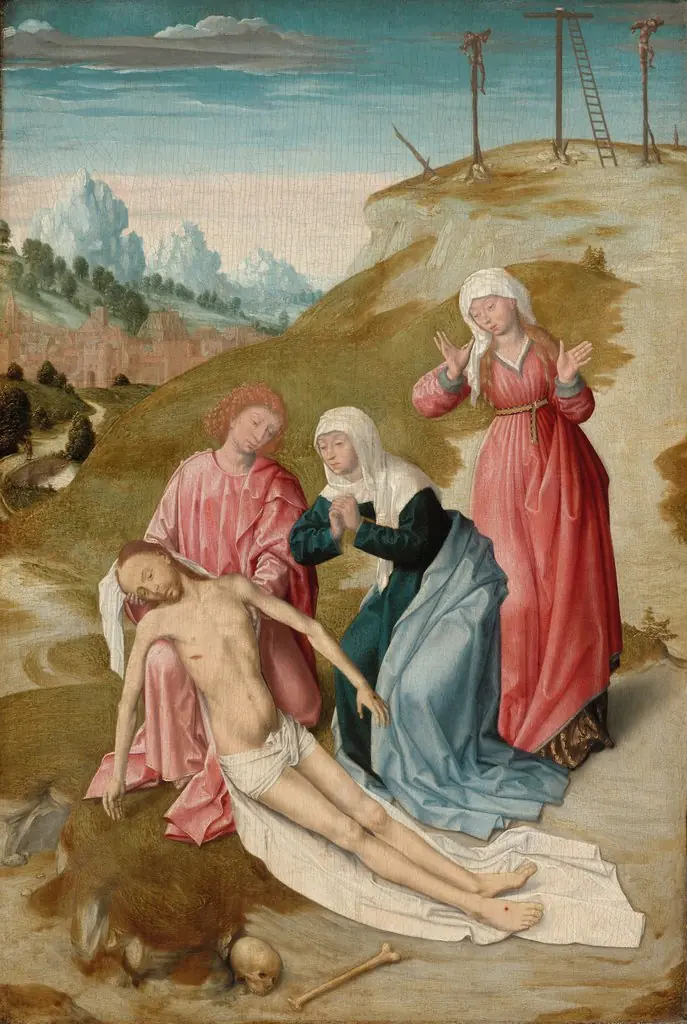
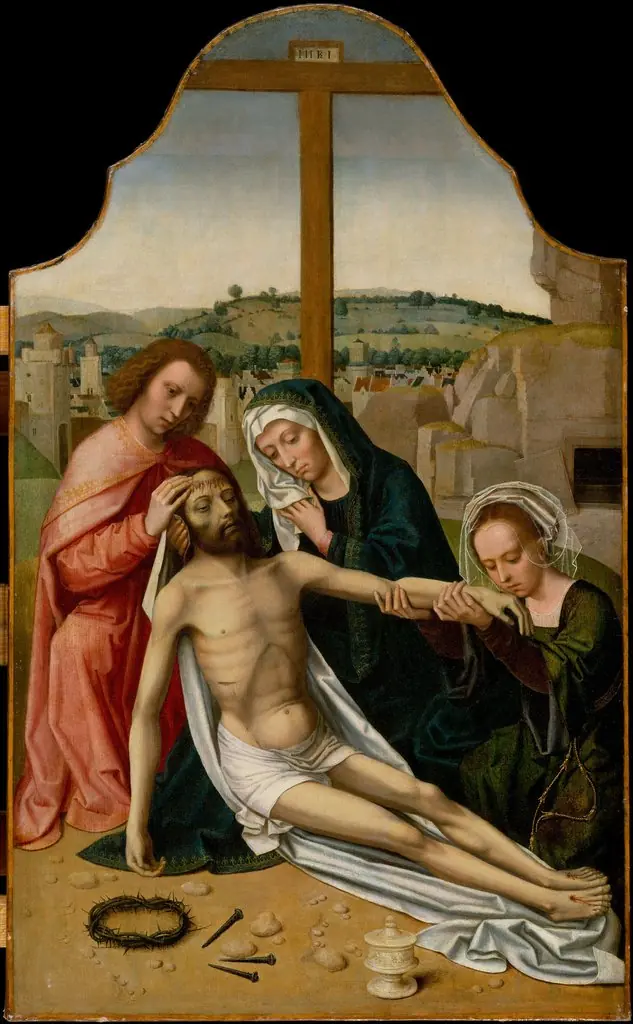
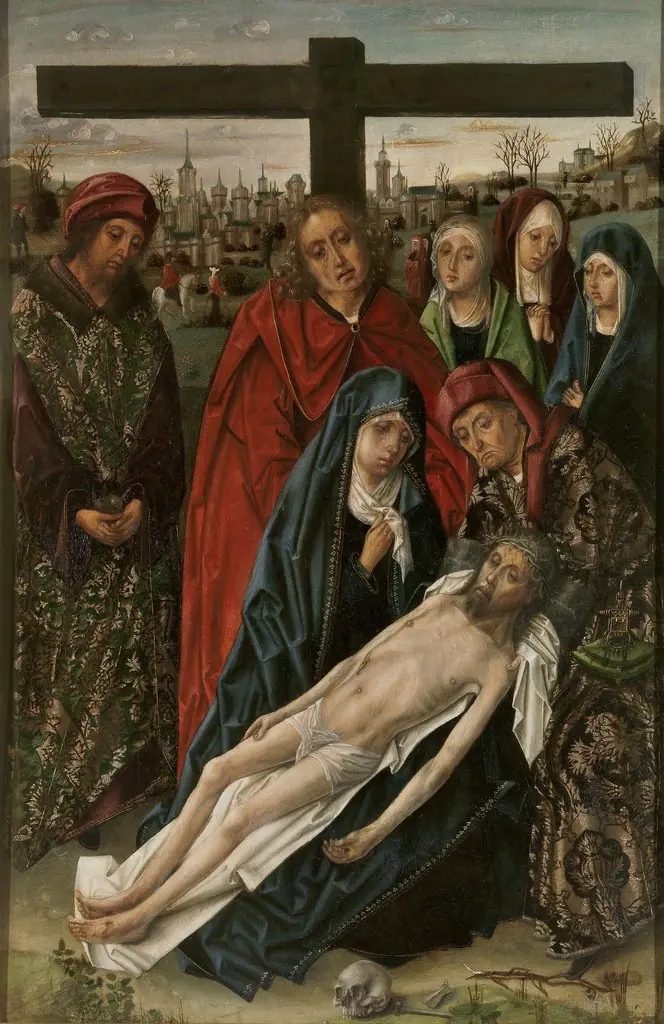
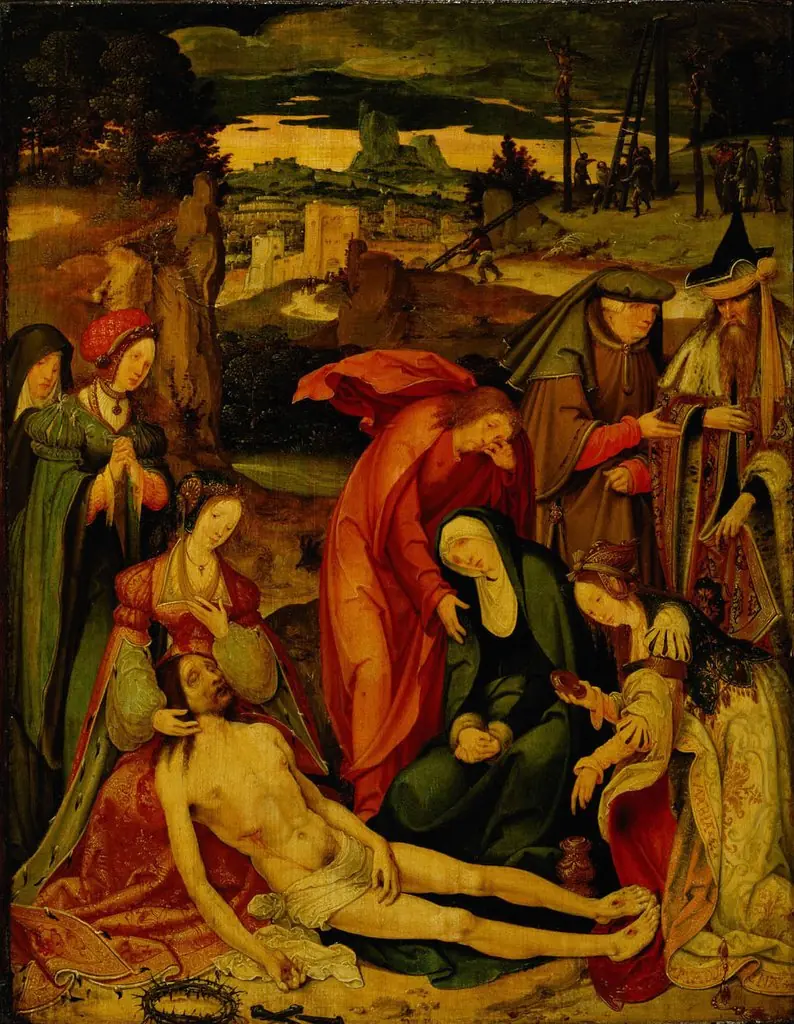
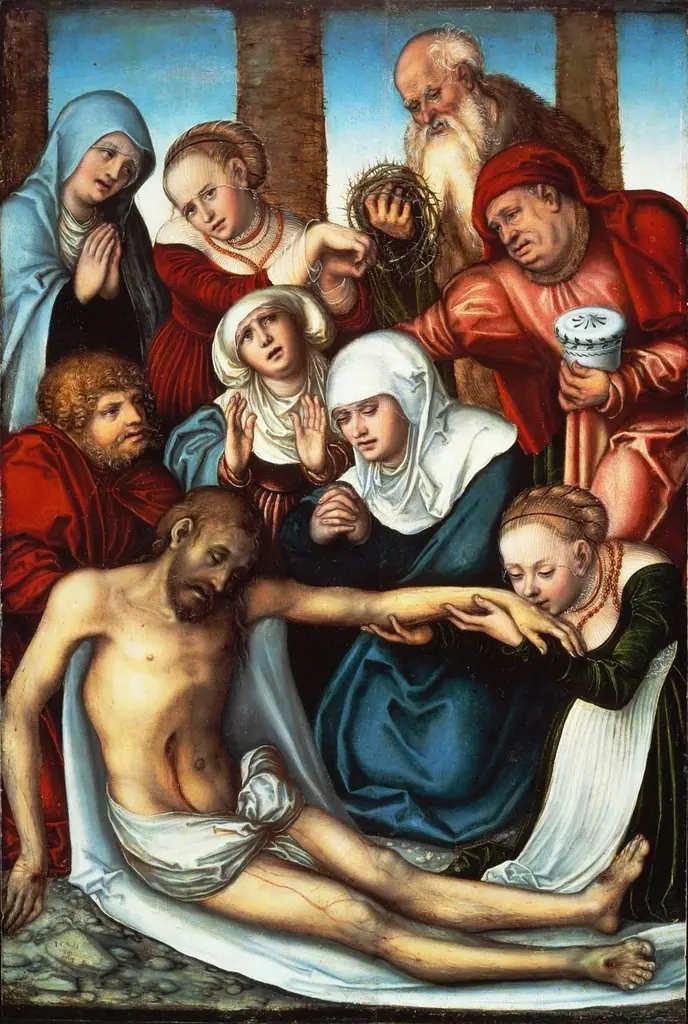
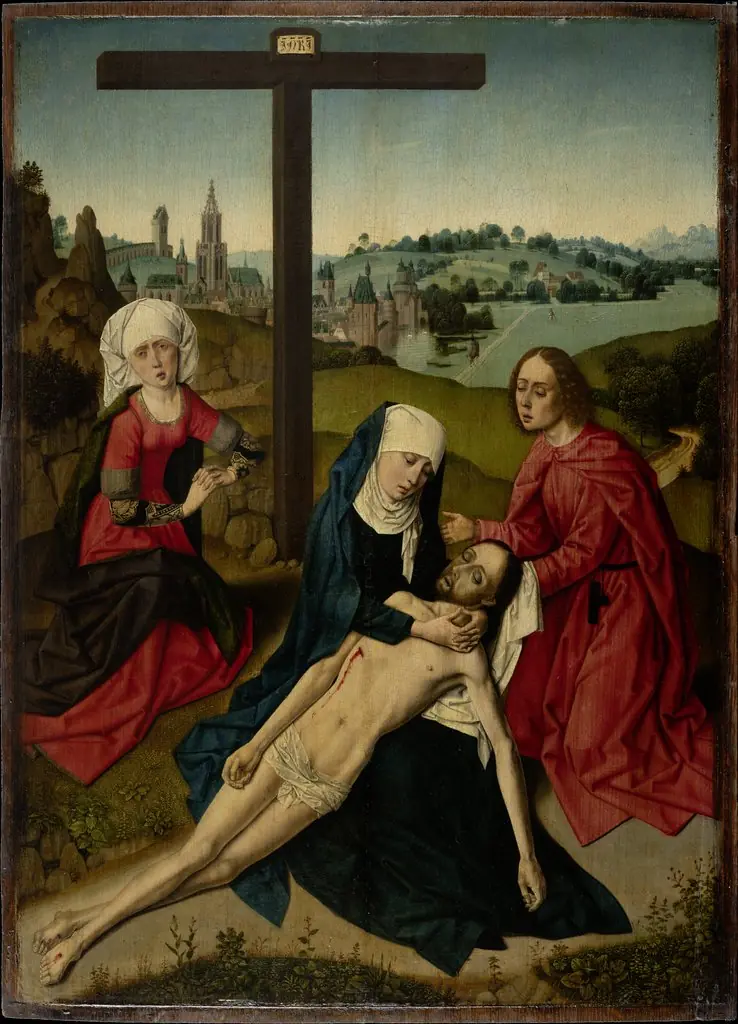
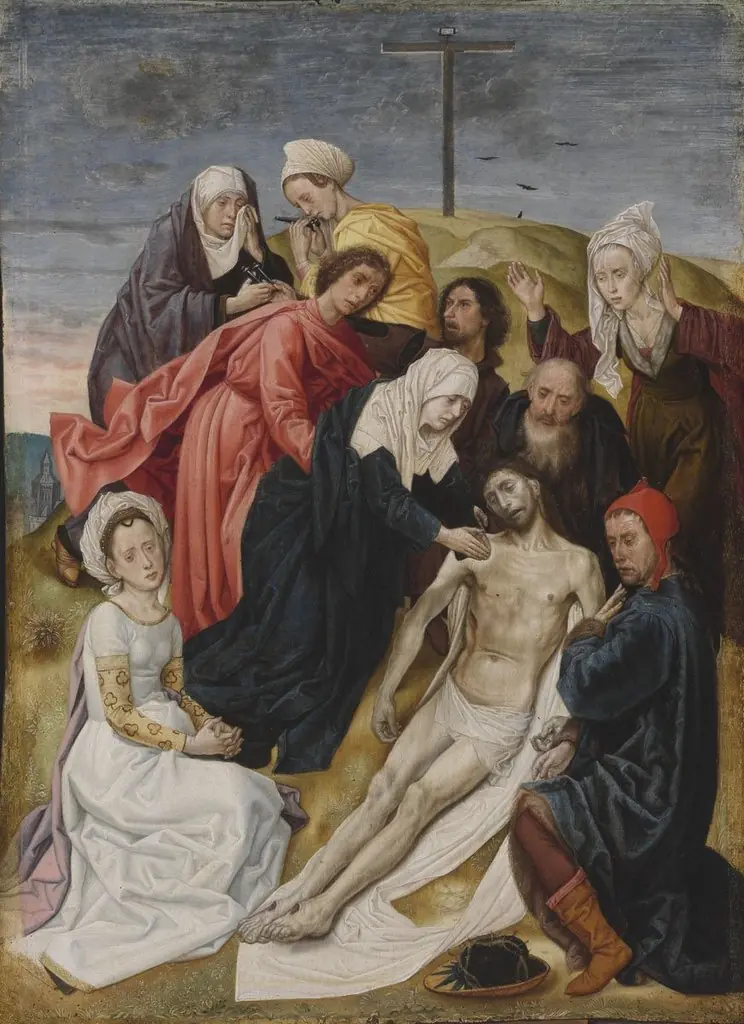
The Lamentation is an oil painting by the Northern Renaissance artist Hugo Van der Goes. It is held in the collection of the Kunsthistorisches Museum.
About this work
Overview
The Lamentation, an oil painting from 1488, is a work of the Northern Renaissance created by Hugo van der Goes. It portrays a solemn moment following the crucifixion of Jesus Christ, characterized by its use of chiaroscuro and vibrant, symbolic color palette.
Subject & Meaning
The painting depicts the mournful scene of Jesus Christ's lifeless body surrounded by a group of robed figures, conveying a sense of sorrow and reverence. The composition focuses on the emotional intensity of the lamentation.
Technique & Style
Van der Goes employs chiaroscuro to create deep contrasts between light and dark, enhancing the emotional depth of the scene and drawing attention to the central figure. The work showcases his distinctive color use within the Northern Renaissance tradition.
History & Provenance
Created in 1488 by Hugo van der Goes, a Flemish painter noted for his monumental and emotionally charged works, The Lamentation is now part of the Kunsthistorisches Museum's collection.
Context
As a religious painting of its time, The Lamentation reflects the Northern Renaissance's emphasis on detailed, emotionally engaging religious scenes, often designed to evoke profound spiritual response in viewers.
Own this work as a print
Artist & collection
Artist
Hugo van der Goes (c. 1430/1440 – 1482) was a Flemish painter who was one of the most significant and original Early Netherlandish painters of the late 15th century. Van der Goes was an important painter of altarpieces…

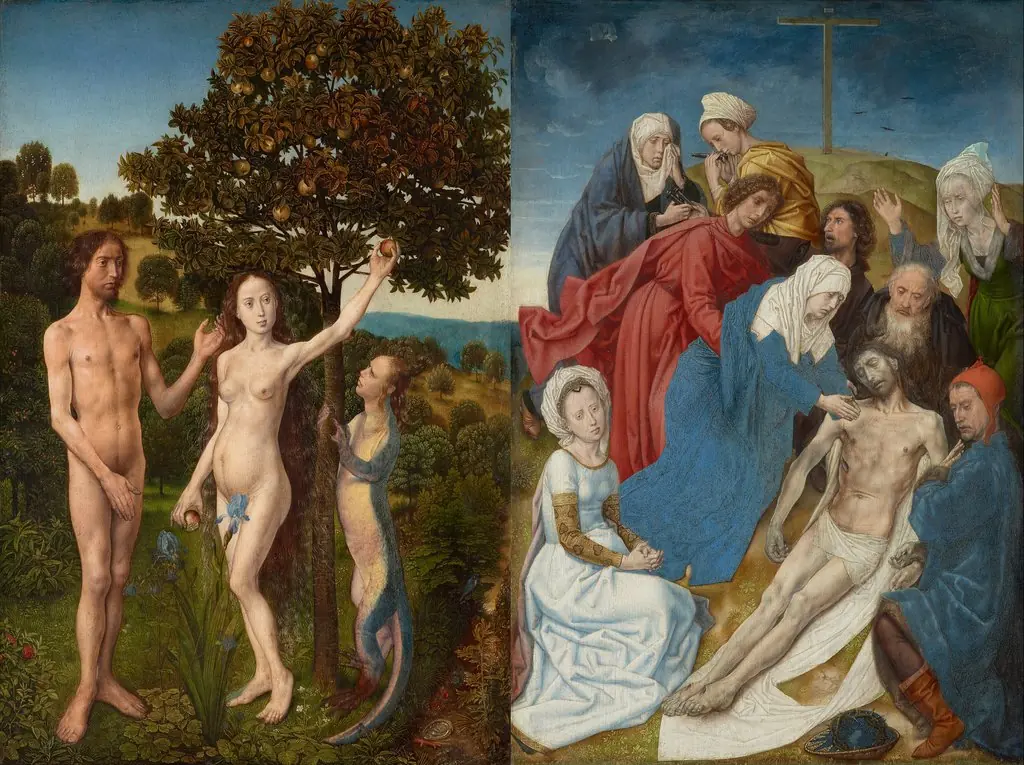 Vienna Diptych
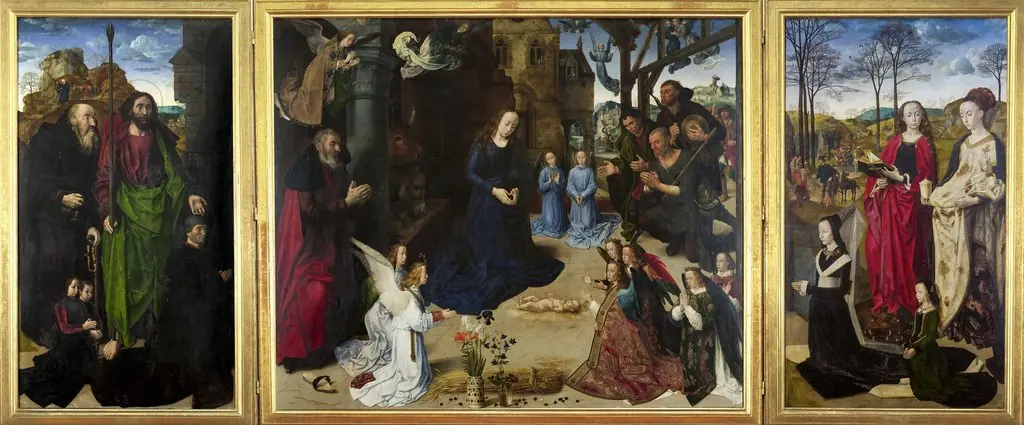 Portinari Triptych
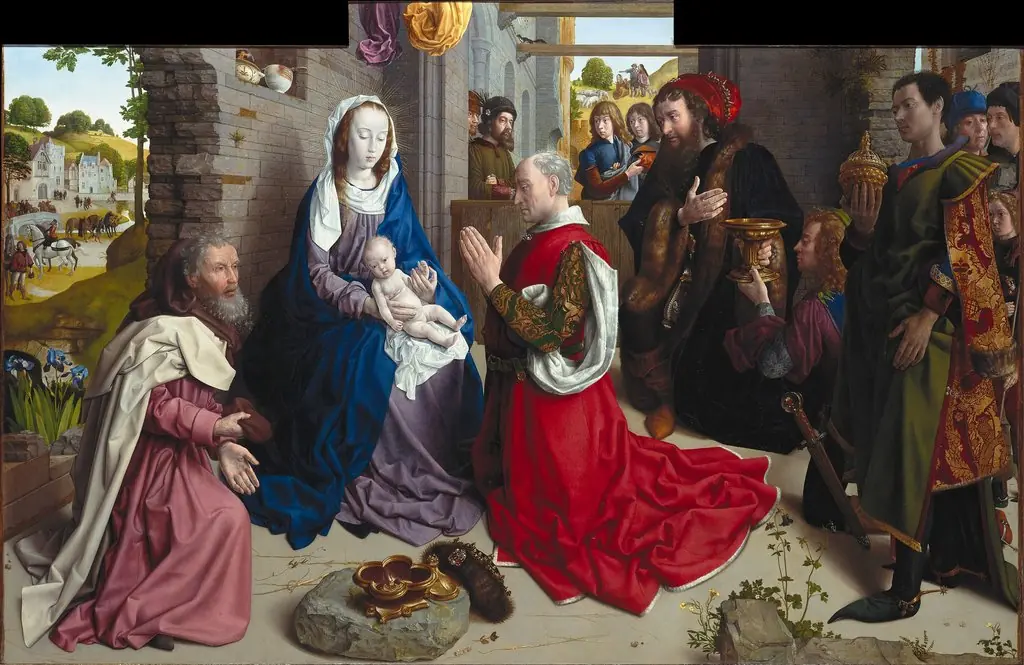 Monforte Altarpiece
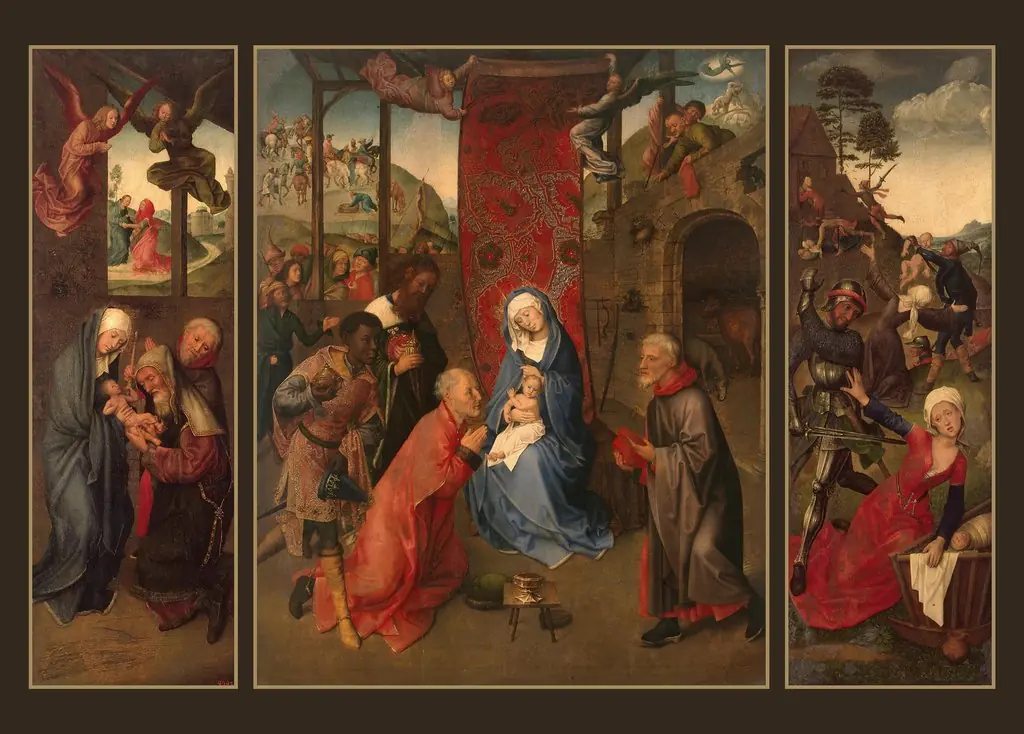 Adoration of the Magi (Triptych)
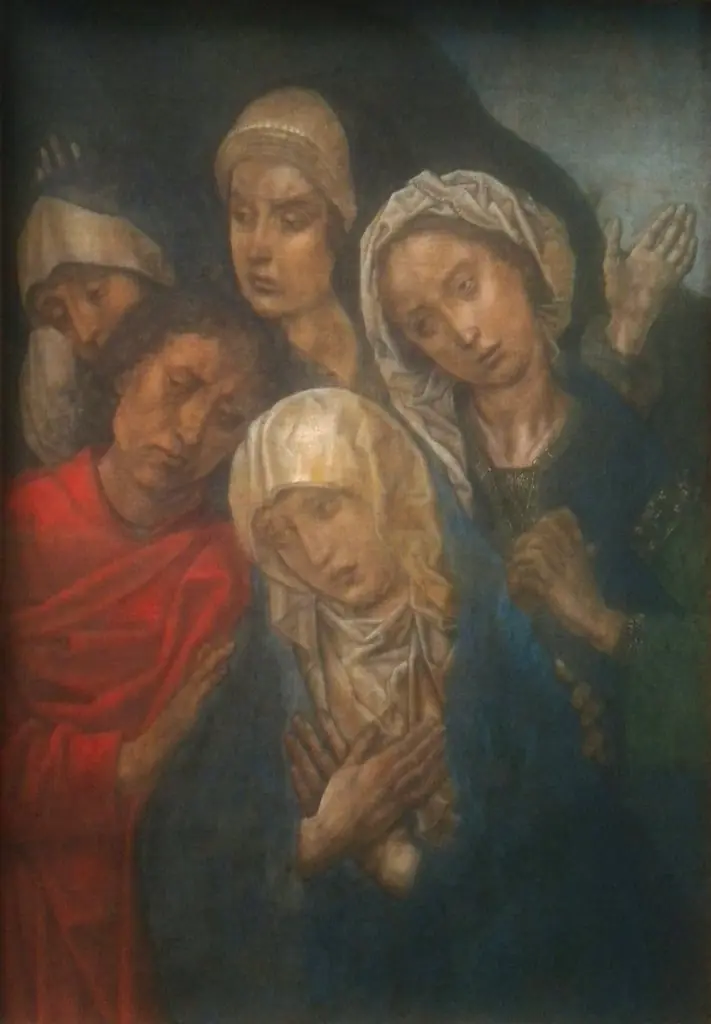 The Mourning of Christ
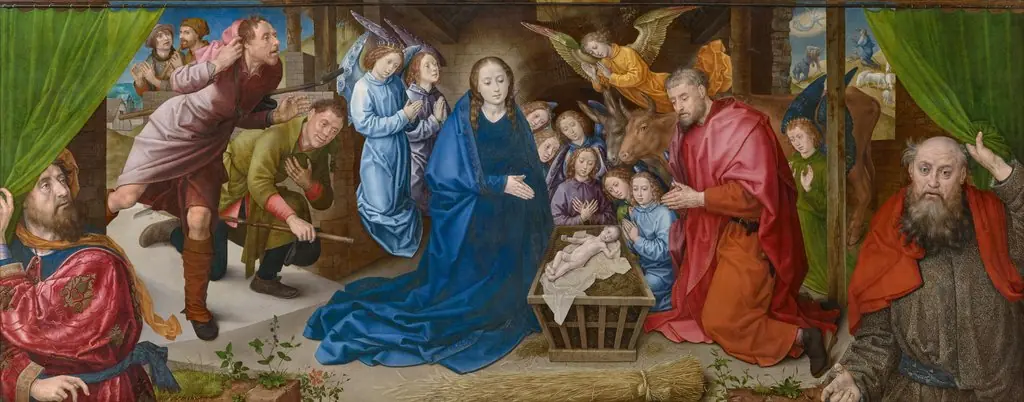 Adoration of the Shepherds
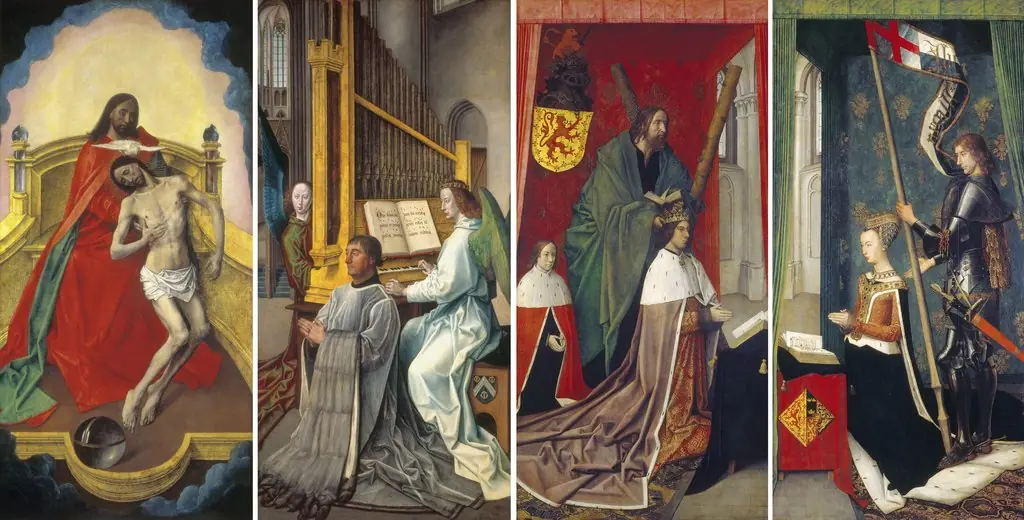 Trinity Altarpiece
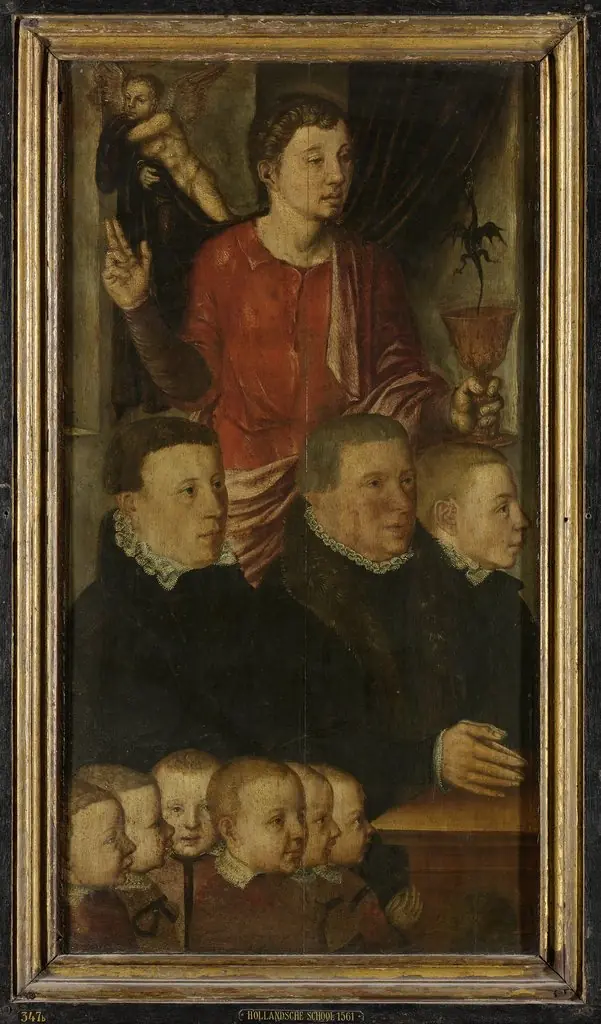 Left wing of a Memorial Triptych, formerly called the Gertz Memorial Triptych, with nine male Donor Portraits with Saint John the Evangelist (inner), and Saint Peter (outer)