Artwork
The Imperial Lying-In
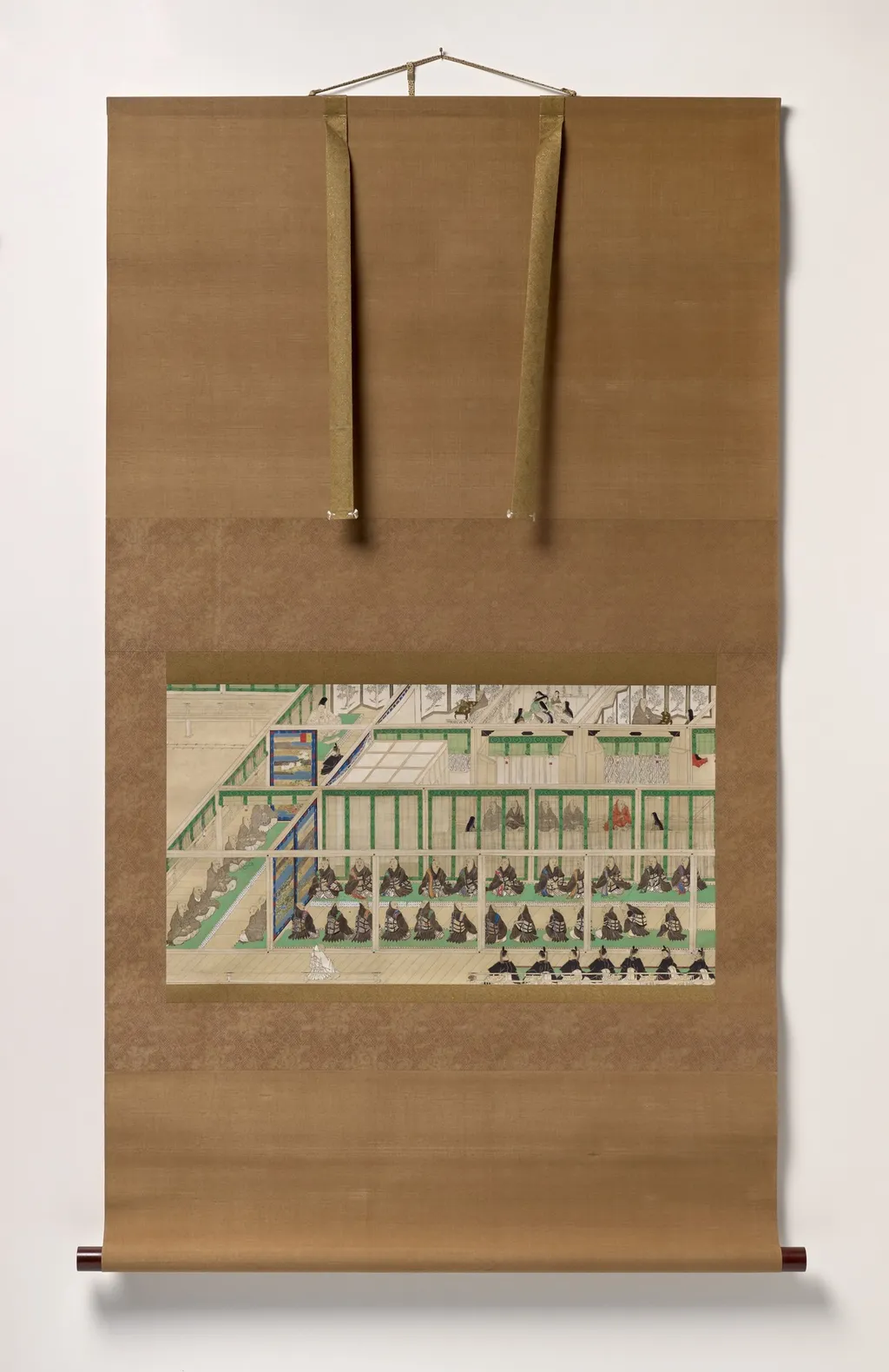
The Imperial Lying-In is an unspecified painting by the Biedermeier artist Unknown. It dates from 1804 and is held in the collection of the Museum of Fine Arts, Houston.
About this work
Overview
The composition centers on a detailed group scene rendered in muted yet vivid pigments, set against a plain background to emphasize the figures.
This vertical scroll painting, housed at the Museum of Fine Arts, Houston, features a central painted panel surrounded by a narrow fabric border suspended from two fine cords. The format follows traditional East Asian hanging-scroll conventions, designed for display during special occasions and careful storage. The composition centers on a detailed group scene rendered in muted yet vivid pigments, set against a plain background to emphasize the figures.
Subject & Meaning
The scene portrays a gathering of individuals in traditional attire, seated in orderly rows with others standing behind, likely engaged in a ceremonial or ritual activity. The arrangement suggests a formal occasion, possibly related to imperial or aristocratic customs surrounding childbirth or lineage. The absence of overt narrative markers leaves the exact event open to interpretation, but the solemn posture and structured composition imply ritual significance.
Technique & Style
The painting employs fine brushwork and layered mineral pigments to render clothing, facial expressions, and spatial depth. Figures are arranged in tiers, with careful attention to hierarchical positioning. Backgrounds are left unadorned, focusing attention on the figures and their interactions. The palette is restrained, favoring earth tones with selective use of red, blue, and gold to highlight key elements without overwhelming the composition.
History & Provenance
The scroll’s origin is not fully documented, but its format, materials, and stylistic details align with late imperial Chinese or Korean court art from the 17th to 19th centuries. It entered the Museum of Fine Arts, Houston’s collection through documented acquisition, though its earlier ownership history remains unclear. Conservation records note the fabric suspension system is original, preserving its display function.
Context
This work reflects a tradition of courtly visual documentation, where significant life events—especially those tied to succession or royalty—were recorded in painted scrolls. Similar works were displayed temporarily during ceremonies and stored in protective cases. The emphasis on group composition and attire, rather than individual portraiture, aligns with collective rather than personal commemoration in imperial visual culture.
Legacy
As a preserved example of ceremonial scroll painting, it contributes to understanding how elite institutions visually encoded social order and ritual practice. Its survival offers insight into the material culture of courtly life, particularly the role of art in reinforcing hierarchy and tradition. It remains a quiet but valuable reference for scholars studying non-Western modes of historical documentation.
Artist & collection

 Domestic Scene
 Giacomo and Cardinal Marco, investing Andrea, Abbot of San Zeno, with his Benefice
 The Nymph of Fontainebleau
 Portrait of a Woman
 Madonna and Child with Saints in the Enclosed Garden
 Venus and Minerva
 Family Group of Four on Sofa
 Wall painting from Room H of the Villa of P. Fannius Synistor at Boscoreale
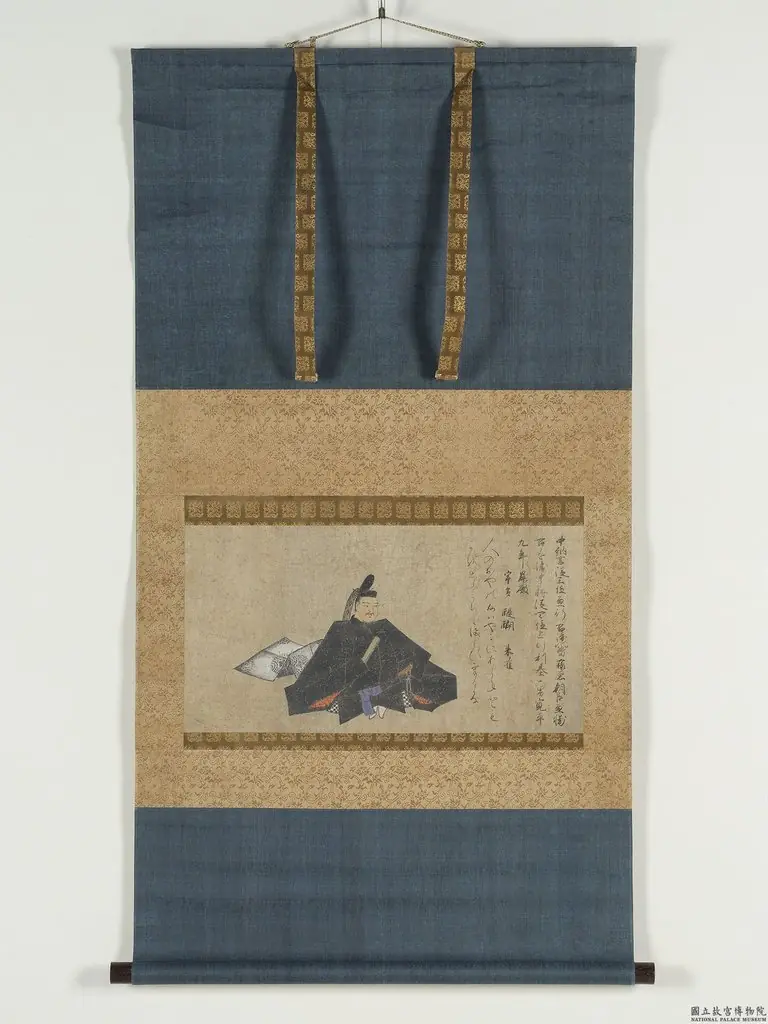 Portraits of Thirty-six Immortal Poets, Fujiwara no Kanesuke Kamakura period (14th century), Japan
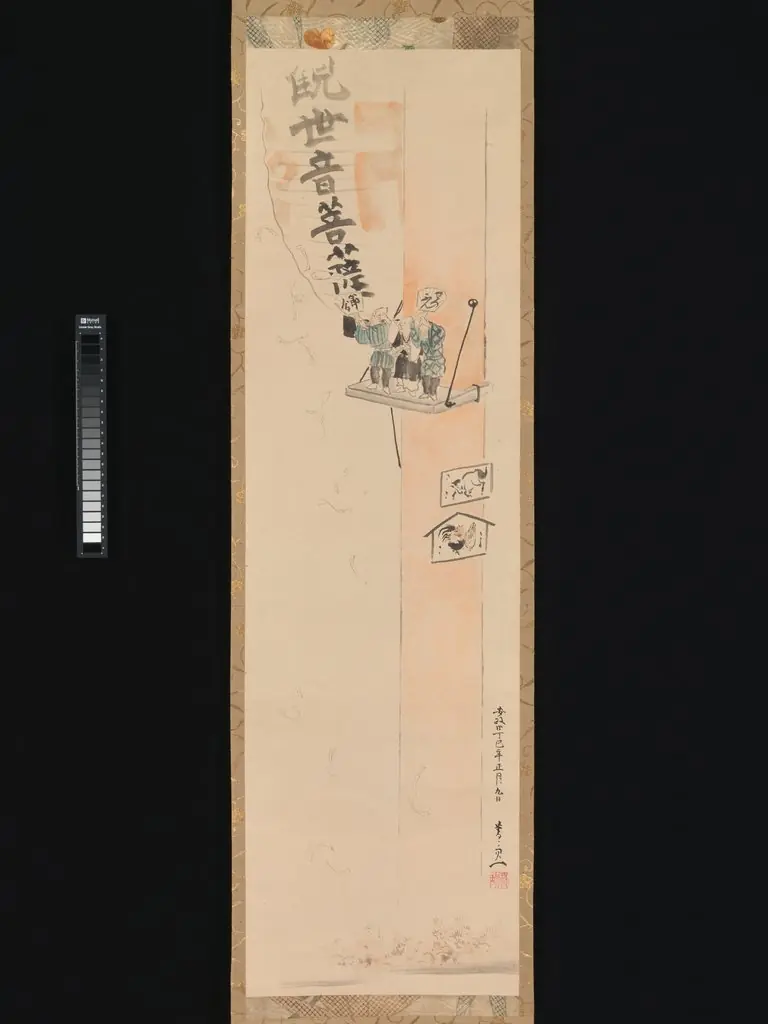 Setsubun Festival at Sensōji
 The Second Coming of the Fifth Patriarch
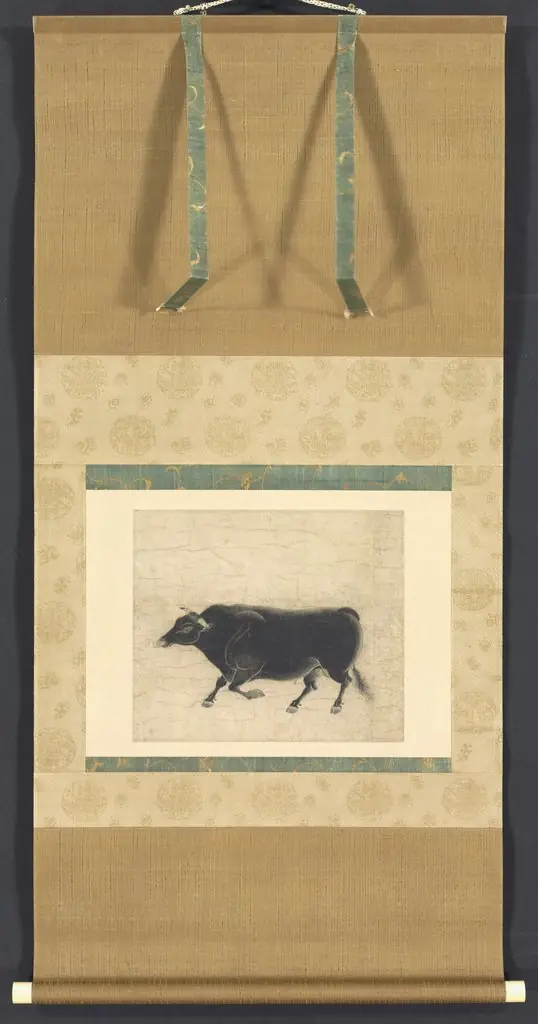 Swift Bull from the Ten Swift Bulls
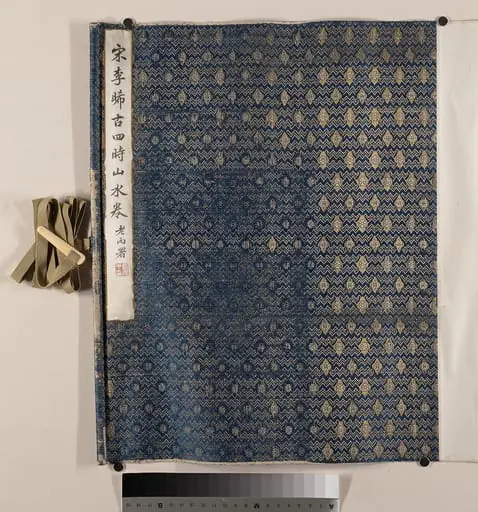 明 佚名 舊傳李唐 四時山水圖 卷|The Four Seasons
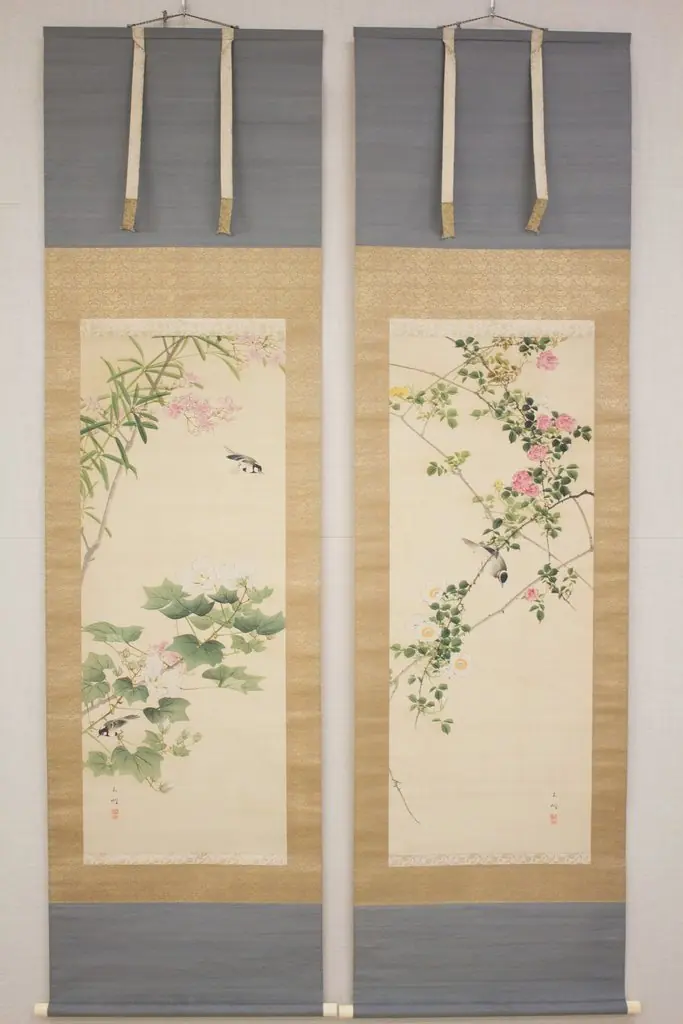 Roses and Field Sparrow (?)
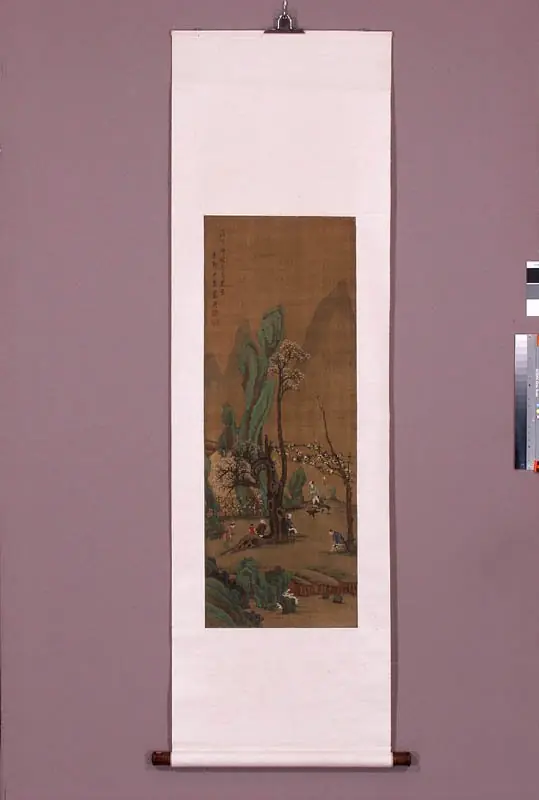 Wieśniacy odpoczywający nad potokiem
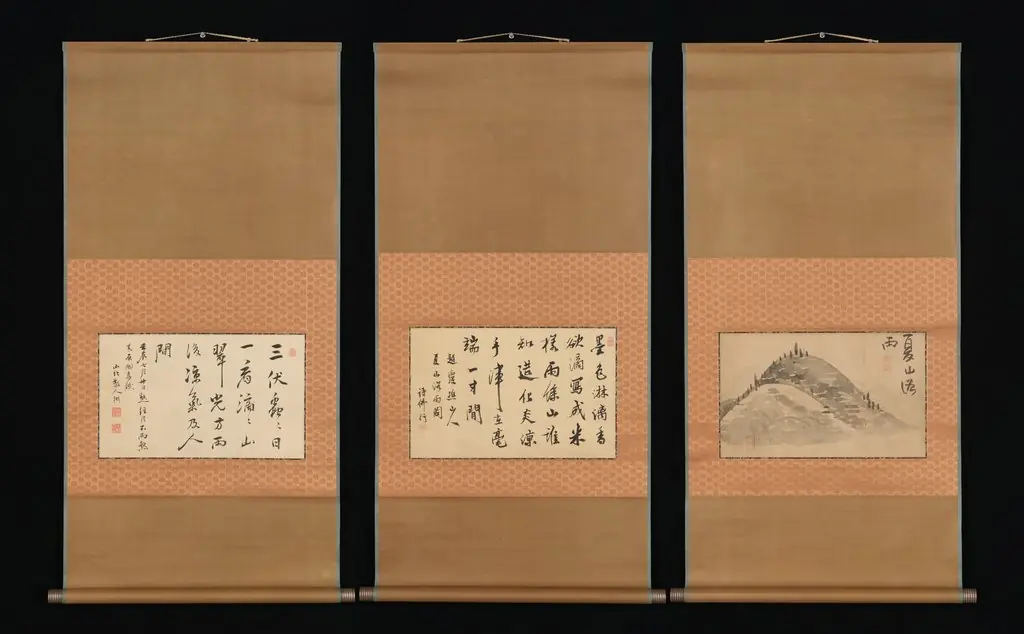 Mountain and Calligraphy
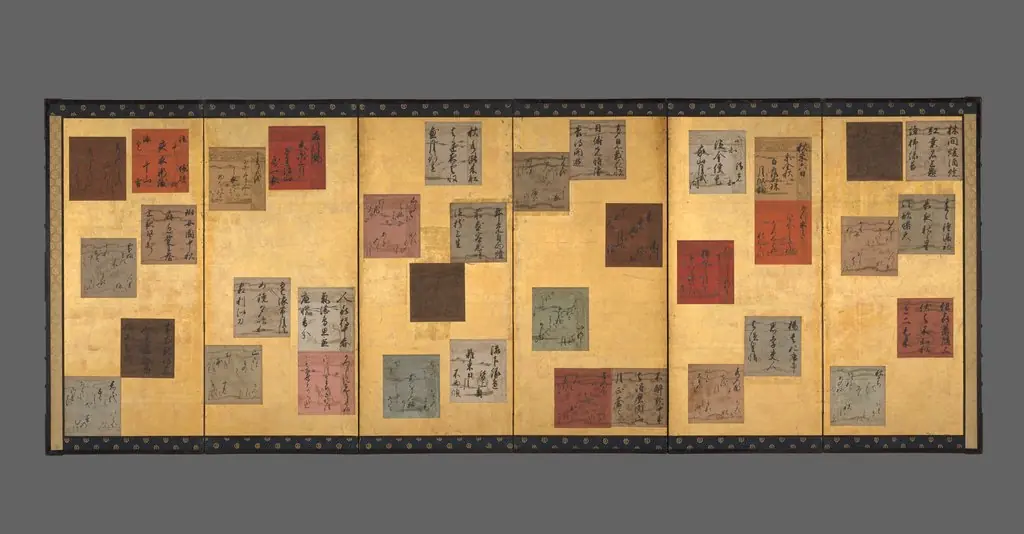 Japanese and Chinese Poems about the Four Seasons
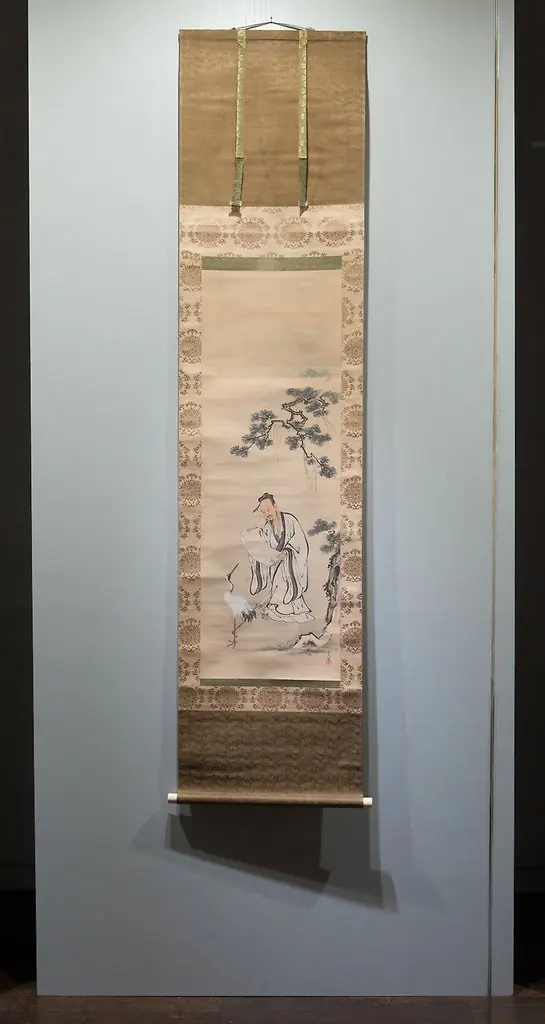 Fei Jiang-fang with a Crane
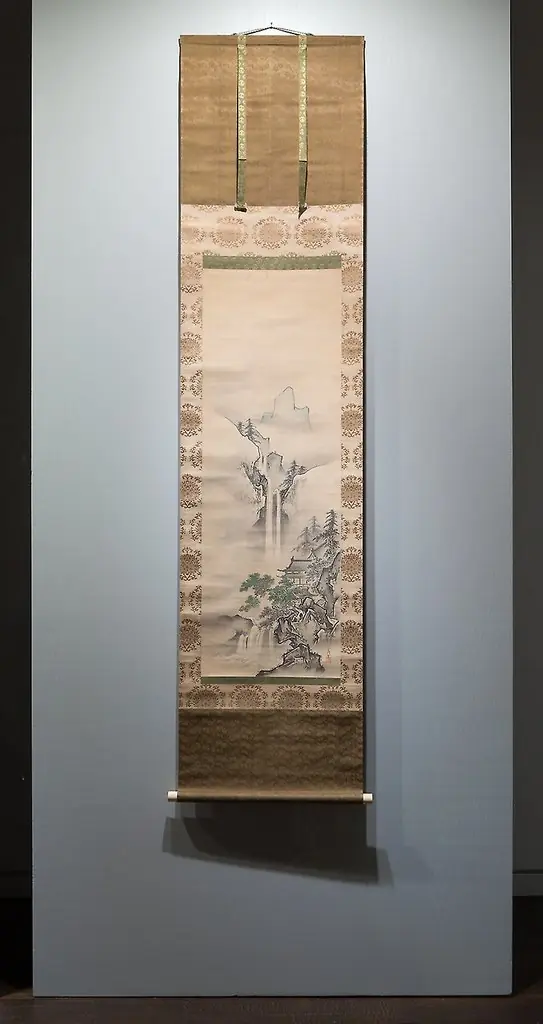 Landscape with Waterfall
 Peacocks, Pine Tree, and Peonies