Artwork
Flowers of the Four Seasons
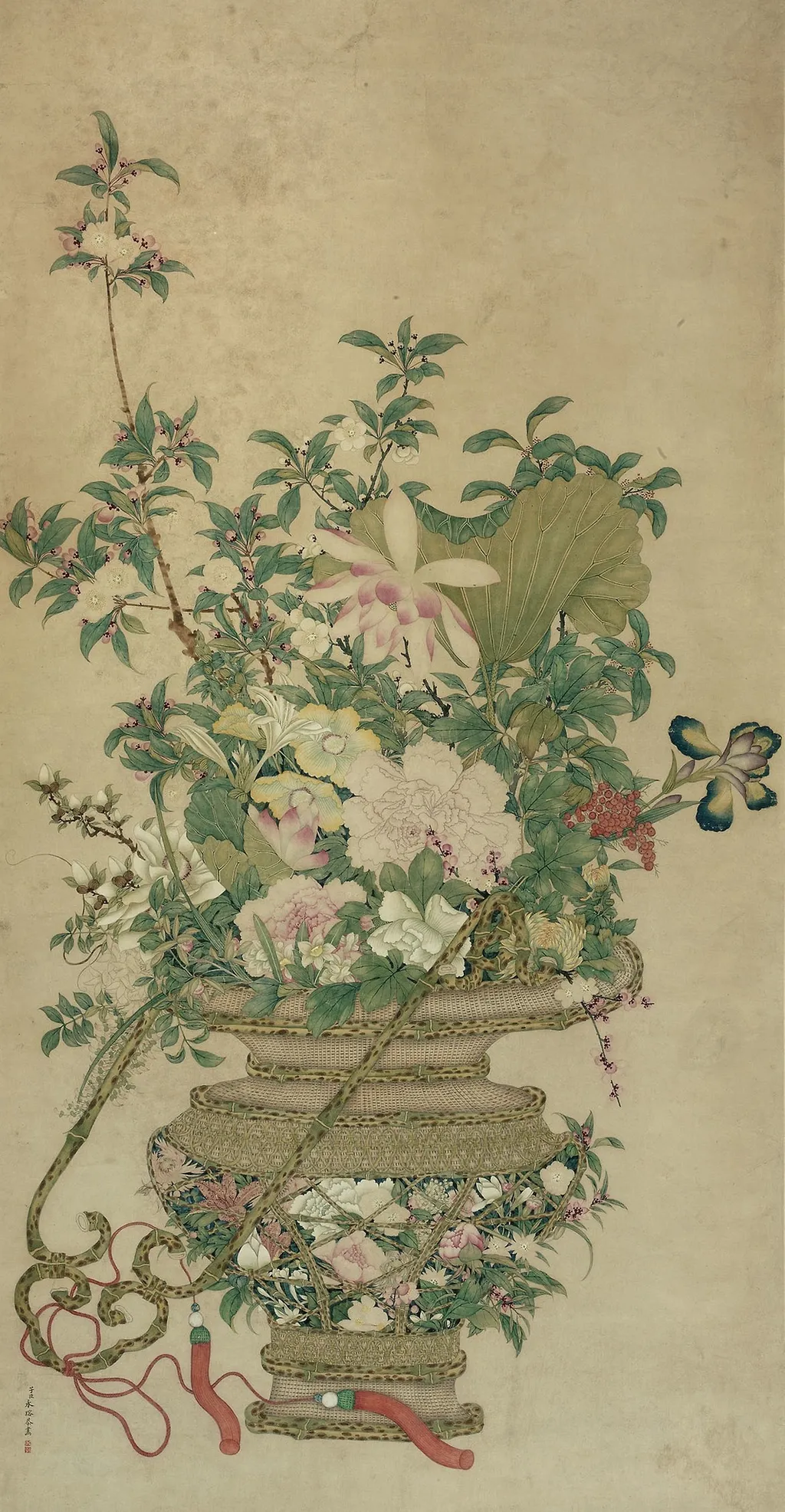
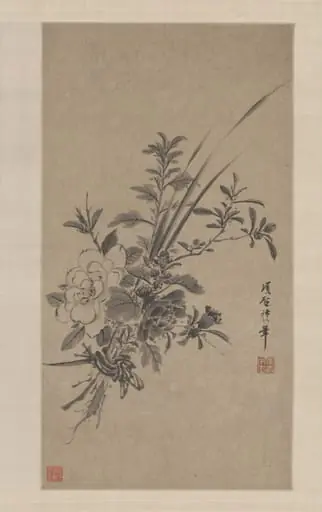
Flowers of the Four Seasons is an unspecified painting by the Rococo painting artist Unknown. It dates from 1750 and is held in the collection of the Art Institute of Chicago.
About this work
This painting is called Flowers of the Four Seasons.
It was made in 1750.
The Art Institute of Chicago has this painting, and it's a floral work, which means it depicts flowers.
The artist who made it is not well-known to me, so I won't speculate.
You can learn more about similar artworks at the museum: Art Institute of Chicago.
Overview
Flowers of the Four Seasons is an oil painting created in 1750 that belongs to the decorative floral genre. The work is part of the collection at the Art Institute of Chicago, where it is displayed among other 18th‑century European paintings. Its title suggests a systematic representation of blooms associated with each season, though the artist’s identity remains undocumented.
Subject & Meaning
The composition presents an array of blossoms arranged to evoke the cyclical nature of the year. By grouping flowers traditionally linked to spring, summer, autumn and winter, the painting offers a visual meditation on renewal and the passage of time, a common motif in decorative art intended for both aesthetic pleasure and symbolic reflection.
Technique & Style
Executed in oil on canvas, the piece employs a refined, detailed brushwork characteristic of mid‑century European still‑life painters. The palette shifts subtly across the quadrants, with lighter, pastel tones for spring and richer, deeper hues for autumn, underscoring the seasonal progression while maintaining a harmonious overall balance.
History & Provenance
First recorded in the mid‑18th century, the painting entered the Art Institute of Chicago’s holdings through a donation in the early 20th century. Documentation traces its ownership back to a private European collection, though the original patron and the artist’s workshop remain unidentified.
Context
Floral still lifes were popular in the 1700s as decorative objects for domestic interiors, reflecting both scientific interest in botany and the era’s taste for ornamental elegance. This work aligns with that tradition, serving as both a decorative panel and an educational tableau of seasonal flora.
Artist & collection

 Domestic Scene
 Giacomo and Cardinal Marco, investing Andrea, Abbot of San Zeno, with his Benefice
 The Nymph of Fontainebleau
 Portrait of a Woman
 Madonna and Child with Saints in the Enclosed Garden
 Venus and Minerva
 Family Group of Four on Sofa
 Wall painting from Room H of the Villa of P. Fannius Synistor at Boscoreale
 Vase of Flowers with Grasshopper, Marine Life, and Garden Rock
 Gathering of Auspicious Signs
 Vase of Flowers with Grasshopper, Marine Life, and Garden Rock
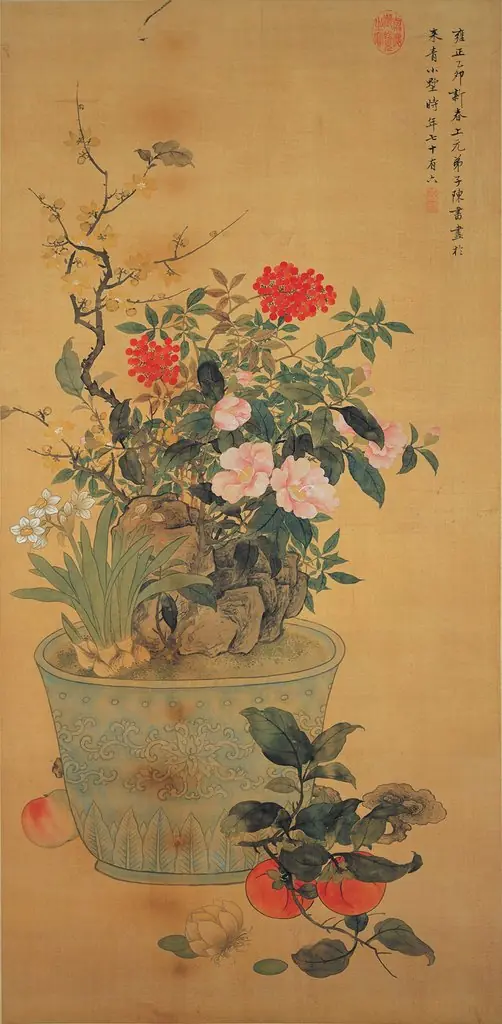 Painting for the New Year
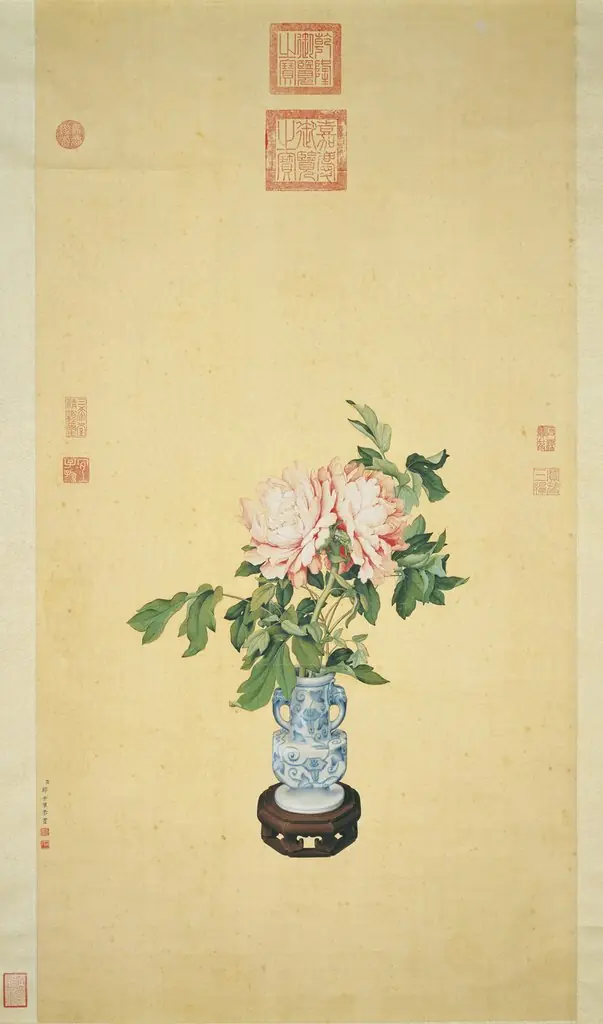 Vase of Flowers
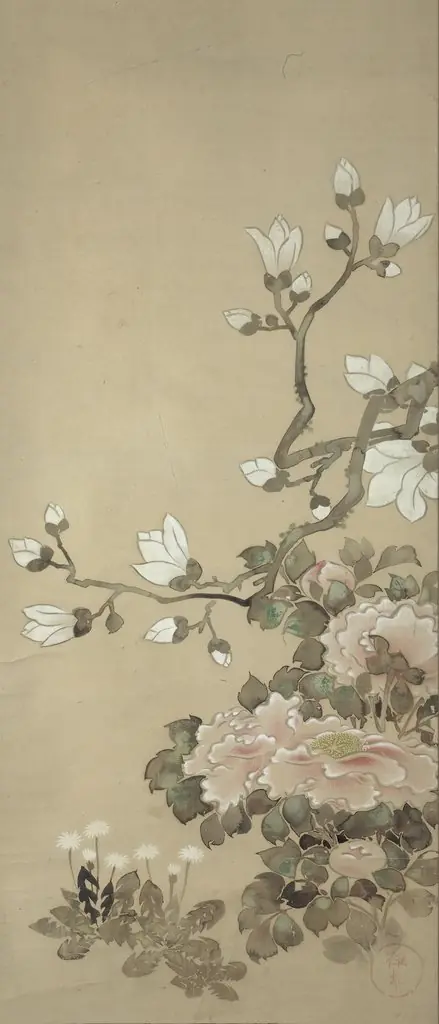 Peonies, Magnolia, and Dandelions
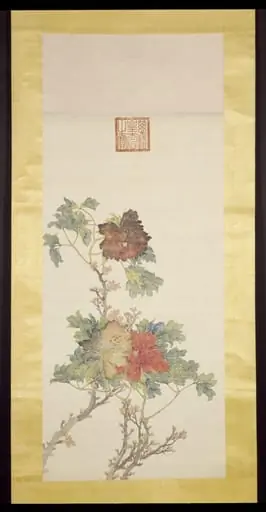 Peonies
 Myriad Longevities in an Everlasting Spring
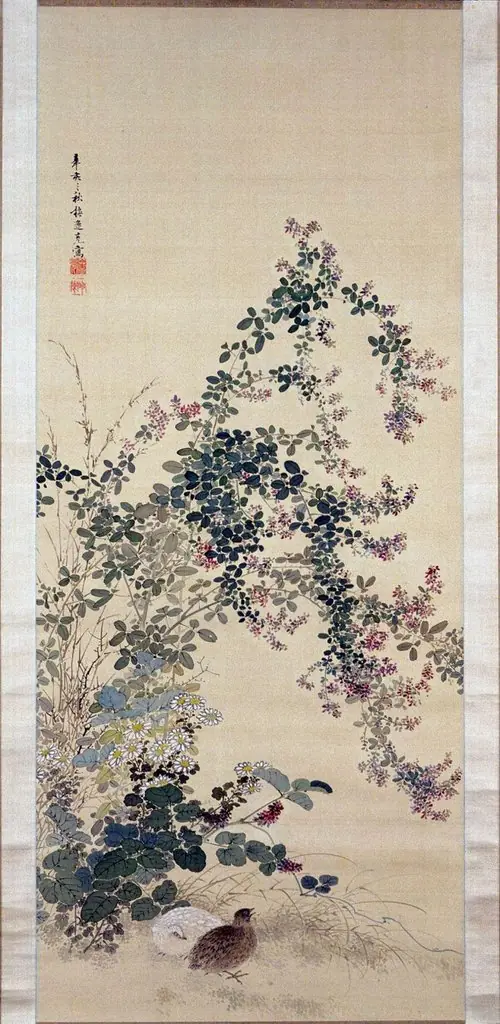 Bush Clover and Quails
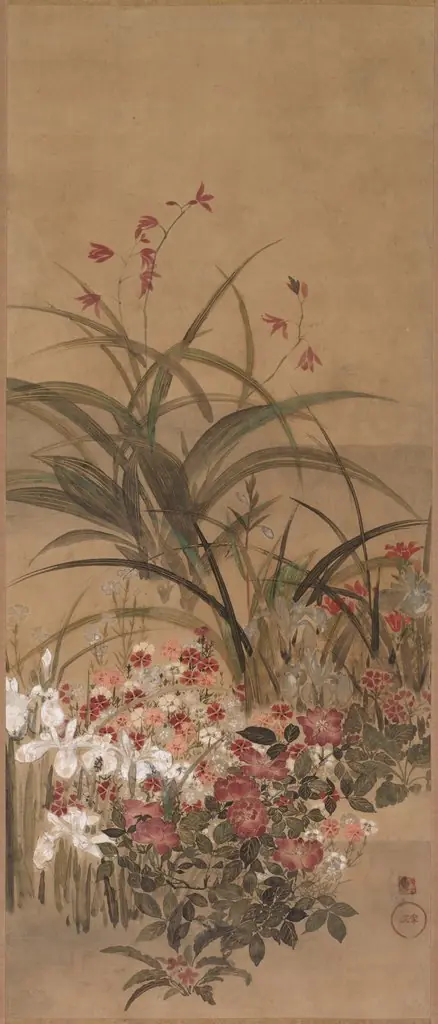 Summer Flowers
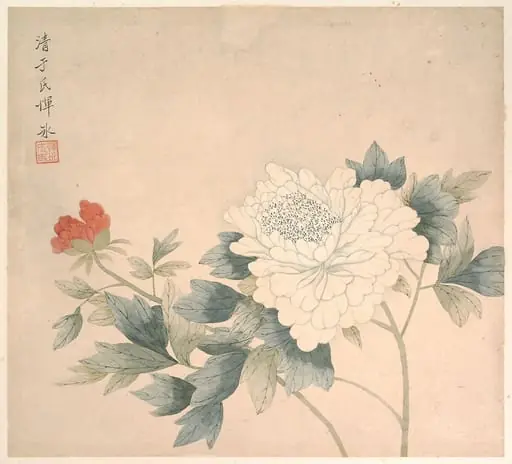 清 惲冰 花卉圖 册页|Flower Study
 Bunch of Flowers With Calamus