Artwork
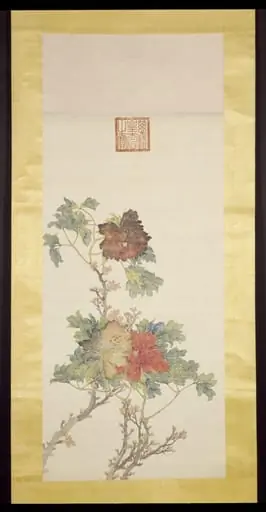
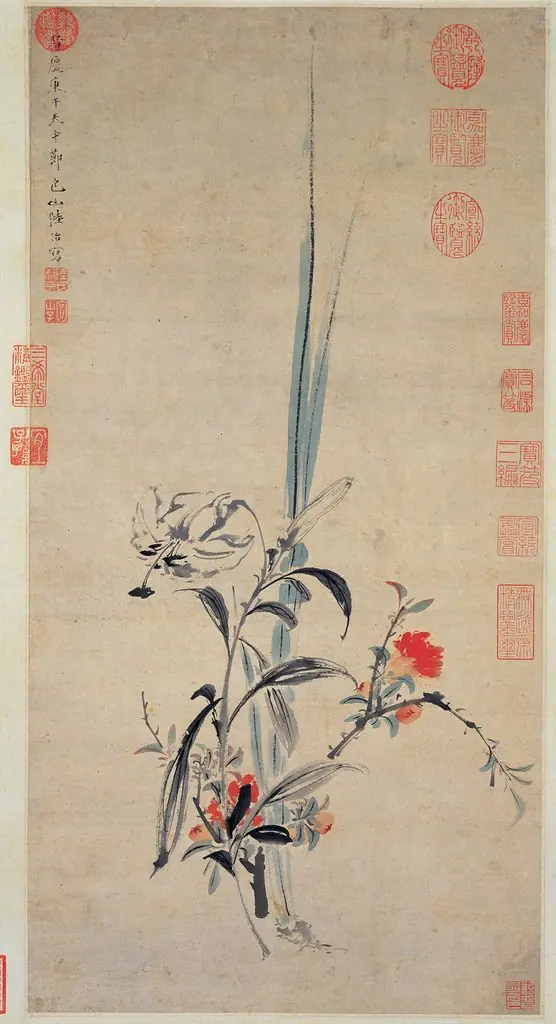
Bunch of Flowers With Calamus
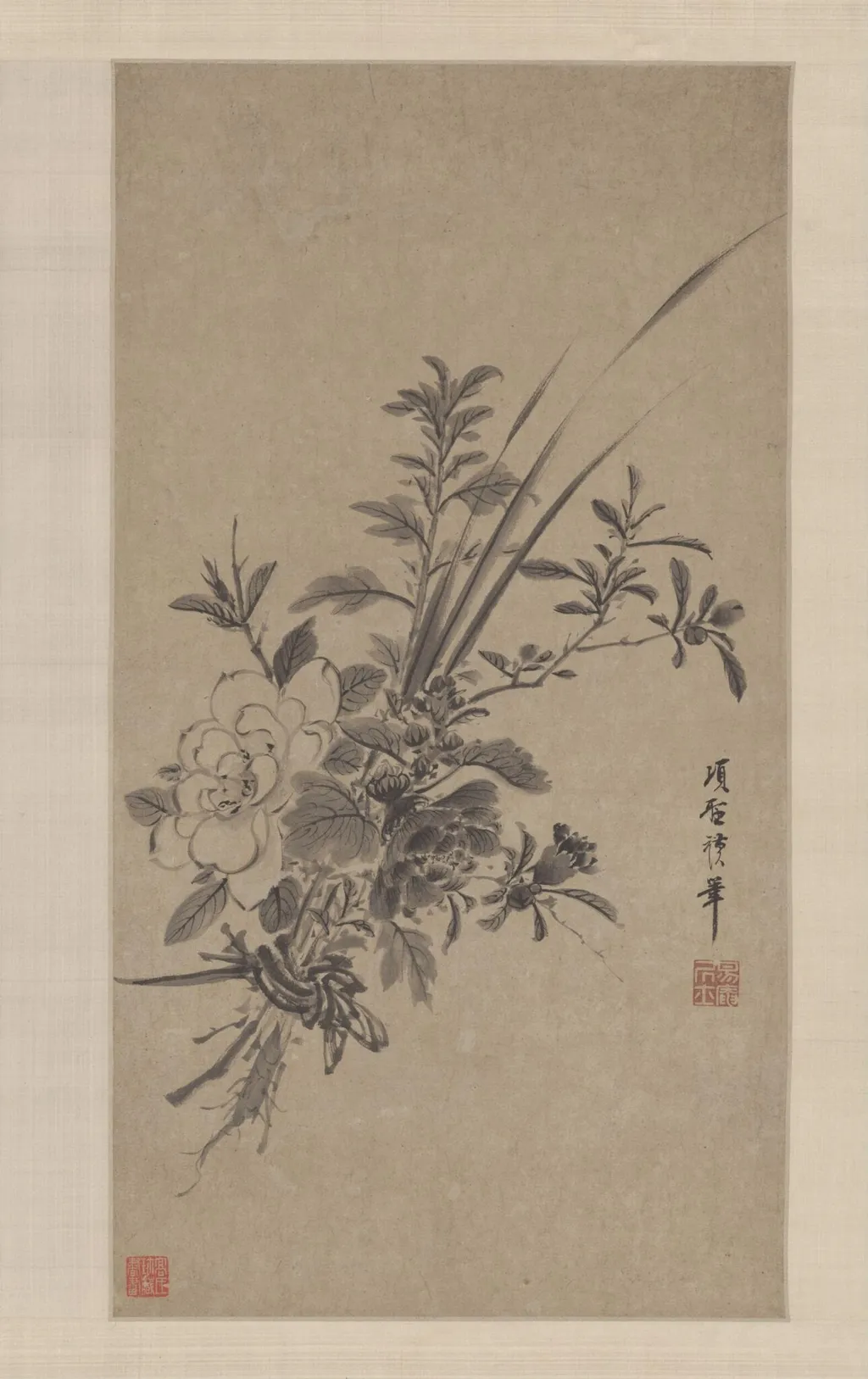
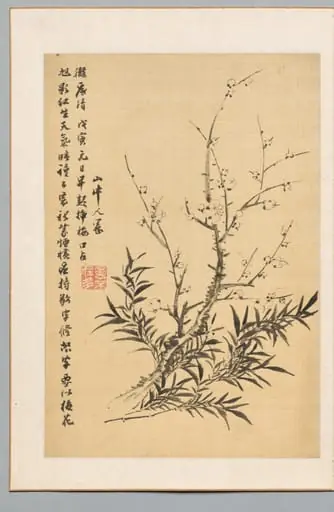
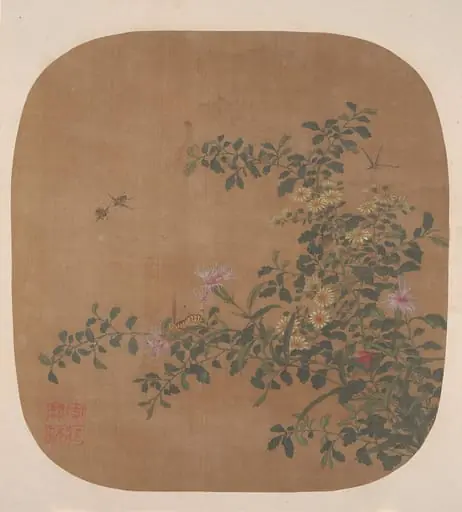
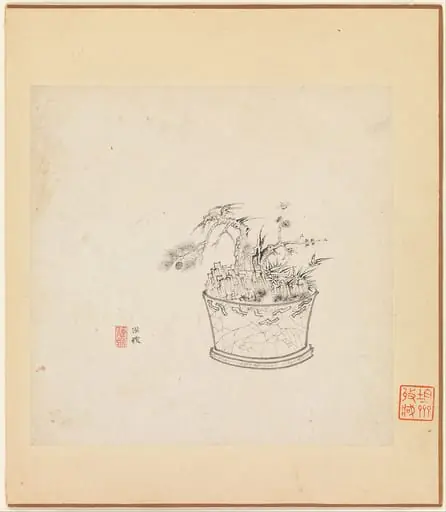
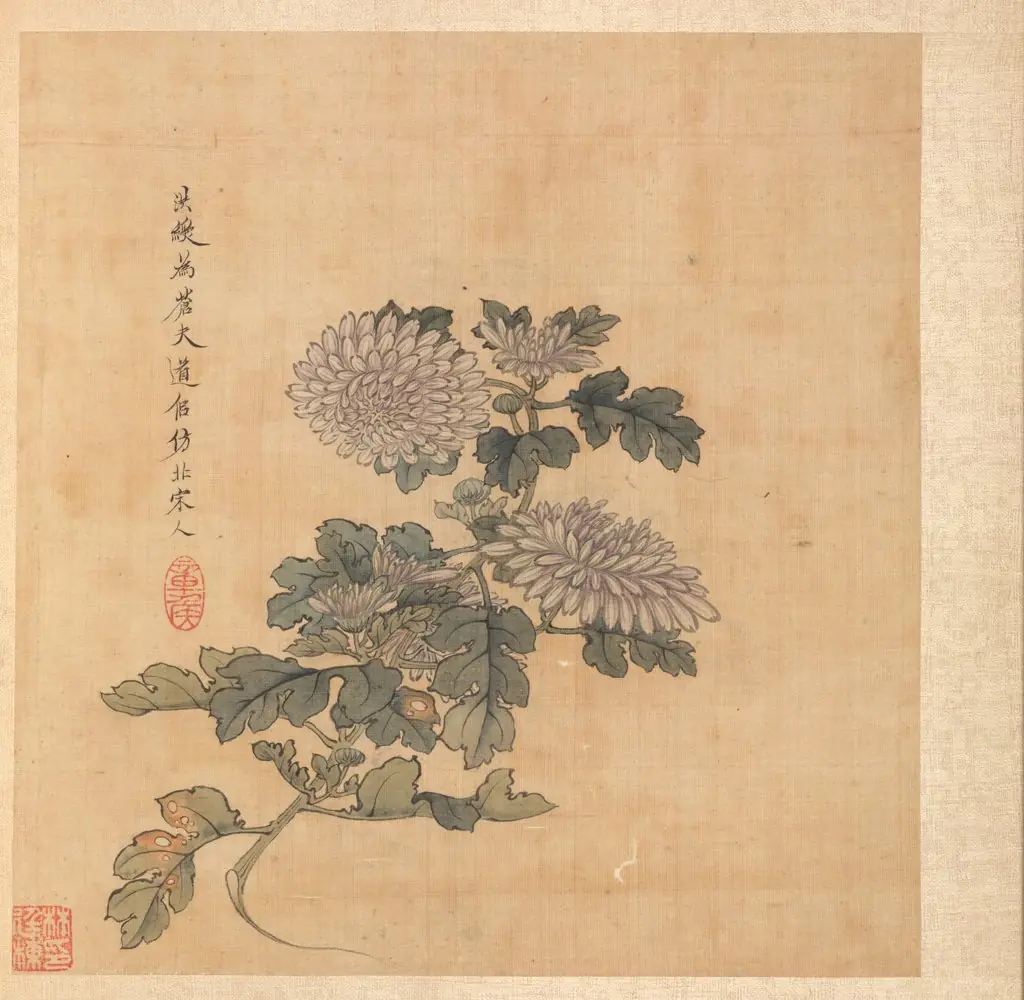
Bunch of Flowers With Calamus is a paint painting by the Ming dynasty painting artist Xiang Shengmo. It dates from 1597 and is held in the collection of the Victoria and Albert Museum. This hanging scroll depicts a cluster of blossoms bound together with calamus, rendered in ink on paper.
About this work
Overview
This hanging scroll depicts a cluster of blossoms bound together with calamus, rendered in ink on paper. Executed by the late Ming painter Xiang Shenmo (1597–1658), the work exemplifies his mature approach to floral subjects, employing delicate, unlined ink washes that convey the softness of petals and foliage.
Subject & Meaning
The composition centers on a tightly gathered bouquet, the stems intertwined with slender calamus stalks. By presenting the flowers in a bundled arrangement, Xiang emphasizes the unity of natural forms and the cultivated aesthetic of garden bouquets popular among literati collectors of his era.
Technique & Style
Xiang applies a ‘boneless’ method, layering translucent ink washes without outlining brushstrokes. This creates a subtle gradation of tone that suggests volume and translucency, akin to the atmospheric effects achieved in Western sfumato, yet rooted in Chinese ink traditions.
History & Provenance
The scroll bears Xiang’s signature and a personal seal that also appears in a 1643 flower album, indicating a likely creation date around 1644, shortly before the Ming dynasty’s collapse. A collector’s seal on the lower left reads “Calligraphy and Painting treasured in the collection of Mr Gao,” linking the piece to an early private collection.
Context
Xiang Shenmo hailed from a prominent scholar‑official family in Jiaxing, Zhejiang, and was the grandson of the renowned art collector Xiang Yuanbian. Trained in both landscape and flower painting, he developed a distinctive lyrical style that catered to the tastes of elite connoisseurs during the turbulent late Ming period.
Own this work as a print
Artist & collection


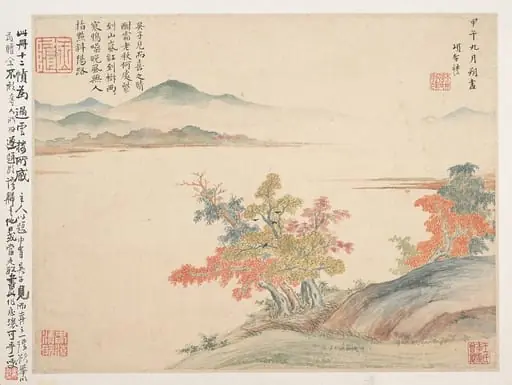 明/清 項聖謨 秋景圖 冊頁|Autumn Landscape, leaf from Album for Zhou Lianggong
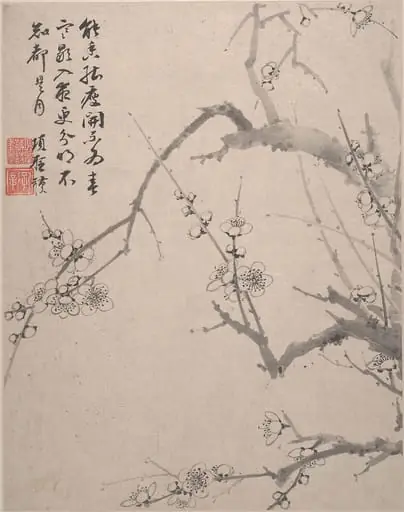 明/清 項聖謨 山水花鳥圖 冊|Landscapes, Flowers and Birds
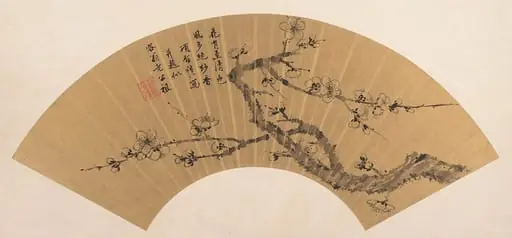 明/清 項聖謨 梅花 扇|Branch of Blossoming Plum
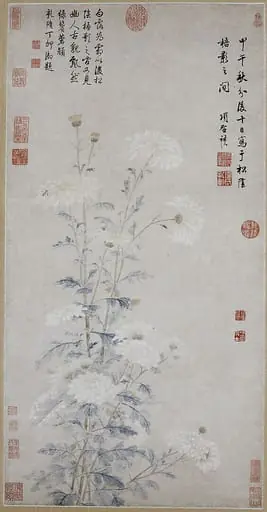 明/清 項聖謨 白菊圖 軸|White Chrysanthemums
 Meditative Visit to a Mountain Retreat: In Picture and in Words
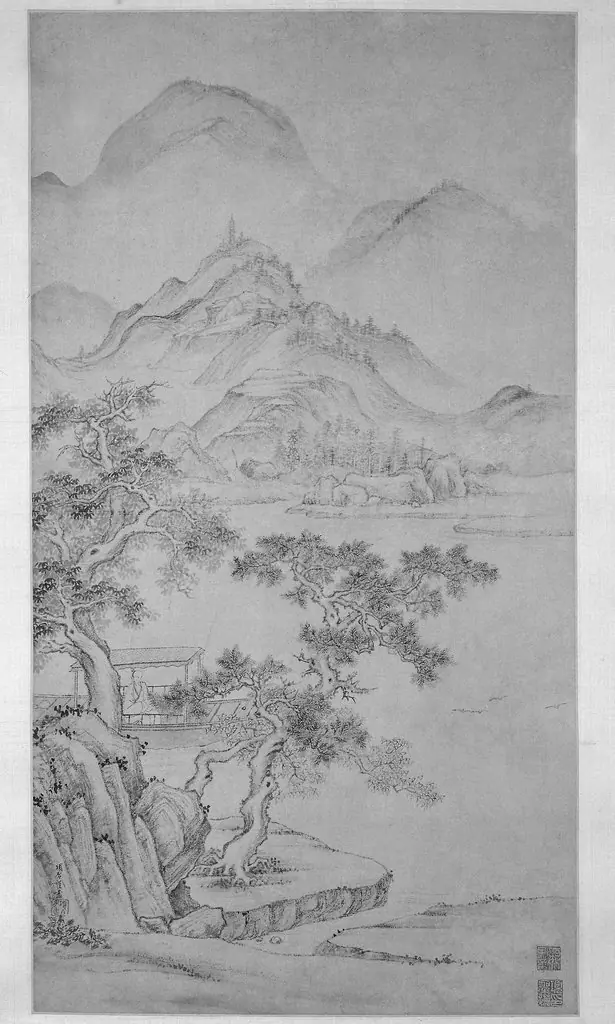 River and Mountain Landscape
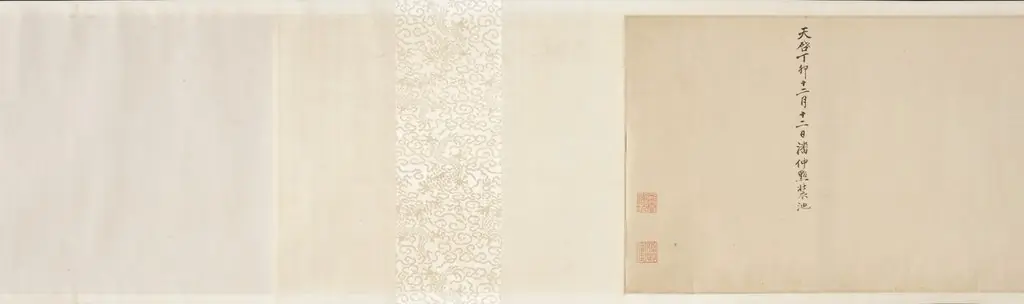 Beckoning of Solitude (Zhaoyin tu)
 Meditative Visit to a Mountain Retreat: In Picture and in Words